布雷顿森林体系

Search documents
国际货币体系专题(一):百年浮沉,彰往察来
HUAXI Securities· 2025-08-10 15:32
Group 1: Historical Evolution of the International Monetary System - The international monetary system has evolved through three major phases since 1870: the Gold Standard, the Bretton Woods System, and the Jamaica System[1] - The Gold Standard operated on a government commitment to maintain currency value through gold reserves, while the Bretton Woods System was a quasi-gold standard based on the unique economic position of the United States[2] - The Jamaica System represents a loose and flexible choice under economic diversification, affirming the current state of a multi-currency system[3] Group 2: Monetary Discipline and Current Challenges - The transition from the Gold Standard to the Bretton Woods System and then to the Jamaica System reflects a gradual loosening of monetary discipline, allowing for more flexible monetary policies[4] - In the 21st century, major economies like Japan, the U.S., and the Eurozone have implemented aggressive quantitative easing near zero interest rates, undermining confidence in these reserve currencies[5] - Emerging economies are increasing their gold reserves, indicating a paradox where the freedom from gold constraints leads to a heightened desire for gold reserves[6] Group 3: Capital Flows and Regulatory Needs - International capital flows have grown significantly, revealing the weaknesses of existing monetary systems, with capital acting as a powerful force that can destabilize these systems[7] - The Jamaica System's characteristics of freedom and diversity allow international capital to attack weaker economic regions, necessitating capital control measures to prevent financial crises in emerging markets[8] Group 4: Future of the Monetary System - The future restructuring of the international monetary system will depend on shifts in global economic and trade centers, influenced by technological advancements and industrial competitiveness[9] - The current monetary system faces challenges from structural imbalances among major economies, which could lead to financial crises and increased protectionism, particularly from the U.S.[10]
我国黄金为何不放在中国,反而要放在美国呢?不怕被美国私吞吗?
Sou Hu Cai Jing· 2025-08-01 12:22
Core Viewpoint - Gold has historically been viewed as a stable asset, contrasting with the volatility of paper currencies and stock markets, and serves as a strategic reserve for central banks, particularly in China [1][4]. Group 1: Historical Context - After World War II, the Bretton Woods system established the U.S. dollar as the core of the international financial system, with over two-thirds of global gold reserves held by the U.S. [1][2]. - Countries stored their gold in the U.S. for safety and convenience, as the U.S. was the world's strongest economy at the time [1][2]. Group 2: Current Gold Storage Practices - Despite the collapse of the Bretton Woods system in 1971, many countries, including China, have retained their gold in the U.S. due to the dollar's continued dominance in international trade [2][4]. - China is estimated to have about 600 tons of gold stored in the New York Federal Reserve, which is known for its high security [2][4]. Group 3: Reasons for Storing Gold Abroad - Storing gold in the U.S. helps diversify risk, protecting against potential domestic disasters or geopolitical conflicts [4][9]. - The liquidity of gold transactions is enhanced by its storage in New York, facilitating participation in global markets [4][9]. Group 4: Challenges in Repatriating Gold - Historical attempts by countries like Germany to retrieve gold from the U.S. have faced delays and complications, indicating that repatriation is not straightforward [8][9]. - The U.S. has previously frozen foreign assets, raising concerns about the security of gold reserves held abroad [6][9]. Group 5: China's Strategy - China has been increasing its gold reserves while reducing its holdings of U.S. Treasury bonds, reflecting a strategy to mitigate risks associated with U.S. dollar dominance [9][11]. - As of December 2024, China's gold reserves reached 2,271 tons, a 16.6% increase over two years, while its U.S. debt holdings decreased by over 40% [9][11]. Group 6: Future Implications - The rising importance of gold in the international financial system is expected to grow alongside the increasing international status of the Chinese yuan [13]. - The dual strategy of maintaining gold reserves abroad while increasing domestic holdings aims to safeguard China's economic interests amid global uncertainties [11][13].

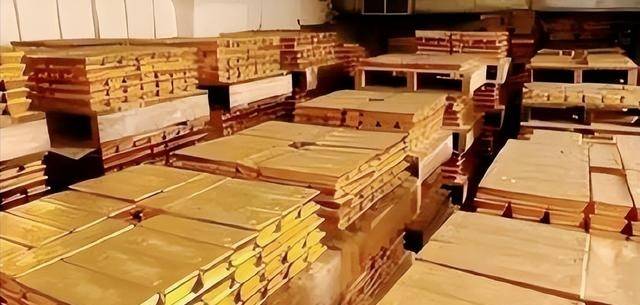
中美俄黄金储备差距断崖:美国8133吨,俄罗斯2350吨,我国有多少
Sou Hu Cai Jing· 2025-07-28 09:13
Group 1: Global Gold Reserves - The United States holds over 8,133 tons of gold, accounting for more than 25% of the world's official gold reserves [8] - Russia's gold reserves have increased from less than 400 tons to 2,350 tons over the past decade, demonstrating significant growth [11] - China's official gold reserves stand at 71.87 million ounces, ranking just behind Russia, but the estimated private gold holdings in China could range from 120,000 to 160,000 tons, surpassing the U.S. official reserves [17][18][22] Group 2: Historical Context and Economic Impact - The Bretton Woods system established a link between the U.S. dollar and gold, leading to a significant accumulation of gold in the U.S. during the mid-20th century [6] - Gold serves as a crucial hedge against economic instability, with its price often rising during financial crises, such as the 2008 financial crisis and the COVID-19 pandemic [24] - The relationship between gold and the U.S. dollar is typically negative, with gold prices rising when the dollar weakens, making gold an important tool for hedging against dollar depreciation [26] Group 3: Gold's Role in National Security - Gold reserves are vital for national economic and financial security, acting as a buffer against economic fluctuations and geopolitical tensions [4][11] - Russia has utilized its gold reserves to counteract sanctions and has implemented a "gold for goods" strategy to facilitate trade [13][15] - In China, the cultural practice of gold accumulation among the populace contributes to a hidden layer of financial security, reinforcing the country's economic stability [20][22]

600吨中国黄金放在美国,为啥不存在国内金库?背后有着怎样隐情
Sou Hu Cai Jing· 2025-07-18 23:57
Core Viewpoint - The article discusses the rationale behind China storing a significant amount of its gold reserves in the United States, highlighting the historical context and practical benefits of this decision. Group 1: Historical Context - The Bretton Woods system established in 1944 linked the US dollar to gold, making the dollar a global standard for trade and finance [3][5] - The US emerged as the dominant economic power post-World War II, leading countries to store gold in the US for easier international transactions [5][7] Group 2: Practical Benefits - Storing gold in New York, the world's largest gold trading market, allows for efficient transactions without the need for physical movement of gold, saving on costs and time [9][11] - The high security of the Federal Reserve's underground vaults in New York provides a safe storage solution for gold reserves [11] Group 3: Risk Management - China's gold reserves are approximately 2,300 tons, with 600 tons stored in the US, which is a manageable proportion considering the vast amount of gold held privately in China [13][15] - The strategy of diversifying gold storage helps mitigate risks associated with geopolitical tensions and potential loss of assets [15][17] Group 4: Future Considerations - The article notes a growing trend among countries to repatriate gold as a strategic measure against potential geopolitical risks, indicating a shift in global financial dynamics [23] - China is currently weighing the pros and cons of maintaining its gold reserves in the US, with the possibility of repatriation if international financial conditions change significantly [25]


货币体系变革与黄金大周期研究
2025-07-16 06:13
Summary of Conference Call Records Industry or Company Involved - The discussion primarily revolves around the **gold market** and its investment potential, alongside insights into the **A-share** and **Hong Kong stock markets**. Core Points and Arguments 1. **Short-term and Long-term Perspectives on Gold**: The recent pullback in gold prices is viewed as a correction within a larger monetary cycle, with a recommendation to adopt a more positive stance on the market moving into May, especially in light of resilient A-shares and currency amidst overseas policy shocks [1][2][3]. 2. **Market Volatility and Tariff Policies**: The recent market fluctuations are attributed to high uncertainty in overseas policies, particularly regarding tariffs. A notable easing in tariff tensions, especially concerning China, is expected to positively influence market sentiment [2][3]. 3. **Gold Price Support Levels**: Current short-term support for gold is identified at **$3,260**, with a longer-term support level around **$3,166**. The overall trend for gold remains positive despite recent adjustments [3][4]. 4. **Investment Strategy for Gold**: It is suggested to gradually increase gold holdings through dollar-cost averaging, recommending a portfolio allocation of **5% to 10%** in gold to enhance overall investment performance [4][5]. 5. **Performance of Major Asset Classes**: In April, gold and domestic bonds led the performance among major asset classes, while oil and overseas stocks experienced volatility. The report highlights the relative underperformance of certain sectors like technology and manufacturing [4][5]. 6. **A-shares Valuation**: A-shares are considered to be undervalued historically, presenting medium to long-term investment opportunities. The Hong Kong market is expected to benefit from global monetary easing and its own tech sector competitiveness [5][6]. 7. **Bond Market Outlook**: A cautious stance is advised for the bond market, with limited room for further declines in yields. The recommendation is to avoid excessive focus on long-duration bonds [6][7]. 8. **Global Economic Factors Impacting Gold**: The potential for economic recession in the U.S. and rising inflation pressures are seen as supportive for gold prices. The ongoing trade tensions are also expected to lead to a decrease in reliance on dollar assets by various countries [9][10]. 9. **Central Bank Gold Purchases**: Central banks are increasingly purchasing gold as a hedge against dollar asset dependency, with significant inflows into gold ETFs noted, particularly from North America and Asia [26][27]. 10. **Long-term Gold Cycle Analysis**: Historical analysis indicates that gold prices rise in response to dollar depreciation and global currency devaluation. The current environment of high debt levels and monetary expansion is expected to continue supporting gold prices [20][22][23]. Other Important but Possibly Overlooked Content 1. **Technical Analysis of Gold**: The current technical indicators suggest a potential for price stabilization, but caution is advised due to speculative positions in the futures market showing signs of reduction [11][28]. 2. **Investment Vehicles for Gold**: Recommendations include investing in gold ETFs and funds, which provide a practical means for investors to gain exposure to gold without the need for physical storage [30][31]. 3. **Future Economic Indicators**: Upcoming economic data releases, particularly from the U.S., are anticipated to influence market dynamics significantly, especially regarding inflation and employment figures [29][30]. 4. **Risk Management in Gold Investments**: Emphasis is placed on the importance of risk management in gold investments, particularly in light of fluctuating market conditions and speculative trading behaviors [29][30]. This summary encapsulates the key insights and recommendations from the conference call, focusing on the gold market's dynamics and broader economic implications.
美联储讲解20250512
2025-07-16 06:13
Summary of the Conference Call Industry or Company Involved - The discussion primarily revolves around the **Federal Reserve** (the central bank of the United States) and its role in the global economy. Core Points and Arguments 1. **Importance of the Federal Reserve**: The Federal Reserve is crucial as it influences the global economy due to the dominance of the U.S. economy and the dollar as the world's primary currency [1] 2. **Historical Context of Central Banks**: The concept of a central bank is relatively modern; historically, there were no central banks, and currency issuance was often decentralized [2][3] 3. **Functions of Central Banks**: Central banks regulate the money supply through various mechanisms, including adjusting reserve requirements and buying/selling government securities [3][4] 4. **Independence of Central Banks**: The independence of central banks, particularly in developed countries, is emphasized as a means to prevent short-term political influences on monetary policy [5][6] 5. **Structure of the Federal Reserve**: The Federal Reserve was established in 1913 and operates as a unique entity with both public and private characteristics, functioning as a bank for banks [11][12] 6. **Profit Distribution**: The profits generated by the Federal Reserve are transferred to the U.S. Treasury, and shareholders do not receive profit distributions [14] 7. **Chairperson Selection**: The selection of the Federal Reserve Chairperson is influenced by presidential preferences, with candidates often coming from successful financial or academic backgrounds [16] 8. **Global Monetary System**: Post-World War II, the dollar became the foundation of the global financial system, leading to the establishment of the Bretton Woods system, which eventually transitioned to a floating exchange rate system [17][18] 9. **Federal Reserve's Goals**: The primary objectives of the Federal Reserve include maintaining price stability and monitoring employment levels, without any explicit goals to target other countries [18] Other Important but Possibly Overlooked Content 1. **Historical Myths**: The narrative dispels myths about capital controlling the U.S. government, emphasizing that the establishment of the Federal Reserve was a response to financial crises rather than a result of private interests [9][10] 2. **Externalities of Central Banking**: The discussion touches on the concept of externalities, where the actions of the Federal Reserve can significantly impact the broader economy and society [13] 3. **Crisis Management**: The Federal Reserve plays a critical role in managing financial crises by providing liquidity to commercial banks during times of distress [4][5]
朱光耀:美国正试图用稳定币开启布雷顿森林体系第三阶段
Sou Hu Cai Jing· 2025-07-10 03:29
Group 1 - The core viewpoint of the articles highlights the significance of the recently passed "GENIUS Act" in the U.S. Senate, which aims to establish a regulatory framework for stablecoins, potentially reshaping the global monetary system [1] - The U.S. government is positioning itself to maintain the dollar's dominance in the global economy through the introduction of stablecoins backed by U.S. Treasury securities [15][16] - The total global economic scale is projected to reach $110 trillion in 2024, with the U.S. and China being the largest economies, accounting for 25% and 16.6% of the global economy, respectively [5][6] Group 2 - In 2024, global trade is expected to total $65 trillion, with China and the U.S. having nearly equal trade volumes, each accounting for approximately 11% of global trade [6][7] - The global capital flow is projected to reach $250 trillion in 2024, with stablecoin transactions surpassing $27.6 trillion, indicating a significant role in the financial ecosystem [6][9] - The U.S. national debt has exceeded $36 trillion, with interest payments projected to surpass $1 trillion, raising concerns about fiscal sustainability [9][10] Group 3 - The U.S. Treasury's recent actions, including the repurchase of $10 billion in U.S. debt, reflect the urgency to manage national debt pressures [10][11] - The Federal Reserve's adjustments to regulatory policies, including changes to leverage ratios for banks, aim to enhance liquidity and support the financial system [11][12] - The proposed stablecoin regulations will require all issued stablecoins to be directly pegged to U.S. dollars or short-term Treasury securities, ensuring high liquidity and regulatory oversight [15][16] Group 4 - The emergence of stablecoins is seen as a response to technological advancements, particularly in blockchain, which allows for the tokenization of real-world assets [18][19] - The U.S. strategy emphasizes a centralized approach to stablecoin issuance, contrasting with the decentralized nature often associated with cryptocurrencies [19] - The regulatory framework for stablecoins is expected to challenge other nations, necessitating coordinated international policy responses [19]
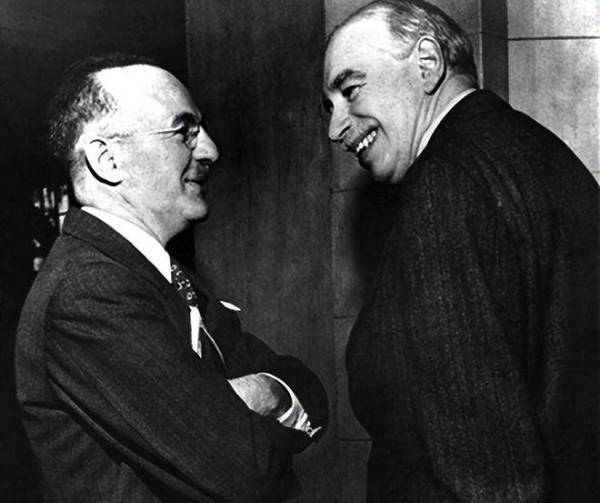
一口气把关税拉到70%?美国亮明筹码,给100国下最后通牒
Sou Hu Cai Jing· 2025-07-07 15:35
Group 1 - The core viewpoint of the articles revolves around the U.S. imposing tariffs as a strategy to reduce trade deficits and regain leverage in international trade negotiations [1][4][6] - U.S. Treasury Secretary Bessent emphasizes the urgency of negotiations, stating that countries must act quickly to avoid reverting to previous higher tariff levels [3][6] - The U.S. aims to not only reduce trade deficits but also to bolster domestic manufacturing and increase fiscal revenue through high tariffs, particularly targeting industries like automotive and steel [6][12] Group 2 - The articles highlight the geopolitical implications of the tariff strategy, particularly in relation to China's rise and the potential threat it poses to U.S. economic dominance [6][11] - The concept of "Triffin's Dilemma" is introduced, explaining how the U.S. uses tariffs to manage trade deficits while maintaining the dollar's status as the world's reserve currency [9][12] - There is a growing trend towards "de-dollarization," with countries exploring alternative currencies for trade, which could undermine the U.S. dollar's dominance in the long term [11][12]
瞭望 | 美元能否造出新需求
Sou Hu Cai Jing· 2025-07-01 06:24
Group 1 - The core argument is that the dollar is facing a "anchor" crisis due to the diminishing effectiveness of its traditional backing, such as gold reserves and industrial production capacity, leading to a potential structural adjustment in the international monetary system [1][4][12] - The transition from the gold standard to the gold-exchange standard established a long-lasting credit system for the dollar, which was initially supported by abundant gold reserves [5][7] - The Bretton Woods system expanded the gold-exchange standard globally, with the dollar being pegged to gold, but this system eventually collapsed due to the Triffin dilemma, highlighting the limitations of gold as a backing for the dollar [8][10] Group 2 - The "petrodollar" system was established to create a new anchor for the dollar, linking it to oil trade, which significantly increased the demand for dollars in international transactions [11][12] - The current geopolitical landscape and the rise of alternative currencies, such as the euro and yuan, are challenging the dominance of the dollar, as countries seek to reduce reliance on it for trade [12][14] - The U.S. is attempting to find new anchors for the dollar, such as high-tech products and critical minerals, but faces significant challenges in establishing these as viable alternatives to the "petrodollar" [15][16] Group 3 - The emergence of stablecoins as a potential means to maintain dollar dominance raises questions about their stability and the underlying assets they are tied to, which may not provide a reliable foundation for the dollar's future [18][19] - The volatility of the underlying dollar assets poses risks to stablecoins, as seen during the Silicon Valley Bank crisis, which affected the value of stablecoins like USDC [18][19]
看懂了美元是如何控制全世界的,就知道为啥美国,总要挑起战争
Sou Hu Cai Jing· 2025-06-25 08:16
Core Viewpoint - The essence of the US dollar is a credit system built on military hegemony, and its value diminishes if it is no longer used as a global settlement and reserve currency [1] Group 1: Historical Context of Dollar Hegemony - The dollar's dominance began with the wealth accumulation during World War I and World War II, where the US profited significantly from military manufacturing and weapon exports [3] - Post-World War II, the US held over 75% of the world's gold reserves, leading to the dollar replacing the British pound as the dominant global currency during the Bretton Woods Conference in 1944 [5] - The end of the Bretton Woods system in 1971 saw the dollar decoupled from gold, leading to the first dollar crisis as countries sought to repatriate gold from the US [7] Group 2: Mechanisms of Dollar Influence - The dollar's global circulation was bolstered through grants, loans, and purchases of foreign goods, leading to a sharp increase in demand for the dollar [7] - The US linked the dollar to oil in 1973, solidifying its status as countries relied on oil transactions in dollars, further strengthening its position [7] - The proliferation of financial derivatives in the 1980s and 1990s allowed the dollar to leverage high-risk futures markets, resulting in significant capital inflows and global inflationary pressures [7][10] Group 3: Impact on Developing Countries - Developed countries responded to rising raw material prices by reducing real economic activity, while developing countries faced economic strain due to high raw material costs and debt burdens [8] - The dollar's interest rate cycles have led to capital repatriation to the US, causing economic collapse in developing nations and increasing their debt burdens [10] - The US's control over the SWIFT system highlights the dollar's role in global financial transactions, with geopolitical conflicts further emphasizing its impact on national security [10] Group 4: Case Studies of Dollar Hegemony - Historical instances, such as Iraq's attempt to price oil in euros and Libya's similar move, illustrate the lengths to which the US has gone to maintain dollar dominance [13] - Argentina's economic collapse under dollar hegemony serves as a cautionary tale of the consequences of excessive debt and reliance on the dollar [15] Group 5: Current Global Context - Recent global crises, including the Russia-Ukraine conflict and tensions in the South China Sea, are intertwined with the influence of the dollar and US interests [16] - The US national debt reached $30 trillion by 2020, highlighting the connection between the dollar, warfare, and global crises [16] - The dollar represents a combination of US financial capital and military power, allowing the US to maintain its global dominance through financial, military, and ideological means [18]