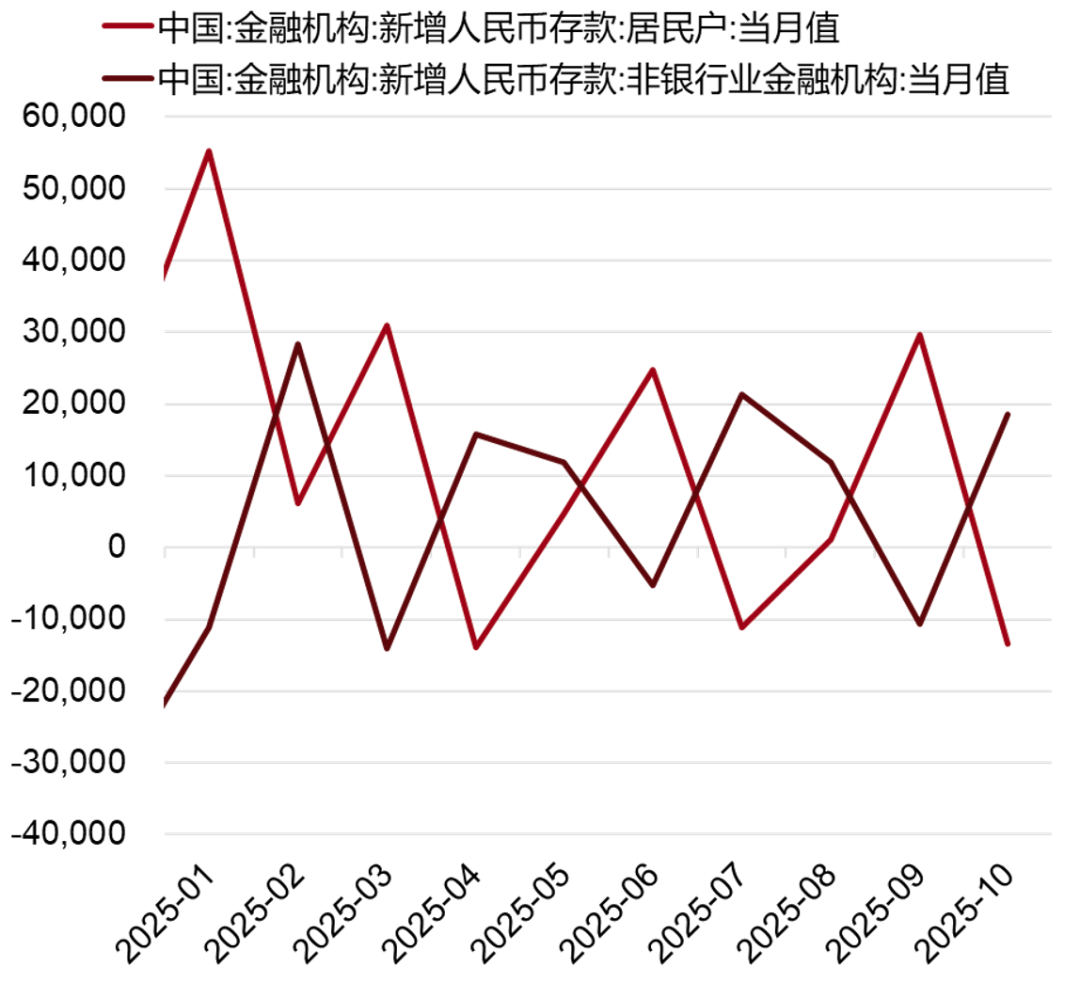
股债跷跷板效应
Search documents
科技牛结束了?
表舅是养基大户· 2025-11-12 13:35
Group 1 - The article suggests that instead of implementing large-scale consumption subsidies, promoting spring and autumn holidays could serve as a long-term mechanism to stimulate consumption [2][3][4] - The implementation of spring and autumn holidays can alleviate psychological pressure on students and create a more conducive environment for parents to take leave without the stigma associated with it [3][4] - By staggering holiday schedules across different regions, the tourism experience can be improved, leading to a more balanced flow of visitors throughout the year [3][4] Group 2 - Recent market trends indicate a divergence in performance among major stock indices, with the U.S. market showing mixed results while Asian markets exhibit varied responses [6][7][9] - There is a notable increase in southbound capital investing in Hong Kong bank stocks, particularly Agricultural Bank of China, which has reached a new market capitalization high [11][13] - The price-to-book ratio of Agricultural Bank of China has risen to 1.1, indicating a significant premium compared to other major banks, suggesting potential overvaluation [17][18] Group 3 - The article discusses the weakening correlation between stocks and bonds in the domestic market, reflecting a broader trend observed since the 2008 financial crisis [26][28] - It emphasizes the importance of multi-asset allocation strategies as investors mature, suggesting that this approach will become increasingly popular among individual investors [28]
为什么宏观策略是不用择时的?
雪球· 2025-11-12 08:46
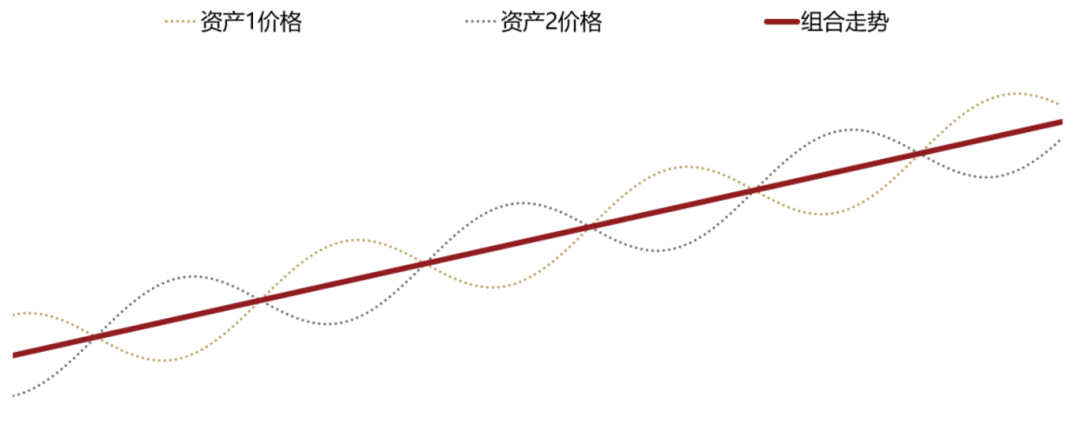
Core Viewpoint - The article discusses the challenges of timing investments in different asset classes and suggests that a macro strategy, which diversifies across multiple assets, can mitigate the need for precise timing [4][5][6]. Market Overview - The A-share market has been fluctuating between 3800 and 3900 points for the past two months, and after breaking through 4000 points, it faces a new directional choice [5]. - Investors are currently conflicted about whether to invest in stocks, fearing high prices, or in stable bonds, worrying about missing out on potential gains [5]. Asset Performance Analysis - Historical data indicates that no single asset class consistently outperforms; different asset classes have strong and weak years [7][9]. - Over the past decade, A-shares outperformed other assets only in 2019 and 2020, while U.S. stocks also faced significant downturns in 2022 [9]. - Bonds showed stability with good returns last year but faced some pullbacks this year, while commodities had a brief bull run in 2021 and 2022 but performed poorly in other years [10]. Asset Class Characteristics - The core returns of different asset classes are driven by distinct underlying logic: - Stocks benefit from corporate profit growth, performing well in a stable economic environment [12]. - Commodities gain from supply-demand imbalances and inflation, thriving during high inflation or economic overheating [12]. - Bonds rely on fixed interest and price appreciation from falling interest rates, excelling during economic slowdowns or deflationary expectations [12]. Timing and Strategy - Timing investments is crucial for achieving satisfactory returns in single asset investments, with two main objectives: trend following and identifying undervalued assets [13]. - Macro strategies, which are multi-asset in nature, do not require timing as they inherently balance risk across various asset classes [14]. - A well-structured macro strategy can capture both rising and undervalued assets, providing better safety margins and lower costs [15]. Long-term Performance of Strategies - Historical performance of private equity strategies shows that without timing, achieving ideal returns is challenging, often leading to significant volatility [17]. - In contrast, macro strategies tend to yield satisfactory returns regardless of the timing of entry, with relatively lower volatility and better holding experiences [17].
市场主流观点汇总-20251111
Guo Tou Qi Huo· 2025-11-11 11:10
Report Summary 1. Report Purpose - The report aims to objectively reflect the research views of futures and securities companies on various commodity varieties, track hot varieties, analyze market investment sentiment, and summarize investment driving logics [1]. 2. Market Data 2.1 Commodities - **Price Changes**: From November 3 to November 7, 2025, PTA rose by 1.70% to 4664.00, aluminum by 1.41% to 21625.00, while some commodities like methanol fell by 3.12% to 2112.00, and iron ore dropped by 4.94% to 760.50 [2]. 2.2 A - shares - **Index Performance**: The Shanghai - Shenzhen 300 Index rose by 0.82% to 4678.79, while the CSI 500 Index fell by 0.04% to 7327.91 [2]. 2.3 Overseas Stocks - **Index Fluctuations**: The Nasdaq Index dropped by 3.04% to 23004.54, and the Nikkei 225 Index fell by 4.07% to 50276.37 [2]. 2.4 Bonds - **Yield Changes**: The yield of China's 2 - year treasury bond changed from 2.84 to 1.43, and the 10 - year treasury bond yield decreased by 0.7 bp to 1.81 [2]. 2.5 Foreign Exchange - **Rate Movements**: The euro - US dollar exchange rate rose by 0.25% to 1.16, while the US dollar index fell by 0.18% to 99.55 [2]. 3. Commodity Views 3.1 Macro - financial Sector - **Stock Index Futures**: Among 9 institutions, 3 are bullish, 1 is bearish, and 5 expect a sideways movement. Long - term domestic stable - expectation policies, the global AI tech cycle, and the "V - shaped reversal" of US stocks are positive factors, while US economic data and high A - share valuations are negative factors [4]. - **Treasury Bond Futures**: Among 7 institutions, 2 are bullish, 0 are bearish, and 5 expect a sideways movement. Weak fundamentals and central bank operations are positive, while inflation recovery and government bond issuance are negative [4]. 3.2 Energy Sector - **Crude Oil**: Among 8 institutions, 1 is bullish, 3 are bearish, and 4 expect a sideways movement. OPEC's production suspension and oil price cost support are positive, while US inventory accumulation and emerging oil fields' production increase are negative [5]. 3.3 Agricultural Products Sector - **Rapeseed Oil**: Among 8 institutions, 3 are bullish, 1 is bearish, and 4 expect a sideways movement. Low inventory and production issues are positive, while lack of Chinese demand and import increase are negative [5]. 3.4 Non - ferrous Metals Sector - **Copper**: Among 7 institutions, 2 are bullish, 2 are bearish, and 3 expect a sideways movement. US government situation and supply concerns are positive, while US manufacturing data and high inventory are negative [6]. 3.5 Chemicals Sector - **Glass**: Among 7 institutions, 0 are bullish, 4 are bearish, and 3 expect a sideways movement. Inventory decline and low prices are positive, while weak demand and high capacity are negative [6]. 3.6 Precious Metals Sector - **Gold**: Among 7 institutions, 2 are bullish, 1 is bearish, and 4 expect a sideways movement. Market concerns and geopolitical risks are positive, while trade relations and Fed's stance are negative [7]. 3.7 Black Metals Sector - **Iron Ore**: Among 8 institutions, 0 are bullish, 4 are bearish, and 4 expect a sideways movement. Decrease in global shipments and increase in blast furnace operating rate are positive, while port inventory accumulation and weak downstream demand are negative [7].
股市板块轮动,债市震荡偏强
Zhong Xin Qi Huo· 2025-11-11 02:22
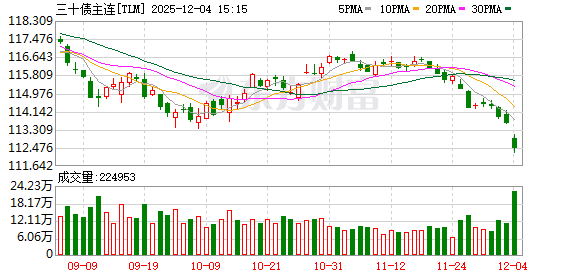
Group 1: Report Investment Rating - No information provided Group 2: Core Views - The stock market experiences sector rotation, with funds flowing from the technology sector to the chemical and consumer sectors, and the bond market shows a tendency of oscillating upward [2][3] - In the stock index futures market, it is recommended to transfer technology funds to the price - rising chain and continue the dumbbell - style allocation [3][7] - In the stock index options market, it is advisable to continue holding covered positions for additional income [3][8] - In the treasury bond futures market, the bond market is expected to oscillate upward [4][9] Group 3: Summary by Directory 1. Market Views Stock Index Futures - On Monday, the Shanghai Composite Index rebounded in a U - shape, with a rotation to low - lying sectors. High - beta sectors retreated, while value and defensive sectors rose. Due to the policy window period and recent volume contraction, it is recommended to transfer technology funds to the price - rising chain and continue the dumbbell - style allocation. The operation suggestion is to hold a long position in the Dividend ETF + IM. [3][7] - The basis points of IF, IH, IC, and IM for the current month are - 8.85, 0.94, - 41, and - 54.45 respectively, changing by - 3.06, 0.49, - 5.09, and - 5.98 points compared to the previous trading day. The inter - period spreads (current month - next month) are 14.2, 0.8, 67, and 87.8 points respectively, with a month - on - month change of 0.6, 0.2, 5.2, and 6.4 points. The positions of IF, IH, IC, and IM change by 10827, 5768, 8841, and - 1747 lots respectively. [7] Stock Index Options - The trading volume of each option variety rebounded slightly but remained at a low - liquidity level since October. The option sentiment index was weak, especially for technology - sector options. Option volatility varied, with the implied volatility of the Science and Technology Innovation 50 ETF option strengthening and that of the CSI 300 stock index option weakening. It is recommended to continue holding covered positions for additional income. [8] Treasury Bond Futures - Most treasury bond futures rose yesterday. The T, TF, TS, and TL main contracts changed by 0.01%, 0.02%, 0.00%, and 0.22% respectively. The central bank's large - scale net injection supported the bond market. In October, the CPI improved, and the core CPI increased significantly. The central bank restarted treasury bond trading, and the short - term factors driving bond yields down were lacking. The stock - bond seesaw effect may weaken, and the restart of treasury bond trading may boost bond market sentiment. The operation suggestions include a trend strategy of oscillating upward, a hedging strategy of paying attention to long - position substitution at high basis levels, a basis strategy of looking for positive spreads and basis widening, and a curve strategy of appropriately paying attention to curve steepening. [4][9] - The trading volumes of T, TF, TS, and TL for the current quarter are 58830, 49109, 24929, and 96097 lots respectively, with a one - day change of 3915, 4624, - 1360, and - 3686 lots. The positions are 231393, 138398, 67365, and 129150 lots respectively, with a one - day change of - 4216, - 4021, - 700, and 1495 lots. The inter - period spreads (current quarter - next quarter) are 0.225, 0.030, 0.052, and 0.250 yuan respectively, with a one - day change of - 0.025, - 0.010, 0, and 0.010 yuan. The cross - variety spreads and basis points also have corresponding changes. [8][9][10] 2. Economic Calendar - The economic data to be released this week includes China's October new RMB loans, social financing scale, M2 money supply annual rate, the US October CPI annual rate, China's October total retail sales of consumer goods annual rate, and China's October industrial added value above designated size annual rate. [12] 3. Important Information and News Tracking - The Asset Management Association of China is soliciting opinions on the "Guidelines for the Management of the Thematic Investment Style of Publicly Offered Securities Investment Funds" to standardize the style drift problem of thematic investment funds. [13] - The State Council General Office issued measures to promote private investment, including expanding access, removing obstacles, and strengthening support. [13] - Two departments issued a guidance on promoting new energy consumption and regulation, with goals set for 2030 and 2035. [13] - China successfully launched the 13th group of low - orbit satellite Internet satellites. [14] - The US Senate reached an agreement to end the federal government shutdown. [15] 4. Derivatives Market Monitoring - The report mentions data monitoring of stock index futures, stock index options, and treasury bond futures, but no specific data content is provided. [16][20][32]
利率债周报:上周债市偏弱震荡,收益率曲线平坦化上移-20251110
Dong Fang Jin Cheng· 2025-11-10 11:21
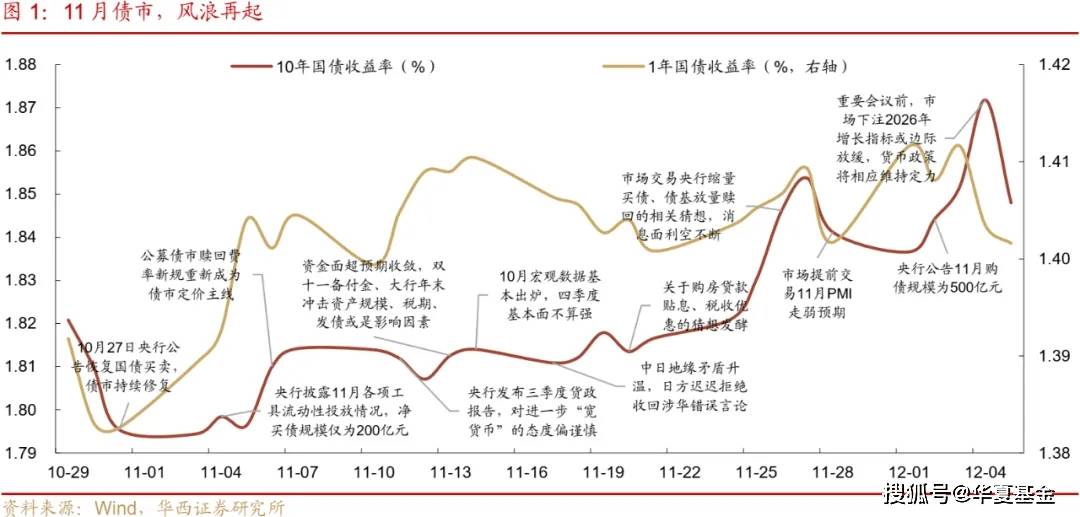
Report Industry Investment Rating - Not provided in the given content Core Viewpoints - Last week, the bond market had a weak and volatile performance with a flattened and upward - shifted yield curve. The central bank's bond - buying scale was less than expected, leading to some profit - taking. Rumors about the new public bond fund redemption fee rules and the stock market's rebound also affected the bond market. The short - end yield increased more than the long - end, narrowing the term spread [3][4]. - This week (the week of November 10), the bond market is expected to have a warm - biased and volatile performance. The increasing economic downward pressure in the fourth quarter, reduced supply pressure, and institutional pre - emptive allocation support bond - buying. However, the expectation of reserve requirement ratio cuts and interest rate cuts is not high, and the stock market's resilience and the unannounced new public redemption fee rules limit the bond - buying space. The release of October's financial and economic data may affect the bond market's volatility direction, and it is expected that the year - on - year growth rates of major economic indicators in October may decline compared to September, supporting the bond market's warm - biased volatility [3]. Summary by Directory 1. Last Week's Market Review 1.1 Secondary Market - The bond market adjusted last week, with the long - term bond yield rising significantly. The 10 - year treasury bond futures' main contract fell 0.20% cumulatively. On November 8, the 10 - year treasury bond yield rose 1.88bp, and the 1 - year treasury bond yield rose 2.19bp compared to the previous Friday, narrowing the term spread [4]. - From November 3 to 7, the bond market showed different trends each day. On November 4, the central bank's bond - buying scale was less than expected, and on November 6 and 7, rumors about the new redemption fee rules affected the bond market [4]. 1.2 Primary Market - Last week, 57 interest - rate bonds were issued, 53 less than the previous week. The issuance volume was 514 billion yuan, an increase of 101.3 billion yuan, and the net financing was 288.3 billion yuan, a decrease of 31.6 billion yuan. The issuance and net financing of treasury bonds increased, while those of local government bonds and policy - bank financial bonds decreased [11]. - The overall subscription demand for interest - rate bonds was acceptable. The average subscription multiples for treasury bonds, policy - bank financial bonds, and local government bonds were 3.53, 3.77, and 21.98 times respectively [12]. 2. Last Week's Important Events - In October, the year - on - year export growth rate turned negative. The export value decreased by 1.1% year - on - year, 9.4 percentage points lower than in September. The import value increased by 1.0% year - on - year, 6.4 percentage points lower than in September [13]. - In October, the CPI turned positive year - on - year, rising 0.2%. The PPI decreased by 2.1% year - on - year, with a narrowing decline. The CPI's positive turn was due to factors such as rising vegetable and service prices, and the PPI's narrowing decline was related to improved industry supply - demand and rising commodity prices [13]. 3. Real - Economy Observation - Last week, most high - frequency production - end data increased, including the blast furnace operating rate, semi - steel tire operating rate, and petroleum asphalt plant operating rate. The daily average pig iron output continued to decline [15]. - In terms of demand, the BDI index and the CCFI increased, while the sales area of commercial housing in 30 large and medium - sized cities decreased significantly. In terms of prices, pork prices rose, and most commodity prices fell [15]. 4. Last Week's Liquidity Observation - The central bank conducted a net withdrawal of 157.22 billion yuan from the open market last week through reverse repurchase operations [26]. - Last week, R007 and DR007 both decreased, the joint - stock bank inter - bank certificate of deposit issuance rate continued to decline, the national - share direct discount rate for each term increased significantly, the volume of pledged repurchase increased significantly, and the inter - bank market leverage ratio decreased overall [27][28].
央行重启国债买卖 长端利率债、“固收+”理财有望受益
Zhong Guo Ji Jin Bao· 2025-11-10 07:22
Core Viewpoint - The resumption of public market treasury bond trading by the central bank in October signals a positive outlook for the bond market, with expectations for long-term interest rates to decline and related investment products to benefit [1][2][3]. Group 1: Market Signals and Economic Impact - The central bank's resumption of treasury bond trading is seen as a signal for stabilizing growth, which is expected to boost confidence in the bond market [2][3]. - The People's Bank of China (PBOC) indicated that the overall operation of the bond market is good, with current interest rates in a policy-consistent range, which supports market expectations [2][3]. - The operation size of 20 billion yuan, while modest, carries significant signal value, enhancing confidence in the bond market, particularly for medium to long-term interest rate bonds [2][3]. Group 2: Interest Rate Trends and Investment Opportunities - Long-term interest rates for treasury bonds have begun to decline since late October, with expectations for further decreases, presenting investment opportunities in related financial products [3][4]. - The resumption of bond purchases by the central bank is expected to create a favorable environment for long-term interest rates to decline, benefiting bond-related investment products [4][5]. - Investors are advised to focus on bond products with longer durations and stable historical returns, as these are likely to benefit from the anticipated rise in bond prices [5][6]. Group 3: Strategic Investment Approaches - Institutions suggest increasing allocations to medium and short-term credit bonds, as the central bank's actions are expected to improve liquidity and compress credit spreads [6]. - Investment strategies should include optimizing portfolio structures, increasing liquidity through open-end or short-term products, and diversifying into "fixed income plus equity" products to balance risks [6][5]. - The current market environment allows for the inclusion of reasonably valued equity assets in investment strategies, leveraging "fixed income plus equity" products for better returns [6].
暗潮涌动!10万亿市场迎来深刻变革
Zheng Quan Shi Bao Wang· 2025-11-10 04:48
Core Insights - The bond fund industry is undergoing significant changes driven by market and policy factors, with a notable contraction in bond fund sizes this year [1][4][5] Market Trends - The bond market has shrunk by nearly 170 billion yuan in the third quarter, with pure bond funds experiencing a substantial decrease of 770 billion yuan, while mixed bond funds saw an increase of approximately 500 billion yuan [1][3] - Over 70 public fund managers reported a decline in scale during the third quarter, primarily due to the significant reduction in bond fund sizes [2][3] Policy Impact - Recent policy adjustments, including changes to fund sales fees and performance benchmarks, have raised concerns about bond fund redemptions and contributed to market volatility [5][6][7] - The introduction of punitive redemption fees and the adjustment of performance benchmarks are expected to reshape the bond fund landscape, potentially stabilizing the market in the long term [7][10] Strategic Responses - Some public funds, such as 景顺长城基金, have successfully increased their bond fund sizes by focusing on mixed bond products, demonstrating the importance of strategic positioning in a changing market [8][9] - Smaller public funds are also adapting by enhancing their mixed bond fund offerings, indicating that there are still opportunities for growth despite the overall market contraction [9][11] Future Outlook - The bond fund sector is expected to continue playing a crucial role in residents' long-term asset allocation, with mixed bond products likely to gain acceptance due to their balanced risk-return profile [11][12] - The demand for stable, low-risk investment products will persist, positioning traditional bond funds and mixed bond products as essential components of wealth management strategies [12]
央行出手,这类产品要火?
Zhong Guo Ji Jin Bao· 2025-11-10 04:32
Core Viewpoint - The People's Bank of China (PBOC) has resumed government bond trading operations, signaling a positive outlook for the bond market and benefiting long-term interest rate bonds and "fixed income +" wealth management products [1][2][3] Group 1: Market Signals and Economic Impact - The resumption of government bond trading operations is seen as a signal for stabilizing growth, which is expected to boost confidence in the bond market [2][3] - PBOC Governor Pan Gongsheng indicated that the overall operation of the bond market is good, suggesting that current interest rates are within a policy-acceptable range [2][3] - The operation size of 20 billion yuan, while not large, carries significant signal value, enhancing market confidence, especially in medium to long-term interest rate bonds [2][3] Group 2: Interest Rate Trends and Investment Opportunities - Long-term interest rates have begun to decline since late October, and further decreases are anticipated, providing investment opportunities in related wealth management products [3][4] - The bond market's performance is influenced by macroeconomic factors such as economic recovery and U.S.-China negotiations, which could affect market interest rates and bond prices [4][5] - The PBOC's bond purchases directly support interest rate bond prices, and narrowing yield spreads favor medium to long-term investments [5][6] Group 3: Investment Strategies and Recommendations - Investors are advised to prioritize wealth management products that include interest rate bonds and to consider the stability of historical returns [5][6] - There is a recommendation to increase allocations in medium to short-term credit bonds to secure stable coupon income and to adopt a strategy of "buying on dips" to capitalize on long-term interest rate fluctuations [6] - Diversifying investments to include equity assets within "fixed income +" products is suggested to balance risks and enhance returns in a low-interest-rate environment [6]
暗潮涌动!10万亿市场迎来深刻变革
券商中国· 2025-11-10 03:38
Core Viewpoint - The bond fund industry is undergoing significant changes driven by market dynamics and policy adjustments, leading to a notable contraction in bond fund sizes this year [2][5][10]. Market Trends - The bond market has experienced a contraction, with a total shrinkage of nearly 170 billion yuan in the third quarter, reflecting a slowdown in growth [4][10]. - The pure bond fund sector has seen a substantial decrease of 770 billion yuan, while mixed bond funds have paradoxically increased by approximately 500 billion yuan [2][4]. Industry Concerns - Over 70 public fund managers reported a decline in scale during the third quarter, primarily due to the significant reduction in bond fund sizes [3][10]. - The anxiety among fund managers is palpable, as many firms have experienced substantial withdrawals from their bond funds, impacting overall company performance [3][12]. Policy Impact - Recent policy changes, including adjustments to fund sales fees and performance benchmarks, have raised concerns about bond fund redemptions and contributed to market volatility [7][8]. - The introduction of punitive redemption fees and tax adjustments has altered the attractiveness of bond funds for institutional investors, leading to increased withdrawals [6][8]. Strategic Responses - Some firms, such as Invesco Great Wall Fund, have successfully increased their bond fund sizes by focusing on mixed bond products, demonstrating the importance of strategic positioning [10][11]. - Smaller public funds are also adapting by enhancing their mixed bond fund offerings, indicating a shift in focus towards more flexible investment strategies [10][12]. Future Outlook - The bond fund market is expected to evolve, with opportunities arising from the expansion of tool-based products, increased institutional demand, and innovation in niche areas [12][13]. - Despite current challenges, bond funds are anticipated to remain a crucial component of long-term asset allocation for residents, balancing risk and return [14].
光大期货金融类日报11.10
Sou Hu Cai Jing· 2025-11-10 01:28
Group 1: A-Share Market Performance - A-shares' Q3 operating performance is strong, with a cumulative revenue growth of 0.74% year-on-year, marking the end of a continuous decline since 2023 [1] - Q3 net profit growth for A-shares, excluding financials, is 1.89%, higher than Q2's 0.83% but lower than Q1's 3.45% [1] - There is a notable disparity in performance, with technology sectors expanding significantly while traditional industries, especially consumer-related sectors, remain under pressure [1] Group 2: Market Trends and Indices - The A-share market experienced high-level fluctuations, with the Wind All A index rising by 0.63% and average daily trading volume at 2.01 trillion yuan [2] - The CSI 1000 index increased by 0.47%, while the CSI 500 index saw a slight decline of 0.04% [2] - The liquidity indicators showed a slight decrease in financing balance, with a weekly reduction of 700 million yuan [2] Group 3: Bond Market Dynamics - The central bank's announcement of a net purchase of 20 billion yuan in government bonds in October has led to a weak and fluctuating bond market [3][4] - As of November 7, the yields on various government bonds showed slight changes, with the 10-year bond yield at 1.81% [3] - The bond issuance for the week totaled 387.5 billion yuan, with a net issuance of 192.2 billion yuan [5] Group 4: Inflation and Economic Indicators - October's CPI showed a year-on-year increase of 0.2%, reversing the previous month's decline of 0.3% [6] - The core CPI, excluding food and energy, rose by 1.2%, marking the highest increase since March 2024 [6] - PPI showed a month-on-month increase of 0.1%, the first rise of the year, with a year-on-year decline of 2.1% [6] Group 5: Precious Metals Market - London spot gold experienced a slight weekly decline of 0.06%, while silver fell by 0.68% [8] - The gold and silver holdings data indicated an increase in speculative positions, with total gold holdings rising to 528,789 contracts [8] - The market outlook for gold remains uncertain, with potential for further fluctuations as investors await clearer signals [10]