
出口管制

Search documents
Jeffrey Kessler:华为2025年最多只能制造20万颗Ascend AI芯片
是说芯语· 2025-06-13 05:09
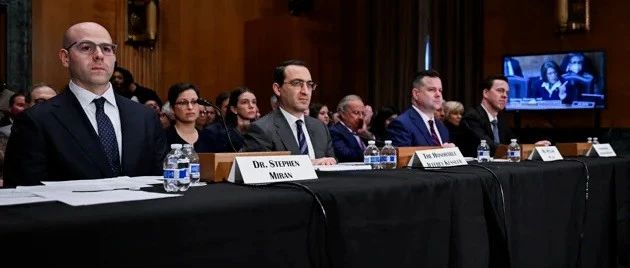
Core Viewpoint - The U.S. government is taking measures to limit China's advancements in AI chip production, with specific emphasis on Huawei's limited capabilities in this area [1][2]. Group 1: U.S. Government Actions - Jeffrey Kessler, Deputy Assistant Secretary for Export Control, testified that Huawei's ability to produce AI chips is extremely limited, alleviating concerns about China's rapid advancements in the semiconductor field [1]. - U.S. Commerce Secretary Gina Raimondo stated that the U.S. has never considered providing China with the most advanced chips, emphasizing that high-end chips from companies like NVIDIA will not be exported to China [1]. - Kessler highlighted that by 2025, Huawei may only produce up to 200,000 Ascend AI chips, primarily for the Chinese market, while the demand for AI accelerators in China is estimated to be around 1.5 million units in 2024 [1]. Group 2: Budget and Resource Allocation - Kessler called for an increase in the budget for the Bureau of Industry and Security (BIS) to enhance export control enforcement, suggesting that the enforcement budget should be doubled [1]. - If the budget is approved, BIS plans to hire 200 new export enforcement agents and increase the number of overseas export control officials from 12 to over 30 [1][2].

不止是稀土!特朗普才发现:“天平”已倾向北京,美国想挽回晚了
Sou Hu Cai Jing· 2025-06-13 01:31
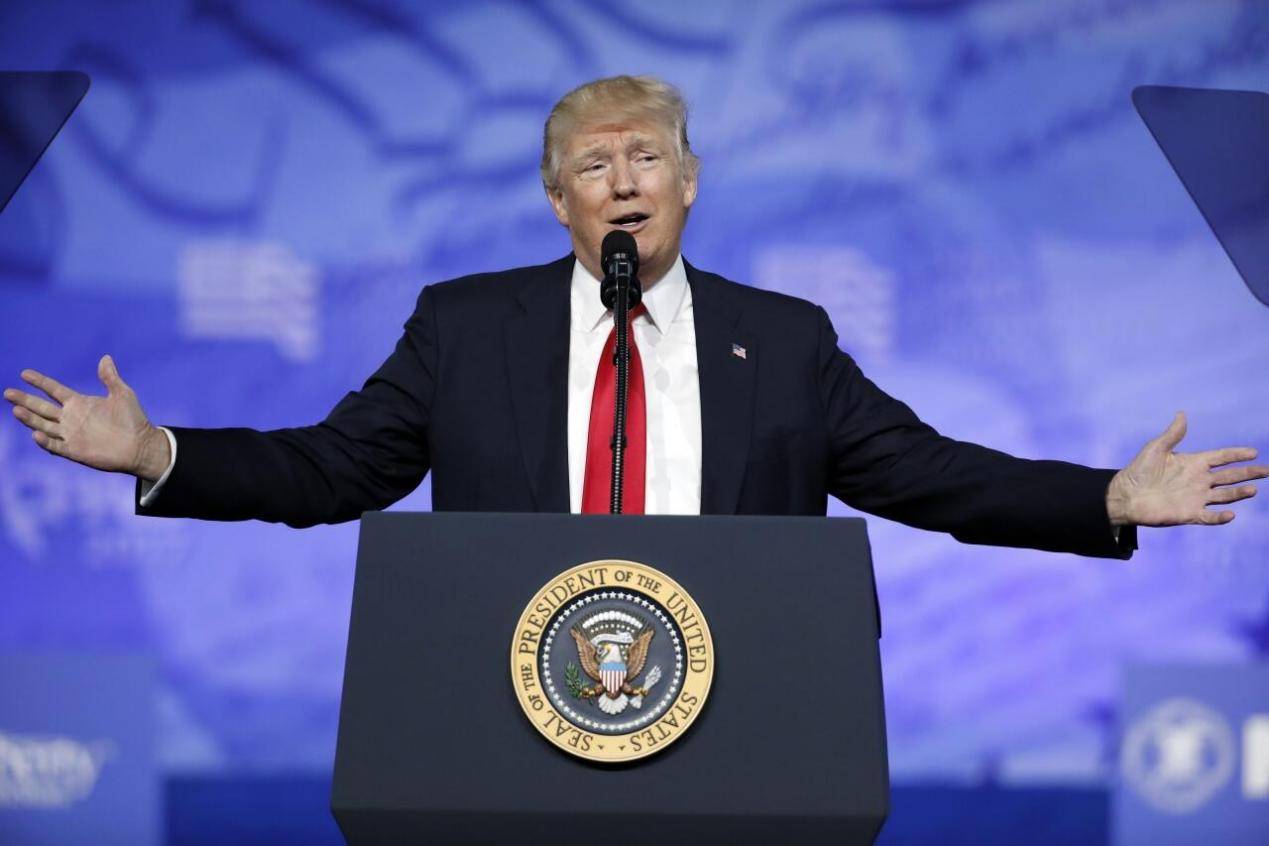
Group 1 - The report from Harvard's Belfer Center indicates that the U.S. continues to lead China in key technology sectors such as artificial intelligence, biotechnology, semiconductors, space, and quantum technology [1] - The report emphasizes the significant weight of private and public funding resources in the U.S., contrasting with other indices that show China leading in many research areas [1] - Michael Spence, a Nobel laureate, noted at the Tsinghua Wudaokou Global Financial Forum that the gap between the U.S. and China in AI is rapidly closing, with China making significant advancements in AI model training efficiency and research [1] Group 2 - China's economic performance in Q1 2025 showed a GDP of 31.8758 trillion yuan, growing 5.4% year-on-year, while the U.S. reported a GDP contraction of 0.3% on a seasonally adjusted annual rate [3] - Analysts highlighted that China's success in the rare earth supply chain has shifted the balance of power in trade negotiations, especially following U.S. tariffs [3] - The article discusses how the U.S. is dependent on Chinese supply chains despite its "America First" rhetoric, indicating a potential vulnerability in U.S. trade policy [5] Group 3 - A report tracking global sentiment towards China and the U.S. revealed that China's net favorability score reached 8.8, surpassing the U.S. score of -1.5, marking a significant shift in global perception [7] - The report suggests that this change in sentiment represents a blow to U.S. soft power, particularly among its key economic and military partners [7]
英思特(301622) - 2025年6月12日投资者关系活动记录表
2025-06-13 00:46
Group 1: Customer Development and Market Strategy - The company focuses on developing relationships with internationally renowned brand clients and aims to expand its product categories while deepening its presence in the consumer electronics sector [2][3] - Future plans include exploring high-potential application scenarios within the customer ecosystem and actively targeting other well-known consumer electronics brands [2][3] Group 2: Research and Development Leadership - The company maintains its R&D leadership by establishing a high-level technical team and optimizing production processes [3] - Collaboration with universities and research institutions is emphasized to explore cutting-edge technology and enhance innovation through a robust incentive mechanism [3] Group 3: Impact of Export Controls - The company’s products are primarily delivered through domestic bonded zones and do not involve direct exports to the U.S. [3] - Compliance with national laws and customer order requirements is ensured in response to export control measures affecting certain rare earth products [3] Group 4: Core Competitive Advantages - Key competitive advantages include expertise in magnetic circuit design, manufacturing processes, and access to rare earth resources in Baotou, which provides cost benefits [3] - The company has established solid partnerships with numerous international consumer electronics brands, becoming a major supplier of rare earth permanent magnet materials [3] - The average electricity procurement price for 2024 is noted to be 0.48 yuan per kilowatt-hour, lower than the national average, enhancing cost efficiency [3]
中美在伦敦谈了16个小时
Guan Cha Zhe Wang· 2025-06-12 15:24
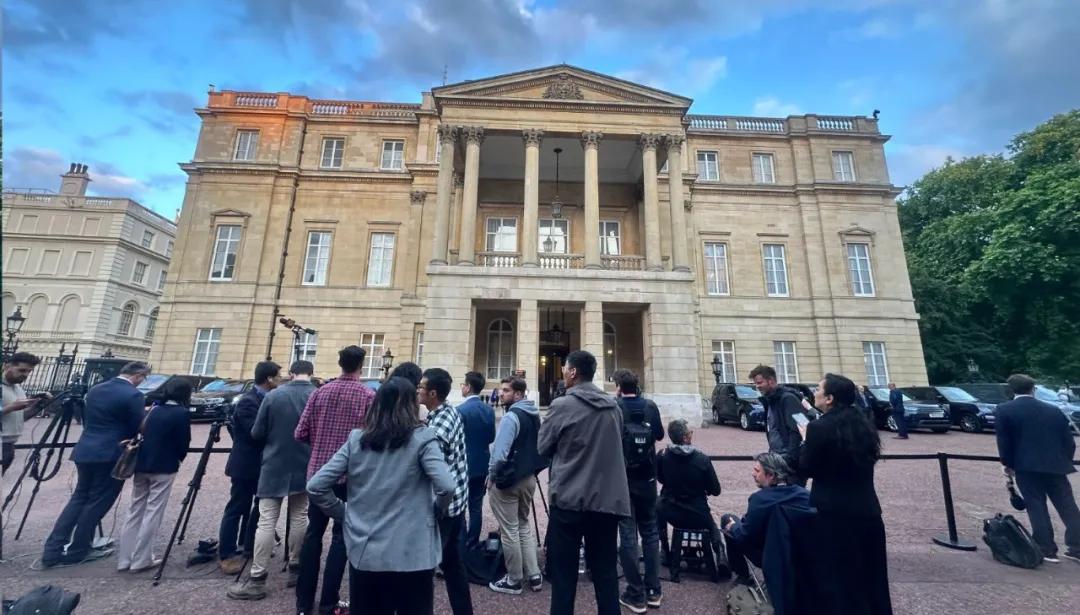
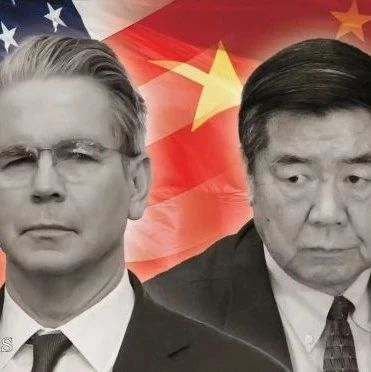
Group 1 - The first meeting of the China-U.S. economic and trade consultation mechanism took place in London on June 9-10, involving key representatives from both sides, including China's Vice Premier He Lifeng and U.S. Treasury Secretary Yellen [1][4] - The meeting aimed to implement the consensus reached during the phone call between the two countries' leaders on June 5, and is seen as a significant step towards stabilizing China-U.S. economic relations and contributing to global economic recovery [1][4] - He Lifeng emphasized that the essence of China-U.S. economic relations is mutual benefit, stating that there are no winners in a trade war and that both sides should resolve differences through equal dialogue and cooperation [1][4] Group 2 - Despite the positive dialogue, there are ongoing challenges, including new discriminatory measures imposed by the U.S. against China, such as restrictions on AI chip exports and the halting of sales of chip design software [2][5] - The U.S. government has been reluctant to engage in serious discussions regarding export controls, focusing on unilateral concessions from China while neglecting its own obligations [5][6] - The complexity of the economic relationship is underscored by the presence of structural issues that cannot be resolved in just a few meetings, and external factors such as Taiwan and South China Sea issues may further complicate negotiations [6][7] Group 3 - The U.S. has indicated a willingness to explore the possibility of easing restrictions on certain exports to China, including semiconductor manufacturing software and components for aircraft engines [5][6] - The ongoing trade tensions and high tariffs could lead to significant declines in trade, potentially sacrificing hundreds of billions in exports and tens of thousands of jobs in the U.S., which could destabilize the American economy [6][7] - Both sides are encouraged to utilize the established consultation mechanism to find mutually beneficial solutions through pragmatic cooperation [7]
国投期货能源日报-20250612
Guo Tou Qi Huo· 2025-06-12 12:49
| 112 | > 国技期货 | 能源 日报 | | --- | --- | --- | | 操作评级 | | 2025年06月12日 | | 原油 | ★☆☆ | 高明宇 首席分析师 | | 燃料油 | ★☆☆ | F0302201 Z0012038 | | 低硫燃料油 ★☆☆ | | 李祖智 中级分析师 | | 沥青 | なな☆ | F3063857 Z0016599 | | 液化石油气 文文☆ | | 王盈敏 中级分析师 | | | | F3066912 Z0016785 | | | | 010-58747784 gtaxinstitute@essence.com.cn | 【原油】 隔夜国际油价大涨,SC07合约日内上涨3.01%。中美就落实两国元首通话共识及日内瓦会谈共识达成框架,目前来看 本轮磋商结果聚焦在双方取消5月以来的部分出口管制,而将于8月中旬豁免到期的24%对等关税仍有待谈判。特朗普 表示对达成伊核协议的信心减弱。凌晨美国方面通知美国在中东人员部分撤离,中东地缘风险急剧升温。原油对极 端供应冲击情景迅速定价。上周EIA原油库存超预期下降364. 4万桶,亦对原油偏强走势构成支撑。原油短期 ...
中国用稀土实现与美国对等谈判
日经中文网· 2025-06-12 03:05
Group 1 - The core issue revolves around the export controls on rare earths and magnets, with the U.S. indicating a willingness to ease its restrictions if China issues export licenses [1][4] - China has implemented strong export controls on seven types of rare earths since April, significantly impacting U.S. manufacturing and defense sectors, as it holds over 90% of the refining process [3][4] - The U.S. industry is expressing significant concern, with the American Automotive Suppliers Association (MEMA) voicing "extreme worry," and Ford halting factory operations due to these restrictions [4] Group 2 - The details of the agreement between the U.S. and China have not been disclosed, but it is believed that commercial rare earths will be a primary focus for easing restrictions [5] - China has been limiting exports of critical minerals like graphite and tungsten, and it is expected that these restrictions may continue [6] - The U.S. appears to be promising to relax some semiconductor-related export controls that were tightened during the Biden administration [7][8] Group 3 - The Chinese leadership is emphasizing the importance of reciprocal agreements in negotiations with the U.S., reflecting dissatisfaction with previous agreements made during the Trump administration [9] - There is an increasing sense of distrust towards the U.S. from China, which has been reducing its reliance on U.S. agricultural imports since the first Trump administration [10][11] - In May, China's exports to the U.S. decreased by approximately 30%, a result of a conscious effort over the past decade to reduce dependency on U.S. goods [11] Group 4 - The U.S. has imposed a 20% tariff on Chinese goods under the pretext of combating illegal fentanyl, with additional tariffs frozen until mid-August [12] - The ongoing tariffs could negatively impact Chinese export enterprises, especially in the context of a struggling real estate market and insufficient domestic demand [12] - A decline in exports may exert downward pressure on the Chinese economy, potentially exacerbating economic slowdown and affecting global economic conditions [12]
稀土出口或迎积极信号;养老机器人市场规模将突破150亿元
Mei Ri Jing Ji Xin Wen· 2025-06-12 00:32
Group 1 - The report from CITIC Securities indicates that China's rare earth exports may see positive signals as domestic price increases narrow the gap with international prices [1] - Since April, when China implemented partial export controls on rare earths, the export volume of rare earth permanent magnets has decreased by over 50% month-on-month, reaching a historical low in the past five years [1] - The Ministry of Commerce has responded that it will approve rare earth export license applications that meet regulations, leading to an increase in rare earth raw material prices in the market [1] Group 2 - Guojin Securities forecasts that the elderly care robot market will conservatively exceed 15 billion yuan in the short term, driven by the ongoing aging process in China [2] - The elderly care robot industry chain is highly correlated with humanoid robots, and its rapid development will continue to catalyze upgrades in related industrial chains [2] - The report suggests focusing on core precision transmission components such as high-precision sensors, reducers, and lead screws [2] Group 3 - Guotai Haitong Securities has upgraded its tactical allocation view on gold to overweight, citing the unpredictable nature of U.S. tariff policies and their impact on the traditional world order [3] - Concerns over international geopolitical crises and potential recession or stagflation pressures in the U.S. and global economies have heightened the appeal of gold as a non-bond safe-haven asset [3] - Gold is viewed as a "perfect hedge" against nearly all risks in the current market environment [3]


两天深入沟通,双方表示取得进展,中美经贸磋商达成措施框架
Huan Qiu Shi Bao· 2025-06-11 22:40
【环球时报综合报道】当地时间6月9日至10日,中美经贸中方牵头人、国务院副总理何立峰与美方牵头 人、美国财政部长贝森特及商务部长卢特尼克、贸易代表格里尔在英国伦敦举行中美经贸磋商机制首次 会议。双方进行了坦诚、深入的对话,就各自关心的经贸议题深入交换意见,就落实两国元首6月5日通 话重要共识和巩固日内瓦经贸会谈成果的措施框架达成原则一致,就解决双方彼此经贸关切取得新进 展。消息传出,亚洲股市普遍上涨。香港韩礼士基金会贸易政策主管黛博拉·埃尔姆斯告诉卡塔尔半岛 电视台,经过两轮"激烈"的谈判,中美双方似乎都重申了避免局势进一步升级的意愿,并开始使未来前 进道路更加清晰,但相关谈判绝非易事。日本《日经亚洲》引述哈佛大学肯尼迪政府学院高级研究员安 德鲁·科利尔的话强调,虽然伦敦会谈并不是最终章,但这是积极的一步,表明中美双方的共识比第二 届特朗普政府上任之初预期的要多。他说,对抗的缓和可能会使中美经贸关系"重启",避免"破裂"。 当地时间10日晚,为期两天的中美经贸磋商机制首次会议在伦敦结束。美国哥伦比亚广播公司称,此次 会议于9日持续了6个小时,10日又进行到深夜。 何立峰表示,本次会议是在两国元首今年6月5日战 ...
中美伦敦谈判激烈博弈,美方首席代表提前离场,连夜赶回美国复命
Sou Hu Cai Jing· 2025-06-11 13:45
Group 1 - The core negotiation framework between the US and China has been largely established, with key terms agreed upon, leading to the departure of US Treasury Secretary Bessent from the talks [2][7][10] - The US has shown a rare pragmatic attitude by considering the removal of recent restrictions on chips, ethane, and nuclear materials, which were previously used as leverage against China [4][10] - The transition of negotiation leadership from Bessent to Commerce Secretary Lutnick indicates a strategic shift in the US approach towards China, focusing more on export controls and technology transfer issues [12][14][27] Group 2 - Lutnick's involvement in the negotiations suggests a more aggressive stance on export controls, as he has publicly stated the need to include these issues in trade agreements [14][16] - The US is demanding that China fully open its rare earth exports in exchange for limited concessions on technology restrictions, reflecting a tactical approach to leverage China's strategic resources [16][29] - The internal political dynamics in the US, including speculation about Bessent's potential nomination as the next Federal Reserve Chair, may influence future negotiations and the overall economic strategy towards China [21][25][27]

“行情发动机”联袂走强!什么信号?——道达投资手记
Mei Ri Jing Ji Xin Wen· 2025-06-11 11:33
Group 1 - Several automotive companies have committed to compressing supplier payment terms to within 60 days, significantly improving the accounts receivable turnover days in the automotive supply chain [1] - The average turnover days for the automotive parts industry is currently around 120 days, and the reduction in payment terms will alleviate the high-pressure operating conditions for the industry [1] - Shortening payment times will decrease accounts receivable and bill turnover days for automotive parts companies, enhancing capital utilization efficiency [2] Group 2 - The automotive industry's price wars have affected supply chain companies, with some automakers demanding a 10% price reduction from suppliers, which exceeds traditional negotiation margins [2] - The China Iron and Steel Association criticized the "involutionary" competition among domestic automakers, stating it severely disrupts market fairness and resource allocation [2] - The health of the entire supply chain is interconnected, meaning issues in one segment can significantly impact the entire industry [2] Group 3 - The A-share market saw all three major indices rise, with the Shanghai Composite Index increasing by 0.52% and closing above 3400 points [3] - The trading volume in the Shanghai and Shenzhen markets decreased by 159.9 billion, with more stocks rising than falling [4] - The rare earth and permanent magnet sectors showed strong performance, with the magnetic materials index rising by 6.23% and the rare earth index by 3.34%, both reaching new highs since October of the previous year [4] Group 4 - The automotive parts sector strengthened due to the commitment from automakers to limit payment terms, indicating improved expectations for the industry's fundamentals [8] - The insurance and securities sectors are positioned as key drivers for future index increases, with significant attention warranted for their performance [7][8] - The international market for precious metals, including gold and platinum, has seen substantial price increases, suggesting potential opportunities in related sectors [8]