人民币国际化

Search documents
中国信保上海分公司: 发挥政策性金融独特作用 助力上海“五个中心”联动建设
Jin Rong Shi Bao· 2025-12-24 02:47
Core Viewpoint - The China Export & Credit Insurance Corporation (Sinosure) plays a crucial role in supporting China's international trade by providing financial tools backed by national credit and fiscal resources, significantly contributing to the country's export growth and risk management strategies [1][2][7]. Group 1: Financial Support and Services - During the 14th Five-Year Plan period, Sinosure's Shanghai branch supported over $265 billion in foreign trade exports and investments, paying out claims of 2.219 billion yuan and helping companies reduce losses by nearly 3.6 billion yuan [1]. - In 2025, Sinosure's Shanghai branch actively participated in local government initiatives to stabilize foreign trade, introducing innovative services such as "安心接单保" and "参展速查宝," which helped develop 13,000 new overseas buyers, a 25.7% increase year-on-year [2]. - The "沪贸批次贷" financing model was launched to provide proactive credit to small and micro foreign trade enterprises, with 1.1 trillion yuan in credit limits pushed to over 30,000 companies [3]. Group 2: Support for Technological Innovation - Sinosure's Shanghai branch focuses on supporting key industries, particularly in technology innovation, by providing tailored insurance solutions that integrate into companies' risk management systems [4]. - The branch has significantly aided Shanghai United Imaging Healthcare Co., Ltd. in expanding its international market presence, particularly in North America, Europe, and Asia-Pacific, through personalized insurance plans [4]. Group 3: Cross-Border Financial Services - Sinosure has become an essential tool for promoting the internationalization of the renminbi and enhancing cross-border financial service convenience, as highlighted in the Shanghai International Financial Center's action plan [7]. - The company successfully facilitated a financing structure for HuanTai Energy Co., Ltd. for a wind power project in Kazakhstan, providing 95% coverage for political and commercial risks, thus enabling financing without credit guarantees [8]. Group 4: Shipping and Maritime Financing - In the first 11 months of the year, Shanghai port handled 50.56 million TEUs, a 6.7% increase year-on-year, supported by Sinosure's financing solutions for shipping projects [10]. - Sinosure has played a pivotal role in financing significant shipping projects, including the delivery of a methanol dual-fuel container ship for CMA CGM and financing arrangements for an $11 billion LNG dual-fuel container fleet for Hapag-Lloyd [11]. Group 5: Future Directions - Sinosure aims to enhance its role in supporting Shanghai's high-level opening-up and economic center status by providing innovative and targeted insurance support, contributing to the development of a modernized Shanghai [12].


远东国际观察:俄罗斯首支人民币主权债落地 助推去美元化
Xin Lang Cai Jing· 2025-12-24 02:17
Core Viewpoint - Russia's Ministry of Finance has officially launched its first sovereign bond issuance denominated in RMB, marking a significant step in its financial strategy amid prolonged Western sanctions and limited access to USD and EUR financing [2][3]. Group 1: Bond Details - The bond issuance consists of two tranches: a 3.2-year tranche with a target coupon rate of 6.25% to 6.5%, and a 7.5-year tranche with an upper limit of 7.5% [2][3]. Group 2: Strategic Significance - The issuance is strategically important as it expands Russia's financing channels and supports its de-dollarization efforts [3]. - It provides investors with a RMB investment tool, allowing for effective allocation of accumulated RMB funds [3]. - The issuance serves as a benchmark for other enterprises looking to issue RMB-denominated bonds, enhancing market pricing efficiency [3]. Group 3: Financial Cooperation and RMB Internationalization - The deepening financial cooperation between China and Russia is evident, with the share of RMB in Russia's sovereign wealth fund increasing from 31% in early 2022 to 57% by November 2025 [3]. - The usage of RMB in cross-border settlements is also on the rise, indicating an expanding application of RMB in actual financing and investment scenarios, positively impacting the internationalization of the RMB [3].
海南封关:连内外循环,通货币环流,建“亚太之心”!
Sou Hu Cai Jing· 2025-12-23 20:42
这一天,恰与1978年12月18日党的十一届三中全会召开形成历史呼应。47年后的同一天,海南自贸港封关运作,向世界传递出中国坚定深化对外开放的明 确信号。 这不是一次普通的政策调整,而是东方主导全球化的里程碑,更是对国际地缘战略的主动变革。未来,我们将见证海南自贸港的蓬勃发展,以及围绕它展 开的精彩国际博弈! 从1978到2025,中国开放升级深化 "封关"不是"封岛",而是将海南全岛建成海关监管特殊区域,实施"一线放开,二线管住,岛内自由"的特殊政策。 "一线"指的是一线口岸,是从境外进入海南省的口岸。一线放开,指的是实施进口"零关税"、放宽贸易管理等自由化便利化措施。"二线"指的是二线口 岸,是从海南进入内地其他省份的口岸。二线管住,就是要对货物和税收实施精准管控。岛内自由,指在海南岛内,人员、货物、资金等各类生产要素的 流转会更加自由便利。 这是1978年以来,中国深化对外开放的重大举措。 封关运作后,海南自贸港的"零关税"商品范围从封关前的1900多个大幅扩展至约6600个,占全部商品税目的74%;企业所得税和个人所得税均执行15%的 优惠税率,打造全球极具吸引力的政策洼地。 2025年12月18日, ...

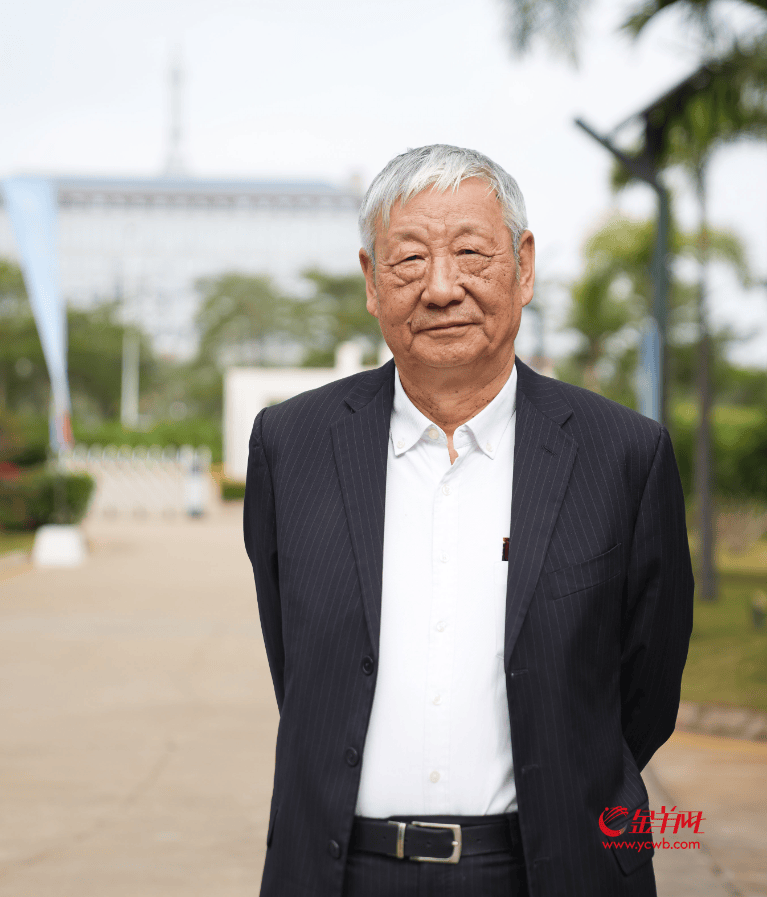
海南封关将释放哪些红利?专访中国经济50人论坛成员曹远征|高端访谈
Sou Hu Cai Jing· 2025-12-23 14:18
Core Insights - The Hainan Free Trade Port officially commenced its closure operations on December 18, which has sparked significant public interest and discussion regarding its implications for economic development and consumer behavior [1][3]. Group 1: Economic Impact - The closure operation is expected to further expand domestic demand and stimulate consumption, which has already begun to take shape [3]. - China is transitioning to a new economic phase that necessitates an increase in imports to meet domestic consumption upgrades, moving away from an export-driven model [3]. Group 2: Institutional Opening - Hainan Free Trade Port represents a model of institutional opening characterized by rules, management, and standards, differing from the more product-focused opening seen in Shenzhen during the 1980s [3][4]. - The core of Hainan's opening strategy focuses on high-standard service industry development, which relies on human interaction and subjective quality standards rather than rigid production metrics [4]. Group 3: Financial Connectivity - Hainan serves as a crucial link between offshore and onshore RMB markets, enhancing its role in the internationalization of the RMB [10]. - The establishment of financial tools like the Free Trade Account (FT Account) has enabled Hainan to issue RMB bonds in Hong Kong, facilitating capital flow back to the mainland [10]. Group 4: Regional Development - The policy benefits of Hainan's Free Trade Port are expected to extend beyond the Greater Bay Area, potentially making regions like Zhanjiang in western Guangdong new economic growth poles [11]. - Hainan is positioned to attract high-end service resources globally, which could lead to collaborative opportunities with the Greater Bay Area and beyond [11]. Group 5: Strategic Collaboration - Hainan is encouraged to lead in creating new service platforms that facilitate cooperation between the Greater Bay Area and ASEAN countries, thereby enhancing industrial upgrades through high-level services [12].
刘英:引领中国开放范式升级,海南自贸港深挖中国—东盟合作潜力
2 1 Shi Ji Jing Ji Bao Dao· 2025-12-23 12:39
Core Insights - The launch of the Hainan Free Trade Port's full island closure operation marks a new phase in China's highest level of openness and is expected to serve as a key platform for regional cooperation [1][2] Group 1: Strategic Significance of Hainan Free Trade Port - The full closure operation is a critical measure for promoting high-level openness in rules, regulations, management, and standards, highlighting the strategic value of institutional openness [2][4] - Hainan Free Trade Port's uniqueness lies in its systematic design and breakthroughs at the institutional level, supported by separate legislation and a comprehensive open policy framework [2][5] - The port aims to actively align with international high-standard economic and trade rules, serving as a "testbed" for institutional openness and upgrading China's openness paradigm [4][6] Group 2: Cooperation with ASEAN - Hainan and ASEAN can focus on building a "ASEAN-Hainan-Mainland" high-end processing value chain, creating an internal circulation model of "ASEAN raw materials + Mainland intermediate goods + Hainan manufacturing + Chinese market" [2][8] - Key potential cooperation areas include tropical agricultural product processing, digital economy and trade, healthcare and biomedicine, and blue economy and marine cooperation [2][8] - The port's development will require coordinated infrastructure improvements, including traditional and new infrastructure, to enhance connectivity and upgrade Hainan's role to a regional hub within RCEP [8] Group 3: Institutional Advantages and High-Standard Alignment - The institutional advantages of Hainan Free Trade Port provide opportunities for rule, standard, and certification alignment with ASEAN and the RCEP region [9][10] - High-standard alignment is essential for the port's construction, focusing on deep integration with ASEAN in rules, standards, and certifications [10][11] - Proposed mechanisms include establishing a China-ASEAN rule recognition laboratory and a digital talent certification base to facilitate rule alignment and standard co-construction [3][11]
金价为什么可以连创历史新高 | 说商道市
Sou Hu Cai Jing· 2025-12-23 12:25
Group 1 - The core viewpoint is that the recent surge in gold prices is driven by its status as a primary safe-haven asset amid ongoing global conflicts and economic uncertainties [1][2] - Gold futures have reached a historical high, with a nearly 65% increase compared to the closing price on December 31, 2024, and COMEX gold prices rose by 2.13% to 4480.6 [1] - The geopolitical landscape, including the Russia-Ukraine war and conflicts in Gaza, has heightened the demand for gold as a safe investment [1] Group 2 - The shift from a strong dollar to a weaker dollar, following multiple interest rate cuts by the Federal Reserve, has contributed to the bullish trend in gold prices [2] - Central banks, particularly in emerging markets like China, India, and Turkey, have significantly increased their gold purchases, totaling 1037 tons in 2023, to diversify their foreign exchange reserves [2] - The decreasing share of the dollar in global foreign exchange reserves and trade settlements indicates a broader trend away from dollar dependency [2] Group 3 - Short-term investors are advised to wait for a price correction before entering the market, as the rapid increase in gold prices may lead to profit-taking [3] - Long-term investors are encouraged to consider buying gold during minor price adjustments, as the weak dollar cycle is expected to last for an extended period [3] - The rising prices of precious metals suggest that investors should also pay attention to resource stocks, particularly non-ferrous metals, which have significant industrial value [3]
银行净息差现企稳迹象,普通人理财要换思路了?
Xin Lang Cai Jing· 2025-12-23 11:45
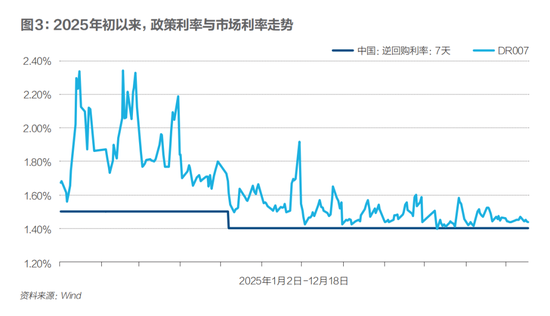
Core Viewpoint - The central bank is strengthening its guidance on deposit and loan interest rates to prevent excessive competition among market institutions, which could further lower effective market rates and enhance the effectiveness of monetary policy [1][41]. Group 1: Interest Rate Trends - Consumer loan products with interest rates below 3% are nearly extinct, and 5-year large-denomination certificates of deposit with rates above 1.55% are also disappearing [1][41]. - The lower limit for corporate loan rates is approximately 2.1%-2.2%, aligning closely with the after-tax adjusted yield of government bonds of the same maturity, while the lower limit for retail loan rates, including mortgages, is around 3% [3][53]. - The average weighted interest rate for new corporate loans and personal housing loans is around 3.1%, which is historically low [48][55]. Group 2: Monetary Policy and Economic Context - The central bank emphasizes maintaining a reasonable interest rate relationship, considering it one of the five key interest rate relationships that require attention [4][44]. - The overall interest rate level in China is at a historical low, with the central bank's policy rate at 1.4% and the 1-year and 5-year Loan Prime Rates (LPR) at 3% and 3.5%, respectively [9][48]. - The central economic work conference indicates that the monetary policy will continue to implement a moderately loose stance, with potential for slight rate cuts in the first half of 2026 [10][49]. Group 3: Banking Sector Dynamics - The net interest margin of commercial banks has been under pressure, declining from over 2% to around 1.42% as of the third quarter of 2025, which is a historical low [18][56]. - Banks are facing challenges in maintaining a sustainable net interest margin due to intense competition and the phenomenon of "involution" in the lending market [20][22]. - Recent reports indicate that banks are stabilizing their loan rates, with some banks encouraging slight increases in loan rates as part of their key performance indicators [55][56]. Group 4: Regulatory Actions and Market Reactions - The central bank has taken measures to prevent irrational downward pressure on loan rates, including discouraging banks from issuing loans at rates below the yield of government bonds [16][54]. - The "反内卷" (anti-involution) initiative aims to address the rapid decline in loan rates while ensuring that deposit rates do not fall excessively [3][15]. - The market is observing a shift in the pricing strategies of banks, with a focus on improving market pricing capabilities and stabilizing asset yields [24][56].
中证协:行业机构首席经济学家应发挥研究专长,讲好中国“股市叙事”
Bei Jing Shang Bao· 2025-12-23 11:32
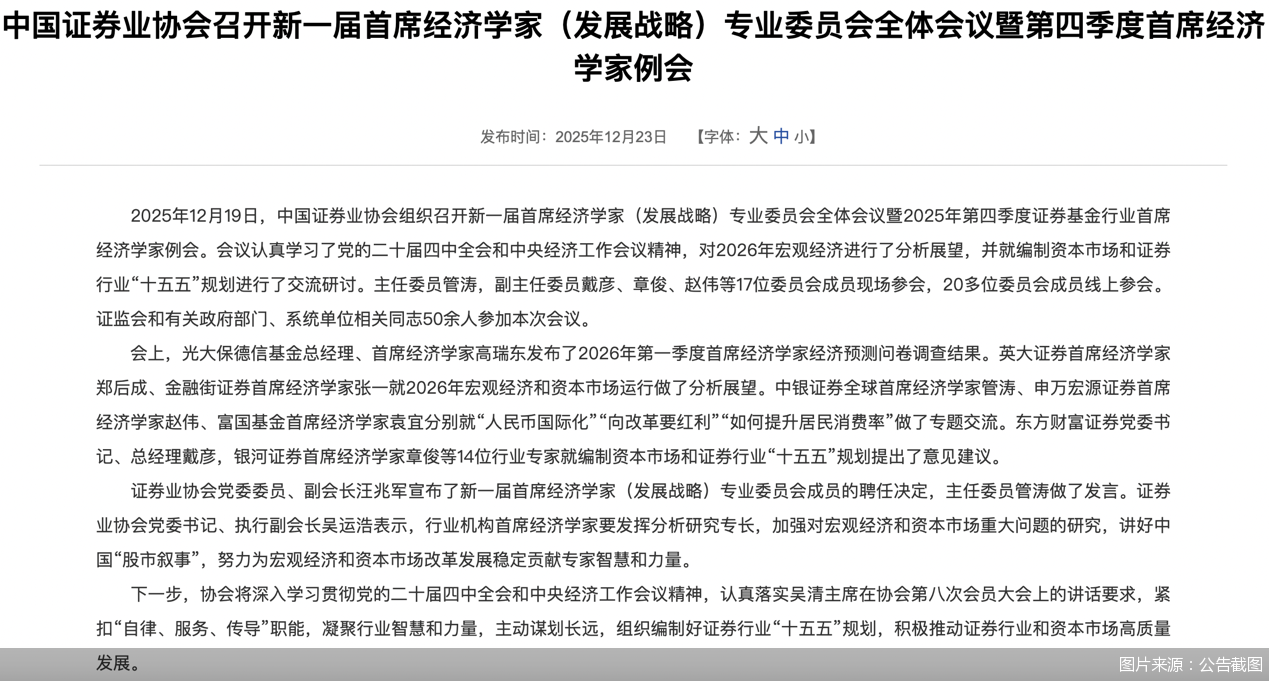
Core Viewpoint - The meeting organized by the China Securities Association on December 19 focused on the analysis and outlook for the macro economy and capital markets in 2026, emphasizing the importance of chief economists in providing insights for economic and market reforms [1] Group 1: Economic Outlook - Chief economists discussed the macroeconomic and capital market trends for 2026, providing analyses and forecasts [1] - Topics included "internationalization of the Renminbi," "gaining dividends from reforms," and "how to enhance household consumption rates" [1] Group 2: Strategic Planning - Industry experts offered suggestions for the development of the capital market and the securities industry's 14th Five-Year Plan [1] - The meeting highlighted the need for chief economists to leverage their analytical expertise to address significant macroeconomic and capital market issues [1]
多家券商、基金参与!试点海南自贸港跨境资管业务
券商中国· 2025-12-23 10:38
Core Viewpoint - The Hainan Securities Regulatory Bureau has announced the registration of seven institutions for the cross-border asset management pilot business in Hainan Free Trade Port, which aims to innovate and expand cross-border financial product offerings and attract both domestic and foreign asset management institutions to support the development of Hainan Free Trade Port [1][2]. Group 1: Registered Institutions - Two securities firms, Jinyuan Securities and Wanhua Securities, along with two fund management companies, Huibaichuan Fund Management Co., Ltd. and Peng'an Fund Management Co., Ltd., have been registered as product issuance institutions [2]. - Three banks, namely Industrial Bank Co., Ltd. Haikou Branch, Shanghai Pudong Development Bank Co., Ltd. Haikou Branch, and China Merchants Bank Co., Ltd. Haikou Branch, have been registered as product sales institutions [2]. Group 2: Pilot Business Implementation - The first batch of cross-border asset management pilot business by Huibaichuan Fund and Pudong Development Bank has been successfully subscribed by foreign investors, with funds flowing through the bank's cross-border account system to invest in the domestic capital market [4]. - As of October 16, 2025, the People's Bank of China Hainan Branch has approved a quota of 5 billion RMB for four pilot issuing institutions [4]. - By December 16, 2025, three pilot issuing institutions had successfully issued products that were subscribed by foreign investors, demonstrating smooth and efficient fund transfers [4]. Group 3: Regulatory Framework - The implementation details for the cross-border asset management pilot business were jointly issued by several regulatory bodies, officially starting on August 21, 2025, allowing foreign investors to invest in various financial products issued by Hainan Free Trade Port financial institutions [6]. - The initial total scale limit for the pilot program is set at 10 billion RMB, with the People's Bank of China Hainan Branch responsible for setting and dynamically adjusting this limit based on market conditions [6][5]. - Foreign investors can use funds from both domestic and international sources to purchase pilot asset management products, with specific requirements for domestic funds [7].


海南封关,到底意味着什么
大胡子说房· 2025-12-23 10:28
Core Viewpoint - The announcement of Hainan's customs closure is a significant event that will have long-term implications for China's open economy, requiring an investment of 1.8 trillion yuan over the next decade for 699 major projects [1]. Group 1: Economic Impact - Hainan is positioned as a window for upgrading industrial exports, moving away from low-end manufacturing to high-end production, such as Tesla batteries and Pfizer drugs, which can see cost reductions of 30% and 50% respectively [2]. - The shift in focus means that profits will come from technology and regulatory premiums rather than just processing fees [3]. Group 2: Customs Closure Explanation - The essence of Hainan's customs closure can be summarized in 12 words: "first-line openness, second-line control, and freedom within the island" [5]. - First-line openness refers to the complete removal of barriers between Hainan and foreign markets, allowing 99% of global goods to enter duty-free [9]. - Hainan will serve as a major logistics hub, facilitating the processing and export of various goods, including luxury items and high-tech products [10][11]. Group 3: Tax and Trade Regulations - Raw materials can enter duty-free, and products can be exported without taxes if they undergo value-added processing of over 30% [14][15]. - The corporate income tax rate in Hainan is set at 15%, which is 10 percentage points lower than the mainland, attracting global capital [15]. Group 4: Future Trade Dynamics - The customs closure is expected to facilitate a significant increase in trade, potentially generating trillions in annual trade volume [24]. - The initiative aims to establish new rules for trade, finance, and data, which will be tested in Hainan before being replicated nationwide [17][18]. Group 5: Long-term Vision - The customs closure is not a form of isolation but represents a higher level of openness, with a long-term vision for economic transformation [26][27]. - The internationalization of the renminbi will be enhanced, making it easier for global transactions to occur through Hainan [20][21].