贸易战

Search documents
美国招数用尽,卖出去的大豆“不够中国零头”,美企后悔为时已晚
Sou Hu Cai Jing· 2025-10-07 05:26
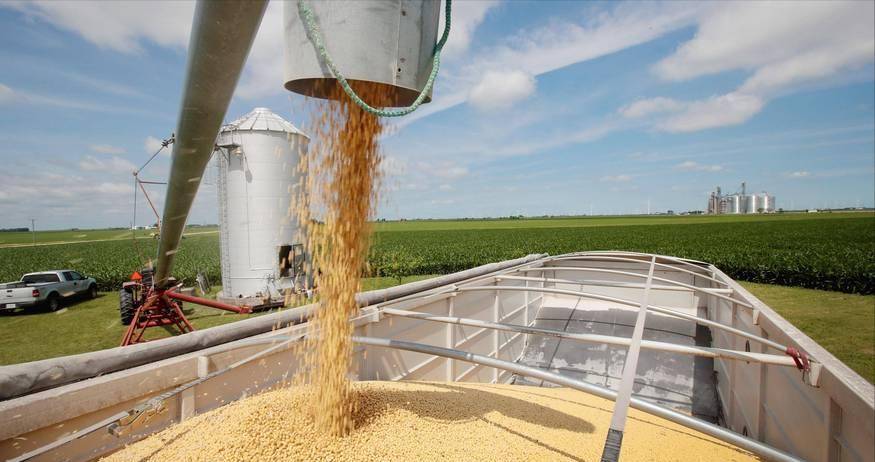
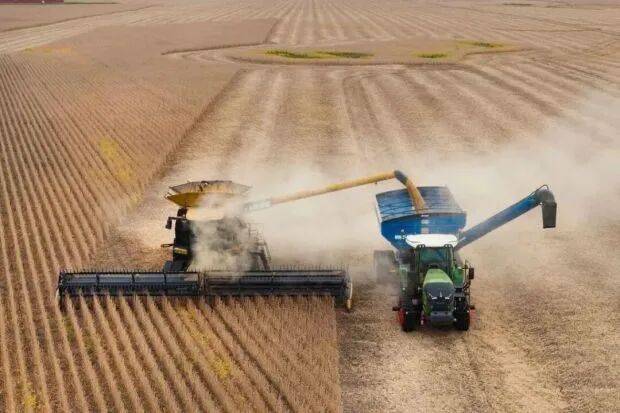
自2018年特朗普发起贸易战以来,美国对华大豆的出口量大幅下降,至2017年的一半。这一"断供"风险促使全球买家,尤其是中国,加速了多元化的供应链 建设。2024年初,中国从巴西进口的大豆占总进口量的六成以上,而巴西通过长期采购协议稳固了自己作为最大供应国的地位。这种供应链的重构几乎不可 逆转。即使美国未来调整贸易政策,全球买家对其政策反复性的担忧已经深深扎根,很多国家在保障粮食安全时,倾向于与政策更加稳定、供应更可靠的国 家建立长期合作关系。美国大豆因此不仅失去了短期的订单,更失去了长期的市场信任。 特朗普在之前的贸易谈判中,曾多次要求其他国家购买美国的农产品,尤其是大豆,目的是消化美国的过剩产能。美国试图与尼日利亚、菲律宾、越南和孟 加拉国等国家进行谈判,希望他们能够购买美国的大豆。共和党的设想是,虽然美国失去了中国市场,但如果其他国家能分担一些进口量,就能部分弥补损 失。然而,现实远没有特朗普想的那么简单。 自从5月下旬以来,中国再也没有从美国进口大豆,这让特朗普面临了巨大的挑战。为了弥补这一损失,他拒绝妥协,试图通过其他方式将这些大豆销往其 他国家。然而,这一计划并不如特朗普所预期的那样顺利。 据路透 ...

大陆不买美大豆,美国挑软柿子捏,赖当局被逼接盘,签下百亿大单
Sou Hu Cai Jing· 2025-10-07 04:39
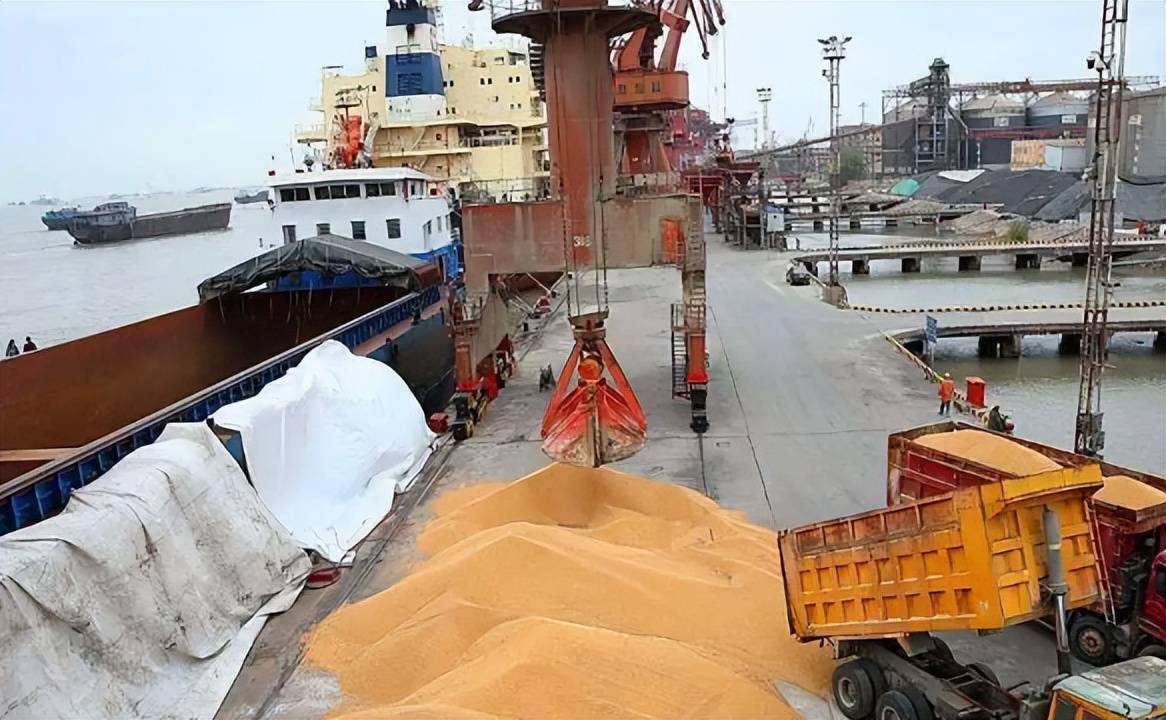
Core Insights - The recent soybean trade dynamics between the U.S. and Taiwan highlight the intersection of agricultural economics and geopolitical strategies [1][6][13] - The U.S. is attempting to mitigate its agricultural surplus by leveraging Taiwan as a new market for its soybeans, following China's cessation of imports [6][11][14] Group 1: U.S. Soybean Market Challenges - U.S. farmers are facing significant challenges due to a surplus of soybeans, exacerbated by China's halt on imports, which has led to a drastic price drop [1][11] - The U.S. government, under Trump, initially attempted to address these issues through tariffs and subsidies, but these measures have proven insufficient [1][6] Group 2: Taiwan's Role in U.S. Soybean Exports - Taiwan has committed to purchasing $10 billion worth of U.S. agricultural products, including soybeans, over the next four years, which is seen as a political maneuver to gain U.S. support [6][8] - This procurement represents a significant increase in Taiwan's reliance on U.S. soybeans, posing potential risks to local farmers and the agricultural market [8][9] Group 3: Implications for Global Trade - The shift in soybean sourcing indicates a broader change in global agricultural supply chains, with South American countries like Brazil and Argentina filling the void left by China [14] - The U.S. may struggle to regain its market share in the soybean sector, as new supply chains are rapidly being established [14]

美国财长贝森特曾赞关税,40天急转称中美谈判有突破,还主动提大豆采购话题
Sou Hu Cai Jing· 2025-10-06 11:13
Core Points - The U.S. Treasury Secretary, who previously expressed satisfaction with tariffs, has now indicated that significant breakthroughs are expected in U.S.-China trade negotiations, suggesting a shift in stance due to internal pressures [1][3][11] - The recent lack of soybean purchases by China, which has reached zero for the first time since records began in 1999, highlights the urgency of addressing agricultural trade issues [5][9] - The decline in U.S. soybean prices by 23% this year, coupled with competitive pressures from Argentina, has intensified the economic challenges faced by American farmers [7][9][19] Economic Impact - The U.S. soybean association estimates that farmers are facing losses of $100 to $150 per acre, indicating severe financial distress for agricultural families [7][9] - Argentina's suspension of export taxes has made its soybeans more competitive, leading to a shift in Chinese purchases away from U.S. products [9][21] - The political ramifications of these economic issues are significant, as agricultural states are crucial to the Republican base, and farmer dissatisfaction could impact upcoming elections [11][19] Political Dynamics - The upcoming midterm elections are creating pressure for the U.S. administration to deliver satisfactory outcomes for farmers, as failure to do so could jeopardize electoral support [11][19] - The shift in U.S. trade policy may be influenced by lobbying from business leaders concerned about declining profits and rising consumer costs due to tariffs [15][19] - The potential for a limited agreement in trade negotiations may involve selective tariff reductions in exchange for increased Chinese purchases of U.S. agricultural products [21][23] Strategic Considerations - The U.S. may seek to balance domestic economic needs with ongoing strategic goals to contain China's technological advancements, indicating a complex negotiation landscape [23][24] - China's resilience and market significance are underscored by the U.S. Treasury Secretary's recent comments, suggesting that negotiations will require a focus on mutual benefits rather than unilateral concessions [24][25] - The evolving dynamics of U.S.-China relations reflect a recognition that extreme pressure tactics have not yielded the desired outcomes, necessitating a return to dialogue [24][25]

特朗普苦求无果,中方还是一单不买,美明白,要按中国规矩办事
Sou Hu Cai Jing· 2025-10-06 07:46
Core Insights - The article highlights the failure of the Trump administration's hardline approach to trade with China, particularly regarding soybean exports, which has left American farmers in distress [1][4][5] - China has shifted its focus to strengthening ties with other soybean-producing countries like Brazil and Argentina, effectively reducing its reliance on U.S. soybeans [4][5][7] Group 1: Trade Dynamics - Historically, China has been the largest buyer of U.S. soybeans, but in 2025, it did not place significant orders during the U.S. harvest season, causing anxiety among American farmers [1][2] - The U.S. agricultural sector had hoped for breakthroughs in trade negotiations, but multiple rounds of talks failed to yield results, leading to a loss of market share for U.S. soybeans [1][2][4] Group 2: Economic Impact - The absence of Chinese orders has resulted in increased inventory and declining prices for U.S. soybeans, leading to operational difficulties for many farms [2][4] - The American Agricultural Association has warned the Trump administration about the potential for greater losses if the trade dispute is not resolved promptly [2] Group 3: Strategic Miscalculations - The Trump administration underestimated China's ability to respond to U.S. tariffs by diversifying its sources for soybeans, thereby diminishing the impact of American pressure [4][5] - The article emphasizes that unilateral pressure is ineffective in the context of global supply chains, where China has developed significant market alternatives [5][7] Group 4: Political Ramifications - Trump faces a critical challenge in balancing the pressures from domestic farmers and his foreign policy, as the loss of the Chinese market has economically impacted his agricultural voter base [7] - The article suggests that if Trump continues with a hardline stance, he risks losing support from farmers and missing opportunities for collaboration with emerging market countries [7]
特朗普再抱怨中国不买大豆,美国不明确反台独,生意不做也罢
Sou Hu Cai Jing· 2025-10-06 03:45
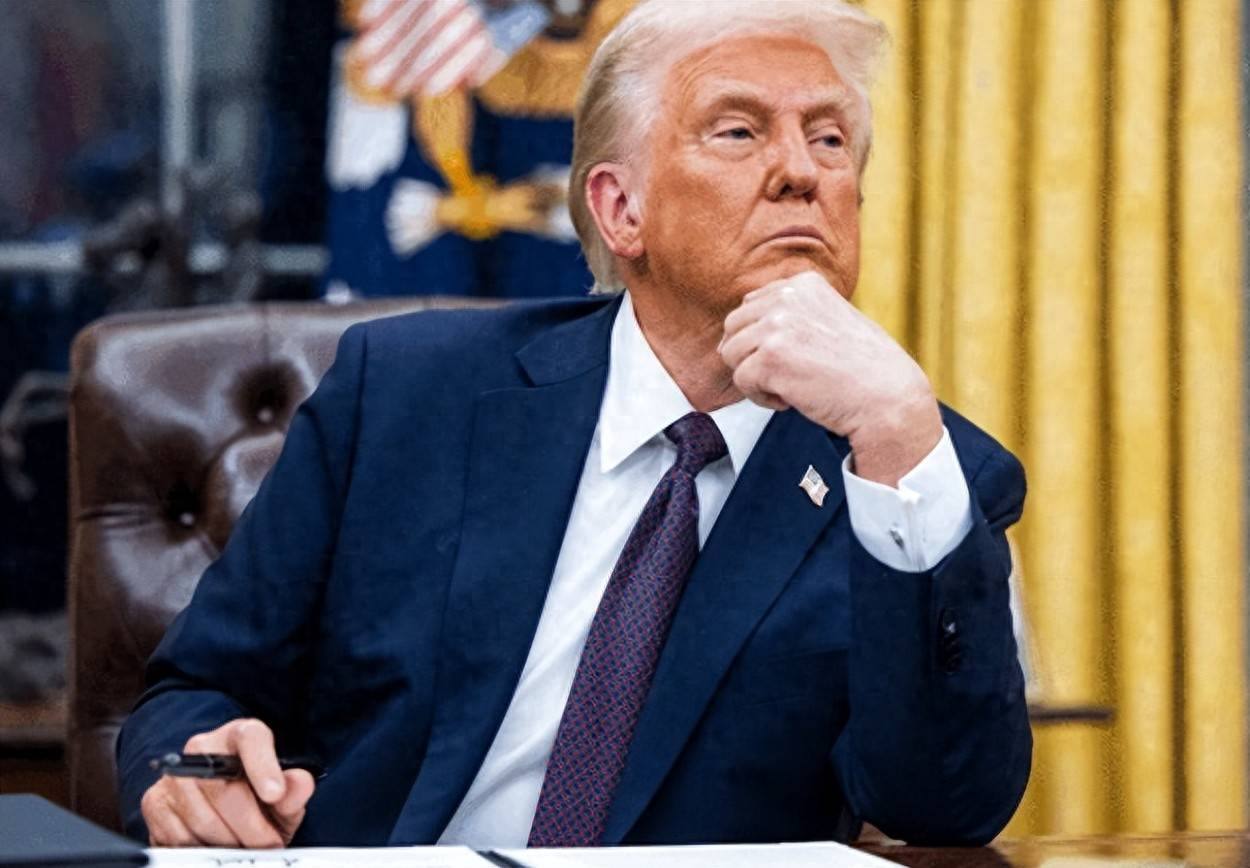
Core Viewpoint - The article discusses the negative impact of Trump's soybean tariff policy on American farmers and the shift in China's soybean sourcing from the U.S. to South America, highlighting the political implications and the changing dynamics of U.S.-China trade relations [1][22]. Group 1: Tariff Policy and Its Consequences - Trump's initial 34% tariff on Chinese soybeans in 2018 aimed to pressure China but resulted in a significant reduction in U.S. soybean exports, with China decreasing its import share from 34.4% to 18.9% [2]. - By 2025, the situation worsened, with China halting all soybean purchases from the U.S. for the first time in 30 years, leading to a surplus of 7 million tons in U.S. warehouses and prices dropping below $8 per bushel [4]. - The U.S. soybean farmers faced losses exceeding $100 per acre, with some expressing that they were growing "political bombs" instead of soybeans [4]. Group 2: Competition from South America - Argentina seized the opportunity created by U.S. tariffs by eliminating its soybean export tax, capturing 12 million tons of orders from China, despite its soybeans being $40 per ton more expensive than U.S. soybeans [5]. - Brazil also increased its soybean exports to China, reaching a record 66 million tons in the first eight months of 2025, while China established a blockchain platform with Brazil and Argentina to ensure the authenticity of soybean sources [7]. Group 3: Farmer Sentiment and Political Ramifications - U.S. farmers expressed dissatisfaction with government subsidies, stating they prefer market access over financial aid, as previous subsidies primarily benefited middlemen [9]. - The agricultural states, crucial for the Republican Party, are showing signs of discontent, pressuring Trump to find solutions as the trade war continues to escalate [11]. Group 4: Broader Political Context - The article suggests that China's refusal to purchase U.S. soybeans is tied to deeper political issues, particularly regarding Taiwan, which China views as a core interest [13][15]. - China's recent agricultural strategies, including a "soybean revitalization plan" aiming for a production increase to 21 million tons by 2025, indicate a long-term shift away from reliance on U.S. soybeans [17]. Group 5: Long-term Trade Implications - If China completely stops importing U.S. soybeans, the U.S. could face an annual loss of $12 billion in export revenue, which would represent 90% of the projected trade volume with China in 2024 [19]. - The global soybean trade landscape has permanently shifted, with Brazil and Argentina emerging as the new "grain warehouses," diluting the U.S. market share [19].
特朗普考虑为美国农民提供至少100亿美元的大规模救助
Zhong Guo Ji Jin Bao· 2025-10-06 01:27
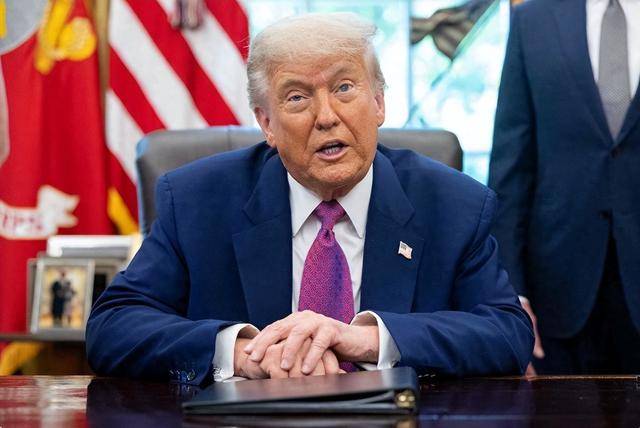
特朗普考虑向美国农民提供至少100亿美元的大规模纾困 10月5日,据消息人士称,美国农民今年过得并不轻松,很大程度上是因为特朗普发起的贸易战,白宫 正准备向他们提供一揽子数十亿美元的救助。 (原标题:特朗普考虑为美国农民提供至少100亿美元的大规模救助) 大家好,长假的第六天,不知道你们开始返程了没有!简单关注一下特朗普的消息。 一名白宫官员表示,政府还在讨论将上述两种方式结合使用,取决于哪种渠道能够更快地拿到资金。目 前拟提供的援助规模在100亿到140亿美元之间。 白宫官员说,特朗普本人也在私下向团队施压,确保美国农民——许多人被特朗普政府视为帮助总统赢 得2024年11月大选的关键群体——得到保护。 若特朗普认定谈判毫无进展,将启动裁员 白宫国家经济委员会主任凯文·哈塞特周日表示,如果无法尽快达成避免政府停摆的协议,联邦雇员可 能会被裁员。 关税导致的成本飙升与外国报复性措施重创了美国农业——移民相关的劳动力短缺和大宗商品价格暴跌 也雪上加霜。美国农业部的数据显示,2025年农场生产开支预计将达到4674亿美元,比去年增加120亿 美元。 据美国法院数据,今年上半年美国农场破产数量升至2021年以来的最 ...
特朗普:100亿美元“救市”
Zhong Guo Ji Jin Bao· 2025-10-05 16:14
【导读】特朗普考虑为美国农民提供至少100亿美元的大规模救助 大家好,长假的第六天,不知道你们开始返程了没有!泰勒继续加班,简单关注一下特朗普的消息。 特朗普考虑向美国农民提供至少100亿美元的大规模纾困 10月5日,据消息人士称,美国农民今年过得并不轻松,很大程度上是因为特朗普发起的贸易战,白宫 正准备向他们提供一揽子数十亿美元的救助。 关税导致的成本飙升与外国报复性措施重创了美国农业——移民相关的劳动力短缺和大宗商品价格暴跌 也雪上加霜。美国农业部的数据显示,2025年农场生产开支预计将达到4674亿美元,比去年增加120亿 美元。 特朗普曾提出其中一个想法:把美国因对进口商品加征关税所获得收入的一定比例发给农民。 特朗普在社交媒体上写道:"我们从关税上赚了这么多钱,我们将拿出其中一小部分来帮助我们的农 民。我永远不会让我们的农民失望!"另一种做法是动用农业部的一笔被官员称作"备用金"的资金。 特朗普政府今年3月也动用了这笔资金——即"紧急商品援助计划"(ECAP)——以类似方式向农民提供 支持。美国农业部当时向符合条件的2024作物年度的相关农产品生产者发放了100亿美元的直接补贴。 一名白宫官员表示, ...
贸易战下美国农民急了!大豆王牌让特朗普团队态度软化
Sou Hu Cai Jing· 2025-10-05 12:33
Core Insights - The Trump administration is recognizing the significant impact of the soybean trade in the ongoing tariff war with China, as U.S. farmers face unprecedented anxiety due to a lack of soybean purchases from China this year [1][3] - China is the largest buyer of soybeans globally, accounting for approximately 60% of total soybean exports, and has shifted its imports away from the U.S. to countries like Brazil and Argentina [3][9] - The uncertainty caused by trade policies has led to a significant decline in U.S. soybean market share, dropping from 34.2% of global production in 2018 to 28.3% currently [9] Group 1 - U.S. farmers are experiencing a critical situation as they have not sold any soybeans to China this year, leading to overflowing storage and diminishing hopes for recovery [1][4] - The Trump administration is under pressure to negotiate with China to lift retaliatory tariffs on U.S. soybeans, as farmers express the need for stable market conditions rather than government subsidies [4][6] - The shift in China's import strategy since the 2018 trade war has made the U.S. more vulnerable, as China has diversified its sources for soybeans, impacting U.S. farmers significantly [9] Group 2 - The political implications of soybean trade are significant, as key soybean-producing states are traditional Republican strongholds, and the trade policies have created uncertainty for these farmers [3][6] - Recent statements from the Trump team indicate a softening stance towards negotiations with China, acknowledging the need for a balanced approach to address both U.S. and Chinese concerns [7] - The long-term effects of the trade war have led to a permanent shift in the global soybean market dynamics, with U.S. farmers struggling to regain their previous market position [9]
“这是我从业30年来最严峻的局面”
Sou Hu Cai Jing· 2025-10-05 11:19
Core Insights - The California grape growing industry is facing unprecedented challenges due to poor economic conditions and U.S. government tariff policies, as stated by Jeff Bitter, president of the California Grape Growers Association, marking the most severe situation in his 30-year career [1] Industry Summary - The grape harvest in California this year is normal in terms of quantity and quality, particularly in inland growing areas, but many grapes are left unharvested due to a significant reduction in demand, leading to grapes rotting on the vine [3] - Many grape growers are opting to minimize vineyard management during the harvest season, either abandoning their investments or struggling to maintain operations, with only a few able to sustain themselves due to long-term purchase contracts with wineries [3] - The direct causes of the current situation include inventory buildup and sluggish sales, with an increasing number of wineries unwilling to purchase grapes, exacerbated by tariff policies from the Trump administration and overall poor economic conditions affecting consumer spending habits [5] - The tariff policies have led to retaliatory measures from other economies, diminishing the competitiveness of U.S. wines in international markets, with significant price increases making U.S. products less attractive compared to suppliers from Chile, Australia, and Europe [5] - The demand and shipment volume for U.S. wines have been declining over the past three years, reflecting broader economic challenges and changing consumer preferences, particularly among younger demographics who find wine relatively expensive compared to beer or spirits [6]

中美关税战打了6个月,美国牛肉在华市场份额被澳大利亚抢走
Sou Hu Cai Jing· 2025-10-05 05:08
Core Insights - The export value of U.S. beef to China plummeted from an average of $120 million per month to just $8 million in September, a decline of over 90% [1][3] - In contrast, Australian beef exports to China surged to over $220 million, effectively filling the gap left by the U.S. [1][7] Export Trends - U.S. beef exports to China began to decline in July, with figures dropping to $8.1 million, slightly recovering to $9.5 million in August, but still far below the previous average [3][4] - The significant drop in U.S. exports is attributed to the impact of the tariff war initiated by the U.S. government [4][10] Market Dynamics - Chinese consumers have shifted their preference from U.S. beef to Australian beef, with little change in pricing, indicating a lack of sensitivity to the origin of the beef [6][12] - Australia has capitalized on the situation by increasing beef export frequencies from its ports and signing multiple trade agreements with China [12][16] Policy Implications - The expiration of export registration qualifications for hundreds of U.S. beef companies in March 2025, without timely renewal notifications, has severely impacted their ability to trade [10][11] - The U.S. tariff policies have inadvertently harmed American exporters while benefiting competitors like Australia, highlighting a fundamental misalignment with market logic [11][19] Global Trade Context - The ongoing trade war has demonstrated that attempts to gain an advantage through tariffs ultimately harm the initiator, as evidenced by the shift in suppliers for Chinese imports [19][24] - The situation reflects a broader trend of supply chain restructuring in the context of globalization, diminishing the U.S.'s dominant position in global trade [26][28]