品牌出海

Search documents
中国汽车何以高质量出海
Zhong Guo Qi Che Bao Wang· 2025-06-20 02:00
Core Viewpoint - China's automobile exports have reached 2.853 million units from January to May 2025, marking a 16.8% year-on-year increase, continuing its position as the world's largest exporter for the third consecutive year. However, there are significant challenges in after-sales service, brand strength, and profit margins that need to be addressed for sustainable growth in overseas markets [2]. Group 1: After-sales Service Challenges - Chinese automobile exports face challenges in after-sales service, particularly in Thailand, where the service network is not well established, leading to difficulties in replacing damaged parts [3]. - Japanese brands have a well-developed supply chain and after-sales service in Thailand, achieving 80% localization of parts, while Chinese electric vehicle manufacturers are still in the early stages of market entry and face competition from established brands [3]. - The lack of local supply chains for high-tech components in Thailand complicates the after-sales service for Chinese electric vehicles, requiring extensive negotiations with local suppliers [4]. Group 2: Brand Building and Market Perception - Building brand influence in overseas markets is crucial for the high-quality "going out" strategy of Chinese automobiles, with a focus on long-term development rather than short-term gains [7]. - There is a need for Chinese brands to improve their recognition and reputation in markets like Thailand, where brand awareness remains low [7]. - Surveys indicate that only 40% of consumers in mature markets like Europe are aware of Chinese automobile brands, highlighting the need for improved brand promotion and consumer education [7][8]. Group 3: Pricing and Market Strategy - The trend of "internal competition" in the domestic market poses a risk of "external competition" in overseas markets, with concerns about price wars damaging brand value and market perception [10]. - High-quality products with appropriate pricing are more likely to succeed in international markets, as demonstrated by the pricing strategy of the Xingtou brand, which positions itself in the high-end market [11][12]. - The automotive industry is shifting focus from price competition to value and technology competition, emphasizing the importance of product quality and innovation [12][13]. Group 4: Profitability and Cost Management - Despite increasing export volumes, Chinese automobile manufacturers face low profitability, with an average profit margin of only 3%, compared to 6-7% for German and Japanese manufacturers [14][15]. - Factors such as high tariffs, compliance costs, and local dealer profit margins contribute to the low profitability of Chinese electric vehicles in overseas markets [15]. - Some companies are establishing local production facilities to reduce costs and improve responsiveness to market demands, which is seen as a necessary step for enhancing profitability [16].


【转|太平洋食饮-消费深度】拥抱新消费的浪潮
远峰电子· 2025-06-18 11:46
Core Insights - The article emphasizes the importance of boosting domestic demand as a long-term strategy for economic growth, especially in light of reduced export contributions due to trade tensions [2][4] - It highlights the ongoing consumer policy initiatives aimed at stimulating spending and increasing household income, which are expected to positively impact consumption ratios in the coming years [4][6] - The article draws parallels between the current economic situation in China and Japan's economic history, particularly the similarities in aging populations and real estate market challenges [8][12] Group 1: Domestic Demand and Consumption - Domestic demand is becoming the main driver of economic growth as export contributions decline, with household consumption currently accounting for 38-40% of GDP, significantly lower than in developed countries [2][4] - Recent consumer policies, including subsidies and consumption vouchers, are expected to enhance household income and stimulate spending, with a projected increase in consumer spending in 2025 [4][6] - The first quarter of 2025 showed a 4.6% year-on-year increase in retail sales, indicating a stable upward trend in consumption [4] Group 2: Economic Comparisons with Japan - The article compares China's current economic conditions to Japan's in the late 1990s, noting similar GDP per capita levels and aging demographics [8][12] - Both countries have experienced real estate market downturns, with China implementing policies to stabilize housing prices and Japan facing a prolonged economic slump after its real estate bubble burst [8][12] - The analysis suggests that understanding Japan's economic history could provide valuable insights for China's future economic strategies [8][12] Group 3: Consumer Behavior Trends - There is a noticeable shift in consumer preferences towards value-oriented and health-conscious products, with brands like Sam's Club and Dazhong increasingly appealing to consumers seeking quality at competitive prices [34][39] - The rise of discount retailers and the focus on high-cost performance products reflect a broader trend of rational consumption among consumers, particularly in the context of economic uncertainty [19][25] - The article highlights the growing importance of local brands and products that cater to domestic tastes, as consumers show a preference for homegrown options over foreign imports [31][20]

Babycare进驻日本8000+门店,中国母婴品牌破局海外高端市场
Bei Jing Shang Bao· 2025-06-17 12:11
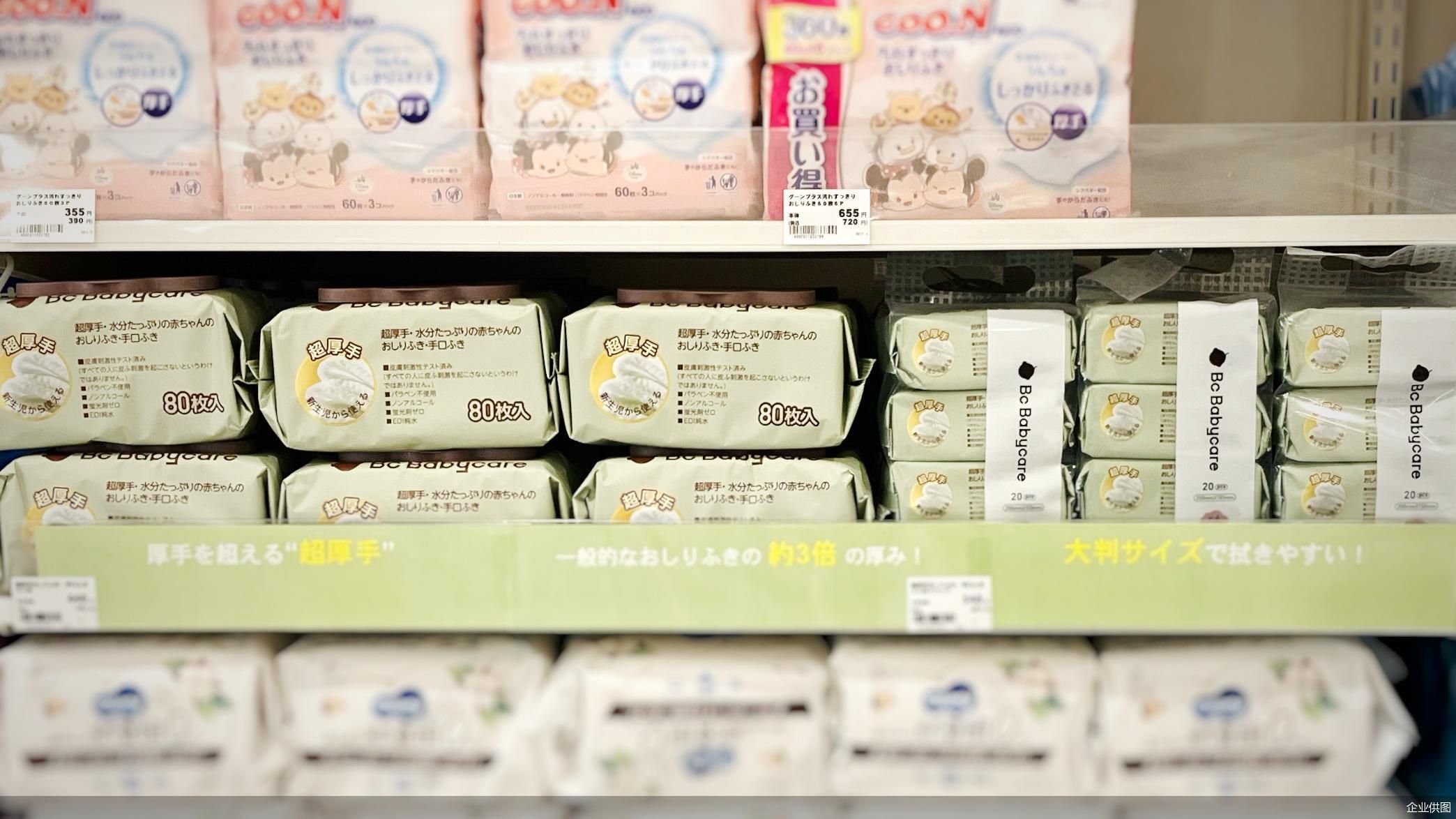
Core Insights - Babycare has successfully entered the Japanese offline market with its flagship product, the "Purple Lid Wipes," now available in over 8,000 stores, including being the first Chinese maternal and infant brand in 7-Eleven [1][4][12] - The brand achieved a 50% repurchase rate among users on the Rakuten e-commerce platform in Japan, indicating strong consumer acceptance [1] Market Entry Strategy - Babycare began its foray into the Japanese market through cross-border e-commerce in 2022, focusing on offline retail, which dominates the Japanese market with 90.62% of sales [4][12] - The company conducted extensive local market research over two years, engaging with over 1,500 Japanese consumers to understand their preferences and usage habits [5][6] Product Differentiation - The "Purple Lid Wipes" feature superior product specifications, such as double the thickness of competing products and a significantly higher liquid content, which have contributed to their success [4][6] - Babycare's commitment to quality is reflected in its use of 100% biodegradable plant fibers and a rigorous production process that exceeds Japanese standards [6][7] Brand Positioning - Babycare aims to establish itself as a premium brand by focusing on product innovation and differentiation, rather than competing on price, which is a common strategy among many brands entering Southeast Asian markets [12][13] - The company emphasizes the importance of understanding local consumer habits and preferences, tailoring its offerings to meet the high standards of Japanese consumers [13][14] Future Expansion - Beyond Japan, Babycare is also expanding into the Middle East, having opened four stores in Dubai, showcasing its strategy of brand expansion rather than merely manufacturing [13][14] - The company plans to continue introducing innovative products across various categories, maintaining a focus on quality and consumer value [7][12]
从足球到全球,海信借世俱杯发力高端品牌出海
2 1 Shi Ji Jing Ji Bao Dao· 2025-06-17 06:44
Core Insights - The inaugural 2025 FIFA Club World Cup in Miami features 32 teams, significantly expanding from the previous format of 7 teams, and offers a record prize pool of $1 billion, enhancing its appeal and market reach [1][3][5] - The tournament aims to fill the viewing gap between major international competitions and is expected to drive significant sports consumption and economic activity globally [3][4] - Major sponsors like Hisense are leveraging the event to enhance brand visibility and penetrate overseas markets, marking a shift from mere sponsorship to active participation in sports technology [4][9] Group 1: Event Overview - The tournament kicked off with a match between Inter Miami and Al Ahly, attracting 60,927 spectators, indicating strong interest and engagement [5] - FIFA anticipates that the official revenue from the tournament will exceed $2 billion, with additional economic benefits from related sports consumption [5] Group 2: Sponsorship and Brand Impact - Hisense, as a key sponsor, is utilizing the event to transition from brand recognition to deeper consumer engagement, aiming to solidify its global market presence [7][9] - The sponsorship strategy includes showcasing Hisense's technological capabilities, such as providing VAR technology support, which enhances its brand image as a tech leader [9] Group 3: Competitive Landscape - The tournament's structure and high prize money are designed to attract top clubs and players, increasing the competitive intensity and viewer interest [3][7] - The event is seen as a pivotal moment for reshaping the global sports sponsorship landscape, with potential shifts in the hierarchy of major sponsors [5][9]


如何看2025年5月消费数据
2025-06-16 15:20
如何看 2025 年 5 月消费数据 20250616 摘要 2025 年 1-5 月,线上零售占比达 24.5%,较社零提升 2.5 个百分点, 受益于大促周期拉长。必选品中,粮油食品和日用品零售额分别同比增 长 15%和 8%,可选品中,珠宝类产品同比增长 22%,受金价上涨驱 动,家电与通讯器材受国补政策拉动,分别同比增长 53%和 33%。 餐饮业 2025 年 1-4 月累计增速约 4%,大众餐饮表现优于中高端餐饮。 酒店业受商旅需求疲软影响,经营承压,节假日后数据下滑明显,3-5 月每间客房收入下滑 9%-10%。免税行业客单价虽上涨 21%,但销售 额因购物人次减少而下滑。 汽车行业 5 月社零总额同比增长 1%,乘用车批发销量同比增长 13%, 出口增长 18%。新能源车渗透率持续提升,5 月单月渗透率达 51.7%,累计渗透率 47.3%。国家积极推动汽车消费,预计 2025 年以 旧换新补贴申请量超 1,000 万辆,带动消费量约 600 万辆。 汽车行业智能化加速,智能驾驶渗透率已达 10%,预计将快速提升至 50%。服装行业 5 月零售额同比增长 4%,二季度修复明显,品牌服装 进入去 ...
海外618开卖,速卖通吸尘器成波兰家庭新标配
Cai Jing Wang· 2025-06-16 07:20
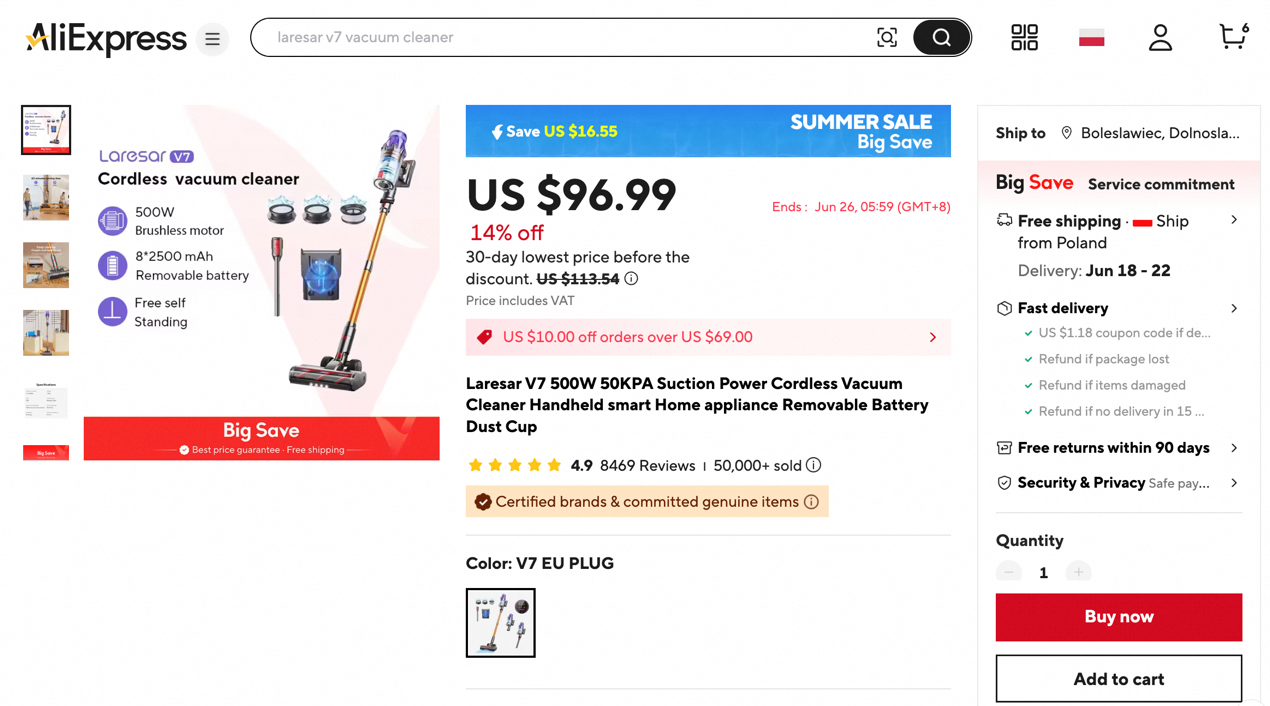
Core Insights - LARESAR, a rising vacuum cleaner brand from Shenzhen, has rapidly become the top brand in the home appliance category on AliExpress, particularly in Poland, after joining the platform's BigSave subsidy program in June 2024 [1][3] - The brand's sales in Poland have surged over 18 times in the past year, with LARESAR entering the "ten million dollar club" in terms of transaction volume [1][3] Group 1 - LARESAR was established in 2021 and chose to enter the international market through AliExpress to reduce marketing costs and leverage the platform's logistics capabilities [3] - The brand focuses on product development, backed by its status as a national high-tech enterprise, and has developed independent high-speed motor technology and smart algorithms [3] - The V7 model, launched in 2023, is priced at one-seventh of Dyson's mainstream models while being perceived by consumers as having 95% performance similarity [3] Group 2 - LARESAR's sales strategy includes collaboration with AliExpress's BigSave team for influencer marketing and adapting to local shipping methods to enhance fulfillment efficiency [4] - The brand aims to maintain a long-term strategy rather than relying solely on low prices, with a focus on brand strategy and profitability by 2025 [4] - AliExpress has been increasingly focusing on brand development, with significant growth in the sales of smart home appliances, particularly a three-digit percentage increase in Poland [4]
《深圳市跨境电商发展全景分析报告(2025)》
Sou Hu Cai Jing· 2025-06-16 03:13
Core Insights - Shenzhen is recognized as the "Cross-Border E-Commerce Capital" of China, with a comprehensive analysis of its development history, industry ecosystem, policy support, logistics network, and future trends [1] - The future of Shenzhen's cross-border e-commerce will focus on deepening the integration of "cross-border e-commerce + industrial belts," accelerating the layout of overseas warehouses, promoting digital transformation, and leveraging policy benefits from RCEP to maintain its leading position globally [1] Development Stages - Shenzhen's cross-border e-commerce has evolved through three stages: "wild growth," "regulatory adjustment," and "recovery and innovation" [1] - The initial stage began in the early 2010s, leveraging geographical advantages and a robust manufacturing base, leading to the establishment of a preliminary industrial chain by 2013 when Shenzhen was designated as a national comprehensive pilot zone for cross-border e-commerce [1][2] Growth Period - The period from 2020 to 2022 marked explosive growth for Shenzhen's cross-border e-commerce, driven by the global pandemic that shifted procurement orders to China [2] - In 2023, Shenzhen's cross-border e-commerce import and export volume reached 300 billion yuan, a year-on-year increase of 75.2%, accounting for nearly 8% of Shenzhen's total imports and exports [4] Industry Challenges - In 2021, the industry faced significant challenges due to a large-scale account suspension event on Amazon, prompting sellers to focus on regulatory compliance and diversify their sales channels [4] - The recovery and innovation phase from 2022 to 2024 saw a 2.4-fold increase in the scale of cross-border e-commerce, with 2024's first half showing a 130% year-on-year growth [4] Ecosystem and Infrastructure - Shenzhen's cross-border e-commerce ecosystem is increasingly complete, with 16 of the world's top 20 cross-border e-commerce platforms establishing operations in the city [5] - The logistics network includes 59 all-cargo flight destinations and 24 cross-border e-commerce maritime routes, significantly enhancing logistics efficiency [9][12] Policy Support - Shenzhen has a mature policy support system, including tax incentives and streamlined customs processes, which are crucial for the growth of cross-border e-commerce [5][25] - The "double 15%" tax policy and "departure tax refund" measures have effectively reduced operational costs for cross-border e-commerce enterprises [25][26] Supply Chain Advantages - Shenzhen's supply chain responsiveness is enhanced by its strong electronic information industry base, allowing for rapid market demand response [6][8] - The city has established a "one core, multiple parks" development pattern, forming a complete industrial chain with various manufacturing clusters [7] Future Trends - Future trends for Shenzhen's cross-border e-commerce include flexible supply chains, digital transformation, brand globalization, and multi-channel layouts [21][22] - The focus on emerging markets, particularly in Southeast Asia, the Middle East, and Latin America, is expected to drive significant growth [19][20][21] Brand Development - Companies like Anker Innovation and Ugreen are transitioning from "selling goods" to "building brands," with Anker achieving a revenue of 24.71 billion yuan in 2024, reflecting a successful shift to brand-centric strategies [17][18] - The establishment of independent brand sites and the expansion into various sales channels are key strategies for enhancing brand presence and reducing reliance on single platforms [23]

中泰龙头联手打造SHOPGENIX CHINA 剑指百亿品牌出海泰国市场
Sou Hu Cai Jing· 2025-06-13 15:40
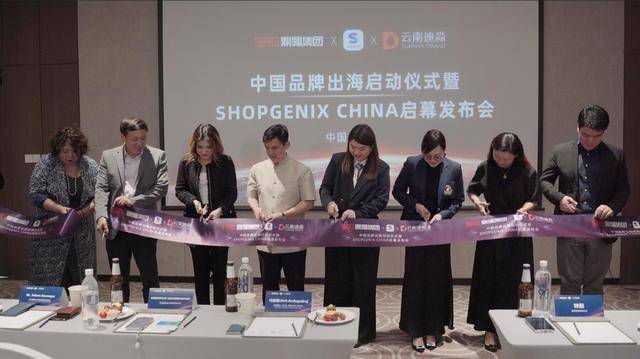
6月13日下午,由泰国TikTok电商领军企业SHOPGENIX THAILAND联合鼎翎集团、云南迪淼电子商务 有限公司共同主办的"实力品牌出海暨SHOPGENIX CHINA启幕发布会"在上海虹桥诺富特酒店举办。 云南迪淼相关负责人表示,截至目前,已有20家先锋品牌率先加入我们的"出海计划",涵盖食品、3C 电子、国货美妆、智能家电等东南亚爆品赛道,未来三年,我们将助力超500个中国品牌在泰GMV突破 百亿。 泰王国驻上海总领事馆商务领事表示:"SHOPGENIX CHINA的成立是中泰经贸合作的新里程碑,其创 新的'社交电商+本土化运营'模式,将为两国企业搭建更高效的商业合作平台。"中国泰国总商会代表强 调,这一合作将有效促进中泰双边贸易的提质升级。 据悉,此次战略合作具有三大核心优势:首先是政策支持:获得泰王国驻上海总领事馆商业处、泰王国 驻上海总领事馆农业处、中国泰国商会官方背书,享受其提供的政策对接、市场信息等支持;其次是流 量优势:整合SHOPGENIX THAILAND年曝光超5亿次的TikTok运营矩阵;第三是本土服务:依托鼎翎 集团、云南迪淼的东南亚本地化运营经验,提供E2E解决方案。 年 ...
进驻日本8000+线下店,Babycare李阔却说不要“激情出海”|厚雪专访
36氪未来消费· 2025-06-13 09:41
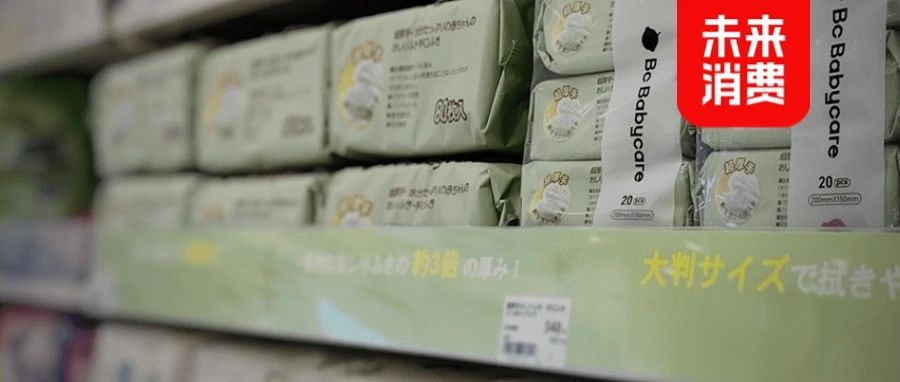
Core Viewpoint - Despite the current downturn in consumer investment, the outlook for emerging consumer brands remains positive, as brand establishment is a long-term process that leads to stable growth once achieved [2]. Group 1: Company Development - Babycare has successfully established itself in the Chinese market, achieving a top 3 market share in diapers and leading in baby wipes after starting with a baby carrier [5]. - The company has expanded into Japan, entering over 8,000 retail locations, including major chains, indicating a strategic approach to international growth [8][14]. - Babycare's founder emphasizes the importance of understanding local cultures and market rhythms when expanding internationally, highlighting a shift from aggressive growth to a more measured approach [9][13]. Group 2: Market Strategy - The company has adopted a full-category strategy, completing its initial expansion phase and entering a new stage of growth focused on international markets and organizational strength [9][44]. - Babycare's products have been well-received in Japan, with local consumers showing a preference for their offerings, which are perceived as innovative compared to existing products [18][32]. - The founder notes that many foreign brands have failed in China due to a lack of local market adaptation, suggesting that Babycare's success will depend on respecting local market dynamics [17]. Group 3: Future Outlook - Babycare is focusing on expanding its customer base and enhancing customer lifetime value, with a significant increase in black card membership users contributing to sales growth [42]. - The company is exploring new product lines, such as a sanitary napkin brand aimed at younger consumers, indicating a strategy to diversify its offerings beyond traditional baby products [46][49]. - The founder expresses a long-term vision for the company, aiming for sustainability and growth over the next century, reflecting a commitment to enduring brand legacy [70].
国货美妆能否造出一个“Labubu”?
FBeauty未来迹· 2025-06-12 10:27
Core Viewpoint - The success of La b u b u, a Chinese IP toy brand, highlights a new path for domestic brands to create global cultural symbols and super brands beyond mere sales [4][6][9]. Group 1: La b u b u's Rise - La b u b u has transformed from a niche designer toy into a global trend icon since 2025, gaining popularity among celebrities like Dua Lipa and the Kardashian family [2][4]. - The brand's products have seen skyrocketing prices in China, with some items exceeding 10,000 yuan and rare versions reaching 27,000 yuan [2]. - A recent auction of 48 La b u b u pieces generated a total of 3.73 million yuan, with a single mint green La b u b u selling for 1.08 million yuan [2]. Group 2: Cultural Impact and Consumer Engagement - La b u b u's design, characterized by its "ugly-cute" aesthetic, resonates with contemporary consumers who seek to express individuality and challenge traditional beauty standards [4][6][8]. - The brand has fostered a strong community where consumers engage in creative reinterpretations of La b u b u, reflecting a rebellion against conventional aesthetics [4][8]. - The character's appeal is enhanced by its cultural attributes and social currency, making it a symbol of emotional value for young consumers [8][9]. Group 3: Strategic Market Expansion - La b u b u's international expansion strategy has effectively targeted markets in Japan, Southeast Asia, and Europe, with Southeast Asia's revenue share increasing from 31% in 2023 to 47% in 2024 [9][12]. - The brand's success in Southeast Asia is attributed to precise market positioning and leveraging e-commerce data to connect with young consumers [9][12]. - La b u b u's marketing strategy includes significant investment in brand exposure and collaboration with local influencers, establishing a strong presence in new markets [11][12]. Group 4: Trends in Chinese Beauty Brands - The export of Chinese beauty products has been on the rise, with a total export value of 16.43 billion yuan in the first four months of 2025, marking a 16.2% year-on-year increase [12][14]. - Major export markets for Chinese cosmetics include the United States, the European Union, and Indonesia, with the U.S. alone accounting for 3.233 billion yuan in exports [14]. - Despite the growth in product quality, Chinese beauty brands still face challenges in establishing strong brand identities in international markets compared to successful cases like La b u b u [15][17]. Group 5: Recommendations for Future Success - To achieve global recognition, Chinese beauty brands should enhance brand awareness through local influencer collaborations and adapt products to meet local consumer preferences [18][22]. - Emphasizing cultural values and narratives can help brands resonate with international audiences, as seen with successful examples like Huazhi and Huaxizi [22][23]. - The potential for a Chinese beauty brand to achieve global status similar to La b u b u exists, provided there is a commitment to cultural development and market localization [23].