本地化运营

Search documents
走,跟虎嗅去扒透东南亚与中东的掘金机会
虎嗅APP· 2025-09-06 08:46
Core Viewpoint - The article discusses the challenges and opportunities in the Southeast Asian and Middle Eastern markets for companies looking to expand internationally, highlighting the shift from initial growth phases to more competitive and complex environments [6][8]. Group 1: Southeast Asia Market Challenges - The narrative of high growth in Southeast Asia is becoming outdated as the market enters a "deep water zone," where early advantages are fading [6]. - Companies face intense competition in popular sectors, leading to a "red ocean" scenario where price wars and supply chain efficiency become critical for survival [11]. - The era of wild growth has ended, and brands must navigate expensive entry into mainstream channels while competing with local giants [11]. Group 2: Middle East Market Dynamics - The allure of wealth in the Middle East attracts many businesses, but challenges such as lengthy customs clearance and high-priced products hinder growth [8]. - The Noon platform represents a potential "blue ocean" opportunity, but sellers must understand and comply with strict logistics rules to succeed [12]. - Misunderstanding local consumer behavior can lead to poor sales, as high purchasing power does not equate to indiscriminate spending [12]. Group 3: Localization and Market Entry - True localization goes beyond simple translation and requires a deep understanding of cultural differences and local lifestyles [11]. - Companies must transition from being market observers to becoming integral parts of the local ecosystem to identify real opportunities [16]. - Engaging with local players and understanding the market intricacies is essential for success in these regions [15][20]. Group 4: Proposed Solutions and Initiatives - The article introduces the "Overseas Exploration Plan," aimed at helping companies navigate the complexities of Southeast Asia and the Middle East [16]. - Two pathways are offered: online courses with successful sellers and offline visits to local markets to gain firsthand insights [21]. - The initiative encourages companies to articulate their specific challenges to tailor the exploration experience [18][21].


欧洲家电江湖,中国市场的“老套路”不灵了?
Tai Mei Ti A P P· 2025-09-06 01:33
Core Insights - The article highlights the growing ambition of Chinese home appliance companies to conquer overseas markets, particularly in Europe, as showcased at the IFA 2025 event [1][3] - It emphasizes the challenges faced by Chinese brands in penetrating the European market, which has a long history and established competitors [4][6] Market Overview - Europe is a significant market for home appliances, with a retail share of approximately 20% in Western Europe and a projected CAGR of 5.52% for Eastern Europe from 2018 to 2024 [4] - The complexity of the European market, with over 40 countries and diverse consumer habits, poses a challenge for Chinese companies seeking to expand [4][8] Consumer Preferences - European consumers prioritize high-quality and innovative products over low prices, making it essential for Chinese brands to focus on product differentiation rather than competing solely on price [6][8] - Localized product adaptations are crucial, as direct transfers of products from China may not meet European consumer needs [8] Successful Strategies - High-end branding and technological innovation are key strategies for Chinese companies to succeed in Europe, as demonstrated by Haier's approach [9][11] - Haier has effectively combined product innovation with local market understanding, achieving significant market share and consumer acceptance [9][12] Performance Metrics - Haier's overseas revenue grew by 11.7% in the first half of the year, with a remarkable 24.07% growth in Europe [11] - The company has maintained its position as the world's largest home appliance brand for 16 consecutive years, indicating the effectiveness of its global strategy [12]


北汽福田乌干达组装厂投产!或重塑东非商用车格局
第一商用车网· 2025-09-05 03:01
Core Viewpoint - The successful launch of Beiqi Foton's brand and assembly plant in Kampala, Uganda marks a significant step in the company's strategic expansion into the East African market [1] Group 1: Market Context and Strategy - Uganda's economy relies heavily on agriculture and basic services, with a relatively weak industrial base. The government encourages foreign investment through KD assembly models to promote "import substitution" [3] - Beiqi Foton has seized this policy opportunity to penetrate the market, offering essential products such as light trucks, medium trucks, and buses, while collaborating with local companies to establish assembly lines, effectively reducing production costs and responding quickly to market demands [3] Group 2: Operational Developments - The launch event showcased multiple key models from Beiqi Foton, with technical teams explaining product advantages. The assembly plant's operation enhances local production capabilities and lays a solid foundation for improving after-sales service efficiency and building a comprehensive value chain [5] - During the event, Beiqi Foton signed strategic cooperation agreements with several local logistics and transportation companies, receiving positive feedback on product reliability and service responsiveness from customer representatives [7] Group 3: Economic Impact and Future Plans - The establishment of the assembly plant is expected to create numerous job opportunities locally and promote the collaborative development of the automotive industry chain, further modernizing Uganda's automotive sector [9] - Beiqi Foton has built a broad cooperation network across Africa, including countries like South Africa, Nigeria, Ghana, Zambia, and Ethiopia, with over 220 sales service outlets, 12 KD factories, 46 parts warehouses, and 8 training centers, forming a localized operational system [9] - The company is advancing its "Africa Strategy" through three "three-year action plans" to systematically build full value chain capabilities, focusing on heavy trucks, pickups, and buses, while contributing to the sustainable transportation system in African countries [9]


越南已成第一,这些新兴出海市场越来越能打了
3 6 Ke· 2025-09-04 10:47
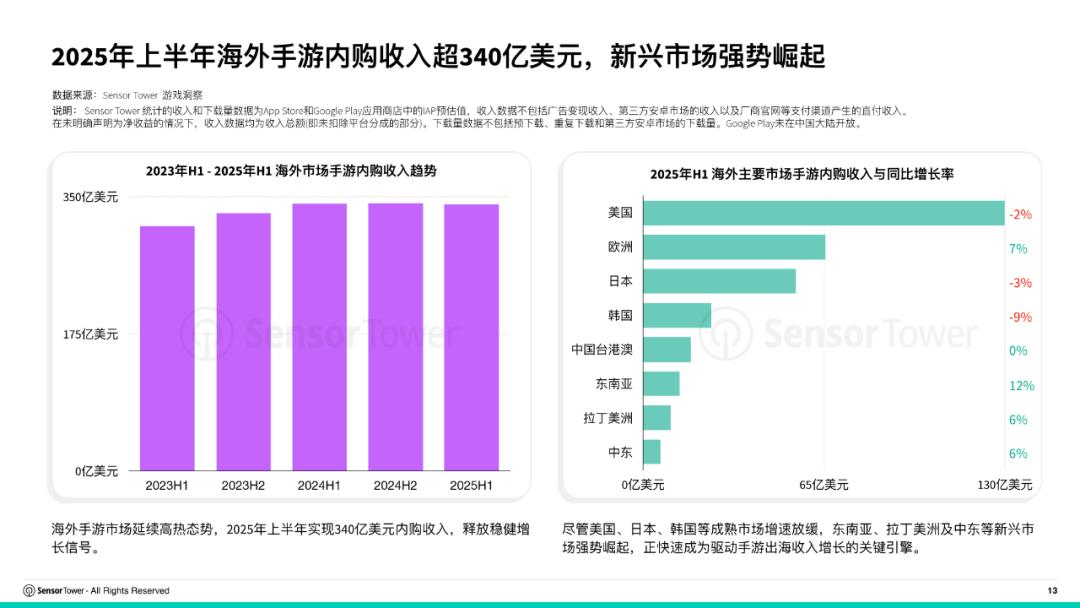
Group 1: Overview of China's Gaming Industry Growth - The Chinese gaming industry is experiencing a new wave of growth in overseas markets, with actual sales revenue from self-developed games reaching $9.501 billion in the first half of 2025, a year-on-year increase of over 11% [1] - Traditional markets such as North America, Japan, South Korea, and Western Europe remain key revenue contributors, but competition is intensifying, prompting Chinese companies to explore underdeveloped emerging markets [1] - Emerging markets in the Middle East, Latin America, and Southeast Asia are rising, presenting new growth opportunities for manufacturers [1] Group 2: Vietnam's Gaming Market - Vietnam has emerged as a significant player in the global gaming scene, with mobile game downloads reaching the highest globally in 2024, surpassing China [5] - Chinese games dominate the Vietnamese market, with 81% of approved games being from China, and titles like "Sword of Legends Online" have historically held a significant market share [7] - The success of Chinese games in Vietnam is attributed to cultural proximity, effective localization strategies, and integration with local payment platforms [9] Group 3: Challenges in the Vietnamese Market - Despite the potential, challenges such as strict approval processes and market size versus commercial return discrepancies exist, requiring companies to adjust expectations [9] - The Vietnamese gaming market is projected to reach $1.5 to $2 billion by 2025, with an annual growth rate of 15% to 25% [9] Group 4: Middle East Gaming Market - The Middle East is becoming a new blue ocean for the gaming industry, driven by a large population, strong consumer spending, and government support [12] - Saudi Arabia's government has elevated the gaming industry as a national strategy, planning to invest $38 billion in gaming and esports [14] - The market is characterized by high consumer spending, with Saudi users' average revenue per user (ARPU) being twice that of the U.S. and five times that of China [14] Group 5: Russia's Gaming Market - Russia's mobile game downloads reached 1.18 billion in the first half of 2024, making it the fifth largest globally, supported by a smartphone penetration rate of 83% [17] - The local digital ecosystem has shown resilience despite international sanctions, with in-app purchase revenue expected to reach $247 million in 2024, growing 12% year-on-year [17] - The exit of Western companies has created a "window of opportunity" for Chinese developers to fill the gap in the market [20] Group 6: Latin America's Gaming Market - Latin America is a growing market with approximately 150 million gamers and a market size of around $3.8 billion, with Brazil being the largest market [21] - The effectiveness of marketing strategies has shifted towards leveraging KOLs (Key Opinion Leaders) for brand promotion, especially in gaming [23] - The market is in a recovery phase, with Chinese companies increasingly establishing local teams for customized operations [24] Group 7: Future Outlook - The Chinese gaming industry is entering a new phase focused on strategic depth and localization, moving away from a reliance on traffic and short-term gains [25] - The next decade will see competition driven by the ability to transition from "game developers" to "localization partners," enabling sustainable global development [26]



走,跟虎嗅去扒透东南亚与中东的掘金机会
Hu Xiu· 2025-09-04 09:14
Core Insights - The narrative of high growth in Southeast Asia is becoming less compelling as early entrants face diminishing returns and increased competition [1][2] - The Middle East, while perceived as a land of opportunity, presents its own challenges, including logistical hurdles and market entry barriers [3][4] Southeast Asia Market Challenges - The market is transitioning into a "deep water" phase where early advantages are fading, leading to fierce competition and cultural barriers [1][2] - Many entrants find themselves in a "red ocean" of competition, where previously successful products face price wars and operational challenges [8] - The cost of entering mainstream channels is rising, necessitating a robust online and offline strategy to survive [8] Middle East Market Dynamics - The Noon platform represents a potential "blue ocean" opportunity, but sellers must navigate complex logistics and local market dynamics [3][9] - Misunderstanding local consumer behavior can lead to inventory issues, as high purchasing power does not equate to indiscriminate spending [9] Localization and Market Entry - Genuine localization goes beyond simple translation and requires a deep understanding of cultural and lifestyle differences [8] - Companies must transition from being market observers to active participants to uncover real opportunities [10][12] Collaborative Opportunities - The "Outsea Exploration Plan" aims to connect brands with local insights and operational strategies through direct engagement with market leaders [10][11] - Two pathways are offered: online courses with successful sellers and offline visits to local operations for hands-on learning [11][12] Community and Networking - The establishment of the "Outsea Insight Club" aims to create a community for sharing experiences and overcoming challenges in international markets [16]
京东落子欧洲,复制一个京东
2 1 Shi Ji Jing Ji Bao Dao· 2025-09-02 14:20
Core Insights - JD.com is expanding its global presence by acquiring local businesses, such as the Hong Kong-based supermarket and initiating a takeover bid for European retail giant CECONOMY, indicating a strategic shift towards localized operations rather than cross-border e-commerce [1][2][3] Group 1: Strategic Intent - JD.com aims to establish a sustainable business model in Europe by integrating local supply chains and retail networks, contrasting with other cross-border e-commerce platforms [3][5] - The acquisition of CECONOMY, valued at approximately €2.2 billion, is seen as a significant move to enhance JD.com's market presence in Europe [2][3] - JD.com plans to maintain CECONOMY's independent operations while injecting its technology and operational expertise to transform it into a comprehensive consumer electronics platform [6][7] Group 2: Operational Advantages - CECONOMY's established local supplier network will provide JD.com with access to quality products and facilitate the creation of a localized logistics network [4][6] - JD.com has already set up over 20 overseas warehouses in Europe, covering more than 300,000 square meters, which will enhance its supply chain efficiency [6][8] - The strategy includes leveraging CECONOMY's physical stores to implement a "store-warehouse" model, aiming for improved delivery efficiency [4][6] Group 3: Market Positioning - JD.com differentiates itself by focusing on quality and immediate retail experiences rather than competing solely on price, which is crucial in high-cost markets like Europe [7][8] - The company plans to promote 1,000 Chinese brands abroad while also introducing 1,000 overseas brands to China, aiming for a dual-flow global retail ecosystem [7][8] - JD.com's European online retail brand, Joybuy, emphasizes localized operations and a reliable shopping experience, further supporting its strategic goals [7][8]

京东落子欧洲 复制一个京东
2 1 Shi Ji Jing Ji Bao Dao· 2025-09-02 14:13
Core Insights - JD.com is actively pursuing international expansion by acquiring local businesses, such as the Hong Kong-based supermarket and making a bid for European retail giant CECONOMY, indicating a clear strategic intent for globalization [2][4] - Unlike many cross-border e-commerce companies, JD.com is focusing on "localized operations" rather than just "cross-border exports," emphasizing the establishment of local teams and selling branded products [2][5] Group 1: Acquisition Strategy - JD.com has made a voluntary public offer to acquire all shares of CECONOMY at €4.60 per share, valuing the company at approximately €2.2 billion, with the acceptance period running from September 1, 2025, to November 10, 2025 [4] - This acquisition is seen as a significant move for JD.com to expand its presence in the European market, leveraging CECONOMY's established retail network and supply chain [5][6] Group 2: Localized Operations - JD.com aims to maintain CECONOMY's independent operations post-acquisition, focusing on enhancing its technology and operational capabilities to transform it into a multi-channel consumer electronics platform [7] - The integration of JD.com's supply chain management system is expected to optimize CECONOMY's inventory management and procurement processes, thereby reducing operational costs [7][8] Group 3: Competitive Landscape - JD.com's approach contrasts with other platforms like Temu and SHEIN, as it emphasizes quality and immediate experience over low prices, utilizing CECONOMY's brand reputation and physical network [9] - The company plans to promote 1,000 Chinese brands abroad while also introducing 1,000 overseas brands to China, aiming for a cumulative sales growth of ¥10 billion, thereby creating a bi-directional global retail ecosystem [9] Group 4: Challenges and Execution - Despite the ambitious strategy, JD.com faces challenges in replicating its efficient fulfillment model in Europe, where high labor costs and established competitors like Amazon present significant hurdles [10]
跃升千亿交易规模,滴滴在拉美瞄准外卖
Tai Mei Ti A P P· 2025-08-29 11:32
Core Insights - Didi's core platform gross transaction value (GTV) reached 109.6 billion yuan in Q2 2025, with international business GTV at 27.1 billion yuan, reflecting a 27.7% year-on-year growth at fixed exchange rates [2] - Didi's 99Food launched in Brazil's Goiânia and achieved 1 million orders in 45 days, expanding to São Paulo, the largest city in Latin America [2][4] - Didi's international strategy began in 2018 with the acquisition of Brazilian ride-sharing company 99, now covering 14 countries, including 10 in Latin America [5] Business Expansion - Didi has over 55 million users in Brazil, covering a quarter of the population, with more than 1.5 million registered drivers, including 700,000 motorcycle riders [6] - The food delivery business is seen as a natural extension of Didi's urban service ecosystem, leveraging its large ride-hailing user base and driver resources [6] - Didi's experience in Mexico, where it became the leading food delivery service, is expected to bolster its confidence in expanding food delivery in Brazil [6] Market Potential - Latin America is one of the fastest-growing food delivery markets globally, with a growth rate of 19% in 2023, second only to the Middle East [7] - The food delivery market in Latin America is valued at approximately 37.9 billion USD, with Brazil and Mexico leading at around 20 billion USD and 7.2 billion USD, respectively [8] Competitive Landscape - Didi faces competition from iFood in Brazil, which holds an 80% market share, and has previously exited the Brazilian market in 2023 [8][9] - Didi's strategy includes localized competition, focusing on smaller cities before expanding to major urban areas [8][9] Operational Strategies - Didi is addressing high delivery costs and platform commissions in Brazil, which can reach 30% and 27% of order value, respectively [9][11] - The company is implementing various promotional measures, such as free delivery and discounts for users, guaranteed income for riders, and commission waivers for merchants [11] - Didi's unique advantage lies in its ability to utilize its ride-hailing network to reduce delivery costs, allowing riders to handle both passenger and food deliveries [12]


幸运咖海外首店正式开业,落子马来西亚
Xin Lang Ke Ji· 2025-08-23 14:30
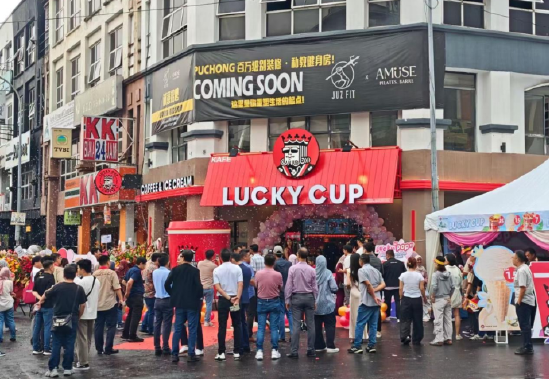
Core Insights - Lucky Coffee, a brand under Mixue Group, has officially opened its first overseas store in Malaysia, selling nearly 2,000 cups on the opening day [1][3]. Group 1: Store Location and Design - The store is located in the core residential and commercial area of Puchong, Selangor, Malaysia, which is one of the earliest developed and most mature areas in Puchong [3]. - The store's design incorporates Chinese cultural elements while integrating local culture, featuring localized products such as matcha lemon, mocha, matcha strawberry coconut, and strawberry iced tea [3]. - The exterior of the store is painted in the brand's signature red, with a modern interpretation of traditional Chinese architecture, enhancing brand recognition [3]. Group 2: Domestic Growth and Future Plans - Lucky Coffee has experienced rapid growth in the domestic market, with over 7,000 signed stores as of July this year [3]. - The company plans to refine its overseas store model and deepen its presence in the Southeast Asian market [3].
雷军盯上了非洲的「三瓜俩枣」
3 6 Ke· 2025-08-20 12:13
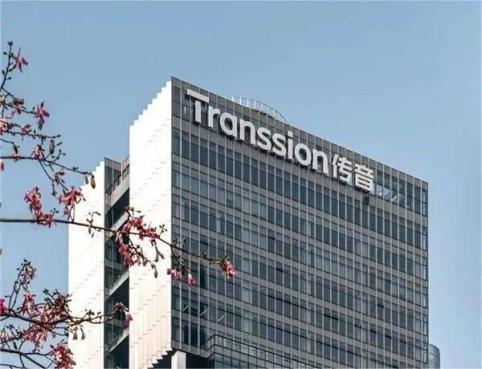
Core Insights - Xiaomi is facing a crisis in its smartphone business, with Q2 2025 revenue at 45.5 billion yuan, a decrease of 1 billion yuan year-on-year, despite a 4.5 percentage point increase in market share for mid-to-high-end models [1] - The company is shifting focus to the African market, appointing several executives to enhance its presence there, as indicated by CEO Lei Jun's statement on increasing investment in Africa [1][2] - The African smartphone market is highly competitive, with local brand Transsion holding a dominant position, making it challenging for Xiaomi to gain market share [5][7] Xiaomi's Strategy in Africa - Xiaomi's initial entry into Africa began in 2015, but it struggled to establish a strong presence due to reliance on a single distributor and lack of direct channels [2] - The company has since adopted a "ground strategy," focusing on low-cost sub-brands like Redmi and A series, and has expanded operations to 16 African countries by 2024 [2][5] - Xiaomi's approach includes local partnerships and direct store openings to improve market penetration in smaller cities and towns [2] Competitive Landscape - Transsion has been operating in Africa for over 15 years, establishing a robust sales network and catering to local consumer preferences with tailored products [4][5] - In Q1 2025, Transsion achieved a market share of 47% in Africa, while Xiaomi's share was only 13%, indicating the significant challenge Xiaomi faces in this market [5][6] - Other competitors like Samsung and OPPO are also active in Africa, with Samsung holding a 21% market share in Q1 2025 [6][7] Market Dynamics - The African smartphone market is characterized by a growing demand for affordable devices, with a 6% year-on-year increase in shipments in Q1 2025 [13] - Despite the overall growth, there are disparities in market performance across different countries, with some experiencing declines due to economic factors [14][15] - Xiaomi's strategy to focus on low-cost models aligns with the purchasing power of African consumers, who are increasingly seeking value [15] Future Prospects - Xiaomi aims to leverage its experience from the Indian market to establish a strong foothold in Africa, targeting the middle and lower segments with competitively priced products [18][24] - The company is also exploring opportunities in the electric vehicle market in Africa, which presents a significant growth potential given the low penetration of electric vehicles [22][25] - By building a localized team and enhancing its service offerings, Xiaomi hopes to create a comprehensive ecosystem that includes both smartphones and related services [19][20]