
科技自主

Search documents
商务部发起反歧视立案调查,关注国产AI芯片投资机遇
Changjiang Securities· 2025-09-15 11:55
Investment Rating - The industry investment rating is "Positive" and maintained [7] Core Viewpoints - The Ministry of Commerce has initiated an anti-discrimination investigation against the U.S. measures, which is expected to create significant development opportunities for the domestic chip industry, particularly in the context of supply chain security [2][4][10] - The investigation is a response to various discriminatory measures taken by the U.S. against China's integrated circuit sector since 2018, which have severely impacted the development of China's advanced computing chips and AI industries [10][4] - The report emphasizes the necessity for self-sufficient computing power and suggests that domestic chips could become the best solution under current supply chain security considerations [10][4] Summary by Sections Event Description - The Ministry of Commerce's investigation is based on preliminary evidence indicating that U.S. measures against China's integrated circuit sector are discriminatory as per Chinese trade laws [4] Event Commentary - The report highlights that the anti-discrimination investigation reflects China's firm stance against U.S. measures and suggests that it may lead to protective policies that support the development of domestic high-tech enterprises [10] - The focus is on the potential acceleration of the domestic chip industry, particularly for leading companies in the computing power chip sector, such as Cambrian [10][2]

确定性为王,新能源继续领涨!
Sou Hu Cai Jing· 2025-09-15 04:51
Core Insights - The A-share market shows a differentiated high opening trend, with growth sectors and new energy leading the gains, while the Hong Kong market continues to focus on technology growth, with the Hang Seng Technology Index reaching a new high [1][2] Market Performance - A-share indices experienced mixed performance, with the Shanghai Composite Index rising 0.22% to 3879.29 points, the Shenzhen Component Index up 1.07% to 13061.86 points, and the ChiNext Index surging 2.13% to 3084.68 points, indicating strong momentum in growth stocks [1] - The Hong Kong market saw the Hang Seng Index increase by 0.29% to 26463.48 points, and the Hang Seng Technology Index rose 1.11% to 6055.47 points, reflecting a strong performance in the technology sector [2] Industry Trends and Drivers - The A-share market is characterized by "new energy leading and technology rotation," with policy-sensitive sectors and industrial upgrades driving growth. The electric equipment sector rose 3.15%, and the lithium battery industry saw widespread gains, supported by storage policies and growth plans in the automotive sector [3] - In the Hong Kong market, technology and new energy are driving growth, with the automotive and parts sector up 2.98%, and lithium battery stocks collectively rising due to expectations of solid-state battery commercialization [3] Underperforming Sectors and Drivers - Traditional cyclical and defensive sectors in the A-share market are under pressure, with the real estate sector down 1.16% amid cautious expectations for policy easing, and the communication sector falling 1.31% due to profit-taking [4] - In the Hong Kong market, defensive industries and real estate chains are performing poorly, with the real estate and construction index down 1.50% due to weak property sales data [4] Investment Strategy Recommendations - The current market is at a critical window for policy benefits and industrial upgrades, with a focus on "new energy, technology independence, and consumer innovation" as key investment directions [5] - In the A-share market, it is recommended to focus on opportunities within the new energy supply chain, particularly in power batteries, storage devices, and core components for smart driving [5] - For the Hong Kong market, balancing technology growth with low valuation cycles is advised, focusing on AI leaders and solid-state battery pioneers [5] Overall Market Outlook - The structural market trend continues, emphasizing the importance of focusing on industrial fundamentals and investing in quality leading stocks to capitalize on the new energy revolution and technological innovation [6]
我国稀有金属禁令重创美军工!98%全球镓产能成战略核弹,F-35生产线面临全面瘫痪?
Sou Hu Cai Jing· 2025-09-13 11:43
Group 1 - The article discusses the strategic importance of gallium (Ga) in the context of U.S.-China relations, highlighting that 98% of global gallium production is concentrated in China, which poses a significant risk to U.S. military supply chains [2][5] - Gallium nitride (GaN) technology is crucial for modern military applications, enabling significant advancements in radar, missile systems, and stealth aircraft [4][8] - The U.S. military's dependency on Chinese gallium is underscored by a report indicating that losing access to this supply could halve the production capacity of high-end weapons within 18 months [5] Group 2 - China's export control measures, including a licensing system implemented in July 2023, restrict the sale of gallium for military purposes, directly impacting U.S. military procurement [7] - A comprehensive ban on gallium exports to the U.S. is set to take effect in December 2024, which is expected to lead to a 77% drop in U.S. gallium imports and significant production delays for military contractors [10] - Collaborative efforts among China, Russia, and Mongolia to intercept gallium shipments have further tightened supply, leading to a 60-fold increase in black market prices with no available product [10] Group 3 - The U.S. government's attempts to mitigate the gallium supply crisis through domestic production, outsourcing to allied countries, and recycling efforts have largely failed due to technical and economic challenges [13][14][15] - Domestic production efforts are hindered by the need for high-purity gallium, which remains dependent on Chinese technology, creating a cycle of reliance [13] - Outsourcing to Canada and Australia has proven costly, with production costs exceeding those in China by 23 times due to patent monopolies held by Chinese companies [14] Group 4 - The gallium crisis illustrates a shift in global power dynamics, with China transitioning from a resource exporter to a key player in setting technological and regulatory standards [17][18] - The article emphasizes the importance of technological independence and resource management in the context of international competition, noting that China holds 81% of gallium extraction technology patents [18]


科技、内需双线布局 民生加银稳健配置FOF获超额收益
Cai Fu Zai Xian· 2025-09-05 02:39
Group 1 - The A-share market is experiencing a recovery, with major indices showing upward trends and increased trading activity, leading to a gradual restoration of investor confidence [1] - FOF funds are gaining traction as important tools for investors to capture structural opportunities in the market and mitigate volatility risks due to their asset allocation capabilities and professional fund selection [1] - As of the end of Q2 2025, the total scale of FOF funds in the market reached 165.1 billion yuan, reflecting a growth of over 10% compared to Q1 [1] Group 2 - The Minsheng Jia Yin Stable Allocation 6-Month Mixed FOF fund aims to achieve risk diversification and return balance through a selection of funds across various asset classes, including stocks, bonds, and commodities [2] - The fund has outperformed its benchmark in net value growth over the past six months and one year, achieving excess returns [2] - The core value of FOF lies in its ability to dynamically balance risk and return through professional fund selection and asset allocation, as emphasized by the fund's management team [2]
聚焦科技新锐,科创200指数助力捕捉高成长机遇
Mei Ri Jing Ji Xin Wen· 2025-09-04 13:11
Group 1 - The technology sector has been a significant driver of market performance this year, influenced by factors such as deepening self-reliance narratives, tariff battles promoting domestic substitution, and ongoing technological innovation policies [1] - The Sci-Tech Innovation Board indices, including the Sci-Tech 50, 100, and 200, have shown substantial growth, with year-to-date increases of 32.11%, 45.17%, and 50.30% respectively, outperforming major A-share indices [1] - The Sci-Tech 200 index, composed of 200 smaller, liquid stocks from the Sci-Tech Board, has demonstrated a remarkable increase of nearly 127% since last year's "9.24" market event, highlighting its high elasticity and sharp characteristics [1] Group 2 - The Sci-Tech 200 index is heavily weighted towards new economy and strategic emerging industries, with over 90% of its composition reflecting these sectors [1] - The top five industries within the Sci-Tech 200 index by weight are semiconductors (22.07%), chemical pharmaceuticals (8.02%), medical devices (7.57%), automation equipment (6.16%), and communication equipment (5.73%), collectively accounting for 49.55% of the index [1] - The index's constituent stocks are characterized by strong growth potential and high R&D expenditure, with over 40% classified as "specialized, refined, distinctive, and innovative" enterprises [2] Group 3 - The expected net profit growth rates for the Sci-Tech 200 index are significantly higher than those of the Sci-Tech 50 and 100 indices, with projected growth rates of 380.07% and 70.92% for 2025 and 2026 respectively [2] - The median R&D expense as a percentage of revenue for the Sci-Tech 200 index is 12.62%, indicating a strong commitment to innovation and future growth [2] - Recent market fluctuations in the technology sector have led to increased scrutiny, but upcoming policy developments, such as the "14th Five-Year Plan" focusing on "new quality productivity," are expected to support the sector's mid-term outlook [2] Group 4 - Public funds are actively positioning themselves around the Sci-Tech 200 index to capitalize on innovation investment opportunities, with new funds like the GF Sci-Tech 200 ETF recently approved [3] - Since 2019, GF Fund has managed multiple products related to the Sci-Tech Board, currently offering nine funds tracking various Sci-Tech indices [3]
帮主郑重盘前策略:3800点失守?别慌!这些信号告诉你机会正在靠近
Sou Hu Cai Jing· 2025-09-04 00:45
Market Overview - The A-share market experienced a significant event with the Shanghai Composite Index briefly falling below 3,800 points but ultimately closing at 3,813 points, forming a critical "long lower shadow" [1] - The total trading volume in the two markets decreased to 2.39 trillion, indicating two important signals: a substantial clearing of panic selling and that major funds are organizing defense at key levels [1] Technical Analysis - From a technical perspective, although the MACD green bars are still expanding and KDJ shows a downward trend, the area below 3,800 points, especially around 3,760 points, is a strong support zone from the V-shaped reversal at the end of August, making further declines unlikely [3] - It is suggested that panic selling at this level could result in selling at a local low [3] Policy Environment - Positive signals are emerging from the policy front, with the Ministry of Finance and the central bank emphasizing "deepening fiscal and monetary coordination," which sends a clear message of stabilizing the market [3] - Additionally, the probability of a Federal Reserve rate cut in September has risen to nearly 90%, indicating an improvement in the external liquidity environment [3] Sector Focus - Two main directions are recommended for focus: 1. The Huawei supply chain, with an upcoming foldable screen launch expected to boost sentiment in the consumer electronics sector, particularly for core suppliers in flexible screens and optical modules [3] 2. The technology growth sector, including photovoltaic and photonic chips, which saw capital inflows despite market downturns, driven by "AI+" and technology self-sufficiency policies, presenting medium to long-term investment value [3] Investment Strategy - Investors are advised against panic selling at current levels, especially in heavyweight sectors like securities and semiconductors, which are showing signs of capital inflow [3] - It is recommended to gradually accumulate undervalued, high-growth technology leaders, particularly those with historically low price-to-earnings ratios [3] - A total position should be controlled at around 50%, maintaining some cash reserves, and considering timely increases in positions if trading volume significantly increases in the first half hour of trading [3]
博时基金市场异动陪伴9月1日:两市延续走强,创业板指涨2.29%
Xin Lang Ji Jin· 2025-09-01 08:16
Market Performance - The A-share market continued to rise, with the ChiNext Index increasing by 2.29% on September 1 [1] - The manufacturing PMI for August rebounded to 49.4%, indicating a marginal improvement in economic conditions, with production remaining in the expansion zone for four consecutive months [1] - The high-tech manufacturing PMI reached 51.9%, reflecting the leading role of industrial upgrades [1] Economic Indicators - The production index rose to 50.8%, up 0.3 percentage points from the previous month, while the new orders index remained in contraction at 49.5% [1] - The raw material purchasing price index increased to 53.3%, and the factory price index rose to 49.1%, indicating a recovery in upstream prices [1] - There is a divergence in PMI among different scales of enterprises, suggesting that a comprehensive economic recovery will take time [1] External Factors - Expectations for interest rate cuts overseas are rising, and the RMB is accelerating in appreciation, creating a favorable macro environment for the equity market [2] - The technology sector is experiencing an accelerated cycle of market and capital, with increased demands for upward logic [2] - Caution is advised regarding potential risks in crowded sectors, with opportunities in relatively underperforming downstream application areas, real estate, consumption, and dividend assets [2]

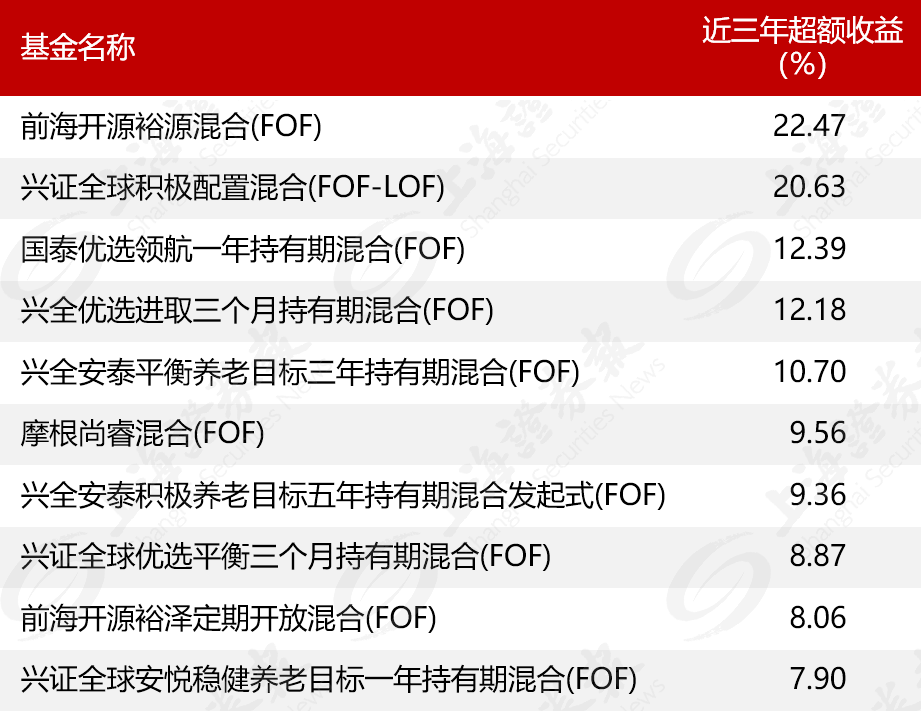
“基金专业买手”,加仓稀土、创新药
天天基金网· 2025-09-01 05:43
Core Viewpoint - The public FOF (Fund of Funds) industry has shown a clear adjustment strategy in the first half of the year, with a focus on equity assets and structural market characteristics, aiming to capture market opportunities through rotation [2][6]. Group 1: Performance and Strategy - Public FOFs have recognized the attractiveness of equity assets, with a continued focus on sectors such as rare earths, innovative pharmaceuticals, technology, and gold [2][5]. - The performance of the Guotai Youxuan Leading One-Year Holding FOF has been outstanding, with a net value growth rate of 15.85% in the last month and 78.46% over the past year, largely due to its significant holdings in rare earth ETFs [4][7]. - Fund managers are implementing rebalancing strategies for sectors that have seen excessive short-term gains while also beginning to position themselves in consumer sectors to capitalize on industry turning points [2][5]. Group 2: Market Trends and Insights - The consensus among FOF fund managers is a positive outlook on equity assets, with a focus on structural opportunities driven by policy benefits, technological growth, and supply constraints [6]. - The average return for all public FOFs in the past year has been 21.21%, with several funds achieving net value growth rates exceeding 60% [7][9]. - The total market size of public FOFs reached 1650.16 billion, reflecting a growth of over 25% from the beginning of the year, indicating increasing attractiveness in the FOF sector [9]. Group 3: Future Outlook - Fund managers are expected to focus on high-dividend value stocks and sectors benefiting from domestic demand, such as home appliances and automotive industries, as policy support shifts from supply-side to demand-side [6][7]. - The issuance of public FOF products has surpassed previous years, with 38 new products launched this year, indicating a growing interest in this investment vehicle [9].

“基金专业买手”,加仓稀土、创新药
Shang Hai Zheng Quan Bao· 2025-08-30 07:09
Core Viewpoint - The public fund of funds (FOF) has shown a clear adjustment strategy in the first half of the year, recognizing the attractiveness of equity assets and structural market characteristics, while continuing to capture market opportunities during rotations [1][4]. Group 1: Performance and Strategy - The public FOF market has experienced double growth in both performance and scale, with an average return of 21.21% over the past year, and nearly all FOF products achieving positive returns [5]. - The top-performing FOFs have heavily invested in sectors such as rare earths, innovative pharmaceuticals, technology, and gold, with a focus on rebalancing strategies for sectors that have seen short-term price surges [1][3][4]. - The "Guotai Preferred Navigation One-Year Holding FOF" has outperformed with a net value growth rate of 78.46% over the past year, driven by significant investments in rare earth ETFs [2][5]. Group 2: Investment Focus - Fund managers are optimistic about rare earths due to supply-side reforms and the potential for price recovery, while also favoring innovative pharmaceuticals and gold due to improving fundamentals and market conditions [3][4]. - The focus on high-dividend value stocks includes sectors such as banking, insurance, and technology, with an emphasis on AI, semiconductors, and consumer electronics as key areas for investment [4][5]. Group 3: Market Trends - The total scale of public FOFs reached 1650.16 billion yuan by the end of the second quarter, marking a growth of over 25% from the beginning of the year, indicating increasing attractiveness in the FOF market [5][6]. - The issuance of new public FOF products has surpassed previous years, with 38 products launched in 2023, reflecting a growing interest in this investment vehicle [5][6].
投资策略专题:华为产业链,或为下一个“高低切”
KAIYUAN SECURITIES· 2025-08-28 06:35
Group 1 - The report emphasizes a positive market outlook driven by a "dual-wheel" strategy, highlighting the importance of technology as a priority [1][12][13] - The dual-wheel strategy consists of strong resilience in growth categories under global technological collaboration and a cyclical recovery driven by PPI [1][12] - The report suggests that maintaining a self-reliant approach while prioritizing technology is crucial in the current market environment [1][12] Group 2 - The overseas computing chain and Huawei's industrial chain are described as two sides of the same coin, forming a complementary relationship within the global computing ecosystem [2][15][20] - The overseas computing chain is recommended due to its high performance and strong earnings certainty, particularly in sectors like optical modules, PCBs, and liquid cooling [2][15] - Huawei's industrial chain is positioned as a leader in domestic substitution and a critical component of the current technology market [2][15][20] Group 3 - From a probability and odds perspective, Huawei's industrial chain is seen as having high value due to its significant importance, large domestic substitution potential, strong policy support, and continuous technological advancements [3][16][29] - The relationship between the overseas computing chain and Huawei's industrial chain is characterized by coexistence, complementarity, and rotation [4][38] Group 4 - Huawei's industrial chain encompasses six core businesses: smart devices, smart cars, chips, cloud computing, base station equipment, and digital energy, with a focus on chips and smart devices as key areas of growth [5][41] - The chip business is strategically positioned to break through technology import restrictions and is expected to benefit from the domestic AI computing infrastructure wave [5][41] - The smart device segment has shown strong recovery post-import restrictions, with significant growth expected in the smartphone supply chain [5][41][44] Group 5 - Huawei's industrial chain is deeply integrated into national strategies, receiving multi-dimensional policy support, which enhances its competitive edge in the technology sector [35][36] - Continuous advancements in areas such as the HarmonyOS, chip stacking technology, and smart automotive solutions are noted as significant progress for Huawei [36][37] - The report highlights that Huawei's industrial chain is in a rapid development phase, with substantial growth potential in emerging fields [37][38]