关税战

Search documents
美国关税战不手软,对台岛半导体产业动手,外媒:两败俱伤
Sou Hu Cai Jing· 2025-07-07 00:32
根据美国媒体报道,美国在发动关税战的时候,已经要对台岛的半导体产业动手,实际上如今看来,台 岛跪了也没有用,因为在台岛承诺向美国投资上千亿美元的时候,美国还是要对台岛的芯片加征一致的 关税,为此已经让外界看到了美国的险恶意图。台岛芯片巨头两次承诺向美国进行投资,包括建造多座 芯片工厂,以及研发中心,并且已经有相关的芯片工厂的建造,但是还是无法阻止美国对于芯片产品加 征关税的政策,如今的美国特朗普政府已经是采取了咄咄逼人的态势。 烽火前站分析认为,实际上美国是要彻底让台岛放弃高端芯片的生产,为此要通过关税的方式来施加压 力,美国非常清楚芯片产业的作用。如今美国在高科技领域还有一定的竞争力,为了维持仅有的优势, 美国要垄断芯片的供应链,为此就有了如今的动作。实际上美国在芯片领域的动作,是在为美国的整体 战略服务,对此是要引起警惕的。在美国要对台岛的芯片产品动手的时候,台岛的玻璃心会碎了一地, 因为之前的投名状已经没有了作用。 THERMOFLE 0 4 0 美国在芯片产业实际上是有未雨绸缪,美国之前就迫使台岛芯片巨头在美国开设工厂,并且是要求相关 工厂生产最先进的芯片产品,对于芯片的作用,美国一点都不遮掩,宣称会 ...


关键数据表明我国经济已触底回升?|宏观经济
清华金融评论· 2025-07-06 10:59
Core Viewpoint - The Purchasing Managers' Index (PMI) serves as a critical indicator of economic performance, with China's PMI showing signs of recovery in June 2025, indicating a potential economic rebound despite ongoing external pressures [1][2][9]. Group 1: PMI Overview - In June 2025, China's manufacturing PMI was reported at 49.7%, a slight increase from 49.5% in May, indicating continued improvement in manufacturing sentiment [2][5]. - A PMI above 50% indicates economic expansion, while below 50% indicates contraction. The new orders index rose to 50.2%, entering expansion territory, which suggests a recovery in market demand [2][9]. - The PMI is a leading indicator that reflects economic trends 1-3 months in advance, making it a vital tool for monitoring economic dynamics [2][5]. Group 2: Sector Performance - Large enterprises showed a PMI of 51.2%, indicating robust performance, while medium and small enterprises had PMIs of 48.6% and 47.3%, respectively, indicating challenges in these segments [6][9]. - Key components of the manufacturing PMI, including production index (51.0%) and new orders index (50.2%), were above the critical point, signaling increased production activity and improved market demand [6][9]. - The raw material inventory index was at 48.0%, indicating a continued reduction in inventory levels, which may affect future production capabilities [6][9]. Group 3: Economic Policy Impact - The increase in new orders and overall PMI suggests that China's economic stimulus policies are beginning to take effect, helping to mitigate the impact of external trade pressures [9]. - The People's Bank of China indicated a commitment to maintaining a moderately loose monetary policy to support high-quality economic development and facilitate a sustained economic recovery [9].
从美国王到务实派,特朗普对华判若两人,关税惨败换来政策清醒!
Sou Hu Cai Jing· 2025-07-06 04:17
另外,美国还放宽了光刻机、核材料等出口管制,多家中企被移出实体清单。 而相对应的,是美国对于其他国家在关税上的步步紧逼,特朗普甚至扬言,将不再谈判,直接给各国设 立对等关税税率。 特朗普的变化,真是判若两人。 特朗普,面对中国,从咄咄逼人到眼神清澈,从嘴炮连天到谨言慎行,一场关税战,让他变 得务实起来 最近,在贸易和关税上,特朗普政府对中方越来越务实。 这几天,美国解禁了对华的芯片设计软件、解除了乙烷的出口限制、解除了大飞机的关键零部件出口禁 令。 现在的他,面对中方,不再是那个咄咄逼人"美国国王",而是一个务实成熟的政治人物。 而面对他的西方盟友和其他国家,他还是那个说一不二、话不投机就掀桌的王。 回顾贸易战和关税战的历史,我们大概就能体会特朗普的心路历程:他认清现实了。 那么,问题来了,当初,特朗普为什么非要义无反顾地打这场关税战呢? 主要原因,还是要追溯到2018年那场贸易战。 当时,特朗普在访华后不久,在中美局势平缓的氛围下,突然向我们发起了一场(偷袭性的)贸易战。 可以说,那次我们相当地猝不及防,经济深受影响,为了缓解压力,不得不和美国开始了艰苦的谈判。 根据协议,美国暂停对上千亿美元中国商品加征新 ...
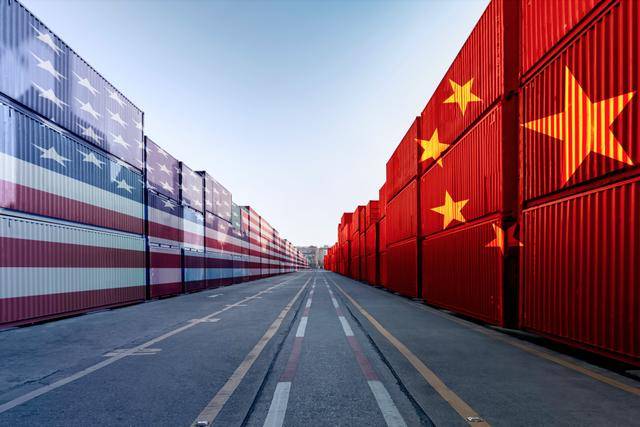
火烧眉毛了,特朗普终于服软,24小时内,美国对华连退三步
Sou Hu Cai Jing· 2025-07-06 03:38
Group 1 - The core point of the article is the unexpected concessions made by the U.S. towards China on July 3, which included lifting restrictions on key components for the C919 aircraft, chip design software, and ethane exports [2][3][27] - The concessions were a response to China's strategic control over rare earth exports, which significantly impacted U.S. industries, particularly the automotive sector [9][12][21] - The U.S. automotive giants, such as General Motors and Ford, expressed urgent concerns over the potential halt in production due to rare earth material shortages, prompting the need for negotiations with China [12][27] Group 2 - Trump's rationale for the concessions was based on the claim that China had not adhered to the Geneva tariff agreement, although this was disputed as China had complied except for rare earth export controls [5][7] - The negotiations led to a mutual understanding where China agreed to relax controls on civilian rare earth exports in exchange for the U.S. lifting its non-tariff export restrictions [7][14] - The article highlights that while the U.S. made concessions, China also benefited as it had already made significant progress in self-research and development of technologies related to the lifted restrictions [17][19][29] Group 3 - The article emphasizes that the U.S. is facing challenges in establishing a new rare earth processing supply chain due to China's dominance in low-cost processing technology, which could take years to replicate [24][26] - The concessions made by the U.S. are seen as a strategic move to alleviate immediate pressures, including debt repayment and maintaining alliances, while the long-term benefits for China are expected to outweigh those for the U.S. [15][27][29] - The overall conclusion suggests that the mutual concessions may lead to a more favorable position for China in the technology sector, as it continues to advance its capabilities regardless of U.S. restrictions [19][29]
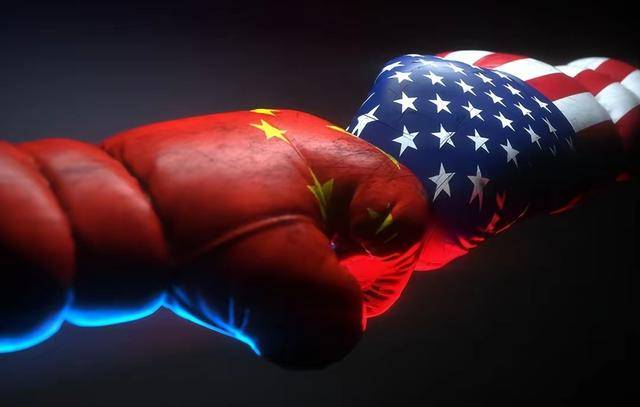
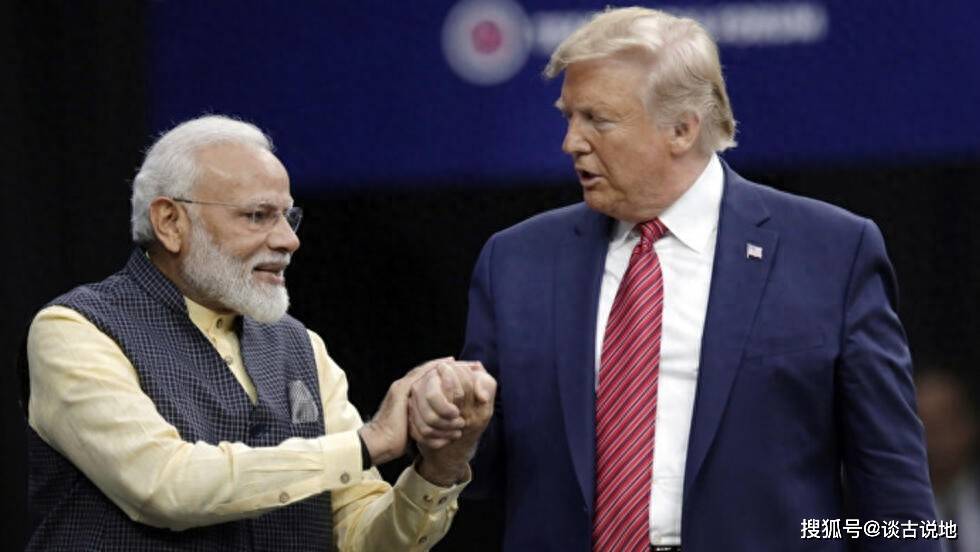
全乱了!中美成交后,东盟两国先妥协,但印度揭竿而起要打一场?
Sou Hu Cai Jing· 2025-07-06 03:16
Group 1 - The US is shifting its focus from China to traditional allies like Japan, South Korea, and Europe in the ongoing tariff war, with India unexpectedly taking the lead in retaliating against US economic policies [1][3] - India has announced plans to impose retaliatory tariffs on certain US products, signaling a strong response to what it perceives as US economic bullying [3] - The US is considering varying tariff rates from 10% to 70% based on the trade scale with each country, indicating a more calculated approach compared to previous tariff battles with China [3][5] Group 2 - Smaller countries like Vietnam and Cambodia are likely to suffer more from US tariffs, as their economies heavily depend on exports to the US, while larger economies like Japan and India can negotiate more effectively [5] - The internal political landscape in the US is tumultuous, with opposition from various factions against Trump's "America First" policies, complicating the administration's approach to international trade [5][7] - India is strategically improving relations with China and enhancing cooperation with BRICS nations while using its purchases of US oil and weapons as leverage in negotiations [7] Group 3 - Recent developments indicate a slight easing of tensions between the US and China, with both countries engaging in dialogue and reducing some trade restrictions, although fundamental issues remain [8] - The US's inability to effectively challenge China has led it to target other nations, potentially pushing these countries closer to China and altering the dynamics of international trade relationships [9] - The ongoing tariff conflict is expected to produce further dramatic developments, with unpredictable outcomes as countries navigate their responses to US policies [9]
大陆一句话定性赖清德,台当局反手发起“关税战”,解放军出手了
Sou Hu Cai Jing· 2025-07-06 02:53
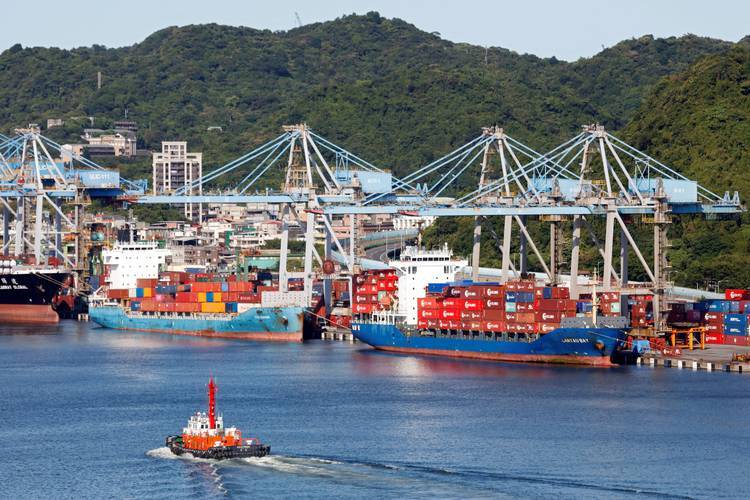
赖清德近期发布的"团结十讲"被岛内许多学者批评为"台独宣言"。其中,第一讲再次提到"两国论",公然挑战一个中国原则;第三讲更是篡改历史,试图切 断两岸之间的文化纽带;而在第四讲中,他更是大肆鼓吹"以武拒统,倚美抗中",将军事对抗包装成"自卫"行为。国民党主席朱立伦斥责这些言论为"造谣 和乱台",指出赖清德借"防务预算争议"煽动社会对立,而事实上,今年的台防务预算为4760亿新台币,删减幅度仅为1%。 国台办的一句"和平破坏者、战争贩卖者、麻烦制造者"迅速将赖清德推上了两岸舆论的风口浪尖。可令人意外的是,台当局不仅没有收敛,反而学起了美国 的"套路",在对大陆的政策上展开了所谓的"关税战"。 6月27日,岛内的"财政部门"毫不羞愧地宣布,准备对大陆的啤酒、钢铁等商品加征高达64.14%的关税。这一消息一出,瞬间激起了两岸民众的强烈反应和 愤怒。就在台当局自信放出这一"豪言"之后,解放军迅速作出回应,派遣多架战机和战舰展开了为期30小时的全方位围台演训,40余架次的飞机直接穿越了 所谓的"海峡中线",形成对台湾的强力压制。 台当局这种不断挑战大陆底线的行为,究竟能否占得便宜呢? 台当局不惜冒险挑衅,却将2300万 ...
兔主席:中美经贸博弈的底层逻辑已经转变,中国如何“点穴”美国?
Guan Cha Zhe Wang· 2025-07-06 01:39
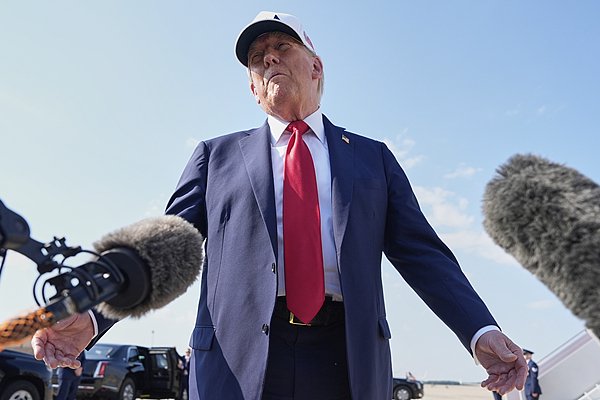
Group 1: US-China Trade Relations - The core point of the recent US-China trade talks is the establishment of a "framework of measures" aimed at conditional cooperation, moving from sanctions to collaboration [1][2] - The trade discussions in London signify a shift in the underlying logic of US-China economic competition from traditional tariff wars to more complex issues involving supply chain and technology battles [1][2] - Trump's tariff war against China does not represent a broad consensus in the US, as it lacks political support and economic conditions [2][5] Group 2: Tariff Policies and Market Reactions - Trump's tariffs have faced significant opposition from various sectors, including consumers and financial elites, leading to a decline in market confidence [5][9] - The average tariff rate in the US has reached 18.8%, the highest since the 1930s, but the market currently believes it can absorb these costs without significant inflation [7][8] - The capital market's reaction to Trump's tariffs has been a major constraint on his policies, with the S&P 500 index experiencing a 19% drop from its peak [5][9] Group 3: Technology Export Controls - The true consensus in US policy towards China lies in technology export controls, which have become the main focus of US-China competition [11][12] - The Biden administration has maintained Trump's tariffs while shifting the focus to technology export restrictions, indicating a strategic decoupling in sensitive areas [11][12] - The US aims to limit China's development in strategic industries through various measures, including cutting off resources and technology [12][13] Group 4: China's Strategic Responses - In response to US technology export controls, China has implemented targeted measures, particularly in the rare earth sector, significantly reducing exports to the US [16][17] - China's dominance in the rare earth market, accounting for 70% of global production, gives it a strategic advantage in the ongoing trade conflict [16][17] - The recent framework agreement reflects a temporary arrangement where both countries are engaging in a supply chain balancing act, indicating a new era of economic competition [21][23] Group 5: Future Implications and Strategic Opportunities - The current geopolitical landscape presents China with a strategic opportunity to enhance its technological capabilities and self-sufficiency in critical areas [25][26] - The unpredictability of Trump's policies may create openings for China to negotiate and adjust its strategies effectively [24][25] - China's focus on technological innovation and resource management will be crucial in navigating the ongoing US-China competition [26]
最后关头倒向美国!东盟出现“叛徒”,中方一句话回应,早做好准备
Sou Hu Cai Jing· 2025-07-05 12:14
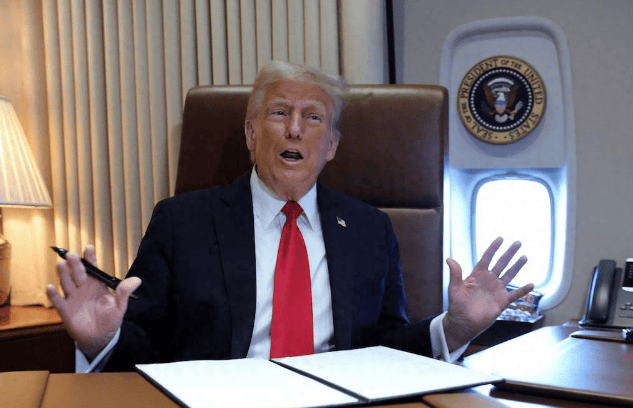
Core Viewpoint - The recent trade agreement between the U.S. and Vietnam is seen as a strategic move that undermines the interests of other countries, particularly China, amidst ongoing trade tensions initiated by the Trump administration [1][6]. Group 1: Trade Agreement Details - The agreement significantly reduces tariffs on Vietnamese goods exported to the U.S. from 46% to 20%, while imposing punitive tariffs of up to 40% on third-country goods transshipped through Vietnam [1][3]. - Vietnam has agreed to open its market to U.S. goods with zero tariffs across various sectors, including agricultural products and high-tech items, and has allowed U.S. customs to conduct inspections [3][4]. Group 2: Economic Implications for Vietnam - Vietnam's economy is heavily reliant on the U.S. market, with a trade surplus ranking third globally in 2024, trailing only China and Mexico [3]. - The agreement poses risks for Vietnam, as over 60% of its electronic components and 80% of its plastic materials are imported from China, making its manufacturing sector vulnerable to disruptions in trade relations with China [6][7]. Group 3: Reactions from China and Other Countries - China's Ministry of Foreign Affairs has expressed strong opposition to the agreement, emphasizing that negotiations should not harm third-party interests and warning of potential retaliatory measures [6][9]. - The agreement may encourage other ASEAN countries, such as Thailand and Malaysia, to follow suit, potentially impacting China's trade relations in the region [7][9]. Group 4: Broader Global Trade Dynamics - The U.S. stands to gain significantly from this agreement, enhancing its bargaining power in future trade negotiations and increasing customs revenue from tariffs [4][6]. - The agreement has also prompted India to accelerate its negotiations with the U.S. to prevent potential shifts in manufacturing away from India to other countries [7].
美国态度又变,100国面临10%对等关税,对中国,特朗普有言在先
Sou Hu Cai Jing· 2025-07-05 11:33
关税谈判迟迟没有进展,特朗普直接把桌子"掀了",改沟通为单方面通知,他会从7月4日开始向贸易伙伴发放有关税率的信函,贝森特证明了这一点,暗示 会有将近100个国家面临10%的对等关税税率,新关税会从8月1日开始,表态再引局势紧张,但中国,并不在特朗普这一波蛮横的范畴。 特朗普为何突然改了态度?本质上的原因,还是谈判的不顺利。先说日本,石破茂与特朗普在社交平台上的互呛,其实已瓦解了美日在7月9日前达成全面协 议的可能。 7月1日,特朗普在"空军一号"上对媒体放话,彻底撕毁了原有的谈判计划。 他声称没有考虑延长7月9日的截止期限,并将在未来几天内向170多个国家发送正式信函,单方面告知关税税率。信中会直接写明"该交多少钱",没有任何 讨价还价的余地。 关税战打到现在,特朗普政府终于拿下一个标杆案例就是越南——美国对越南商品征收20%关税,对"转运"商品征收40%的关税,而越南允许美国商品免关 税进入其市场。 特朗普降服越南,一方面特朗普可以为自己邀功,说明自己能达成这份协议有多么不容易;另一方面,则可以给其他国家树立一个"榜样",越南的税率在一 定程度上或许就是美国对其征收关税的标准。 当地时间7月4日,特朗普在 ...
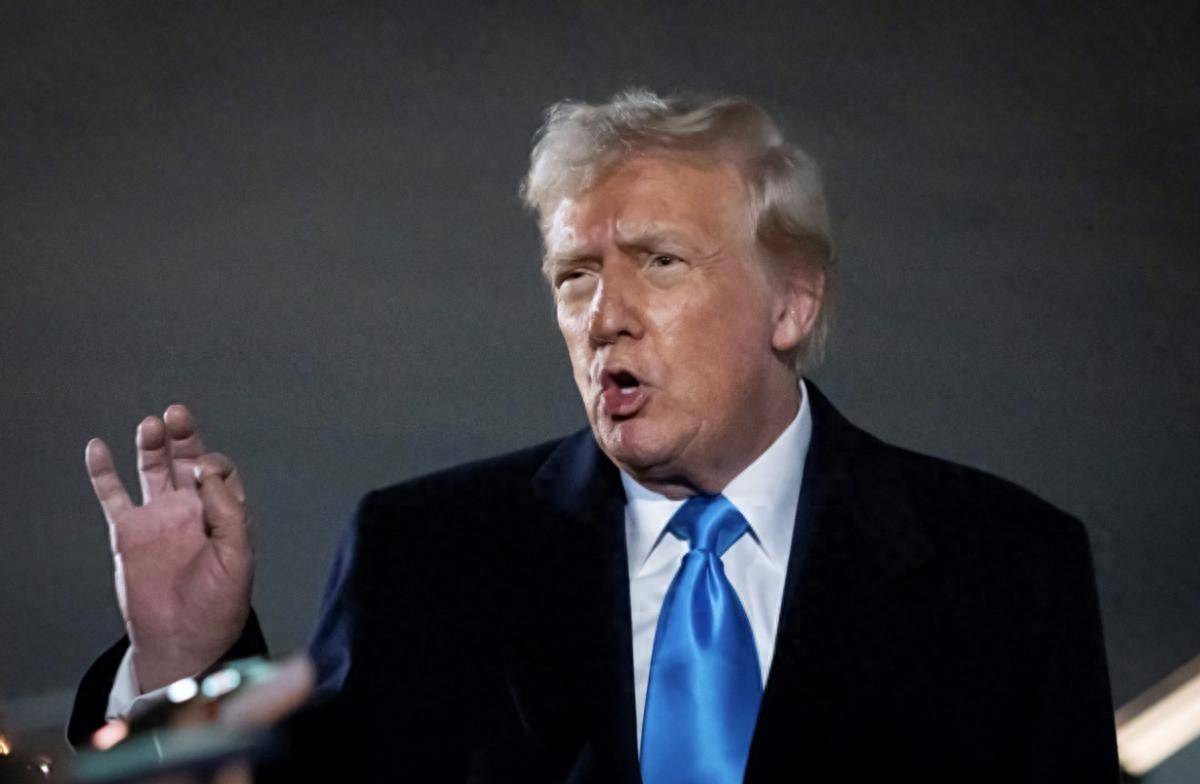
特朗普:这税非收不可!印度:中国行我也行,带头反击美国霸权
Sou Hu Cai Jing· 2025-07-05 11:33
Group 1 - The U.S. will start notifying 10 to 12 countries daily about unilateral tariff rates ranging from 10% to 70% starting July 5, as only a few countries reached consensus with the U.S. during the grace period [1] - India has expressed strong opposition to U.S. tariffs, claiming that they have caused several hundred million dollars in losses to its economy and plans to retaliate with its own tariffs on U.S. goods [8][10] - The trade conflict has escalated between the U.S. and India, with India refusing to open its agricultural market to U.S. products, leading to a standoff over tariffs [12][10] Group 2 - India's economy has been characterized by a challenging environment for foreign investment, leading to a decline in international capital inflow and a return to a more insular economic model [15][19] - Despite being touted as an alternative to China for manufacturing, India's unfavorable conditions for foreign businesses have hindered its growth compared to Vietnam, which has successfully attracted foreign investment [17][19] - The current trade tensions with the U.S. have highlighted India's limited ability to export goods, maintaining a trade deficit while relying on domestic consumption [19][21] Group 3 - India's agricultural sector remains crucial, with a significant portion of its population dependent on it, making it politically sensitive to U.S. demands for market access [10][21] - The historical context shows that while India had a strong industrial foundation, it lagged behind China in economic development due to a focus on agriculture and a slower integration into the global economy [23][24] - Recent military setbacks, such as the conflict with Pakistan, have raised concerns about India's regional standing and its ability to respond to greater threats in the future [26][28]