
美元霸权

Search documents
一带一路,为何能打破美元霸权?货币多极化时代,就要来临
Sou Hu Cai Jing· 2025-05-09 01:10
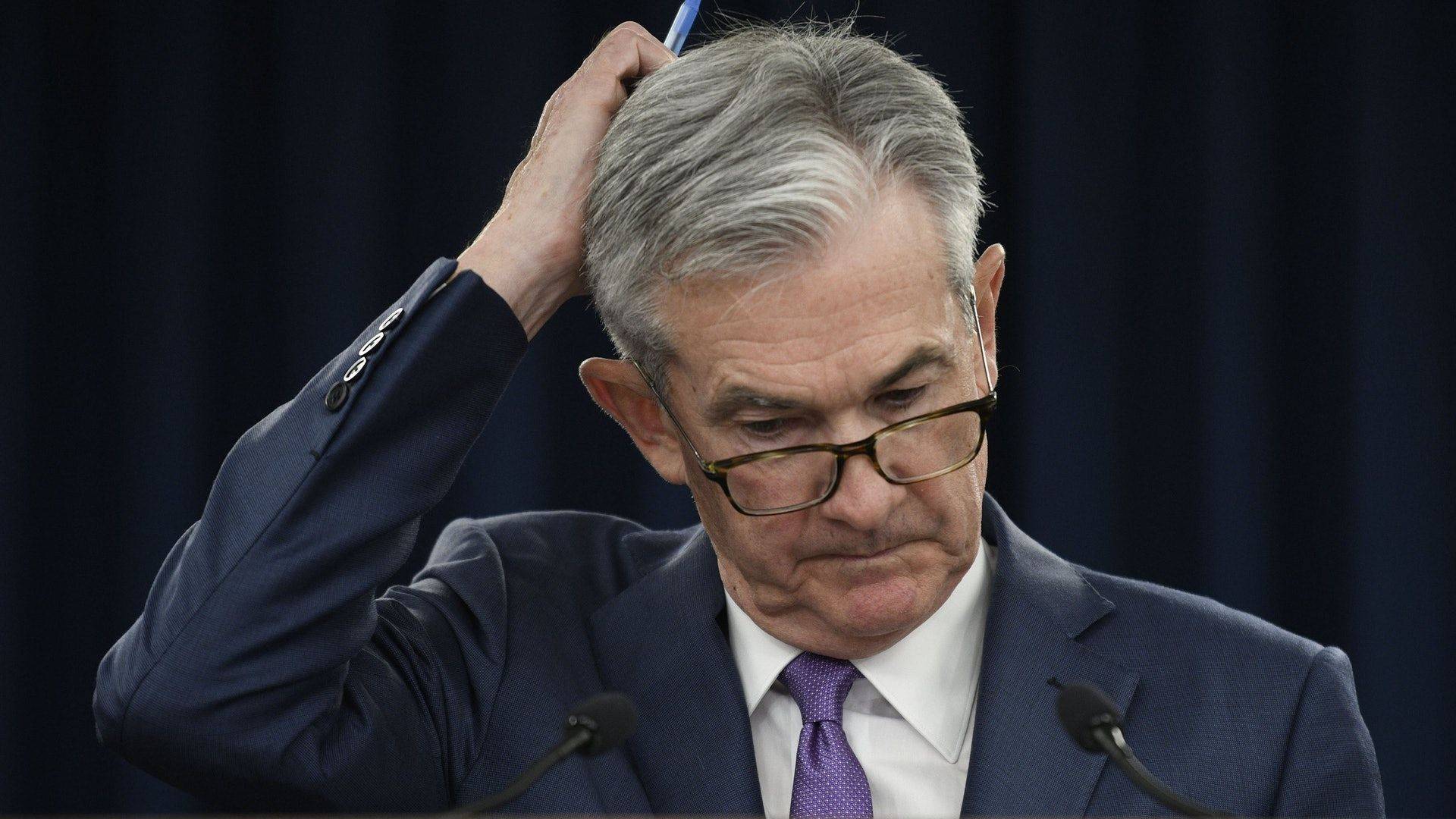
Group 1 - The core argument revolves around the conflict between President Trump and Federal Reserve Chairman Powell regarding interest rate cuts, with Trump insisting that the Fed must lower rates to support small businesses, while the Fed maintains its current stance [1][3] - Trump's push for interest rate cuts is linked to the significant trade deficit the U.S. faces, which amounts to $1.2 trillion annually, and the burden of interest payments on national debt, which reached $1.1 trillion last year [3][5] - The debate highlights the tension between U.S. domestic monetary policy and its implications for global confidence in the dollar, raising concerns about the long-term dominance of the dollar in the global economy [3][6] Group 2 - The article discusses the potential shift in investment strategies away from the U.S. dollar, particularly through initiatives like the Belt and Road Initiative, which aims to invest in infrastructure projects across various regions, thereby reducing reliance on the dollar [5][6] - The establishment of the Asian Infrastructure Investment Bank (AIIB) under the Belt and Road framework signifies a move towards multi-currency operations, enhancing the role of currencies other than the dollar in international finance [5][6] - The current trend suggests a move towards currency diversification rather than a single currency replacing the dollar, indicating the emergence of a multi-polar currency system [6]

美元霸权困境与全球经济格局变化,问题凸显其经济模式深层矛盾
Sou Hu Cai Jing· 2025-05-08 11:29
Core Viewpoint - The article discusses the complexities of the global financial landscape, particularly in light of the U.S. debt reaching $35 trillion and the shifting dynamics of international currency and trade, with China emerging as a key player in establishing a new financial order centered around the renminbi [1][3]. Group 1: U.S. Debt and Market Reactions - The U.S. debt crisis has not triggered a global market upheaval as it has in the past, indicating a shift in international financial dynamics [3]. - Historically, the U.S. relied on the "dollar anchor" to manage its growing fiscal deficits, but this reliance is diminishing as countries like China develop alternative trade mechanisms [3][5]. Group 2: China's Strategic Positioning - China is actively building a financial "firewall" to protect its economy from external shocks and is gradually shifting its industrial base to reduce dependency on foreign technology [5][7]. - The rapid advancements in Chinese technology, particularly in sectors like AI and high-end manufacturing, are challenging the traditional dominance of U.S. innovation [7][10]. Group 3: Global Economic Order - The article highlights a growing trend among countries to reassess their reliance on the U.S. dollar, with the expansion of BRICS nations symbolizing a move towards greater economic sovereignty [7][9]. - The U.S. response to these changes has been to strengthen alliances and impose restrictions on Chinese industries, which may inadvertently accelerate the process of de-dollarization [9][10]. Group 4: Future Implications - The ongoing competition between the U.S. and China in technology and finance is reshaping global economic rules, with China positioning itself as a rule-maker rather than a rule-taker [10][12]. - The article suggests that the global financial landscape is undergoing a transformation, with countries reevaluating their strategies in light of shifting power dynamics [12].
每日投行/机构观点梳理(2025-05-07)
Jin Shi Shu Ju· 2025-05-08 02:17
Group 1: Economic Indicators and Predictions - Wells Fargo economists predict that the Consumer Price Index (CPI) for April will rise by 0.2% after a surprising decline of 0.1% in March, leading to an annual CPI rate of 2.3%, the lowest in four years [1] - Deutsche Bank expects the Federal Reserve to maintain the federal funds rate in the range of 4.25-4.50% and emphasizes the need to observe the impact of recently implemented trade policies on economic growth and inflation [3] - UBS Wealth Management highlights that concerns over the independence of the Federal Reserve could significantly damage the dollar's safe-haven status, with currencies like the yen and Swiss franc benefiting in the current environment [2] Group 2: Market Trends and Asset Allocation - Analysts at Societe Generale note a trend of investors shifting from U.S. assets to European assets, although this transition may take time to fully materialize [4] - Bank of America indicates that the recent surge in interest in European markets does not necessarily signal a structural shift, as many institutional investors remain cautious about large-scale capital transfers from the U.S. [5] - Citic Securities maintains a preference for gold over copper and oil in the commodities market, citing OPEC+'s unexpected production increase as a factor that may lead to a supply surplus in the oil market [6][5] Group 3: Commodity Price Forecasts - KPMG has revised its Brent crude oil price forecast for the end of the year down from $70 to $60 per barrel, reflecting improved global oil supply conditions [6] - Barclays has postponed its forecast for the next Bank of Japan interest rate hike to January 2026, adjusting its final rate prediction down to 1.00% [7] Group 4: Domestic Market Insights - Galaxy Securities reports a significant increase in global gold ETF inflows in Q1 2025, with net purchases by central banks remaining strong, supporting the long-term bullish outlook for gold prices [8] - The automotive market in China is expected to see a rebound in sales, driven by the release of new models and the end of consumer hesitation following the Shanghai Auto Show [8]
深度理解美国关税战的逻辑和影响
Bank of China Securities· 2025-05-07 09:00
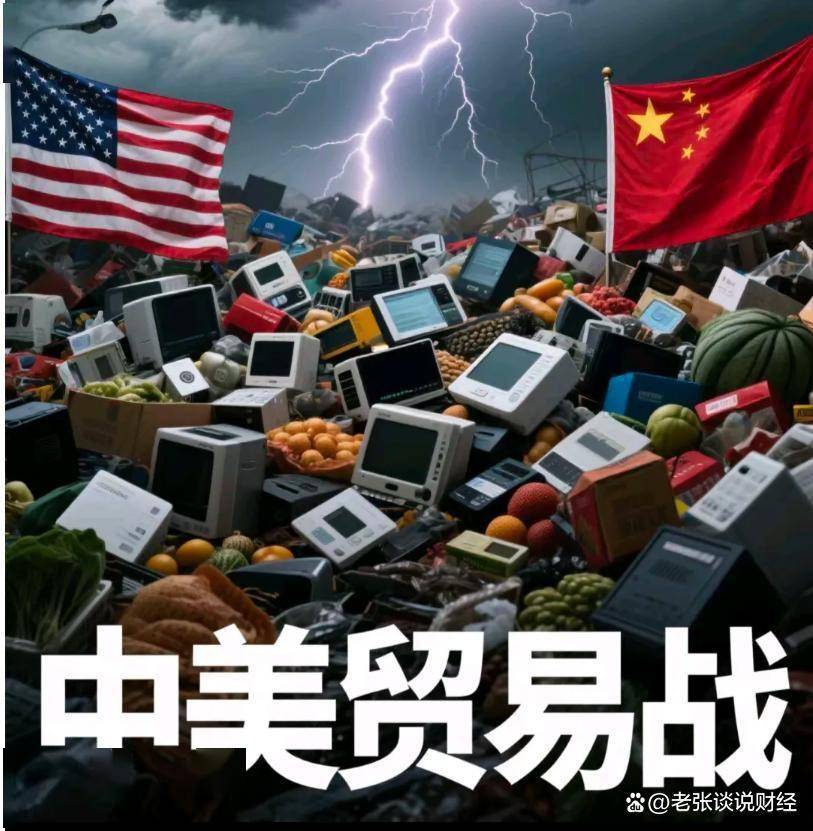
Group 1 - The report discusses the implications of the United States' "reciprocal tariff" policy, which was announced on April 2, 2025, targeting 57 countries including China, with the aim of reducing the trade deficit [2][3][4] - The "reciprocal tariff" is calculated based on the trade deficit amount relative to total imports from a specific country, resulting in significant tariff increases, such as a 34% tariff on imports from China [4][5] - The report argues that the economic rationale behind the U.S. trade deficit and the "reciprocal tariff" policy is flawed, as it overlooks fundamental economic principles regarding domestic supply and demand [5][6][7] Group 2 - The report highlights that the U.S. trade deficit is primarily driven by the dollar's status as the world's reserve currency, which has led to increased domestic demand and a long-term trade deficit [9][10][11] - The dollar's unique position allows the U.S. to benefit from "exorbitant privilege," enabling it to create dollars at little cost, thus exacerbating its trade deficit [10][11][12] - The report notes that the U.S. has been able to maintain a large trade deficit without facing a balance of payments crisis, a situation not applicable to other countries [13][14] Group 3 - The report identifies two major drawbacks of dollar dominance: the hollowing out of U.S. manufacturing and increasing income inequality, leading to social unrest [17][21][22] - It suggests that the U.S. should consider abandoning its dollar hegemony and adopting a more equitable distribution of globalization benefits to address these issues [25][27] - The report emphasizes that the "reciprocal tariff" policy is a response to the challenges posed by globalization, aiming to reduce reliance on foreign imports and revive domestic manufacturing [28][29] Group 4 - The report outlines potential strategies for China to counter the U.S. "reciprocal tariff" policy, emphasizing the need to enhance domestic demand through income distribution reforms and investment stimulation [40][41] - It argues that China's economic resilience is greater than that of the U.S., as it can create domestic demand to offset external shocks [41][42] - The report concludes that if China can effectively manage its internal economic policies, it can emerge stronger from the ongoing trade tensions and contribute positively to global economic stability [42]
亚洲或掀2.5万亿美元抛售潮 美元霸权遭遇“雪崩式”挑战?
智通财经网· 2025-05-07 06:48
智通财经APP获悉,Eurizon SLJ Capital首席经济学家斯蒂芬·任(Stephen Jen)最新警告,随着亚洲国家加速调整外汇储备结构,美元可能面临高达2.5万亿美元 的"雪崩式"抛售压力。这家资管机构在周三发布的报告中指出,亚洲出口商与投资者长期积累的巨额美元头寸,正因美国贸易政策转向与汇率波动风险加剧 而面临瓦解风险。 报告分析称,过去数十年间,亚洲经济体凭借对美贸易顺差积累了规模庞大的美元资产。以中国大陆、中国台湾、马来西亚、越南为代表的出口导向型经济 体,其央行及机构投资者持有的美元储备可能达到2.5万亿美元量级。Jen团队强调:"这些未对冲美元波动的'裸多头寸'犹如悬在美元头上的达摩克利斯之 剑,一旦集中撤离将引发全球货币市场剧烈震荡。" 特朗普政府推动的贸易保护主义政策正成为催化剂。报告指出,亚洲政策制定者可能通过两种路径应对:一是将海外美元资产汇回本土以支撑本币升值,作 为贸易谈判筹码;二是加速多元化外汇储备配置,降低对美元的依赖。值得注意的是,仅中国就可能因美联储降息周期启动,推动约1万亿美元计价的海外资 产回流国内——这一数字与Jen去年提出的"美元微笑"理论预测一致。 市场已 ...
东吴证券芦哲:美元霸权渐难维持,世界经济格局正在重塑
news flash· 2025-05-07 06:25
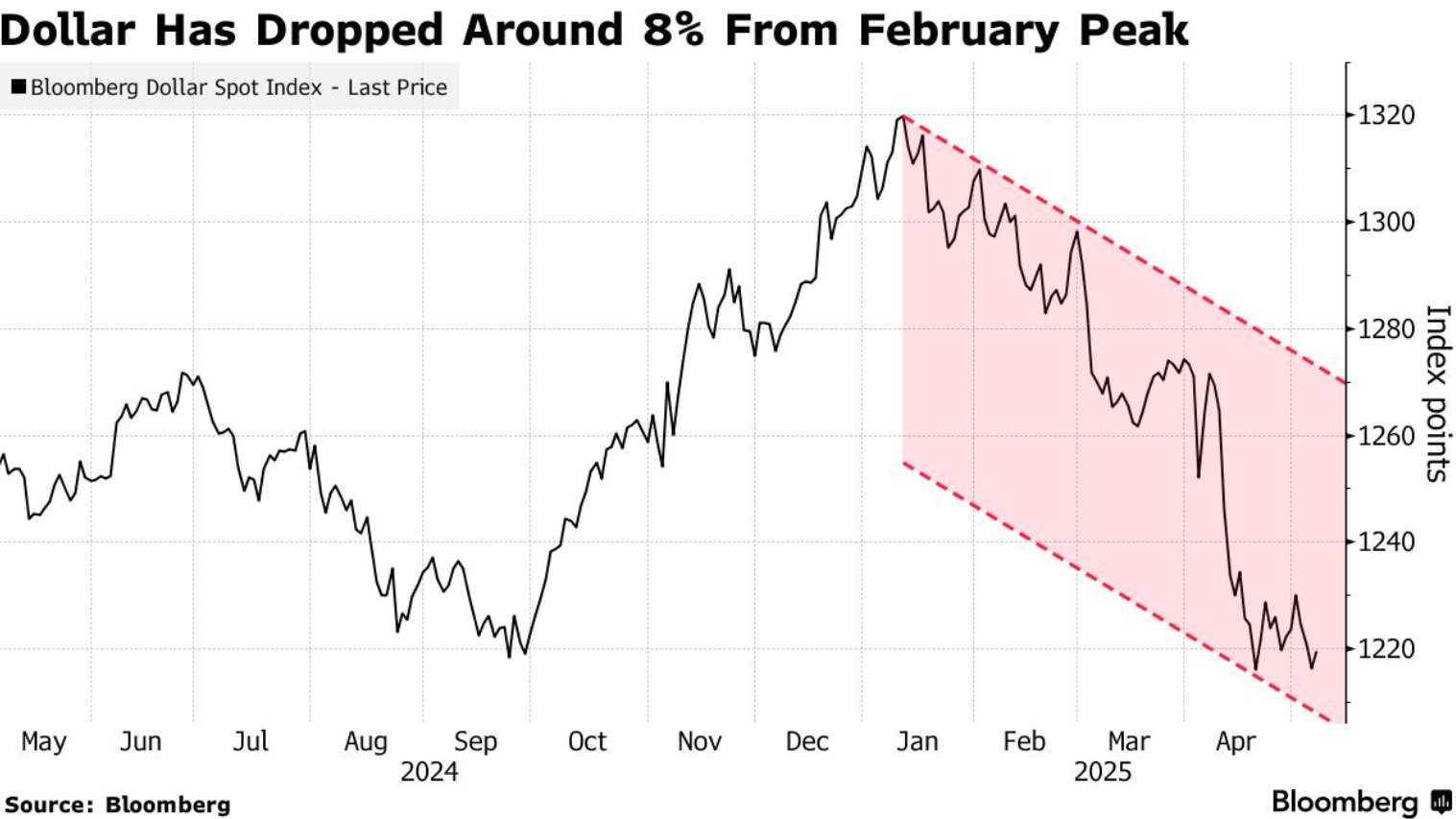
Core Viewpoint - The increasing debt pressure in the United States is undermining the foundation of the dollar's credibility, with Trump's policies posing a significant threat to the "petrodollar system," leading to the emergence of the new Triffin dilemma. In contrast, China's economy is solidifying its foundation for high-quality development and the transition between old and new growth drivers [1]. Group 1: Economic Conditions - The long-term positive fundamentals of the Chinese economy remain unchanged, supported by a massive market of 1.4 billion people and the world's largest and most comprehensive industrial production system [1]. - China's fiscal policy has ample room compared to Western countries, with sufficient policy reserves available [1]. Group 2: Policy Measures - The moderately loose monetary policy in China ensures ample liquidity in the market [1]. - The effectiveness of policies aimed at expanding domestic demand, such as "two new" and "two重," is significant, contributing to the stabilization of the real estate market [1]. Group 3: Market Stability - The stabilization of the real estate market lays a solid foundation for the stability and prosperity of the capital market [1].

趁美国专注关税战,2.5亿桶石油运往中国,在为什么做准备?
Sou Hu Cai Jing· 2025-05-07 04:42
在美国深陷关税战之际,中国趁低价狂囤2.5亿桶原油,4月进口量更是创18个月新高。中国这是在为什 么做准备? 关税战开打之后,西方媒体不禁跌破眼镜:原以为中国的石油需求会稍微消退,谁料到居然大逆转! 【西方媒体发现,2.5亿桶石油正运往中国】 【特朗普向全世界打响关税战】 更值得一提的是,中国的一些炼油厂甚至推迟了年度保养计划,就是为了趁着利润率高,猛造汽油、航 空燃油这些热门产品。看来,这真是个大家都想挤上去分享蛋糕的好时机。 当然,还有一个非经济因素,地缘政治的风卷云涌。中国和石油输出国关系良好,不把俄罗斯、伊朗、 委内瑞拉等国拒之门外。这些国家面临西方制裁,急需市场,于是降低油价,用薄利多销的策略维持出 口。 据说,俄罗斯的乌拉尔原油价格,就比国际油价便宜个10美元左右。这种情况下,中国企业能不动心 吗? 不过,事情也没这么简单。中国还在利用这一机会扩充能源储备。因为有分析认为,未来美国或许会打 美元霸权的牌,影响中国的能源进口。 今年4月,中国原油日均进口量飙升至约1100万桶,比1月份增加了近200万桶,刷新18个月来的新纪 录。粗略一算,这相当于至少2.5亿桶石油入库。这到底咋回事? 首先,我们得 ...

加州州长选择硬刚白宫,美国国内风声悄悄变了,特朗普担忧恐成真!
Sou Hu Cai Jing· 2025-05-07 03:16
Group 1 - California Governor Gavin Newsom opposes the high tariffs imposed by President Trump on China, emphasizing the interdependent relationship between the U.S. and China [1] - Newsom aims to position California as a stable partner open to trade with China and other partners, despite not having direct high-level dialogues with China [1] - The White House announced potential tariffs on Chinese imports could reach 245%, including a 125% reciprocal tariff and a 20% tariff related to the fentanyl issue [1] Group 2 - China may be selling U.S. Treasury bonds as a countermeasure against the U.S., with a reported sale of $57.3 billion in April 2025, causing a spike in 30-year Treasury yields to 5%, the highest since 1981 [3] - The U.S. Treasury faced challenges in bond auctions, with a 20% share being absorbed by traders due to decreased demand, leading to a 1.2% increase in financing costs [3] - China has been increasing its gold reserves and promoting trade settlements in local currencies with countries like Saudi Arabia, which could undermine the dominance of the U.S. dollar [3] Group 3 - The U.S. national debt has surpassed $36 trillion, accounting for 123% of GDP, significantly exceeding the 60% international warning threshold [5] - Predictions indicate that by 2050, federal debt could rise to 166% of GDP, with annual interest payments nearing $1 trillion, surpassing U.S. defense spending [5] - Public support for President Trump has declined, with less than half of respondents approving his performance, reflecting concerns over the U.S.'s global credibility [5] Group 4 - Tesla's CEO Elon Musk criticized the tariff policies and indicated that the company's production plans for humanoid robots could be affected by China's export controls on rare earth materials [7] - Tesla is actively seeking export licenses for rare earth permanent magnet materials from China, assuring that these materials will not be used for military purposes [7]
中国罕见公开警告:谁敢用中方利益,和美国做交换,必将严惩不贷
Sou Hu Cai Jing· 2025-05-06 11:33
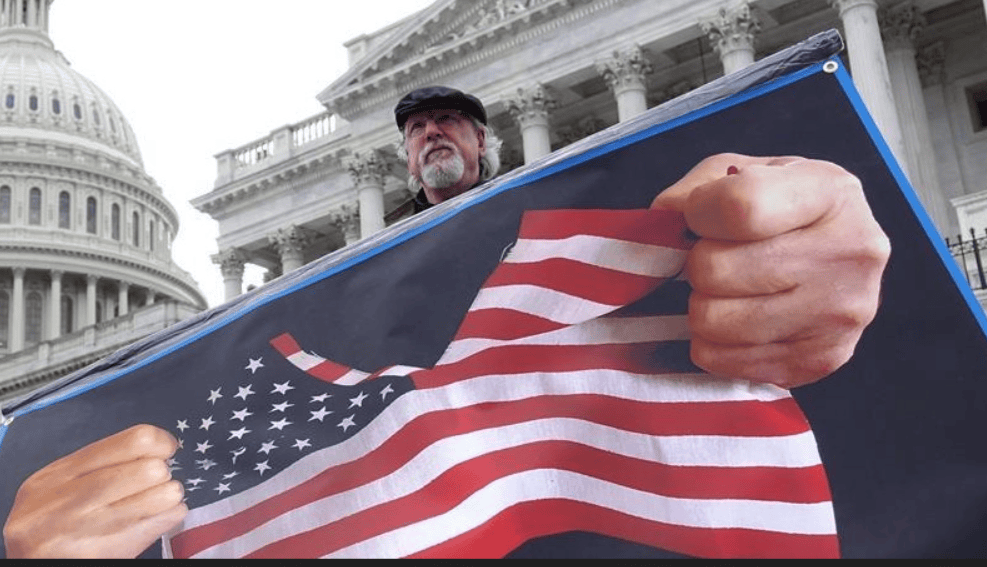
Core Viewpoint - The article highlights China's firm stance against U.S. trade coercion, emphasizing that it will not accept any deals that sacrifice its interests and will respond resolutely to U.S. actions [1][3]. Group 1: U.S. Trade Strategy - The U.S. has imposed punitive tariffs ranging from 34% to 104% on Chinese goods, viewing China as its primary competitor and aiming to weaken its position in global supply chains [1][3]. - The U.S. is facing a significant debt crisis, with national debt exceeding $36 trillion and annual interest payments nearing $1 trillion, leading to a reliance on tariffs as a means to address its economic challenges [3]. - The U.S. trade strategy has resulted in increased inflation and a growing trade deficit, countering its intended economic benefits [3]. Group 2: International Reactions - Key allies like the UK and Japan have openly rejected U.S. pressure to decouple from China, indicating a miscalculation of U.S. influence [3][5]. - The article notes that the U.S. is using trade as a political tool, which undermines international cooperation and trust [3][5]. Group 3: China's Response and Adaptation - China has made significant advancements in overcoming technology blockades, having developed 21 out of 35 key technologies previously restricted by the U.S. [5]. - China's trade focus is shifting towards emerging markets in Southeast Asia, the Middle East, and Africa, with its exports to the U.S. decreasing from 19% in 2017 to 14.6% in 2024 [5]. - The article mentions that the U.S. tariffs on Southeast Asian countries have inadvertently strengthened China's ties with ASEAN nations [5]. Group 4: Broader Implications - The trade war has led to rising inflation in the U.S., with a reported 3.5% year-on-year increase in CPI as of March, and declining consumer confidence [7]. - The potential for retaliatory tariffs could lead to a significant contraction in global trade, reminiscent of the Great Depression [7]. - The intertwining of trade and national security by the U.S. is increasing geopolitical tensions, particularly in regions like Southeast Asia and Europe [7].
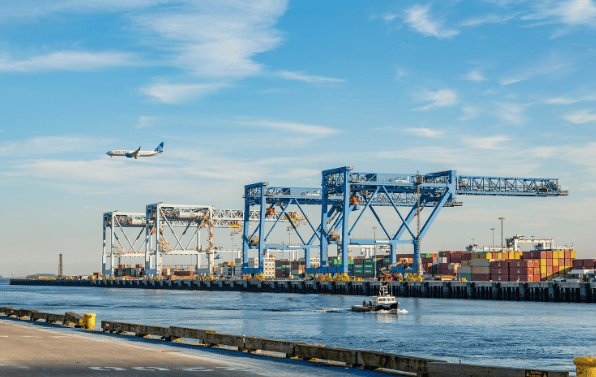
特朗普通电全球:任何国家敢买伊朗石油,都将遭到美国制裁打击!
Sou Hu Cai Jing· 2025-05-06 10:30
文 | 空纸 编辑 | 空纸 前言 2025年5月1日,美国总统特朗普发布了一条震动国际社会的制裁措施——任何国家或个人只要敢购买伊朗石油,就会被踢出美国市场! 美国制裁伊朗的背后 美国的制裁绝非单纯的经济手段,其背后包含着浓厚的政治意图。 特朗普此次发布的制裁,名为针对伊朗石油出口,实则是将全球石油市场绑上了一根紧绳,威逼各国在全球能源市场中选边站队。 根据特朗普的说法,任何与伊朗有石油交易的国家或个人,都将被禁止与美国进行任何形式的业务往来。这一招让全球所有与伊朗有石油贸易的国家都面临 了前所未有的选择困境。 对于伊朗来说,这种制裁的影响可谓深远。伊朗不仅是全球石油供应的重要一环,而且其经济的基础也深深依赖于石油出口。 如今,美国通过"二级制裁"封杀了伊朗的石油出口渠道,这对伊朗来说无疑是一次经济灾难。 在国际油价的波动中,伊朗的经济不仅面临国内的通货膨胀、货币贬值、失业率攀升等困境,还将进一步加剧对外部经济依赖的危机。 这一消息一出,全球石油市场瞬间波动,油价瞬间飙升1.6%,引发了全球能源商的震动。 这次美国的新制裁措施,到底是从何而来?它会对全球能源市场产生什么样的影响?而中国在这一局势中的立场又会 ...
