
贸易保护主义

Search documents
墨西哥将对进口中国汽车征收50%关税
Guo Ji Jin Rong Bao· 2025-09-11 04:07
Core Points - The Mexican government plans to increase tariffs on key imported goods from countries without trade agreements to protect jobs and boost domestic industries [1][2] - The proposed tariff changes will affect nearly 1,500 items, including automobiles, steel, textiles, toys, appliances, and footwear, totaling approximately $52 billion [1] - Tariffs on automobiles from China and other Asian countries will rise to 50%, significantly impacting the Chinese automotive market in Mexico [4][5] Summary by Sections Tariff Implementation - The plan is part of the 2026 federal budget proposal and requires approval from the Mexican Congress, where the ruling party holds a majority, making passage likely [2] - The tariffs will specifically target countries without trade agreements with Mexico, notably China, South Korea, India, Indonesia, Russia, Thailand, and Turkey [2][3] Economic Impact - The proposed tariffs are expected to affect 8.6% of Mexico's import volume and aim to protect approximately 325,000 industrial and manufacturing jobs at risk [3] - Tariffs on steel, toys, and motorcycles will be set at 35%, while textile tariffs will range from 10% to 50% [4] Political Context - The measures are partly a response to pressure from the United States, which has encouraged Mexico to raise tariffs on Chinese imports [4] - Mexican officials acknowledge that these tariff changes are linked to ongoing trade negotiations between Mexico, the U.S., and Canada [4] Market Dynamics - Mexico has become the largest export market for Chinese automobiles, surpassing Russia, due to competitive pricing and attractive warranty offers [5] - The increase in tariffs on Chinese automobiles is expected to significantly impact their market presence in Mexico, with the new 50% rate being much higher than the current 15% to 20% [4][5]
ZFX山海证券:非农年度下修超90万!远超市场预期!
Xin Lang Cai Jing· 2025-09-10 11:29
Group 1 - The U.S. labor market is showing signs of weakness, with a downward revision of 910,000 jobs added over the past year, indicating an average monthly decrease of approximately 76,000 jobs across nearly all sectors [1][5] - The Federal Reserve is under increasing pressure to lower interest rates to support economic growth, as the revised employment data suggests a less robust labor market [1][3] - Market reactions include record highs for the S&P 500 and Nasdaq indices, with the S&P 500 closing at 6512.61 points and the Nasdaq at 21879.49 points, reflecting investor expectations of an imminent rate cut [3] Group 2 - JPMorgan CEO Jamie Dimon stated that the recent labor report confirms the weakening of the U.S. economy, suggesting uncertainty about whether it is heading towards recession or merely slowing down [5] - Bloomberg's chief economist Anna Wong indicated that the U.S. economy likely entered a recession last year, with potential for another downturn in the labor market by mid-2025 [5] - The global impact of a U.S. economic downturn could be significant, affecting countries reliant on the U.S. market, with potential trade volume declines and increased trade protectionism [8]


这是离间计吗?特朗普要求欧盟对中印加税100%,随后美国也跟进。
Sou Hu Cai Jing· 2025-09-10 06:16
Core Viewpoint - The article discusses President Trump's request for the EU to impose a 100% tariff on China and India for purchasing Russian energy, aiming to pressure Russia and potentially disrupt trade relations between the EU and these countries [1][3]. Group 1: Impact on Trade Relations - Imposing a 100% tariff on China and India could severely damage trade relations between the EU and these countries, as both are significant economic partners with extensive trade ties to the EU [1]. - The potential tariffs may lead to increased trade friction, harming economic interests on both sides, while the U.S. could benefit from a shift in trade flows [1][3]. Group 2: Effects on Energy Cooperation - The proposed tariffs could raise the cost of energy purchases for China and India from Russia, potentially hindering their energy cooperation and affecting the strategic partnerships between China-Russia and India-Russia [3]. - This move aligns with the U.S. strategy to weaken Russia's economic power indirectly [3]. Group 3: EU's Position and Response - The EU is unlikely to agree to the proposed "secondary taxation" unless the U.S. takes similar actions, as unilateral tariffs could negatively impact the EU's own economy due to its significant trade relations with China and India [5]. - The U.S. has previously imposed a 25% tariff on Indian goods and retained some tariffs on China, indicating a continuation of protectionist policies aimed at adjusting global trade dynamics [5]. Group 4: Future Developments - The request is still in the proposal stage, and the EU has not yet provided a clear response, necessitating further observation of how this situation evolves and its implications for U.S.-China, EU-China, and Russia-China relations [6].
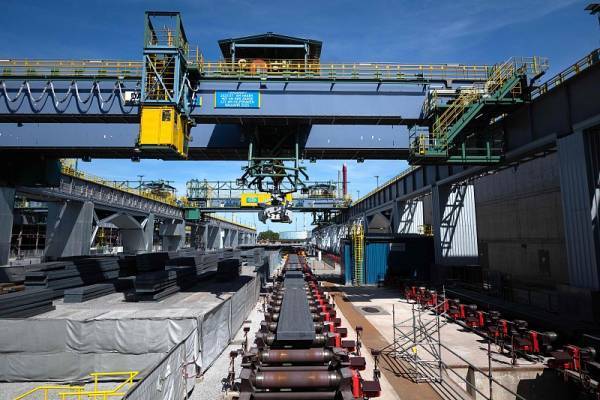
面对中国产品竞争等压力,欧洲钢铁制造商敦促欧盟效仿美国加征关税
Sou Hu Cai Jing· 2025-09-07 11:36
Core Viewpoint - European steel manufacturers are urging the European Commission to impose tariffs on all imported steel products similar to those implemented by the United States, warning of a potential collapse of the industry due to competition from low-cost Chinese products and high energy prices [1][3][4]. Group 1: Industry Challenges - The European steel industry is facing significant challenges, with Eurofer reporting that 18,000 jobs will be cut in 2024, adding to the 90,000 jobs lost since 2008 [4]. - The import volume of steel into the EU is projected to reach 28 million tons in 2024, accounting for one-quarter of total sales, which is double the import volume from the 2012/13 period when China became a major exporter [4]. - The industry is currently undergoing painful restructuring, with Thyssenkrupp announcing plans to cut production capacity and lay off 11,000 workers [1][4]. Group 2: Tariff and Trade Policy - In response to U.S. tariffs, the EU had previously imposed a 25% tariff on $21 billion worth of U.S. products, including steel, but these measures have been gradually relaxed [3][4]. - Eurofer has expressed concerns that the EU steel industry is the worst off among all EU industries, indicating a lack of significant progress in negotiations with the U.S. regarding tariff exemptions [5]. - The EU Commission plans to introduce regulations to limit the quantity of steel that can be imported into the EU by the end of the current quarter [5].
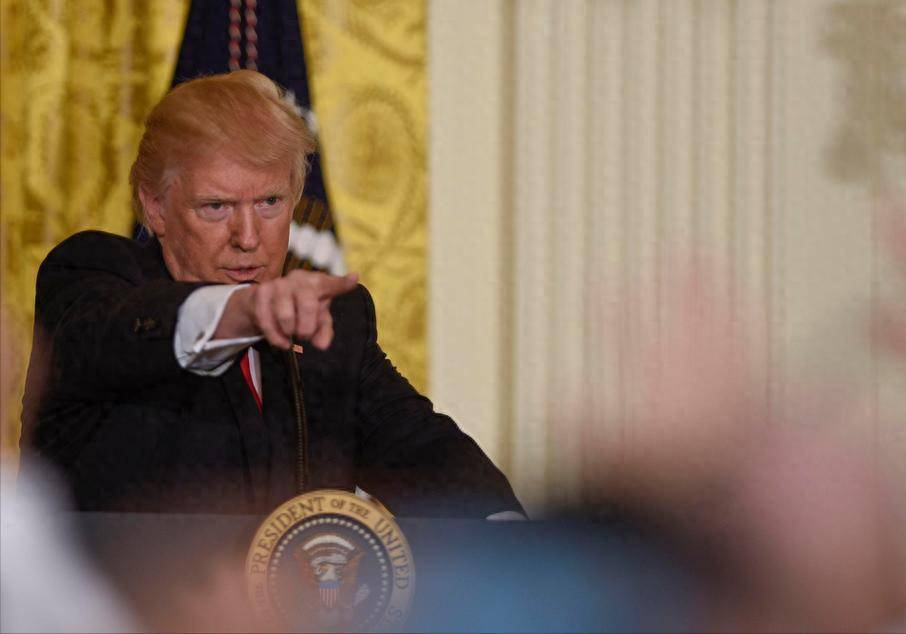
特朗普连遭两次经济阻击,关税裁定非法,库克起诉他,能阻止他吗
Sou Hu Cai Jing· 2025-09-07 07:44
Group 1 - Trump's economic policies, particularly tariffs and pressure on the Federal Reserve, are facing unprecedented legal challenges [1][3] - A recent ruling by the U.S. Court of Appeals determined that many of Trump's tariff policies lack explicit congressional support, categorizing them as executive overreach [1] - If the Supreme Court upholds this ruling, the U.S. government may face hundreds of billions in tariff refunds, significantly impacting fiscal policy reliant on tariff revenue [1] Group 2 - The Federal Reserve Governor Lisa Cook has formally sued Trump over his attempt to remove her, emphasizing the independence of monetary policy [3] - The judge overseeing the case, nominated by Biden, is expected to rule against Trump's dismissal, which would severely undermine his influence over the central bank [3] - The ongoing power struggle reflects a backlash against Trump's attempts to expand presidential authority, testing the resilience of the U.S. system of checks and balances [5] Group 3 - Observers are closely monitoring the outcomes of the tariff case and Cook's lawsuit, as they could redefine the boundaries of presidential power [5] - The intersection of Trump's "Make America Great Again" slogan and the rule of law may lead to a significant constitutional crisis in the U.S. political system [5]
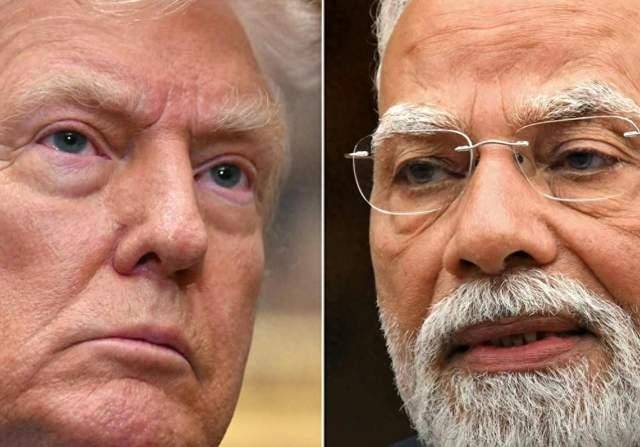
美国对印度加征50%关税,印度却派400人赴美军演,莫迪在下什么棋
Sou Hu Cai Jing· 2025-09-07 03:31
Group 1 - India's unexpected military cooperation with the US amidst a trade conflict raises questions about diplomatic strategies [3][5][8] - Modi's government faces a dilemma between domestic political pressures and foreign relations, prioritizing electoral support over US demands [10][12] - The EU's unified stance against US tariffs indicates a shift in global power dynamics, emphasizing sovereignty and collective resistance [19][21][26] Group 2 - Russia's warning to Japan reflects concerns over military escalation and highlights the multifaceted challenges to US influence [23][28] - The changing global landscape suggests that countries are increasingly seeking their own paths, leading to more complex diplomatic calculations [30][32]
投票结果7比4!美国法院正式做出裁定,莫迪等来重大喜讯,特朗普“枪口”对准美联储
Sou Hu Cai Jing· 2025-09-07 00:14
Core Viewpoint - The recent ruling by the Federal Circuit Court limits President Trump's power to impose tariffs unilaterally, stating that the authority to levy tariffs belongs to Congress, not the President [1][3]. Group 1: Legal and Political Implications - The court's decision was a 7-4 vote, indicating significant judicial pushback against the executive branch's use of the International Emergency Economic Powers Act to impose tariffs on countries like China, Canada, and Mexico [1]. - The ruling has sparked intense debate among the three branches of government, with the White House expressing dissatisfaction and claiming that the removal of tariffs could lead to economic collapse [1][3]. - The decision is seen as a victory for Congressional Democrats and state leaders who argue it prevents the imposition of erroneous tariffs [1][3]. Group 2: Economic Impact - The U.S. Treasury previously projected tariff revenues of $142 billion for the fiscal year 2025, but much of this revenue is now deemed illegally collected, potentially requiring refunds to businesses if the ruling is upheld by the Supreme Court [3][6]. - The tariffs have resulted in 64% of the costs being borne by U.S. businesses and 22% by consumers, leading to increased raw material prices and reduced corporate profits [6][8]. - The trade protectionism strategy has not yielded the intended benefits, instead harming domestic enterprises and consumers [6][8]. Group 3: Global Trade Dynamics - The ruling has caused a ripple effect in global trade, with countries like Japan and India reassessing their trade relations with the U.S. and considering retaliatory measures [3][4]. - The uncertainty surrounding U.S. trade policy has led to a loss of trust among international partners, complicating negotiations and agreements [8]. - The court's decision is viewed as a response to U.S. unilateralism in global trade, emphasizing that trade cannot be dictated by a single nation [8].
美国关税重压,8月巴西对美出口暴跌18.5%
Sou Hu Cai Jing· 2025-09-06 15:51
Core Insights - Brazil's exports to the U.S. significantly declined by 18.5% in August due to high tariffs imposed by the U.S., highlighting the negative impact of trade protectionism on bilateral economic relations [1][2] - In August, Brazil's total exports reached $29.9 billion, a year-on-year increase of 3.9%, while imports fell by 2% to $23.7 billion [2] - The U.S. tariffs have led to a notable decrease in Brazil's exports of key products such as iron ore, sugar, and aircraft, with exports to the U.S. dropping from $3.39 billion to $2.76 billion compared to the same period last year [2] - In contrast, Brazil's exports to China, India, Mexico, and Argentina saw significant growth, with increases of 31%, 58%, 43.8%, and 40.4% respectively [2] - For the first eight months of the year, Brazil's total exports amounted to $227.6 billion, a slight increase of 0.5%, while total trade reached $412.4 billion, up 3.2% year-on-year [2] - The U.S. has imposed a 40% tariff on Brazilian products since August, resulting in effective rates as high as 50%, severely impacting Brazil's export trade to the U.S. [2] - The Brazilian Coffee Exporters Association reported a 55.24% decrease in coffee exports to the U.S. in August compared to the previous year, with the U.S. being a major market for Brazilian coffee and orange juice [2] - Brazil's government expressed strong dissatisfaction with the U.S. tariff measures, with President Lula emphasizing Brazil's sovereignty and the intention to respond in kind under Brazilian law [3] - The U.S. tariffs are perceived not only as economic measures but also as politically motivated, linked to Brazil's judicial investigations into former President Bolsonaro, which Brazil firmly opposes [3] - Brazil is actively seeking to diversify its markets to reduce dependence on the U.S., achieving some success with increased exports to China and India [3] - The U.S. tariff policy is expected to continue affecting Brazil's economy and the global trade landscape, with calls for dialogue and cooperation to resolve trade disputes and maintain a stable multilateral trade system [3]

刘晓曙:美国关税手段为何失灵?专家说→
Sou Hu Cai Jing· 2025-09-06 10:32
Core Viewpoint - The trade protectionist policies implemented by the Trump administration since 2017 have not led to the expected long-term prosperity for the U.S. economy, but rather have caused structural impacts on the U.S. economy and the global trade system [3][8]. Short-term Benefits and Long-term Costs of Tariffs - The asymmetric tariff design has temporarily boosted some manufacturing capacity in the U.S., with companies like Samsung and TSMC announcing investments in U.S. facilities [4]. - However, U.S. manufacturers relying on global supply chains face rising cost pressures, with a McKinsey report indicating a 37% average increase in total supply chain costs for companies shifting production from Asia to Mexico and Vietnam [4]. - Tariff policies have raised import prices, eroding consumer purchasing power, with Goldman Sachs estimating that the cost passed to consumers could rise from 22% to 67% if tariffs continue [4][10]. Dynamics of Trade Relations and Erosion of U.S. Centrality - The use of tariffs as negotiation tools has weakened the U.S.'s relationship with multilateral trade systems, leading to a diversification of global trade networks [5]. - Data shows that trade with the EU and other economies is shifting away from the U.S., with the EU increasing its trade share with China while decreasing its trade with the U.S. [5][14]. Monetary Policy Dilemma - The Federal Reserve faces a challenging balance between maximizing employment and stabilizing prices, with recent data indicating a weakening job market [6][16]. - Inflation remains a concern, with the core consumer price index rising to 3.1%, complicating the Fed's monetary policy options [6][17]. Growth Prospects: Debt, Inflation, and Tariff Constraints - Despite short-term resilience, U.S. economic growth is constrained by government debt exceeding $37 trillion, rising inflation, and the impacts of tariffs [7][20]. - If tariffs are fully implemented, GDP growth could decline by an average of 0.5 percentage points from 2025 to 2026, with significant price increases for consumer goods [7][22]. Impact of Trade Protectionism on Global Value Networks - The U.S. trade protectionist policies disrupt the free flow of goods and services, leading to increased costs and efficiency losses that ultimately harm the U.S. economy [13]. - The U.S. is losing its traditional core position in global value chains as countries seek to reduce reliance on the U.S. market [14][15].

现代汽车美国电池厂,被抓四百“非法移民”
Hu Xiu· 2025-09-06 06:08
Group 1 - Multiple federal agencies, including ICE, FBI, and DEA, conducted a heavily armed raid on a construction site for a battery plant in Georgia, jointly invested by Hyundai and LG [1][3][5] - The operation aimed to arrest illegal immigrants, resulting in the detention of 475 workers, primarily Korean nationals [7][13] - The raid has been described as the largest crackdown on illegal immigration by the current Department of Homeland Security [13][20] Group 2 - Hyundai's investment in Georgia includes a vehicle manufacturing plant and a battery factory, with a total investment of $26 billion, marking it as the largest economic investment project in the state's history [15][17] - The construction of the battery plant is currently halted due to the raid, which has raised concerns among foreign investors about the treatment of their workforce [19][23] - The U.S. immigration policy has made it difficult for foreign companies to hire skilled labor, leading to the use of B1 visas for workers, which are not intended for employment [18][19] Group 3 - The raid reflects a shift in U.S. immigration enforcement under the Trump administration, which has increased the pressure on companies employing illegal immigrants [20][21] - The situation has implications for other foreign investments, as companies like Hyundai Heavy Industries are also looking to invest in the U.S. shipbuilding industry [24][30] - The U.S. shipbuilding industry has been struggling due to protectionist policies, and partnerships with companies like Hyundai Heavy Industries are seen as a potential solution to revitalize this sector [26][29]
