能源强国

Search documents
新材料周报:中央经济工作会议提出全面绿色转型,建议关注风电上游原材料机遇-20251219
Shanxi Securities· 2025-12-19 06:40
Investment Rating - The report maintains a "B" rating for the new materials sector, indicating a leading position in the market [2]. Core Insights - The central economic work conference emphasizes a comprehensive green transition, suggesting a focus on upstream raw material opportunities in the wind power sector. The wind power industry is expected to maintain a high prosperity pattern, with annual new installed capacity projected to be no less than 120 million kilowatts during the 14th Five-Year Plan period, reaching a cumulative installed capacity of 1.3 billion kilowatts by 2030 and 5 billion kilowatts by 2060 [5][4]. Market Performance - The new materials sector saw an increase of 0.66%, underperforming compared to the ChiNext Index, which rose by 2.08%. Over the past five trading days, the synthetic biology index fell by 1.58%, while semiconductor materials increased by 6.21%, electronic chemicals by 7.05%, industrial gases by 4.48%, and battery chemicals decreased by 1.88% [2][18][13]. Price Tracking - Amino acids: Valine at 13,050 CNY/ton (up 3.57%), Arginine at 20,950 CNY/ton (down 1.87%), Tryptophan at 30,500 CNY/ton (unchanged), Methionine at 17,950 CNY/ton (down 2.45%) [3]. - Industrial gases: UPSSS grade hydrofluoric acid at 11,000 CNY/ton (unchanged), EL grade hydrofluoric acid at 6,160 CNY/ton (up 0.98%) [3]. - Degradable plastics: PLA (FY201 injection grade) at 17,800 CNY/ton (unchanged), PLA (REVODE 201 blow film grade) at 16,800 CNY/ton (down 1.18%) [3]. Investment Recommendations - The report suggests focusing on wind blade manufacturers such as "Shidai New Materials" and "Maijia Xincai" due to the anticipated growth in the wind power upstream materials market [5].



铂期货创上市以来新高,摩根大通发声引关注,是估值修复还是趋势反转?|大宗风云
Sou Hu Cai Jing· 2025-12-19 04:14
Core Viewpoint - The recent surge in platinum futures prices is attributed to an expanding supply-demand gap and strong support from multiple factors, with the hydrogen energy industry emerging as a new growth point, alongside a significant increase in domestic investment demand [2][3]. Group 1: Price Movement and Market Dynamics - Platinum futures have seen a rapid increase, with the main contract (PT2606) hitting a record high of 549.90 CNY per gram on December 18, marking a 5.32% increase for the day and a cumulative rise of 16.7% over three trading days [2]. - The price surge is linked to the recovery of platinum's undervalued financial attributes, as the gold-platinum ratio has decreased from around 3.5 to approximately 2.5, indicating a correction in valuation [3]. - The market's trading activity has increased significantly, with a weighted open interest of about 36,500 contracts and a daily increase of nearly 5,900 contracts, reflecting heightened investor interest [6]. Group 2: Supply and Demand Factors - The global platinum market is expected to face a third consecutive year of shortages by 2025, driven by strong demand from the hydrogen energy sector and other industrial applications [2][4]. - Major platinum-producing countries, including South Africa, Russia, and Zimbabwe, are projected to account for 92.7% of global refined output, highlighting the concentrated nature of supply [6]. - The World Platinum Investment Council (WPIC) anticipates an average structural shortage of 19.3 tons per year from 2025 to 2029, equivalent to 8% of the average annual demand during that period [7]. Group 3: Macroeconomic Influences - The macroeconomic environment is characterized by a relatively loose monetary policy, with the Federal Reserve expected to implement further rate cuts, which could enhance the attractiveness of precious metals like platinum [5][8]. - Recent employment data indicates a cooling job market, which is not expected to trigger inflation, further supporting a favorable environment for precious metals [5]. - The correlation between platinum and gold prices is high, with a statistical correlation of 0.59 from 2023 to 2025, suggesting that macroeconomic factors will significantly influence platinum prices [8]. Group 4: Long-term Outlook - Analysts predict a bullish market for platinum futures in 2026, with expectations of continued price recovery as market sentiment stabilizes [9]. - The potential for increased demand from hydrogen energy applications and automotive catalysts could further support price increases [8][9]. - Despite a projected slight surplus in 2026 due to increased recycling from scrapped vehicles, supply risks from high production costs and regional conflicts in major producing areas remain a concern [8].


郭永航与中国工程院院士潘垣座谈交流
Guang Zhou Ri Bao· 2025-12-19 01:56
Core Insights - Guangzhou is focusing on advancing the new energy and energy storage industries by leveraging its strengths in technology innovation and industrial integration [2][3] - The collaboration between local government and academic institutions aims to enhance research and development in nuclear fusion and power technologies, aligning with national strategic needs [2][3] Group 1: Government Initiatives - The Guangzhou government is implementing the spirit of the 20th Central Committee and the Central Economic Work Conference to promote high-level technological self-reliance and innovation [2] - The city aims to build a modern industrial system referred to as "12218" to support its economic growth [2] Group 2: Research and Development - Academician Pan Yuan's team is focused on nuclear fusion, pulsed strong magnetic fields, and power technology, which aligns with Guangzhou's goals in new energy and energy storage [2][3] - The team highlighted the explosive growth in electricity demand driven by the AI revolution and the rapid development of smart networks, new energy vehicles, and the digital economy [3] Group 3: Collaboration and Future Prospects - There is a strong emphasis on deepening collaboration between industry, academia, and research to achieve breakthroughs in new energy technologies and their application [3] - The partnership aims to enhance international cooperation and seize opportunities in energy technology and industry [3]
署名文章丨加快建设新型能源体系
国家能源局· 2025-12-18 12:36
Core Viewpoint - The article emphasizes the importance of accelerating the construction of a new energy system in China, which is essential for achieving energy security, promoting green low-carbon development, and supporting high-quality economic growth [2][4][6]. Group 1: Significance of Accelerating the New Energy System - Accelerating the construction of a new energy system is a necessary requirement for advancing the energy revolution and building an energy powerhouse [4]. - It is a strategic choice to ensure energy security and gain an advantage in major power competition, especially in the context of global energy supply and demand changes [5]. - The new energy system is crucial for achieving carbon peak and carbon neutrality goals, as nearly 90% of carbon emissions in China are due to fossil fuel combustion [6]. Group 2: Basic Requirements for New Energy System Construction - The new energy system aims to gradually establish a supply structure dominated by non-fossil energy, with fossil energy serving as a backup [9]. - Non-fossil energy sources like solar, wind, and nuclear will become the main supply, marking a significant shift from the traditional energy system [9]. - Fossil energy will still play a role in ensuring stability and reliability in the energy system, complemented by advancements in carbon capture technologies [10]. Group 3: Key Tasks for Implementing the New Energy System - Increase the proportion of renewable energy supply by developing wind, solar, hydro, and nuclear energy, while promoting distributed energy solutions [12]. - Enhance the clean and efficient use of fossil energy, aiming to peak coal and oil consumption while gradually reducing reliance on coal [13]. - Construct a new power system that supports the integration of renewable energy sources and enhances the resilience of the electricity grid [13]. - Promote green and low-carbon energy consumption across various sectors, including transportation and construction, to reduce energy waste [14]. - Accelerate energy technology innovation to address key technological gaps and promote the integration of digital technologies with the energy sector [15]. - Improve the energy market system and pricing mechanisms to facilitate competition and ensure energy security [16].

“十五五”规划建议首提“能源强国”,关注氢能和聚变能未来产业发展
2025-12-17 15:50
Q&A "十五五"规划建议首提"能源强国",关注氢能和聚变能 未来产业发展 20251217 摘要 中国致力于建设能源强国,核心在于保障能源供给安全和推动能源结构 的生态低碳转型,降低对外依存度。 截至 2024 年,中国煤炭消费占比约为 53%,可再生能源占比约为 29%。目标是到 2035 年新能源装机容量提升至 36 亿千瓦,年均增速 达 200GW,显示出新能源发展的巨大潜力。 当前电力系统面临尖峰时刻供给紧张和总体电量宽松并存的挑战,导致 电价下降,需解决新能源波动对电网的冲击问题。 非电领域提高可再生能源比例的途径包括:可再生能源供热制冷、利用 绿色氢氨醇、生物质能等。电动车普及和可再生燃料如甲醇的应用也在 交通运输领域发挥作用。 氢能和核聚变被列为中国未来六大重点发展的新兴产业之一,氢能可用 于冶炼、燃料电池及生产绿氨和甲醇,核聚变被视为终极清洁能源,中 国已建立多个实验平台。 AI 技术的发展将促进核聚变技术的进步,两者相辅相成,共同推动科技 进步,为能源转型提供长期解决方案。 绿色千村论坛对 2026 年绿色乡村发展表示乐观,研究所成立核聚变产 业链研究组,表明政策支持和技术创新将推动中国在 ...
国泰海通|机械:国内政策细则出台助推太空算力发展,再提能源强国指引核聚变进程
国泰海通证券研究· 2025-12-17 14:07
Group 1 - The mechanical equipment index increased by 1.80% during the week of December 8-12, 2025, driven by domestic policy details that support the development of space computing capabilities [1] - The National Space Administration issued a plan to promote high-quality and safe development of commercial aerospace from 2025 to 2027, focusing on satellite data security and efficient utilization [1] - The Central Economic Work Conference reiterated the goal of building an "Energy Power" and provided strategic guidance for the development of controllable nuclear fusion, aiming to create a multi-layered solution for energy transition and security [2] Group 2 - In Q3 2025, global semiconductor equipment shipments increased by 11% year-on-year, reaching $33.66 billion, with strong investments in advanced technologies supporting AI computing [3] - China's semiconductor equipment sales in Q3 2025 amounted to $14.56 billion, a 13% year-on-year increase, maintaining its position as the largest market [3] - The establishment of a multi-crystalline silicon capacity integration and acquisition platform was officially announced, aimed at addressing the issue of excessive competition in the photovoltaic industry [3]

优必选获AI大模型公司订单,两部委优化集中式新能源市场报价 | 投研报告
Zhong Guo Neng Yuan Wang· 2025-12-17 05:08
Group 1: Industry Overview - The average price of 130um 182-183.75mm N-type silicon wafers is 1.18 RMB/piece, remaining stable compared to last week, while the 130um 210mm silicon wafers are priced at 1.23 RMB/piece, also unchanged [1][3] - Silicon wafer prices show signs of stabilization after a period of decline, with a production cut of approximately 16% in December, leading to a new low in output for the year [1][3] - The reduction in production is a consensus decision among companies due to insufficient demand, losses, and inventory pressure, indicating that silicon wafer prices are expected to remain in a consolidation phase in the short term [1][3] Group 2: Company Developments - UBTECH has secured over 50 million RMB in orders for humanoid robots from a leading AI model company, with the WalkerS2 robot being the primary product, set for delivery within the year [1] - Midea has officially launched the MIROU, a six-arm wheeled humanoid robot, which features stable elevation and 360-degree rotation capabilities, along with six bio-inspired mechanical arms for versatile operations [1] Group 3: Market Dynamics - The average price of polysilicon is 52.0 RMB/kg, remaining stable, while granular silicon is priced at 50.0 RMB/kg, also unchanged, with a projected production of 113,500 tons in December [3] - The average price of 182-183.75mm N-type battery cells is 0.28 RMB/W, reflecting a 1.8% decrease from last week, with a planned production cut of approximately 12.5% in December [4] - The average price of 182*182-210mm TOPCon double-glass modules is 0.693 RMB/W, remaining stable, while the 210mm N-type HJT modules have seen a price decrease [5] Group 4: Investment Recommendations - Key recommendations include companies focusing on BC new technology such as Aiko and Longi Green Energy, supply-side companies like Daqo New Energy and Flat Glass, and energy storage companies like HBS and Sungrow [6] - Companies to actively monitor include GCL-Poly, Tongwei, Xinyi Solar, TCL Zhonghuan, and others in the solar energy sector [6]
媒体报道丨从四个维度看建设能源强国的底气和信心
国家能源局· 2025-12-17 02:17
Core Viewpoint - The article emphasizes China's commitment to building a strong energy nation, highlighting significant advancements in energy self-sufficiency, renewable energy development, and technological innovation as key drivers for achieving this goal by 2035 [4][38]. Group 1: Energy Supply Resilience - China's energy self-sufficiency rate has increased to over 84%, with domestic oil and gas production reaching historical highs, including an estimated crude oil output of approximately 215 million tons and natural gas production exceeding 260 billion cubic meters by 2025 [5][9][12]. - The country is actively reducing its dependence on foreign oil and gas, focusing on enhancing domestic exploration and production capabilities [8][10]. Group 2: Transition Speed - The annual installed capacity of wind and solar energy has entered the "hundred-gigawatt" scale, with significant growth in renewable energy contributing to nearly one-quarter of total electricity consumption in the first half of the year [13][15]. - The development of a diverse and clean energy supply system is underway, with a notable increase in renewable energy consumption and a corresponding decrease in coal consumption [12][18]. Group 3: Innovation Height - China has achieved multiple "world's largest" and "first" projects in the energy sector, including the largest nuclear power base and significant advancements in energy storage and renewable hydrogen production [19][22]. - The country is focusing on technological innovation as a core driver for energy development, with a strong emphasis on self-reliance in key energy technologies [20][21]. Group 4: Integration Depth - The establishment of a unified national electricity market is a significant step in energy governance reform, facilitating cross-regional electricity trading and optimizing resource allocation [25][27]. - The ongoing reforms aim to break down regional barriers and enhance market efficiency, with market transactions expected to reach 6.6 trillion kilowatt-hours, representing a 6.8% increase year-on-year [28][29].
山西证券研究早观点-20251217
Shanxi Securities· 2025-12-17 00:57
Market Overview - The domestic retail sales in November 2025 showed a year-on-year growth of 1.3%, which is below market expectations, with a total retail sales amounting to 4.39 trillion yuan [8] - Cumulative retail sales from January to November 2025 reached 45.61 trillion yuan, reflecting a year-on-year growth of 4.0% [8] - The consumer confidence index in October 2025 was recorded at 89.4, indicating a slight decline of 0.2 from the previous month [8] Industry Insights Textile and Apparel Sector - The textile and apparel retail sales growth in November 2025 decreased by 2.8 percentage points, with a year-on-year growth of 3.5% [7][10] - The performance of major brands such as Bosideng is expected to remain strong due to continuous innovation in core products and a favorable comparison to last year's low base [7] - Recommendations include brands like 361 Degrees and Anta Sports, with a focus on their potential for growth in the upcoming seasons [7] Jewelry and Retail Sector - The jewelry retail sales in November 2025 increased by 8.5% year-on-year, driven primarily by price increases, despite a slight month-on-month decline [10] - Companies with strong terminal performance and differentiated products in the jewelry sector are recommended for investment [10] Electric Equipment and New Energy Sector - The report highlights that the company UBTECH has secured orders exceeding 50 million yuan for humanoid robots, indicating a growing demand in the AI and robotics market [11] - The central economic meeting emphasized the importance of green transformation and the establishment of a new energy system, which could benefit companies in the renewable energy sector [12] Supply Chain and Pricing Trends - The report notes that the prices of polysilicon and silicon wafers have remained stable, with polysilicon prices at 52.0 yuan/kg and silicon wafer prices showing signs of stabilization after previous declines [12] - The battery cell prices have seen a slight decrease, with N-type battery cells priced at 0.28 yuan/W, indicating ongoing price pressures in the market [12] Investment Recommendations - The report recommends focusing on companies in the photovoltaic sector such as LONGi Green Energy and Aiko Solar, as well as those involved in supply chain improvements and market-oriented energy solutions [13] - Companies like Miniso and Yonghui Supermarket are highlighted for their strong performance and growth potential in the retail sector [10]
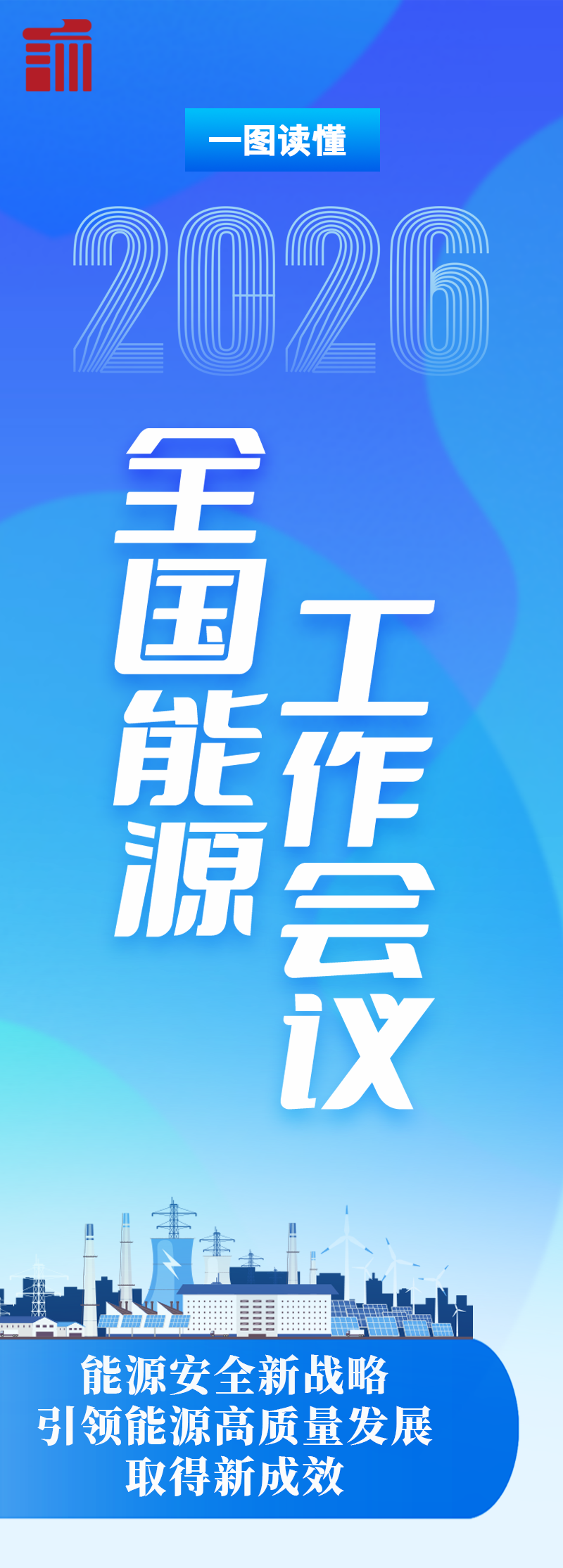
2026年全国能源工作会议:前瞻布局未来能源产业,目标全年新增风光装机2亿千瓦以上
Xin Lang Cai Jing· 2025-12-16 14:04
(来源:江苏省可再生能源行业协会) 12月15日,2026年全国能源工作会议在北京召开。会议明确,以2030年初步建成新型能源体系、2035年基本建成能源强国为主线,为社会主义现代化强国 建设提供更强有力的能源支撑。 会议部署了2026年能源工作重点任务。 一是高质量高标准编制实施"十五五"能源规划。全力抓好规划编制和衔接,增强能源规划的科学性、预见性和主动性,推动形成全国能源规划一盘棋。以 重大项目带动能源规划落地实施,细化时间表、路线图、优先序,强化年度计划和调度。 二是推动实现更高水平能源安全保障。夯实煤炭供应保障基础,提升电力保供水平,增强油气生产供应能力,优化能源骨干通道布局,提升能源基础设施 本质安全水平。 三是扎实推进能源绿色低碳转型。持续提高新能源供给比重,全年新增风电、太阳能发电装机2亿千瓦以上,有序推进重大水电项目,积极安全有序发展 核电,加强化石能源清洁高效利用。 四是加快推进能源科技自立自强。组织开展"人工智能+"能源融合试点和"人工智能+"能源标准化提升行动,扎实推进智能电网重大专项等能源重大技术装 备攻关,前瞻布局氢能、核能等未来能源产业。 五是全力保障民生和企业多元化用能需求。强 ...