经济衰退

Search documents
财新周刊-第12期2025
2025-03-31 02:41
Summary of Key Points from the Conference Call Industry or Company Involved - The discussion primarily revolves around the **U.S. economy** and the impact of **Trump's economic policies** on various sectors, including manufacturing and consumer confidence. Core Points and Arguments 1. **Stock Market Performance**: Following Trump's inauguration, the U.S. stock market experienced significant declines, with the S&P 500 index dropping by 10.5% and the Nasdaq composite index falling by 14.3% from its peak [4][5]. 2. **Consumer Confidence Decline**: Consumer confidence has sharply decreased, with the University of Michigan's consumer confidence index falling to 57.9, a decline of 11% month-over-month and 27% year-over-year [5]. The Conference Board's consumer confidence index also showed a downward trend, recording 92.9, marking four consecutive months of decline [5]. 3. **Manufacturing Sector Weakness**: The manufacturing PMI fell back into contraction territory, attributed to rising material costs due to tariffs [6]. Although the services PMI improved, service producers' confidence in future prospects dropped to its second-lowest level since 2022 [7]. 4. **Economic Growth Forecasts**: The Federal Reserve's median GDP growth forecast for Q4 2025 was downgraded to 1.7% from a previous estimate of 2.1% [8]. The core PCE price index forecast was raised from 2.5% to 2.8%, complicating monetary policy decisions [8]. 5. **Trade Deficit Impact**: The U.S. trade deficit widened to $131.4 billion in January, a 34% increase month-over-month, negatively impacting GDP growth forecasts [10]. The Atlanta Fed's GDPNow model projected a 2.4% decline in Q1 GDP following this data release [10]. 6. **Long-term Economic Outlook**: Analysts predict a significant slowdown in U.S. economic growth, with estimates dropping from nearly 3% to around 1.5% over the next few years [12]. The uncertainty surrounding Trump's policies is expected to weigh on economic activity [13]. 7. **Government Spending Cuts**: The Trump administration has initiated substantial cuts to government spending, claiming to save taxpayers $115 billion, but these measures may not significantly reduce the federal deficit [17][24]. 8. **Tariff Policies**: Trump's administration has implemented aggressive tariff policies, raising average tariff rates from 2.5% to 8.4%, the highest level since 1946 [27]. This has sparked trade tensions with major partners like Canada, the EU, and China [27][31]. 9. **Global Trade War**: The U.S. is engaged in a trade war that could have negative repercussions for global economic growth, particularly affecting countries like Mexico and Canada [29][31]. The OECD forecasts a decline in global growth rates due to increased trade barriers [31]. 10. **Investor Sentiment**: The uncertainty surrounding tariffs and trade policies has led to a decrease in foreign direct investment in the U.S., with an estimated reduction of $40 billion annually due to heightened trade policy uncertainty [39]. Other Important but Possibly Overlooked Content 1. **Consumer Spending Trends**: Despite a decline in consumer confidence, consumer spending remained robust, influenced by strong performance during the previous shopping season [7]. 2. **Employment Market Resilience**: The job market has not yet shown signs of significant distress, with unemployment claims not spiking, indicating a lag in the impact of policy changes on employment [7]. 3. **Potential for Future Tax Cuts**: There is speculation about the possibility of new tax cuts being introduced, but their effectiveness in stimulating the economy remains uncertain [15][16]. 4. **Impact of Immigration Policies**: The administration's immigration policies, including the deportation of undocumented immigrants, have raised concerns about potential labor market tightness, although current deportation rates are lower than during the previous administration [22][23]. 5. **Long-term Economic Strategy**: The Trump administration's long-term economic strategy appears to focus on reducing the federal deficit through spending cuts and tax reforms, but the feasibility of these measures in the face of rising entitlement spending remains questionable [23][25].
【申万宏源策略】特朗普关税即将落地,全球权益回调,商品多数上涨——全球资产配置每周聚焦 (20250321-20250329)
申万宏源研究· 2025-03-31 02:36
以下文章来源于申万宏源策略 ,作者全球资产配置团队 特朗普关税即将落地,全球权益回调,商品多数上涨 ——全球资产配置每周聚焦 (20250321-20250329) 金倩婧/冯晓宇/林遵东/涂锦文/王胜 本期投资提示: 申万宏源策略 . 我们强调体系性、实战性 全球资产估值方面:本周(20250321-20250328),全球股市ERP方面,本周A股,A股的ERP分位 数有所回升。 全球股市ERP方面,A股资产ERP性价比较高,本周的中国资产的ERP历史分位数 上升,恒生指数和恒生国企的ERP历史分位数分别为14%和13%,处在较低的位置,标普500和 纳斯达克的ERP分位数保持基本稳定,当前ERP分位数最低的欧洲Stoxx600和道琼斯指数, 全 球资产风险调整后收益分位数上,近十年维度上 ,纳斯达克100、标普500和日经225的动态风 险调整后收益在50%分位以下继续下跌,恒生指数动态风险调整收益略微回调至89%,沪深300 风险调整收益分位数从76%回升至80%基本稳定;商品方面,贵金属的风险调整收益分位数维 持96%的高位。 全球资产风险指标:美股散户看多比例小幅上升但仍处低位,A股期权定价依然乐观 ...


全球股市重挫:特朗普威胁言论引发市场恐慌
Jin Rong Jie· 2025-03-31 02:08
近期,全球股市普遍遭遇重挫,市场情绪因美国总统特朗普的威胁言论而陷入恐慌。3月31日,亚太市 场开盘后,日经225指数一度大跌4%,韩国KOSPI指数跌幅扩大至2.4%,创下2月10日以来的最低水 平。与此同时,纳指期货跌超3%,显示出全球投资者对市场前景的担忧。 特朗普威胁言论加剧市场不确定性 特朗普在3月30日接受美国全国广播公司电话采访时,就伊朗核问题和俄罗斯石油出口发表了强硬言 论。他威胁称,如果伊朗不与美国就其核问题达成协议,美国将对伊朗进行轰炸,并对其相关产品征 收"二级关税"。此外,特朗普还表示,如果俄罗斯未能促成俄乌停火协议,美国将对俄罗斯石油买家征 收25%至50%的关税。这些言论引发了市场对地缘政治紧张局势升级的担忧,进一步加剧了全球股市的 波动。 美股表现疲软,科技股领跌 作者:观察君 上周,美国三大股指全线下跌,纳斯达克指数累计跌2.59%,道琼斯指数累计跌0.96%,标普500指数全 周累计下跌1.53%。科技股成为重灾区,英伟达累计跌6.82%,Meta下跌3.27%,微软下跌3.18%,亚马 逊下跌1.78%,苹果下跌0.17%,谷歌A则下跌5.89%。市场对特朗普关税政策的担忧 ...
美股“黑色星期五”,比通胀指标“双杀”更可怕的是……
凤凰网财经· 2025-03-29 14:11
来源|财联社 可以说,自2月中旬创下历史新高以来,标普500指数就一直承压。加上周五的跌幅,这一美国基准股指已经从2月19日的历史最高收盘点位下跌了 约9%。以科技股为代表的纳斯达克指数更是从去年12月16日的历史最高收盘点位下跌了约14%。 在一季度的倒数第二个交易日,美股市场遭遇了年内以来的第二大单日跌幅。由于有迹象表明消费者信心和支出正在下降,人们再度担心一系列关税 将引发通胀,风险资产在本周五集体受到了重创…… 行情数据显示,标普500指数周五收盘下跌了近2%,年内迄今只有3月10日那个"黑色星期一"的跌幅比昨夜更大。 而纳斯达克综合指数遭遇的抛售 则更为严重,隔夜跌幅达到了2.7%。根据Bespoke Investment Group的数据显示,纳指3月迄今已经有多达第五次下跌至少2%,这是自2022年6 月以来单月跌幅最大的一个月。 美股的持续走软,很大程度上要归因于美国总统特朗普关税政策所带来的巨大不确定性。近几周,随着有迹象表明定于4月2日实施的关税不会像威胁 的那样深入或广泛,市场的抛售曾一度有所缓解。 但昨日最新发布的几组数据却又表明,有鉴于特朗普总统的关税政策不断扩大,消费者越来越担心增 ...
一个「女生潮牌」宣布破产
36氪· 2025-03-28 00:08
Core Viewpoint - Forever 21, a fast-fashion women's clothing brand, has filed for bankruptcy for the second time, highlighting the challenges faced by traditional retail in the face of e-commerce competition and changing consumer behavior [4][11][15]. Company Overview - Forever 21 was founded in 1984 by Korean-American couple Do Won Chang and Jin Sook Chang, initially opening a small store in San Francisco with a focus on affordable fashion for young women [7][9]. - At its peak, Forever 21 operated over 800 stores globally, including a prominent location on Nanjing East Road in Shanghai [4][9]. - The brand's revenue exceeded $4 billion by 2015, with ambitions to reach $8 billion by 2017 [10]. Decline Factors - The rise of e-commerce platforms like SHEIN and Temu, coupled with declining foot traffic in U.S. malls, contributed to Forever 21's struggles [5][11]. - The company's failure to adapt to the digital retail landscape and its aggressive physical expansion led to unsustainable costs and ultimately its first bankruptcy filing in 2019 [11][14]. - Despite a brief recovery after being acquired by a consortium in 2020, Forever 21 faced renewed challenges, leading to its second bankruptcy filing in 2023 [13][14]. Financial Situation - As of the latest filing, Forever 21's estimated liabilities range from $1 billion to $10 billion, while its assets are estimated between $100 million and $500 million [15]. - The brand's decline reflects broader trends in the retail sector, where many companies are struggling under the pressures of inflation and changing consumer spending habits [15][18]. Industry Context - The U.S. bankruptcy rate has reached its highest level since the global financial crisis, with significant impacts on sectors like retail, healthcare, and automotive [18]. - The economic environment, characterized by high inflation and rising interest rates, has led to increased financial strain on many businesses, including those in the fast-fashion sector [19][20].

今夜!全线大涨,A50直线拉升!
券商中国· 2025-03-27 14:40
Group 1 - Chinese assets showed strong performance against the backdrop of a narrow fluctuation in US stocks, with the FTSE China A50 index futures rising sharply and the Nasdaq China Golden Dragon Index increasing by over 2% [1][4] - Popular Chinese concept stocks saw significant gains, with iQIYI rising over 8% and Alibaba and JD.com increasing by over 3% [4][3] - The US stock market experienced a rebound after initially declining, with major indices like the Dow Jones and Nasdaq showing slight increases [4][2] Group 2 - Recent macroeconomic data from the US indicated a stronger-than-expected GDP growth rate of 2.4% for Q4 2024, surpassing previous estimates [2][5] - The core Personal Consumption Expenditures (PCE) price index was revised down to 2.6%, reflecting a potential shift in inflation expectations [4][5] - Corporate profits also showed positive trends, with a 5.9% increase in after-tax profits for Q4, marking the largest growth in over two years [5][8] Group 3 - Analysts warn of potential economic slowdown in the US for 2025, driven by cautious consumer and business sentiment towards the Trump administration's economic policies [2][8] - Deutsche Bank's report highlighted various tariff scenarios and their potential impacts on the US economy, indicating that aggressive tariff policies could lead to recession risks [9][10] - The report suggested that if economic conditions worsen significantly, the Federal Reserve may need to adopt unconventional policy measures to prevent deeper recession [10]

签了!特朗普:永久25%关税
21世纪经济报道· 2025-03-26 23:22
Core Viewpoint - The article discusses the implications of President Trump's decision to impose a 25% tariff on all imported cars, which is seen as a significant escalation in the trade war and could disrupt operations for major automotive brands from countries like Japan, Germany, and South Korea, as well as North American car manufacturers reliant on integrated supply chains [2][10]. Group 1: Tariff Impact - The 25% tariff on imported cars will take effect on April 2, and it is stated that this tariff will be permanent [1][2]. - The total value of cars and light trucks imported to the U.S. last year exceeded $240 billion, indicating that the tariff could lead to increased domestic car prices and heightened inflation concerns among U.S. consumers [2][3]. - A study indicated that imposing tariffs on cars from Canada and Mexico could increase the production cost of a crossover vehicle by approximately $4,000, while the cost of U.S.-made electric vehicles could rise by about $12,000 [3]. Group 2: Market Reaction - Following the announcement of the tariffs, U.S. stock markets experienced a significant drop, particularly in technology stocks, with the Nasdaq seeing a decline of over 2% in a single day [6]. - Major tech companies faced substantial losses, with Nvidia down 5.74%, Tesla down 5.58%, and Apple down 0.99% among others [8][9]. Group 3: Economic Outlook - Analysts have expressed concerns that the uncertainty surrounding Trump's policies is increasing the likelihood of a recession in the U.S., with several Wall Street investment banks lowering their growth forecasts [10][11]. - Stephen Roach, a senior researcher, noted that the unpredictability of Trump's trade policies could freeze capital expenditures and industrial production, further dragging down the economy [10][11]. - Roach criticized the idea of forcing supply chains back to the U.S. as unrealistic, highlighting the complexity and high costs associated with global supply chains [11].
宁证期货今日早评-2025-03-26
Ning Zheng Qi Huo· 2025-03-26 02:01
Report Summary 1. Industry Investment Ratings No industry investment ratings are provided in the report. 2. Core Views - The geopolitical situation and sanctions were the main drivers of the previous crude oil rebound. The overnight Russia-Ukraine war negotiation eased the pressure on oil supply, but the risks of economic recession and weak demand have not been eliminated. Short-term trading is recommended [1]. - The domestic soda ash market is stable, with prices firm, production and operation rates increasing, and downstream demand average. The 05 contract of soda ash is expected to fluctuate in the short term, and it is recommended to wait and see or conduct short-term long trades [2]. - The fundamentals of coke have been alleviated, but the demand outlook is poor, and there are still voices of a twelfth round of price cuts. The short-term futures market is expected to fluctuate [4]. - Steel prices may fluctuate strongly in the short term. Although the steel market has seen an increase in volume and price, the demand sustainability is insufficient [5]. - The national pig price is adjusting narrowly. It is recommended to conduct short-term long trades on near-month contracts and lay out long positions on the LH2509 contract in the medium and long term [5]. - The price of palm oil is expected to fluctuate weakly in the short term. Attention should be paid to international biodiesel policies, high-frequency supply and demand data from the origin, and domestic inventory changes [6]. - The price of PTA may fluctuate in the short term. It is recommended to reduce long positions and conduct short-term trades [7]. - The 05 contract of methanol is expected to fluctuate in the short term. It is recommended to wait and see or conduct short-term long trades [8]. 3. Summary by Variety Crude Oil - As of the week ending March 21, 2025, US commercial crude oil inventories decreased by 4.6 million barrels, gasoline inventories decreased by 3.3 million barrels, and distillate inventories decreased by 1.3 million barrels [1]. - The Russia-US talks achieved five main results, which eased the pressure on oil supply [1]. - In April, OPEC+ will gradually withdraw from voluntary production cuts, and Trump's tariff measures may impact the market again [1]. Soda Ash - The mainstream price of heavy soda ash in China is 1,510 yuan/ton, and the operation rate is 85.3%, a 2.8% increase from the previous day [2]. - The total inventory of soda ash manufacturers is 1.6878 million tons, a 2.73% decrease from the previous period [2]. - The operation rate of float glass is 75.76%, a 0.34% decrease from the previous week [2]. Coke - The daily output of coke from 247 steel mills increased by 0.14 to 47.42, and the capacity utilization rate increased by 0.26% to 87.46% [4]. - Coke inventories decreased by 15.58 to 662.83, and the available days decreased by 0.79 to 12.84 days [4]. - The eleventh round of price cuts has been implemented, and there are still voices of a twelfth round of price cuts [4]. Rebar - On March 25, the domestic building materials market prices continued to rise, and the plate market prices were mixed [5]. - The average price of rebar in major cities across the country was 3,382 yuan/ton, a 17 yuan/ton increase from the previous trading day [5]. - The steel market has seen an increase in volume and price, but the demand sustainability is insufficient [5]. Pig - On March 25, the average price of pork in the national agricultural product wholesale market was 20.68 yuan/kg, a 1.8% decrease from the previous day [5]. - The national pig price is adjusting narrowly, and it is recommended to conduct short-term long trades on near-month contracts and lay out long positions on the LH2509 contract in the medium and long term [5]. Palm Oil - From March 1 - 25, the export volume of Malaysian palm oil decreased by 8.08% and 8.74% respectively [6]. - From March 1 - 20, the production of Malaysian palm oil increased by 9.48% month-on-month [6]. - The price of palm oil is expected to fluctuate weakly in the short term [6]. PTA - The current CFR price of PX is 844 US dollars/ton, and the PX - N is 204 US dollars/ton [7]. - The polyester operation rate increased by 2.6% to 91.5%, and the comprehensive operation rate of Jiangsu and Zhejiang looms decreased by 1% to 73.0% [7]. - The price of PTA may fluctuate in the short term, and it is recommended to reduce long positions and conduct short-term trades [7]. Methanol - The weekly signing volume of methanol sample production enterprises in the northwest region was 63,500 tons, a decrease of 3,300 tons from the previous week [8]. - The market price of methanol in Jiangsu Taicang was 2,677 yuan/ton, a decrease of 43 yuan/ton [8]. - The 05 contract of methanol is expected to fluctuate in the short term, and it is recommended to wait and see or conduct short-term long trades [8].
LSEG跟“宗” :坊间普遍认为金价需要时间消化整固 提防市场忽略的大黑天鹅
Refinitiv路孚特· 2025-03-26 01:06
Core Viewpoint - The article discusses the current state of the gold and silver markets, highlighting the impact of geopolitical tensions and monetary policy on precious metal prices. It emphasizes the importance of monitoring the Federal Reserve's decisions and market sentiment towards gold and silver as potential investment opportunities. Group 1: Market Sentiment and Price Movements - The U.S. stock market is experiencing a dead cat bounce, with potential rebounds that could reduce earlier losses by half before another decline [2] - The market anticipates the Federal Reserve will cut interest rates again in June, making their stance crucial for financial markets [2][26] - Gold prices in China and India have diverged from international prices, indicating lower demand as prices rise [2][28] Group 2: Fund Positioning in Precious Metals - As of March 18, net long positions in U.S. gold futures increased by 9.9% to 623 tons, marking the highest level since September 2019 [3][7] - Silver futures saw a 14% increase in net long positions, reaching 7,721 tons, the highest in 264 weeks [7] - Platinum funds also saw a rise in net long positions, increasing from 5 tons to 23 tons [7][10] Group 3: Economic Indicators and Predictions - The article predicts that if the U.S. economy continues to deteriorate, the Federal Reserve may face pressure to cut rates more than currently expected [24][30] - The gold/silver ratio has increased to 91.5, indicating heightened market fear and a preference for gold over silver [22] - The article suggests that the upcoming months will be critical for the Federal Reserve's decisions, especially if economic conditions worsen [31] Group 4: Geopolitical Risks and Market Dynamics - The article highlights the potential for increased geopolitical risks over the next two years, particularly due to deteriorating U.S.-China relations [2][28] - It notes that Trump's approach to tariffs and interest rates could create volatility in the dollar and impact gold prices [28][30] - The article emphasizes the need for investors to be cautious, especially if gold prices rise while mining stocks decline [20]

数据不断预警!美国消费者信心跌至四年来最低水平
Jin Shi Shu Ju· 2025-03-25 14:58
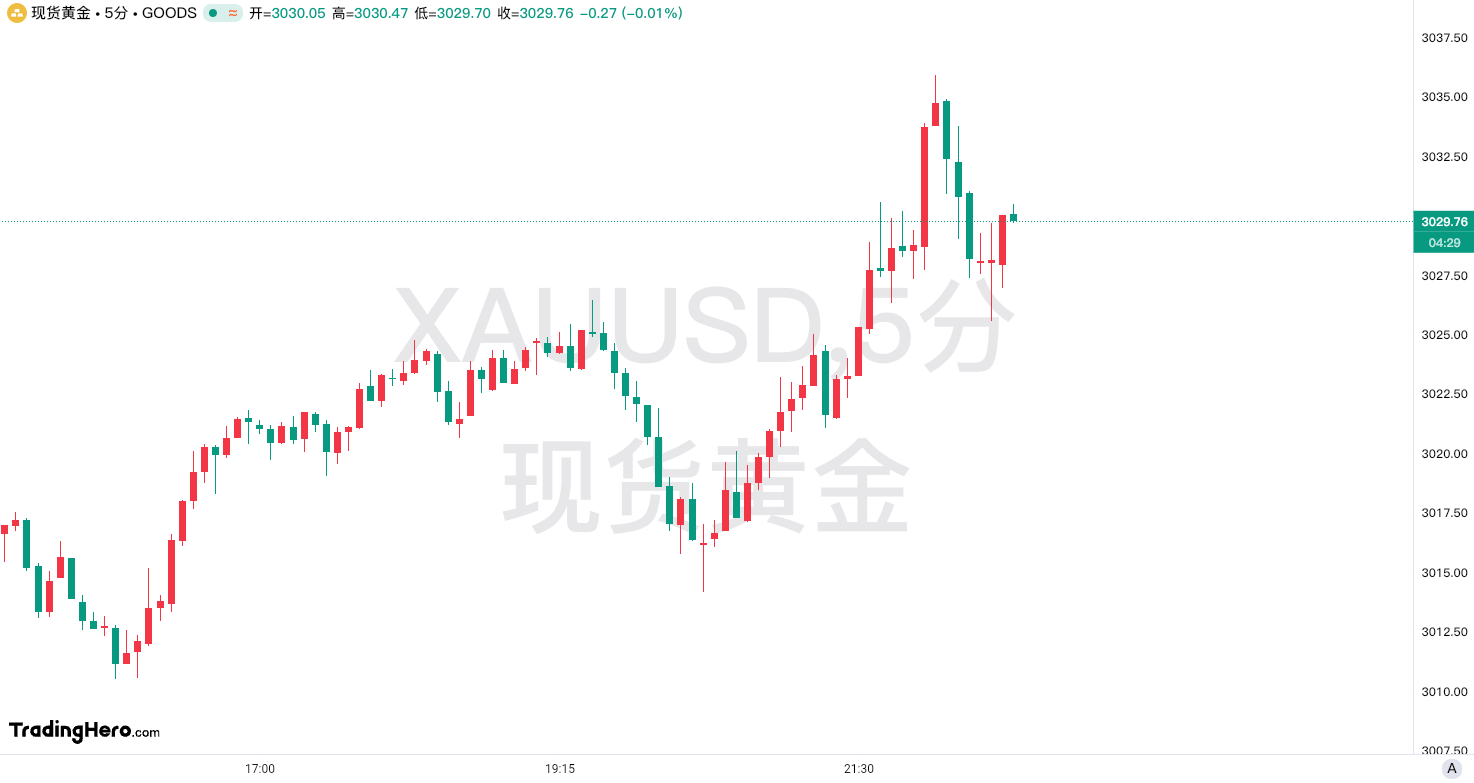
数据不断预警!美国消费者信心跌至四年来最低水平 由于担心特朗普政府不断升级的关税会导致物价上涨和经济前景不明朗,美国消费者信心在3月份降至四年来的最低水平。 周二公布的数据显示,谘商会(Conference Board)的消费者信心指数下降7.2点,至92.9。对未来六个月的预期指数下降近10点,至65.2,为12年来的最低 水平,而对当前状况的评估指数降幅较小。 数据公布后,黄金短线小幅走高,随后又回落至3030美元附近。随着不断升级的贸易战引发市场避险需求,黄金今年已上涨15%。 CPM Group管理合伙人Jeffrey Christian表示,"投资者担心全球形势,尤其是美国的政策,因此他们买入黄金作为另类资产,因为他们担心美国政府可能将 世界推入全球衰退," 美国消费者对未来一年的通胀预期升至两年来的最高水平。密歇根大学调查中的一项类似指标在3月初升至2022年以来的最高水平。 尽管情绪指数以及企业和房屋建筑商调查等其他"软数据"近几周明显低迷,但政府统计数据中的"硬数据"表明,经济基础稳固。失业率仍然很低,制造业活 动在2月份有所回升,而另一份报告显示,上个月通胀有所缓解。 谘商会高级经济学家St ...