去美元化

Search documents
“大炮一响,黄金万两”,这次不灵了?黄金为什么跌?机构最新研判
券商中国· 2026-03-22 01:23
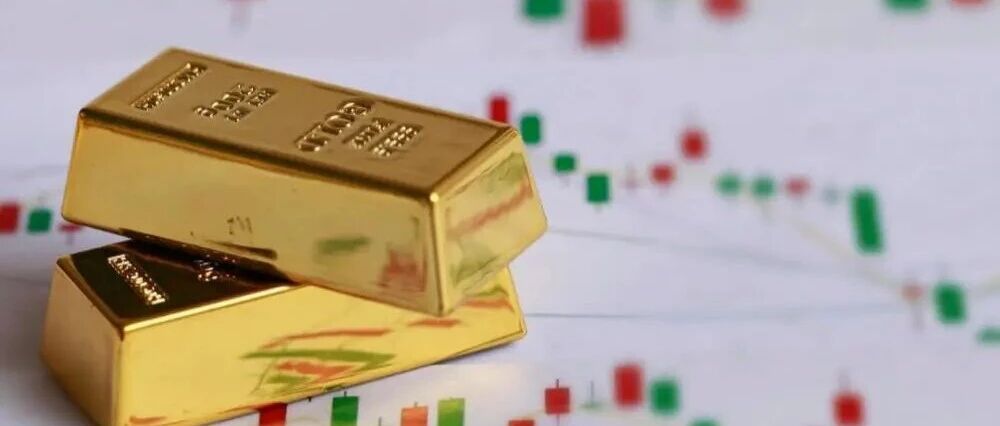
"大炮一响,黄金万两。"美伊冲突以来,这句话似乎已经失效。伦敦金现货价格冲突以来已经下跌了将近 10%,最低跌到了4502美元/盎司,4500美元的关口一度岌岌可危。 机构认为,从当前驱动看,黄金走势的核心在于能源价格上行对利率预期的再约束。随着中东冲突持续,原油 价格维持高位运行,市场对通胀回落路径的判断趋于谨慎,进而削弱对降息的定价,推动美元阶段性走强,对 黄金形成压制。 展望2026年,机构表示,美国财政赤字居高不下,在去美元化长期趋势持续(全球央行购金)背景下,金价长 期仍有上涨空间。不过,相比2025年,2026年美国利率周期边际变化和交易性力量的增加或提升黄金波动性, 需要加强战术择时。 黄金迎来持续调整 美伊冲突以来,黄金并没有和市场预期一样持续上行,反而迎来了大调整。 3月18日,伦敦金现价格下跌3.86%至4813.53美元/盎司,3月19日再度大幅下跌3.39%至4650.50美元/盎司,盘 中一度跌至4500美元/盎司左右。3月20日,虽然黄金有所反弹,但是月内调整幅度仍超过10%。 信达期货指出,从当前驱动看,黄金走势的核心在于能源价格上行对利率预期的再约束。随着中东冲突持续, 原油价 ...

黄金、白银暴跌,遭全球抛售
中国能源报· 2026-03-20 05:34
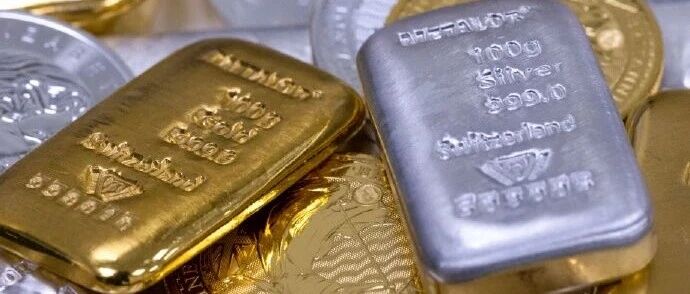
Core Viewpoint - The global sell-off of assets has led to a significant drop in gold and silver prices, driven by inflation risks prompting central banks to end monetary easing and potentially restart tightening measures [2]. Group 1: Price Movements - As of March 19, the price of gold for April delivery fell to $4605.70 per ounce, a decrease of 5.93%, while silver for May delivery dropped to $71.215 per ounce, down 8.22% [2]. - Analysts attribute the volatility in gold and silver prices to previous significant gains, which led to profit-taking by investors following negative news [2]. Group 2: Economic Indicators - The U.S. Labor Department reported a decrease of 8,000 in initial jobless claims for the week ending March 14, bringing the total to 205,000, the lowest level since January of the previous year [3]. - A sharp sell-off in the U.S. Treasury market has pushed yields higher, reducing expectations for interest rate cuts by the Federal Reserve in 2026, which has negatively impacted precious metals [3]. Group 3: Geopolitical Factors - The ongoing geopolitical uncertainty in the Middle East is expected to prolong high oil prices, which, combined with weakening expectations for Fed rate cuts, exerts continuous downward pressure on precious metals [3][4]. - Analysts note that rising energy costs due to geopolitical tensions are creating inflationary pressures that are detrimental to gold prices [4]. Group 4: Market Outlook - The future trajectory of precious metals is largely dependent on the intensity and duration of the Middle East conflict, with analysts suggesting that gold remains under pressure in a strong dollar and high oil price environment [5]. - Despite geopolitical risks, the market's focus remains on the potential for military conflict to disrupt oil supplies, which could lead to renewed interest in gold as a hedge against inflation [5]. Group 5: Long-term Investment Perspective - Long-term, the allocation value of gold remains intact, with expectations that central banks will continue to purchase gold amid global geopolitical uncertainties and rising U.S. debt [6]. - Wells Fargo projects a year-end target price for gold between $6100 and $6300 per ounce, citing structural support from ongoing central bank purchases and the gradual dilution of the dollar's long-term credit [6].
西部证券晨会纪要-20260320
Western Securities· 2026-03-20 02:56
Group 1: Fixed Income and Inflation Outlook - The inflation level in 2026 will be influenced by two main factors: domestic supply abundance leading to stable consumer prices, and increased global inflation risks due to heightened geopolitical tensions in the Middle East [1][5][6] - The CPI growth rate is expected to continue a moderate recovery, with a projected annual CPI central tendency around 0.8% for 2026, influenced by a relatively low base in 2025 [6][5] - The PPI is anticipated to turn positive earlier than expected, potentially in Q2, driven by oil price increases, with a projected PPI central tendency around 1.07% for 2026 [7][5] Group 2: Investment Strategy and Market Signals - In the context of the US-Iran conflict, the trend of de-dollarization is noted, with a strong dollar impacting gold prices; however, long-term upward potential for gold remains [10][16] - The report suggests focusing on gold buying opportunities at lower price levels, as well as on A-shares and Hong Kong stocks, which can effectively counter geopolitical uncertainties due to China's supply chain advantages [16][10] - Current industry focus includes sectors benefiting from the super cycle of commodities, particularly large-scale refining and agriculture [16][10] Group 3: US Policy and Midterm Election Implications - The upcoming US midterm elections are expected to influence Trump's policies, with a focus on economic and healthcare issues to regain young voters' confidence [18][19] - Trump's tariff policies are likely to ease, with an emphasis on healthcare, housing, and energy sectors to mitigate inflation, although the long-term effectiveness of these measures is uncertain [19][18] - Investment strategies for the midterm election year include focusing on gold, Latin America, and strategic metals, as geopolitical tensions may increase demand for these assets [20][18] Group 4: Computer Industry Developments - Xiaomi has launched three new models in the MiMo-V2 family, indicating advancements in AI capabilities and positioning within the competitive landscape [22][23] - The MiMo-V2-Pro model is highlighted for its significant parameter increase and efficiency, ranking eighth globally in comprehensive intelligence assessments [23][22] - The report notes price adjustments in AI computing services by major cloud providers, reflecting rising demand and supply chain costs, which may impact the overall market dynamics [24][27]
西南期货早间评论-20260320
Xi Nan Qi Huo· 2026-03-20 02:45
1. Report Industry Investment Ratings No relevant content provided. 2. Core Views of the Report - Overall, the market is affected by various factors such as geopolitical conflicts, policy changes, and supply - demand dynamics. Different sectors show different trends, and investors are advised to be cautious and make decisions based on specific market conditions [5][6][7] - For some sectors, there are short - term uncertainties and potential risks due to geopolitical conflicts, while others are influenced by supply - demand fundamentals and cost factors [9][13][15] 3. Summary by Directory 3.1 Fixed - Income (Treasury Bonds) - On the previous trading day, treasury bond futures closed higher across the board. The 30 - year, 10 - year, 5 - year, and 2 - year主力合约 rose by 0.10%, 0.07%, 0.06%, and 0.03% respectively [5] - The central bank conducted 130 billion yuan of 7 - day reverse repurchase operations, with a net withdrawal of 115 billion yuan on that day [5] - The central bank will continue to implement a moderately loose monetary policy. The market is expected to face some pressure, and caution is advised [6][7] 3.2 Equity Index - On the previous trading day, stock index futures showed mixed performance. The CSI 300, SSE 50, CSI 500, and CSI 1000 futures主力合约 fell by 1.31%, 1.29%, 2.37%, and 1.90% respectively [9] - The domestic economy is stable, but the recovery momentum is weak. Asset valuations are low, and there is room for repair. However, due to the high uncertainty of the Iran situation, market volatility is expected to increase, and it is recommended to wait on the sidelines [9] 3.3 Precious Metals - On the previous trading day, the gold主力合约 fell by 4.63%, and the silver主力合约 fell by 9.99% [11] - The "de - globalization" and "de - dollarization" trends are beneficial to the allocation and hedging value of gold. However, due to the high uncertainty of the Iran situation, market volatility is expected to increase, and it is recommended to wait on the sidelines [12][13] 3.4 Steel Products (Rebar and Hot - Rolled Coil) - On the previous trading day, rebar and hot - rolled coil futures fluctuated. In the short term, the Middle East conflict may affect sentiment, but has little impact on the actual supply - demand pattern. In the medium term, prices are dominated by industry supply - demand logic. Rebar prices may rebound, but the space may be limited. It is recommended that investors pay attention to low - level long - position opportunities and manage positions [15] 3.5 Iron Ore - On the previous trading day, iron ore futures fluctuated. In the short term, the Middle East conflict may affect sentiment, but has little impact on the actual supply - demand pattern. With the end of key meetings, iron ore demand may increase, but the effect may be limited. It is recommended that investors pay attention to low - level long - position opportunities and manage positions [17][18] 3.6 Coking Coal and Coke - On the previous trading day, coking coal and coke futures declined slightly. In the short term, the Middle East conflict may affect sentiment, but has little impact on the actual supply - demand pattern. Coking coal supply may increase, and demand is weak. Coke supply is stable, and demand may increase. It is recommended that investors pay attention to low - level buying opportunities and manage positions [20] 3.7 Ferroalloys - On the previous trading day, the manganese silicon主力合约 rose by 0.10%, and the silicon iron主力合约 fell by 0.34%. The cost of ferroalloys is fluctuating upward, and the supply is still in a surplus state. After a rapid short - term price rebound, investors can consider taking profits on long positions [22][24] 3.8 Crude Oil - On the previous trading day, INE crude oil rose significantly due to the intensification of the US - Israel - Iran war. Speculators increased their net long positions in US crude oil futures and options. The number of US oil and gas rigs increased. However, Israel's decision not to attack Iranian energy facilities and the joint statement of six countries to escort the Strait of Hormuz led to a correction in crude oil prices. It is recommended to wait on the sidelines for the crude oil主力合约 [25][26][27] 3.9 Polyolefins - On the previous trading day, the prices of PP in Hangzhou and LLDPE in Yuyao rose. In the short term, polyolefins show a contraction trend. In the long term, the supply pressure will gradually increase, and the demand shows the characteristics of "rising production but cautious procurement". It is recommended to wait on the sidelines [28][29] 3.10 Synthetic Rubber - On the previous trading day, the synthetic rubber主力合约 rose by 1.17%. The cost support is weakening, and it is expected to maintain a strong - side shock pattern. Attention should be paid to the implementation of plant maintenance, crude oil price trends, and changes in tire export orders [30][31] 3.11 Natural Rubber - On the previous trading day, the natural rubber主力合约 fell by 2.51%, and the 20 - grade rubber主力合约 fell by 2.08%. The Middle East conflict increases the cost of synthetic rubber, strengthening the substitution demand for natural rubber. However, the expected new rubber supply and slow demand recovery limit the price increase. It is expected to show a wide - range shock pattern [33][35] 3.12 PVC - On the previous trading day, the PVC主力合约 rose by 0.39%. The short - term cost support is strong, and the price shows a strong - side shock pattern, but the upside is restricted by high inventory. Attention should be paid to the inventory accumulation rhythm and demand recovery strength in the medium term [36][37] 3.13 Urea - On the previous trading day, the urea主力合约 fell by 0.32%. The current market is facing high supply and policy constraints. The demand is weak, and the downward space is limited. Attention should be paid to the adjustment of export policies and the demand connection after April [38][39] 3.14 PX - On the previous trading day, the PX2605主力合约 fell. The PXN spread and short - process profit were slightly compressed. The supply is expected to be tight, and the downstream demand is gradually recovering. PX is expected to enter the de - stocking stage. However, due to the uncertainty of the geopolitical situation, the price may fluctuate and there is a risk of correction [40] 3.15 PTA - On the previous trading day, the PTA2605主力合约 fell. The processing fee was adjusted, and the downstream demand was weak. The price is mainly affected by the cost side. Due to the uncertainty of the geopolitical situation, it is recommended to operate with caution [41] 3.16 Ethylene Glycol - On the previous trading day, the ethylene glycol主力合约 rose. The supply decreased slightly, and the inventory decreased. The short - term trend is stronger than other polyester varieties, but due to the uncertainty of the geopolitical situation, caution is needed [42] 3.17 Short - Fiber - On the previous trading day, the short - fiber 2606主力合约 rose slightly. The supply is gradually increasing, and the terminal demand is stable. The low inventory and strong cost may provide support. It is recommended to pay attention to the geopolitical situation, plant dynamics, and downstream factory resumption progress [43][44][45] 3.18 Bottle Chips - On the previous trading day, the bottle chips 2605主力合约 fell. The cost support weakened, and the polyester demand was weak. Due to the uncertainty of the Middle East situation, it is recommended to participate with caution [46] 3.19 Soda Ash - On the previous trading day, the soda ash主力 2605 fell. The supply is at a high level, the inventory is shrinking, and the downstream demand is weak. It is expected that the futures price will fluctuate and adjust, and the fluctuation range is expected to narrow [47][48] 3.20 Glass - On the previous trading day, the glass主力 2605 fell. The production line is shrinking, the inventory reduction speed is slowing down, and the downstream demand recovery is slow. The cost pressure is still there, and the futures price may fluctuate [49] 3.21 Caustic Soda - On the previous trading day, the caustic soda主力 2605 rose slightly. The supply decreased slightly, and the inventory decreased. The price of alumina is rising, and the demand for caustic soda is expected to be good. Attention should be paid to overseas plant dynamics, export orders, domestic inventory changes, and plant maintenance progress [50][51][52] 3.22 Pulp - On the previous trading day, the pulp主力 2605 rose. The port inventory is decreasing, and the downstream demand is weak. The market sentiment is expected to stabilize. The fluctuation risk of softwood pulp is relatively high, and hardwood pulp is relatively stable [53][54] 3.23 Lithium Carbonate - On the previous trading day, the lithium carbonate主力合约 fell. The global lithium resource supply - demand balance is being reshaped, and the supply is in a tight balance. The demand in the consumer end is improving, and the inventory is gradually decreasing. The price has short - term support, but the short - term fluctuation may increase [55] 3.24 Copper - On the previous trading day, the Shanghai copper主力合约 fell. The geopolitical conflict affects the market sentiment, and the supply pressure is large in the short term. However, the downstream demand is improving, which provides support for the price. The copper price is expected to run weakly [56][57][58] 3.25 Aluminum - On the previous trading day, the Shanghai aluminum主力合约 and the alumina主力合约 fell. The supply pressure of alumina is increasing, and the cost support is strengthening. The aluminum production in the Middle East is affected, and the domestic consumption is recovering. The aluminum price is in a phased correction [59][60] 3.26 Zinc - On the previous trading day, the Shanghai zinc主力合约 fell. The supply is increasing, and the demand is affected by the geopolitical conflict. The social inventory is increasing, and the zinc price is under pressure [61][62] 3.27 Lead - On the previous trading day, the Shanghai lead主力合约 fell. The production of primary lead is increasing, and the demand for lead - acid batteries is recovering. However, the geopolitical risk affects exports, and the lead price is under pressure [63][64] 3.28 Tin - On the previous trading day, the Shanghai tin主力合约 fell. The geopolitical conflict affects the price, and the supply is gradually easing. The demand in the emerging fields provides support, and the inventory is decreasing. The tin price has support below, but attention should be paid to the risk of price fluctuation [65][66] 3.29 Nickel - On the previous trading day, the Shanghai nickel futures主力合约 rose. The geopolitical conflict affects the price, and the nickel ore supply is expected to be tight. The downstream demand is weak, and the refined nickel is in a surplus state. Attention should be paid to Indonesian policies and macro - events [67] 3.30 Soybean Oil and Soybean Meal - On the previous trading day, the soybean meal main contract fell, and the soybean oil main contract rose. The Brazilian soybean harvest is approaching 60%, and the high oil price provides support. The domestic soybean supply may be tight in the short term and relatively loose in the medium term. It is recommended to wait and see [68][69] 3.31 Palm Oil - The Malaysian palm oil closed higher. The export volume increased, and the domestic inventory is at a relatively high level. It is recommended to consider reducing or closing long positions [70][71] 3.32 Rapeseed Meal and Rapeseed Oil - The Canadian rapeseed price rose. The domestic import policy has changed, and the inventory of rapeseed, rapeseed meal, and rapeseed oil shows different trends. It is recommended to wait and see [72][73] 3.33 Cotton - On the previous trading day, the domestic Zhengzhou cotton fell slightly. The global cotton production is expected to decrease in the new season, and the inventory is expected to decrease. The domestic supply is expected to be tight in the long term, and the cotton price is expected to run strongly in the long term [74][75][76] 3.34 Sugar - On the previous trading day, the domestic Zhengzhou sugar rebounded slightly. The foreign sugar production is lower than expected, and the domestic supply is sufficient. The increase in oil price will affect the sugar - making ratio in Brazil, and the long - term sugar price bottom is expected to rise [77][78] 3.35 Apple - On the previous trading day, the apple futures rose significantly. With the peak of Tomb - Sweeping Festival stocking, the demand is released, and the inventory is decreasing. The apple market is expected to run strongly [79] 3.36 Live Pigs - On the previous trading day, the live pig主力合约 fell. The supply is increasing, and the demand is weak. The price is expected to be weak. It is recommended to hold short positions [80][81] 3.37 Eggs - On the previous trading day, the egg主力合约 fell. The egg supply is expected to be at a high level in March, and the supply improvement in the far - month is worrying. It is recommended to hold short positions in the far - month lightly [82] 3.38 Corn and Corn Starch - On the previous trading day, the corn主力合约 rose slightly, and the corn starch主力合约 was flat. The domestic corn supply and demand are basically balanced. The demand for corn starch is improving, but the supply is abundant. It is recommended to pay attention to the opportunity of out - of - the - money put options when the price rises sharply [83][84][85] 3.39 Logs - On the previous trading day, the log主力 2605 rose. The supply of New Zealand logs is increasing, and the downstream demand is improving. The cost pressure is increasing, and the futures price is in a high - level shock. Attention should be paid to the external market quotation, shipping dynamics, and downstream consumption [86][87]
央行发声坚定维护金融市场平稳运行:申万期货早间评论-20260320
申银万国期货研究· 2026-03-20 00:45
Core Viewpoint - The central theme of the articles revolves around the Chinese central bank's commitment to maintaining stability in financial markets, alongside ongoing geopolitical tensions affecting global energy security and commodity prices [1][6][7]. Group 1: Financial Market Stability - The People's Bank of China (PBOC) has reiterated its intention to implement a moderately loose monetary policy, utilizing tools such as reserve requirement ratio cuts and government bond transactions to ensure ample liquidity and low financing costs [1][7]. - The PBOC aims to align monetary supply growth with economic growth and price level expectations, emphasizing the importance of financial services in key sectors like technology innovation and small to medium enterprises [7]. Group 2: Commodity Market Insights - Oil prices are expected to remain volatile due to ongoing geopolitical tensions in the Middle East, with the market pricing in current conflict levels without extreme escalations [2][14]. - Precious metals have experienced fluctuations, with initial declines due to rising oil prices and subsequent rebounds as market conditions evolve. Long-term trends for gold remain bullish due to factors like geopolitical risks and diversification of central bank reserves [2][18]. Group 3: Stock Market Dynamics - Stock indices have faced downward pressure from geopolitical disturbances, with significant trading volumes observed. The market is transitioning from a "expectation-driven" phase to a "profit-driven" phase as companies begin to report earnings [3][11]. - The financing balance in the stock market has seen an increase, indicating potential investor confidence in established industry leaders as earnings reports are released [3][11]. Group 4: Industry-Specific Developments - The pharmaceutical company Kunming Pharmaceutical Group reported a significant decline in revenue and profits for 2025, attributed to complex external environments and internal transformation challenges [9]. - The agricultural sector is experiencing mixed signals, with Brazilian soybean production forecasts being adjusted downward despite overall expectations of increased yields [25]. Group 5: Global Economic Indicators - Recent economic indicators show a rebound in major metrics such as industrial output and fixed asset investment, suggesting a positive start to the year for the national economy [12]. - The U.S. Federal Reserve's decision to maintain interest rates and its inflation outlook are influencing market expectations, particularly in the commodities sector [12][18].

美伊冲突:“石油美元”黄昏
Western Securities· 2026-03-19 11:53
Core Conclusions - Since the end of February, the conflict between the US and Iran has led to a significant increase in oil prices, while the dollar has strengthened against gold, indicating a potential shift in the perception of the dollar as a safe-haven asset. The Trump administration is attempting to reshape the "petrodollar" system to enhance the credibility of the dollar, but this may only provide temporary support and not reverse the medium-term weakening trend of the dollar [1]. Group 1: Restructuring the "Petrodollar" System - The US is attempting to reshape the "petrodollar" system as a necessary measure to boost confidence before implementing quantitative easing (QE). This is driven by the need to manage a large fiscal deficit and the potential for increased issuance of US debt, which may approach a legal debt ceiling of $41.1 trillion [2]. - The Trump administration's military actions against oil-exporting countries like Venezuela and Iran aim to reinforce the dollar's position in oil trade by ensuring that oil transactions remain dollar-denominated, thereby supporting the "petrodollar" system [3]. Group 2: Challenges and Risks - The long-term viability of the "petrodollar" system is under threat, as military actions may inadvertently weaken the dollar's position. The blockade of the Strait of Hormuz has led to a decrease in dollar-denominated oil trade, which could undermine the credibility of the "petrodollar" system [4]. - The potential for prolonged military engagement could lead to increased federal spending, exacerbating the fiscal crisis and further damaging the dollar's credibility. Historical precedents, such as the Iraq War, suggest that military expenditures could rise by approximately 3% of federal spending [7]. Group 3: Market Implications - The current geopolitical tensions may lead to a temporary strengthening of the dollar, but the long-term trend suggests a weakening of dollar credibility, potentially accelerating the process of de-dollarization. This could create opportunities for gold as a long-term investment, despite short-term pressures [8]. - The report suggests that investors should focus on sectors benefiting from the commodity supercycle, such as refining and agriculture, while also considering the resilience of Chinese assets amid geopolitical uncertainties [8].

金价再度跌破4700美元
第一财经· 2026-03-19 11:10
2026.03. 19 GDP增速预期。 本文字数:1931,阅读时长大约3分钟 作者 | 第一财经 齐琦 美联储按兵不动、地缘冲突继续发酵,黄金价格大跳水。 北京时间3月19日14:20左右,伦敦黄金现货价格从每盎司4820美元上方掉头向下,最低下探4686 美元,较日内高点跌近4%。截至发稿报在每盎司4700美元下方,较前一交易日跌逾2%。 美国当地时间周三(18日),美联储释放偏鹰信号、市场降息预期降温,COMEX黄金期货当日收跌 3.68%,报4823.9美元/盎司。 交易人士认为,地缘冲突持续,避险买盘对黄金价格形成支撑,但美元走强、美联储偏鹰则形成压 制,黄金市场陷入多空拉锯。目前美元指数仍维持在100上方。摩根大通将当前局势描述为"地缘政 治担忧与美元强势反弹的碰撞",这种罕见局面使得预测黄金短期走势变得异常困难。 降息预期受挫,金价上演过山车 消息面上,北京时间19日凌晨,美联储宣布将联邦基金利率目标区间维持在3.50%~3.75%不变, 这是其今年以来连续两次暂停降息。同时,美联储还上调了今明两年PCE通胀、核心PCE通胀以及 受此影响,隔夜现货黄金价格从每盎司5000美元附近下挫至每盎司4 ...
跳水!8000亿矿茅重挫7%,全市场近5000只个股下跌!中东突传大消息!伊朗:战争已进入新阶段!
雪球· 2026-03-19 07:45
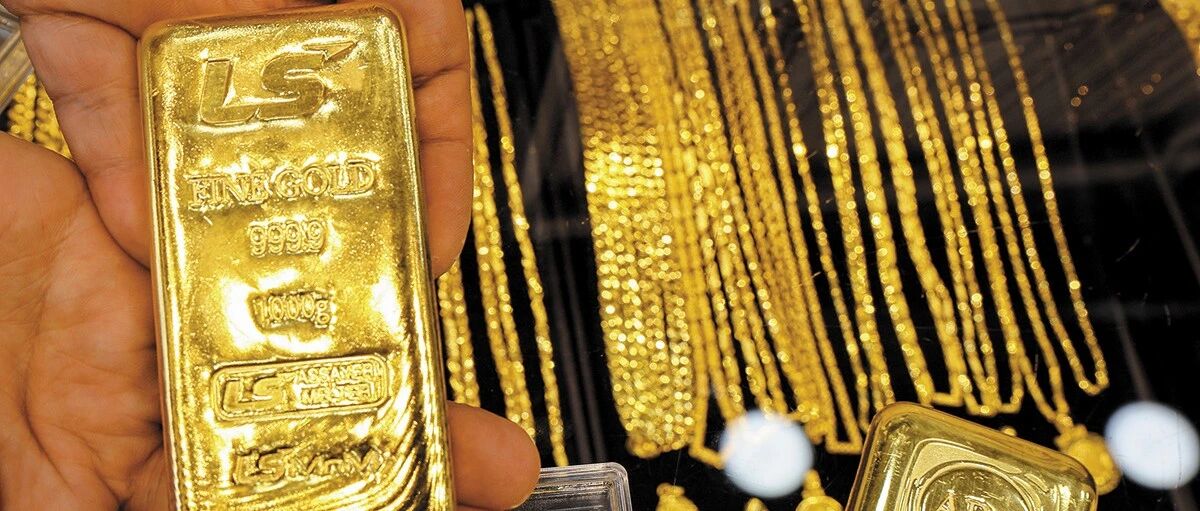
Market Overview - The A-share market experienced a significant decline, with the Shanghai Composite Index dropping 1.39%, the Shenzhen Component Index falling 2.02%, and the ChiNext Index decreasing by 1.11% [2] - The total trading volume in the Shanghai and Shenzhen markets reached 2.11 trillion yuan, an increase of 649 billion yuan compared to the previous trading day, with nearly 5,000 stocks declining [2] Oil and Gas Sector - The oil and gas sector saw a surge, with major state-owned oil companies collectively rising: China Petroleum increased by 5.23%, China National Offshore Oil Corporation rose by 5.86%, and China Petroleum & Chemical Corporation gained 2.61% [3] - Other notable gains included Shouhua Gas rising over 13%, and several companies like Blue Flame Holdings and Intercontinental Oil & Gas also showing significant increases [6][8] Geopolitical Impact on Oil Prices - Ongoing tensions in the Middle East have been affecting global capital markets, with reports of Iranian military actions targeting U.S.-related oil facilities [9][10] - As a result of these geopolitical conflicts, international crude oil prices have strengthened, with Brent crude exceeding $108 per barrel and WTI crude above $96 per barrel [14] Precious Metals Sector - The precious metals sector faced a downturn, with declines exceeding 5%, particularly in companies like Zhongjin Gold and Shandong Gold, which fell over 6% [15][16] - Gold futures in New York dropped below $4,800 per ounce, while Shanghai gold futures fell to around 1,060 yuan per gram [20] Hong Kong Market Performance - The Hong Kong market also showed weakness, with the Hang Seng Index dropping over 2%, and Tencent Holdings experiencing a significant decline of over 6% despite strong earnings reports [22][23] - Tencent's financial results included a revenue of 751.8 billion yuan (up 14%) and a net profit of 259.6 billion yuan (up 17%), but the stock price fell due to concerns over reduced stock buybacks and increased dividends [26][27]


贵金属数据日报-20260319
Guo Mao Qi Huo· 2026-03-19 06:59
Group 1: Report Industry Investment Rating - Not provided Group 2: Core Viewpoints of the Report - On March 18, the main contract of Shanghai gold futures closed down 0.79% to 1,116.2 yuan/gram, and the main contract of Shanghai silver futures closed down 1.19% to 20,308 yuan/kilogram [3]. - The attack by Israel on Iran's largest gas field and subsequent escalation of Middle - East geopolitical tensions, along with the large - than - expected increase in US PPI in February and market concerns about a further sharp rise in March, have weakened the Fed's rate - cut expectation this year, putting heavy pressure on precious metal prices [3]. - In the short term, the Middle - East geopolitical situation may not ease and has a risk of further escalation. The intensifying energy crisis may continue to impact the precious metal market, but the room for a further significant decline in precious metal prices is relatively limited. In the long run, with the probability of the Fed cutting rates this year, continuous global geopolitical uncertainties, and the US's huge debt promoting the de - dollarization wave, the allocation demand of global central banks, institutions, and residents is expected to continue, and the price center of precious metals still has room to rise. Long - term strategies can choose to gradually allocate long positions on dips recently [3]. Group 3: Summary by Relevant Catalogs 1. Price Tracking - **内外盘金银15点价格**: On March 18, 2026, London gold spot was $5,011.01/ounce, London silver spot was $79.84/ounce, COMEX gold was $5,015.40/ounce, COMEX silver was $80.00/ounce. Compared with March 17, the prices of gold remained almost unchanged, and silver dropped by 1.1%. For domestic contracts, AU2604 was 1,113.52 yuan/gram, AG2604 was 19,997 yuan/kilogram, AU (T + D) was 1,112 yuan/gram, and AG (T + D) was 19,948 yuan/kilogram, with decreases of 0.2% - 1.8% [3]. - **价差/比价跟踪**: On March 18, 2026, the gold ID - SHFE active price difference was - 1.52 yuan/gram, the silver ID - SHFE active price difference was - 49 yuan/kilogram. The gold internal - external price difference (TD - London) was 1.82 yuan/gram, and the silver internal - external price difference (TD - London) was - 35 yuan/kilogram. The SHFE gold - silver main contract ratio was 55.68, and the COMEX gold - silver main contract ratio was 62.70. Compared with March 17, the price difference and ratio had different degrees of changes, with the largest change in the silver ID - SHFE active price difference, a decrease of 63.2% [3]. 2. Position Data - As of March 17, 2026, the gold ETF - SPDR was 1,069.56 tons, a decrease of 0.11% compared with March 16. The silver ETF - SLV was 15,389.752 tons, an increase of 0.22%. For COMEX gold non - commercial positions, the long position was 215,445 contracts, an increase of 0.79%, the short position was 52,313 contracts, a decrease of 2.41%, and the net long position was 163,132 contracts, an increase of 1.87%. For COMEX silver non - commercial positions, the long position was 33,306 contracts, a decrease of 2.69%, the short position was 8,728 contracts, a decrease of 19.84%, and the net long position was 24,578 contracts, an increase of 5.31% [3]. 3. Inventory Data - On March 18, 2026, the SHFE gold inventory was 106,845 kilograms, an increase of 1.45% compared with March 17. The SHFE silver inventory was 346,920 kilograms, a decrease of 1.93%. On March 17, 2026, the COMEX gold inventory was 32,236,075 troy ounces, a decrease of 0.49% compared with March 16, and the COMEX silver inventory was 337,892,693 troy ounces, a decrease of 0.50% [3]. 4. Interest Rate/Exchange Rate/Stock Market - On March 18, 2026, the US dollar/Chinese yuan central parity rate was 6.89, a decrease of 0.08% compared with March 17. The US dollar index was 99.56, a decrease of 0.25% compared with March 16. The 2 - year US Treasury yield remained unchanged at 3.68%, the 10 - year US Treasury yield was 4.20%, a decrease of 0.71%. The VIX index was 22.37, a decrease of 4.85%. The S&P 500 index was 6,716.09, an increase of 0.25%. The NYMEX crude oil price was $96.02, an increase of 1.91% [3].
金饰克价一夜大跌55元,万国黄金集团重挫18%
21世纪经济报道· 2026-03-19 06:07
Core Viewpoint - The article discusses the recent volatility in the gold market, highlighting a significant drop in gold prices due to external factors such as geopolitical tensions and the U.S. Federal Reserve's monetary policy decisions [1][6][7]. Gold Price Movement - On March 19, the spot gold price experienced sharp fluctuations, hitting a low of $4803 per ounce before recovering slightly to $4835.04, marking a 0.45% increase [1]. - Domestic gold jewelry prices followed the international trend, with brands like Chow Sang Sang seeing a decrease in price from 1547 RMB to 1492 RMB per gram, a drop of 55 RMB [3]. Stock Market Impact - The A-share and Hong Kong stock markets for gold and jewelry sectors faced declines, with companies like Wan Guo Gold Group dropping nearly 18% and Zijin Gold International falling over 8% [3][4]. - A detailed table lists various companies and their respective price changes, indicating significant losses across the board, with Wan Guo Gold Group down 17.82% and Zijin Gold International down 8.48% [5]. Geopolitical and Economic Factors - The article notes rising geopolitical tensions in the Middle East, particularly threats from Iran, which have contributed to increased oil prices and inflation expectations [6][7]. - The U.S. Federal Reserve's decision to maintain interest rates between 3.5% and 3.75% has also influenced market sentiment, aligning with expectations but contributing to a stronger dollar, which pressures precious metal prices [6][7]. Long-term Outlook for Gold - Despite short-term pressures, institutions believe the long-term upward trend for gold remains intact due to ongoing geopolitical risks, inflation concerns, and a shift towards diversification of central bank reserves away from the dollar [8]. - Analysts suggest that the current geopolitical climate and inflationary pressures may lead to a delayed interest rate cut by the Federal Reserve, with potential easing not expected until 2026 [8]. - Historical trends indicate that gold prices tend to rise following geopolitical conflicts, and current valuations for leading companies in the gold sector are at historically low levels, suggesting potential for future growth [8].