品牌定位

Search documents
盈利警告!呷哺呷哺:预计半年净亏破亿,收入跌近两成
Xin Lang Cai Jing· 2025-08-04 10:18
Core Viewpoint - The company, Xiaobai Xiaobai, has issued a profit warning, projecting an 18.9% year-on-year decline in revenue for the first half of 2025, amounting to approximately 1.9 billion RMB, with net losses narrowing to between 80 million and 100 million RMB [2][3]. Financial Performance - For the first half of 2025, the company expects revenue of about 1.9 billion RMB, a decrease of 18.9% compared to the previous year, while net losses are projected to be between 80 million and 100 million RMB, a significant reduction from a loss of 274 million RMB in the same period last year [3]. - Cumulatively, from 2021 to 2024, the company has reported net losses of 293 million RMB, 353 million RMB, 199 million RMB, and 401 million RMB, totaling approximately 1.326 billion RMB in losses over the years [3][4]. Brand Performance - The high-end brand "Coucou," launched in 2016, has been a significant contributor to the company's losses, accounting for nearly 90% of the total losses in 2024, with a revenue drop of 26% to 1.948 billion RMB and a net loss of 353 million RMB [8]. - The average customer spending at the main brand has decreased from 142.3 RMB to 123.5 RMB, and the table turnover rate has dropped from 2 times to 1.6 times [9]. Market Position and Strategy - The company has faced challenges due to intensified competition in the restaurant industry and a decline in consumer spending, leading to a strategic shift that included closing underperforming stores and focusing on high-potential areas [3][4]. - The total number of restaurants has decreased from nearly 1,200 in 2021 to below 1,000 by the end of 2024, with a net reduction of 133 stores [5]. Stock Market Reaction - The company's stock price has plummeted to 0.77 HKD, categorizing it as a "penny stock" with a total market value of only 800 million HKD, representing a more than 90% decline from its peak [5][6]. Future Outlook - The company has initiated a transformation plan, including the "Fenghuan Chao" partner program, aiming to recruit new store partners and open 50 to 100 new partner stores annually [10]. - Despite the narrowing of losses in the first half of 2025, the company faces significant challenges in its recovery, with questions surrounding its ability to maintain capital and navigate industry changes [10].

盈利警告!呷哺呷哺:预计半年净亏破亿,收入跌近两成
新浪财经· 2025-08-04 09:38
Core Viewpoint - The company, Xia Bo Xia Bo, is facing significant financial challenges, with a projected revenue decline of 18.9% in the first half of 2025, leading to a net loss between 0.8 billion to 1 billion RMB, despite a reduction in losses compared to previous years [3][5][6]. Financial Performance - In the first half of 2025, Xia Bo Xia Bo expects revenue of approximately 19 billion RMB, down 18.9% year-on-year, while net losses are projected to narrow to between 0.8 billion and 1 billion RMB, a significant improvement from a loss of 2.74 billion RMB in the same period last year [5][6]. - Cumulatively, the company has incurred losses of approximately 13.26 billion RMB from 2021 to the first half of 2025, with annual losses of 2.93 billion, 3.53 billion, 1.99 billion, and 4.01 billion RMB from 2021 to 2024 [5][6]. Brand Performance - The high-end brand "Couchou," launched in 2016, has seen a revenue decline of 26% in 2024, with a net loss of 3.53 billion RMB, accounting for nearly 90% of the company's overall losses [10][12]. - Same-store sales for Xia Bo Xia Bo dropped by 23.3% in 2024, while Couchou's same-store sales fell by 32%, indicating a decline in both new store expansion and existing store profitability [6][10]. Market Position and Strategy - The company's stock price has plummeted to 0.77 HKD, categorizing it as a "penny stock," with a total market value of only 800 million HKD, representing a decline of over 90% from its peak [7][8]. - The company has initiated a "Phoenix Returns" partner program to recruit new store partners from within its workforce and the restaurant industry, aiming to open 50 to 100 new partner stores annually [12][13]. Operational Challenges - The company has faced challenges in maintaining a clear brand positioning, leading to a dilution of brand identity and a loss of customer loyalty [10][12]. - The aggressive expansion strategy from 2018 to 2021 resulted in a significant increase in store numbers, but also led to a decline in store quality and profitability, prompting a large-scale store closure plan starting in 2023 [6][10]. Future Outlook - Despite the narrowing of losses in the first half of 2025, the company still faces multiple challenges in its recovery, including the need for improved cost control, operational efficiency, and brand differentiation [12][13].
盈警!呷哺呷哺:预计半年净亏破亿,收入跌近两成
Xin Lang Cai Jing· 2025-08-04 09:20
Core Viewpoint - The company, Xiaobuxiang, known as the "first hot pot stock," has issued a profit warning, projecting an 18.9% year-on-year decline in revenue for the first half of 2025, amounting to approximately 1.9 billion yuan, with net losses narrowing to between 80 million and 100 million yuan [2][3]. Financial Performance - For the first half of 2025, Xiaobuxiang expects revenue of about 1.9 billion yuan, a decrease of 18.9% year-on-year, while net losses are projected to be between 80 million and 100 million yuan, a significant reduction from a loss of 274 million yuan in the same period last year, representing a narrowing of 63.2% to 70.5% [3]. - Cumulatively, from 2021 to 2024, the company has reported net losses of 293 million yuan, 353 million yuan, 199 million yuan, and 401 million yuan, totaling approximately 1.326 billion yuan in losses over the years [3][4]. Brand and Market Position - The high-end sub-brand "Coucou," launched in 2016, has been a significant contributor to losses, accounting for nearly 90% of the company's overall losses in 2024, with a revenue drop of 26% to 1.948 billion yuan and a net loss of 353 million yuan [8]. - The company's main brand, Xiaobuxiang, has struggled with a price increase strategy that has alienated both high-end and price-sensitive consumers, leading to a decline in customer attraction and operational efficiency [8][10]. Store Operations - The company has been undergoing a significant store reduction, with the total number of restaurants dropping to below 1,000 by the end of 2024, a net decrease of 133 stores from 2023 [5]. - Same-store sales have also declined, with a 23.3% drop for the Xiaobuxiang brand and a 32% drop for the Coucou brand in 2024, indicating weakened profitability of existing stores [5]. Market Response - Xiaobuxiang's stock price has plummeted to 0.77 HKD, categorizing it as a "penny stock" with a total market value of only 800 million HKD, representing a more than 90% decline from its peak [5][10]. - The company is at risk of being delisted if its stock price remains below 1 HKD, highlighting the precarious position it faces in the capital market [5]. Strategic Initiatives - In response to ongoing challenges, the company has initiated a "Phoenix Nest" partner program to recruit new store partners from within its workforce and the restaurant industry, aiming to open 50 to 100 new partner stores annually [10]. - The company plans to leverage digital transformation to enhance supply chain efficiency and service experience, while also focusing on product innovation and brand building to better connect with target customer groups [10].
白酒三巨头,江苏一哥消失了
36氪· 2025-08-03 13:41
Core Viewpoint - Yanghe, once a leading player in the Chinese liquor industry, is facing significant challenges, including declining revenue and profit, necessitating a strategic shift under new leadership to survive in a competitive market [4][6][50]. Group 1: Leadership Changes - Yanghe's former chairman, Zhang Liandong, resigned unexpectedly in July 2024, just a week after promoting a new product [4][6]. - Gu Yu, a 47-year-old local government official with no prior experience in liquor sales, was appointed as the new chairman [6][7][8]. Group 2: Financial Performance - In 2024, Yanghe's revenue fell by 12.83% to 28.876 billion yuan, and net profit dropped by 33.37% to 6.673 billion yuan [12][18]. - The company's market position deteriorated from third to fifth in the industry, with significant competition from Shanxi Fenjiu and Luzhou Laojiao [12][13]. Group 3: Market Challenges - Yanghe is grappling with high inventory levels, unclear brand positioning, and a breakdown of trust within its distribution channels [9][10]. - The average inventory turnover days surged to 898 days in 2024, indicating severe inventory management issues [9]. Group 4: Brand and Product Strategy - Yanghe's high-end product, "Dream Blue," has seen declining sales, with significant price drops observed in the market [21][26]. - The company has shifted focus to lower-priced products, launching a 59 yuan light bottle wine in collaboration with JD.com, which quickly gained popularity [27][30]. Group 5: Distribution and Channel Issues - Yanghe's distribution network is characterized by a high turnover rate of over 15%, indicating instability and a lack of strong relationships with distributors [38][40]. - The company has lost market share in its home province of Jiangsu, with revenue declining by 11.43% in 2024 [43][45]. Group 6: Strategic Missteps - Yanghe's failure to adapt to market changes and consumer preferences has led to a decline in its competitive edge [49]. - The company's past strategic decisions, such as underutilizing the acquired brand "Shuangou," have hindered its growth potential [49].


白酒三巨头,江苏一哥消失了
盐财经· 2025-08-01 10:11
Core Viewpoint - Jiangsu Yanghe, once a leading player in the Chinese liquor industry, is facing significant challenges following a leadership change and declining financial performance, prompting a strategic pivot towards lower-priced products to regain market share [2][4][22]. Group 1: Leadership Change - Yanghe's former chairman, Zhang Liandong, resigned unexpectedly in July 2024, just a week after promoting a new product that received mixed reviews [2][4]. - Gu Yu, a 47-year-old local official with no prior experience in liquor sales, was appointed as the new chairman, marking a significant shift in leadership [4][5]. Group 2: Financial Performance - In 2024, Yanghe's revenue fell by 12.83% to 28.876 billion yuan, and net profit dropped by 33.37% to 6.673 billion yuan, resulting in a decline in industry ranking from third to fifth [4][9][11]. - The first quarter of 2025 saw further declines, with net profit plummeting by 40% [4][15]. Group 3: Market Challenges - Yanghe is grappling with high inventory levels, unclear brand positioning, and a loss of trust among distributors, with inventory turnover days soaring to 898 days in 2024 [7][17]. - The company's core products, particularly the high-end "Dream Blue," are struggling to sell, and competition from brands like Jinshiyuan and Shanxi Fenjiu is intensifying [4][33]. Group 4: Strategic Shift - Yanghe has launched a new low-cost product, a 59 yuan light bottle liquor, in collaboration with JD.com, which quickly sold out, indicating a potential shift towards the mass market [22][24]. - The company aims to leverage its existing inventory of 700,000 tons of aged base liquor to support this new product line and reduce inventory pressure [7][24]. Group 5: Industry Context - The liquor industry is undergoing a significant transformation, with high-end liquor demand weakening and a shift towards value-driven products as consumers become more price-sensitive [25][26]. - Yanghe's challenges reflect broader industry trends, including increased competition and changing consumer preferences, necessitating a reevaluation of its market strategy [26][37].
山姆的“大众化”困境:消费者为何不满
Hu Xiu· 2025-07-31 06:44
Group 1 - The core issue for Sam's Club is a misunderstanding of consumer psychology and brand positioning, leading to a significant backlash from consumers [4][5][6] - Consumers are frustrated with the presence of common brands in Sam's Club, which they feel do not align with the premium image they expect from a membership-based store [2][3][13] - Sam's Club's partnerships with popular but lower-tier brands have damaged its brand equity, as consumers associate these brands with lower quality [6][13][18] Group 2 - Sam's Club generates over 100 billion yuan in revenue annually in China, indicating its strong market presence [20] - The company has historically relied on its ability to select high-quality products, which has contributed to its positive reputation among consumers [21][22] - The shift towards local partnerships with mainstream brands may be a strategic move to cater to the broader Chinese market, but it risks diluting the brand's premium image [25][30][50] Group 3 - The consumer base for Sam's Club in China is relatively small, with only about 10 million members, representing less than 1% of the population [37][39] - Many consumers who pay for membership expect access to high-quality products, not common brands that are easily available elsewhere [41][43] - The backlash against Sam's Club's partnerships with larger domestic brands highlights a disconnect between consumer expectations and the company's product offerings [44][59] Group 4 - The limited SKU strategy of Sam's Club, which focuses on a smaller number of products, may lead to challenges in meeting diverse consumer preferences in the Chinese market [63][68] - As the company expands, the difficulty of maintaining its model of offering only a few products as "bestsellers" will increase, given the varied tastes of Chinese consumers [68][69] - The need for localization in product offerings is crucial for Sam's Club to remain competitive in the evolving Chinese retail landscape [25][27][28]

“女装一姐”,卖不动了?
3 6 Ke· 2025-07-20 23:46
Core Viewpoint - The fashion brand Dazzle is facing significant challenges, with declining revenues and profits, as well as a loss of market position among urban women's clothing brands, reflecting a broader shift in consumer preferences and fashion trends [3][10][24]. Financial Performance - Dazzle's financial report indicates a decline in both revenue and net profit for the fiscal year 2024, with a continued downward trend into the first quarter of 2025 [3][10]. - The company closed over 100 stores within a year, with its main brand Dazzle experiencing an 18.37% revenue drop, the largest among its four brands [3][10][24]. - The revenue in the East China region, which contributes the most to Dazzle's earnings, fell by 15.16% to 9.62 billion [10]. Market Position and Competition - Dazzle's main brand did not make it to the top sales rankings during major promotional events, while competitors like Moco, Cos, and Edition performed well [3][10][24]. - The brand's image and offerings are perceived as lacking differentiation in a market that has become increasingly segmented and competitive [21][24]. Consumer Behavior and Trends - There is a noticeable shift in consumer preferences, with high heels and luxury handbags losing their appeal, leading to a more casual workplace attire [26]. - Consumers express dissatisfaction with Dazzle's current offerings, citing a lack of appealing designs [10][21]. Marketing and Brand Strategy - Dazzle is attempting to revitalize its brand image through collaborations with popular celebrities and influencers, but this has not translated into increased sales [22][24]. - The brand's marketing expenses have decreased, which may impact its visibility and sales performance [24][25]. Online and Offline Sales Channels - Dazzle's online revenue decreased by 7.31% to 3.68 billion, accounting for 16.60% of total revenue, while offline sales dropped by 17.88% to 18.46 billion, making up 83.40% of total revenue [24][25]. - The total number of Dazzle stores decreased to 890, with the main brand closing the most locations [24].


广菲克之死(二)
Hu Xiu· 2025-07-16 13:26
Core Viewpoint - The decline of JEEP's sales is attributed to quality issues, market pressure, and a failure to adapt to the Chinese market dynamics, leading to a loss of competitive edge against mainstream competitors [2][3][4][6][11]. Group 1: Quality Issues and Market Pressure - JEEP's sales began to decline significantly after the quality issues with the JEEP Cherokee emerged in 2018, which led to high inventory levels and dealer reluctance to continue sales [2][3]. - The quality problem, particularly oil leaks, became a major setback for JEEP, exacerbated by internal conflicts and a lack of effective resolution strategies [3][4]. - The overwhelming market pressure from competitors and the inability to address these quality issues contributed to a negative perception of the brand [3][4][10]. Group 2: Market Dynamics and Strategic Misalignment - JEEP's heavy reliance on the North American market, which accounted for over 75% of its global sales, limited its responsiveness to the rapidly evolving Chinese market [4][6]. - The brand's product planning was primarily driven by North American preferences, neglecting the specific demands of Chinese consumers, which led to a disconnect in market strategy [4][6][11]. - As mainstream competitors like Volkswagen and Toyota began to dominate the SUV market in China, JEEP struggled to maintain its position, resulting in a vicious cycle of declining sales and reduced influence [6][7][11]. Group 3: Brand Positioning and Consumer Perception - JEEP's attempt to reposition itself in the market by lowering its brand image to appeal to mainstream consumers backfired, as it failed to resonate with the target audience [9][10]. - The brand's historical image as a high-end, off-road vehicle was undermined by its efforts to cater to a broader market, leading to confusion among consumers about its identity [9][11]. - Despite attempts to reclaim its identity with marketing slogans, JEEP's brand equity diminished as it lost its unique selling propositions in a crowded SUV market [11][12]. Group 4: Lessons Learned - The case of JEEP highlights the importance of tailored product strategies that align with local market dynamics rather than relying on historical brand strength [12][14]. - A successful brand must maintain its core values and adapt to changing consumer perceptions, rather than attempting to redefine itself in ways that may alienate its existing customer base [12][15]. - The experience of JEEP serves as a cautionary tale for international brands in rapidly evolving markets, emphasizing the need for agility and responsiveness to consumer needs [12][15].
昔日微商名片,如今销量狂降!玛莎拉蒂为何沦落到被7次贱卖?
电动车公社· 2025-07-10 15:59
Core Viewpoint - Maserati, once a prestigious Italian sports car brand, is now facing significant challenges and potential sale due to declining sales and brand identity issues [4][51][90]. Group 1: Historical Context - Maserati was founded in 1914 by the Maserati brothers and gained fame through racing successes, particularly with the Tipo 26 model [14][18]. - The brand has undergone multiple ownership changes, including acquisitions by Orsi family, Citroën, and Fiat, each time facing financial difficulties [20][28][36]. - In the 1990s, Maserati was revitalized under Fiat and Ferrari's guidance, leading to the successful launch of models like the 3200 GT and the fifth-generation Quattroporte [41][45]. Group 2: Current Market Position - Maserati entered the Chinese market in 2004, initially achieving decent sales with the Quattroporte, but struggled to maintain momentum [52][56]. - The brand peaked in China in 2017 with sales of 14,498 units, accounting for about 30% of global sales, but has since seen a dramatic decline [67][77]. - In 2024, Maserati's sales in China plummeted to 1,228 units, a 71% drop year-on-year, highlighting its deteriorating brand presence [78][90]. Group 3: Challenges and Future Outlook - Maserati's brand image has been compromised due to marketing missteps and the rise of micro-businesses, leading to a perception of the brand as less exclusive [71][73]. - The company is currently in a loss-making position, with Stellantis considering the sale of Maserati as a strategic option [90][94]. - The future of Maserati may hinge on a significant brand overhaul or potential acquisition by a Chinese company, but the brand's identity and market relevance remain in question [95][96][98].

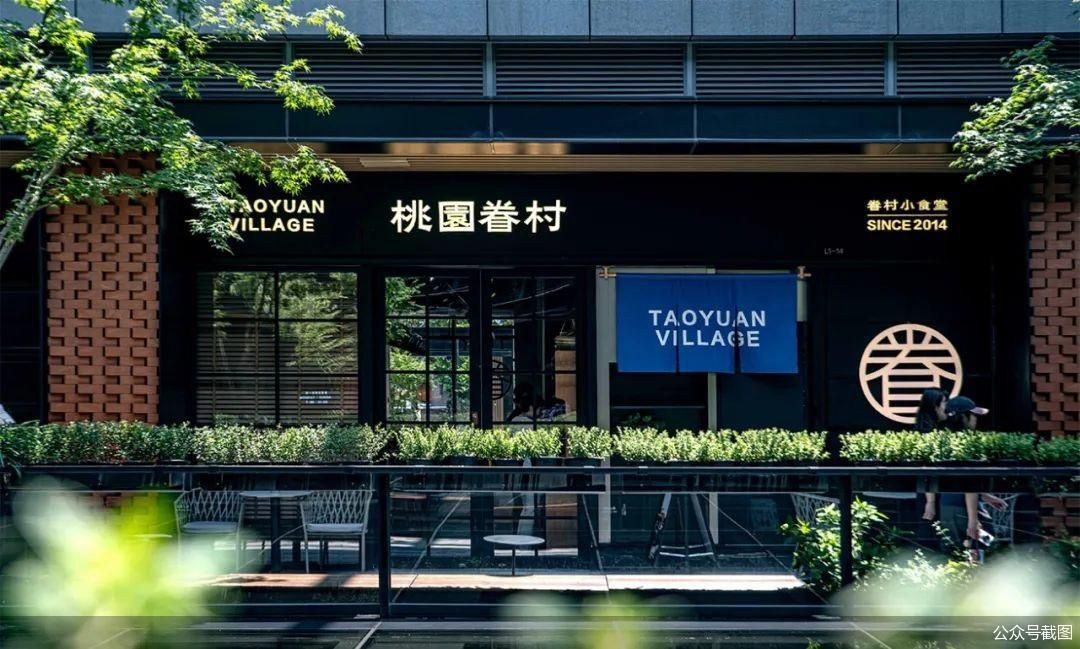
“早餐界爱马仕”再出发 桃园眷村能否续写辉煌
Bei Jing Shang Bao· 2025-07-08 13:37
Core Viewpoint - Taoyuan Village, known as the "Hermès of breakfast," is making a comeback with a new store in Shanghai, facing challenges in balancing price and quality while catering to diverse consumer needs [1][5][7]. Company Summary - Taoyuan Village has opened a new store in Shanghai near the Natural History Museum subway station, maintaining its signature products like soy milk, fried dough sticks, and various types of pancakes and rice balls, while some prices have been reduced [3][4]. - The brand experienced rapid expansion around 2017, reaching a peak of over 40 stores, but faced significant decline, with only 4 stores remaining by early 2024 [1][7]. - The new Shanghai store features a more affordable pricing strategy compared to the original store, with some products priced lower, such as salty soy milk at 14 yuan and fried dough sticks with egg at 18 yuan [3][4]. Industry Summary - The breakfast market in China is large and growing, with increasing consumer preference for convenient and healthy options, presenting opportunities for food manufacturers and restaurant chains [8][9]. - Competition in the breakfast sector is intense, with many brands adopting low-price strategies and promotional offers to attract consumers [8]. - Consumer feedback indicates that there are still significant gaps in the breakfast market, such as limited variety and hygiene concerns, suggesting potential for growth despite the competitive landscape [9].