电动化

Search documents
经验就是生产力,35+的职业年龄歧视该取消了
36氪· 2025-07-09 13:05
35岁就失业?职场年龄歧视可以休矣。 35岁+的职场人,大都被失业焦虑笼罩,虽然经验更宝贵的抚慰常常有,但终究显得苍白。如今,终于有企业站出来,振臂高呼,开始带头为35+人群来进 行职业兜底。 7月8日,长城汽车董事长魏建军的微博更新了一条特殊视频。镜头中他的声音沉稳却有力:"35岁背着是个包袱,放下是垫脚石——踩着它,就能迈过这个 坎。"随着《年方35》短片的发布,长城汽车正式向全球35岁以上人才抛出橄榄枝,一场为期10天的"35+计划"专场招聘就此启动。 如今,90后群体已经集体迈入35岁,职场却悄然筑起一道无形高墙。简历上的出生年份成为"不能说的秘密",经验丰富的履历反成求职阻碍。 "这个年纪正是上有老下有小的阶段,卷不动也躺不平,成见像座大山压得人喘不过气。"魏建军也在发言中直指痛点。 在魏建军看来,"35岁开场而已,加加油,充充电,干就完咧,不要在意别人的眼光,时间从不辜负敢坚持的人,最好的年纪不是过去,而是现在。" 35岁+的中年人,上有老人需要赡养,下有幼儿需要抚育,是家庭和社会的顶梁柱。而急功近利,"唯年轻适用"的用人环境,不仅让大量家庭失去安全感, 市场失去活力,也将抑制人才创造的积极性,蚕 ...



长城坦克遭竞品冲击上半年销量逆势下滑 新能源渗透率仅28%坦克700月销跌至400台
Xin Lang Zheng Quan· 2025-07-09 11:22
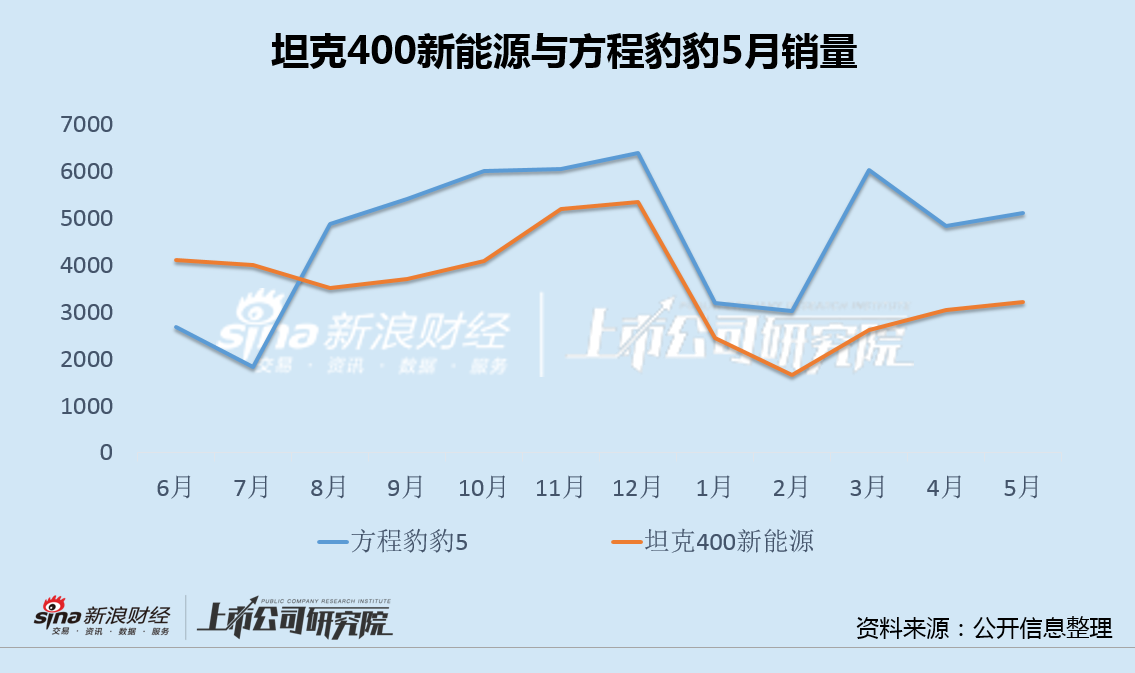
Core Viewpoint - The sales performance of Great Wall Motors in the first half of 2023 shows a significant slowdown, particularly in its Tank brand, which has been adversely affected by increased competition and a lack of electric vehicle penetration [1][2][6]. Group 1: Sales Performance - In the first half of 2023, Great Wall Motors sold a total of 569,800 vehicles, representing a year-on-year growth of only 1.81%, which is significantly lower than the average growth rate of 10.8% for domestic passenger vehicles [1][2]. - The Tank brand's sales reached 103,700 units, a decline of 10.67% compared to the previous year, contrasting sharply with the previous year's growth rates of 99% and 42.12% [2][3]. Group 2: Competitive Pressure - The decline in Tank brand sales is primarily attributed to competitive pressure, particularly from BYD's Fangcheng Leopard 5, which gained market share after a significant price reduction [3][5]. - The Fangcheng Leopard 5's sales surged by 605.3% in June, further exacerbating the market share loss for the Tank brand [5]. Group 3: Electric Vehicle and Technology Challenges - Great Wall Motors' electric vehicle sales accounted for approximately 28.2% of total sales, which is significantly below the industry average penetration rate of 50.1% for domestic new energy vehicles [6]. - The company continues to focus on traditional fuel engines, as evidenced by the introduction of large displacement engines like the 4.0T V8, despite the industry's shift towards electrification and smart driving technologies [6][8]. Group 4: Financial Implications - The company's sales expenses surged by 61% to 2.3 billion yuan in the first quarter, yet overall sales declined by 6.73%, leading to a negative operating cash flow of 8.99 billion yuan [8].
从传统出口到新能源出海,中国商用车的新一轮海外战事
3 6 Ke· 2025-07-09 10:43
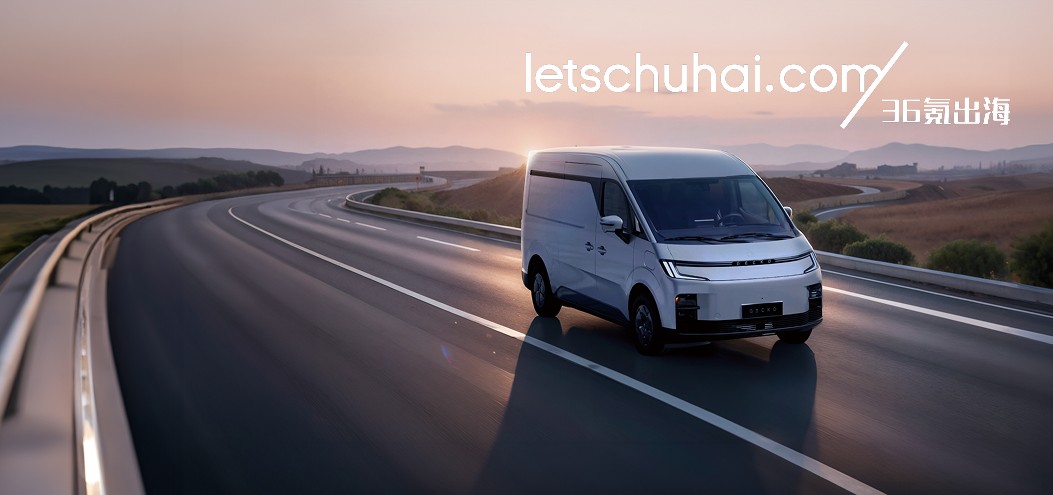
Core Insights - The trend of expanding into overseas markets is becoming a definitive direction for the new energy commercial vehicle sector, especially as domestic sales decline while exports remain robust [2] - The new energy commercial vehicle market is still in an exploratory phase, providing opportunities for both traditional manufacturers and new entrants [2] - Companies like Wall Gecko Automotive are actively pursuing international markets, with a goal of achieving over 50% of revenue from overseas [4][6] Market Overview - In 2024, domestic sales of commercial vehicles in China are projected to decline by 9% to 2.969 million units, while exports are expected to grow by 17.5% to 904,000 units [2] - From January to May, exports of new energy commercial vehicles reached 41,000 units, marking a year-on-year increase of 230% [2] - The commercial vehicle market is categorized into trucks, buses, and special vehicles, with various subcategories based on usage, scenarios, and load capacity [2] Challenges and Opportunities - The new energy commercial vehicle sector faces challenges related to product reliability and operational service requirements, particularly in high-frequency usage scenarios like urban delivery and logistics [3] - The market is characterized by a lack of established patterns, allowing for coexistence and collaboration between traditional manufacturers and new players [2] Competitive Landscape - Wall Gecko Automotive focuses on whole vehicle exports and local assembly in markets with high tariffs and localization requirements [7] - The primary market for Wall Gecko is Europe, where the light commercial vehicle market is estimated at 4 million units, with a target market share of 5% [9] - Approximately 70% of customers in Europe are small to medium enterprises, while 20-30% are large clients like national postal services and logistics companies [12] Market Entry Strategies - Wall Gecko Automotive employs various strategies, including direct sales to large clients and participation in major trade shows to enhance brand visibility [14] - The company aims to penetrate the Latin American market, starting with Chile, which has supportive policies for electric logistics vehicles [17] Future Outlook - The new energy heavy-duty truck segment faces challenges such as battery weight affecting load capacity and high costs impacting total cost of ownership [19] - The company is observing potential markets like Australia, New Zealand, and Russia, while North America remains a complex and less prioritized option due to regulatory challenges [18]
这款“逆天”电池充满电仅需18秒!已经量产装车!背后藏着什么黑科技?
电动车公社· 2025-07-07 15:53
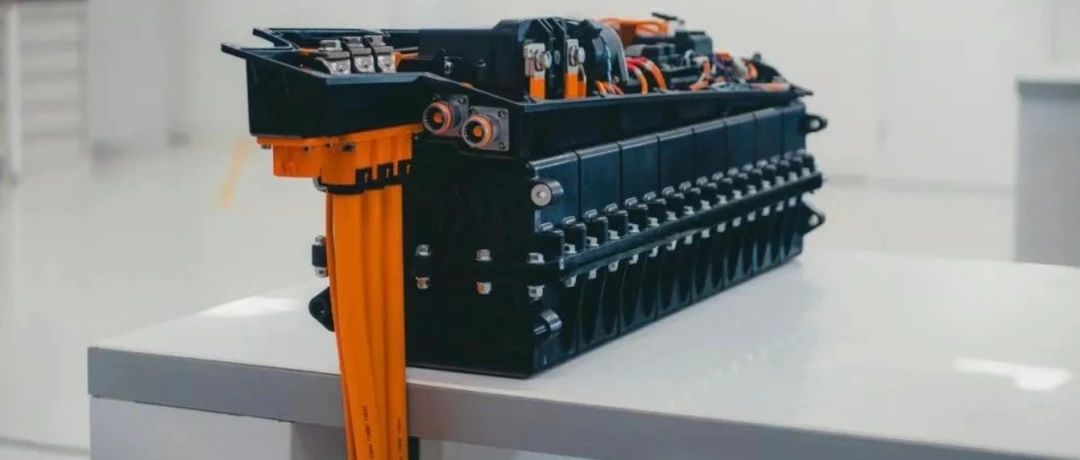
Core Viewpoint - The article discusses the groundbreaking performance of the VarEVolt battery developed by the UK-based RML Group, highlighting its exceptional charging speed and power density, which significantly surpass current electric vehicle battery technologies [3][6][72]. Group 1: VarEVolt Battery Performance - The VarEVolt battery boasts a maximum charging rate of 200C, allowing it to theoretically charge from 0 to full in just 18 seconds [3][30]. - Its power density reaches 6kW/kg, which is more than three times that of conventional lithium-ion batteries, typically ranging from 1-2kW/kg [6][30]. - The battery has received UK UN ECE Regulation 100 certification, indicating it is ready for mass production and market entry [8][30]. Group 2: RML Group Background - RML Group, founded by former racing driver Ray Mallock in 1982, initially focused on endurance racing and has since expanded into high-performance vehicle development [11][12]. - The company has collaborated with notable brands, including Aston Martin and NIO, to enhance vehicle performance through aerodynamics and lightweight design [20][23]. - RML's shift towards electric vehicle technology began in 2020 with the development of the VarEVolt battery, aiming to leverage electric power for improved racing performance [24][30]. Group 3: Technological Innovations - The VarEVolt battery utilizes lithium titanate (Li4Ti5O12) as its anode material, which allows for rapid ion diffusion and significantly reduces resistance during charging and discharging [33][48]. - Unlike traditional graphite anodes, lithium titanate's structure enables faster charging rates and enhances battery longevity by minimizing lithium dendrite formation [52][57]. - The battery's low energy density of 50Wh/kg limits its application in long-range electric vehicles, making it more suitable for high-performance applications [63][64]. Group 4: Application and Future Prospects - The VarEVolt battery is currently used in the Czinger C21 hybrid supercar, which features a powerful engine and electric motors, emphasizing rapid power delivery rather than extended range [68][70]. - The Czinger C21 has achieved impressive performance metrics, including a record lap time at Laguna Seca, showcasing the battery's capabilities in high-stakes racing environments [68][70]. - RML Group plans to supply the VarEVolt battery system to other supercar manufacturers looking to transition to electric power, indicating a potential shift in the high-performance automotive market [70][71].
新能源汽车是一场宏大的真人秀
Hu Xiu· 2025-07-07 07:45
记得很多年以前,当我还在一家500强的汽车公司里揾食的时候,一直是一个激进的反传统汽车的"叛 徒"。我觉得传统汽车的高度复杂性和骨子里对规模效应的依赖抑制了这个行业的创新,也抑制了这个 行业继续为客户创造更大的价值。 可很多年过去了,我觉得新崛起的新势力们似乎也没有很好地解决这些问题,我又成了呼吁给"弯道超 车"们踩一脚刹车的人。这个世界变化真是快极了,快到任何一个坚持自己观点的人很快就会被时代从 一个激进分子改称为一个传统的卫道士。 两年前,我去一个六线市场调研,问一个马上要买车的当地公务员,会选择一台油车还是选择一台电 车。那位微胖的公务员毫不迟疑地说,会选择电车。但是当我追问他为什么的时候,他想了半天,最后 只蹦出一句"这是趋势嘛"。 我不知道这位公务员的这种大势在握的自信,到底是来自新闻联播、红头文件,还是像我这样爬格子的 业余评论员。但我确实知道,能够确信自己洞悉世界发展的潮流,的确是很让人有愉悦感的——远到诺 查丹玛斯2012的预言,近到日本核泄漏以后囤积的碘盐——不仅愉悦了自己,也愉悦了他人。 说实话,我从来不认为电动化是汽车发展的未来,但我确实认为智能化是汽车的明天。今天我们所看到 的电动化, ...
半年卖出135.5万辆,长安汽车凭什么?
汽车商业评论· 2025-07-06 13:45
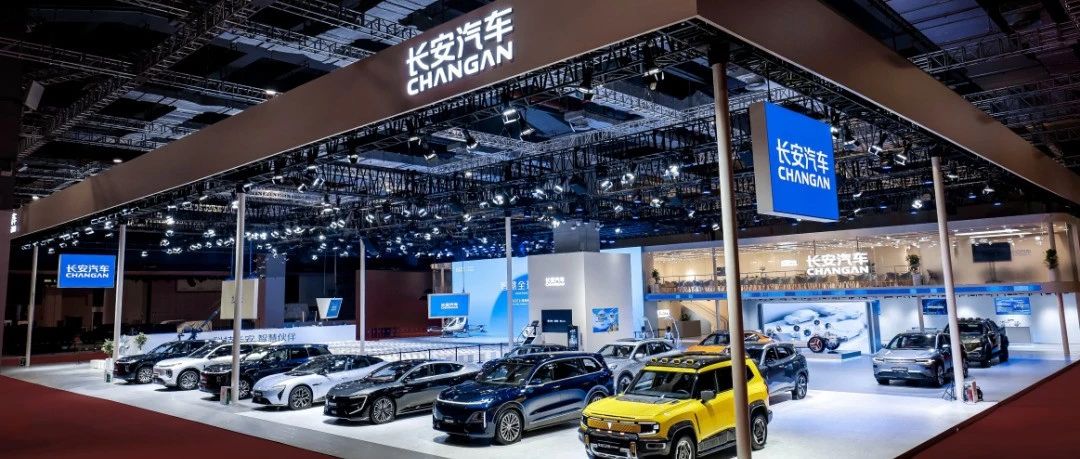
Core Viewpoint - The global automotive industry is undergoing significant transformation, with a shift from electric vehicle adoption to a comprehensive competition in smart electric vehicles, emphasizing the importance of brand, product, technology, and global operational systems for automakers [2][9]. Group 1: Sales Performance - In the first half of 2025, Changan Automobile achieved a remarkable sales milestone with a total of 1.355 million vehicles sold, marking an eight-year high, including 450,000 new energy vehicles, which represents a year-on-year growth of 48.8% [3]. - Changan's three major brands and five product lines have shown strong synergy, balancing new and stable offerings, with high-end smart electric brand Avita maintaining a monthly sales level of over 10,000 units for four consecutive months [6][7]. Group 2: Product and Technology Development - Changan's strategy of a "multi-brand matrix + deep technology layout" is yielding results, enhancing its competitive edge in electrification, intelligence, and globalization [7]. - The company has introduced several new models, including the Q07, S09, and UNI-Z PHEV, which are gaining market traction, while its technological innovations are being progressively realized [9][13]. - Changan's "Shangri-La" plan focuses on solid-state batteries, with the "Golden Bell" battery entering real vehicle verification, aiming for mass production by 2027 [13]. Group 3: Global Expansion Strategy - Changan's "No Overseas, No Changan" strategy emphasizes the importance of global presence, with a clear plan for global expansion targeting five core regions: Southeast Asia, Central and South America, Europe, Middle East and Africa, and Eurasia [19][21]. - The company has established over 14,000 channel outlets in more than 100 countries and is transitioning from a sales-driven model to a comprehensive ecosystem development approach [21][22]. - In January 2025, Changan's export volume reached a historic high, with a month-on-month increase of over eight times, positioning it among the top three Chinese automakers in exports [22]. Group 4: Industry Collaboration and Innovation - As a representative of state-owned enterprises, Changan is committed to industry health and stability, implementing measures to support suppliers and enhance the overall supply chain [25]. - The company has formed collaborative mechanisms with over 30 enterprises, including Huawei and Tencent, to foster innovation in smart driving and cloud platforms [26]. - Changan's focus on building a robust technological moat and its ability to respond quickly to global market changes are seen as key factors for its long-term success [27][28].

宇通客车(600066):6月销量增幅明显,海外市场势头强劲
CMS· 2025-07-05 14:56
Investment Rating - The report maintains a "Strong Buy" investment rating for Yutong Bus [3][5]. Core Views - Yutong Bus has shown significant growth in June sales, with a total of 5,919 vehicles sold, representing a 24.8% increase year-on-year. Cumulative sales for the first half of 2025 reached 21,321 vehicles, up 3.7% [1]. - The domestic market is benefiting from the "old-for-new" policy in the public transport sector, which has increased subsidies for replacing old electric buses to 80,000 yuan per vehicle, further driving demand [1]. - The company has made substantial inroads into overseas markets, with total sales exceeding 10,000 vehicles in Central Asia and nearly 6,000 units in Europe, supported by strong technological capabilities and after-sales service [2]. - Yutong Bus is optimizing its product layout in line with industry trends, focusing on electrification, intelligent connectivity, and high-end products, which positions the company well for future growth [2]. Financial Summary - The projected net profits for Yutong Bus from 2025 to 2027 are estimated at 4.691 billion yuan, 5.274 billion yuan, and 6.069 billion yuan respectively, indicating a robust growth trajectory [3][4]. - The total revenue for 2025 is expected to reach 42.614 billion yuan, with a year-on-year growth of 15% [4]. - The company's return on equity (ROE) is projected to be 32.0% in 2025, reflecting strong profitability [14].

重拾燃油时代荣耀,奇骏·荣誉、逍客·荣誉携手再攀性价比高峰
Zhong Guo Jing Ji Wang· 2025-07-03 13:49
Core Viewpoint - Dongfeng Nissan is launching the new X-Trail Honor and Qashqai Honor models at competitive prices to regain market prominence while continuing its transformation towards electrification and intelligence [1] Group 1: Product Launch and Pricing - The new X-Trail Honor is priced at 119,800 to 125,800 yuan, while the Qashqai Honor starts at 89,800 yuan [1] - The launch aims to explore price limits and assist Dongfeng Nissan in reclaiming its glory in the market [1] Group 2: Transformation and Product Strategy - Dongfeng Nissan is accelerating its transformation with the introduction of significant electric and intelligent products like the Airiya and N7, with the N7's sales marking a new chapter in this transition [1] - The company is not neglecting its traditional fuel-powered products that have historically driven its success [1] Group 3: Market Performance and Competitive Advantage - The X-Trail has sold over 1.5 million units in China since its local production began in 2008, showcasing its strong market performance [1] - The competitive advantages of these classic products include excellent cost-performance ratios, which are further enhanced by the new models [1] Group 4: Features and Specifications - The X-Trail Honor features an upgraded intelligent vehicle system, Nissan Connect Super Smart Link 2.0+, supporting over 56 interactive functions [2] - It includes a new 12.3-inch high-definition central control screen with a resolution of 1920x720 and a pixel density of 167 PPI [2] - The vehicle's interior is designed for comfort, featuring high-quality materials and a dual-zone automatic air conditioning system [2] Group 5: Safety and Space - The X-Trail Honor has a spacious design with dimensions of 4675mm x 1820mm x 1722mm and a wheelbase of 2706mm, along with a 700L trunk [3] - It incorporates advanced safety features, including the NISSAN i-SAFETY system with eight functions for enhanced protection [3] - The vehicle's body is constructed with high-strength materials to improve crash resistance and ensure passenger safety [3]
《2025全球汽车供应链核心企业竞争力白皮书》针对中国汽车零部件企业出海提出 以协同创新为桨 以智能驱动为帆
Zhong Guo Zhi Liang Xin Wen Wang· 2025-07-03 08:25
Core Insights - The automotive parts industry is experiencing unprecedented vitality and resilience as more companies actively expand overseas, establishing production bases and R&D centers close to target markets [1][2] - Technological innovation is identified as the core engine driving this overseas expansion, with Chinese automotive parts companies beginning to reap the benefits of years of R&D investment and technological accumulation on the international stage [1][2] Group 1: Industry Trends - The automotive export landscape is shifting, with vehicle exports expected to surpass parts exports in 2024, a structural change influenced by geopolitical factors and the reconfiguration of global supply chains [2][3] - The global competition in the automotive sector is not just between companies but also involves the competition of industrial ecosystems, emphasizing the need for collaboration between vehicle manufacturers and parts suppliers [2][3] Group 2: Strategic Recommendations - Experts suggest that Chinese automotive parts companies should focus on core areas and regions, control cost bases, and establish strategic partnerships to navigate international competition effectively [3] - Five pathways for Chinese automotive companies to expand internationally are proposed: going global with design, establishing headquarters design centers, and leveraging overseas new forces [3] Group 3: Competitive Landscape - The "2025 Global Automotive Supply Chain Core Enterprise Competitiveness White Paper" provides an authoritative analysis of the competitive landscape, covering over 350 automotive supply chain companies globally [4][5] - The white paper highlights three key trends: the relative stability of top-tier companies, growth driven by mergers and acquisitions, and an increase in the number of Chinese companies entering the global automotive supply chain [5][6] Group 4: Challenges and Opportunities - The automotive parts industry is undergoing a transformation influenced by electrification and smart technology, necessitating a shift in value distribution within the supply chain [6] - The need for collaboration and innovation is emphasized as essential for Chinese automotive parts companies to achieve high-quality international expansion, creating a more cohesive industrial ecosystem [6]
车圈刮起“电动与运动”风
Zhong Guo Qing Nian Bao· 2025-07-03 01:36
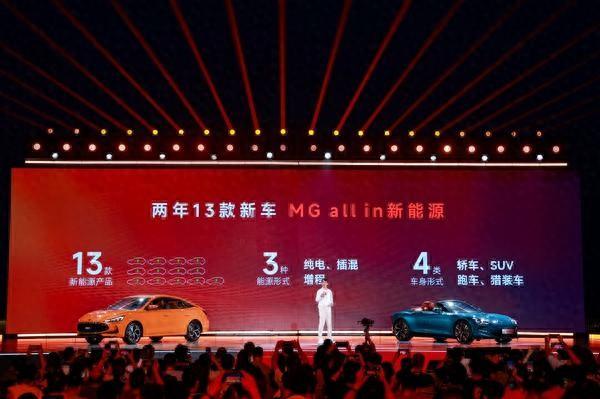
Core Insights - MG brand is set to launch 13 new energy products over the next two years, covering three types of new energy forms and four body styles [2][3] - The brand is fully committed to new energy, integrating its 101-year heritage with new energy technologies [2][5] - A significant management restructuring is underway to target younger consumers, with key personnel changes already implemented [3][5] Product Strategy - The upcoming product lineup includes pure electric, plug-in hybrid, and range-extended vehicles, with a focus on sedans, SUVs, sports cars, and shooting brakes [2] - The MG5 2026 model is priced starting at 59,900 yuan, aimed at attracting younger buyers [3] - The MG Cyberster 2026 model, a spiritual successor to the classic MGB, is priced between 319,800 and 359,800 yuan, setting new standards for electric sports cars [4] Technological Advancements - MG is investing in smart technology, collaborating with OPPO to enhance in-car connectivity and user experience [4] - The new MG4 model will feature advanced connectivity capabilities, including voice control and seamless integration with mobile devices [4] - The partnership with OPPO extends beyond technology to include joint marketing efforts and a new retail strategy [4]