
供应瓶颈

Search documents
港股异动 | 汽车股跌幅扩大 金属及存储芯片等价格急升 短期内或为车企来显著成本压力
智通财经网· 2026-01-30 06:46
Core Viewpoint - The automotive sector is experiencing significant stock declines due to rising costs from raw materials, particularly affecting electric vehicle manufacturers [1] Group 1: Stock Performance - GAC Group (02238) has dropped by 3.69%, trading at HKD 3.65 [1] - Great Wall Motors (02333) has decreased by 2.66%, trading at HKD 13.19 [1] - Li Auto-W (02015) has fallen by 2.58%, trading at HKD 65.95 [1] Group 2: Cost Pressures - HSBC reports that the prices of metals and storage chips have surged, leading to significant cost pressures for automakers [1] - Lithium prices have increased by approximately 127% over the past three months, potentially raising the cost per vehicle by RMB 3,000 to RMB 5,000 [1] - The rise in storage chip prices may add an additional RMB 1,000 to RMB 3,000 to vehicle costs, directly impacting the cost structure of electric vehicles [1] Group 3: Market Dynamics - The current price increases are primarily attributed to supply bottlenecks [1] - Due to a trend of consumer downgrade and the traditional off-season in the first quarter, automakers may struggle to pass on costs to price-sensitive consumers [1] - Companies may need to adopt vertical integration and technological upgrades to absorb additional costs, as well as negotiate larger annual price reductions with suppliers [1]

华泰期货镍不锈钢周报:印尼政策反复,价格剧烈波动
Xin Lang Cai Jing· 2026-01-12 01:23
Market Analysis - Nickel prices have shown significant volatility, with the main contract opening at 135,000 CNY/ton, peaking at 149,600 CNY/ton, and closing at 139,090 CNY/ton, resulting in a weekly increase of 4.7% and a fluctuation of 12.5% [2][12] - The average price of SMM1 electrolytic nickel rose to 144,540 CNY/ton, an increase of 4,350 CNY/ton from the previous week [2][12] - The domestic market is experiencing speculative hoarding due to low acceptance of high-priced nickel by downstream users [2][12] Supply and Demand - Supply remains tight for Jinchuan electrolytic nickel, with some downstream users substituting with Sumitomo resources, leading to a significant increase in premiums [3][13] - Domestic demand for nickel iron is rising, but the stainless steel sector is entering a low season, limiting potential rebounds [3][13] - Nickel sulfate prices are increasing due to rising costs, but demand remains weak [3][13] Cost and Profit - The production costs for integrated MHP and high nickel products are 111,026 CNY/ton and 124,817 CNY/ton respectively, with profits of 9.00% and -3.00% [4][13] - The cost of producing electrolytic nickel from externally sourced nickel sulfate is 153,590 CNY/ton, resulting in a profit margin of -10.80% [4][13] - Nickel inventory levels have increased, with Shanghai Futures Exchange nickel stock at 46,650 tons, up from 45,544 tons the previous week [4][13] Strategy - The market is expected to experience significant fluctuations between 135,000 CNY/ton and 150,000 CNY/ton due to the interplay of supply contraction expectations and seasonal demand realities [5][14] - A cautious approach is recommended for high-price chasing, with a focus on range trading [5][14] Macro Environment - U.S. economic data indicates resilience, delaying expectations for Federal Reserve interest rate cuts, which has strengthened the dollar [2][12] - The People's Bank of China has committed to maintaining a moderately loose monetary policy through 2026 to support economic recovery [2][12] - Global resource supply concerns are heightened due to geopolitical tensions, impacting market sentiment towards nickel and stainless steel [7][15] Stainless Steel Market - The stainless steel futures market has followed nickel prices, with the main contract opening at 13,150 CNY/ton and closing at 13,860 CNY/ton, reflecting a weekly increase of 5.6% [6][14] - The market is experiencing a cautious buying atmosphere despite rising prices, as both buyers and sellers are hesitant [6][14] - The uncertainty surrounding Indonesian policies is expected to significantly influence stainless steel costs and price movements [9][17]


OEXN:白银波动加剧
Xin Lang Cai Jing· 2026-01-09 11:48
Core Viewpoint - The global silver market is at a critical turning point due to extremely low inventory levels, leading to price volatility that exceeds historical averages. The scarcity of silver has pushed its price into a highly sensitive range, where any capital flow can trigger significant market fluctuations [1][4]. Group 1: Inventory and Price Sensitivity - The weak inventory situation has set the stage for a potential "short squeeze," where a rapid increase in investor demand could lead to exponential price rebounds, while tightening signals could result in equally severe price corrections [1][4]. - Recent price instability is attributed more to regional supply bottlenecks and inventory mismatches rather than a global shortage of physical silver. A significant amount of silver has been transferred from London vaults to U.S. storage due to macro trade policies and potential tariff risks, distorting the pricing mechanism [1][4]. Group 2: Market Drivers - The surge in silver prices since 2025 has been driven by expectations of Federal Reserve interest rate cuts, diversification of assets, and safe-haven buying. However, the inventory squeeze in the London market has amplified the effects of these factors [2][5]. - In a normal market environment, a weekly net demand fluctuation of about 1,000 metric tons would typically increase silver prices by around 2%. In the current low inventory context, this price sensitivity has escalated to 7%, indicating a "high leverage" state in the silver market [2][5]. Group 3: Institutional Holdings and Future Outlook - Despite multiple recent peaks in silver prices, institutional investor enthusiasm has not yet reached its peak, with current silver ETF holdings still below the historical highs of 2021. As major global central banks enter a rate-cutting cycle, silver's appeal as an inflation hedge and asset diversification tool is expected to grow [2][5]. - If investor holdings continue to approach historical peaks alongside the fragile inventory system, silver prices may seek new highs in the coming quarters [2][5]. Group 4: Supply Chain and Policy Challenges - Institutional restrictions on silver exports in certain countries have fragmented the market, creating significant barriers to global flow and leading to a trend of "fragmentation" in the silver market. This structural shift from a "global shared inventory pool" to "isolated regional inventories" has weakened market liquidity [3][6]. - Policy ambiguities may result in long-term inventory retention in specific regions. Even if future trade environments become clearer, the speed of silver returning to traditional trading centers may not be as rapid as expected, potentially prolonging the tight inventory situation in London [3][6].

华泰期货:基本面变化有限 但资金力量使得铜价持续走高
Xin Lang Cai Jing· 2025-12-29 02:09
Market Overview - The average price of SMM1 electrolytic copper for the week ending December 27, 2025, ranged from 93,470 to 97,740 yuan/ton, showing an upward trend during the week [2][10] - SMM's premium/discount quotes ranged from -340 to -195 yuan/ton, maintaining a discount throughout the week [2][10] - LME inventory decreased by 0.07 million tons to 157,000 tons, while the Shanghai Futures Exchange inventory increased by 1.59 million tons to 111,700 tons [2][10] - Domestic social inventory (excluding bonded zones) rose by 2.52 million tons to 193,600 tons, and bonded zone inventory decreased by 0.12 million tons to 75,400 tons [2][10] - Comex inventory increased by 2.07 million tons to 482,900 tons [2][10] Macroeconomic Insights - In the week ending December 27, 2025, U.S. core capital goods orders and shipments rebounded [3][11] - The offshore RMB broke the "7" mark against the USD for the first time in 15 months [3][11] - The risk of military conflict between Israel and Iran has escalated due to missile issues [3][11] - The Bank of Japan's governor indicated that they are nearing their inflation target and may continue to raise interest rates [3][11] Mining Sector - The SMM imported copper concentrate index reported -44.9 USD/dry ton, down by 1.25 USD from the previous period [3][12] - Market trading was quiet due to the Christmas holiday, with foreign suppliers on break [3][12] - Kaz Minerals has reduced direct supply of copper concentrate to China, with remaining supplies to be circulated through traders [3][12] - Capstone Copper's Mantoverde mine union plans to strike on December 29 if labor negotiations fail, with a projected copper output of 22,000 tons in 2024 [3][12] Smelting and Import Dynamics - The average transaction price for Yangshan copper premium was 53.4 USD/ton, up 4.4 USD week-on-week [4][13] - The average price for warehouse receipts was 53.6 USD/ton, up 10.6 USD week-on-week [4][13] - The import loss was approximately 1,400 yuan/ton as of December 24, with mainstream warehouse and bill prices ranging from 40 to 50 USD/ton [4][13] Scrap Copper Market - Copper prices surged, with Shanghai copper reaching a peak of 99,730 yuan/ton, an increase of nearly 6,000 yuan [5][14] - The price difference between refined and scrap copper narrowed before rebounding to 3,944 yuan/ton, showing weak follow-through in scrap copper prices [5][14] - Market liquidity is tight due to sellers holding back, and downstream purchasing remains cautious [5][14] Consumption Trends - The operating rate of refined copper rod enterprises was 60.73%, down 2.34 percentage points [6][15] - High copper prices have suppressed downstream purchasing, leading to fewer new orders and a continued weak market [6][15] - The operating rate for copper cable enterprises was 60.75%, down 5.96 percentage points [6][15] Strategic Outlook - The strategy for copper is cautiously bullish, with recommendations for downstream enterprises to focus on demand-based hedging [7][16] - If prices fall between 94,000 and 95,000 yuan/ton, it is suggested to increase buying hedging [7][16]
高盛:潮水退去谁在裸泳?警告!供应严重过剩,2026年铝、锂、铁矿石价格将重挫,唯有铜价“一枝独秀”
美股IPO· 2025-12-04 08:19
Core Viewpoint - Goldman Sachs warns that the current surge in industrial metal prices driven by macro sentiment is about to retreat, leading to significant market differentiation, with aluminum, lithium, and iron ore expected to see price declines by 18%, 23%, and 17% respectively by the end of 2026, while copper remains strong due to supply constraints and robust structural demand from sectors like power grids and AI [1][3]. Copper - Copper is viewed as the only metal with a positive outlook, with a price floor around $10,000 per ton due to structural demand from power grid upgrades and AI infrastructure [3][5]. - Supply constraints are highlighted, with accidents at major copper mines revealing challenges in old mines and complex geology, limiting supply growth and supporting copper prices [6]. - Strong demand is driven by strategic investments in power infrastructure, with expectations that over 60% of copper demand growth will come from this sector by 2030 [7]. - A short-term catalyst includes potential U.S. tariffs on refined copper, leading to preemptive stockpiling by traders, tightening supply outside the U.S. [7]. - Despite recent price spikes, the increase is based on future expectations rather than current fundamentals, with predictions of a 500,000-ton surplus in 2025, narrowing to 160,000 tons in 2026 [7]. Aluminum - The aluminum market faces a dual challenge of oversupply and demand risks, with Goldman Sachs recommending a short position [8]. - A supply surge is anticipated due to high prices stimulating new capacity, particularly from Indonesia and India, leading to a projected 1.1 million ton surplus by 2026 [8]. - Demand is threatened by substitution risks, as manufacturers shift from aluminum to cheaper steel in automotive production due to rising aluminum prices [8]. - Price forecasts suggest LME aluminum prices could drop to $2,350 per ton by Q4 2026 [9]. Lithium - Recent rebounds in lithium prices are viewed as temporary, with Goldman Sachs predicting a return to a surplus by the second half of 2026 [10]. - Short-term tightness is attributed to strong demand for energy storage systems and supply disruptions in China [10]. - By the end of 2026, lithium prices are expected to decline by 23% to around $9,500 per ton [10]. Iron Ore - The iron ore market's fundamentals have deteriorated significantly, with a bleak outlook for 2026 [11]. - A projected increase of 51 million tons in Chinese port inventories is expected by 2026, alongside supply increases from Australia, Brazil, and Guinea [12][13]. - Global seaborne iron ore demand is anticipated to decline by 1%, with Chinese steel production expected to drop by 2% [12]. - Price predictions indicate that iron ore prices could fall to $88 per ton by the end of 2026 [14]. Investment Strategy - The report emphasizes a strategy of "distilling the truth" for investors in 2026, advocating for long positions in copper due to its structural shortage while avoiding or shorting aluminum, lithium, and iron ore, which face significant supply pressures [14].

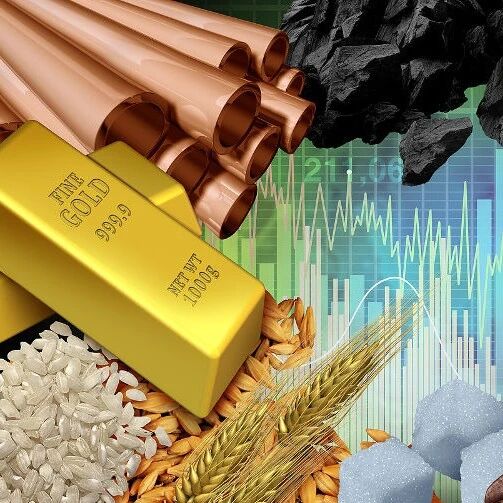
稀缺性裂变时代:供应瓶颈主导价格新秩序 - 2025年金属材料中期策略
2025-06-26 15:51
Summary of Key Points from the Conference Call Industry Overview - The 2025 non-ferrous metals market is characterized by supply bottlenecks, leading to a new pricing order dominated by copper, aluminum, gold, and certain minor metals in the second half of the year [1][2] Core Insights and Arguments - **Copper Market**: - Copper mine supply is expected to decline year-on-year, with smelting growth slowing down, resulting in a historical low TCRC (Treatment Charge and Refining Charge) [1][5] - China's copper demand is primarily driven by exports, while the U.S. demand is supported by imports of electrolytic copper [5] - The second half of the year is anticipated to see a greater decline in supply than demand, leading to bullish sentiment on copper prices [5] - **Aluminum Market**: - Electrolytic aluminum profits are expected to remain high, with alumina supply being ample [5] - Strong downstream demand from sectors like photovoltaics and automotive, combined with low visible inventory levels, poses a risk of short squeeze, indicating bullish aluminum prices [1][5] - **Gold Market**: - Significant inflows into gold ETFs in the first half of 2025 have driven gold prices up, with China contributing notably to this demand [6][7] - A decrease in non-commercial positions on COMEX reflects genuine demand rather than speculation, suggesting further upside potential for gold prices due to expectations of interest rate cuts by the Federal Reserve and central bank purchases [6][7] - **Rare Earths and Minor Metals**: - Policy shifts towards controlling the smelting segment have led to a redistribution of profits within the rare earth industry, with a tight supply-demand balance expected in 2025 [8] - The price of antimony has weakened due to increased export controls, but domestic reliance on overseas sources creates cost pressures, indicating uncertainty in future pricing [8] Additional Important Insights - **Tin Market**: - The domestic and international tin price gap is expected to narrow, with domestic prices aligning more closely with overseas prices due to historically low inventory levels and no new supply [9] - The supply from major overseas suppliers like Hunan Gold has significantly contracted, leading to expectations of price increases [9] - **Lithium Market**: - Lithium carbonate prices have plummeted, with lithium concentrate prices also declining, resulting in continuous profit declines for mining operations [11] - There is a divergence between lithium stocks and commodity prices, with expectations of a recovery in stock prices as the market adjusts [11] - **Cobalt Market**: - Cobalt supply is heavily reliant on copper mining, and a recent export ban from the Democratic Republic of Congo has led to a significant price increase [13] - The demand for cobalt remains strong due to its applications in batteries and electronics, but the market is currently facing challenges due to oversupply from previous years [13] Ranking of Core Products for the Second Half - The core product ranking for the second half of 2025 is as follows: copper, aluminum, lead, tin, thorium, and gold [14]