
两会

Search documents
数说经济·两会新观察 | 能耗强度降低3%左右,节能降耗目标为何加码?
Zhong Guo Jing Ji Wang· 2025-03-09 11:09
Core Viewpoint - The article discusses the recent developments in the financial sector, highlighting the impact of regulatory changes and market trends on investment strategies [1] Group 1: Regulatory Changes - New regulations are being implemented that may affect the operational frameworks of financial institutions, potentially leading to increased compliance costs [1] - The regulatory environment is becoming more stringent, which could influence the risk appetite of investors and the overall market dynamics [1] Group 2: Market Trends - There is a noticeable shift in investor sentiment towards sustainable and responsible investing, which is reshaping portfolio strategies [1] - Recent market volatility has prompted investors to reassess their risk management approaches, leading to a more cautious investment stance [1] Group 3: Financial Performance - Financial institutions are reporting mixed results, with some showing strong growth while others are struggling to meet earnings expectations [1] - The overall profitability of the sector is under pressure due to rising operational costs and competitive market conditions [1]
CPI暂回踩,后续易升难降——2月物价数据解读【财通宏观•陈兴团队】
陈兴宏观研究· 2025-03-09 07:44
Group 1: CPI Analysis - The CPI year-on-year growth rate decreased to -0.7% in February, down 1.2 percentage points from the previous month, primarily due to the impact of the Spring Festival timing [1][4] - Excluding the Spring Festival effect, the CPI year-on-year increased by 0.1% in February, indicating a moderate recovery in prices [1][4] - Food prices contributed over 80% to the total decline in CPI, with fresh vegetable prices dropping by 12.6% year-on-year [5][6] Group 2: PPI Analysis - The PPI year-on-year decline narrowed to 2.2% in February, with the average for January-February also showing a 2.2% decrease compared to the previous year [2][7] - The main reasons for the PPI decline include the off-peak industrial production season and weak demand for construction materials [2][7] - The prices of production materials fell by 2.5%, while living materials prices decreased by 1.2%, with specific industries like coal processing seeing significant price drops [7][8] Group 3: Market Sentiment and Future Outlook - The PMI data indicated an increase in raw material and finished product price indices, but the PPI only slightly narrowed, suggesting a discrepancy between perceived and actual market conditions [3] - The current policy uncertainty may lead to a cautious approach from enterprises, affecting production enthusiasm [3] - Positive signals from the upcoming Two Sessions may help restore market demand and improve production and demand dynamics [3]


全国政协委员蔡建春:今年宏观政策组合将为经济回升向好提供强有力支撑 | 聚焦两会
清华金融评论· 2025-03-08 10:26
Group 1 - The core viewpoint emphasizes that achieving a 5% growth target for 2024 is challenging due to complex domestic and international circumstances, highlighting the advantages of the socialist system with Chinese characteristics [1][2] - Innovation has made significant progress, with China's share of the global electric vehicle market exceeding 70%, and half of the domestic integrated circuit companies listed on the Sci-Tech Innovation Board maintaining a research and development investment intensity of 20% [2][3] - The government work report sets a growth target of around 5%, reflecting the stable and resilient economic fundamentals of the country, supported by extraordinary macroeconomic policies [3]

专访最高法刑三庭庭长陈鸿翔:加强AI深度伪造等研究,适时出台规范性法律文件
21世纪经济报道· 2025-03-07 10:35
Core Viewpoint - The rapid advancement of AI technology, while expanding creative possibilities, has also facilitated the rise of sophisticated scams, necessitating enhanced regulatory measures and legal frameworks to combat these emerging threats [1][4][5]. Group 1: Trends in Cybercrime - The number of telecom network fraud cases has been increasing, with over 40,000 cases and more than 82,000 defendants adjudicated in 2024, marking a year-on-year increase of 29.4% and 26.7% respectively [4]. - Cybercriminal organizations are becoming more organized, large-scale, and group-oriented, with some operating as major criminal syndicates that effectively deceive victims [4][5]. - The trend of younger individuals, including students, becoming involved in cybercrime is notable, with a significant rise in cases related to telecom fraud and assistance in cybercrime activities [13]. Group 2: Challenges in Judicial Response - The use of AI technologies in scams presents significant challenges for law enforcement, including difficulties in evidence collection and case processing due to the sophisticated nature of these crimes [5][6]. - There is a pressing need for legal frameworks to evolve in response to the rapid development of technology, as existing regulations are often outdated and insufficient [5][6]. - The need for enhanced public awareness and prevention strategies is critical, especially as scammers increasingly target vulnerable populations [5][6]. Group 3: Regulatory and Legal Measures - The Supreme Court plans to strengthen legal support by developing timely regulatory documents to ensure accurate identification and comprehensive punishment of telecom fraud crimes [6][8]. - A focus on improving legal literacy and public awareness campaigns is essential to empower citizens to recognize and avoid scams [6][7]. - The establishment of a robust tracking and tracing system for deepfake technology is necessary to prevent misuse and facilitate accountability [10]. Group 4: International Cooperation - There is an emphasis on enhancing international cooperation to combat cross-border telecom fraud, including the establishment of information-sharing mechanisms and joint law enforcement actions [7][8]. - The development of advanced anti-fraud technologies and platforms is crucial for improving detection and prevention capabilities against international fraud networks [7].

震荡后继续看好指数
格隆汇APP· 2025-03-07 10:04
Market Overview - On March 7, 2025, the A-share market showed a trend of oscillation and correction, with all three major indices closing lower. The Shanghai Composite Index fell by 0.25% to 3372.55 points, the Shenzhen Component Index decreased by 0.5% to 10843.73 points, and the ChiNext Index experienced the largest drop, closing at 2205.31 points, indicating significant short-term adjustment pressure on technology growth stocks [1][2]. Market Factors - During the Two Sessions, there was a dense release of policy signals, but the market remains cautious regarding the implementation of specific details. Additionally, external disturbances such as a significant drop in U.S. tech stocks (Nasdaq down 2.61%) and the European Central Bank's interest rate cuts have led to a decrease in global risk appetite, putting pressure on the A-share technology sector [2]. Sector Analysis Strong Performing Sectors - The non-ferrous metals sector led the market, with companies like Huayu Mining, Hunan Gold, and Zhuhai Group hitting the daily limit. The price of antimony products surged, with antimony prices reaching 183,000 yuan/ton on March 7, up approximately 28.87% from 142,000 yuan/ton in early February. This reflects strong demand growth for antimony products [3]. - The AI agent concept saw a boost from the release of the first general-purpose agent application "ManusAI," with stocks like Newcap and Dahua Technology hitting the daily limit. The market anticipates that AI technology is entering the engineering implementation phase, supported by increasing demand for computing power [3]. Weak Performing Sectors - The solid-state battery sector faced declines, with companies like Shanghai Xiba and Delong Co. dropping over 8%. The market is skeptical about the commercialization progress of the technology, leading funds to shift towards more certain cyclical and technology sectors [4]. - The real estate and financial sectors showed weak performance due to economic slowdown and policy regulation, reflecting market caution towards traditional industries [5]. Market Outlook - In the short term, caution is advised, with a focus on policy and performance verification. The State-owned Assets Supervision and Administration Commission has emphasized the need for value reassessment of central enterprises, and the central bank's liquidity easing stance may make undervalued blue-chip stocks a safe haven. The upcoming quarterly report season may pose risks for high-profile sectors like artificial intelligence, which could face performance verification pressure [6]. - In the medium to long term, three main lines of focus are suggested: 1. Technology growth sectors, particularly AI, computing power, and robotics, which may see a new round of market activity if innovations like Manus AI continue to materialize [7]. 2. Consumer recovery and high-end manufacturing, with sectors like automotive parts and non-ferrous metals benefiting from domestic demand recovery and global supply chain restructuring [7]. 3. Policy-driven opportunities in areas such as information technology innovation, state-owned enterprise reform, and "China Special Valuation" themes, where undervalued central enterprises may experience valuation recovery [7].

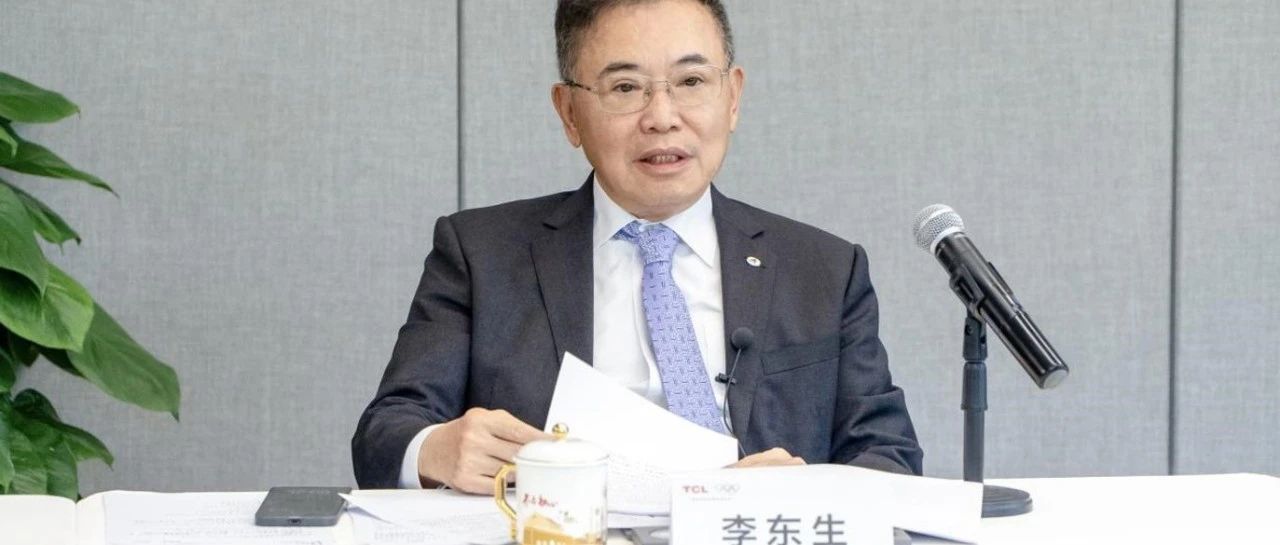
对话人大代表李东生:5年后,有些制造业将不靠融资发展丨长镜头
新浪财经· 2025-03-07 01:03
文|新浪财经 周文猛 过去4年,TCL华 星 新增固定资产投资 达 1080 亿元 , TCL 在 半导体 显示产业累计投资 达 2700 亿元 , TCL 创始人、董事长李东生对中国科技制造的发展有着充分的 信心, 敢于 为未来 投资。 亲自投身科技制造业的经历,让他洞悉了这一领域发展中的痛点、难点。因此,作为全国人大代 表的李东生,几乎每年两会都会提出一项跟制造业相关的建议。 今年两会,李东生又一次围绕优化科技制造业融资环境提出建议。李东生告诉新浪财经,"5年 后,TCL华星、京东方等国内制造业企业,将不需要再依靠资本市场融资来发展,靠自身资金就 足够滚动了。但未来3年到5年,融资还是发展的一个必要条件"。 此外,围绕时下备受关注的生成式人工智能发展,李东生也提出了"加强AI深度伪造欺诈管理"的 建议。在他看来,"人工智能的发展,同样需要加以监督管理"。 5年后 有些企业将不依靠融资发展 近年来,全国人大代表、格力电器董事长董明珠一直都是全国两会上的话题人物。她一直关注民 生和经济领域的热点问题,从个税改革到制造业创新,从加强知识产权保护到提高一线工人待 遇,提出了许多备受关注的建议,并引发广泛讨论。 过 ...

中金:用AI解读政府工作报告
中金点睛· 2025-03-06 23:31
Core Viewpoint - The article utilizes AI to analyze the "Government Work Report" and quantify the incremental information from the "Two Sessions" compared to the Central Economic Work Conference, aiming to identify policy signals and asset trends [2][3]. Group 1: AI Methodology and Analysis - The conventional method of policy interpretation involves identifying key phrases in policy texts and comparing them with previous years to assess policy direction and intensity. AI enhances this by extracting comprehensive information from historical policy documents, overcoming human memory and subjective judgment limitations [3][4]. - AI can convert policy expressions into traceable numerical time series, making it easier to track and understand policy texts. The collaboration between AI and human analysts is essential for nuanced policy interpretation [3][4]. - The analysis of the "Government Work Report" from 2013 to 2025 using AI has yielded quantitative emotional indices for various themes, reflecting the changing focus of policies in response to economic conditions [11][12]. Group 2: Policy Themes and Emotional Indices - The "Government Work Report" can be categorized into 13 themes, including "macroeconomic policy," "structural reform," and "expanding domestic demand," with the thematic focus closely linked to economic conditions and policy guidance [9][10]. - The emotional index for key themes indicates the degree of policy positivity, with higher scores reflecting a more proactive policy stance. For instance, the emphasis on "macroeconomic policy" has increased significantly since 2019, indicating a sustained focus on "stabilizing growth" [5][11]. - The 2025 "Government Work Report" highlights the prioritization of expanding domestic demand and emphasizes specific measures for risk prevention, particularly in the real estate sector [11][12]. Group 3: Market Reactions and Asset Performance - The article finds a correlation between the incremental emotional sentiment in the "Government Work Report" and short-term A-share market performance, with a stronger sentiment on "stabilizing growth" leading to higher stock market gains [16][17]. - Historical analysis from 2010 onwards shows that the market typically experiences a pattern of initial declines followed by rebounds after the "Two Sessions," with the A-share market performing better than historical averages post-2024 [22][23]. - The report suggests a strategic overweight in Chinese stocks and gold, indicating a potential revaluation of Chinese assets driven by recent policy shifts and global economic conditions [24].

【广发资产研究】海外衰退交易,美债利率&美元回落——全球大类资产追踪双周报(3月第一期)
戴康的策略世界· 2025-03-06 13:45
Global Macro Trends - Global stock indices showed divergence from February 24 to March 5, with European and Hong Kong stocks leading gains while U.S. stocks lagged behind [8][9] - U.S. economic data suggests potential stagflation risks, putting pressure on U.S. stocks, while China's government work report indicates a continuation of fiscal stimulus and support for the real estate and stock markets [9][10] Asset Allocation Strategy - The "Global Barbell Strategy" is proposed as the optimal response to the evolving investment landscape characterized by three underlying logics: rising anti-globalization, misalignment in debt cycles, and the trend of AI industries [3][10] - The strategy emphasizes a mix of low-risk, stable assets (such as bonds, Chinese equities, and gold) and high-yield, high-volatility assets (such as U.S. stocks and the Chinese AI industry) to maximize returns while providing safety margins [11][10] Focus Data and Events - Key economic indicators and events are scheduled from March 10 to March 21, including China's February M2 growth rate and new RMB loans, which are critical for assessing economic health [12][13] - The report highlights the importance of monitoring global economic data releases and central bank decisions, particularly from the U.S. Federal Reserve and the Bank of Japan [13][12] Focus Charts - The report includes dynamic tracking of global asset classes, reflecting tight dollar liquidity and increasing financial pressure in the U.S. [14][3] - Key indicators such as the LIBOR-OIS spread and the Citigroup U.S. Economic Surprise Index are monitored to gauge market conditions and economic expectations [3][14]


【市场聚焦】宏观:稳中求进(两会简评)
Zhong Liang Qi Huo· 2025-03-06 08:03
Economic Goals and Policy Adjustments - The economic target for this year is set at 5.0%, which is crucial under external tariff pressures[1] - The deficit ratio has been raised to 4.0%, indicating a need for increased policy support to meet the economic target[1] - Special bonds amounting to 4.4 trillion and 1.3 trillion in ultra-long special bonds are planned, with 500 billion allocated to supplement bank capital[3] Inflation and Supply Dynamics - The inflation target has been adjusted down to 2.0%, aligning more closely with realistic expectations rather than aiming for an increase[1] - Any potential upward movement in domestic commodities is likely to depend on supply-side factors, as confirmed by policy directions[3] Policy Implementation and Market Response - The past two years show a pattern of policy implementation: strong start in Q1, slowdown in Q2 and Q3, followed by acceleration in Q4[2] - The focus for the second quarter will be on whether the response is driven by reality or expectation management, particularly in light of tariff pressures[2] Long-term Development Focus - The emphasis remains on high-quality development, with the 2025 strategy confirming this direction despite current economic challenges[3] - The overall leverage strategy indicates a central government expansion while local governments are expected to reduce leverage, maintaining a stable leverage environment[3]
中信证券 两会政策对大类资产的影响(策略&固定收益)
2025-03-06 05:19
中信证券 两会政策对大类资产的影响(策略&固定收益) 20250305 摘要 政府工作报告在具体政策上有哪些亮点? 报告在具体政策上有几个亮点。首先,在消费和投资方面,提出了消费的提振 专项行动,并计划通过 3,000 亿特别国债进行以旧换新。此外,还提出提高投 资效益,包括 7,350 亿中央投资项目。在产业政策上,将主要产业分为三类: 新兴产业、未来产业、传统制造业,以及数字经济。近期资本市场热衷的新兴 和未来产业如低空商业航天、低空经济及数字经济中的 AI+等都被重点提及。 今年(2025 年)的宏观经济目标是什么?如何实现这些目标? Q&A 请您总结一下今年(2025 年)政府工作报告的核心特点和政策取向。 今年(2025 年)的政府工作报告可以分为需求和供给两端。从需求端来看,主 要内容是更加积极有为的宏观政策,特别强调了"能早尽早"和"宁早勿晚", 这与去年(2024 年)的政策节奏有所不同。此外,还提到了民生导向,特别关 • 2025 年政府工作报告设定经济增长目标为 5%,通胀目标为 2%,强调逆周 期调节,财政融资规模达 11.86 万亿,若包含专项债则接近 13.86 万亿, 占 GDP ...
