
新能源车

Search documents
鑫椤锂电一周观察 | 本周碳酸锂期货价格“上窜下跳”
鑫椤锂电· 2025-08-01 07:58
Industry Highlights - LG Energy Solution signed a significant contract for LFP battery supply worth 5.9442 trillion KRW (approximately 30.9 billion CNY), effective from August 1, 2024, representing 23.2% of its projected annual sales for 2024 [1] - BASF and CATL have entered a framework agreement to develop and supply battery cathode active materials globally, with BASF being designated as an important supplier [2] - LG Energy Solution and Yahua Group are collaborating to build a lithium refining plant in Morocco with an investment of 5.5 billion MAD [3] Market Conditions - Lithium carbonate prices have shown significant volatility, with battery-grade prices ranging from 71,000 to 73,000 CNY per ton as of July 31 [6] - The price of ternary materials has slightly increased, with 5-series single crystal materials priced between 123,000 and 129,000 CNY per ton [8] - Phosphate iron lithium prices remain stable, with power-type prices at 32,100 to 33,200 CNY per ton [9] - The market for negative electrode materials is performing well, with high-end natural graphite products priced between 50,000 and 65,000 CNY per ton [10] - The separator market is stable, with major manufacturers operating at over 80% capacity [11] - Electrolyte prices are stable, with lithium hexafluorophosphate electrolyte priced between 49,000 and 51,500 CNY per ton [13] Battery and Vehicle Demand - The domestic battery market remains stable, with energy storage batteries performing well, while demand for power batteries is relatively flat [14] - Weekly sales of passenger vehicles reached 440,000 units, with new energy vehicle sales at 236,000 units, reflecting a year-on-year increase of 10.72% [15] - The global energy storage market size is projected to increase from 500 GWh to 550 GWh this year, driven by strong demand in regions like Inner Mongolia and Xinjiang [16]



港股科技分化加大?南向上演“越跌越买”,这个指数比恒科“香”!
Jin Rong Jie· 2025-08-01 03:19
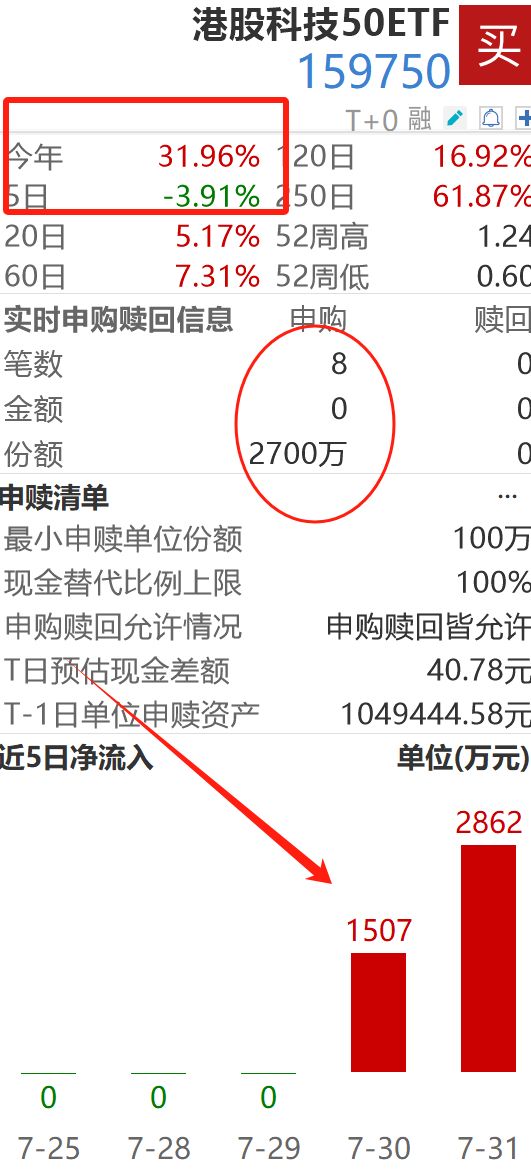
Group 1 - The core viewpoint is that despite recent declines in the Hong Kong technology sector, there is significant buying interest from southbound funds, indicating a potential rebound in the market [1][4][9] - The Hong Kong technology index has a low price-to-earnings (PE) ratio of 22.17, which is at a historically low level, suggesting that the sector is undervalued [4][6] - The technology sector shows internal differentiation, with the electric vehicle and semiconductor sub-sectors performing well, while the internet platform segment has been under pressure due to regulatory scrutiny [4][6] Group 2 - The Hong Kong technology index has outperformed the Hang Seng Technology Index, with a year-to-date increase of 29.69% compared to 22.05% for the latter [7] - The index includes a diverse range of companies beyond just internet giants, such as BYD (electric vehicles), Innovent Biologics (innovative drugs), and SMIC (semiconductors), providing a more comprehensive view of the technology landscape [6][9] - Institutional views suggest that the current valuation recovery potential for Hong Kong internet and innovative drug assets is greater than the downside risks, supported by expectations of renminbi appreciation [4][9]
中盘旗舰指数再添利器 500ETF今日正式发行
Quan Jing Wang· 2025-08-01 01:24
Core Viewpoint - The A-share market has shown a strong rebound since July, with the CSI 500 Index leading the performance among major indices, driven by the technology and cyclical sectors, presenting a "dumbbell" opportunity structure [1][2] Group 1: Market Performance - As of July 30, the CSI 500 Index has achieved a 34.98% increase over the past year, outperforming other core indices like CSI 800 and CSI 300 [1] - The CSI 500 Index has risen 10.29% year-to-date, significantly better than the CSI 300 (5.50%) and SSE 50 (5.01%) [3] Group 2: Sector Analysis - The technology sector, particularly driven by AI breakthroughs, has shown strong performance, with electronics and computer sectors leading the charge [2] - The cyclical sectors, including steel and new energy vehicles, have also gained strength due to ongoing policy measures [2] Group 3: Investment Opportunities - The CSI 500 Index offers a unique configuration value, with over 28% weight in technology and 25% in cyclical sectors, allowing investors to capture dual opportunities efficiently [2] - The newly launched CSI 500 ETF (code: 159500) provides a strategic tool for investors to access core mid-cap assets, capitalizing on both technology growth and cyclical recovery [4] Group 4: Historical Performance - Historically, the CSI 500 Index has demonstrated strong adaptability and ability to capture mainline opportunities, with significant gains during various market cycles, including a 238.99% increase from October 2008 to November 2010 [3] - The index has consistently outperformed the CSI 300 during bull markets, benefiting from its exposure to emerging industries and growth sectors [3] Group 5: Fund Flow and Growth Potential - The CSI 500 Index has seen a net inflow of 40.8 billion yuan in the past year, indicating strong investor interest and growth potential [3] - The projected net profit growth rates for the index are 38.61% and 15.81% for 2025 and 2026, respectively, driven by domestic demand recovery and inventory replenishment [4]
帮主郑重:50%铜关税落地!全球供应链一夜变天,中长线布局窗口已开
Sou Hu Cai Jing· 2025-07-31 16:06
Core Viewpoint - The recent 50% tariff on copper products by the Trump administration is not merely a trade dispute but a significant trigger for a global industrial chain reshuffle, leading to drastic price fluctuations and supply chain adjustments in the copper industry [1]. Group 1: Impact on the Copper Industry - Copper prices in New York experienced a dramatic drop of 18% in a single day following the tariff announcement, with the tariff specifically targeting semi-finished copper products while exempting raw materials like copper ore and cathodes [1][3]. - The tariff is expected to increase production costs significantly, with electric vehicles requiring four times more copper than traditional vehicles, leading to a potential cost increase of $1,200 per Tesla vehicle [3]. - The construction industry is also affected, with the cost of copper cables causing a 35% price increase, resulting in a 40% reduction in the scale of ongoing projects in New York [3]. Group 2: Market Reactions and Supply Chain Adjustments - The tariff has caused a collapse in the premium of COMEX copper prices over LME prices, prompting traders to reroute shipments, with 32 vessels loaded with copper pipes heading to Hawaii before the tariff deadline [3]. - Chilean state-owned copper company Codelco is shifting 20% of its production towards China, while Mexican copper pipe manufacturers are relocating to Monterrey to avoid tariffs, indicating a significant shift in global copper trade dynamics [3]. Group 3: Long-term Investment Considerations - Investors should monitor the potential for tariff exemptions, particularly as Chile is lobbying for relief, which could lead to a rapid decline in copper premiums if successful [4]. - The rising costs are pushing for technological innovations in the industry, with companies like CATL and Tesla exploring copper-free battery technologies, indicating a potential shift in the market landscape [4]. - The copper industry remains essential for the renewable energy revolution, with domestic copper companies showing over 30% profit growth in Q2, suggesting that any market corrections could present buying opportunities [4].
特斯拉也开始挤牙膏了
3 6 Ke· 2025-07-31 09:01
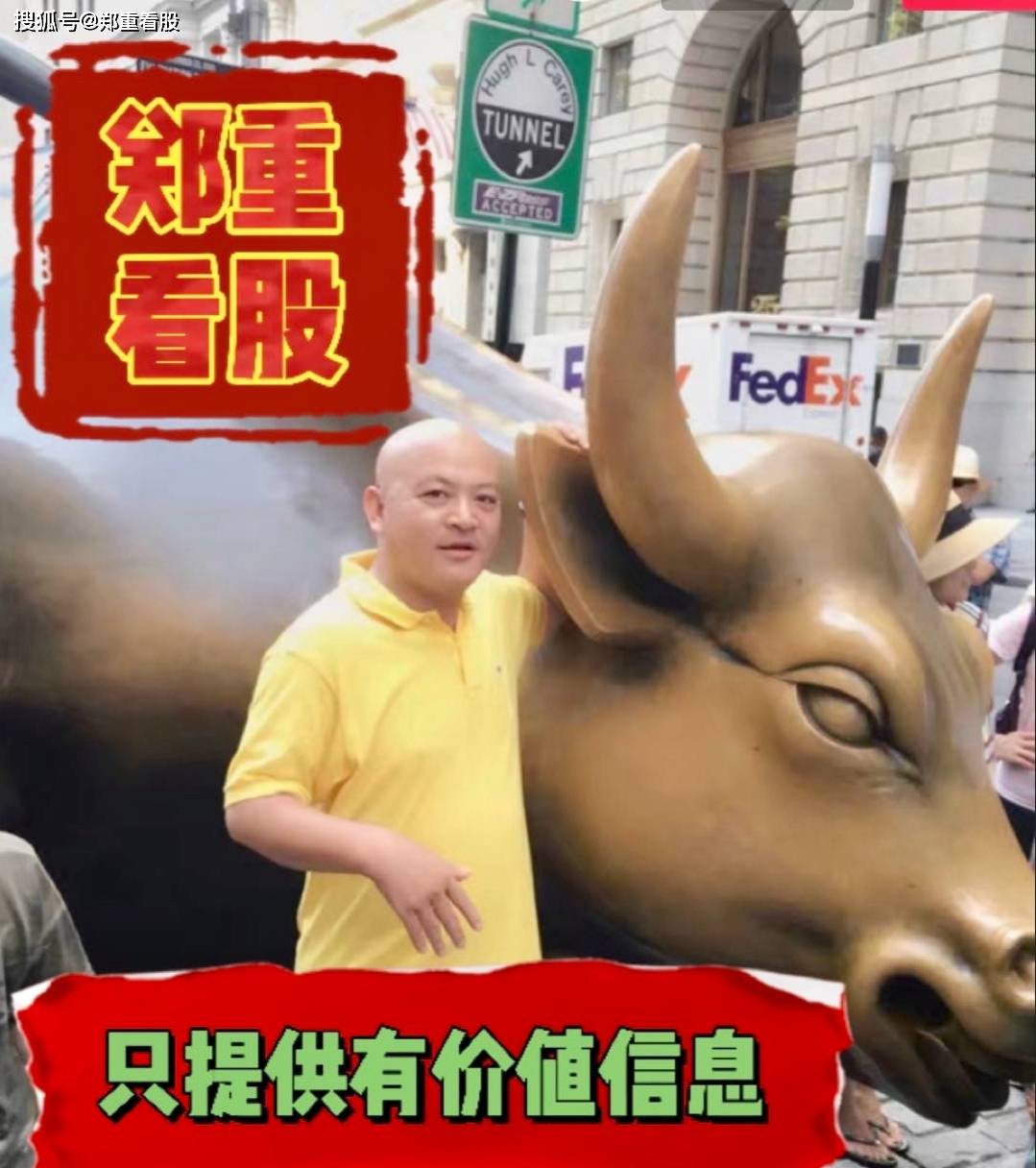
Core Viewpoint - Tesla is facing significant challenges, including a sharp decline in revenue and profit, while attempting to innovate and adapt to market demands, particularly in China [1][15][21]. Group 1: Financial Performance - In Q2 2025, Tesla's revenue dropped by 12% to $22.5 billion, and profit fell by 16% to $1.2 billion, marking the worst performance in a decade [1]. - Tesla's global vehicle deliveries fell by 13.3% year-over-year in the first half of the year, with Q2 deliveries hitting a record low of 384,000 units [15][18]. - In China, Tesla's market share has decreased from a peak of 15% in 2020 to 7.6% [18]. Group 2: Product Development and Innovation - Tesla's Model 3 and Model Y have seen delayed updates, with the first redesign of Model 3 occurring six years after its launch and Model Y five years after [4]. - The introduction of a lower-priced Model Y is expected in 2025, but it has faced multiple delays and design changes, which may not meet initial market expectations [4][21]. - Tesla's recent product strategy appears to be more reactive, focusing on minor updates rather than groundbreaking innovations, similar to Intel's past approach [20]. Group 3: Market Competition - Tesla is increasingly challenged by competitors like BYD and new entrants such as Xiaomi, which are rapidly gaining market share in the electric vehicle sector [18][27]. - The competitive landscape is intensifying, with Xiaomi's SU7 and YU7 models showing strong sales performance, putting pressure on Tesla's existing models [27]. - The overall growth of the Chinese electric vehicle market is outpacing Tesla's growth, with a 35.5% increase in overall sales compared to Tesla's 8.8% [18]. Group 4: Strategic Adjustments - Tesla's recent product adjustments, such as the removal of certain features in the lower-priced Model Y, indicate a shift towards more consumer-friendly designs [9][14]. - The company is adapting its strategy to better align with local market demands in China, reflecting a need to cater to consumer preferences beyond just performance [14][15]. - Despite the introduction of the lower-priced Model Y, there are concerns about its timing and the competitive landscape, which may limit its effectiveness in reversing Tesla's current market position [21][23].

中经评论:把握消费提质升级新趋势
Zhong Guo Jing Ji Wang· 2025-07-31 08:17
Core Insights - China's super-large market presents unlimited opportunities and immense potential, driven by the growing demand for a better life among its people, which fuels the upgrade of consumption quality [3][6] - The Ministry of Commerce's report on consumption during the 14th Five-Year Plan highlights four key themes: expansion, quality improvement, renewal, and openness [6][7] - The average annual growth rate of total retail sales of consumer goods reached 5.5% over the past four years, with expectations to exceed 50 trillion yuan this year [6] - The average annual growth rate of residents' service consumption expenditure was 9.6%, with its share of total consumption expenditure increasing by 3.5 percentage points to 46.1% [6] - New consumption patterns are emerging, with a shift from "whether" to "how good" in consumer demand, indicating a clear trend towards quality consumption upgrades [6][7] Consumption as Economic Driver - Consumption is identified as the "main engine" and "stabilizer" of economic growth, as well as a "barometer" of public well-being [7] - Various policies have been implemented to promote consumption and enhance people's livelihoods, indicating a strong governmental push towards consumption quality upgrades [7][8] - The per capita disposable income and per capita consumption expenditure of residents increased from 32,000 yuan and 21,000 yuan to 41,000 yuan and 28,000 yuan, respectively, over the past four years [7] Future Consumption Trends - The transition towards service consumption will be a major development direction during the 15th Five-Year Plan, driven by technological advancements and a shift in consumer preferences [8] - Improving the consumption environment is essential for enhancing consumer willingness, which involves infrastructure development, market regulation, and consumer rights protection [8] - The evolving consumption landscape presents both challenges and opportunities for businesses, emphasizing the need to adapt to new consumer demands and enhance service offerings [8]
但斌美股持仓曝光!新进加密货币交易所+三倍杠杆ETN,风格变激进?
券商中国· 2025-07-31 05:59
Core Viewpoint - Oriental Harbor Investment Fund, led by Dan Bin, has revealed its latest adjustments in U.S. stock holdings for Q2, showing a significant increase in total market value and a focus on AI and cryptocurrency sectors [1][2][3]. Group 1: Holdings Overview - As of the end of Q2, Oriental Harbor held 13 U.S. stocks with a total market value of $1.126 billion, up from approximately $868 million at the end of Q1 [2]. - New purchases in Q2 included Tesla, Netflix, and Coinbase, with Tesla being bought at 198,300 shares valued at $63.01 million and Netflix at 42,800 shares valued at $57.23 million [4][5]. - Coinbase, the largest cryptocurrency exchange in the U.S., was newly added to the portfolio with a holding value of approximately $54.7 million [5]. Group 2: Major Holdings and Adjustments - Nvidia remains the largest holding, slightly reduced by 110,000 shares, with a market value of $200 million, while Google has been increased to the second-largest holding with a market value of $163 million [5][6]. - There were reductions in holdings of Apple, Amazon, Microsoft, and Meta [6]. Group 3: Investment Strategy - The investment strategy shows three main characteristics: a focus on the AI industry, the use of leveraged tools to bet on market growth, and a significant allocation to derivative funds [7][10]. - The fund has invested in leveraged ETNs, including $129 million in a three-times leveraged FANG+ index ETN, which carries high risk due to its nature of daily adjustment [10][11]. - Despite a significant recovery in fund performance, the aggressive strategy has raised market skepticism, especially after a notable drawdown earlier in the year [8][13].


零跑汽车(9863.HK)跟踪点评:零跑B01正式上市 产品周期持续驱动
Ge Long Hui· 2025-07-31 02:50
Group 1 - The core viewpoint is that the launch of the Leap B01 electric sedan is expected to drive sales growth for the company, with a strong initial order performance of 10,132 units within 72 hours of its release [1][3] - The company maintains a "Buy" rating, projecting revenues of 648 billion, 935 billion, and 1,130 billion yuan for 2025, 2026, and 2027 respectively, with net profits of 9 million, 31 million, and 64 million yuan [1] - The company uses a price-to-sales (PS) method for valuation, assigning a target price of 79.85 HKD for 2025 based on a PS ratio of 1.5 times [1] Group 2 - The Leap B01 is launched with six configurations priced between 89,800 and 119,800 yuan, showcasing a competitive edge in the A-class sedan market [2] - The B01 features advanced technology, including a 650km range version powered by CATL batteries and a laser radar version equipped with Qualcomm chips [2] - The vehicle's dimensions are 4770mm in length, 1880mm in width, and 1490mm in height, with a wheelbase of 2735mm and a high space utilization rate of 86% [2] Group 3 - The company achieved a record delivery of 48,000 vehicles in June, marking a year-on-year increase of 138% and a quarter-on-quarter increase of 7% [3] - The total delivery for the first half of 2025 reached 222,000 vehicles, representing a 156% year-on-year growth, making it the top-selling brand among new forces in the automotive industry [3] - The strong demand for the 650km range version, which accounted for 70% of the initial orders, indicates a positive market reception for the B01 [3]

美股异动 | 新能源车股走低 特斯拉跌超1%
Zhi Tong Cai Jing· 2025-07-30 16:06
Group 1 - The core viewpoint of the article highlights a decline in the stock prices of several electric vehicle companies, including NIO, Xpeng, Li Auto, and Tesla, amidst news of Tesla's significant procurement deal with LG Energy [2] - NIO's stock fell over 3%, Xpeng's over 2%, Li Auto's over 3.5%, and Tesla's over 1% as of the report [2] - Tesla has signed a $4.3 billion agreement with LG Energy to procure lithium iron phosphate (LFP) batteries, marking the second deal Tesla has made in South Korea this month [2] Group 2 - The batteries procured from LG Energy will be produced at the company's U.S. factory, but they are not intended for use in vehicles [2] - The ultimate purpose of these batteries will be for energy storage systems, indicating a strategic shift in Tesla's supply chain focus [2]


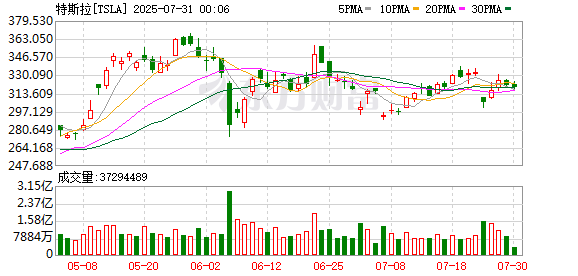
美股异动 | 新能源车股走低 特斯拉(TSLA.US)跌超1%
智通财经网· 2025-07-30 15:46
Core Viewpoint - The news highlights a decline in the stock prices of several electric vehicle manufacturers, including NIO, Xpeng, Li Auto, and Tesla, amidst a significant procurement agreement between Tesla and LG Energy Solutions for lithium iron phosphate (LFP) batteries valued at $4.3 billion [1] Group 1: Stock Performance - NIO's stock fell over 3% [1] - Xpeng's stock decreased by more than 2% [1] - Li Auto's stock dropped over 3.5% [1] - Tesla's stock declined by more than 1% [1] Group 2: Tesla and LG Energy Solutions Agreement - Tesla signed a $4.3 billion agreement with LG Energy Solutions to procure LFP batteries [1] - This marks the second transaction Tesla has made in South Korea this month [1] - The batteries will be produced at LG Energy Solutions' factory in the United States, but they will not be used in vehicles; instead, they are intended for energy storage systems [1]