芯片制造

Search documents
模拟芯片开始涨价,交期增长
半导体行业观察· 2025-07-01 01:03
Core Viewpoint - The article discusses the recovery of the semiconductor market as manufacturers clear inventory, leading to rising prices and delivery times for analog chips [2][3]. Group 1: Market Dynamics - Analog chip prices and delivery times are increasing as manufacturers address inventory backlogs [2]. - Texas Instruments (TI) is raising the production process of various analog components by 30%, with some data converter component prices doubling [2]. - TI is increasing the output of 300mm wafer analog components at its Richardson, Texas facility and plans to invest $60 billion to build three new fabs [2]. Group 2: Future Market Outlook - The German distribution trade group FBDi anticipates market improvement in the second half of 2025 due to reduced inventory [3]. - Supply chain resilience has become a priority for companies post-COVID, emphasizing the need for robust risk management strategies [3]. - Generative AI is increasingly applied in supply chain management, enabling continuous analysis of large datasets to identify potential risks and generate insights [3]. Group 3: Distributor Insights - UK distributor Anglia's marketing director indicates that market conditions are improving, with suppliers concerned about potential order backlogs due to expected longer delivery times later in the year [4].


突发,中国同意给美国稀土!特朗普访华有三大目的,会参加阅兵吗
Sou Hu Cai Jing· 2025-06-30 16:21
中美达成了一项关于稀土供应的"谅解协议",这不仅仅是一次简单的贸易往来,更像是一场博弈中的战术撤退。中国向美国企业发放了有效期仅六个月的稀 土出口许可证,涵盖风力涡轮机、喷气式飞机等多种用途,而作为回应,美国撤销了五月实施的对华限制措施。这一举动看似是对抗中的短暂和平,实则是 中方策略性的一招。 短期性的许可证安排,既保证了供应链短期内的稳定,也给未来留下了足够的谈判空间和反制筹码。 在中美贸易战的背景下,特朗普计划率领包括马斯克(特斯拉)、黄仁勋(英伟达)在内的十名顶尖CEO访华的消息,无疑为这场紧张的关系带来了新的变 数。 这些行业巨头代表着新能源、人工智能、半导体等关键领域,他们对中国市场的依赖程度极高。此次访问不仅是商界对政治决策的一种无声抗议,更是对美 国对华"脱钩"政策失败的公开承认。面对国内债务危机、低迷的支持率以及经济压力,特朗普不得不寻求与中国的合作以缓解内部矛盾。 特朗普可能希望通过这次访问解决美债危机,挽救其不断下滑的支持率,并缓解中美之间的经贸压力。随着中国连续减持美债,美元霸权受到了前所未有的 挑战。同时,由于贸易战的影响,美国经济增长放缓,就业市场受损。 而且,截至目前为止,没有任 ...

累计营收7429亿元,成都何以成为互联网企业创新“沃土”?
Mei Ri Jing Ji Xin Wen· 2025-06-30 10:14
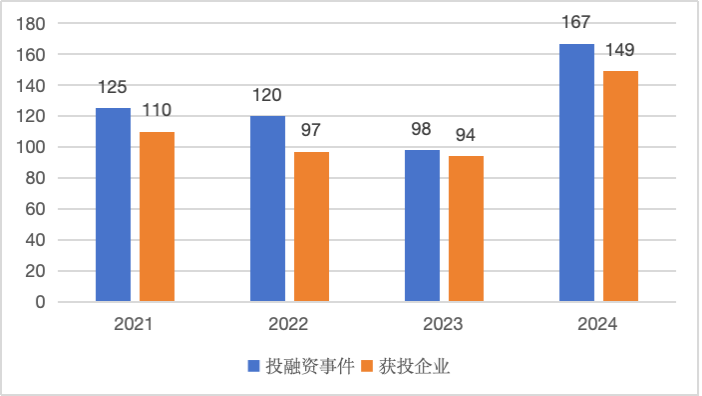
Core Insights - The report highlights the rapid growth and innovation within Chengdu's internet industry, with 3,725 internet-related companies achieving a total revenue of approximately 742.9 billion yuan in 2024 [2] Group 1: Financing and Investment - Chengdu's financing market is thriving, exemplified by the listing of Chengdu Great Wall Development Technology Co., Ltd., which raised 1.017 billion yuan, setting a record since the North Exchange's inception in 2021 [3] - In 2024, the internet sector in Chengdu saw 167 investment events, a 72% increase year-on-year, with 149 companies receiving funding, marking a 59% rise [4] - Notable companies like Guanyan Technology and Tuomi Shuangdu have secured multiple rounds of investment, totaling nearly several hundred million yuan [6] Group 2: Innovation and Development - Chengdu's internet companies are recognized for their strong innovation capabilities, with over 190 national and provincial innovation platforms and approximately 39,000 effective patents, covering 52.7% of enterprises [8] - The animation industry in Chengdu has shown remarkable growth, with the film "Nezha 2" achieving a box office of 15.9 billion yuan, showcasing the vitality of the local animation sector [9] - The gaming industry in Chengdu is robust, with over 300 core R&D companies and a workforce of about 50,000, making it the fourth largest in the country [10] Group 3: Application and Technology - Chengdu is advancing smart city initiatives with applications like autonomous vehicles and drones, enhancing urban competitiveness [11] - The artificial intelligence sector in Chengdu is developing comprehensive advantages in computing power, core software, and chip design, with companies like Kaola Youran leading in AI platforms [12] - The e-commerce sector is thriving, with significant growth in digital consumption, cross-border, and live-streaming e-commerce [14]
【行业政策】一周要闻回顾(2025年6月23日-6月29日)
乘联分会· 2025-06-30 08:38
Core Viewpoint - The article discusses the announcement of the 76th batch of qualified road transport vehicle models by the Ministry of Transport, highlighting the importance of establishing industry standards for automotive control chips to enhance safety, reliability, and performance in the automotive sector [5][8][10]. Group 1: Announcement of Qualified Vehicle Models - On June 23, the Ministry of Transport published the announcement regarding the 76th batch of qualified road transport vehicle models, which includes a total of 2203 models [3][5]. - The breakdown of the qualified models includes 108 passenger vehicles, 41 passenger cars, 1359 cargo vehicles, 299 tractors, and 396 trailers [5]. - Additionally, 3 models have been revoked from the list of qualified vehicles [5]. Group 2: Industry Standards for Automotive Control Chips - The National Automotive Standardization Technical Committee is seeking public opinions on two draft industry standards related to automotive control chips, which are crucial for ensuring performance and safety in vehicles [6][8]. - The proposed standards cover general technical requirements and testing methods for automotive control chips, addressing functionality, performance, electrical characteristics, reliability, and safety [7][9]. - The establishment of these standards is deemed essential to mitigate risks associated with varying chip performance across different manufacturers, which can affect driving experience and safety [8][10]. Group 3: Future Developments in Automotive Chip Standards - With the acceleration of electrification, intelligence, and connectivity in the automotive industry, there is an increasing demand for high-performance control chips in chassis systems [10]. - The Ministry of Industry and Information Technology has initiated the development of a national automotive chip standard system to guide and regulate the application of various automotive chips [10]. - The implementation of these standards is expected to enhance the overall quality of control chips, thereby supporting the development of the automotive industry in China [10].
英特尔服务器 CPU 份额继续降
半导体行业观察· 2025-06-30 01:52
Core Viewpoint - Intel is rapidly losing its dominance in the server CPU market to AMD and ARM-based solutions, with predictions indicating that by 2027, AMD and Intel's market shares may be nearly equal [1][2]. Group 1: Market Share Dynamics - As of June 2025, AMD holds approximately 33% of the server CPU market, while Intel's share has decreased to around 62%, a significant change from 2017 when Intel dominated the market [1]. - AMD's market share has surged from about 10% in 2020 to over 20% in 2021 and 2022, with projections suggesting it will reach 36% by the end of 2025, while Intel's share is expected to drop to around 55% [2]. - By 2027, AMD's market share could reach 40%, with Intel potentially falling below the symbolic 50% threshold, and ARM processors may grow to capture 10% to 12% of the market [2]. Group 2: Competitive Landscape - AMD's success is attributed to its Zen architecture and a strong product roadmap, which enhances its competitive edge, while Intel's recent efforts, including the Xeon 6 series, have not positively impacted market data [3]. - The growth of ARM-based server processors, although currently below 10%, is also notable as they gradually gain market share [2].


内存芯片,寒冬已过?
虎嗅APP· 2025-06-29 23:55
Core Viewpoint - The semiconductor industry is showing signs of recovery, particularly in the memory chip sector, with increasing prices, inventory reduction, and order recovery indicating a potential end to the "winter" previously forecasted by Morgan Stanley [3][25]. Group 1: Signals of Recovery - Signal 1: South Korea's general DRAM exports have surged, with a 27.8% increase in March, 38% in April, 36% in May, and 25.5% in the first 20 days of June, indicating a shift towards supply-demand tightness [4][6]. - Signal 2: Samsung's general DRAM performance is improving, with expected operating profit of 2 trillion KRW (approximately 1.5 billion USD) in Q2, doubling from the previous quarter due to rising DRAM prices [9]. - Signal 3: DDR4 prices have skyrocketed, with a 16Gb DDR4 chip price rising from 5.6 USD on May 23 to 11.5 USD by June 20, while DDR5 prices remain stable around 6 USD [11][13]. Group 2: Financial Performance - Signal 4: Micron reported strong financial results with quarterly revenue of 9.3 billion USD, a 15.5% quarter-over-quarter increase, and a 36.6% year-over-year increase, significantly exceeding market expectations [14]. - Signal 5: SK Hynix has gained a competitive edge in the DRAM market, achieving a 36% market share in Q1, driven by HBM demand, and expects Q2 operating profit to reach nearly 9 trillion KRW (approximately 6.6 billion USD) [17][19]. Group 3: Structural Changes in the Industry - The current recovery is attributed to structural changes, including the active phase-out of DDR4 by major manufacturers, which reduces supply pressure and shifts focus to DDR5 and HBM products [21]. - Capacity shifts towards HBM production are increasing unit profits, with SK Hynix's capital expenditure rising to 29 trillion KRW, reflecting a strategic pivot to higher-value products [22]. - Policy-driven inventory accumulation due to uncertain trade policies has further contributed to rising short-term prices [23]. Group 4: Market Outlook - The semiconductor industry is expected to enter a new growth cycle, with multiple indicators suggesting that the "chip winter" may be over, despite ongoing macroeconomic uncertainties [26][27].

英特尔CSO,离职!
半导体行业观察· 2025-06-28 02:21
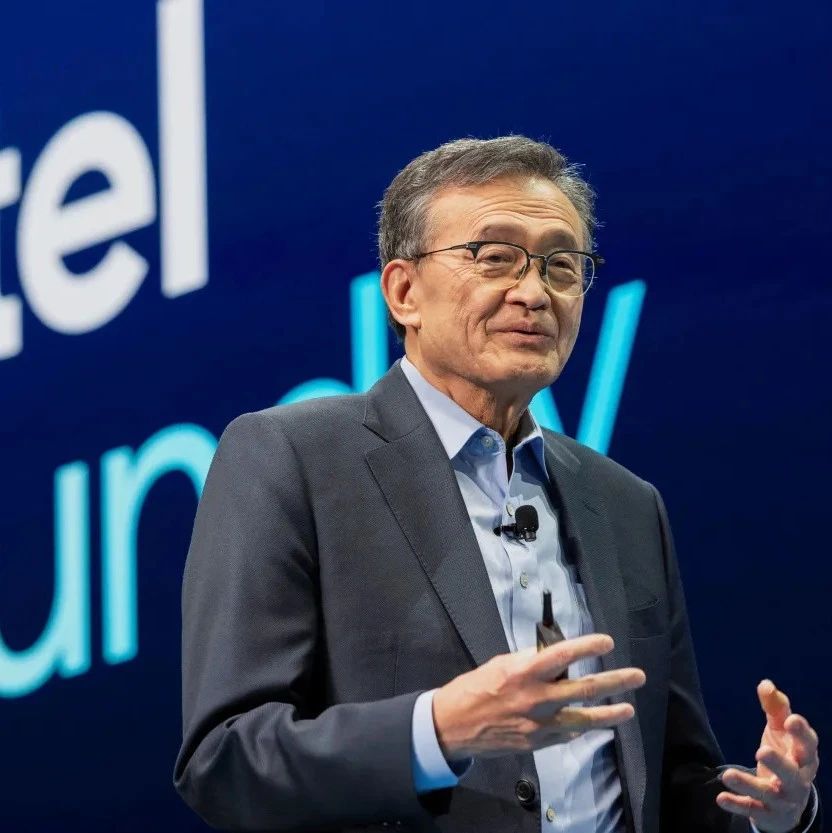
Core Viewpoint - Intel is undergoing significant leadership changes and restructuring under CEO Lip-Bu Tan, including the departure of Chief Strategy Officer Safroadu Yeboah-Amankwah and plans for substantial layoffs to streamline operations and improve efficiency [1][2][3]. Leadership Changes - Safroadu Yeboah-Amankwah will leave Intel on June 30, 2024, after serving as Chief Strategy Officer since 2020, overseeing growth plans, strategic partnerships, and equity investments [2]. - Sachin Katti has been promoted to Chief Technology and AI Officer, taking over some of Yeboah-Amankwah's strategic responsibilities [2]. - Intel Capital, the company's venture capital arm, will report directly to CEO Lip-Bu Tan [2]. Restructuring and Layoffs - Intel has initiated layoffs in California, with approximately 107 employees at its Santa Clara headquarters being affected [5]. - The layoffs are part of a broader strategy to reduce the workforce by 15% to 20% in the chip manufacturing division, as announced in an internal memo [6][9]. - The company plans to cut $500 million in operating expenses this year and an additional $1 billion next year to enhance execution and operational efficiency [6]. Job Impact - The layoffs will impact various engineering roles, including physical design engineers, cloud software architects, and product development engineers, among others [7]. - The restructuring aims to reduce middle management to accelerate decision-making and address bureaucratic challenges within the organization [7]. Business Focus - Intel is shifting its focus back to core customers and data center products, which includes plans to gradually shut down its automotive chip business [9]. - The company is also outsourcing certain marketing functions to consulting firm Accenture to modernize its digital capabilities and improve service delivery [9].
光刻技术“神坛”崩了,巨头纷纷退货,“平替”杀来了!
Xin Lang Cai Jing· 2025-06-27 10:22
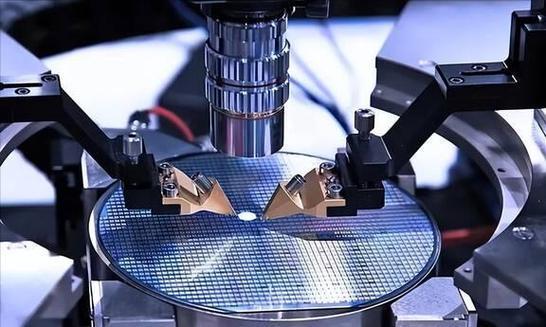
Group 1 - The semiconductor industry is experiencing a shift in focus from photolithography to etching technology, as major companies like Intel, TSMC, and Samsung are delaying the adoption of High-NA EUV lithography machines [1][6][10] - High-NA EUV, initially seen as a revolutionary technology capable of producing chips at 1nm and below, is now viewed as an expensive option that may not be necessary for current manufacturing processes [3][6][10] - The cost of High-NA EUV machines, approximately €378 million each, is a significant factor in companies' decisions to postpone their use, as existing technologies can achieve similar results at a lower cost [6][10] Group 2 - The role of etching technology has become increasingly important in chip manufacturing, especially as the industry moves towards 3D structures like GAAFET, which require precise etching rather than just fine lithography [8][12] - Companies are now focusing on maximizing the use of space in three-dimensional chip designs, shifting the competitive landscape from lithography precision to etching capabilities [8][12] - The stock prices of etching equipment manufacturers like Lam Research and Tokyo Electron have surged, indicating a growing demand for etching technology as the industry evolves [8][9] Group 3 - ASML's dominance in the lithography market is under pressure as the demand for High-NA EUV machines declines, leading to concerns about the sustainability of its business model [9][10] - The company reported selling 418 lithography machines in 2024, with a significant portion of revenue coming from China, highlighting the ongoing demand for DUV lithography in mature processes [9][10] - Emerging technologies, such as EUV-FEL and atomic lithography, pose potential threats to ASML's market position, as they may offer superior capabilities and lower costs in the future [11][12] Group 4 - The semiconductor industry's evolution reflects a broader trend away from reliance on a single technology, with a more diversified approach emerging that includes etching, new materials, and innovative architectures [12][14] - The industry is moving towards a model where multiple technologies coexist, reducing the previous over-reliance on photolithography as the sole solution for chip manufacturing [12][14] - The future of the semiconductor industry is likely to be characterized by a variety of competing technologies, rather than a single dominant player, indicating a more competitive and innovative landscape [14]


最新一代内存标准,没人用?
半导体芯闻· 2025-06-27 10:21
Core Viewpoint - The CXL (Compute Express Link) market has not yet launched as expected, primarily due to the underperformance of key players like Samsung Electronics and Intel [1][3]. Group 1: Market Status - The CXL market is currently stagnant, with a notable lack of discussions surrounding it, attributed to the weak performance of market leaders Samsung and Intel [3]. - Intel's next-generation server CPU, "Diamond Rapids," which is crucial for CXL's market launch, may face delays due to internal restructuring and layoffs [3][4]. - Samsung is in a holding pattern, waiting for the market to open, as the development of CXL-compatible memory products cannot proceed without corresponding processors [4]. Group 2: Opportunities and Risks - The introduction of CXL may lead to a decline in overall sales of processors and memory, as it aims to utilize existing resources more efficiently, which could negatively impact companies reliant on these sales in the short term [6][7]. - However, CXL-compatible chips are high-value products that could improve the profit structure for both Samsung and Intel, aligning with the semiconductor industry's trend towards high-value offerings to avoid cyclical fluctuations and competition with low-cost manufacturers [7]. - The CXL market is expected to see significant growth by 2026, with hyperscale cloud service providers likely to dominate this market due to their need for improved resource utilization and cost savings [8][9].
科股早知道:该AI大模型应用成果发布会将举行,机构称这一细分领域是AI落地重要场景
Tai Mei Ti A P P· 2025-06-27 00:12
Group 1: Cross-Border Payment Market - The global cross-border payment market is expanding, with multiple banks entering the trillion-yuan market following the launch of the Cross-Border Payment platform [2] - According to EIU, the global cross-border payment transaction volume is expected to reach $194.6 trillion in 2024, maintaining steady growth compared to 2023, and projected to grow at a CAGR of 6.4% to $320 trillion by 2032 [2] Group 2: Solid-State Battery Technology - EVTank predicts that global solid-state battery shipments will reach 614.1 GWh by 2030, with a market size exceeding 250 billion yuan [3] - The upgrade of battery technology is a core driver of expanding terminal demand, with solid-state batteries being identified as the next-generation battery technology due to their high energy density and safety [3] Group 3: Nvidia's Market Valuation - Loop Capital forecasts that Nvidia's market valuation could expand to $6 trillion, benefiting from a new wave of AI application growth, representing a 65% increase from its current valuation of $3.6 trillion [4] - The demand for computing power is spreading globally, with North American infrastructure companies frequently exceeding performance expectations [4] Group 4: AI in Education - The Tianli International-hosted AI model application results conference will showcase innovations in AI education technology, emphasizing its role in reshaping the educational ecosystem [5] - The "AI + Education" market is projected to reach 160 billion yuan by 2027 and nearly 180 billion yuan by 2030, driven by technological advancements and increased funding attention [5]