家电

Search documents
家电企业掉进“伪用户”时代的大坑
Sou Hu Cai Jing· 2026-01-19 16:12
Core Viewpoint - The home appliance industry is experiencing a transformation towards "user management," but many companies are falling into the trap of "pseudo-user" practices, leading to ineffective strategies and poor outcomes [3][4]. Group 1: Issues in User Management - Many companies are superficially adopting user-centric strategies without genuine intent, often prioritizing quick sales over true customer satisfaction [4]. - There is a noticeable decline in product quality, particularly in low-cost appliances, leading to a negative user experience despite lower prices [4]. - Companies are focusing on short-term sales metrics rather than establishing a sustainable user-centered marketing service system [5][6]. Group 2: Misalignment in User Understanding - Companies often fail to grasp the dynamic nature of user needs, treating user engagement as a temporary trend rather than a long-term strategy [6]. - The disconnect between stable business goals and fluctuating user demands creates significant challenges for effective user management [6]. Group 3: Recommendations for Improvement - Companies need to innovate internal management systems to facilitate better user engagement and feedback, ensuring that all departments are aligned with user needs [7]. - Establishing a market strategy centered around high-quality products and services is essential for attracting and retaining users [8]. - Continuous investment and practical implementation in user engagement strategies are crucial for overcoming the challenges posed by the "pseudo-user" era [8].


“华润系”接管提速 康佳洗牌纾困
Bei Jing Shang Bao· 2026-01-19 13:52
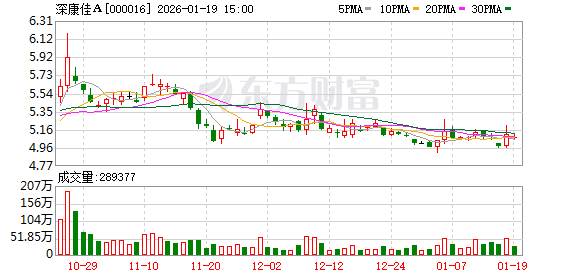
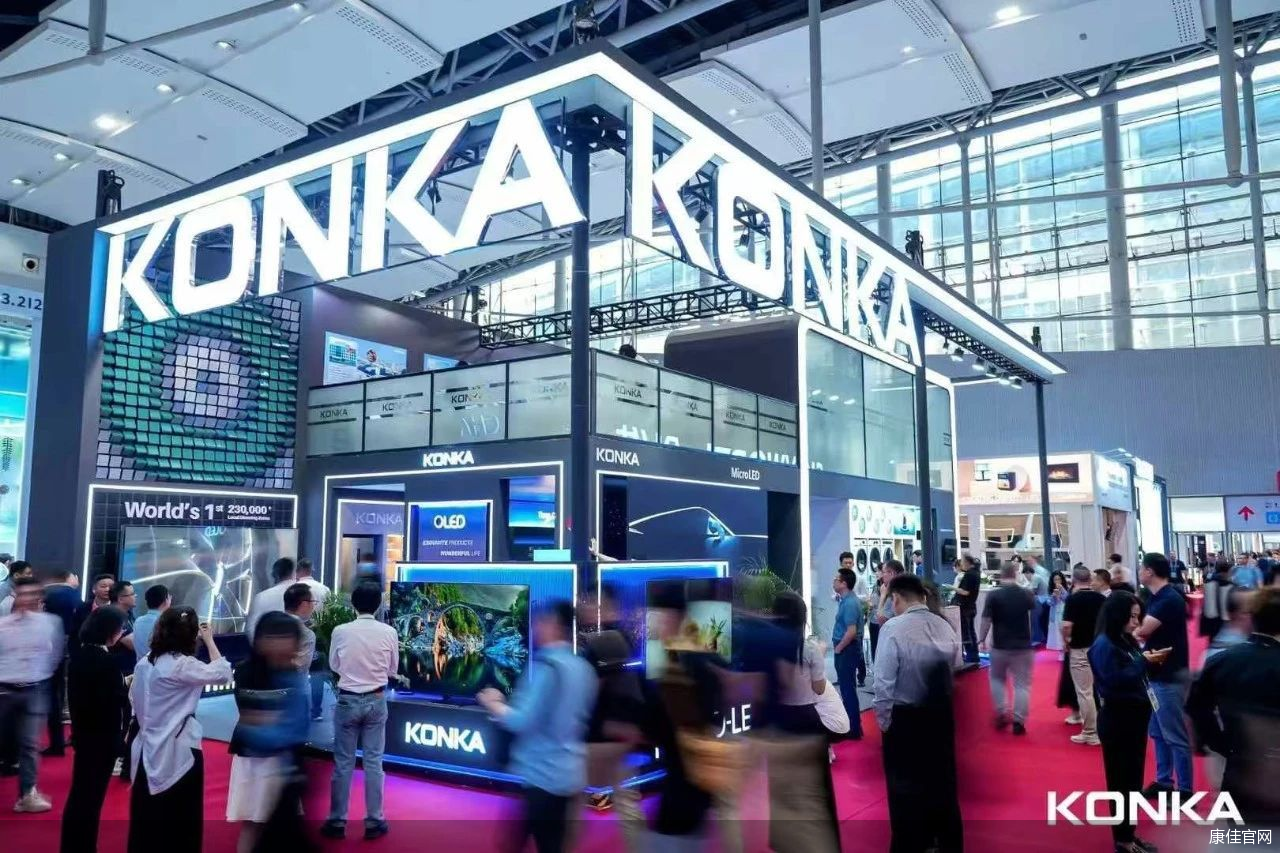
Core Viewpoint - Konka, a historic Chinese electronics company, is undergoing a significant transformation driven by its new controlling shareholder, China Resources, amid a challenging market environment characterized by stock competition and declining industry growth [2][3]. Group 1: Shareholder and Management Changes - China Resources has become the controlling shareholder of Konka, with a shareholding exceeding 30% after a series of stock transfers [3]. - Key management changes have occurred, including the appointment of Dong Gang as Vice President and the resignation of former executives, indicating a shift towards a management style aligned with China Resources [3]. Group 2: Financial Adjustments - China Resources provided Konka with a low-interest loan of 3.97 billion yuan to alleviate long-standing financial pressures, with part of the funds allocated to repay debts to the previous controlling shareholder [4]. - Despite a net loss of 982 million yuan in the first three quarters of 2025, the company has reduced its losses by 38.89% year-on-year, indicating some positive impact from the financial adjustments [4]. Group 3: Business Strategy and Focus - Konka is narrowing its focus to core business areas, including consumer electronics, PCB, and semiconductors, in response to intensified competition in the home appliance market [6]. - The consumer electronics segment remains a priority for transformation, although it is currently facing profitability challenges due to various market factors [6][7]. - The PCB business is relatively stable, while the semiconductor sector is seen as a future growth area, despite being in the early stages of industrialization and facing short-term losses [7]. Group 4: Industry Context - The home appliance industry is experiencing structural adjustments, with a shift from price competition to value competition, which may influence Konka's business optimization efforts [6][7]. - The company must adapt to industry trends, enhance the profitability of its core businesses, and accelerate the commercialization of its emerging semiconductor operations to achieve a successful transformation [7].
“华润系”接管提速,康佳洗牌纾困
Bei Jing Shang Bao· 2026-01-19 13:51
Core Viewpoint - Konka, a historic Chinese electronics company, is at a critical transformation juncture as it faces ongoing losses and industry challenges, necessitating a strategic shift towards core business areas and operational efficiency [1][6]. Group 1: Corporate Restructuring - After China Resources took control, a comprehensive integration process began, affecting equity, personnel, and financial aspects to lay the groundwork for transformation [3]. - In April 2025, China Resources became the controlling shareholder of Konka, holding over 30% of the shares, which solidified control for subsequent adjustments [3]. - Key personnel changes included the appointment of Dong Gang as Vice President and the resignation of former executives, indicating a shift towards China Resources' management philosophy [3]. Group 2: Financial Support and Challenges - China Resources provided Konka with a low-interest loan of 3.97 billion yuan to alleviate long-standing financial pressures, with a portion allocated to repaying previous debts [4]. - Despite a net loss of 982 million yuan in the first three quarters of 2025, this represented a 38.89% reduction in losses year-on-year, indicating some progress [5]. - The company reported a negative operating cash flow of 1.086 billion yuan in the first half of 2025, highlighting ongoing liquidity challenges [5]. Group 3: Business Focus and Market Conditions - In response to intensified competition, Konka is narrowing its focus to three core areas: consumer electronics, PCB, and semiconductors, aiming for growth through business optimization [6]. - The consumer electronics segment remains a primary focus but is currently unprofitable, with a gross margin of only 0.39% due to various operational challenges [8]. - The PCB business is relatively stable, while the semiconductor sector is seen as a future growth point, although it is still in the early stages of industrialization and profitability [8][9]. Group 4: Industry Context - The domestic home appliance market is experiencing structural adjustments, with a shift from price competition to value-based competition, which may influence Konka's business strategies [7][9]. - The company must adapt to industry trends, enhance the profitability of core operations, and expedite the commercialization of emerging businesses to navigate the competitive landscape effectively [9].
掌舵不足半年,康佳总裁曹士平离任
Guo Ji Jin Rong Bao· 2026-01-19 13:41
Management Changes - The recent resignation of President Cao Shiping and Vice President Yang Bo indicates a significant shift in management at Konka Group, with a focus on integrating executives from China Resources [1][2] - The board will expedite the process of appointing a new president and board members following these resignations [1] Ownership Transition - In late July 2025, Konka Group officially transitioned to being controlled by China Resources after the completion of a share transfer involving 198 million B-shares [2] - The new chairman, Wu Jianjun, has a background in China Resources, reflecting the increasing influence of this group within Konka's leadership [2] Financial Performance - Konka Group has experienced a significant decline in revenue, dropping from over 55 billion yuan at its peak to less than 20 billion yuan, with a cumulative net loss of nearly 7 billion yuan over the past three years [3] - The company anticipates continued losses, projecting a negative net profit for the fiscal year 2025, marking the fourth consecutive year of losses [3] - For the first three quarters of 2025, Konka reported revenues of 7.679 billion yuan, a year-on-year decrease of 5.43%, and a net loss of 982 million yuan, an increase in loss of 38.89% compared to the previous year [3]

2025收官:高技术制造领跑,5%目标如期达成,2026年有望“开门红”
Hua Er Jie Jian Wen· 2026-01-19 13:35
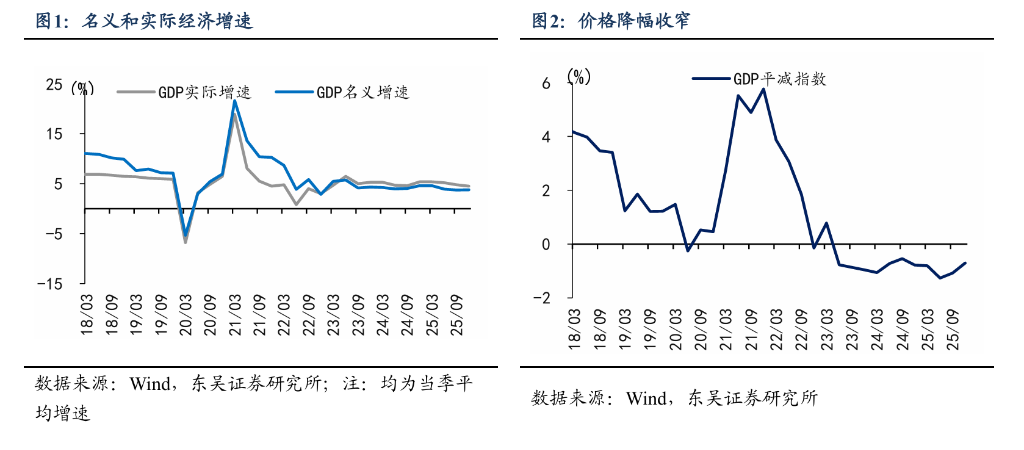
Economic Overview - In 2025, China's GDP surpassed 140 trillion yuan, achieving a year-on-year growth of 5%, successfully meeting the government's growth target despite complex external conditions and domestic supply-demand contradictions [1] - The industrial production, particularly in high-tech manufacturing, showed strong resilience, with exports exceeding expectations and becoming a key driver of economic growth [1] Production Sector - Industrial production was a major highlight in 2025, with a year-on-year increase of 5.2% in December for large-scale industrial added value, and high-tech manufacturing value growing by 11%, more than double the overall industrial growth rate [5] - Specific products like industrial robots and integrated circuits saw significant production increases of 14.7% and 12.9%, respectively, indicating the strengthening role of new productive forces in the economy [5] - The supply-side structure is changing due to "anti-involution" policies, leading to a reduction in blind expansion in some industries, with solar cell production growth dropping from 18.2% in the first half to -9.7% in December [7] Export Performance - The export value of large-scale industrial products increased by 2.2% year-on-year in 2025, with notable performance in equipment manufacturing sectors such as railways, ships, and aerospace [7] Consumption Sector - The consumption market exhibited a structural characteristic where services outperformed goods, with service retail sales growing by 5.5% compared to goods retail [9] - The "old-for-new" policy showed mixed effects, with communication equipment retail sales surging by 20.9% in December, while categories like home appliances and automobiles faced demand pressure, declining by 18.7% and 5%, respectively [9][10] - There is a noticeable trend of consumption downshifting, with rural retail sales growing by 1.7%, surpassing urban growth of 0.7% [9] Investment Trends - Fixed asset investment decreased by 3.8% in 2025, with real estate development investment dropping by 17.2%. However, signs of stabilization in real estate sales were observed, with a narrowing decline in December for both sales value and area [11] - Equipment renewal investment grew by 11.8%, supported by special government bonds, marking a structural highlight in the investment sector [11] Outlook for 2026 - The market anticipates a "good start" for 2026, driven by the continued effects of the "old-for-new" policy, proactive government bond issuance, and the release of delayed policies [11] - The focus will shift towards deeper economic structural transformation, emphasizing consumption over investment and technology over traditional manufacturing [11]
32家企业销售额提升110%!“广货行天下”实现开门红
2 1 Shi Ji Jing Ji Bao Dao· 2026-01-19 13:23
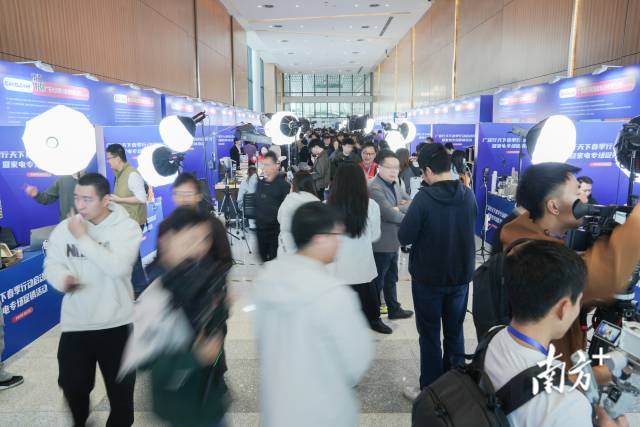
Core Insights - The "Guangdong Goods Going Global" spring campaign has significantly boosted sales in the home appliance sector, with some products experiencing sales increases of over 200% compared to the previous day [1][3][5] Group 1: Sales Performance - The sales of live-streamed products on January 15 saw a year-on-year increase of 202% compared to January 14 [1] - The sales of a multi-functional electric cooker increased by 254% on January 15 compared to January 14 [5] - A total of 32 companies participating in the live-streaming event reported a 110% increase in sales compared to the previous day [5][7] Group 2: Participating Companies - Notable companies such as Midea, Galanz, Hisense, and Bear Electric participated in the campaign, showcasing their latest products and innovations [5][7] - The event featured a diverse range of products, focusing on smart home appliances and health-oriented devices [5] Group 3: Marketing Strategy - The campaign utilized multiple e-commerce platforms, including Douyin, JD.com, and Pinduoduo, to maximize reach and engagement, resulting in over 10 million views on the "Guangdong Goods Going Global" topic [5][9] - Companies reported that consumer preferences are shifting towards product practicality, brand trust, and content experience, making comprehensive competitiveness essential [7] Group 4: Future Plans - Guangdong plans to continue promoting its products through a series of online events, with a focus on various categories such as mobile phones, clothing, and food leading up to the Spring Festival [9][11] - The agricultural sector will also see promotional activities aimed at enhancing the visibility of local products, with plans for multiple seasonal campaigns throughout the year [11][13] Group 5: Cultural Integration - The campaign aims to integrate cultural elements into the marketing of Guangdong products, promoting local tourism and culinary experiences alongside product sales [13][15] - Upcoming events will include themed live-streaming sessions and immersive cultural experiences to enhance consumer engagement [13][15]
交完保护费了吧?
Datayes· 2026-01-19 11:54
Core Viewpoint - The article highlights the current economic challenges in China, including declining birth rates, falling housing prices, and sluggish consumer spending, while also noting some positive signals in specific sectors like automotive and home appliances [1][5][6]. Population and Demographics - In 2025, the birth population is projected to be 7.92 million, lower than expected, with a birth rate of 5.63‰, the lowest since the founding of the country; the natural population growth rate is -2.41‰, marking four consecutive years of negative growth [1]. Real Estate Market - Housing prices continue to decline, with the year-on-year drop in December 2025 for 70 large and medium-sized cities expanding, particularly in first-tier cities; while the month-on-month decline in first-tier cities has narrowed, second and third-tier cities continue to see an expanding decline [5]. Consumer Spending - Retail sales growth slowed to 0.9% year-on-year in December, the lowest since 2023; however, there are structural positive signals, with improvements in consumption related to trade-in programs for automobiles and home appliances, reducing the drag on retail sales [5][28]. Industrial Production and GDP - Industrial production remains stable, with strong exports supporting a projected GDP growth of 4.5% in the fourth quarter, although this is the lowest in over three years; quarter-on-quarter GDP growth for the fourth quarter is 1.2% [6]. Economic Outlook - Looking ahead to 2026, there are indications that the economic "opening red" signs are not yet apparent, necessitating policy support; the deputy governor mentioned potential room for lowering the reserve requirement ratio, with expectations for a dual reduction in the first quarter [11]. Market Performance - On January 19, the A-share market showed mixed performance, with the Shanghai Composite Index up 0.29% and the ChiNext Index down 0.70%; total trading volume across three markets was 27,324.58 billion, a decrease of 3,242.97 billion from the previous day [19]. Sector Highlights - The electric grid sector showed significant strength, with the export value of transformers expected to reach 64.6 billion yuan (approximately 9.3 billion USD) in 2025, a nearly 36% increase from the previous year; the energy consulting firm Wood Mackenzie estimates a 30% supply gap for transformers in the U.S. [16][20]. - The aerospace sector is also showing signs of recovery, with various developments and events boosting market sentiment [20]. Investment Trends - The article notes that the electric equipment sector saw the largest net inflow of funds, with major companies like TBEA and China XD Electric leading the way; in contrast, sectors like computing and pharmaceuticals experienced significant net outflows [30].
美的集团大宗交易成交3.14万股 成交额243.98万元
Zheng Quan Shi Bao Wang· 2026-01-19 10:08
Group 1 - Midea Group executed a block trade on January 19, with a volume of 31,400 shares and a transaction amount of 2.4398 million yuan, at a price of 77.70 yuan, which is a 0.10% premium over the closing price of the day [1] - In the last three months, Midea Group has had a total of 7 block trades, with a cumulative transaction amount of 35.3894 million yuan [2] - The closing price of Midea Group on the day of the report was 77.62 yuan, reflecting a 0.40% increase, with a daily turnover rate of 0.49% and a total transaction amount of 2.609 billion yuan [2] Group 2 - The latest margin financing balance for Midea Group is 5.417 billion yuan, which has increased by 211 million yuan over the last five days, representing a growth of 4.06% [3] - One institution has provided a rating for Midea Group in the last five days, with Huachuang Securities setting the highest target price at 93.40 yuan as of January 19 [3]

政企联动惠民生,三联家电领航潍坊绿色消费新周期
Qi Lu Wan Bao· 2026-01-19 10:03
Group 1 - The core viewpoint of the article highlights the launch of the national subsidy policy for home appliances in the Kuiwen District, which aims to promote green and smart consumption in the city [1] - The subsidy allows consumers to receive a 15% discount on the final price for six categories of energy-efficient home appliances, with a limit of one item per category [1][4] - The policy has two significant changes compared to 2025: an expanded subsidy range focusing on high-value products and stricter energy efficiency standards, excluding products below level two [1] Group 2 - Sanlian Home Appliances has established a "Green Energy Efficiency Experience Zone" in response to the policy, equipped with a professional sales team to assist consumers [1] - Consumers can quickly obtain subsidy qualifications through the "Love Shandong" app or the "Luhuanxin" mini-program [3] - The company plans to leverage the upcoming Spring Festival shopping season to enhance the policy's impact by offering exclusive promotions and diverse solutions for consumers [3]

家电行业周报(26年第3周):12月家电内外销景气持续承压,美国家电需求回归稳健增长-20260119
Guoxin Securities· 2026-01-19 09:50
Investment Rating - The report maintains an "Outperform the Market" rating for the home appliance industry [5][6][12] Core Insights - The home appliance sector is expected to recover in 2026, driven by the continuation of national subsidies and improvements in export performance. It is recommended to actively invest in leading white goods companies [1][12][18] - December retail performance for home appliances showed signs of bottoming out, with major appliances experiencing a decline of over 20% in domestic retail sales, while small appliances showed slightly better demand [1][19] - The report highlights that the U.S. home appliance retail sales saw a slight increase in November, indicating a gradual return to stable growth despite challenges such as tariffs and inflation [3][12] Summary by Sections 1. Core Recommendations - Key recommendations include investing in leading companies in the white goods sector such as Midea Group, Haier Smart Home, TCL Smart Home, Gree Electric, and Hisense Home Appliances. For small appliances, Stone Technology and Bear Electric are recommended [4][12][13] 2. Research Tracking and Investment Thoughts - December retail performance for home appliances continued to face pressure due to high base effects, with significant declines in major appliances. However, small appliances showed relative stability, particularly in air fryers [1][19] - December exports of home appliances decreased by 8.1% year-on-year, with air conditioners facing the most significant pressure, while refrigerators and washing machines showed modest growth [2][37] - U.S. home appliance retail sales increased by 0.8% year-on-year in November, with inventory levels returning to normal [3][12] 3. Key Data Tracking - The home appliance sector achieved a relative return of +0.23% this week compared to the broader market [49] - Raw material prices for copper and aluminum decreased by 0.5% and 0.7% respectively, while cold-rolled steel prices also saw a decline [51] - Shipping indices for routes to the U.S. West Coast, East Coast, and Europe showed slight increases, indicating a stabilization in shipping costs [64] 4. Company Announcements and Industry Dynamics - Notable company announcements include Midea Group's ongoing efforts in overseas markets and Gree Electric's dividend distribution plans [71][72] - The report discusses the structural adjustments in the air conditioning export market and the anticipated trends for 2026, highlighting the challenges and opportunities in the global supply chain [74]