
潮玩

Search documents
推动供给与消费良性互动、相互促进
Ren Min Ri Bao· 2025-11-28 09:47
Core Insights - The Ministry of Industry and Information Technology, along with five other departments, has issued an implementation plan aimed at enhancing the adaptability of supply and demand in consumer goods, further promoting consumption [1] Group 1: Supply and Demand Transformation - The current supply of consumer goods in China has entered a new development stage characterized by high quality and price, but structural mismatches in supply and demand still exist in certain areas [2] - The implementation plan proposes five measures to address these mismatches, including expanding new product supply and accelerating the application of new technologies and models [2][3] Group 2: Market Segmentation and Consumer Needs - The plan emphasizes the need to cater to diverse consumer needs across different age groups, including initiatives for children's safety and elderly-friendly products [3][5] - It aims to create new consumption scenarios and business models, promoting platforms for product launches and exhibitions [3][6] Group 3: Economic Contribution and Growth - By 2027, the plan aims to create three trillion-yuan-level consumption sectors and ten hundred-billion-yuan-level consumption hotspots, including areas like elderly products and smart connected vehicles [4] - The contribution of consumption to economic growth is expected to steadily increase, with a goal of achieving a high-quality development pattern by 2030 [7] Group 4: Quality and Safety Standards - The National Development and Reform Commission plans to enhance supply quality by focusing on technology leadership and improving brand standards [8] - The State Administration for Market Regulation is set to strengthen the quality and safety of consumer goods, particularly for vulnerable groups such as the elderly and children [8]
调整近40%!能否抄底泡泡玛特?排面拉满!泡泡玛特首次亮相美国感恩节大游行,Labubu跻身全球顶级IP阵营54/64
美股IPO· 2025-11-28 09:40
Core Viewpoint - The article highlights the successful global recognition of the Chinese IP Labubu, which debuted at the Macy's Thanksgiving Day Parade, replacing the classic character Popeye, symbolizing a significant cultural export achievement for China [1][3]. Group 1: Cultural Impact - Labubu's appearance at the parade has sparked widespread social media discussions, indicating its status as a cultural phenomenon that transcends age groups and serves as a collectible and fashion accessory [1]. - The event marks a shift in cultural symbols, with Labubu representing a new generation of IP, moving away from traditional characters like Popeye [5][7]. Group 2: Market Performance and Analyst Insights - Bank of America reiterated a "buy" rating for Pop Mart, maintaining a target price of 400 HKD, viewing the U.S. market as a new growth engine for the company [3]. - Despite a recent 35% decline from its peak, the company's fundamentals remain strong, particularly in overseas IP operations, presenting a compelling buying opportunity [4]. Group 3: IP Operations and Strategy - The report counters concerns about the unpredictability of the IP business model, asserting that Labubu's popularity is a result of sustained and effective IP management [8]. - Pop Mart's U.S. IP operations have been upgraded, with strategic offline initiatives and collaborations, validating the company's operational capabilities in international markets [9]. Group 4: Financial Projections - Financial models predict that Pop Mart will achieve revenues of 37.08 billion RMB and a net profit of 13.06 billion RMB in 2025, with further growth expected in 2026 [10]. - The target price of 400 HKD is based on a valuation method that combines P/E and DCF, indicating a high value proposition with a PEG ratio below 1, suggesting strong investment potential [10].


忘掉今年吧,明年的消费应该怎么布局?
格隆汇APP· 2025-11-28 09:26
Core Viewpoint - The article discusses the current state of the consumer market, highlighting that consumer sectors have underperformed for four consecutive years, suggesting a potential rebound in the upcoming year if certain conditions are met [2][3]. Group 1: Current Market Conditions - The overall consumer performance this year has been poor due to a general economic slowdown, with retail sales growth at only 2.9% in October [5]. - Real estate prices have been declining, with predictions of continued downward pressure, impacting household wealth and consumer spending [7][13]. - The largest segment in consumer stocks is liquor, particularly Maotai, which has seen its wholesale price drop below 1600, down from over 3800 four years ago, indicating a significant decline in consumer sentiment [10]. Group 2: Future Consumer Outlook - If there is a recovery in the overall economy, low-priced consumer stocks with reasonable valuations could see significant growth [12]. - However, the likelihood of an economic recovery next year is low, with continued declines in real estate prices and a slowdown in exports [14]. - The article suggests that consumer spending will remain constrained due to shrinking household wealth, with a potential recovery not expected until 2027 [13]. Group 3: Specific Consumer Opportunities - Despite the overall economic challenges, there are specific consumer segments that may present opportunities, such as tourism-related spending from foreign visitors and affluent domestic consumers [16][18]. - The article emphasizes the importance of focusing on sectors with significant scale advantages, which can outperform competitors even in a sluggish economy [18]. - New consumption trends, such as trendy toys, gold jewelry, and pet products, may still show growth potential despite the overall market conditions [18]. Group 4: Monitoring and Strategy - Investors are advised to keep an eye on policy changes that could impact the overall economy and consumer spending, while focusing on specific segments that are less affected by the broader economic downturn [20]. - The article suggests that the consumer sector should prioritize niche markets and segments that cater to affluent consumers or benefit from international tourism [18][20].


三大指数本周强势上扬 卖空比例大幅回落预示市场拐点
Xin Lang Cai Jing· 2025-11-28 08:42
Market Overview - The Hong Kong stock market indices collectively rose this week, with the Hang Seng Index increasing by 2.53% to close at 25,858.89 points, the Hang Seng Tech Index up by 3.77% to 5,599.11 points, and the China Enterprises Index rising by 2.36% to 9,130.18 points [2][4]. Market Sentiment - Investor sentiment in the Hong Kong market has significantly improved, with short-selling amounts dropping from HKD 58.805 billion on November 20 to HKD 36.639 billion on November 27, a decrease of 37.7%, marking a three-month low [4]. - The number of stocks involved in short-selling decreased from 840 to 795, indicating a notable reduction in bearish sentiment and a gradual formation of a bullish atmosphere [4]. - Factors driving this sentiment include expectations of a Federal Reserve rate cut in December, ongoing growth stabilization policies in mainland China, and attractive valuations in the Hong Kong market [4]. Individual Stock Performance - Hesai Technology (02525.HK) led the market with a weekly increase of over 25%, driven by its inclusion in the Hang Seng Composite Index and achieving a milestone of over 2 million units delivered in the global lidar market [5]. - Clover Biopharmaceuticals (02197.HK) rose over 9% due to seasonal factors, with expectations of increased demand for its respiratory syncytial virus vaccine and quadrivalent seasonal flu vaccine as flu season peaks [5]. - ZTE Corporation (00763.HK) saw a 10.71% increase after announcing the successful application of its self-developed "Han域" M1 chip in a new vehicle model, marking a significant breakthrough in the domestic automotive chip sector [6]. Sector Performance - Gold stocks outperformed the market, with notable gains from companies such as Zhenfeng Gold (01815.HK) up 12.56% and China Gold International (02090.HK) up 5.17%, supported by rising international gold prices and expectations of a Federal Reserve rate cut [7][8]. - The robotics sector also showed strong performance, with GAC Group (02238.HK) rising 16.62% and other robotics companies like Yujian (02432.HK) and UBTECH (09880.HK) also experiencing significant gains [9][10]. - Conversely, pharmaceutical stocks weakened, with WuXi AppTec (02359.HK) down 3.80% and other biotech firms also declining, although some analysts believe the CXO industry is stabilizing [11][12]. - Real estate stocks continued to show weakness, with China Overseas Land (00688.HK) down 2.85%, despite positive policy signals aimed at promoting healthy industry development [13]. Notable Company Developments - Pop Mart (09992.HK) rose nearly 3% after its IP Labubu made a debut at the Macy's Thanksgiving Day Parade, generating significant social media buzz [14]. - Minda Technology (01860.HK) increased by over 5% following a report of a 27.6% year-on-year revenue growth to USD 532 million for the three months ending September 30, 2025, with strong expectations for AI-driven growth in its advertising services [14].

2026年互联网传媒投资策略:国内AI纵深发展,悦己消费全球化
Shenwan Hongyuan Securities· 2025-11-28 07:46
Group 1 - The core opportunity in the internet and media sectors for 2025 is centered around AI revaluation, particularly in cloud computing, and the globalization and youth-oriented trends in self-consumption, such as trendy toys, music, and concerts [3][4] - AI cloud capital expenditure (capex) is expected to expand in its second year, with a focus on return on investment (ROI) from AI investments, making capex/operating cash flow a key metric for investors [3][4] - Major companies to watch in the AI cloud space include Alibaba, Baidu, and Kingsoft Cloud, which are focusing on domestic production and infrastructure [3][12] Group 2 - The AI application landscape is shifting from conceptual discussions to a focus on commercial viability, with significant developments in AI advertising and video monetization expected in 2026 [3][4] - Tencent, Bilibili, Meitu, Kuaishou, and Focus Technology are highlighted as key players in the AI application ecosystem, with a particular emphasis on the monetization of chatbot applications and the evolution of AI video tools into community platforms [3][4] - The gaming sector is seeing structural opportunities driven by Generation Z and international expansion, with a focus on companies like Giant Network, Century Huatong, and Xindong Company [3][4] Group 3 - The self-consumption trend is expected to continue, with gaming, music, and trendy toys being key areas of growth, particularly as the market adjusts post-2025 [3][4] - The video sector is anticipated to reach a turning point, with policy stabilization and diverse monetization strategies being crucial for growth [3][4] - Companies such as Mango Super Media, Shanghai Film, and Reading Group are positioned to benefit from these trends [3][4] Group 4 - The report indicates a recovery in companies like Focus Media, Vision Source, and educational publishing firms, suggesting a positive outlook for these sectors [3][4] - The report emphasizes the importance of continuous performance and valuation adjustments in the context of evolving market conditions [3][4] Group 5 - The domestic cloud computing market is witnessing increased capital expenditure from major internet companies, with Alibaba and Tencent leading the charge [18][19] - The report highlights the importance of measuring the health of cloud investments through the capex/operating cash flow ratio, with Tencent's ratio being notably lower than its peers [19][29] - AI-driven cloud services are expected to maintain higher profit margins compared to traditional cloud offerings, with a focus on internal workload efficiencies [29][30] Group 6 - The report outlines the competitive landscape of AI applications, noting that Chinese companies are making significant strides in the global market, particularly in productivity tools and content generation [34][35] - The emergence of ChatGPT as a multi-functional platform is reshaping the AI application ecosystem, with significant implications for user engagement and commercial applications [35][39] - Advertising remains a critical area for AI commercialization, with companies like Meta, Tencent, and Bilibili leveraging AI to enhance ad performance and efficiency [43][49]





六部门发文!“供需适配”政策将催生哪些消费
第一财经· 2025-11-28 06:59
Core Viewpoint - The article discusses the implementation plan issued by six departments, including the Ministry of Industry and Information Technology, aimed at enhancing the adaptability of supply and demand in consumer goods, promoting consumption, and stimulating the domestic market's potential [3][4]. Summary by Relevant Sections Key Tasks and Focus Areas - The plan outlines 19 key tasks focusing on expanding new consumption, tapping into existing markets, segmenting markets, empowering scenarios, and optimizing the environment [4]. - By 2027, the plan aims to create a new consumption market worth trillions in key areas through supply-side structural reforms [4]. Supply and Demand Dynamics - The concept of "adaptability" is emphasized, where the supply side actively responds to changing consumer trends, ensuring that products meet diverse consumer needs [4][5]. - China's consumer goods variety has reached 230 million, with over 100 categories, including home appliances and furniture, leading globally in production [4]. Growth in Specific Sectors - Data shows significant growth in sectors like smart drones (59.9% increase) and smart vehicle equipment (25.1% increase) in the first three quarters of 2025 [5]. - The penetration rate of new passenger cars with Level 2 driving assistance features reached 64%, indicating rapid technological adaptation [5]. Structural Optimization Goals - By 2027, the supply structure is expected to improve significantly, with three trillion-level consumption areas and ten hundred-billion-level consumption hotspots identified [6]. - The aging population is driving the market for elderly products, projected to grow from 2.6 trillion yuan in 2014 to 5.4 trillion yuan by 2024, with a compound annual growth rate of 7.3% [6]. Emerging Consumption Trends - The article highlights the emergence of new consumption trends, including health and fitness products, smart wearables, and pet supplies, reflecting a diverse and vibrant market [6][9]. - The shift in consumer focus from availability to quality is noted, with increasing demand for high-quality and diverse consumption scenarios [9]. Role of Technology and Innovation - The integration of artificial intelligence in consumer goods is emphasized, with a user base of 515 million for generative AI products as of mid-2023 [10]. - The plan promotes the development of intelligent products and applications, aiming to enhance manufacturing efficiency and brand upgrades through technology [10].

潮玩被列入下一个“千亿级”消费市场
Di Yi Cai Jing Zi Xun· 2025-11-28 06:23
Core Insights - The Ministry of Industry and Information Technology and other departments have released a plan to enhance the adaptability of consumer goods supply and demand, aiming for significant optimization of the supply structure by 2027, with the creation of three trillion-level consumption sectors and ten billion-level consumption hotspots [2] Group 1: Consumption Hotspots - The ten billion-level consumption hotspots identified include baby products, smart wearable devices, cosmetics, fitness equipment, outdoor products, pet food and supplies, civilian drones, trendy toys, jewelry, and national fashion [2] - The plan emphasizes the trend of "Guochao" (national trend) going global, with several leading companies in the trendy toy industry, such as Pop Mart, Miniso, and Blok, emerging as key players [2] Group 2: Pop Mart's Performance - Pop Mart's stock price surged nearly 15 times from March 2024 to August 2025, setting a new record for consumer stocks in Hong Kong [3] - The company's third-quarter operational data shows a revenue increase of 245% to 250% year-on-year, with domestic revenue growing by 185% to 190% and overseas revenue by 365% to 370% [3] - Notably, revenue from the Americas increased by 1265% to 1270%, while Europe and other regions saw a growth of 735% to 740% [3] Group 3: Cultural and Technological Integration - The trend of trendy toys going global reflects a shift in Chinese consumer brands from "manufacturing" to "creation," integrating traditional cultural elements with modern design to reshape global consumer perceptions [3][4] - The use of technologies such as 3D printing, eco-friendly materials, and AR virtual collectibles is driving the evolution of products from physical forms to a blend of "physical + digital," enhancing rapid iteration capabilities [3] - This dual empowerment of "culture + technology" positions trendy toys as new carriers of China's soft power [3] Group 4: Industry Evolution - The export of trendy toys signifies the deep integration of China's cultural and creative industries with the global consumer market, creating a new consumption ecosystem that combines commercial value with cultural recognition [4] - This phenomenon represents a microcosm of China's high-quality economic development and reflects the evolving demands of global young consumers for emotional value and cultural diversity [5] - The trendy toy industry cluster centered in Dongguan is upgrading traditional toy manufacturing into a full-chain industry covering IP incubation, design innovation, and mass production, moving away from the stereotype of "low price and low quality" to high-value cultural output [5]


潮玩被列入下一个“千亿级”消费市场
第一财经· 2025-11-28 06:19
Core Viewpoint - The article discusses the implementation plan released by six Chinese government departments aimed at enhancing the adaptability of consumer goods supply and demand, with a target to optimize the supply structure by 2027, creating three trillion-level consumption sectors and ten hundred-billion-level consumption hotspots [3]. Group 1: Consumption Hotspots - The plan identifies key consumption hotspots including baby products, smart wearable devices, cosmetics, fitness equipment, outdoor products, pet food and supplies, civilian drones, trendy jewelry, and national fashion apparel [3]. - The initiative also emphasizes promoting the international expansion of domestic trendy products [3]. Group 2: Trendy Products Industry - The trendy products industry has seen the emergence of leading companies such as Pop Mart, Miniso, and Blokus, which are driving the trend of going global [4]. - Pop Mart's stock price increased nearly 15 times over 17 months from March 2024 to August 2025, setting a new record for Hong Kong consumer stocks [4]. - Pop Mart reported a year-on-year revenue growth of 245% to 250%, with domestic revenue increasing by 185% to 190% and overseas revenue soaring by 365% to 370% [4]. Group 3: Cultural and Technological Integration - The export of trendy products represents a shift in Chinese consumer brands from "manufacturing" to "creation," integrating traditional cultural elements with modern design to reshape global consumer perceptions [4]. - Innovations such as 3D printing, eco-friendly materials, and AR virtual collectibles are driving the evolution of products from physical forms to a blend of "physical + digital," enhancing rapid iteration capabilities [4]. - The combination of culture and technology empowers trendy products to become new carriers of China's soft power [4]. Group 4: Economic Implications - The export of trendy products is seen as a natural outcome of the deep integration of China's cultural and creative industries with the global consumer market, reflecting the high-quality development of the Chinese economy [5]. - This trend signifies a transition in Chinese manufacturing from "OEM production" to "intelligent manufacturing + cultural creativity," with the Dongguan trendy product industry cluster leveraging a complete supply chain and flexible production capabilities [5]. - The "cultural IP + manufacturing aesthetics" model allows Chinese trendy products to break away from the stereotype of "low price and low quality," moving towards high value-added cultural output [5].
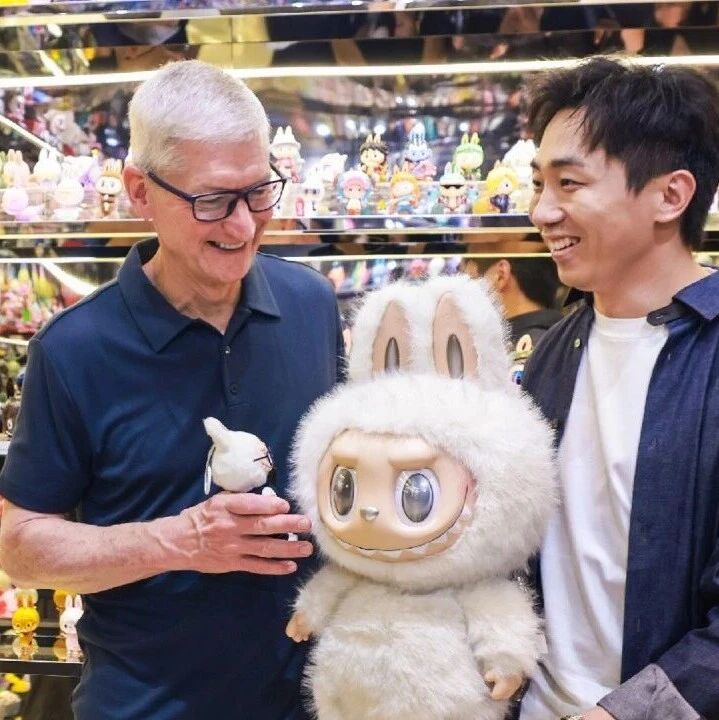
港股午评 恒生指数早盘跌0.24% 广汽集团领涨固态电池
Jin Rong Jie· 2025-11-28 05:09
Group 1 - Hong Kong's Hang Seng Index fell by 0.24%, down 61 points, closing at 25,884 points, while the Hang Seng Tech Index rose by 0.11% [1] - Bubble Mart (09992) surged over 4%, leading the blue-chip stocks in the Hang Seng Index, supported by government encouragement for trendy toy consumption during the traditional sales peak [1] - GAC Group (02238) increased by over 12% as Aion UT Super commenced full delivery and solid-state battery production lines were established [1] - Zijin Mining International (02259) rose over 2% as production from its mines increased, entering a growth phase in the coming years [1] Group 2 - Dongyue Group (00189) rose by 4.62%, with institutions indicating that strong demand for lithium batteries is expected to persist, and PVDF prices are likely to increase [2] - MicroPort Medical (00853) increased by 5%, with Morgan Stanley purchasing over HKD 900 million in shares, while Bank of America remains optimistic about its surgical robotics business [3] - Bole Technology (02592) surged by 12.8% after its core product CBT-009 received patents in Japan and Europe [4] - Cambridge Technology (06166) rose over 4%, with expectations of significant shipments of 1.6T optical modules in Q1 2026 [5] - Hezhima Intelligent (02533) and Joyson Electronics (00699) both increased by over 4% as they collaborated to develop multi-chip platform robotic domain control products [5] - New stock Haiwei Co., Ltd. (09609) debuted with a 15% drop, being the second-largest capacitor film manufacturer in China [5]

摩根士丹利下调泡泡玛特目标价15% 全球消费板块出现不利轮动
Cai Jing Wang· 2025-11-28 04:46
Group 1 - Morgan Stanley has lowered the target price for Pop Mart's stock from HKD 382 to HKD 325, representing a decrease of approximately 15% due to unfavorable trends in the global consumer sector [1] - The expected price-to-earnings ratio for Pop Mart in 2026 has dropped to 16 times, presenting an attractive entry point for investors interested in a company with high net asset returns and a focus on adult-oriented novelty products [1] - Despite short-term market disagreements regarding Pop Mart, its IP operational capabilities and high return on equity (ROE) characteristics still hold long-term investment value [1] Group 2 - Pop Mart's revenue for the first three quarters of this year has increased by 30% year-on-year, with overseas revenue accounting for 20% of total revenue [1] - The management anticipates that the number of overseas stores will exceed 100 by the end of the year [1]