
潮玩

Search documents
海通国际:泡泡玛特和毛戈平26年同店持续强劲增长 新秀丽26年初回升明显
Zhi Tong Cai Jing· 2026-02-25 06:50
Group 1 - The overall retail market performance in South China during the 2026 Spring Festival was weak, with a decline in foot traffic and average transaction value being the main factors affecting sales [2] - Five out of the first six days of the Spring Festival saw a year-on-year decline in mall foot traffic, with only one day showing growth, indicating overall performance below internal expectations [2] - Increased travel among consumers in South China is identified as a key reason for the decline in foot traffic in shopping districts [2] Group 2 - The collectible toy sector remains highly prosperous, with Pop Mart (09992) expected to achieve over 25% growth for the year, driven by strong IP operation capabilities and a stable fan base [3] - The cosmetics sector shows mixed performance, with foreign brands like Dior and MAC experiencing approximately 10 percentage points of growth, while domestic brands, except for Mao Geping (01318), show weaker results [3] - Mao Geping is projected to achieve a 20% growth target for the year, supported by stable product quality and effective member acquisition strategies [3] Group 3 - The restaurant industry displayed a K-shaped recovery during the Spring Festival, with large dining establishments facing pressure on average transaction values, declining by about 5-15%, while fast food and small dining formats showed slight growth [4] - Entertainment consumption, represented by cinemas, performed poorly, with box office revenues declining compared to the previous year's Spring Festival, attributed to low-quality films and weak star power [4] Group 4 - The apparel sector's sales remained flat, with growth primarily driven by pre-Spring Festival consumption, characterized by increased average transaction values and higher attachment rates [5] - Samsonite (01910) experienced a year-on-year sales increase of approximately 15% during January-February 2026, benefiting from travel demand during the Spring Festival [5] - The jewelry sector saw sales rise due to increasing gold prices, with brands like Chow Tai Fook and Chow Sang Sang reporting growth driven by investment gold bar sales [5]

泡泡玛特千亿反击战:王宁给LABUBU踩了脚刹车
Xin Lang Cai Jing· 2026-02-25 05:20
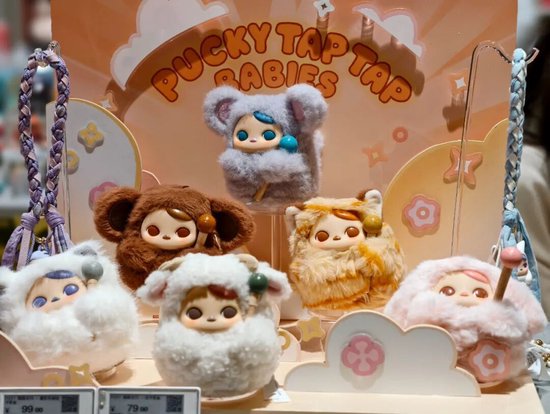
Core Viewpoint - The ongoing battle between bulls and bears has led to significant challenges for Pop Mart, prompting founder Wang Ning to reconsider the company's identity and future direction [1][3][25] Group 1: Market Performance - After the release of its semi-annual report in August 2025, Pop Mart's stock price fell over 40% by January 2026, while the premium of its core IP LABUBU in the secondary market dropped from thousands of yuan to original prices [1][3][25] - From January 9 to February 10, 2026, Pop Mart's stock rebounded over 50%, restoring its market capitalization to 300 billion HKD, with Morgan Stanley changing its rating from "reduce" to "increase" [3][25] - By August 2025, Pop Mart's market capitalization reached a historical high of 435.9 billion HKD, following a surge in stock price after positive earnings forecasts [5][27] Group 2: Product Strategy - In early 2026, Pop Mart launched three new products, including the PUCKY plush toy, which sold out quickly, and the "怦然星动" blind box, which achieved sales of over 500,000 units in its first week [1][3][25] - By the end of 2025, Pop Mart planned to increase LABUBU's monthly production capacity from 10 million to 50 million units, despite facing short-selling pressures from foreign institutions [3][25] - The company aims to reduce speculative behavior and return to the essence of collectible toys by stabilizing prices through increased supply [4][25] Group 3: Supply Chain and Quality Control - Pop Mart is facing challenges in its supply chain, particularly with the production of plush toys, which requires complex quality control due to different manufacturing processes [4][25][30] - The company has begun to self-build its supply chain factories to regain control over the production of its core IPs, reflecting Wang Ning's commitment to product quality [10][30] Group 4: IP Expansion and Market Diversification - Pop Mart is actively expanding its IP matrix, with a focus on creating a synergistic effect where the popularity of LABUBU can elevate other IPs [11][32] - The sales of other IPs, such as Molly and CRYBABY, have significantly increased, indicating that LABUBU's success has positively impacted the overall brand [34][35] - The company is also exploring lower-priced product lines, such as the Mini LABUBU and the "萌粒" series, to attract a broader customer base [14][35] Group 5: International Market Challenges - Despite strong growth in international markets, including a 1270% increase in the U.S. market and a 740% increase in Europe, Pop Mart has not met market expectations [38][41] - The company faces challenges in changing the perception that it is solely associated with LABUBU in overseas markets, necessitating a longer-term cultural penetration strategy [21][38] - Pop Mart is adapting its approach to international markets, recognizing the need for localized strategies that resonate with different consumer behaviors [43][38]

2.6亿Z世代登场:消费正式从“功能时代”进入“情绪时代”
Sou Hu Cai Jing· 2026-02-25 04:27
Group 1 - The core consumer group in China is shifting from a focus on product functionality to emotional experiences, identity expression, and social value, primarily driven by Generation Z [1][4] - Generation Z, born between 1995 and 2010, comprises approximately 260 million individuals with an annual consumption capacity exceeding 5 trillion yuan, expected to become the dominant force in the consumer market over the next decade [1][4] - In various industries, such as the trendy toy sector, over 70% of core users are aged 18-30, indicating a shift towards purchasing for surprise, participation, and social discussion rather than just the product itself [1][4] Group 2 - The logic of consumption is changing, with "liking" replacing "value for money" as the primary decision-making factor among young consumers [3][4] - The traditional purchasing decision sequence of functionality, price, and brand is now often reversed to prioritize emotional connection, recognition, and then functionality [3][4] - The emotional consumption market in China is nearing a scale of 2 trillion yuan, encompassing industries like trendy toys, pets, experiential consumption, and content entertainment, where emotional clarity is more significant than functional scarcity [4][6] Group 3 - The rise of emotional consumption among Generation Z is attributed to three structural reasons: the transition to higher-level needs after material abundance, the amplification of emotional value through social media, and the increased demand for identity expression [6][8][10] - As basic functional needs are met, consumers are seeking emotional fulfillment, aligning with Maslow's hierarchy of needs [6][7] - Social media has made "shareability" a key product value, with many purchases driven by the desire to present appealing content on platforms [8][10] Group 4 - Companies are rethinking their product logic, moving from a focus solely on functionality to incorporating emotions and social aspects into their offerings [14][17] - Brands are increasingly transforming products into content, designing them with an emphasis on storytelling and visual appeal [14][15] - Retail spaces are evolving from mere sales points to experiential environments, encouraging consumer participation rather than just transactions [15][16] Group 5 - The emotional competition era has arrived, where traditional metrics like better materials or lower prices are no longer sufficient for brand differentiation [17][20] - Brands lacking emotional expression risk becoming interchangeable commodities, as consumers may forget quality products that do not resonate emotionally [17][20] - Future competition in the consumer market will hinge on three capabilities: understanding emotions, creating emotional connections in products, and amplifying those emotions for consumer sharing [18][19][20]
机构称2026年将是消费行业景气度拐点确立关键之年,港股通消费ETF华夏(513230)现涨近1.5%
Mei Ri Jing Ji Xin Wen· 2026-02-25 02:07
Core Viewpoint - The Hong Kong stock market opened positively on February 25, with the Hang Seng Index rising by 0.58% and the Hang Seng Tech Index increasing by 0.86%, indicating a favorable market sentiment towards consumer stocks [1] Group 1: Market Performance - Consumer stocks were active, with Haidilao rising over 2% and Anta Sports increasing nearly 2% [1] - The Hong Kong Consumer ETF, Huaxia (513230), saw an increase of nearly 1.5% [1] Group 2: Consumption Trends - CITIC Securities noted a differentiated performance in consumption during the Year of the Horse Spring Festival, aligning with expectations; sectors like hotels, scenic spots, and high-end liquor showed better performance, while retail and box office results were generally average [1] - The firm maintains that the combination of "low expectations and low valuations" along with the resilience of consumption is expected to enhance the preference for consumer allocations [1] Group 3: Future Outlook - Historical analysis of the past thirty years indicates that consumer performance tends to improve when the economic fundamentals begin to recover, with profitability elasticity determining the sustainability and potential of price increases [1] - CITIC Securities predicts that 2026 will be a critical year for establishing a turning point in the consumption sector's prosperity [1] - Given the current weak macro environment, the self-recovery of consumption is expected to take time, with short-term opportunities in consumption likely tied to potential fiscal stimulus policies [1] Group 4: ETF Composition - The Huaxia Consumer ETF (513230) tracks the CSI Hong Kong Stock Connect Consumer Theme Index, which includes leading companies in traditional service industries such as hospitality and dining, as well as high-elasticity assets like trendy toys and gold jewelry, and high-dividend stocks in sportswear and white goods [1] - The index encompasses major players in the Hong Kong consumer sector, including Pop Mart, Yum China, Laopuyuan Gold, Anta Sports, Nongfu Spring, and Mixue Ice City [1]
推火一个IP需要多少钱?叶国富的实践是几千万
36氪未来消费· 2026-02-25 02:06
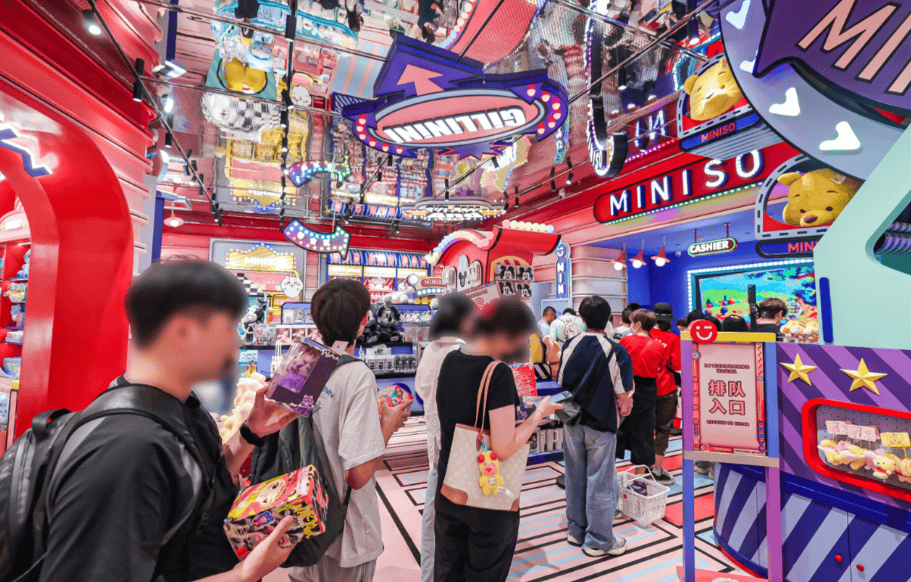
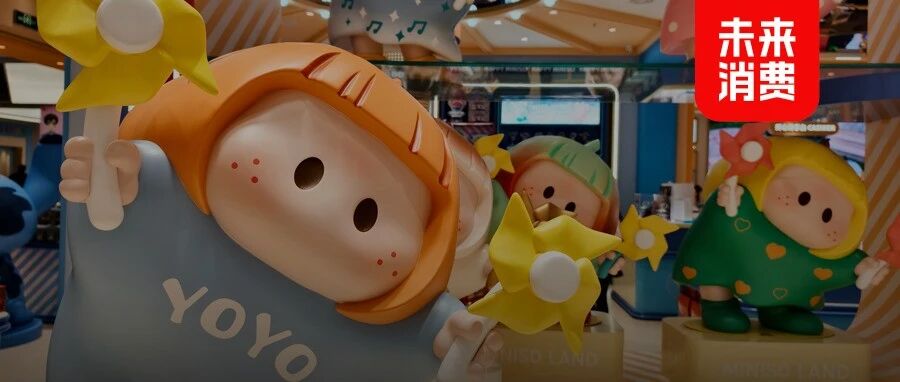
Core Viewpoint - MINISO is transitioning from a retail company to a cultural and creative company, with a significant focus on its popular IP YOYO as part of this strategy [5][20]. Group 1: YOYO's Popularity and Sales - YOYO has gained immense popularity, with products selling out quickly; a store employee reported that around 100 units would sell out in about half an hour [10]. - Consumers unable to purchase YOYO in-store have turned to online platforms, where prices for YOYO blind boxes have doubled, indicating high demand [11]. - YOYO ranked first in sales and positive reviews on Tmall's blind box charts, surpassing competitors like SKULLPANDA [12]. Group 2: IP Development Strategy - The CEO of MINISO, Ye Guofu, advocates for a four-step IP operation method, which includes signing exclusive IPs, product development, sales data analysis, and promotional efforts for successful IPs [16]. - YOYO is a product of this operational strategy, demonstrating high sales efficiency that allows it to penetrate the market effectively [16][17]. - MINISO currently holds 180 international authorized IPs, with only 16 being self-owned, highlighting the need for more proprietary IPs to compete with rivals like Pop Mart [19]. Group 3: Store Strategy and Brand Positioning - MINISO is implementing a global brand upgrade strategy by opening larger stores, which can generate higher sales and improve brand image [28][29]. - The company has successfully opened large stores in international locations, achieving increased profit margins by pricing products in local currencies [30]. - The integration of trendy IPs like YOYO into these larger stores is seen as a way to enhance customer experience and drive sales [31][32]. Group 4: Future Outlook and Challenges - MINISO aims for half of its store offerings to be self-owned IPs, reflecting a shift towards reducing reliance on licensed IPs due to rising costs and market competition [36]. - The unpredictability of creating successful IPs poses a challenge, as the company must continuously test and iterate on different IPs to find winners [38]. - Compared to competitors like Pop Mart, MINISO's approach may yield less longevity for its IPs, but it has the potential to quickly develop new successful IPs like YOYO [40].

服务大市场,河南有多中
He Nan Ri Bao· 2026-02-24 23:32
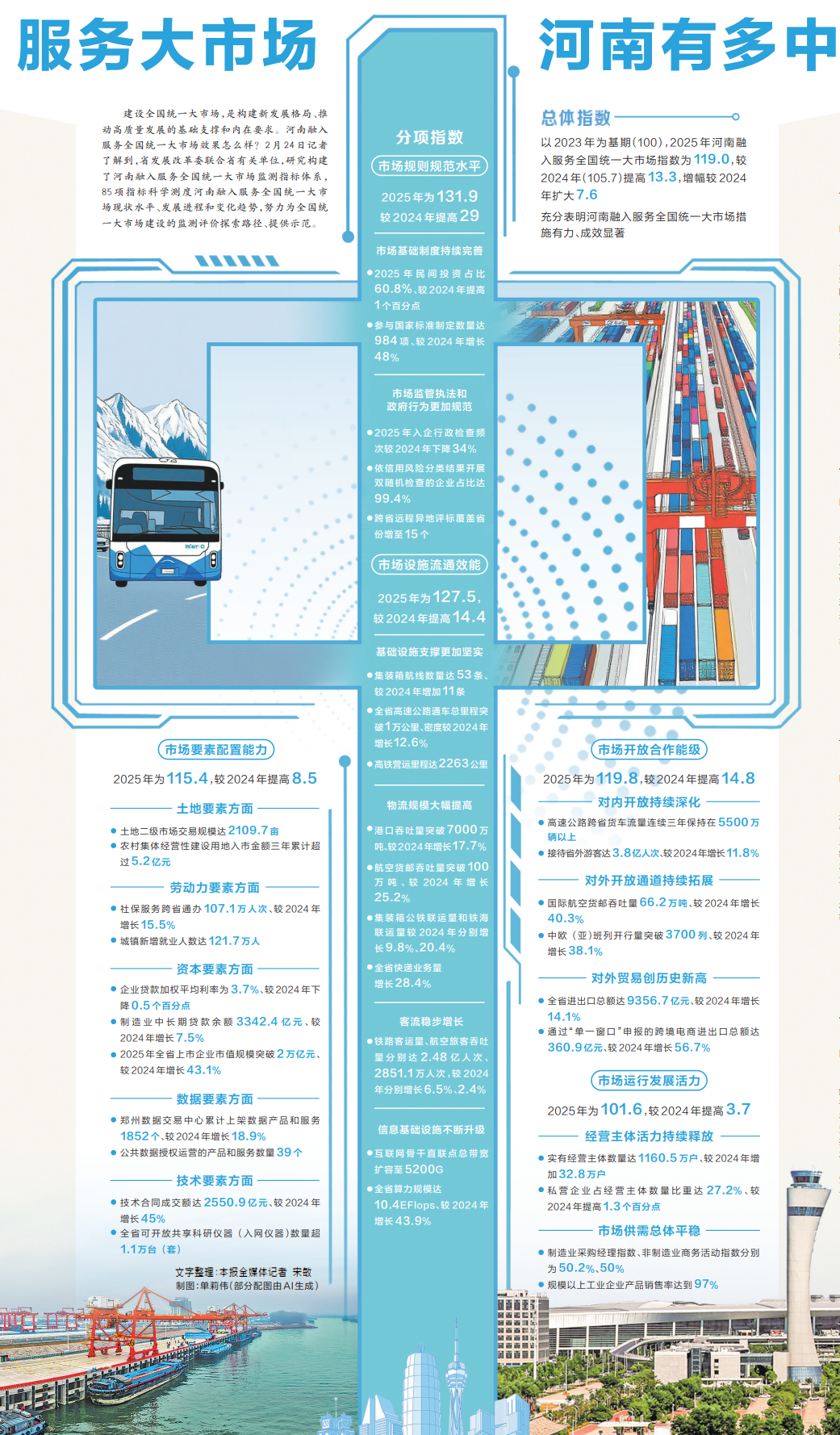
Core Viewpoint - The construction of a unified national market is essential for building a new development pattern and promoting high-quality development in Henan province, which is actively integrating into this national market framework [13][15][19]. Group 1: Market Performance and Indicators - During the Spring Festival holiday, Henan province recorded 62.81 million visitors and 37.63 billion yuan in tourism revenue, marking a year-on-year increase of 9.1% in visitor numbers and 9.6% in revenue compared to 2025 [14]. - The Henan Development and Reform Commission has established a monitoring indicator system with 85 indicators to assess the province's integration into the national unified market, aiming to provide a path for monitoring and evaluation [13][21]. Group 2: Economic Strategy and Development - The focus on a unified market is a response to the challenges of "involution" competition and supply-demand imbalances, emphasizing the need for a unified market to facilitate free circulation of goods and data [15][16]. - Henan's unique advantages include a large population, a comprehensive manufacturing base across 41 industrial categories, and strategic geographical positioning, which are crucial for its economic development [17]. Group 3: Infrastructure and Trade - Significant progress has been made in market circulation networks, with the Zhengzhou International Logistics Hub and the opening of the Zhoukou Port Center, enhancing the province's connectivity within the national trade framework [18][19]. - In 2025, Henan's industrial added value and investment led the country, with total import and export values reaching historical highs [18]. Group 4: Legislative and Policy Framework - The province is prioritizing local legislation to support the unified market, aiming to standardize rules for cross-province business operations, which will benefit entrepreneurs in Henan [20]. - The focus for 2026 includes detailed tasks to enhance logistics, commerce, and resource allocation hubs, as well as to strengthen international cooperation points [20][25]. Group 5: Future Directions and Innovations - The establishment of the "Henan Integration Service National Unified Market Index" will allow for quantitative assessment of market construction efforts, identifying strengths and areas for improvement [21]. - The province aims to enhance its market regulatory capabilities and promote fair competition through intelligent monitoring systems and modernized regulatory practices [32][33].
情绪消费承载美好
Xin Lang Cai Jing· 2026-02-24 22:23
Group 1: Gold Consumption Trends - Emotional consumption has become a significant driver of market vitality during the Spring Festival, with consumers willing to pay for good feelings and cultural recognition rather than just practical utility [1] - The demand for small-weight gold ornaments with auspicious meanings or collaborations has surged, transforming gold from a traditional asset into an "emotional luxury" item [1] - The physical gold consumption market is relatively small compared to global gold financial transactions, indicating that its impact is more about emotional support rather than price influence [1] Group 2: Rise of Trendy Toys - The popularity of trendy toys reflects the younger generation's pursuit of emotional connections, with blind box purchases becoming a new custom during the New Year [2] - Products that cater to diverse emotional needs are being developed, positioning them as connectors of emotions rather than mere toys [2] - There is an increasing market preference for products that embody Chinese cultural elements, highlighting the significance of cultural identity in consumer choices [2]
大消费渠道脉搏:泡泡玛特和毛戈平26年同店持续强劲增长,新秀丽26年初回升明显
Haitong Securities International· 2026-02-24 15:04
Investment Rating - The report does not explicitly provide an investment rating for the industry or specific companies mentioned. Core Insights - The overall retail market performance during the 2026 Spring Festival was tepid, with declining foot traffic and lower ticket sizes being the main drags [2][8] - The trendy toy sector, particularly POP MART, continues to show strong growth driven by IP operation capabilities and member stickiness, with an expected annual growth of over 25% [3][9] - The cosmetics category saw slight overall growth, with foreign brands like Dior and MAC recording around 10% growth, while domestic brand MAOGEPING maintained high double-digit growth [4][10] - The F&B sector exhibited a K-shaped divergence, with full-service restaurants facing pressure on average ticket prices, while fast food performed relatively steadily [5][11] - Apparel sales remained flat overall, with growth slowing for both sportswear and local designer brands, primarily driven by pre-festival consumption [6][12] - Luggage brands showed channel divergence, with full-price stores under pressure while outlet channels grew, and gold/jewelry sales increased due to rising gold prices [6][13] Summary by Sections Retail Market Performance - The retail market during the Spring Festival was underwhelming, with foot traffic declining year-on-year for five out of the first six days [2][8] - The increase in consumers traveling out of town contributed to the decline in foot traffic in business districts [2][8] Trendy Toy Sector - POP MART experienced robust growth, with a notable 40% year-on-year increase in 1Q25 due to the popularity of the Labubu IP, although growth narrowed to around 5% during the Spring Festival [3][9] - TOP TOY also saw considerable growth but is expected to have a lower growth rate in 2026 compared to POP MART [3][9] Cosmetics Sector - International brands like Dior and MAC achieved stable growth of around 10%, while MAOGEPING maintained an 18% year-on-year increase in January, with expectations of reaching a 20% growth target for the year [4][10] Food and Beverage Sector - Full-service restaurants faced a decline in average ticket prices by approximately 5-15%, while fast food chains recorded slight growth, indicating a shift in consumer preferences towards value [5][11] Apparel Sector - Overall apparel sales were flat, with growth primarily driven by pre-festival consumption, and local designer brands showing slightly better performance than sportswear [6][12] Luggage and Jewelry Sector - Samsonite's sales increased by about 15% year-on-year in early 2026, driven by travel demand, while gold and jewelry sales benefited from rising gold prices, with some domestic brands achieving over 10% growth [6][13]
泡泡玛特港股跌5.88% 近7个交易日市值蒸发483亿港元
Zhong Guo Jing Ji Wang· 2026-02-24 08:53
Group 1 - The stock price of Pop Mart (09992.HK) closed at HKD 233.8, reflecting a decline of 5.88% [1] - On February 10, Pop Mart's stock was priced at HKD 269.80, indicating a significant drop over the past week [1] - The company's market value has decreased by HKD 48.294 billion in the last seven trading days [1]
“最长春节”点燃消费热潮,关注港股通消费ETF易方达(513070)等产品布局机会
Mei Ri Jing Ji Xin Wen· 2026-02-24 07:10
Core Insights - The 2026 Spring Festival will feature the "longest" 9-day holiday, leading to a vibrant consumption market [1] - The total number of cross-regional movements reached 5.08 billion in the first 20 days of the Spring Festival travel period, averaging 250 million daily, marking a historical high [1] - The Spring Festival film screenings exceeded 4.34 million, setting a record in Chinese film history [1] - Daily sales of major retail catering enterprises increased by 10.6% compared to the two days before the 2025 festival [1] - Foot traffic and revenue in 78 monitored pedestrian streets grew by 23.2% and 33.2% year-on-year, respectively [1] Investment Opportunities - The consumption recovery trend is evident, attracting market attention to related indices [1] - The CSI Hong Kong Stock Connect Consumption Theme Index includes traditional service industry leaders as well as high-elasticity assets like trendy toys and gold jewelry, along with high-dividend stocks in sportswear and white goods [1] - As of February 13, the index's rolling price-to-earnings ratio stood at 18.6 times, positioned at the 4.5% percentile since its launch in 2020 [1] Fund Performance - The E Fund Hong Kong Stock Connect Consumption ETF (513070) has a management fee rate of only 0.15% per year, making it the only low-fee product in the market for Hong Kong consumption ETFs [1] - Wind data indicates that this product has seen a net inflow of over 1.2 billion yuan over the past eight trading days, facilitating low-cost investments in Hong Kong consumption leaders [1]