零食

Search documents
2026年食品饮料行业投资策略报告:筑底修复为主线,结构分化藏良机-20260119
Wanlian Securities· 2026-01-19 11:02
Group 1 - The core viewpoint of the report indicates that the food and beverage industry experienced a downturn in performance and stock prices in 2025, with revenue growth slowing and net profit declining for the first time [2][16][23] - The food and beverage sector's revenue for the first three quarters of 2025 was 831.395 billion yuan, a year-on-year increase of only 0.14%, while net profit decreased by 4.57%, ranking 20th and 21st among 31 industries respectively [16][20] - The stock prices of the food and beverage sector fell by 4.72% from January to November 2025, placing it at the bottom of the performance rankings among the 31 industries [23][27] Group 2 - In the liquor industry, the report notes that channel destocking and low valuations combined with high dividend yields provide support for stock prices, despite a challenging environment due to policy impacts [3][36] - The report predicts that the white liquor industry will enter a "volume-price double kill" phase, characterized by intensified competition and market consolidation [3][36] - The report highlights that the beer sector is expected to see marginal improvements in 2026 due to cost advantages and a recovery in on-premise consumption [4][36] Group 3 - The dairy sector is experiencing a recovery in demand, with low-temperature and deep-processed dairy products showing positive growth, while the overall profitability of dairy companies varies significantly [4][9] - The condiment industry is evolving towards customization driven by the rise of chain restaurants and strong retail channels, with a focus on companies that can meet tailored demands [4][9] - The frozen food sector is expected to return to positive growth as price wars ease, with companies like Anji actively exploring new sales channels [4][9] Group 4 - The soft drink market is primarily driven by functional beverages, which are seen as a high-growth segment, while the overall market growth is expected to rely on structural upgrades [4][9] - The snack industry is facing challenges with "revenue without profit," and companies with health-oriented products and strong channel advantages are recommended for attention [4][9]






良品铺子:2025年预计净亏损1.2亿至1.6亿元
Xin Lang Cai Jing· 2026-01-19 10:40
Core Viewpoint - The company, Liangpinpuzi, anticipates a significant net loss for the year 2025, projecting a net profit attributable to shareholders of between -160 million to -120 million yuan, and a non-recurring net profit of between -190 million to -150 million yuan, indicating a deterioration compared to the previous year's performance [1] Financial Performance - The previous year's net profit was reported at -46.1045 million yuan, with a non-recurring net profit of -74.7614 million yuan, highlighting a worsening financial outlook for the upcoming year [1] - The anticipated losses are attributed to several factors, including a decline in sales revenue due to store structure optimization, price reductions on products, and adjustments affecting gross profit margins [1] Revenue and Income Sources - The company has experienced a year-on-year decline in interest income, investment returns, and government subsidies, with decreases of approximately 18 million yuan, 23 million yuan, respectively [1]

良品铺子:预计2025年净亏损1.2亿元-1.6亿元
Di Yi Cai Jing· 2026-01-19 10:29
良品铺子公告,预计2025年年度实现归属于上市公司股东的净利润为-16000万元到-12000万元;归属于 上市公司股东的扣除非经常性损益的净利润为-19000万元到-15000万元。报告期内,公司因主动优化门 店结构、关闭低效门店导致销售收入下降,部分产品售价下调及产品结构调整影响毛利率。虽通过精益 管理降低运营成本,但收入与毛利下滑叠加投资收益及政府补助同比减少,致使净利润同比下降。 ...
洽洽食品涨2.01%,成交额5995.14万元,主力资金净流入230.00万元
Xin Lang Zheng Quan· 2026-01-19 02:04
Group 1 - The core viewpoint of the news is that Qiaqia Food's stock has shown a positive trend in recent trading sessions, with a year-to-date increase of 7.96% and a market capitalization of 11.807 billion yuan [1] - As of January 19, Qiaqia Food's stock price reached 23.34 yuan per share, with a trading volume of 59.95 million yuan and a turnover rate of 0.51% [1] - The company's main business involves the production and sale of nut snacks and baked leisure foods, with revenue composition being 64.38% from sunflower seeds, 22.32% from nuts, and 11.05% from other products [1] Group 2 - As of September 30, Qiaqia Food reported a total revenue of 4.501 billion yuan for the first nine months of 2025, a year-on-year decrease of 5.38%, and a net profit attributable to shareholders of 168 million yuan, down 73.17% year-on-year [2] - The number of shareholders decreased by 5.84% to 54,300, while the average circulating shares per person increased by 6.20% to 9,297 shares [2] - Qiaqia Food has distributed a total of 4.693 billion yuan in dividends since its A-share listing, with 1.654 billion yuan distributed in the last three years [2]

中信建投:茅台披露市场化运营方案,伊利参与优然配售彰显信心
Ge Long Hui A P P· 2026-01-18 23:56
Group 1 - The core viewpoint of the article highlights the comprehensive reforms in Guizhou Moutai's market-oriented operation plan for 2026, focusing on product system, operational model, channel layout, and pricing mechanism [1] - The report indicates that the new store model is driving recovery in specific sectors, with Mingming very active in the Hong Kong stock market hearing [1] - Yili's shareholding ratio increased from 33.93% to 36.07% after participating in the YouRan placement, reflecting confidence at the industry bottom [1] Group 2 - In the consumer goods sector, three main themes are emphasized: the recovery expectations in the catering chain (focusing on new store models and customized supermarket offerings), high growth in health-oriented and functional products, and optimization of the cost cycle [1] - For Q1, attention is drawn to three key themes: first, snack and dairy products leading the market during the year-end rally, while liquor is expected to recover post-Spring Festival; second, the upcoming annual report forecast period may see leading companies in consumer goods exceed profit expectations; third, data from late January's Spring Festival stocking is expected to boost performance, combined with low valuations and sentiment recovery, amplifying the potential for Q1 performance surprises [1]

【转|太平洋食饮-26年度策略】底部向阳,寻找结构性亮点
远峰电子· 2026-01-18 11:38
Overall Sector Review - The food and beverage sector significantly underperformed the market, with a year-to-date decline of -0.62%, lagging behind the Shanghai Composite Index by 15.0 percentage points [2] - The sector experienced a deep correction after an initial rebound driven by expectations of consumption recovery and supportive policies, but the actual recovery rate was lower than anticipated, leading to a consensus on weak domestic demand [2] Subsector Performance - The snack sector outperformed with a year-to-date increase of 28.88%, driven by channel expansion and a revenue growth rate of 30.97% in the first three quarters [4] - Soft drinks also showed resilience with a 10.11% stock price increase, benefiting from strong travel demand and low-cost, high-frequency consumption [4] - The restaurant chain sector saw a rebound with gains of approximately 10.34% and 10.29% for pre-processed and baked goods, respectively [4] - The liquor sector, particularly high-end liquor, faced challenges with weaker sales and declining prices, while beer performance was supported but affected by high-end market constraints [4] Investment Insights - The sector is under pressure from deflationary trends and a weak recovery, with consumer confidence remaining low, indicating a shift to a "new normal" of low growth [8] - High-end consumption has shown slight recovery due to stock market wealth effects, but sustainability remains a concern [9] - The food and beverage sector's valuation is at historical lows, with a current PE (TTM) of 21.9X, indicating potential investment opportunities in undervalued segments [12] Fund Holdings - As of Q3 2025, the food and beverage sector's fund holdings decreased to 6.38%, nearing levels seen in 2016, with the liquor segment comprising 5.52% of this [14] - Fund holdings in the liquor sector increased for certain subsectors, including white liquor and seasoning products, while others saw declines [16] Long-term Trends - The liquor industry is undergoing its longest adjustment period since 2003, with significant price corrections and a potential bottoming out of valuations [21] - The white liquor sector has underperformed the market with a year-to-date return of -4.87%, reflecting weak demand and a divergence from broader market trends [24] - The third quarter of 2025 saw a significant decline in revenue and net profit for the white liquor sector, indicating a deep adjustment phase [27] Pricing Dynamics - The white liquor market is experiencing a general decline in prices, particularly in high-end segments, while lower price segments show resilience [29] - The average price of high-end products like Moutai has dropped significantly, while mid-range and lower-range products have maintained stability or slight increases [31] Investment Recommendations - The white liquor sector is advised to focus on inventory reduction and demand recovery, with a preference for leading brands that can maintain pricing power and product stability [32]





江苏和河南调研反馈、周观点:白酒旺季渐进,速冻变化积极-20260118
GOLDEN SUN SECURITIES· 2026-01-18 06:32
Investment Rating - The report suggests a positive investment outlook for the liquor and frozen food sectors, particularly highlighting the upcoming Spring Festival as a catalyst for sales growth in the liquor industry [1][2]. Core Insights - The liquor market is expected to see improved sales performance as the Spring Festival approaches, with Moutai leading the way. The report indicates that Moutai's pricing strategy and sales performance are likely to drive industry-wide improvements [1][2]. - The frozen food sector is experiencing a recovery, with demand rebounding and price competition easing. Leading companies in this sector are expected to benefit significantly from this trend [2]. - The snack food segment is also showing signs of recovery, with companies that faced challenges in 2025 beginning to emerge from their operational lows. The upcoming Spring Festival is anticipated to boost inventory levels and sales [2]. Summary by Sections Liquor Sector - The report indicates that as the Spring Festival approaches, channel collections are progressing normally, and sales are expected to improve slightly despite year-on-year pressure. Moutai is expected to perform strongly, with its pricing strategy showing a stabilizing effect [2]. - The report emphasizes that liquor companies are prioritizing volume over price and focusing on quality to gain market share [2]. Frozen Food Sector - The frozen food market is currently in its peak sales season, with demand showing a month-on-month recovery. The report notes that leading companies are likely to see revenue growth due to a low base effect and improved profit margins [2]. Snack Food Sector - Companies in the snack food sector that faced challenges in 2025 are now gradually recovering. The report highlights that the upcoming Spring Festival will significantly enhance inventory levels and sales opportunities for these companies [2]. Specific Companies - Moutai, Guizhou Moutai, and other leading liquor brands are recommended for short-term investment due to their strong performance during the Spring Festival [1]. - Companies like Sanquan Foods and others are noted for their innovative product launches and channel strategies, which are expected to drive revenue growth [4].


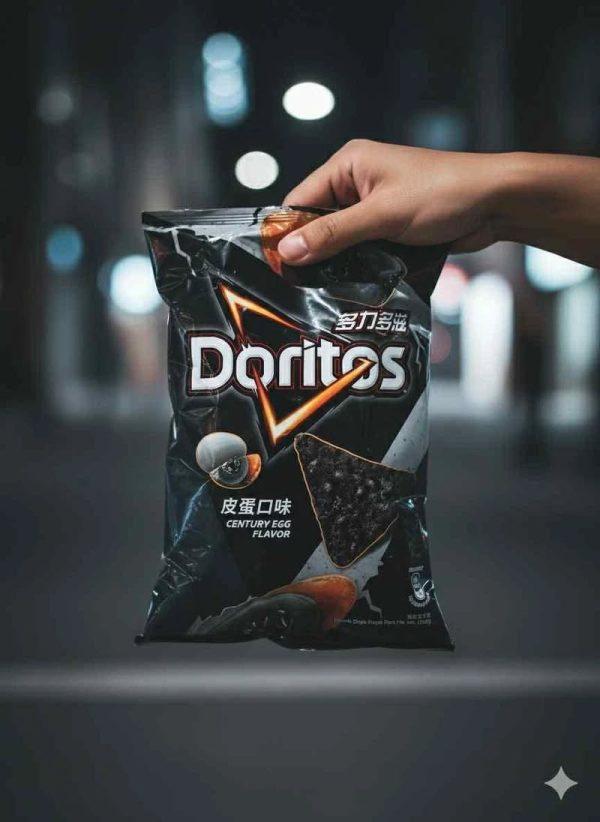
一包“黑乎乎”的玉米片火出圈,只因它是皮蛋味?
3 6 Ke· 2026-01-17 08:24
Group 1 - The core idea of the article is the introduction of a unique century egg-flavored corn chip by Pepsi's Doritos brand in the Taiwan market, which has generated significant consumer interest and discussion on social media [1][4][34] - The product was launched despite initial skepticism, leading to a sell-out on its release day, indicating strong demand [4][14] - Social media engagement around the product has been high, with notable metrics such as 13.2 million views and 539 discussions on Xiaohongshu, suggesting the potential for century egg to become a trending ingredient [7][34] Group 2 - The product's packaging and flavor have been described as intriguing and unusual, with a design that reflects the characteristics of century eggs [9][10] - Consumers have shared various creative ways to enjoy the chips, including pairing them with ice cream and incorporating them into traditional dishes like congee [15][22] - The trend of introducing quirky flavors like century egg in snacks reflects a growing consumer demand for novelty and emotional value in food products, with 27.68% of consumers citing curiosity as a reason for purchasing snacks [34]

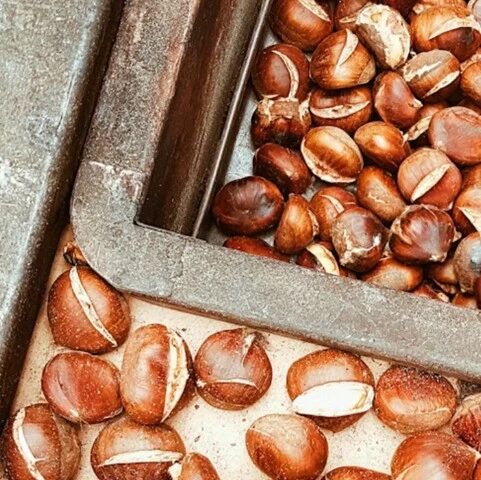
准备过年的年轻人,快被高端炒货吓哭了
36氪· 2026-01-16 14:41
Core Viewpoint - The article discusses the transformation of traditional snack brands, particularly high-end roasted seeds and nuts, into luxury products, highlighting the impact on consumer spending and market dynamics [4][25][70]. Group 1: Market Dynamics - The average transaction price for high-end roasted snacks reached 68.3 yuan, a year-on-year increase of 14.7% [24]. - The market for high-end roasted snacks is rapidly growing, with projections indicating that the snack industry in China will approach 1.4 trillion yuan by 2024, with high-end roasted snacks gaining a larger market share [37]. - Brands like Xueji and Qiwang have expanded significantly, with Xueji opening over 1,000 stores and Qiwang exceeding 760 stores, indicating a strong growth trend [12][33]. Group 2: Brand Strategies - Xueji's transformation from a street vendor to a high-end store was facilitated by a 600 million yuan Series A financing round, which allowed for rapid expansion and a focus on high-margin products [30][31]. - Both Xueji and Qiwang have adopted premium pricing strategies, with products like Qiwang's nuts priced above 100 yuan per kilogram, reflecting a shift towards luxury branding [34][36]. - The brands utilize "atmosphere marketing" and "source tracing" to enhance perceived value, with Xueji emphasizing high-quality ingredients from specific regions [43][49]. Group 3: Consumer Behavior - Young consumers, despite having higher incomes, are increasingly cautious about spending on snacks, with many expressing disbelief at the high prices of roasted seeds and nuts [17][21]. - The article notes a shift in consumer perception, where traditional snacks are now viewed as luxury items, leading to a change in purchasing behavior during festive seasons [15][61]. - The high-end positioning of these brands appeals to middle-class consumers who seek to showcase their status through premium purchases, while budget brands target price-sensitive consumers [60][64]. Group 4: Competitive Landscape - The article contrasts high-end brands like Xueji with budget-friendly options that focus on low prices and high volume sales, highlighting the different strategies employed to capture market segments [58][66]. - Xueji's high-cost structure necessitates a focus on premium products, while budget brands benefit from lower operational costs and a focus on community-based sales [69][70]. - Both strategies have proven successful, but they face inherent risks, such as potential consumer fatigue with high prices or increased competition in the budget segment [70][71].
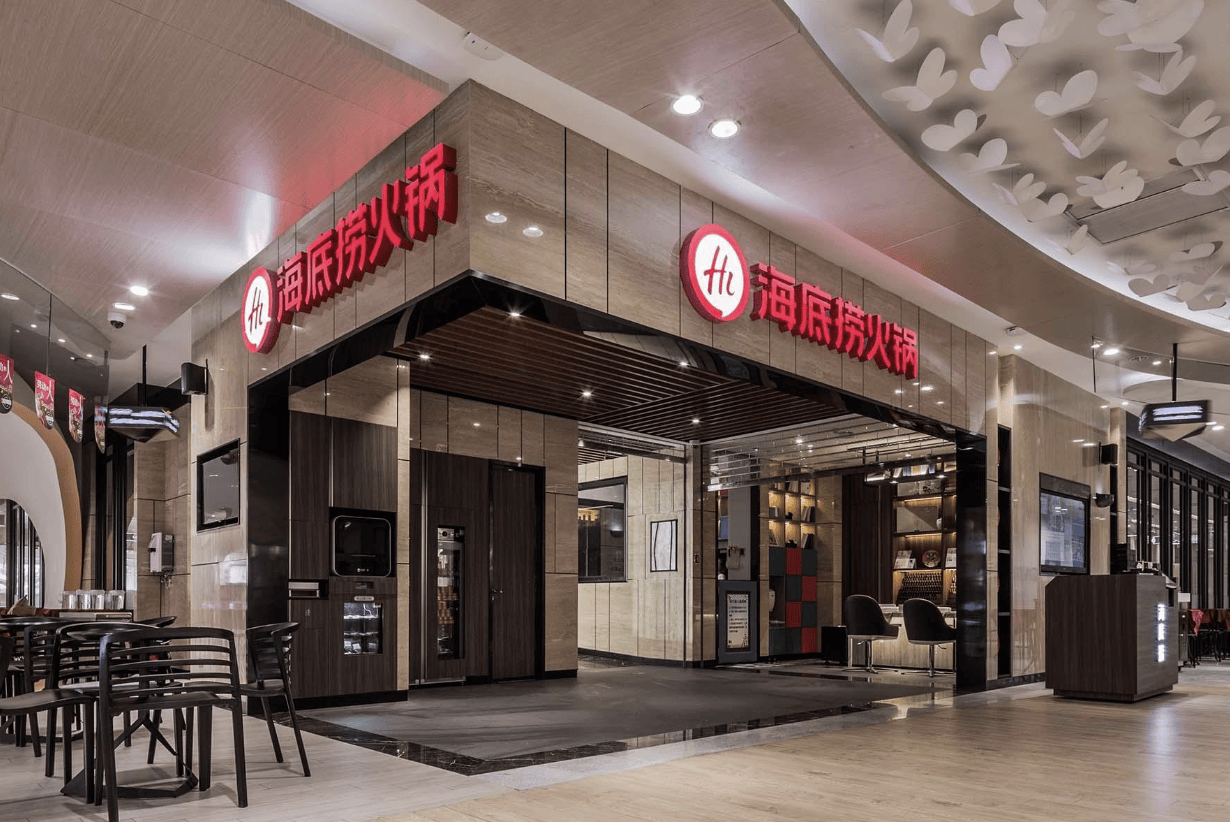
创始人张勇,“重新”掌舵870亿海底捞
Sou Hu Cai Jing· 2026-01-16 01:50
Core Insights - The changing consumer preferences are reflected in the shifts within the dining market, indicating that no single restaurant format can remain dominant indefinitely [1] - The current best solution for the restaurant industry is a focus on supply chain and standardization, which has led to higher valuations for supply chain companies compared to traditional restaurant businesses [1] - The capital market's preference has shifted towards tea beverage companies, which are currently valued higher than traditional dining establishments, a trend unlikely to reverse in the short term [1] Company Analysis - Despite achieving record performance, leading restaurant chain Haidilao has not seen a recovery in its valuation, indicating a disconnect between operational success and market perception [3] - Haidilao's rapid expansion from over 300 stores at its IPO to 1,300 stores by 2022 did not translate into proportional revenue growth, resulting in a net loss of 4.163 billion yuan in 2021 [6] - Under the leadership of Yang Lijuan, Haidilao shifted from aggressive expansion to a more conservative approach, leading to a revenue recovery to 41.453 billion yuan and a net profit of 4.499 billion yuan by 2023 [9] Market Dynamics - The restaurant industry is experiencing accelerated rotation effects, with the tea beverage sector expanding more easily and attracting more capital due to lower investment requirements compared to the hot pot industry [12] - Haidilao's attempts to diversify through the "Red Pomegranate Plan" and the introduction of multiple brands have not yielded the expected results, with revenue and net profit showing only slight increases and subsequent declines [10] - The valuation of tea beverage companies like Mixue Ice City is nearly double that of Haidilao, despite Haidilao's larger revenue scale, highlighting the market's preference for lighter asset models [12] Consumer Behavior - Changes in consumer preferences are causing significant impacts on the restaurant industry, with a noted decline in the performance of previously popular snack brands due to shifting tastes [14] - Haidilao's table turnover rate increased to 4.1 times per day in 2024 but fell to 3.8 times in the first half of 2025, indicating a decrease in customer traffic and average daily sales [14] - The higher price point of hot pot compared to tea beverages makes consumers more sensitive to pricing, contributing to the challenges faced by Haidilao [14]