电商

Search documents
美区“黑五”购物高峰四天GMV破5亿美元,TikTok Shop在美表现亮眼
Huan Qiu Wang· 2026-01-04 07:08
Core Insights - TikTok Shop demonstrated strong performance in the U.S. during the 2025 Black Friday to Cyber Monday shopping period, with a total gross merchandise value (GMV) exceeding $500 million [1] - Major brands like Disney, Samsung, and Harry's have recently joined TikTok Shop, indicating a shift in market sentiment towards the platform [1][3] - Business Insider expresses optimism for TikTok Shop's growth in 2026, attributing it to the platform's ability to cultivate user engagement and loyalty [3] Group 1 - TikTok Shop's GMV surpassed $500 million during the 2025 Black Friday to Cyber Monday shopping period [1] - Well-known brands have begun to embrace TikTok Shop, with Harry's hiring a dedicated manager for the platform [1] - The platform is seen as fostering a new shopping habit among consumers who prefer to shop while watching videos [3] Group 2 - TikTok Shop is recognized as one of the fastest-growing brands in the U.S., indicating its evolution into an independent brand rather than just a feature of TikTok [3] - A report from Morning Consult highlights a significant increase in consumer purchasing intent towards TikTok Shop from Q1 to Q3 [3] - The political challenges faced by TikTok in the U.S. may be resolving, potentially encouraging more brands to join the platform [3]

Meta收购Manus开发商,百度计划分拆昆仑芯业务并于港交所独立上市
GF SECURITIES· 2026-01-04 06:54
Core Insights - The report maintains a "Buy" rating for the internet media sector, highlighting strong performance in gaming and social entertainment media, with companies like Bilibili and Tencent outperforming the market [3][4][8] - The report emphasizes the potential of AI applications and the gaming sector, predicting continued industry growth in 2026 [14][19][22] Group 1: Internet Sector - E-commerce: The report notes that the national subsidy policy for 2026 is expected to be slightly better than anticipated, although recent e-commerce performance remains weak [19][20] - Social Entertainment Media: Bilibili and Tencent's advertising performance continues to exceed market expectations, with Tencent's gaming fundamentals improving [19][20] - Internet Healthcare: JD Health and Alibaba Health are leveraging their platform advantages to deepen cooperation with upstream pharmaceutical manufacturers, leading to strong revenue and profit growth [20] Group 2: Media Sector - Gaming: The report remains optimistic about the gaming sector's performance driven by fundamentals, recommending leading companies such as Tencent and NetEase [22][23] - Advertising: The report discusses recent adjustments by Focus Media regarding its acquisition of New Wave, reflecting concerns about growth impacts from reduced investment [23][24] - Publishing: Some publishing companies are facing negative impacts from educational reforms, leading to delays in revenue recognition [24] Group 3: Key Company Analysis - Tencent Holdings: The company reported a revenue of 192.9 billion RMB for Q3 2025, with a year-over-year increase of 15% [29] - Kuaishou: The company achieved a total revenue of 35.6 billion RMB in Q3 2025, with a year-over-year increase of 14% [30] - Bilibili: The company reported total revenue of 7.685 billion RMB in Q3 2025, with a year-over-year increase of 5% [31]





一周重磅日程:“科技春晚”CES、马杜罗或在美受审、美非农、智谱MiniMax港股上市
华尔街见闻· 2026-01-04 05:05
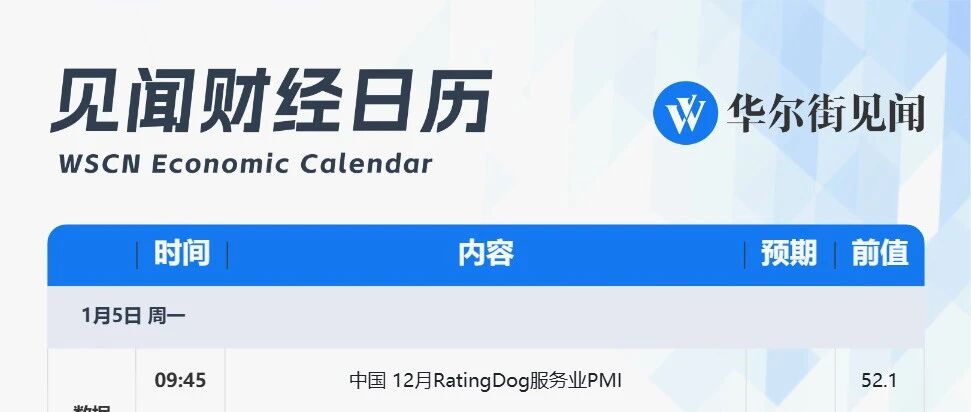
Core Viewpoint - The article highlights significant upcoming economic data releases and events that could impact investment opportunities, particularly focusing on the U.S. and China markets, as well as key technology developments at the CES event. Economic Data and Events - China is expected to release its December CPI and PPI data on January 9, with CPI growth projected to remain at 0.7% year-on-year and PPI decline narrowing to -1.9% from -2.2% [7] - The U.S. will release its December non-farm payroll report on January 9, with expectations of an increase of approximately 55,000 jobs and an unemployment rate holding steady at 4.6% [9] - The CES event will take place from January 4 to 9, featuring major tech leaders like NVIDIA's CEO Jensen Huang and AMD's CEO Lisa Su, who will present on advancements in AI hardware [10][11] IPOs and Market Activity - Several companies are set to launch IPOs in Hong Kong, including: - Zhipu AI, with a pricing of HKD 116.20 per share, expected to start trading on January 8 [15] - MiniMax, with a pricing range of HKD 151-165 per share, expected to start trading on January 9 [17] - Precision Medical, seeking to raise HKD 1.2 billion, expected to start trading on January 8 [18] - TianShu Intelligent Chip, aiming to raise HKD 3.68 billion, expected to start trading on January 8 [19] - GigaDevice Semiconductor, with a pricing range of HKD 162 per share, expected to be priced on January 9 [20] Geopolitical Events - South Korean President Lee Jae-myung is visiting China from January 4 to 7 to strengthen economic cooperation [21] - Venezuelan President Maduro may appear in a U.S. court on January 5, which could have implications for geopolitical stability and market reactions [12] - Ukrainian President Zelensky announced a meeting with U.S. officials on January 6 to finalize security agreements [13] Commodity Market Insights - The Bloomberg Commodity Index (BCOM) will undergo annual weight rebalancing from January 8 to 14, with warnings of potential technical sell-offs in gold and silver due to their overrepresentation in the index [14]




天猫年货节现货开卖,国补继续“含马量”爆表
Xin Lang Cai Jing· 2026-01-04 04:33
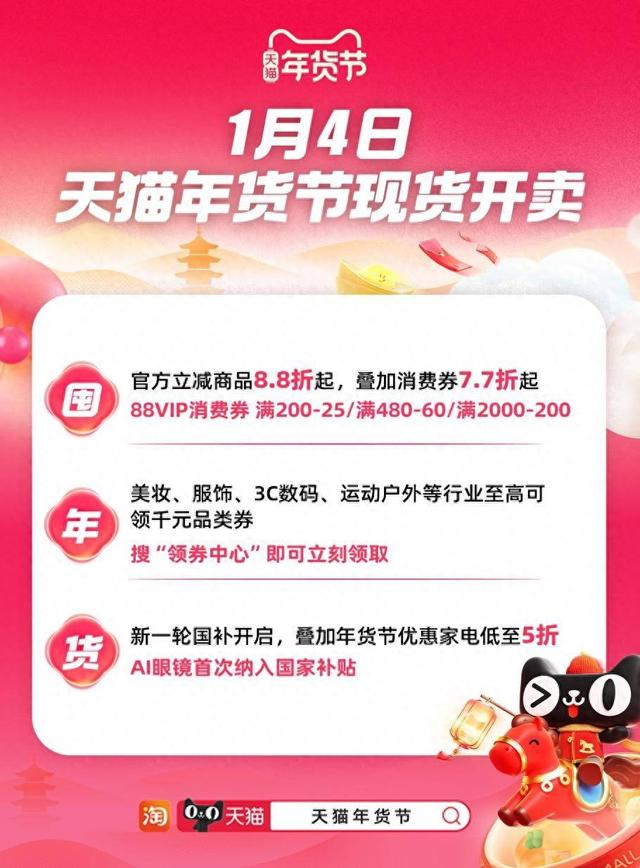
Group 1 - Tmall's New Year Festival offers discounts starting from 8.8% off, with additional coupons providing up to 77% off for various categories including beauty, apparel, and electronics [1][3] - National subsidies have been reintroduced, allowing major appliances like air conditioners and refrigerators to be discounted up to 50%, with specific examples such as the Siemens refrigerator priced at 5,999.5 yuan after discount [3] - AI glasses have been included in the national subsidy program for the first time, with significant sales growth reported, showing a 15-fold increase in transactions year-on-year [3] Group 2 - The Year of the Horse-themed products are gaining popularity, with many new items inspired by a rounded, cartoonish design appealing to younger consumers [4] - High-end food ingredients are being featured for New Year's dinners, showcasing a blend of local and international delicacies, emphasizing quality and value [4] - Various brands are launching limited edition products for the Year of the Horse, including luxury watches and spirits, reflecting a blend of modern craftsmanship and traditional aesthetics [3][4]

科技周报|国内最大DRAM存储芯片厂商冲刺科创板;智能眼镜首次进入国补范围
Di Yi Cai Jing· 2026-01-04 03:39
Group 1: Fire Engine as AI Cloud Partner - Fire Engine has officially become the exclusive AI cloud partner for the 2026 Spring Festival Gala of the Central Radio and Television Station [2] - The partnership will leverage cutting-edge multimodal large models and cloud computing technology to enhance the Gala's programs, online interactions, and video live streaming [2] - Fire Engine has provided technical support for Douyin's Spring Festival Gala live broadcasts over the past five years, demonstrating high concurrency capacity and stability [2] Group 2: Changxin Technology's IPO - Changxin Technology's IPO application has been accepted, aiming to raise 29.5 billion yuan [3] - The company has experienced continuous revenue growth over the past three years, but it is projected to incur significant losses exceeding 30 billion yuan from 2022 to 2024 [3] - As the largest DRAM manufacturer in China, Changxin holds a 3.97% global market share, but it still lags behind major international competitors [3] Group 3: Blue Arrow Aerospace's IPO - Blue Arrow Aerospace's IPO application has been accepted, with plans to raise 7.5 billion yuan [4] - The funds will be allocated for enhancing reusable rocket capacity and technology [4] - The company has reported increasing revenues but also significant net losses from 2022 to 2025 [4] Group 4: National Subsidy Policy for Smart Glasses - The 2026 national subsidy policy includes smart glasses for the first time, aiming to promote product innovation and market growth [7] - The subsidy for digital and smart products is set at 15% of the product price, with a cap of 500 yuan per item [7] - The inclusion of smart glasses is expected to lower consumer barriers and stimulate short-term sales, with projected significant growth in AR and AI glasses sales by 2025 [8] Group 5: Launch of 2026 National Subsidy - The 2026 national subsidy program officially commenced on January 1, with the first order successfully placed by a consumer in Guangzhou [9] - The program aims to enhance consumption convenience in rural areas and promote economic growth [9] - JD.com has committed to investing nearly 30 billion yuan to support the national subsidy initiative in rural areas [9]
天猫年货节开启,1月4日起现货开售
Xin Lang Cai Jing· 2026-01-04 03:25
Group 1 - Tmall's New Year Goods Festival has officially started, offering discounts starting from 12% off and additional coupons for consumers [1][2] - Consumers can receive up to 3,421 yuan in category coupons for industries such as beauty, apparel, 3C digital products, and outdoor sports [1] - The first wave of 88VIP coupons includes three tiers: 25 yuan off for purchases over 200 yuan, 60 yuan off for purchases over 480 yuan, and 200 yuan off for purchases over 2,000 yuan [1] Group 2 - A new round of national subsidies has begun, allowing major appliances like air conditioners, televisions, washing machines, refrigerators, and water heaters to be available at up to 50% off [2] - The category of national subsidies has expanded to include AI glasses, which experienced explosive growth on Tmall last year, with transaction volume increasing over 15 times year-on-year as of now [2]
唯品会(VIPS):季节性因素或使收入位于指引低端
HTSC· 2026-01-04 03:09
Investment Rating - The report maintains a "Buy" rating for the company [6] Core Views - The company is expected to see a 0.9% year-on-year increase in revenue for Q4 2025, reaching 33.52 billion RMB, which aligns with the company's previous guidance of flat to +5% year-on-year [1][6] - Seasonal factors, such as warmer temperatures in December and a later Chinese New Year in 2026, may impact winter clothing sales and shift some consumer demand [1][3] - The company aims to enhance the service experience for its core SVIP users to maintain consumer loyalty and wallet share, while also considering promotional strategies to attract purchases [1] - The report highlights the importance of shareholder return initiatives in 2026, which could support the company's valuation [1] Revenue and Profitability - The report anticipates a 3.8% year-on-year increase in GMV for Q4 2025, reaching 68.7 billion RMB, with a narrowing gap between GMV growth and revenue growth [2] - The expected gross margin for Q4 2025 is 22.9%, reflecting a slight year-on-year decline of 0.1 percentage points due to increased investments in user engagement [2] - The non-GAAP net profit margin is projected to be 8.2% for Q4 2025, down 0.8 percentage points year-on-year [2] Market Conditions and Policy Impact - The report notes that online retail sales of physical goods in November 2025 grew by 3.5% year-on-year, with a decline in the growth rate for clothing and footwear categories [3] - The central economic work conference indicated that expanding domestic demand will be a priority in 2026, which could benefit the company as it operates in the discretionary consumer goods sector [3] Financial Forecasts and Valuation - The company’s non-GAAP net profit forecasts for 2025-2027 have been slightly adjusted downwards by 0.1%, 2.6%, and 2.5% to 8.6 billion, 8.8 billion, and 9.1 billion RMB respectively, primarily due to lower gross margin expectations [4][12] - The target price for the company is set at $23.26, reflecting a price-to-earnings ratio of 9x for 2026, which is at a discount compared to the average of comparable companies at 14.6x [4][15]

京东健康携手吉林人参产业带合作伙伴 以人参品质溯源体系推动行业高质量发展
Jin Rong Jie Zi Xun· 2026-01-04 02:51
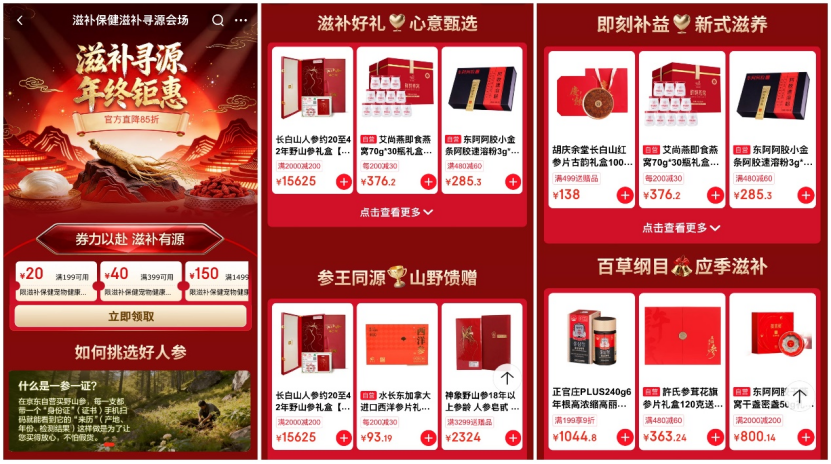
Core Insights - The demand for health supplements, particularly ginseng, has surged during the New Year holiday, with sales increasing by 55% year-on-year according to JD Health's data [1] - JD Health has established a "one ginseng, one certificate" quality traceability system, allowing consumers to verify product origins, growth years, and testing results through QR codes [1][3] Group 1: Industry Overview - Jilin Province is recognized as the original and core production area for ginseng in China, benefiting from unique ecological conditions and extensive cultivation experience [3] - The province has developed a comprehensive ginseng industry system that integrates planting, processing, and research, positioning itself as a key player in the global ginseng market [3] - JD Health is collaborating with Jilin Province to enhance the ginseng industry from a resource advantage to a brand and value advantage, promoting high-quality, traceable ginseng products [3] Group 2: Product Standards and Quality Control - In 2023, JD Health, in collaboration with authoritative institutions, launched the "JD Good Ginseng" standards, which set clear and strict requirements for ginseng definition, age labeling, and testing certification, exceeding national standards in some areas [3] - JD Health applies rigorous quality control and traceability systems to both everyday health supplements and high-grade, rare ginseng resources, ensuring a regulated display and certification environment [4] - A notable auction of a century-old wild ginseng from Changbai Mountain showcased a specimen weighing 123 grams, surpassing national standards for premium wild ginseng [4] Group 3: Future Developments - JD Health plans to continue enhancing its quality control standards and traceability systems while deepening collaboration with local governments and industry in Jilin Province to promote standardized, transparent, and scalable development of health supplements [5]

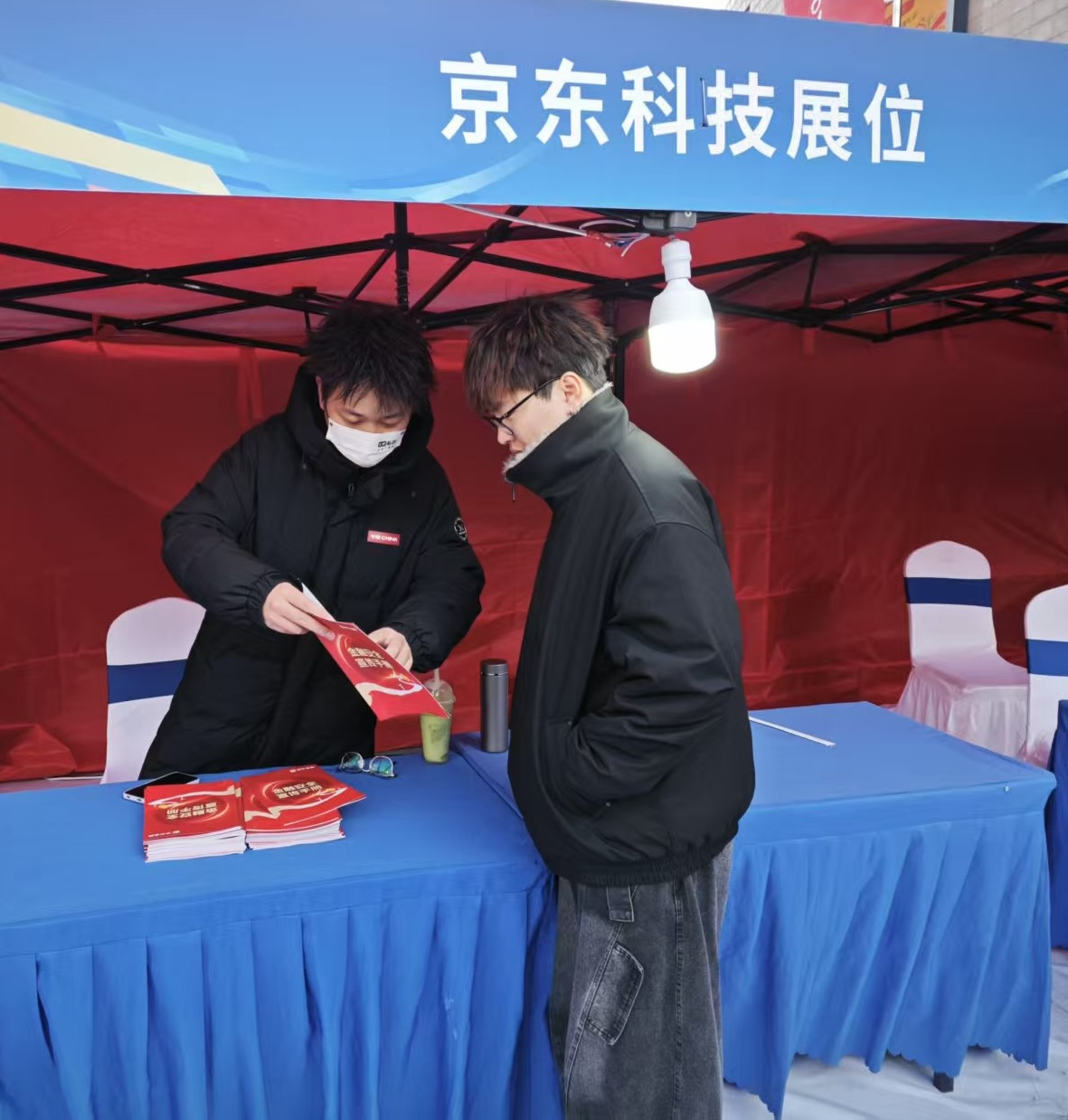
宿迁消费季活动现场 京东科技反诈专员助力市民守护“钱袋子”
Zhong Jin Zai Xian· 2026-01-04 02:23
Core Viewpoint - The "Hi in Suqian, Enjoy Shopping in Winter" consumption season event organized by Suqian Municipal Bureau of Commerce featured a financial anti-fraud specialist from JD Technology, who provided citizens with essential anti-fraud knowledge to enhance their awareness and protect their financial security during a high-risk period for scams [1] Group 1: Fraud Types - The first type of scam involves "points clearing fraud," where victims receive messages claiming their points are about to expire, leading them to click links that steal their bank information [3] - The second type is "flight refund and change fraud," where scammers impersonate airline customer service to trick victims into providing personal information under the guise of processing refunds [3] - The third type is "fake red envelope fraud," where victims are lured by links in family groups promising cash rewards, resulting in unauthorized withdrawals from their bank accounts [4] - The fourth type is "office subsidy fraud," where scammers pose as colleagues to solicit sensitive information for fake year-end subsidy claims, leading to financial losses for victims [4] Group 2: Anti-Fraud Recommendations - JD Technology's anti-fraud specialists advise consumers to adhere to the "three no principles": do not click on unknown links in messages or social media, do not disclose sensitive information like bank passwords, and do not transfer money to unfamiliar accounts [5] - The specialists also recommend using official apps for transactions and verifying information through official channels when dealing with refunds or inquiries [5] Group 3: Financial Products - JD Technology promotes its cash management product, JD Xiaojinkui, which has consistently achieved positive returns and offers higher yields compared to similar products in the market [5] - The product supports quick redemptions, allowing users to withdraw up to 500,000 yuan in a single day, and provides unlimited payment options for high-value purchases on JD [5]
淘宝闪购元旦消费数据:7500万颗车厘子、1000万颗草莓被“老己”抢购一空
Xin Lang Cai Jing· 2026-01-04 01:57
Core Insights - The consumption model centered around instant gratification and self-reward has significantly boosted the holiday market during the New Year period [1][2] Sales Performance - Taobao Flash Sale data indicates that several major holiday products achieved record sales, with over 75 million imported cherries sold [1][2] - Sales of Dandong red strawberries surpassed 10 million units, while Boston lobsters, once considered a luxury, became a regular choice for young consumers, leading to a sell-out across over 100 stores [1][2] - Milk sales reached 1.2 million liters, and both cola and beer, essential for holiday gatherings, sold over 1.5 million liters each [1][2] Consumption Patterns - The purchasing behavior during the holiday season displayed distinct characteristics of scenario-based and instant consumption [1][2] - In the morning, consumers focused on seafood and hot pot ingredients, aligning with preparation needs for gatherings; from noon to night, sales of gifts, flowers, and snacks increased, catering to social and relaxation needs [1][2] - Late-night purchases included beer, fruits, and health supplements, reflecting a lifestyle balance sought by young consumers [1][2]