
石化

Search documents
反内卷政策陆续出台,石化行业稳增长方案有望推动化工行业供给侧竞争格局优化
KAIYUAN SECURITIES· 2025-07-20 09:43
Investment Rating - The investment rating for the chemical industry is "Positive" (maintained) [1] Core Viewpoints - The petrochemical industry's stable growth plan is expected to optimize the competitive landscape of the chemical industry on the supply side [4][30] - The TDI market price has risen sharply due to supply disruptions caused by an incident at a production facility in Germany [4][24] - The overall profitability of the chemical industry is under pressure due to increased capital expenditures and concentrated new capacity over the past four years, but the upcoming stable growth plans may lead to the elimination of outdated capacity and recovery of product profitability [30] Summary by Sections Industry Trends - The chemical industry index outperformed the CSI 300 index by 0.69% this week, with 302 out of 545 stocks in the sector rising [18] - The CCPI (China Chemical Product Price Index) reported a decrease of 0.27% this week [20] Key Products Tracking - The TDI market price increased to an average of 14,063 CNY/ton, up 17.06% from the previous week [24] - The glyphosate market is showing strong performance with prices continuing to rise, averaging 25,901 CNY/ton [55] Recommended and Beneficiary Stocks - Recommended stocks include Wanhua Chemical, Hualu Hengsheng, Hengli Petrochemical, and others in various sub-sectors [6][30] - Beneficiary stocks include Cangzhou Dahua and others that may benefit from the current market conditions [25][31]



周末重磅!国务院批准!证监会,同意!特朗普,签了!新能源大消息......影响一周市场的十大消息
券商中国· 2025-07-20 09:31
Group 1: New Central Enterprise - China Yajiang Group - The Yarlung Tsangpo River downstream hydropower project has officially commenced, with a total investment of approximately 1.2 trillion yuan [2] - China Yajiang Group has been established as the 22nd central enterprise, following China Three Gorges Corporation and preceding State Energy Investment Corporation [2] Group 2: A-Share Merger - The China Securities Regulatory Commission has approved the merger of China Shipbuilding (600150.SH) and China Shipbuilding Industry Corporation (601989.SH), marking a significant step in the integration of major shipbuilding platforms [3] - Post-merger, the total asset scale of the surviving company will exceed 400 billion yuan, positioning it as the world's largest publicly listed shipbuilding company [4] - Both companies have reported earnings forecasts that significantly exceed market expectations, with China Shipbuilding projecting a 98.25% to 119.49% increase in net profit for the first half of 2025 [4] Group 3: New Energy Vehicle Industry Regulation - The Central Fourth Guidance Group is focusing on addressing irrational competition in the new energy vehicle industry, emphasizing the importance of regulatory measures for high-quality development [5][6] - A joint meeting by the Ministry of Industry and Information Technology, National Development and Reform Commission, and State Administration for Market Regulation has been held to further standardize competition in the new energy vehicle sector [6][7] - Key measures include enhancing supervision, establishing long-term mechanisms, and strengthening industry self-discipline to foster a healthy competitive environment [6][7] Group 4: Low-altitude Economy Development - The National Development and Reform Commission has convened a meeting to promote the safe and healthy development of the low-altitude economy, emphasizing the need for tailored approaches based on local conditions [8] - The meeting highlighted the importance of safety in development and the establishment of regulatory frameworks to prevent inefficient and harmful competition in the low-altitude industry [8] Group 5: Key Industries Growth Plans - The Ministry of Industry and Information Technology is set to release growth plans for ten key industries, including steel, non-ferrous metals, and petrochemicals, focusing on structural adjustments and the elimination of outdated capacity [9] Group 6: Stablecoin Legislation in the U.S. - President Trump has signed the "Guidance and Establishment of a National Innovation Act for Stablecoins," marking the first formal regulatory framework for digital stablecoins in the U.S. [10] Group 7: Stock Market Performance - The Nasdaq Composite Index reached a new historical high, with a slight increase of 0.05%, while major tech stocks showed mixed performance [11] - Chinese concept stocks mostly rose, with the Nasdaq Golden Dragon China Index increasing by 0.6% [12] Group 8: Upcoming Events - The 2025 World Artificial Intelligence Conference is scheduled to take place from July 26 to 28, featuring over 800 global enterprises and a record exhibition area [13] - The first batch of mid-year reports from Shenzhen Stock Exchange companies will be released soon, with several companies set to disclose their financials [14]


宏观周报(7月14日-20 日):反内卷成效初现,美国加密货币法案通过-20250720
Yin He Zheng Quan· 2025-07-20 06:49
Domestic Macro - Demand Side - The travel market is heating up during the summer, with domestic flight numbers averaging 14,500 per day, a 13.08% increase month-on-month and a 2.28% increase year-on-year[2] - Retail sales of passenger cars reached 571,000 units in the first two weeks of July, a year-on-year increase of 5.7%, but a month-on-month decrease of 6.7%[2] Domestic Macro - Production Side - The average operating rate of blast furnaces decreased by 0.3 percentage points to 83.35% as of July 20, while the operating rate of coke ovens fell by 0.94 percentage points to 72.93%[2] - The operating rate of asphalt plants increased by 6.58 percentage points to 32.4%, indicating significant growth in real estate infrastructure[2] Price Performance - As of July 18, the average wholesale price of pork rose by 0.2% week-on-week, while the average wholesale price of 28 monitored vegetables fell by 0.09%[2] - The PPI showed a decline in oil prices, with WTI and Brent crude oil prices dropping by 1.44% and 1.05%, respectively[3] Fiscal and Investment - This week saw the issuance of special government bonds increase significantly, with 123 billion yuan in new special bonds and 1,315 billion yuan in new special bonds (excluding debt relief) issued, marking a notable acceleration in issuance[3] - The cement shipment rate has rebounded, indicating an increase in construction activity, particularly in water conservancy and public facilities projects[3] Overseas Macro - The U.S. inflation rate for June was 2.7% year-on-year, with core inflation at 2.9%, indicating manageable inflation levels despite tariff impacts[4] - The U.S. "GENIUS Act" and other cryptocurrency-related bills have passed the House, supporting the development of private sector digital currencies and reinforcing the dollar's position[3]
国家联合基金助辽宁创新结硕果
Liao Ning Ri Bao· 2025-07-20 01:39
Group 1 - The collaboration between Liaoning Province and the National Natural Science Foundation of China (NSFC) has strengthened, focusing on major economic and social development needs in Liaoning [1][2] - The National Joint Fund has supported significant technological breakthroughs, resulting in 28 key technology challenges overcome, 76 authorized invention patents, and 50 major achievement transformations, generating an economic benefit of 4.18 billion yuan [1] - Liaoning Province has organized 143 National Joint Fund projects from 2020 to 2024, leading to the selection of over 20 individuals as national high-level talents and the training of more than 500 outstanding young scientific talents [2] Group 2 - In 2024, Liaoning Province was approved for 40 National Joint Fund projects with funding of 120 million yuan, achieving record highs in the number of new national youth science fund A and B project recipients [2] - The province has emphasized demand-oriented approaches, collecting and refining 222 major scientific issues that align with Liaoning's economic and social development needs [2][3] - The National Joint Fund has facilitated collaboration between local researchers and external research institutions, with 50% of the fund's undertaking units being from outside the province [3]
AI PCB 产业链业绩超预期,反内卷看好草甘膦
SINOLINK SECURITIES· 2025-07-19 11:16
Investment Rating - The report suggests a positive outlook for the AI PCB industry chain, indicating it is in an upward phase of prosperity, with attractive valuations for leading companies in the sector [1][2][3] Core Insights - The AI PCB industry is expected to see a correction in market expectations as leading companies report better-than-expected performance, despite recent stock price increases [1][2] - The report emphasizes the importance of monitoring the "anti-involution" trend, highlighting recent government actions and discussions that may impact various industries, including the automotive sector [1][2] - The chemical sector is currently at a stage where it is advisable to increase allocations, particularly in leading companies that are at the bottom of the cycle in terms of inventory, valuation, and expectations [1][3] Summary by Sections Market Review - The chemical market has shown strong performance, with the SW Chemical Index rising by 1.77%, outperforming the CSI 300 Index by 0.68% [2][11] - Key events include the suspension of certain production lines by Korean companies and price increases in TDI due to supply disruptions [2][4] Recent Views from the Chemical Team - The report recommends gradually increasing positions in the sector, focusing on technology materials and price-increasing products like nitrocellulose and glyphosate [3][28] Key Chemical Product Price Changes - The report details significant price movements in various chemical products, with notable increases in TDI prices and stable prices in other segments [2][29][34] Important Industry Information - The report highlights major events affecting the industry, including production suspensions and price adjustments due to supply chain disruptions [4][28]


完善全产业链多层次金融体系
Zhong Guo Zheng Quan Bao· 2025-07-18 20:59
Core Viewpoint - The Ministry of Industry and Information Technology (MIIT) is enhancing financial support for new industrialization, focusing on integrating finance with industry to promote innovation and development in key sectors [1][2]. Financial Support and Policy Initiatives - MIIT plans to improve financial policies to support new industrialization, emphasizing the integration of technology and industry [1]. - Over 3,100 financial and investment institutions have launched more than 800 financial products, resulting in a cumulative financing scale exceeding 1.2 trillion yuan, with an average of nearly 34 million yuan in financing support per benefiting enterprise [1]. - In the first half of the year, the A-share market raised 148.8 billion yuan for industrial enterprises, marking a 51.6% year-on-year increase [1]. Focus on Key Industries - The MIIT is collaborating with the People's Bank of China to direct more financial resources towards technology innovation, advanced manufacturing, green development, and support for small and medium-sized enterprises [2]. - The industrial added value of large-scale industries grew by 6.4% year-on-year, with the manufacturing sector's contribution to GDP stabilizing at 25.7% [2][3]. - Key industries such as electrical machinery, automotive, electronics, and chemicals have shown significant growth, contributing positively to the overall industrial economy [3]. New Growth Strategies - A new round of growth stabilization plans will be implemented for ten key industries, including steel and non-ferrous metals, focusing on structural adjustments and eliminating outdated production capacity [3]. - MIIT aims to accelerate the development of 6G technology and foster new industries, including bio-manufacturing and low-altitude industries [3][4]. Technological Advancements - The domestic hardware ecosystem has seen breakthroughs with several companies releasing globally significant products in high-growth areas such as AI and smart devices [4]. - The demand for digital consumption continues to rise, with mobile internet traffic experiencing double-digit growth for six consecutive months [4]. - As of June, China had 4.55 million 5G base stations and 1.118 billion 5G mobile users, indicating robust growth in telecommunications infrastructure [4].
上半年规上工业稳定向好 数字产业增势提速 钢铁、有色金属、石化、建材等十大重点行业稳增长方案即将出台
Zheng Quan Shi Bao· 2025-07-18 17:11
Group 1 - In the first half of the year, China's industrial added value above designated size grew by 6.4% year-on-year, with the manufacturing added value accounting for 25.7% of GDP [1] - The number of industrial enterprises above designated size reached 520,000, and profits in the manufacturing sector increased by 5.4% year-on-year [1] - The digital industry, driven by rapid advancements in digital technologies such as 5G and AI, achieved a business revenue growth of 9.3%, an increase of 3.4 percentage points compared to the same period last year [1] Group 2 - In the automotive industry, production and sales reached 15.621 million and 15.653 million units respectively, marking year-on-year growth of 12.5% and 11.4% [2] - New energy vehicles saw production and sales of 6.968 million and 6.937 million units, with year-on-year growth of 41.4% and 40.3%, making up 44.3% of total new car sales [2] - The Ministry of Industry and Information Technology plans to introduce stability growth plans for key industries such as steel, non-ferrous metals, petrochemicals, and building materials [2]
7月18日晚间新闻精选
news flash· 2025-07-18 13:50
Group 1 - The Ministry of Industry and Information Technology (MIIT) announced that a work plan for stabilizing growth in ten key industries, including steel, non-ferrous metals, and petrochemicals, will be released soon to promote structural adjustments, optimize supply, and eliminate outdated production capacity [1] - MIIT also emphasized the promotion of future industries such as humanoid robots, the metaverse, and brain-computer interfaces, aiming for proactive development in new fields and tracks [1] - The Central Fourth Guidance Group conducted a special research meeting focusing on addressing irrational competition in the new energy vehicle industry, with representatives from BAIC Group, BYD Group, and the China Association of Automobile Manufacturers participating [1] Group 2 - The National Development and Reform Commission (NDRC) held a special meeting to prevent inefficient and redundant construction or low-end vicious competition in the low-altitude industry, aiming to standardize the development of low-altitude industrial parks and rectify irrational construction behaviors [1] - The State Administration for Market Regulation (SAMR) interviewed three platform companies, Ele.me, Meituan, and JD.com, requiring them to further standardize promotional activities and engage in rational competition to build a win-win ecosystem for consumers, merchants, delivery riders, and platform companies [1] - The China Securities Regulatory Commission (CSRC) announced that Yushutech has initiated its listing guidance, with CITIC Securities serving as the advisory institution. The controlling shareholder and actual controller of Yushutech is Wang Xingxing [1] Group 3 - China Shipbuilding Industry Company received approval from the CSRC for the absorption and merger with China Shipbuilding Industry Corporation [2] - Tianyun Technology's board member Guo Baichun was criminally detained for suspected embezzlement and abuse of power [2] - Great Wall Motors reported a net profit of 6.337 billion yuan for the first half of the year, a year-on-year decrease of 10.22% [2]
工信部:新一轮钢铁行业稳增长工作方案即将发布!
Sou Hu Cai Jing· 2025-07-18 12:00
Group 1 - The Ministry of Industry and Information Technology (MIIT) will implement a new round of growth stabilization work plans for key industries, including steel, non-ferrous metals, petrochemicals, and building materials [3] - MIIT aims to strengthen the industrial economy by promoting structural adjustments, optimizing supply, and eliminating outdated production capacity in key industries [3] - The "Artificial Intelligence +" initiative will be accelerated to enhance the deployment of large models in key manufacturing sectors, improving the level of intelligence [3] Group 2 - In the first and second quarters, the industrial added value above designated size grew by 6.5% and 6.3% year-on-year, respectively, indicating further growth on a high base from the previous year [3] - Key industries such as electrical machinery, automobiles, electronics, general equipment, chemicals, and non-ferrous metals have significantly contributed to the growth of industrial added value [3] - The proportion of added value from equipment manufacturing and high-tech manufacturing reached 35.5% and 16.4%, respectively, with profits in industries like electronics, electrical machinery, and general equipment growing by over 10% [3] Group 3 - The previous round of the steel industry growth stabilization plan was released on August 21, 2023, with a focus on maintaining dynamic balance in supply and demand, stable growth in fixed asset investment, and significant improvement in economic efficiency [4] - For 2023, the steel industry aims for a 3.5% growth in industrial added value and a research and development investment target of 1.5% [4] - In 2024, the industry plans to further optimize the development environment and industrial structure, with an expected growth in industrial added value of over 4% [4]
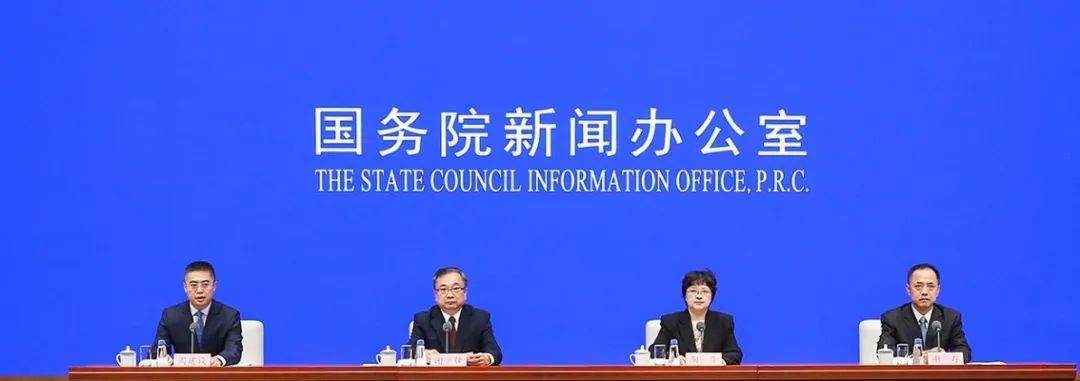
今年上半年规上工业增加值同比增长6.4%
Xin Jing Bao· 2025-07-18 10:53
Core Insights - The industrial added value of large-scale industries in China grew by 6.4% year-on-year in the first half of the year, demonstrating strong resilience following a good start in the first quarter [1] - The manufacturing added value accounted for 25.7% of GDP, remaining stable [1] - Key industries such as electrical machinery, automobiles, electronics, general equipment, chemicals, and non-ferrous metals showed rapid growth, contributing significantly to the overall industrial growth [1] Group 1: Industrial Performance - In the first quarter and second quarter, the industrial added value grew by 6.5% and 6.3% year-on-year, respectively, building on a high base from the previous year [1] - The contribution rates of equipment manufacturing and high-tech manufacturing increased, with their added values reaching 35.5% and 16.4% of large-scale industries, respectively [1] - Profits in industries such as electronics, electrical machinery, and general equipment grew by over 10% [1] Group 2: Regional Contributions - All 31 provinces reported growth in industrial added value, with provinces like Fujian, Anhui, Henan, and Hunan achieving over 8% growth [1] - Eight industrial provinces saw profit growth rates exceeding the national average, with Henan, Hunan, Hubei, and Jiangsu achieving double-digit growth [1] Group 3: Future Initiatives - The Ministry of Industry and Information Technology plans to implement a new round of growth stabilization work for ten key industries, including steel, non-ferrous metals, petrochemicals, and building materials [1] - Support will be provided to key industrial provinces to enhance their roles, including policy implementation, new growth point cultivation, and industrial transformation [1] - The ministry aims to accelerate the "Artificial Intelligence +" initiative, promoting the deployment of large models in key manufacturing sectors to enhance intelligence levels [1]