家电

Search documents
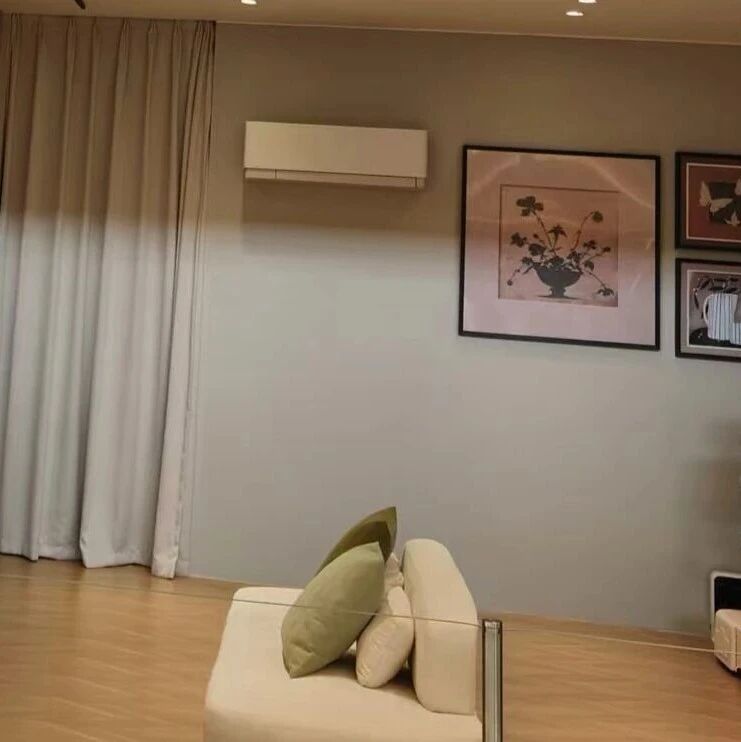
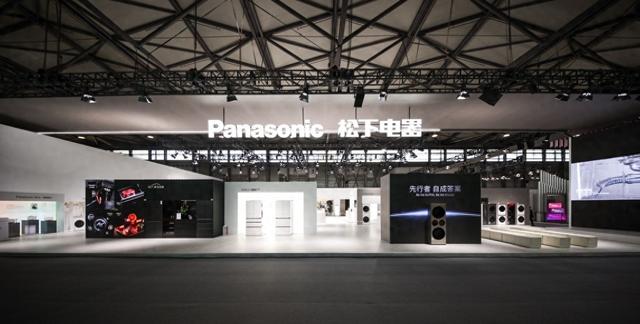
百年匠心智慧怡居,松下以全场景生态亮相2026AWE
Xin Lang Cai Jing· 2026-03-15 03:38
Core Insights - The 2026 China Household Appliances and Consumer Electronics Expo (AWE) commenced in Shanghai, with Panasonic showcasing its theme "Centennial Craftsmanship for a Comfortable Home" [1] - Panasonic aims to integrate space aesthetics with health living concepts, presenting an immersive smart home exhibition area [1] Group 1: Product Innovations - Panasonic's flagship home appliance series, the Himalaya series, draws inspiration from the Himalayan mountain range, merging natural aesthetics with modern industrial design [3] - The white appliance series targets young professionals, featuring a slim embedded design and three core technologies for intelligent coordination of temperature, humidity, and light [5] - The Panasonic Xtra series addresses the needs of young consumers with innovative features and emotional design, including a health-focused rice cooker that avoids coating risks [8] Group 2: Kitchen Ecosystem - Panasonic emphasizes the "Good Pot, Good Rice, Good Water" concept in its kitchen small appliances, quantifying it as "Good Rice = 50% Good Rice + 20% Good Water + 30% Good Pot" [9] - The new Norway Sea 600 series refrigerator is designed for seafood storage, featuring independent cooling cycles and ultra-low temperature rapid cooling technology [13] - The ALPHA G5 washing machine introduces a unique "four-tub" design, providing a comprehensive laundry solution [13] Group 3: Personal Care and Smart Technology - The personal care section highlights the L690U shaver and the EH-NC80 hair dryer, which utilizes advanced technology for a superior grooming experience [19] - Panasonic's smart technology includes a cleaning robot that offers a hands-free experience and a climate station that maintains optimal living conditions [22] - The exhibition features a full range of products, including imaging, audio, and massage equipment, showcasing Panasonic's comprehensive ecosystem [25] Group 4: Marketing and Engagement - Panasonic created an integrated online and offline interactive experience during the expo, including product launches and live streaming to engage a wider audience [25] - The company emphasizes its commitment to innovation and local adaptation in the Chinese market, aiming to enhance its home ecosystem with sustainable products and services [25]


在AWE17万平米展区里,不只有激进的追觅也有龙虾热
虎嗅APP· 2026-03-15 03:26
Core Insights - The article discusses the pervasive anxiety and excitement surrounding AI technology at the AWE 2026 exhibition, highlighting both the hype and the underlying challenges in the industry [4][5][36]. Group 1: AI Trends and Industry Dynamics - The AWE 2026 exhibition showcased a significant focus on AI, with nearly every booth featuring AI elements, indicating a trend where companies feel pressured to incorporate AI into their offerings [4][5]. - Despite the excitement, many AI products presented at the exhibition were criticized for being more of a spectacle than practical solutions, often resembling "high-end toys" rather than fully functional technologies [8][10]. - Major home appliance brands like Haier and Hisense maintained a pragmatic approach, showcasing substantial advancements in their products, such as Haier's AI Eye 2.0, which improved food recognition capabilities from 210 to over 300 types [10][11][14]. Group 2: Emerging Players and Market Strategies - New entrants like ChaseMe are aggressively expanding their brand presence, attempting to establish themselves as comprehensive ecosystems rather than just manufacturers of specific products, which raises concerns about the sustainability of such strategies [22][26]. - The article notes that many AI functionalities in home appliances remain at a superficial level, often just minor upgrades rather than groundbreaking innovations, leading to a perception of "same soup, different flavor" [16][14]. - Companies like UGREEN are exploring AI integration in consumer electronics, with their AI NAS product projected to grow its user base from 600,000 to 1.5 million, indicating a strong market potential for AI-driven solutions [31][32]. Group 3: AI Hardware and Market Competition - The competition among AI eyewear manufacturers has intensified, with many products showing significant functional and aesthetic similarities, leading to a perception of homogeneity in the market [33][35]. - The article highlights the importance of software, scenarios, and ecosystems as the true competitive advantages in the AI hardware space, as hardware can be easily replicated [36][37]. - The overarching sentiment at AWE 2026 reflects a collective anxiety within the industry, as companies strive to find their unique AI interface to avoid being left behind in the technological wave [36][37].

掘金策略转向!公募布局低热度标的
券商中国· 2026-03-14 10:43
Core Viewpoint - Public funds are shifting their investment strategy from a beta-driven approach to an alpha-driven approach in response to the pressure on valuations of popular stocks and the performance test of high-valuation stocks [1][2]. Group 1: Market Trends - The market's profit-making effect has led to a performance test for high-valuation stocks, prompting public funds to move away from high-positioned stocks and focus on individual stocks with independent fundamentals [2][3]. - Active equity funds have shown significant returns this year, with top performers achieving returns between 30% and 60% within three months, driven by high-growth technology stocks [3]. - The phenomenon of "everyone has it" among top 30 funds indicates a lack of differentiation in stock holdings, which could lead to significant price volatility if market sentiment shifts [3][4]. Group 2: Fund Research and Strategy - Recent public fund research indicates a strategic shift towards low-coverage, low-attention stocks, with several funds focusing on stable, less volatile options [5][6]. - Examples of stocks with low institutional coverage that have provided substantial returns include Aidi Te and other consumer stocks, which have shown significant price increases despite low market attention [5][6]. - Fund managers emphasize the importance of focusing on individual stock alpha opportunities, especially in a market where beta-driven strategies may become less effective [6][7]. Group 3: Investment Focus - The investment focus for 2026 is expected to prioritize low-valuation, stable stocks, as well as resilient consumer companies that can maintain performance amid economic recovery [7]. - There is a consensus among fund managers that the market will see a continued differentiation among technology stocks, with a focus on those with core technologies and sustainable earnings [7].

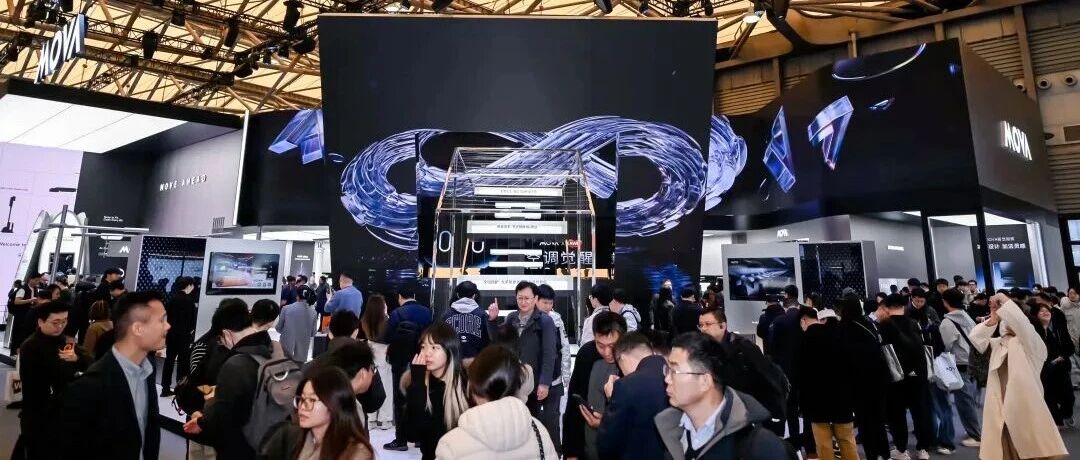
环境家电也“养龙虾”?到底是啥体验?睿舒科技在AWE打了个样
创业邦· 2026-03-14 10:25
Core Viewpoint - The article highlights the shift in the home appliance industry towards intelligent and personalized experiences, exemplified by the introduction of the "Environmental Intelligent Agent (EIA)" by Ruishu Technology, which aims to enhance user comfort through AI-driven solutions [2][12][17] Group 1: Industry Trends - The home appliance sector has been dominated by competition based on parameters and pricing, but there is a growing emphasis on user experience rather than just technical specifications [6][7] - Traditional smart appliances have merely transformed remote controls into mobile apps, maintaining a passive interaction model where users must manually operate devices [8][10] - The industry is witnessing a transition from hardware-centric thinking to algorithm-driven approaches, creating opportunities for new entrants like Ruishu Technology to redefine user experiences [17] Group 2: Ruishu Technology's Innovations - Ruishu Technology's EIA concept integrates environmental sensing and AI to provide customized solutions, moving beyond traditional appliance functionalities [4][12] - The EIA system consists of four layers: perception (multi-modal sensors), nodes (integrated devices), maps (environmental mapping), and AI (dynamic adjustment algorithms) [12][13] - The Zeno Z10 air purifier exemplifies this innovation by utilizing advanced sensors to create a comprehensive environmental data set, allowing for proactive adjustments to maintain optimal conditions [12][14] Group 3: Market Position and Strategy - Ruishu Technology has established a robust distribution network through the MOVA ecosystem, enabling rapid market entry for its products [16] - The company has received backing from venture capital and government funds, indicating confidence in its commercial viability and technological capabilities [5][15] - The strategic combination of R&D in major cities and manufacturing within China's established supply chain enhances the company's operational efficiency and market responsiveness [16][17]
《2026/03/09-2026/03/13》家电周报:小熊电器发布2025年业绩快报,AWE2026多家企业携新品亮相-20260314
Shenwan Hongyuan Securities· 2026-03-14 09:57
Investment Rating - The report maintains a positive outlook on the home appliance sector, indicating a "Buy" rating for key companies in the industry [2]. Core Insights - The home appliance sector outperformed the CSI 300 index, with the sector index rising by 0.5% compared to a 0.2% increase in the CSI 300 index [4][5]. - Key companies such as Ugreen Technology, Wanhe Electric, and Bear Electric saw significant gains, while companies like Yitian Intelligent and Lek Electric experienced declines [4][7]. - Bear Electric is projected to achieve a revenue of 5.235 billion yuan in 2025, representing a 10% year-on-year increase, with a net profit of 401 million yuan, up 39% year-on-year [10][56]. - The AWE2026 showcased numerous new products, including innovative robotic vacuum cleaners and AI cooking glasses, indicating a trend towards technological advancement in the industry [11][66]. Industry Dynamics - The home appliance sector is experiencing mixed performance, with air conditioning sales declining online but increasing offline. In January 2026, online retail volume for air conditioners fell by 7.3% year-on-year, while offline sales rose by 28.5% [34]. - In the kitchen appliance segment, the online retail price of range hoods increased by 32.4% year-on-year, while sales volume decreased by 8.1% [36][39]. - The report highlights two main investment themes: the potential for undervalued leading companies with high dividends and stable growth, and the shift of some appliance companies towards emerging technology sectors such as robotics and semiconductors [4][10]. Data Observations - In January 2026, the sales volume of rotary compressors increased by 3.2% year-on-year, while the sales of refrigerator compressors rose by 16.5% [19][27]. - The report notes a significant increase in the sales volume of dishwashers, with online sales rising by 59.8% year-on-year [39]. - The prices of raw materials such as copper and aluminum have increased, with copper prices rising by 26.04% year-on-year [13]. Macro Economic Environment - As of March 13, 2026, the exchange rate of the US dollar to the Chinese yuan has decreased by 1.82% since the beginning of the year [45].

A股市场运行周报第83期:地缘继续扰动市场,保持定力、优化结构-20260314
ZHESHANG SECURITIES· 2026-03-14 07:19
Core Insights - The report indicates that the geopolitical situation in the Middle East has reached a dramatic turning point, with oil prices fluctuating at high levels, leading to continued volatility in global financial markets. It is anticipated that the current geopolitical conflict has peaked, but disturbances are not entirely over. The report suggests that A and H shares may experience range-bound fluctuations and narrow oscillations in the near future, with a positive outlook for a "systematic slow bull" market in the longer term [1][3][47]. Market Overview - The major indices have shown mixed performance, with the Shanghai Composite Index and the Shanghai 50 Index declining by 0.70% and 1.20% respectively, while the CSI 300 Index saw a slight increase of 0.19% due to support from new energy and optical module leaders. Growth indices such as the CSI 500 and CSI 1000 experienced declines of 1.44% and 0.42% respectively, while the ChiNext Index rose by 2.51% supported by heavyweight stocks [9][44]. - The energy sector has shown resilience, with the report highlighting that the "new and old energy" sectors performed well, with electricity equipment rising by 4.55%, coal increasing by 5.03%, and public utilities up by 3.07%. Conversely, sectors like military, non-ferrous metals, media, and machinery saw declines due to ongoing geopolitical tensions [12][46]. Investment Strategy - The report recommends maintaining strategic discipline in timing investments, avoiding excessive pessimism or blind optimism until the market stabilizes. It emphasizes optimizing industry structure to achieve a balanced offensive and defensive strategy. The "new and old energy" combination is suggested as a key focus, with new energy (electricity) and old energy (power) serving as the offensive spearhead. Additionally, it is advised to hold relatively low-positioned securities and to enhance defensive positions by adding agriculture and transportation sectors to mitigate risks [1][48][47]. - The report also points out that certain state-owned enterprises with low positions and dividend attributes could act as stabilizers during escalated geopolitical conflicts, while stocks related to infrastructure, oil transportation, shipping, and ports may directly benefit from the situation [1][48].
在理性消费时代,中国人开始为“睡得饱”花钱:美的如何用一台空调,重构母婴睡眠新标准?
第一财经· 2026-03-14 01:12
Core Viewpoint - The article discusses a shift in consumer behavior towards a more restrained lifestyle, with a focus on rational consumption and prioritizing genuine experiences over brand and price [1][3]. Group 1: Consumer Behavior Trends - Young consumers are moving away from "exquisite poverty" and excessive spending, embracing concepts like "low-desire living" and "rational consumption" [1]. - The overall trend in consumer spending is towards rationality and restraint, with a focus on health, comfort, and security rather than brand prestige [1]. Group 2: Maternal and Infant Market Insights - Despite a general contraction in consumer spending, maternal and infant families show a distinct willingness to pay a premium for products that ensure better sleep for their children [4]. - New parents, particularly those from the 90s and 00s generations, prioritize creating a safe and comfortable sleeping environment for their children, viewing sleep quality as critical for development and health [5]. Group 3: Product Innovation and Challenges - Traditional air conditioning units often fail to provide a conducive sleeping environment for infants, leading to increased anxiety for parents [6]. - Midea's launch of the "Wind-Free" air conditioner aims to address these issues by eliminating direct airflow, thus creating a more comfortable sleeping environment for babies [8][9]. Group 4: Technical Advancements - The "Wind-Free" air conditioner features advanced technology that disperses airflow gently, ensuring a comfortable environment for infants [8]. - Midea's product incorporates a dynamic temperature control algorithm tailored to different stages of child development, ensuring optimal air quality and comfort [12][19]. Group 5: Industry Standards and Professionalism - The article emphasizes the need for genuine innovation in the maternal and infant air conditioning market, criticizing many products for lacking scientific backing and dynamic adaptability [16]. - Midea's commitment to professional standards is highlighted through its collaboration with experts and the development of a comprehensive "sleep microclimate" concept, which defines ideal conditions for infant sleep [17][19].


王兴:美团要减少登味,以后别叫我兴哥;魅族手机“解体”:做车机,做AI,或者离开;比亚迪高管回应进军F1丨邦早报
创业邦· 2026-03-14 01:05
Group 1 - Meituan's CEO Wang Xing stated that the impact of AI agents will be greater than that of ChatGPT, predicting significant changes in productivity and organizational structures [2][3] - Meizu announced a major restructuring, with over 50% of its employees, approximately 400 people, expected to leave, as the company shifts focus towards automotive and AI sectors [2][3] - Tencent's customer service responded to inquiries about the WeChat Moments editing feature, stating that there is currently no notification regarding its launch [2] Group 2 - Pop Mart has filed a lawsuit against Tuo Zhu for copyright infringement, with ongoing discussions for potential settlement and cooperation [5][6] - Meta is reportedly planning to lay off at least 20% of its workforce to offset costs related to AI infrastructure [9] - Xpeng Hu Tian has completed nearly $200 million in a new round of equity financing, bringing its total historical equity financing to approximately $1 billion [18] Group 3 - Apple announced a reduction in the App Store commission rate for China, lowering the standard rate from 30% to 25% and the small business program rate from 15% to 12% [11][12] - BYD's executive confirmed the company's exploration into entering competitive racing, including F1 [13] - Netflix has laid off dozens of employees from its global product team as part of an internal restructuring [17]





“无AI,不厂家”:人工智能重构家电业,竞争核心变了
第一财经· 2026-03-13 16:35
Core Viewpoint - The article emphasizes the significant transformation in the home appliance industry driven by AI and a heightened focus on green development, presenting new business opportunities for consumer goods companies [2]. Group 1: Industry Trends - The current year is recognized as the most technologically advanced edition of the AWE, showcasing a complete industrial ecosystem from innovative technologies to AI applications and smart products [5]. - The home appliance sector is shifting from passive responses to proactive intelligence, enabling devices to perceive, learn, and make decisions for seamless interaction [5]. - The demand from consumers is evolving from a focus on individual products to a comprehensive system approach, prompting the industry to adapt from single products to integrated systems and ecosystems [6]. Group 2: AI and Smart Home Integration - The "AI + home appliances" trend is facilitating the transition from single product intelligence to spatial intelligence, enhancing the smart home experience [8]. - The competition in the industry is shifting from individual products to the ability to construct ecosystems that span devices, services, and scenarios [9]. Group 3: Market Dynamics and Strategic Shifts - The AWE has adopted a "one exhibition, two zones" model, highlighting the integration of AI and ecological experiences in smart living [9]. - Companies like LG Electronics are showcasing both AI-driven ecological experiences and core technologies, indicating a strategic focus on comprehensive smart living solutions [9]. - The independent brand of Chasing, aiming to transition from a "cleaning expert" to a "full-scenario intelligent ecosystem builder," reflects the ambition to break category boundaries [9]. Group 4: Industry Challenges and Opportunities - The competitive landscape is driving companies to optimize costs and differentiate their offerings, with China being a critical market for global innovation [13]. - China holds a 35% share of the global HVAC market and is recognized for its advanced manufacturing capabilities, supply chain efficiency, and cost control [13]. - Companies are focusing on green and intelligent transformations in their R&D, manufacturing, and operational processes, while also promoting the green and intelligent aspects of their products, systems, and services [13].
AWE上AI“隐身”了,但AI家电更有用了
第一财经· 2026-03-13 15:15
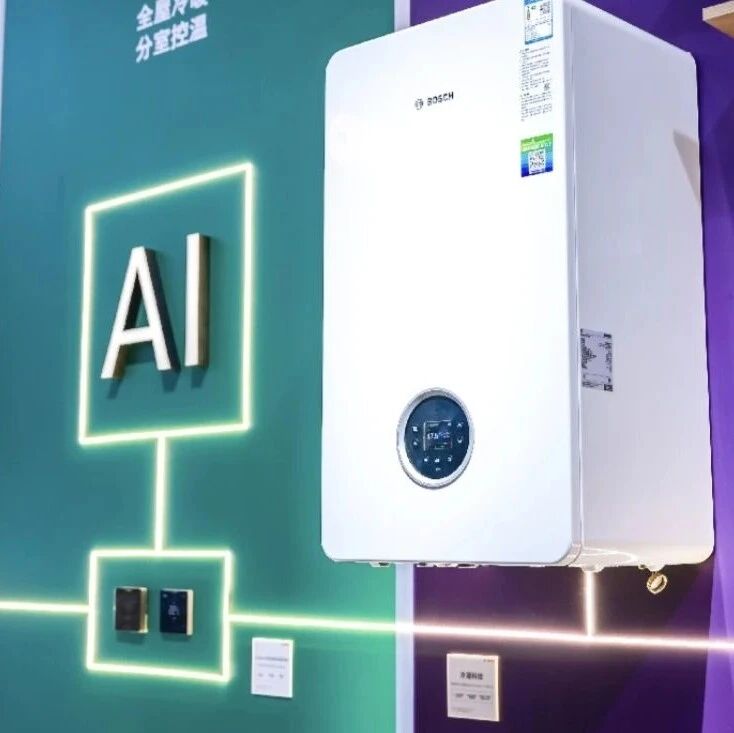
Core Viewpoint - The article discusses the evolution of AI applications in home appliances showcased at the AWE 2023, highlighting a shift from superficial AI features to deeper, more functional integrations that address user needs [3][4]. Group 1: AI Integration in Home Appliances - Last year's AWE focused on basic AI features like voice interaction, but this year, manufacturers are exploring more meaningful AI applications beyond simple functionalities [3][4]. - TCL's president emphasized that AI should enhance product capabilities rather than just serve as a trendy feature, with significant applications in improving picture quality for TVs and personalizing air conditioning settings [4][5]. - The presence of AI in products has become less conspicuous, integrating seamlessly into core functionalities rather than appearing as an add-on [4][5]. Group 2: Specific AI Applications - Air conditioning units are increasingly utilizing AI for various applications, including health monitoring and energy efficiency, with companies like Gree showcasing models that adjust operation based on user health data [5][6]. - New refrigerator models are being developed with AI capabilities to recognize food items and provide freshness reminders based on storage conditions [6]. - Haier's dryers are employing AI to identify fabric types and adjust drying temperatures, marking a significant advancement from previous models that relied solely on weight [8]. Group 3: Emerging AI Hardware and Robotics - Companies are also exploring new AI hardware categories, with products like smart conference machines and omnidirectional microphones that utilize AI for voice tracking and noise reduction [8][10]. - Robotics is becoming more integrated into daily life, with demonstrations of robots and AI companions that can interact with home devices, showcasing the potential for future applications in household settings [10].