
家电

Search documents
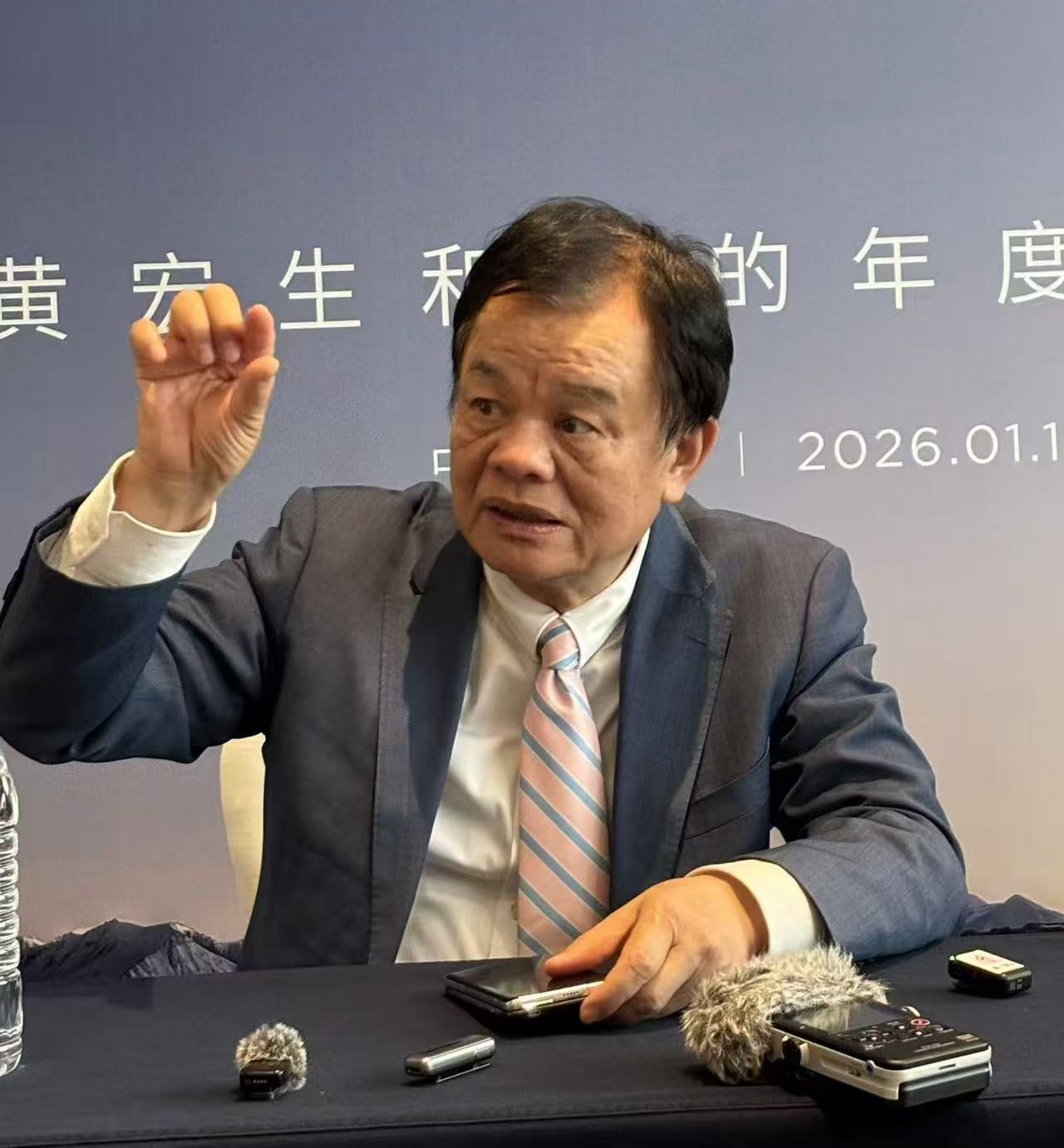
对话创维创始人黄宏生:去年光伏收入首超电视
Di Yi Cai Jing· 2026-01-11 12:05
Core Insights - The founder of Skyworth Group, Huang Hongsheng, highlighted the company's focus on photovoltaic technology, AI home appliances, and international expansion during the 2026 annual speech [2] - Skyworth's photovoltaic revenue is expected to surpass its television revenue for the first time in 2025, with the photovoltaic business projected to account for over one-third of the company's total revenue by mid-2025 [2][3] Photovoltaic Business - Skyworth entered the photovoltaic sector in 2020, expanding from rural distributed photovoltaic systems to upstream core components, establishing a vertical industry chain that includes modules, brackets, inverters, and a digital ecosystem [3] - The company is accelerating its overseas expansion, with projects such as the commercial photovoltaic project in Thailand expected to generate over 4.4 million kWh in its first year and a 10MW distributed photovoltaic station project signed in Italy [3] - Huang anticipates significant potential in the overseas photovoltaic market, citing high electricity prices in Europe and frequent power outages in parts of Southern Africa as driving factors for increased demand [3] AI Home Appliances - Skyworth plans to fully promote AI home appliances by 2026, integrating AI functionalities into high-end products, such as smart search for film and television content and intelligent interaction with other appliances [3][4] - The introduction of AI appliances is expected to be delayed for lower-end products due to rising storage costs [4] International Expansion - Skyworth has acquired the operational rights for the Philips television brand in North America and aims for low-cost global expansion through sponsorships, similar to competitors like Hisense and TCL [4] - Research firm AVC predicts that Skyworth could enter the top five global television shipment rankings by 2026 [4] Synergy Between Businesses - The company has introduced a "photovoltaic balcony" solution targeting high-rise residential users, allowing for solar panel installation on balconies to meet household electricity needs [4] Cautious Outlook on Robotics and AI Glasses - Despite the popularity of humanoid robots and AI glasses at CES 2026, Huang expressed a conservative view on their practical applications, emphasizing that AI home appliances, overseas photovoltaic business, and future energy storage are the main growth areas for Skyworth [4]

董明珠、冯长军亮相央视《对话》:家电汽车行业共谋消费新潜力
Sou Hu Cai Jing· 2026-01-11 11:51
Core Insights - The dialogue between industry leaders highlights the new trends in China's consumption market, emphasizing the importance of new demand leading to new supply and vice versa [1] - The shift from "price competition" to "value competition" is a significant transformation in the Chinese consumer market, as companies focus on quality and innovation [3][20] Group 1: Industry Trends - The Chinese consumer market is undergoing profound changes, with a focus on high-quality development and consumer satisfaction [3] - The automotive industry is experiencing growth driven by both supply and demand, with technological innovations encouraging consumers to upgrade their vehicles [5] - The automotive market has stabilized in pricing since 2025, leading to improved profit margins across the industry [6] Group 2: Company Strategies - Dongfeng Motor has achieved a historic milestone with over 1 million electric vehicles sold in 2025, marking a 21% year-on-year increase [7] - Dongfeng's success is attributed to its commitment to high-level technological self-reliance and innovation, with significant advancements in hybrid engine efficiency [9] - Gree Electric's vision has evolved from producing "good air conditioners" to "good appliances," reflecting a broader ambition in product quality [12] Group 3: Technological Innovations - Both companies emphasize the importance of smart technology, with Gree focusing on whole-home smart systems and Dongfeng transforming vehicles into "third living spaces" [16] - Dongfeng's "Tianyuan Smart" technology brand aims to establish a comprehensive intelligent system, achieving L4-level autonomous driving in multiple regions [11] - The integration of smart home devices with automotive technology is seen as a key area for future development, enhancing user experience through seamless connectivity [16] Group 4: Future Outlook - The dialogue indicates a shared commitment to innovation and value creation, with both industries aiming to meet and create new consumer demands [20] - The automotive sector is set to implement large-scale applications of L3 and L4 autonomous driving during the "14th Five-Year Plan" period [20] - Both Gree and Dongfeng are positioned to lead their respective industries towards a more intelligent, green, and integrated future, contributing to the revitalization of the domestic consumption market [20]



家电周报:石头科技等CES展“秀肌肉”,开能完成原能部分子公司股权收购-20260111
Shenwan Hongyuan Securities· 2026-01-11 11:14
Investment Rating - The report maintains a positive outlook on the home appliance sector, highlighting the potential for growth in leading companies due to their low valuations, high dividends, and stable growth attributes [6]. Core Insights - The home appliance sector has shown mixed performance, with air conditioning sales declining significantly while washing machine exports continue to grow. The report emphasizes the resilience of leading brands in navigating market challenges and capitalizing on emerging opportunities [5][6]. - The report identifies three main investment themes: the undervaluation and growth potential of leading white and black appliance companies, the technological advancements in core component manufacturers, and the strong demand for small appliances in international markets [6]. Summary by Sections Air Conditioning - In November 2025, the air conditioning industry produced 10.577 million units, a year-on-year decrease of 36.7%. Total sales reached 10.492 million units, down 31.8%, with domestic sales falling by 39.8% and exports declining by 25.6%. Midea led the market with a 36.2% share, followed by Gree at 19.5% [2][41]. Refrigerators - The refrigerator sector saw a slight overall decline, with production at 8.257 million units, down 3.9% year-on-year. Sales totaled 8.0531 million units, a decrease of 2.99%. Domestic sales dropped by 15.59%, while exports increased by 10.04% [2][43]. Washing Machines - The washing machine industry experienced growth, with production reaching 8.605 million units, up 8.2% year-on-year. Sales were 8.4619 million units, an increase of 7.61%. Domestic sales fell by 5.47%, but exports surged by 23.31% [3][47]. Industry Dynamics - Notable developments include the CES debut of the G-Rover robot vacuum by Stone Technology, showcasing innovative cleaning technology, and the acquisition of subsidiaries by Kaineng Health, indicating strategic expansion efforts [5][12][13]. Component Data - In November 2025, the sales of rotary compressors decreased by 13.6%, while the sales of refrigerator compressors increased by 7.2%. The report highlights the contrasting performance of different components within the appliance sector [23][32].


海信视像(600060):商业航天影子龙头,控股乾照光电
Yin He Zheng Quan· 2026-01-11 10:29
公司点评 · 家用电器行业 商业航天影子龙头,控股乾照光电 2026 年 01 月 11 日 核心观点 | 主要财务指标预测 | | | | | | --- | --- | --- | --- | --- | | | 2024A | 2025E | 2026E | 2027E | | 营业收入(百万元) | 58,530 | 61,641 | 69,213 | 75,926 | | 收入增长率% | 9.17 | 5.31 | 12.28 | 9.70 | | 归母净利润(百万元) | 2,246 | 2,677 | 2,997 | 3,413 | | 利润增长率% | 7.17 | 19.20 | 11.93 | 13.88 | | 摊薄 EPS(元) | 1.72 | 2.05 | 2.30 | 2.62 | | PE | 14.12 | 11.84 | 10.58 | 9.29 | 资料来源:公司公告,中国银河证券研究院(注:收盘价为 2026 年 1 月 9 日) 海信视像(股票代码:600060) 推荐 维持评级 分析师 何伟 :hewei_yj@chinastock.com.cn 分析师登记编码: ...

德昌股份(605555.SH):预计2025年度净利润同比减少61%-51%
Ge Long Hui A P P· 2026-01-11 09:29
Core Viewpoint - The company expects a significant decline in net profit for the fiscal year 2025, projecting a decrease of 51% to 61% compared to the previous year [1] Financial Performance - The company anticipates a net profit attributable to shareholders of 160 million to 200 million yuan for 2025, a decrease of 250.83 million to 210.83 million yuan year-on-year [1] - The expected net profit after deducting non-recurring gains and losses is projected to be between 145.36 million and 185.36 million yuan, reflecting a year-on-year decrease of 53% to 63% [1] Business Segments - The automotive parts business is expected to maintain a rapid growth trend in 2025 [1] - The home appliance business is facing challenges due to international trade policies, intensified industry competition leading to price declines, and new production capacity coming online, which is still in the ramp-up phase [1] - Increased amortization expenses have negatively impacted the gross margin [1] Currency Impact - The company reported a foreign exchange loss of approximately 18 million yuan for the period, a decrease of about 60 million yuan compared to the same period last year [1]
德昌股份:预计2025年归母净利润同比减少51%-61%
Xin Lang Cai Jing· 2026-01-11 08:25
2025年公司汽车零部件业务仍然保持快速增长态势。家电业务因受国际贸易政策影响,叠加行业竞争不 断加剧,导致价格下行,以及新产能开始投产运营,尚处于爬坡阶段,摊销费用同比有所增加,综合影 响了毛利率;同时,受美元汇率波动影响,本期公司汇兑收益约-1800万元,较上年同期减少约6000万 元。 德昌股份1月11日发布2025年度业绩预告,经财务部门初步测算,预计2025年度实现归属于母公司所有 者的净利润为1.6亿元到2亿元,与上年同期相比,同比减少61%到51%。 ...
德昌股份最新公告:2025年净利同比预降51%-61%
Sou Hu Cai Jing· 2026-01-11 08:15
Core Viewpoint - Dechang Co., Ltd. (605555.SH) expects a net profit attributable to shareholders of the parent company for the year 2025 to be between 160 million to 200 million yuan, representing a year-on-year decrease of 51% to 61% [1] Group 1: Business Performance - The automotive parts business of the company continues to grow rapidly [1] - The home appliance business is negatively impacted by international trade policies and intensified industry competition, leading to price declines [1] - New production capacity is in the ramp-up phase, resulting in increased amortization expenses and pressure on gross margins [1] Group 2: Financial Impact - Fluctuations in the US dollar exchange rate have led to a decrease in foreign exchange gains by approximately 60 million yuan [1] - The combined effects of the above factors have significantly impacted the company's overall performance [1]
德昌股份:2025年净利润同比预减51%到61%
Zheng Quan Shi Bao Wang· 2026-01-11 08:07
Core Viewpoint - Dechang Co., Ltd. (605555) forecasts a significant decline in net profit for the fiscal year 2025, projecting a range of 160 million to 200 million yuan, which represents a year-on-year decrease of 51% to 61% [1] Group 1: Financial Performance - The expected net profit for 2025 is estimated to be between 160 million and 200 million yuan, indicating a substantial decline compared to the previous year [1] - The company anticipates a decrease in net profit due to various factors affecting its business segments [1] Group 2: Business Segments - The automotive parts business is expected to continue its rapid growth trajectory in 2025 [1] - The home appliance segment is facing challenges due to international trade policies, increased competition, and the introduction of new production capacity, which is still in the ramp-up phase [1] - The home appliance business is experiencing a decline in gross margin due to increased amortization costs and price reductions [1] Group 3: Currency Impact - The company reported a foreign exchange loss of approximately 18 million yuan for the period, a decrease of about 60 million yuan compared to the same period last year [1]
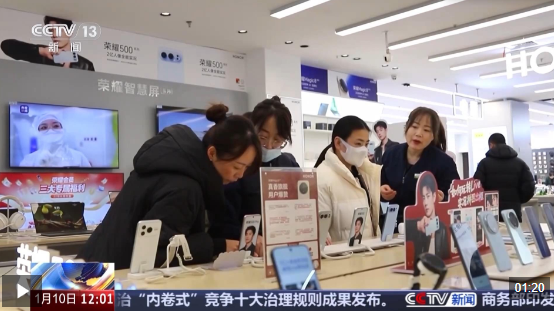
视频丨2026“两新”政策落地 各地消费热度持续攀升
Xin Lang Cai Jing· 2026-01-11 07:56
Group 1 - The core viewpoint of the article highlights the implementation of a large-scale equipment update and trade-in policy in 2026, which aims to stimulate consumption across various sectors including automobiles, home appliances, and digital smart products [3][5] - Since the New Year, local markets have been actively leveraging the benefits of the new policy, resulting in a surge in consumer spending, particularly in Jiangsu where government funds exceeding 115 million yuan have driven sales of 890 million yuan [5][3] - New product categories such as smartwatches and smart glasses have been included in the subsidy program for the first time, enhancing consumer interest and participation in the trade-in activities [3][5] Group 2 - In Anhui, the trade-in policy has sparked renewed consumer enthusiasm, with many residents visiting car dealerships to explore options for electric vehicles, benefiting from substantial national subsidies [7] - In Hebei, consumers are actively inquiring about trade-in services as the national subsidy program has commenced, indicating a strong market response [7] - Essential items like air conditioners and refrigerators have seen significant sales increases, with reports of over 600 units sold in a single day, which is more than ten times the usual weekend sales [9]
德昌股份:预计2025年净利润同比下降51%~61%
Mei Ri Jing Ji Xin Wen· 2026-01-11 07:55
每经AI快讯,1月11日,德昌股份公告,预计2025年度实现归属于母公司所有者的净利润为1.6亿元到2 亿元,同比减少61%到51%。2025年公司汽车零部件业务仍然保持快速增长态势。家电业务因受国际贸 易政策影响,叠加行业竞争不断加剧,导致价格下行,以及新产能开始投产运营,尚处于爬坡阶段,摊 销费用同比有所增加,综合影响了毛利率。 ...