
餐饮

Search documents
港股消费和红利板块韧性凸显公募看好结构性投资机会
Zhong Guo Zheng Quan Bao· 2026-02-05 20:27
Core Viewpoint - The Hong Kong stock market is experiencing a divergence in performance, with consumer and dividend sectors showing resilience amidst overall market volatility, while the Hang Seng Technology Index has seen significant declines [1][2]. Market Performance - On February 5, the Hang Seng Index closed at 26,885.24 points, up 0.14%, while the Hang Seng Technology Index rose 0.74% to 5,406.13 points [2]. - The market has been in a state of adjustment, particularly highlighted by a 3.36% drop in the Hang Seng Technology Index on February 2, which reached levels not seen since July 2025 [2]. Factors Influencing Market Trends - The recent market adjustments are primarily attributed to concerns over the Federal Reserve's policy shifts, particularly the proposed combination of "rate cuts + balance sheet reduction" by the newly nominated chair [2]. - Despite the volatility, southbound capital has shown a net inflow for two consecutive trading days, totaling over 38 billion HKD, with nearly 25 billion HKD net bought on February 5, marking the highest single-day net purchase this year [2]. Sector Performance - The consumer sector has seen significant gains, with stocks like Yum China rising over 11%, Miniso up over 6%, and Mao Geping increasing over 5%, leading to strong performance in consumer-themed ETFs [3]. - Approximately 80% of the top fifteen ETFs in terms of growth are focused on the Hong Kong consumer sector, indicating a strong interest in this area despite overall market declines [3]. Investment Outlook - Multiple public fund institutions believe that short-term fluctuations will not alter the long-term positive trend for the Hong Kong market, which remains attractive in terms of value [4]. - The current low valuation levels in the Hong Kong market are expected to provide a buffer against external volatility and make the market more sensitive to potential growth recovery and policy signals [4]. Sector-Specific Insights - The technology sector is anticipated to undergo valuation recovery, driven by technological breakthroughs, continuous inflow of southbound capital, and the Hong Kong market's status as a valuation low point [5][6].
港股消费和红利板块韧性凸显 公募看好结构性投资机会
Zhong Guo Zheng Quan Bao· 2026-02-05 20:21
Market Overview - On February 5, the Hong Kong stock market showed a divergence, with major indices rebounding in the afternoon and closing in the green. The Hang Seng Index closed at 26,885.24 points, up 0.14%, while the Hang Seng Tech Index rose 0.74% to 5,406.13 points [2] - The recent market trend has been characterized by volatility, particularly following a significant drop on February 2, when the Hang Seng Tech Index fell by 3.36% [2] Sector Performance - The consumer and dividend sectors demonstrated resilience amidst the overall market turbulence, with several consumer stocks experiencing substantial gains. Notably, Yum China surged over 11%, Miniso increased by over 6%, and Mao Geping rose by over 5% [3] - In the ETF market, consumer-themed ETFs outperformed, with a significant portion of the top-performing ETFs being focused on the consumer sector. On February 4, 70% of the top 20 cross-border ETFs were directed towards Hong Kong dividend themes [3] Investment Outlook - Multiple public fund institutions believe that the short-term volatility will not alter the mid-to-long-term positive trend for the Hong Kong stock market, which remains attractive in terms of valuation. They emphasize the importance of structural investment opportunities [4] - The manager of a mixed fund focused on Hong Kong stocks noted that the market's valuation attractiveness is gradually becoming evident, and there is potential for upward movement despite current fluctuations. Key factors influencing market pricing include corporate earnings and liquidity [4][5] - The outlook for 2026 suggests that improvements in price levels may be a critical variable for market direction, with the appreciation of the Renminbi potentially enhancing liquidity conditions [5]

守护城市“烟火气”,厨师职业亟待“升级焕新”
Xin Lang Cai Jing· 2026-02-05 20:15
Core Insights - The chef industry faces challenges such as unclear career development, unstable labor protections, and a disconnect between vocational education and practical skills, which hinder industry growth and talent retention [1][4][6] Group 1: Industry Trends - There is a growing demand for freshly cooked dishes despite the rise of pre-prepared meals, indicating a shift in consumer preferences towards quality and freshness [1][2] - Chefs are transitioning from traditional artisans to professional talents, requiring a deeper understanding of costs, output rhythm, and kitchen collaboration [3][6] Group 2: Challenges in Talent Development - The training cycle for chefs is lengthy, often taking nine years to become proficient, which contributes to high turnover rates in the industry [4][5] - The traditional "apprentice" model dominates the industry, leading to dependency on personal connections for career advancement, which can be inconsistent [4][5] - The lack of clear evaluation and promotion pathways affects the motivation of chefs, as the current certification system does not adequately reflect their skills [5][6] Group 3: Recommendations for Improvement - Experts suggest that the industry should focus on standardizing development, enhancing rights protection, and optimizing talent training to address existing challenges [6][7] - There is a call for better recognition of vocational qualifications and the establishment of a comprehensive career pathway for chefs, from apprentices to chief technicians [6][7] - Strengthening the awareness of certification for management positions in kitchens is essential for ensuring safety and accountability [7]
各地多措并举激活“小票根”里的“大消费”
Zheng Quan Ri Bao· 2026-02-05 16:28
Core Viewpoint - The article discusses the innovative "ticket root linkage" initiatives across various regions in China, aimed at transforming tickets from transportation, performances, events, and attractions into consumer benefits, thereby enhancing the overall consumer experience during the Spring Festival and invigorating the consumption market [1][2]. Group 1: Regional Initiatives - In Guizhou, a ticket discount program launched on February 3 allows non-local travelers to claim up to 500 yuan in "ticket root consumption vouchers" when purchasing electronic tickets for designated attractions and events, offering an 20% discount on local consumption [1]. - Shanghai's 2026 Yuyuan Lantern Festival introduces a "one ticket for all" model, where a single ticket grants access to six lantern zones and additional benefits such as free parking and shopping vouchers, effectively turning tickets into consumption vouchers [1]. - In Xiamen, consumers holding tickets for specific concerts, events, and transportation can access over 130 "ticket root economy" discount measures during the Spring Festival [1]. Group 2: Economic Insights - The Spring Festival is identified as a crucial period for the consumption market, with ticket root linkage serving to break down barriers between various sectors, transforming single consumption actions into a chain of experiences across "food, accommodation, travel, shopping, and entertainment" [2]. - Experts highlight that ticket root linkage is a "low-cost, high-adhesion" mechanism for stimulating consumption, extending the consumer experience from a one-time trip to multiple consumption scenarios, thereby increasing customer spending and duration of stay [2]. - This approach does not rely on large-scale fiscal subsidies but instead utilizes rule design to engage merchants and platforms, effectively activating service consumption and driving interconnected growth across various industries such as culture, tourism, commerce, and dining [2]. Group 3: Future Innovations - Experts suggest that there is significant room for innovation in ticket root linkage, recommending enhancements in technology, regional collaboration, and operational mechanisms to leverage "small ticket roots" for "large consumption" [3]. - Recommendations include strengthening digital capabilities for personalized discounts while ensuring user privacy, optimizing ticket verification processes, and enabling automatic ticket redemption and benefit collection to enhance user experience [3]. - Future developments should focus on expanding from single-city initiatives to cross-city collaborations, transitioning from static discounts to dynamic benefits based on consumer behavior, and integrating high-value scenarios like night economy and performance economy to transform single visits into multiple consumption occasions [3].
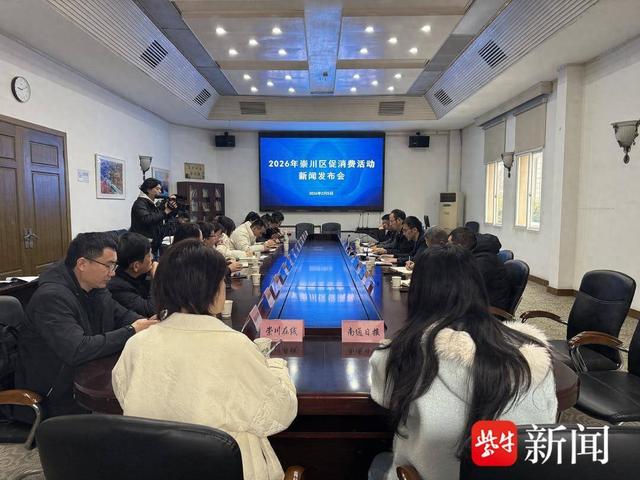
南通崇川发布2026促消费蓝图 春节特色活动联动苏超赛事激活市场
Xin Lang Cai Jing· 2026-02-05 15:05
消费,关乎城市的"底气",更关乎千家万户的"幸福感"。2026年,崇川区将全维度深耕"燃情四季·乐享 崇川"主品牌,构建贯穿全年、覆盖全域的促消费体系。重点做深"新春、仲夏、金秋、暖冬"四大购物 季,确保"季季有主题、月月有热点"。同时,我们将深度挖掘崇川"灵山秀水"的文化底蕴,将传统文化 注入现代消费,重点打造"濠河夜画"光影秀、非遗主题市集等沉浸式项目,让崇川的消费更有"文化 味"和"烟火气"。 作为全年促消费"重头戏",丙午马年春节期间,崇川以"乐购新年""乐游崇川·福气满满"为双主题,推出 六大类数十场特色活动。餐饮领域,30余家知名企业推出多档位年夜饭套餐与美食礼盒,联动支付平台 发放专属消费红包;年货供给方面,环西文化广场"骐骥启新岁·乐购暖通城"年货大集、唐闸北市景区 新春市集同步开市,本地老字号与农特优产品通过电商专区、主题直播实现"一站式采购"。四大商圈同 步上演互动盛宴,八佰伴"天马巡春"、圆融广场"跃马繁花"首展营造浓厚年味,狼山新春灯会、南通博 物苑"百年如意"故宫典藏展等文旅活动,让市民游客在品年味之余感受文化魅力。政策红利方面,汽 车、家电"以旧换新"三重补贴(国家补贴+区级补给+ ...

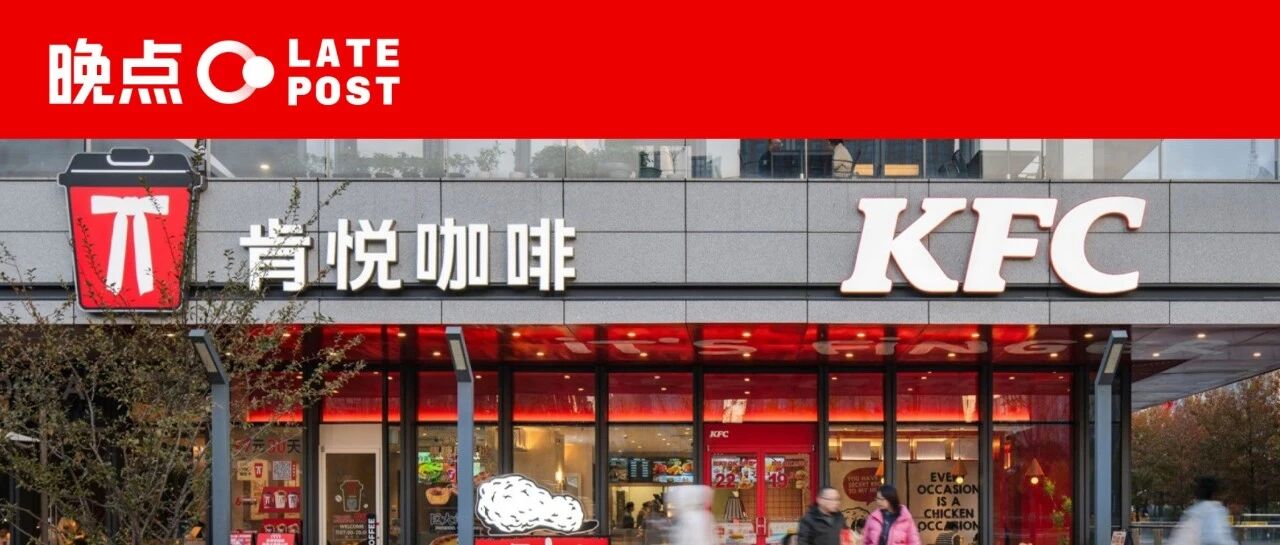
规模、效率、灵活,百胜中国的 3 万店增长计划
晚点LatePost· 2026-02-05 14:35
Core Viewpoint - Yum China is experiencing high-quality growth in the restaurant industry, with a projected total revenue increase of 4% to $11.8 billion in 2025 and an operating profit of $1.3 billion, reflecting an 11% year-over-year growth [2] Group 1: Financial Performance - In 2025, Yum China's operating profit margin increased by 60 basis points to 10.9%, marking a new high since its U.S. listing in 2016 [2] - The company's system sales and same-store sales have shown growth for three consecutive quarters, maintaining profitability in various economic cycles [2] Group 2: Market Expansion Strategy - Yum China aims to exceed 30,000 stores by the end of 2030, with a dual strategy of "outward expansion" and "internal efficiency improvement" already underway [2] - The company is focusing on increasing store density in lower-tier cities, where the current density is significantly lower than in first and second-tier cities [2][4] Group 3: Store Model Innovation - The company is iterating on store models to enhance adaptability and reduce costs, utilizing AI technology to improve overall efficiency [3] - The shift towards smaller store formats and the "shoulder-to-shoulder" modular approach allows for better resource allocation and coverage of diverse consumer scenarios [5][6] Group 4: Delivery and Takeout Growth - By 2025, delivery sales accounted for 48% of restaurant revenue, up from 39% in 2024, indicating a shift in consumer preferences [4] - New store formats like the compact KFC and satellite Pizza Hut are designed to cater to delivery and takeout demands [4] Group 5: Supply Chain Efficiency - Yum China is implementing a "full utilization" strategy in its supply chain, optimizing the use of chicken parts across different brands [12] - The company is also adjusting procurement strategies for seasonal ingredients to stabilize cost fluctuations [14] Group 6: Innovation and Product Development - Over the past three years, Yum China has launched more than 1,600 new products, averaging 1.5 new or upgraded items daily [16] - The focus on core products allows for reduced risk in new product development while enhancing customer loyalty [16] Group 7: Financial Discipline and Shareholder Returns - Yum China has committed to returning approximately $4.5 billion to shareholders between 2024 and 2026, with a specific annual plan of about $1.5 billion [20] - The balance between flexibility in operations and strategic stability supports predictable financial performance [20]

2025年天津首发经济量质齐升 全年引入576家首店
Zhong Guo Xin Wen Wang· 2026-02-05 13:47
中新网天津2月5日电 (记者王君妍)记者5日从天津市商务局获悉,2025年,天津市首发经济发展势头强 劲,全年引入576家首店,其中引入品质首店超300家,同比增长96%。天津首发经济进入加速上行通 道,首店引进实现量质齐升。 2025年,天津累计引入49家非标首店,较去年同期增长63%。沉浸式、策展式、体验式等一批创新非标 首店集中亮相,首店经济呈现多元化发展态势,成为融合消费与特色场景的城市新空间。 据悉,2025年,天津以"业态融合"为抓手,将科技、体育、文旅等元素深度融入首店场景打造,吸引多 批特色首店入驻,为城市商业生态注入了强劲的跨界活力。全年累计引入餐饮品质首店164家,占全部 品质首店引入的48%。一大批网红餐饮首店集中亮相,围绕全时段运营与津味创新,有力推动了区域餐 饮消费升级和多元化发展。 从区域位置来看,中心城区为首店承载主阵地,和平区、河西区、南开区合计占据全市引入首店总量的 一半以上。从商圈来看,金街商圈、文化中心商圈、老城厢-古文化街商圈合计引入194家品质首店,三 大商圈首店集聚效应显著。 此外,2025年,天津成功举办各类首发、首秀、首展重点活动125场,涵盖时尚发布、艺术展览 ...
青春经济、入境游和数字化,上海更大力度提振消费做“乘法”
第一财经· 2026-02-05 13:33
Core Viewpoint - The article emphasizes the importance of youth economy in Shanghai, highlighting its potential to drive consumption and innovation, with a focus on understanding and meeting the needs of young consumers [3][6]. Group 1: Youth Economy Development - The youth economy is defined as a consumption model centered around young people, driving new consumption patterns such as "self-indulgent consumption" and "emotional consumption" [3]. - Shanghai's youth economy market size has reached 4.3 trillion yuan, accounting for 68% of the new consumption sector, with Shanghai leading in various sub-sectors like coffee shops and esports [6][7]. - The average age of entrepreneurs in youth-oriented businesses is 28.1 years, indicating a vibrant entrepreneurial spirit among the youth [6]. Group 2: Challenges and Recommendations - Despite its advantages, the youth economy faces challenges such as high costs, limited financing options, and low resilience among startups, with over 30% of youth shops failing within a year [7]. - Recommendations include integrating youth economy into Shanghai's development plans, enhancing financial support, and creating a supportive regulatory environment for new business models [7]. Group 3: Consumption and Tourism - The Shanghai government aims to boost consumption through various initiatives, including enhancing service consumption and promoting cultural and tourism events [4][5]. - Inbound tourism has rebounded significantly, with a 39.58% increase in total inbound visitors in 2025, indicating a growing interest in Shanghai as a travel destination [9]. - The article suggests that inbound tourism products should focus on experiential value to attract younger visitors [9]. Group 4: Digital Transformation - Digitalization is highlighted as a key factor for the transformation of physical consumption, with calls for businesses to enhance their digital capabilities [12]. - The food and beverage sector is particularly urged to adopt digital solutions to improve service quality and safety, with suggestions for implementing AI in food safety monitoring [13].

智通港股解盘 | 互联网巨头底部开启反击 消费新老龙头齐发力
Zhi Tong Cai Jing· 2026-02-05 12:29
Market Overview - The Hang Seng Index opened lower but managed to close up by 0.14% [1] - The geopolitical situation remains stable, with Iran set to negotiate nuclear issues with the U.S. on February 6 [1] - Gold and silver prices fell significantly, with silver dropping over 14% and gold falling more than 2% to below $4,900 per ounce [1] International Relations - Russian President Putin plans to visit China in the first half of 2026 following a video call with Chinese leaders [2] - U.S. and Chinese leaders had a positive discussion regarding regional issues and economic cooperation, with a planned visit by Trump to China in April [2] - China has requested state-owned enterprises to pause new investment projects in Panama [2] Technology Sector - Despite declines in U.S. tech stocks, some Chinese tech companies like Naxin Micro (02676) reported strong earnings and plan to raise product prices by 10%-25% [3] - Baidu (09888) announced a stock buyback plan of up to $5 billion and plans to introduce a dividend policy by 2026, leading to a nearly 3% increase in its stock price [3] - Xiaomi (01810) repurchased shares worth HKD 146 million, also seeing a nearly 3% rise [3] - Tencent (00700) is expected to maintain double-digit growth in its gaming business by 2026, with advertising revenue projected to grow around 20% [3] Consumer Sector - Kweichow Moutai (600519.SH) has shown strong performance, boosting consumer valuations [4] - Oriental Selection (01797) surged over 10% due to its unique brand and membership model [4] - Pop Mart (09992) reported significant demand for its new products, with resale prices on secondary markets showing substantial premiums [4] Restaurant Sector - Yum China (09987) reported total revenue of $11.797 billion for 2025, a 4% increase year-on-year, with net profit rising by 2% [5] - Haidilao (06862) is seeing positive impacts from the return of its founder, with plans for expansion and new brand growth [5] - Brainstorm Aurora-B (06681) announced a strategic partnership to promote digital health products in Southeast Asia, with a significant stock price increase of over 15% [6] Energy Sector - The U.S. is experiencing a surge in natural gas power generation capacity, with over 29 GW under construction, but many projects may face delays due to a lack of available gas turbines [7] - Companies like Eagle Precision (01286) and Dongfang Electric (01072) are positioned to benefit from this trend, with expectations of increased demand for gas turbine components [7] Aviation Sector - Cirrus Aircraft (02507) launched the new G3 Vision Jet, enhancing its product line and expected to improve profit margins [8] - The new jet model is designed for private and corporate users, featuring significant upgrades in safety and comfort [8] - Cirrus is projected to deliver approximately 800 aircraft in 2025, with new orders expected to reach around 600 units [9]

春节消费旺季大幕拉开,各地促消费政策密集出台,为全年消费市场\"开门红\"注入强劲动力
Xin Lang Cai Jing· 2026-02-05 12:24
Group 1 - Yum China reported a strong financial performance for the year 2025, with operating profit reaching $1.3 billion, reflecting an 11% year-on-year growth [1][3] - The company opened 1,706 new stores in 2025, expanding its network to 18,101 locations across over 2,500 cities in China [1][3] - In Q4 2025, Yum China's operating profit saw a significant increase of 25% year-on-year, with same-store sales growing for the third consecutive quarter [1][3] Group 2 - The Ministry of Commerce and nine other agencies issued a notice regarding the "2026 Spring Festival Special Activity Plan," promoting various food-related events to enhance consumer engagement during the holiday [1][3] - The plan includes initiatives such as launching New Year's Eve dinner packages, organizing food festivals, and encouraging local food markets to attract more consumers [1][3] - Huachuang Securities highlighted that the upcoming Spring Festival consumption season is expected to see strong recovery, driven by government-led consumption policies and diverse promotional activities [2][4] - The Hong Kong Stock Connect Consumption ETF closely tracks the consumption theme index, which includes leading companies in traditional service sectors and high-growth assets, with a rolling P/E ratio of 17.9 and a dividend yield of 3.6% as of February 4 [2][4]