
建筑

Search documents
周期视角如何看反内卷?
2025-07-21 14:26
Summary of Conference Call Records Industry Overview - The records discuss the industrial sector, particularly focusing on industries such as steel, coal mining, construction materials, chemicals, and agriculture chemicals, highlighting the current economic conditions and challenges faced by these sectors [1][2][3][4]. Key Points and Arguments 1. **Current Economic Conditions**: Industrial product prices and overall price levels are declining, with capacity utilization rates in the first two quarters below the historical 10th percentile over the past five years, indicating a severe oversupply situation [1][2]. 2. **Supply-Side Reform**: Short-term supply contraction is critical to address the oversupply and low price environment. Industries with high concentration and state-owned enterprise (SOE) involvement are more likely to implement production cuts [1][5]. 3. **Cyclical Price Increases**: The recent price increases in cyclical products are primarily driven by policy catalysts and a bottoming out of supply-demand dynamics. Industries like steel, electrolytic aluminum, and rare earths show significant profit release potential [1][6]. 4. **Long-Term Investment Opportunities**: Agriculture chemicals and fine chemicals have reached a supply-demand bottom, making them suitable for long-term investment. Stocks in upstream sectors like steel and rare earths exhibit high price elasticity [7][8]. 5. **Specific Industry Potential**: Industries such as organic silicon and glyphosate are expected to see price increases due to supply disruptions and seasonal demand peaks [1][10]. 6. **Steel Industry Performance**: The steel industry is highlighted as a core sector with strong price elasticity and improved profitability, with over 60% of companies reporting profits in the first half of the year, a significant increase from below 20% in the previous year [11][12]. 7. **Globalization of Steel Industry**: The steel sector is becoming less constrained by domestic demand, with a shift towards becoming a global manufacturing representative. The implementation of supply-side reforms is expected to enhance industry conditions [13]. 8. **Impact of Anti-Internal Competition Policies**: Policies aimed at reducing internal competition are expected to significantly impact the construction materials sector, with specific measures to stabilize growth and eliminate outdated capacity [14][15]. 9. **Investment Focus in Construction Materials**: Investment opportunities should focus on traditional cyclical materials like cement, which may benefit from infrastructure demand, and growth sectors like photovoltaic glass [16][17]. 10. **Coal Industry Dynamics**: The coal sector faces significant challenges due to oversupply and the need for effective supply-side policies. Recommendations include focusing on stocks with high elasticity potential [31]. Other Important Insights - The records emphasize the importance of monitoring policy developments and their implications for various sectors, particularly in the context of supply-side reforms and anti-internal competition measures [6][14]. - The potential for price recovery in the steel and construction materials sectors is linked to broader economic recovery and demand stabilization [30]. - The records also highlight the need for companies to adapt to changing market conditions and regulatory environments to maintain competitiveness and profitability [20][21][24].
广发研究:周观点
2025-07-21 14:26
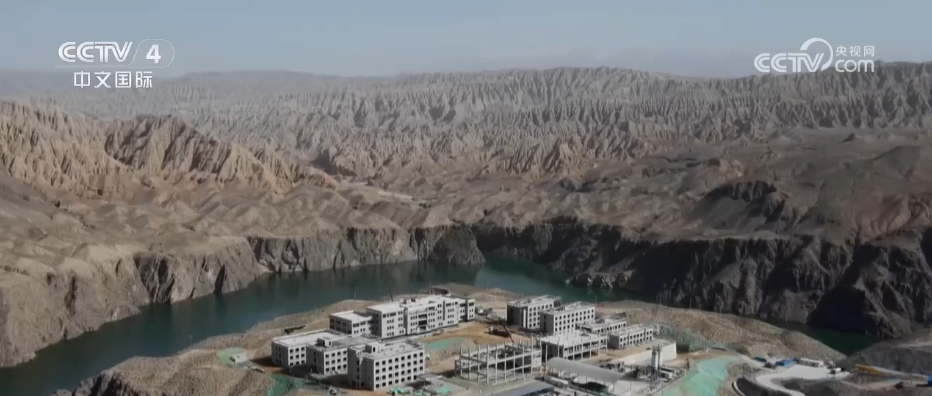
Summary of Key Points from Conference Call Records Industry Overview - **Macro Environment**: The focus is shifting from actual growth to nominal growth, with an emphasis on "anti-involution" policies. Government investment is expected to effectively drive social investment, with significant projects like the Yarlung Tsangpo River hydropower project commencing, involving a total investment of 1.2 trillion yuan [3][18]. - **Non-Banking Sector**: Incremental capital is entering the market, with a strong recommendation for the non-banking sector, particularly brokerage firms and insurance companies, as they are expected to benefit from improved market conditions and regulatory support [6][7]. - **Electronics**: The penetration of DDR5 technology is accelerating, driven by the AI industry, with expectations for significant growth in AI PCB manufacturers due to rising demand for computing power [8]. - **Media**: The gaming industry remains optimistic despite recent adjustments, with opportunities in IP and advanced technology applications [9]. - **Food and Beverage**: The industry is entering a golden period for brand upgrades, particularly in the liquor sector, which is expected to recover from previous downturns [10]. - **Agriculture**: The price of yellow chickens may be nearing a bottom, while the pig farming sector is expected to stabilize under "anti-involution" policies [11]. - **Home Appliances**: The "trade-in" policy has significantly boosted domestic sales, with a reported 32% year-on-year increase in retail sales from January to June 2025 [12]. - **Textiles and Light Industry**: The textile manufacturing sector is recovering, with opportunities in high-performance materials and traditional clothing businesses [14]. - **Environmental Protection**: The exploration of RWA (Risk-Weighted Assets) in environmental assets is expected to enhance financing efficiency and optimize cash flow for companies in the sector [15]. - **New Energy**: Solid-state batteries are projected to achieve commercial application by 2027, with significant growth expected in the coming years [16][17]. - **Construction**: The construction sector is poised for growth with the launch of major projects and upcoming policies aimed at stabilizing the industry [19][21]. - **Coal**: Coal prices are on the rise due to favorable supply-demand dynamics, with expectations for continued price increases in the second half of the year [20]. - **Building Materials**: A growth plan for the building materials sector is anticipated, with the Yarlung Tsangpo River project expected to drive demand for related materials [21]. - **Metals**: The implementation of a new growth plan is expected to support metal prices, particularly in the aluminum and steel sectors [22]. - **Public Utilities**: New pricing policies in Gansu are expected to enhance profitability for power generation companies [23]. Core Insights and Arguments - **Investment Strategies**: The report suggests a three-pronged investment strategy focusing on economic cycle assets, growth sectors, and stable value assets, with a recommendation to increase exposure to sectors benefiting from long-term improvements [4][6]. - **Market Dynamics**: The report highlights the asymmetry between downside risks and upside potential in the current market environment, emphasizing the need for strategic asset allocation [4][5]. - **Sector-Specific Recommendations**: - Non-banking financials are recommended due to expected recovery in performance and valuation [6][7]. - The electronics sector is advised for investment due to the growth in AI-related technologies [8]. - The media sector is seen as a stable investment due to ongoing demand for gaming and IP products [9]. - The food and beverage sector is highlighted for its potential recovery and brand upgrades [10]. - The agriculture sector is recommended for its stabilization under new policies [11]. - Home appliances are expected to benefit from government policies and consumer demand [12]. Important but Potentially Overlooked Content - **Risk Factors**: The reports consistently mention various risk factors, including geopolitical tensions, regulatory changes, and economic uncertainties that could impact market performance across sectors [4][5][20][22]. - **Technological Advancements**: The rapid development of solid-state battery technology and its implications for the automotive and energy sectors are emphasized, indicating a significant shift in energy storage solutions [16][17]. - **Regulatory Environment**: The impact of government policies on various sectors, particularly in terms of investment and operational efficiency, is a recurring theme, suggesting that regulatory changes could significantly influence market dynamics [3][4][5][19][23].
2025年央国企人才发展趋势与实战创新研究报告-智联测评研究院
Sou Hu Cai Jing· 2025-07-21 10:16
在数字化浪潮与"人才强国"战略背景下,央国企人才培养体系正经历深刻变革。本报告梳理了其五大核心变革趋势,介绍了标杆实践,分析了挑战与战略方 向。 五大核心变革趋势包括:市场效能化,注重培训投入产出比,针对不同群体有重点投入领域;AI智能化,AI重构学习价值链,实现个性化学习等;业务BP 化,培训管理向战略业务伙伴转型;产教生态化,构建技能人才供应链;培养一体化,形成全周期闭环体系,且这些趋势以党建为引领。 标杆实践方面,有AI驱动的智能学习闭环与数据化人才盘点;中铁"六业联动"的产教融合模式,集团化办学成效显著;中国核建"青蓝计划"的系统化人才锻 造,解决人才供给等问题;中国华电"四力四推"党建工程,将党建优势转化为发展动能。 模式迭代有三个方向:人才库智能化,动态匹配人才与业务;人才激励重构,形成多元激励模式;领导力年轻化,优化领导班子年龄结构。 面临的挑战包括:人才结构失衡,存在年龄、能力、层次矛盾;培养效能滞后,模式、内容、评估均有不足;数字鸿沟,系统与数据存在问题。 赋能路径有四大战略支点:战略协同,构建智力支撑体系;数字化技术,融入人才管理各环节;全链条服务,构建模块化管理体系;政策响应,对接改革需 ...


雅下水电题材分流资金!低吸主流赛道的机会出现了?——道达投资手记
Mei Ri Jing Ji Xin Wen· 2025-07-21 09:38
Market Overview - The A-share market saw all three major indices strengthen, with the Shanghai Composite Index and the ChiNext Index reaching new highs for the year, closing with gains between 0.72% and 0.87% [1] - The total trading volume in the Shanghai and Shenzhen markets reached 1.7 trillion yuan, an increase of 128.9 billion yuan compared to the previous Friday [1] - Over 4,000 stocks rose, with a median increase of 0.89% in stock price changes [1] Key Events and Trends - The Shanghai Composite Index broke through the upward trend line from June 30 to July 11 and surpassed the previous high of 3,555.22 points, indicating a continuation of the upward trend [1] - The focus for the remainder of July includes the Political Bureau meeting and the Federal Reserve's interest rate meeting at the end of the month [1] Sector Performance - The Yarlung Tsangpo River downstream hydropower project significantly boosted related stocks, leading to substantial gains in sectors such as building materials, civil explosives, engineering machinery, construction, and steel [1] - The Yarlung Tsangpo hydropower theme is expected to maintain its profitability for the next two to three trading days, although it is characterized by speculative trading [4] Investment Opportunities - Despite the diversion of funds to the Yarlung Tsangpo theme, sectors like solid-state batteries, innovative pharmaceuticals, and rare earths continue to show strong performance [5] - The solid-state battery sector recently broke out of a consolidation phase after two bullish candles in late June [6] - Core companies in the AI hardware sector, such as Industrial Fulian and Pengding Holdings, reported better-than-expected mid-year results, leading to normal short-term corrections or fluctuations [7] Future Outlook - The upcoming Political Bureau meeting is anticipated to affirm the overall stability of the economy while acknowledging ongoing internal and external pressures [9] - The policy direction is expected to remain expansionary, with new incremental policies likely to be introduced [10] - Key areas of focus will include regional cooperation, expanding domestic demand, promoting consumption, stabilizing the real estate and stock markets, and enhancing industry and reform initiatives [10]
燃爆!近百股涨停
中国基金报· 2025-07-21 04:44
【导读】全市场近百股涨停,大基建板块爆发 中国基金报记者 晨曦 大家好!周一 " 开门红 " ,来一起关注上午的市场行情和最新资讯 ~ 7 月 21 日, A 股市场窄幅震荡。截至午间收盘,上证指数涨 0.44% ,深证成指涨 0.29% ,创业板指涨 0.12% 。 | annon 3549.89 | 10945 76 " " | 2279.83 | was with | | --- | --- | --- | --- | | 上证指数 +0.44% | 深证成指 +0.29% | 创业板指 +0.12% | | 盘面上,大基建板块全面爆发,建材、钢铁、建筑、工程机械等板块集体走高,水利水电建 设、水泥制造、西部大基建、稀土、 宇树 机器人等概念股火热;光模块、稳定币、光刻机、 AI 算力等概念股回调。 全市场半日成交额为 1.1 万亿元,较上日略有放量,其中 3539 只个股上涨, 99 只个股涨 停, 1732 只个股下跌。 港股市场早间高开,午前涨幅有所回落。截至午间收盘,恒生指数涨 0.28% ,恒生科技指数 涨 0.32% ,恒生国企指数涨 0.14% 。美团涨 2.75% ,领涨恒生科技指数 成 ...
7月21日午间涨停分析
news flash· 2025-07-21 04:04
Group 1: Super Hydropower Project - The Chinese government announced the commencement of a super hydropower project with an investment of 1.2 trillion yuan on July 19 [7][21][13] - Multiple stocks related to hydropower and construction saw significant increases, with companies like Zhongbo Design and China Power Construction rising by 20.03% and 10.04% respectively [1][2] - The project is expected to boost the construction and materials sectors, with various companies in concrete and cement also experiencing stock price increases [3][4][19] Group 2: Robotics and Technology - Yushu Technology has begun its IPO guidance with CITIC Securities as the advisory firm, leading to stock price increases for companies like Shangwei New Materials, which rose by 19.99% [5] - Several companies involved in robotics and technology, such as Zhuochen Technology and Wolong Electric Drive, also saw stock price increases due to their association with Yushu Technology [6][11] Group 3: Infrastructure and Construction - Stocks related to infrastructure and construction, including Changjian Group and China Energy Construction, experienced price increases following the announcement of the super hydropower project [7][8] - The construction materials sector, particularly cement and concrete companies, showed strong performance with multiple stocks hitting their daily price limits [3][4] Group 4: Military and Defense - The military and defense sector is expected to see a revaluation of companies due to ongoing geopolitical conflicts, with stocks like Beihua Co. and Construction Industry rising in response [28][29] - The focus on military exports and defense capabilities is anticipated to drive growth in this sector [28] Group 5: Steel Industry - The steel industry is under scrutiny for overcapacity risks, with the China Iron and Steel Association emphasizing the need for strict control over production increases [19] - Stocks like Liugang Co. and Xining Special Steel have shown positive performance, reflecting market confidence despite regulatory pressures [20]



重大工程建设不断提速 多维度“硬核”实力彰显中国力量
Yang Shi Wang· 2025-07-21 02:32
Group 1: Energy and Infrastructure Development - The construction of key energy and transportation projects is progressing steadily across various regions, injecting new momentum into high-quality development [2] - The Qinghai Wara Pumped Storage Power Station, the largest in the western region, has surpassed halfway in its underground construction, with a total investment of 15.94 billion yuan and a planned capacity of 2.8 million kilowatts, expected to be completed by 2031 [3] - The Jilin Taonan Green Methanol Integrated Demonstration Project has officially commenced production, with an annual output of 50,000 tons of green methanol, as part of the plan to build 10 green energy industrial parks during the 14th Five-Year Plan [5] - The Guizhou Liuzhi to Anlong Expressway's Huajiang Gorge Bridge, the world's highest bridge, has completed asphalt paving and is expected to open by the end of September, reducing travel time from 3 hours to 1.5 hours [5] - The Harbin-Irkutsk High-Speed Railway's key project, the Tieli Hulan River Bridge, has completed beam installation, with the railway expected to reduce travel time from Harbin to Yichun from approximately 7 hours to about 2 hours [7] Group 2: Economic Indicators and Foreign Investment - In the first half of the year, the national railway sent 1.98 billion tons of goods, a year-on-year increase of 3.0%, with the China-Europe Railway Express maintaining stable operations and the China-Central Asia Railway increasing by 25% [8] - The Ministry of Commerce reported that 30,014 new foreign-invested enterprises were established in the first six months, a year-on-year increase of 11.7%, with actual foreign investment amounting to 423.23 billion yuan [9] - The e-commerce service industry and chemical pharmaceutical manufacturing sectors saw significant foreign investment growth of 127.1% and 53%, respectively [9] Group 3: Agricultural Development - The national early rice harvest has surpassed 60%, progressing faster than last year, with a promising yield expected [10] - The Ministry of Agriculture has initiated actions to enhance rice yield, with the mechanization rate exceeding 88%, achieving full-process mechanization [11]
乐享课堂:应收账款、存货、预付款融资,企业该如何抉择?
Sou Hu Cai Jing· 2025-07-21 01:22
Core Viewpoint - Supply chain finance provides diverse funding solutions such as accounts receivable financing, inventory financing, and prepayment financing, allowing companies to optimize cash flow and enhance competitiveness based on their specific circumstances and industry needs [1] Group 1: Financing Modes Based on Supply Chain Stages - In the sales stage, accounts receivable financing can quickly recover funds due to long collection cycles [2] - In the production stage, inventory financing helps convert excess inventory into cash, facilitating normal operations [2] - In the procurement stage, prepayment financing addresses funding gaps to ensure the supply of raw materials or goods [2] Group 2: Industry-Specific Financing Applications - Accounts receivable financing is suitable for industries with long payment cycles, such as manufacturing, construction, IT services, and apparel [6] - Inventory financing is applicable in industries facing seasonal sales fluctuations, such as apparel and electronics, where excess inventory can be converted into cash [6] - Prepayment financing is essential in industries like raw material procurement and electronics, where large upfront payments are necessary to secure supplies [5][10] Group 3: Addressing Company Pain Points - Companies facing slow accounts receivable recovery can utilize accounts receivable financing to maintain operations [9] - Businesses with inventory buildup due to market demand fluctuations can opt for inventory financing to alleviate cash pressure [9] - Firms under pressure to make large prepayments can leverage prepayment financing to ensure supply continuity [9] - Companies experiencing short-term cash flow issues can consider a combination of the three financing modes based on their asset status and business characteristics [9]
变局中的中国经济:二季度经济数据,从城市工作会议和反内卷政策看地产和通胀
2025-07-21 00:32
Summary of Key Points from Conference Call Records Industry Overview - The records primarily discuss the **Chinese economy** and its various sectors, including **real estate**, **infrastructure**, and **consumer markets**. Core Insights and Arguments 1. **Economic Growth and Construction Sector** - In Q2 2025, China's GDP growth rate was **5.2%**, with the construction sector's growth declining from **2.5%** in Q1 to **-0.6%** in Q2, negatively impacting overall economic growth [2][19] - Real estate investment fell by **12.9%** year-on-year, while infrastructure investment decreased by **4.6%** [2][4] 2. **Real Estate Market Dynamics** - The real estate market showed weak overall performance in H1 2025, with core cities like **Hangzhou** and **Shanghai** performing better in new home sales [4] - Older properties faced valuation pressures, while "old and small" properties with good locations were seen as deep value stocks [4] - The contribution of real estate investment to GDP has significantly decreased to about **7-8%**, down from previous peaks [4] 3. **Infrastructure Investment Trends** - Infrastructure investment saw a notable decline, with June 2025 showing a **4.6%** year-on-year drop [6] - The decline was attributed to changes in the use of special bond funds, with a shift towards debt resolution rather than new project funding [6][7] - The **Yalong River Hydropower Project**, a key investment project, is expected to cost **1.2 trillion RMB** and will provide stable support for future infrastructure investments [9][10] 4. **Consumer Market Performance** - In June 2025, the growth rate of retail sales of consumer goods slowed to **4.6%**, down from **6.4%** in May [3][11] - The decline was particularly evident in the "trade-in" category, with significant drops in sales of home appliances and communication equipment due to reduced subsidies [11][12] - The **618 shopping festival** led to a pre-emptive consumption surge in May, affecting June's sales figures [13] 5. **Inflation and Price Trends** - Inflation data indicates a downward trend, with expected CPI at **-0.1%** and PPI at **-2.5%** for Q3 2025 [20][21] - Core CPI reached **0.7%** in June, the highest since May 2024, indicating rising core inflation despite overall stability [20] 6. **Government Policy and Economic Outlook** - The Central Urban Work Conference emphasized a shift away from debt-driven growth and land finance, focusing on urban renewal and sustainable development [5][22] - The government is expected to adjust subsidy policies in the second half of 2025 to stabilize economic growth and manage high base effects from the previous year [14][21] - Economic growth in the second half of 2025 is projected to face challenges, with expectations of maintaining a growth rate of **4.6%-4.8%** to meet the annual target of **5%** [23] Other Important but Potentially Overlooked Content - The **Yalong River Hydropower Project** is not only significant for infrastructure but also has geopolitical implications, particularly concerning water resources in the context of India-Pakistan relations [10] - The shift in local government strategies towards more sustainable urban development reflects broader economic reforms initiated in previous years [22] - The consumer market's reliance on subsidy policies highlights the fragility of current consumption patterns and the need for structural adjustments [12][15] This summary encapsulates the critical insights from the conference call records, providing a comprehensive overview of the current state and future outlook of the Chinese economy and its key sectors.
山东政商要情(7.14—7.20)
Jing Ji Guan Cha Bao· 2025-07-20 13:15
Group 1: Trade and Economic Performance - In the first half of 2025, Shandong's foreign trade import and export reached 1.73 trillion yuan, a year-on-year increase of 6.8%, surpassing the national growth rate of 3.9% [1] - Exports amounted to 1.05 trillion yuan, growing by 6%, while imports were 676.41 billion yuan, increasing by 8.1% [1] - Shandong's import and export scale set historical records for the same period, contributing nearly 20% of the national growth in foreign trade [1] Group 2: Regional Cooperation and Events - The China-Shanghai Cooperation Organization Local Economic and Trade Cooperation Conference was held in Qingdao, attracting around 360 exhibitors and 3,000 buyers [3] - The conference resulted in several cooperation projects, including a partnership between the SCO demonstration zone and Shandong Railway Investment Holding Group [3] - The conference emphasized building international logistics channels and enhancing trade and investment quality among SCO countries [3] Group 3: Supply Chain Development - Shandong participated as the guest province in the third China International Supply Chain Promotion Expo, showcasing 78 enterprises and over 1,000 exhibits [4] - The event highlighted Shandong's transition from traditional manufacturing to modern supply chain practices, addressing global demands for resilience and collaboration [4][5] - Shandong has implemented a "chain leader system" for five years to enhance supply chain collaboration [4] Group 4: Financial Development Initiatives - Shandong's government issued a plan focusing on five key areas of finance: technology finance, green finance, inclusive finance, pension finance, and digital finance [6] - The plan aims for an annual growth rate of at least 20% in loans for technology SMEs and green loans, with a target of adding no less than 100,000 new inclusive finance "first loan" clients each year [6][7] Group 5: Support for Private Construction Industry - Shandong's housing and urban-rural development department released 21 measures to support the sustainable development of private construction enterprises [8] - The measures include optimizing market conditions, enhancing financial support, and ensuring that at least 50% of project evaluations favor private construction firms [8][9] - In the first half of 2025, Shandong's construction industry achieved a total output value of 833.47 billion yuan, a year-on-year increase of 4.2%, outperforming the national growth rate by 4 percentage points [9]