
非银金融

Search documents
【22日资金路线图】电子板块净流入超360亿元居首 龙虎榜机构抢筹多股
证券时报· 2025-08-22 11:30
Core Viewpoint - The A-share market experienced a significant rise on August 22, with major indices showing substantial gains, indicating a positive market sentiment despite a net outflow of main funds [2][3]. Group 1: Market Performance - The Shanghai Composite Index closed at 3825.76 points, up 1.45%, while the Shenzhen Component Index rose 2.07% to 12166.06 points. The ChiNext Index surged 3.36% to 2682.55 points, and the Sci-Tech 50 Index skyrocketed by 8.59% [2]. - The total trading volume in the A-share market reached 25793.49 billion yuan, an increase of 1184.74 billion yuan compared to the previous trading day [2]. Group 2: Fund Flow Analysis - The A-share market saw a net outflow of main funds amounting to 27.68 billion yuan, with an opening net outflow of 33.55 billion yuan and a tail-end net inflow of 39.7 billion yuan [3][4]. - The CSI 300 index recorded a net inflow of 74.27 billion yuan, while the ChiNext saw a net inflow of 24.91 billion yuan. In contrast, the Sci-Tech Board experienced a net outflow of 32.14 billion yuan [5][6]. Group 3: Sector Performance - Among the 15 sectors, the electronics industry led with a net inflow of 363.1 billion yuan, followed by the computer sector with 236.52 billion yuan and non-bank financials with 206.90 billion yuan [7][8]. - The pharmaceutical and biological sector faced the largest net outflow, totaling 41.44 billion yuan, followed by the basic chemicals sector with 36.14 billion yuan [8]. Group 4: Institutional Activity - The stock "Heertai" saw a significant institutional net buy of 262.06 million yuan, while "Haiguang Information" experienced a notable net sell by institutions [10][11]. - Institutions have shown interest in several stocks, with notable ratings and target prices indicating potential upside, such as "Feiyada" with a target price of 23.07 yuan, representing a 22.58% upside from its latest closing price [12].


主力资金丨尾盘加仓,15股净流入超1亿元
Zheng Quan Shi Bao Wang· 2025-08-22 11:06
(原标题:主力资金丨尾盘加仓,15股净流入超1亿元) 9个行业主力资金净流入。 这些龙头股获主力资金大幅抢筹 从资金流向来看,申万一级行业中,9个行业获主力资金净流入。计算机行业净流入金额居首,达47.99亿元;电子、传媒、非银金融和通信行业 净流入金额均超21亿元。 行业板块方面,24个申万一级行业上涨,电子行业涨幅居首,达4.82%;通信和计算机行业涨幅居前,均超3%。7个下跌行业中,银行行业跌幅居 首,达0.3%。 据证券时报·数据宝统计,今日(8月22日)沪深两市主力资金净流出27.68亿元,其中创业板净流入24.91亿元,沪深300成份股净流入74.27亿元。 从个股来看,135股主力资金净流入均超1亿元,其中16股净流入在5亿元以上。 互联网券商龙头股东方财富主力资金净流入19.87亿元,居首;该股今日成交额达249.7亿元,也居首位,股价上涨3.92%。热门通信龙头中兴通讯 主力资金净流入16.97亿元,居次席,股价逼近涨停。 AI大模型概念股昆仑万维主力资金净流入12.92亿元,净流入额创2025年5月22日以来新高。该股"20cm"涨停,盘后龙虎榜数据显示,上榜营业部 席位全天成交21.96 ...


56股股东户数连降 筹码持续集中
Zheng Quan Shi Bao Wang· 2025-08-22 10:53
Core Viewpoint - The continuous decline in the number of shareholders for certain companies indicates a trend of increasing concentration of shares, with 332 companies reporting shareholder numbers as of August 20, and 56 companies experiencing a decline for more than three consecutive periods [1][2]. Shareholder Trends - 56 companies have seen their shareholder numbers decrease for over three consecutive periods, with the most significant decline being 13 periods for Unisplendour Corporation, which has seen a cumulative decrease of 27.88% in shareholder numbers [1]. - ZTE Corporation has experienced a decline for 12 periods, with a total decrease of 16.17%, while other companies like Huaping Co., ST Huawen, and ST Jinglun have also shown significant declines [1][2]. Market Performance - Among the companies with declining shareholder numbers, 35 have seen their stock prices rise, while 20 have experienced declines. Notable gainers include ZTE Corporation, Huachen Equipment, and ST Jinglun, with respective increases of 43.63%, 38.50%, and 38.20% [2]. - 20 companies outperformed the Shanghai Composite Index during this period, with Huachen Equipment, ZTE Corporation, and ST Jinglun showing excess returns of 30.26%, 26.87%, and 25.03% respectively [2]. Industry Analysis - The industries with the highest concentration of companies experiencing declining shareholder numbers include machinery equipment, basic chemicals, and non-bank financials, with 7, 5, and 4 companies respectively [2]. - The distribution of companies with declining shareholder numbers is primarily in the main board (34 companies), followed by the ChiNext (20 companies) and the Sci-Tech Innovation Board (2 companies) [2]. Institutional Activity - In the past month, 4 companies with declining shareholder numbers have been subject to institutional research, with Jieya Co. receiving the most attention, being researched 3 times [2]. - The companies with the highest number of institutional participants in research include Unisplendour Corporation (124 institutions), Jieya Co. (21 institutions), and Qianjiang Motor (4 institutions) [2]. Performance Metrics - Among the 12 companies that have released semi-annual reports, Fujilai reported the highest year-on-year net profit growth of 12430.96% [3]. - Other companies with significant net profit growth include Yalian Machinery and Donghua Technology, with increases of 20.57% and 14.64% respectively [3]. - A total of 16 companies have released half-year performance forecasts, with 5 expecting profit increases and 1 expecting a profit [3].
牛市狂奔,投资还有哪些好选择?
Sou Hu Cai Jing· 2025-08-22 10:40
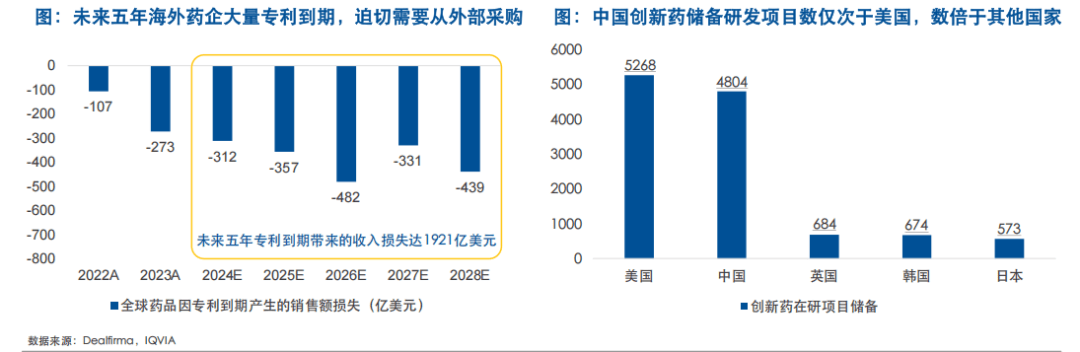
Group 1 - The core viewpoint of the article highlights the contrasting performance between the A-share market, which is experiencing a strong bull run led by the chip industry, and the relatively subdued performance of the Hong Kong stock market, raising questions about the value of holding Hong Kong stocks [1][2] - Despite the lackluster performance of the Hong Kong market, there has been a significant increase in the scale of Hong Kong ETFs, which surged from 297.4 billion yuan at the beginning of the year to 565.5 billion yuan by August 20, indicating a strong recognition of value by smart capital [1][2] - The article suggests that the current market conditions present structural opportunities in the Hong Kong stock market, particularly in sectors like innovative pharmaceuticals and non-bank financials, rather than a general overvaluation [2][4] Group 2 - The innovative pharmaceutical sector has seen substantial growth, with the Hong Kong innovative pharmaceutical ETF (513120) doubling in value this year and reaching a scale of over 20 billion yuan, indicating strong investor interest [5][14] - The logic behind the growth in innovative pharmaceuticals is driven by the impending expiration of patents for many drugs from multinational pharmaceutical companies, creating a demand for new and undervalued drug pipelines [6][11] - Southbound funds have emerged as significant buyers in the innovative pharmaceutical sector, contributing to the bullish sentiment and increasing the ETF's scale from 8 billion yuan to 20.7 billion yuan this year [12][14] Group 3 - The non-bank financial sector has also attracted attention, with the Hong Kong non-bank financial ETF (513750) rising over 50% year-to-date, supported by increased trading activity from southbound funds and retail investors [16][19] - The article outlines three main reasons for the increased attractiveness of non-bank financials: higher trading frequency from southbound funds, improved liquidity in the market, and favorable policies for insurance capital to expand equity investments [18][19] - The non-bank financial ETF has seen its scale increase to 18.7 billion yuan, reflecting strong institutional interest and a favorable market environment [19] Group 4 - The technology sector, particularly the Hang Seng Technology Index, has faced short-term challenges but is expected to recover as market concerns dissipate, with potential for upward price movement [22][23] - Investors are encouraged to consider the Hang Seng Technology ETF (513380) for exposure to this sector, which has shown resilience despite recent underperformance [23] - For those concerned about competition affecting the technology index, the Hong Kong Technology ETF (159262) offers a more focused investment option, with a scale exceeding 3.2 billion yuan [25] Group 5 - The article emphasizes the importance of selecting the right ETFs in the current bull market, highlighting various options such as the Hong Kong Dividend ETF (520900) and thematic ETFs focused on new energy vehicles and consumer sectors [28] - The diverse range of ETFs available allows investors to tailor their strategies according to their risk preferences and market outlook, with a focus on high liquidity and substantial market capitalization [28]
非银金融行业今日涨2.76%,主力资金净流入84.27亿元
Zheng Quan Shi Bao Wang· 2025-08-22 09:01
Market Overview - The Shanghai Composite Index rose by 1.45% on August 22, with 24 out of 28 sectors experiencing gains, led by the electronics and communications sectors, which increased by 4.82% and 3.77% respectively [1] - The non-bank financial sector also saw an increase of 2.76% [1] - Conversely, the banking and textile sectors faced declines of 0.30% and 0.20% respectively [1] Capital Flow - The net inflow of capital in the two markets reached 25.419 billion yuan, with 12 sectors experiencing net inflows [1] - The electronics sector had the highest net inflow of 15.132 billion yuan, corresponding to its 4.82% increase [1] - The computer sector followed with a net inflow of 10.334 billion yuan and a daily increase of 3.50% [1] Non-Bank Financial Sector - The non-bank financial sector saw a net inflow of 8.427 billion yuan, with 75 out of 83 stocks in the sector rising [2] - Among the stocks, Dongfang Caifu led with a net inflow of 1.970 billion yuan, followed by CITIC Securities and Everbright Securities with inflows of 1.135 billion yuan and 0.873 billion yuan respectively [2] - The sector had 13 stocks with net outflows exceeding 10 million yuan, with Zhongyin Securities, Lakala, and China Pacific Insurance leading in outflows [2] Individual Stock Performance - The top performers in the non-bank financial sector included: - Dongfang Caifu: +3.92% with a turnover rate of 6.78% and a net inflow of 1.969 billion yuan [2] - CITIC Securities: +4.27% with a turnover rate of 2.22% and a net inflow of 1.134 billion yuan [2] - Everbright Securities: +10.01% with a turnover rate of 5.54% and a net inflow of 0.873 billion yuan [2]





中观高频景气图谱(2025.8):上游资源行业景气提振
Guoxin Securities· 2025-08-22 08:57
Group 1 - The report indicates that as of mid-August, the upstream resource industry is experiencing an upward trend in prosperity, while the midstream manufacturing sector shows a mixed performance, with sectors like non-ferrous metals, coal, basic chemicals, and oil and petrochemicals improving continuously [4] - In the downstream consumption sector, there is a divergence in performance; the social services and home appliance industries are on the rise, while the commercial retail sector is declining. In essential consumption, the agriculture, forestry, animal husbandry, fishery, food and beverage, and textile and apparel industries are generally experiencing a downturn [4] - Supportive service industries and the financial sector are overall declining, with the environmental protection industry within supportive services also showing a downturn. However, the banking sector is improving, and the non-bank financial sector is on the rise, while the computer sector within the TMT industry is declining [4] Group 2 - The report tracks excess returns in various industries, including basic chemicals, steel, non-ferrous metals, coal, oil and petrochemicals, and construction materials, providing correlation data with high-frequency indicators [5][10][17][31][36][39][46][77] - The basic chemicals industry shows a strong correlation with various commodity prices, indicating potential investment opportunities based on price movements [6][9][17] - The steel industry is closely linked to production and inventory metrics, suggesting that monitoring these indicators can provide insights into future performance [10][12][14] Group 3 - The report highlights the importance of tracking excess returns in the automotive industry, with indicators such as daily sales and production rates being critical for understanding market dynamics [48][50] - The machinery equipment sector's performance is analyzed through various price indices, indicating a need for investors to pay attention to these metrics for better investment decisions [55][58] - The report also emphasizes the significance of high-frequency indicators in the transportation sector, which can provide insights into overall economic activity and sector performance [60][62] Group 4 - The agricultural sector's excess returns are tracked against food product price indices, indicating a strong relationship between agricultural prices and overall sector performance [96][98] - The report discusses the food and beverage industry's performance in relation to various price indices, suggesting that monitoring these can help identify investment opportunities [98][99] - The pharmaceutical and biotechnology sectors are analyzed with respect to traditional Chinese medicine price indices, highlighting the importance of these metrics in understanding market trends [101][106] Group 5 - The public utilities sector's performance is linked to coal consumption metrics, indicating that energy prices and consumption patterns are critical for assessing sector health [111][114] - The real estate sector's excess returns are correlated with metrics such as transaction volumes and land prices, suggesting that these indicators are vital for understanding market conditions [115][121] - The report also examines the computer industry, focusing on the relationship between excess returns and pricing trends in electronic components, which can inform investment strategies [124][127]
沪指突破3800点,行情还能持续吗?公募基金看好哪些板块?
Sou Hu Cai Jing· 2025-08-22 08:41
Core Viewpoint - The A-share market is experiencing a significant rally, with the Shanghai Composite Index reaching a 10-year high, driven by various sectors including technology and finance, and supported by strong market sentiment and capital inflows [2][4][5]. Market Performance - As of August 22, 2025, the Shanghai Composite Index has risen to 3825.76 points, marking a 14.14% increase since the beginning of the year. The Shenzhen Component Index and the ChiNext Index have also seen gains of 16.82% and 25.26%, respectively [5]. - The total market capitalization of A-shares has surpassed 100 trillion yuan, with 4643 stocks experiencing price increases this year, and 371 stocks doubling in value [4]. Trading Activity - The A-share market has shown robust trading activity, with trading volumes exceeding 2 trillion yuan for eight consecutive trading days as of August 22, 2025 [6]. - Margin trading balances have also increased, surpassing 2 trillion yuan since August 5, indicating a rise in leveraged investments [7]. Future Market Outlook - Analysts from various funds, including Bosera and Guotai, express optimism about the continuation of the current market rally, citing factors such as the return of overseas capital and a gradual recovery of the domestic economy [8][9]. - The market is expected to exhibit a "slow bull" pattern, with structural rotation among sectors like finance, technology, and cyclical industries [8][9]. Sector Investment Opportunities - Key sectors identified for investment include financials (brokerage, insurance, and banks), technology (AI and semiconductors), and cyclical products benefiting from "anti-involution" policies [11][12]. - Guotai Fund highlights opportunities in AI, non-bank financials, and dividend stocks, while also emphasizing the importance of maintaining a balanced portfolio to manage potential volatility [12][13]. Investor Behavior - There has been a notable increase in individual investor participation, with 14.51 million new accounts opened in the first seven months of the year, reflecting a 36.93% year-on-year growth [12]. - New investors are advised to approach the market cautiously, managing their positions and staying informed about market trends to avoid impulsive trading behaviors [13].

NIFD季报:国内宏观经济
Guo Jia Jin Rong Yu Fa Zhan Shi Yan Shi· 2025-08-22 08:22
Global Economic Trends - Global economic growth is expected to be 2.8% in 2025, which is 0.4 percentage points lower than the average growth rate from 2010 to 2019[14] - The World Bank predicts a global economic growth of only 2.3% in 2025, down from earlier forecasts[15] - International trade growth is anticipated to decline, with a projected decrease of 0.2% in global merchandise trade volume in 2025[16] China's Economic Outlook - China's GDP is projected to grow by approximately 4.7% in the second half of 2025, with a nominal GDP growth of 4.3% in the first half[27][28] - The Consumer Price Index (CPI) may turn negative in the second half of 2025, while the Producer Price Index (PPI) is expected to decline by around 3.0% for the year[30] - The unemployment rate for urban areas averaged 5.2% in the first half of 2025, reflecting a slight increase from the previous year[27] A-Share Market Performance - A-share companies' overall market value creation ability decreased by nearly 40 basis points in 2024 compared to 2023[40] - The performance of A-share companies is increasingly diverging from nominal GDP growth, particularly in the manufacturing sector[40] - The return on assets (ROA) and return on equity (ROE) for A-share companies continued to decline in 2024[40] Sector-Specific Insights - The first industry saw a significant recovery in asset returns due to rising pork prices, while the second and third industries experienced declines[10] - R&D investment in some sectors continued to rise in 2024, although some industries began to see a decrease[10] - The manufacturing sector is facing severe "involution" competition, impacting profitability and pricing power[30]
股指期货日度数据跟踪2025-08-22-20250822
Guang Da Qi Huo· 2025-08-22 05:32
Report Summary 1. Index Trends - On August 21st, the Shanghai Composite Index rose 0.13% to 3771.1 points with a trading volume of 997.42 billion yuan; the Shenzhen Component Index fell 0.06% to 11919.76 points with a trading volume of 1426.32 billion yuan [1]. - The CSI 1000 Index fell 0.71% with a trading volume of 516.51 billion yuan; the CSI 500 Index fell 0.36% with a trading volume of 404.12 billion yuan; the SSE 50 Index rose 0.53% with a trading volume of 136.49 billion yuan; the CSI 300 Index rose 0.39% with a trading volume of 558.52 billion yuan [1]. 2. Impact of Sector Movements on Indexes - The CSI 1000 dropped 52.12 points compared to the previous close, with sectors like power equipment, machinery, and electronics pulling the index down [2]. - The CSI 500 dropped 23.9 points, with the media sector pulling it up and non - bank finance, power equipment, and electronics pulling it down [2]. - The CSI 300 rose 16.67 points, driven up by sectors such as banks, pharmaceuticals, and communications [2]. - The SSE 50 rose 15.19 points, boosted by banks, communications, and petroleum and petrochemicals [2]. 3. Stock Index Futures Basis and Annualized Opening Costs - For IM contracts, IM00 had an average daily basis of - 60.53, IM01 of - 107.71, IM02 of - 212.17, and IM03 of - 364.91 [13]. - For IC contracts, IC00 had an average daily basis of - 60.14, IC01 of - 98.23, IC02 of - 184.34, and IC03 of - 310.15 [13]. - For IF contracts, IF00 had an average daily basis of - 9.13, IF01 of - 16.06, IF02 of - 28.63, and IF03 of - 49.68 [13]. - For IH contracts, IH00 had an average daily basis of 0.85, IH01 of 0.7, IH02 of 2.49, and IH03 of 5.13 [13]. 4. Stock Index Futures Roll - over Point Differences and Annualized Costs - For IM contracts, data on roll - over point differences and their annualized costs at different time points from 09:45 to 15:00 are provided, e.g., at 09:45, IM00 - 01 was - 73.02267 [24]. - For IC contracts, similar data are given, such as at 09:45, IC00 - 01 was - 68.64222 [21]. - For IF contracts, at 09:45, IF00 - 01 was - 12.31678 [22]. - For IH contracts, at 09:45, IH00 - 01 was 0.707 [23].
半日主力资金丨加仓电子、计算机板块 抛售银行板块
Xin Lang Cai Jing· 2025-08-22 03:48
Group 1 - Main capital inflow was observed in the electronic, computer, and non-bank financial sectors, while outflows were noted in the banking, public utilities, and pharmaceutical sectors [1] - Specific stocks with significant inflows include Zhongke Shuguang, SMIC, and Northern Rare Earth, attracting net inflows of 4.529 billion, 3.295 billion, and 2.601 billion respectively [1] - Stocks experiencing notable outflows include Hanyu Pharmaceutical, Agricultural Bank, and Ping An Bank, facing sell-offs of 312 million, 287 million, and 280 million respectively [1]




