
家电

Search documents
2026,预见|宏观篇:盈利为核,流动为翼——2026年全球温和复苏中的价值新主线
Xin Lang Cai Jing· 2026-01-07 08:16
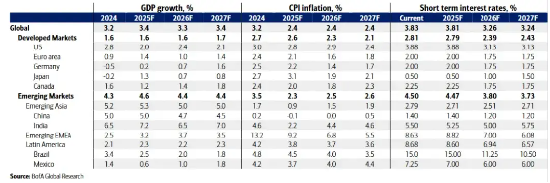
Core Viewpoint - The global economy is expected to show moderate recovery in 2026, supported by ample liquidity and a gradual recovery in inventory and profit cycles, shifting the market narrative from valuation recovery to profit support [1][30]. Group 1: Overseas Macro - The global economy will continue to recover, with K-shaped economic characteristics persisting but narrowing. Major economies are projected to have varied GDP growth rates: the US at 2.4%, Eurozone at 1.0%, Japan at 0.8%, and emerging markets at 4.2% [2][30]. - Global inflation is on a downward trend, with expectations that the Federal Reserve may cut interest rates 2-3 times in 2026, leading to a decrease in short-term rates [31][30]. Group 2: Domestic Macro - Fiscal policies are expected to drive investment recovery in major economic provinces, with a focus on infrastructure, manufacturing recovery, and a narrowing decline in real estate sales and investment [8][35]. - The Producer Price Index (PPI) is anticipated to rise initially before stabilizing, while the Consumer Price Index (CPI) may see moderate increases. The profit cycle is gradually recovering, with improvements expected in various sectors [9][35]. Group 3: Liquidity Environment - A clear trend of global liquidity easing is established, with the Federal Reserve leading improvements in overseas liquidity. Domestic monetary policy is expected to align with fiscal measures, potentially leading to interest rate cuts [12][38]. - The supply of funds is likely to be dominated by institutional capital, with private equity funds potentially driving high-net-worth individuals back into equity allocations [14][38]. Group 4: Strategic Allocation Directions - The market is expected to shift from valuation recovery to profit-driven dynamics in 2026, with Chinese assets still having room for valuation recovery [41][42]. - Key sectors to focus on include technology and advanced manufacturing, traditional export chains, and industries with increasing overseas revenue proportions [42][45]. - Future industry themes may include smart manufacturing, next-generation communications, advanced materials, and future energy solutions [47].

持续激发绿色消费潜力 以旧换新中,一级能效(水效)家电占比超九成
Ren Min Ri Bao· 2026-01-07 08:04
Core Viewpoint - The Ministry of Commerce and nine other departments have released a notice to implement green consumption initiatives, outlining 20 measures across seven areas to promote green consumption throughout the entire supply chain [1] Group 1: Green Consumption Policies - The Ministry of Commerce emphasizes the importance of the old-for-new policy for consumer goods as a significant opportunity to drive green consumption, with projections of 18.3 million vehicles and 192 million home appliances being replaced under this policy from 2024 to 2025 [2] - The old-for-new policy is expected to generate sales of 3.92 trillion yuan, benefiting approximately 494 million consumers [2] Group 2: Green Supply Chain and Recycling - The establishment of a green supply chain is underway, with significant improvements in logistics efficiency, including an 80% reduction in loading and unloading time and a 50% decrease in damage rates [2] - The introduction of a circular economy is being supported by the "Second-hand Goods Circulation Pilot Work Plan," which has identified 10 pilot cities and 28 enterprises to enhance the second-hand goods market [3] Group 3: Standards and Regulations - The State Administration for Market Regulation has developed 40 green product evaluation standards and 66 energy and water efficiency standards, actively participating in international standardization efforts [4] - By 2025, the central government plans to invest 5 billion yuan to support the standardized dismantling and processing of approximately 100 million old appliances, generating over 3 million tons of recycled resources [4] Group 4: Agricultural and Consumer Goods - The Ministry of Agriculture and Rural Affairs aims to certify over 88,000 agricultural products under the "three products and one standard" initiative, focusing on green, organic, and high-quality products [5] - The promotion of green consumption will include enhancing the supply of green agricultural products and improving energy and water efficiency standards for appliances and vehicles [6] Group 5: Green Lifestyle Promotion - The notice outlines a systematic approach to promote green consumption during the 14th Five-Year Plan, including the development of green services in dining, accommodation, and household services [6] - Initiatives will encourage the reduction of single-use plastics and promote the recycling of waste products, aiming to create a more sustainable consumption environment [7]
AI泡沫退潮、落地为王,芯片巨头“拉帮结派”激战CES 2026
Tai Mei Ti A P P· 2026-01-07 08:01
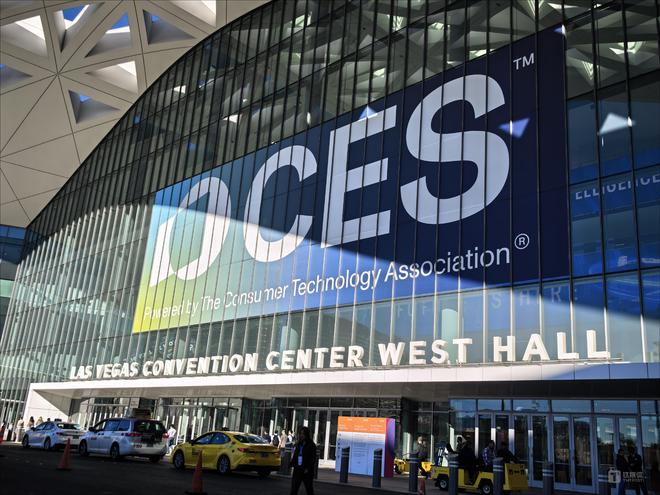
Group 1 - NVIDIA's founder Jensen Huang emphasized the shift of AI from mere model competition to practical applications, focusing on "last mile" implementations during his keynote at CES 2026 [2][6] - The industry is transitioning from a "technology demonstration phase" to a "value realization phase," centering around real user scenarios [2] - AI technology is moving from "cloud-side intelligence" to "edge-side integration," becoming a fundamental infrastructure for human-computer interaction [2][6] Group 2 - CES serves as a platform for both tech giants and startups, particularly for Chinese companies to convert algorithms and technologies into tangible hardware [3] - AMD's CEO Lisa Su highlighted that AI is becoming a default capability in PCs, with AI performance improved by 1000 times over the past four years [9] - Intel introduced its third-generation AI PC processor, showcasing advancements in energy efficiency and CPU performance [11] Group 3 - Qualcomm launched the Snapdragon X2 Plus platform, featuring a 35% increase in single-core performance and a 43% reduction in power consumption [13] - IDC predicts that global AI PC shipments will reach 150 million units by 2027, with a penetration rate of 79% [13] - Major home appliance brands are now integrating AI into their products, focusing on enhancing core functionalities rather than superficial features [18] Group 4 - Companies like Hisense and TCL are showcasing advanced display technologies and AI-integrated home appliances at CES, with Hisense's RGB-Mini LED technology expected to see a significant increase in shipments [18][20] - Samsung plans to increase the number of mobile devices equipped with Google Gemini AI to 800 million by 2026 [22] - The competition among chip manufacturers is intensifying as they seek to define the future of physical AI [17] Group 5 - The CES 2026 highlighted the emergence of embodied intelligent robots and AI+AR glasses, indicating a shift from demonstration to market-ready products [29][34] - Startups are increasingly participating in CES to showcase innovative technologies and seek market opportunities [45] - The event serves as a critical platform for companies to adapt their strategies in response to rapid industry changes [47]


好评中国|“国补”新政落地,澎湃消费市场“一池春水”
Huan Qiu Wang· 2026-01-07 07:16
Group 1 - The new round of consumer goods replacement subsidy policy has been effectively implemented nationwide, significantly boosting market confidence and activity as evidenced by increased foot traffic in electronics and automotive sectors [1] - The policy focuses on major durable goods such as home appliances, automobiles, and digital products, with specific subsidy conditions aimed at promoting green and low-carbon consumption [1] - Data shows that during the first two days of the New Year holiday, Hebei province's sales of home appliances and digital products reached 590 million yuan, while Ningbo's automotive sales grew by 25.9% year-on-year, indicating the policy's effectiveness in countering consumer hesitation [1] Group 2 - The 2026 consumer goods replacement policy aims to enhance the coverage and impact of subsidies on key consumer goods, shifting from short-term stimulation to long-term consumption upgrade and industrial transformation [2] - The subsidy scope for home appliances is concentrated on essential items like refrigerators and washing machines, ensuring broad accessibility and strong industry chain effects [2] - The inclusion of smart wearable and home products in the subsidy program signals a clear policy direction encouraging the production of greener, smarter, and higher-quality products, which is expected to drive innovation and investment in manufacturing [2] Group 3 - The implementation of the "National Subsidy" policy emphasizes the need for effective execution and strong guarantees, allowing local authorities more autonomy to adapt the central policy to local conditions [3] - A total of 62.5 billion yuan in special long-term bonds has been allocated to support the policy, ensuring timely funding for the upcoming consumption peak during the Spring Festival [3] - Measures to combat fraudulent practices and enhance subsidy accessibility are in place, aiming to create a transparent and efficient policy environment that benefits consumers and stimulates economic growth [3]
创维“马到橙功”跨年展火爆深圳,高定艺术点燃新年家居美学革命
Xin Lang Cai Jing· 2026-01-07 06:54
2025年12月31日,创维壁纸电视跨年展在深圳前海壹方城盛大启幕,首展为爱马仕合作设计师Iracema Trevisan打造的马年高定壁纸"马到橙功",并展出创维壁纸电视A7H Pro。展览围绕立体美学空间、高定 艺术体验和科技家居融合三大主线铺展,吸引广大市民蜂拥而至,一场由科技、艺术与人文共同演绎的 跨年仪式热闹非凡。 争相打卡!爱马仕同款高定美学空间大受追捧 展区内,暖橙与柔粉搭配的主色调营造出梦幻奢雅的节庆氛围,传递"马到'橙'功"的美好祝愿。同样由 爱马仕合作设计师Iracema Trevisan手绘设计的画框竖立在展台中央,巧妙构成视觉景框。画框上,暖橙 色不规则棋盘图纹随性而灵动,蕴含着智慧与策略,远望时与壁纸融为一体,渲染出极具高级感的美学 场域。 步入展区,观众仿佛迈入壁画世界,设计师笔下的元素跃出二维平面,在现实空间被拓展、放大、立体 化呈现。洁白的飞马雕塑凌空展翼,国际象棋棋盘化作地面艺术装置,蝴蝶与鲜花在画框四周翩跹环 绕,共同编织出一场可感、可触、可步入的沉浸式美学空间。"这不像是一个电视展,更像是一场高级 艺术展。"专程从广州前来观展的设计师王女士感叹道,"尤其是飞马设计,既充满 ...

海信发布新一代RGB-Mini LED电视 实现技术三大进化
Feng Huang Wang· 2026-01-07 06:22
Core Insights - Hisense unveiled its next-generation RGB-Mini LED display technology at CES 2026, featuring the flagship UX series television, which received the "CES 2026 Honor Award" [1] Group 1: Technology Advancements - The new technology includes a globally innovative 4-chip true color backlight architecture, adding a cyan chip to the traditional red, green, and blue chips, claiming to enhance the color gamut to 110% BT.2020 [1] - The backlight solution aims to address issues like color bleeding and color fringing that may occur with traditional color backlights [1] - The product is equipped with Hisense's self-developed H7 AI picture quality chip, achieving color accuracy of 134 bits and featuring a full-link color management system that supports professional-grade 3D LUT technology [1] Group 2: Environmental and Efficiency Benefits - Hisense claims that the new technology reduces harmful blue light by 60% compared to QD-OLED and decreases energy consumption by 30% [1] Group 3: Market Outlook - According to AVC Revo, global shipments of RGB-Mini LED televisions are expected to grow to 500,000 units by 2026 [1] - The Hisense UX series is set to launch in the Chinese market in March 2026 [2]

《关于实施绿色消费推进行动的通知》解读:绿色消费体系逐步精细化、体系化
Yin He Zheng Quan· 2026-01-07 05:42
Group 1: Policy Overview - The Ministry of Commerce and 9 other departments issued the "Notice on Implementing Green Consumption Promotion Actions" to enhance the green consumption incentive mechanism and promote widespread green consumption behavior[2] - The notice focuses on three main areas: strengthening the supply of green products, cultivating new growth points for green consumption, and optimizing the green consumption environment[3][4] Group 2: Key Measures - It emphasizes enhancing the supply of green agricultural products, promoting green home appliances, and improving the quality of green services in sectors like dining and accommodation[3] - The notice proposes the establishment of a universal green consumption points system to encourage green purchasing and support public services for points users[4] - It advocates for the development of a green recycling system to reduce single-use plastics and promote the circulation of second-hand goods[4] Group 3: Policy Evolution - The green consumption policy has evolved from focusing on energy-saving appliances and electric vehicles in 2016 to now including green agricultural products and services like green housekeeping and accommodation[5] - The policy mechanism has shifted from "single incentives" to a "systematic collaborative empowerment" approach, integrating incentives, guarantees, and regulations[9] Group 4: Implementation and Risks - The notice aims to cover the entire supply chain, from production to circulation and recycling, ensuring a comprehensive approach to green consumption[9] - Risks include potential underperformance in policy implementation and misunderstandings regarding the policy[10]
国补政策落地 兰州市城关区消费市场升温
Sou Hu Cai Jing· 2026-01-07 05:42
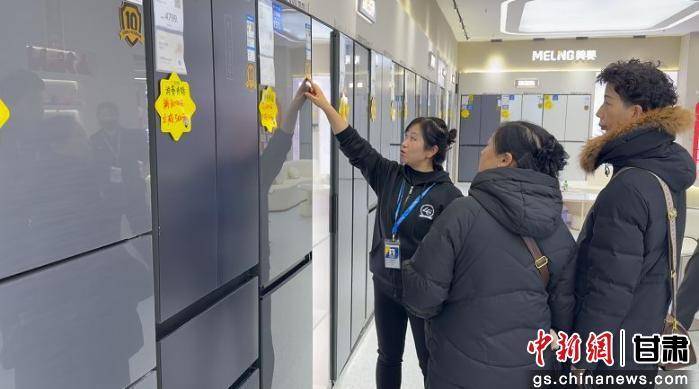
Core Viewpoint - The implementation of the new consumption subsidy policy for replacing old products has significantly boosted the consumer market in Lanzhou's Chengguan District, particularly in the automotive, home appliance, and digital smart product sectors, providing substantial benefits to local households [1][4]. Group 1: Consumer Market Impact - The new policy has led to a rapid increase in consumer activity, with stores like Suning's Super Experience Store seeing a surge in foot traffic and sales due to multiple overlapping discounts [1][4]. - A specific example includes a refrigerator originally priced at 8,299 yuan being sold for only 3,824 yuan after applying various subsidies, showcasing the substantial savings available to consumers [1]. - The store has reported that over 40% of orders are benefiting from the old-for-new subsidy, indicating a strong consumer response to the policy [1]. Group 2: Subsidy Details - The subsidy policy covers three main categories: automotive trade-ins, home appliance replacements, and the purchase of digital and smart products, effectively addressing diverse consumer needs [4]. - For automotive trade-ins, eligible consumers can receive up to 15,000 yuan for new energy vehicles and up to 10,000 yuan for fuel vehicles, significantly lowering the cost of purchasing new cars [4]. - In the home appliance sector, subsidies are focused on energy-efficient products, with a maximum subsidy of 1,500 yuan for first-level energy efficiency appliances [4]. - Digital and smart products priced under 6,000 yuan can receive a subsidy of up to 500 yuan, further encouraging consumer upgrades [4]. Group 3: Policy Implementation and Future Plans - The Chengguan District Commerce Bureau is committed to ongoing policy promotion and implementation, ensuring that the benefits reach both consumers and merchants effectively [5]. - The subsidy qualification codes are distributed weekly through the "Gankuaiban" platform, emphasizing convenience and fairness in the application process [4]. - The policy aims to stimulate market dynamics and enhance the overall quality of consumption in the region [7].

长虹AI家电闪耀CES,中国“智”造共筑全球科技话语权。
Zhong Jin Zai Xian· 2026-01-07 02:58
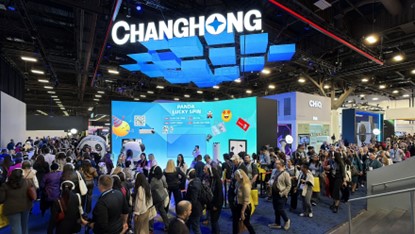
Group 1 - The core theme of the CES 2026 is the integration of AI technology with cultural elements, exemplified by Changhong's innovative AI home appliances that reflect Eastern wisdom [1][5] - Changhong's AI products include a panda-themed AI TV, AI Air Manager 360° air conditioner, and a full-space preservation refrigerator, showcasing a blend of technology and cultural identity [1][3][14] - The AI TV features a 4cm ultra-thin design and advanced display technology, addressing common issues like screen reflection and providing a comfortable viewing experience [6][8] Group 2 - The AI Air Manager 360° air conditioner not only manages temperature but also humidity and air quality, achieving up to 42% energy savings, aligning with global green consumption trends [10][11] - The full-space preservation refrigerator utilizes AI technology to optimize cooling and prevent flavor mixing, while the AI washing and drying set intelligently adjusts washing parameters based on fabric type [13][14] - Changhong's strategy includes a comprehensive approach to overseas competitiveness, focusing on R&D, products, services, and channels, with plans for steady growth in international markets [16]

锐财经丨持续提高消费“含绿量”
Ren Min Ri Bao Hai Wai Ban· 2026-01-07 02:18
Core Viewpoint - The Ministry of Commerce and nine other departments have jointly issued a notice to implement green consumption initiatives during the "14th Five-Year Plan" period, aiming to promote green and low-carbon practices across various sectors for high-quality economic and social development [1] Group 1: Optimizing the Green Consumption Environment - Green consumption is a significant measure to align with consumption upgrade trends and cultivate new growth points [2] - The market for green products, such as new energy vehicles and green smart appliances, is steadily expanding, with a richer supply of green products and innovative consumption models [2] - Challenges include inconsistent standards for green products, inadequate incentive mechanisms, and weak consumer awareness [2] - The notice outlines 20 measures across seven areas to enhance green consumption throughout the entire supply chain [2] - Key initiatives include increasing the supply of green agricultural products, promoting green home appliances, and enhancing energy and water efficiency standards [2][3] Group 2: Promoting Green Supply and Demand Transformation - New consumer demands are driving new supply, and vice versa, with a focus on increasing the "green content" of consumption [4] - The government is using trade-in policies to promote green consumption, providing subsidies for high-efficiency green appliances and vehicles [4] - From 2024 to 2025, approximately 17.67 million scrapped vehicles are expected to be recycled, with an annual growth rate of 45.8% [4] - The construction of a digital supply chain is being promoted to enhance efficiency and reduce costs, with a current standardization rate of 37.8% for pallets [4] Group 3: Building a Strong Recycling System - The Ministry of Commerce supports the establishment of intelligent and specialized sorting centers for recycling, encouraging local governments to provide policy support [5] - The goal is to guide more recycled resources to upgraded sorting centers, fostering high-quality development in the recycling industry [5] Group 4: Collaborative Efforts for Green Consumption - Promoting green consumption requires a collaborative effort from government, enterprises, and consumers [6] - The Ministry of Agriculture and Rural Affairs is working to increase the supply of high-quality green agricultural products and enhance brand recognition [7] - The Ministry of Ecology and Environment aims to transform waste materials into valuable resources through initiatives like "zero waste cities" [7] - The State Administration for Market Regulation is advancing green consumption efforts by updating national standards and supporting the implementation of "trade-in" policies [7]