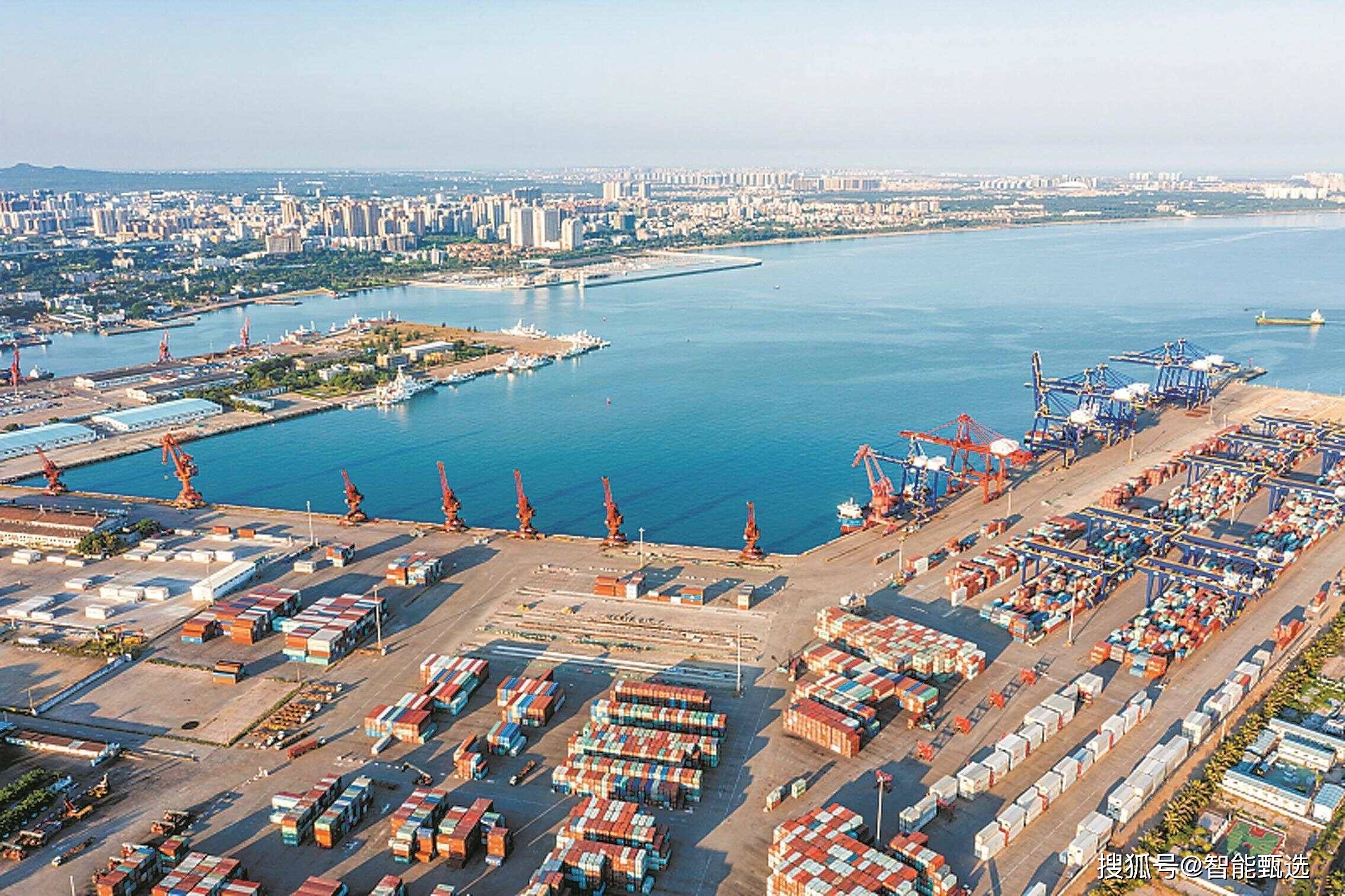
外贸

Search documents
城变新机,业涌潮头:2025年十大城市热词,透视发展逻辑之变
Mei Ri Jing Ji Xin Wen· 2025-12-28 02:28
Group 1 - The year 2025 marks the conclusion of the "14th Five-Year Plan," with urbanization transitioning from rapid growth to stable development amid increasing international uncertainties and internal economic transformation [7][20] - The emergence of annual buzzwords reflects the transformation logic of local economies, indicating new investment and employment opportunities [7][20] Group 2 - The "Six Little Dragons" in Hangzhou symbolize a significant surge in urban technological innovation, prompting other cities to rethink their paths to technological advancement [8] - The record-breaking box office of "Nezha 2" has shifted perceptions about Chengdu, highlighting its competitiveness in digital culture and technology despite lacking inherent advantages [9] - Shanghai aims to become the "first stop for inbound tourism" as China continues to upgrade its visa policies, enhancing its appeal as an international gateway [10] - The "Su Super" football league in Jiangsu showcases the potential of sports events to drive local consumption and economic growth [11] - Shenzhen and Shanghai are in a competitive race to be recognized as the "foreign trade capital," reflecting the resilience of China's foreign trade amid changing global conditions [12] Group 3 - Dalian is expected to become the first city in Northeast China to achieve a GDP of over 1 trillion yuan, marking a significant milestone for regional revitalization [16][17] - The official closure of Hainan Free Trade Port represents a new milestone in China's commitment to higher levels of openness and institutionalized reforms [18][19] - The Central Urban Work Conference has set a new direction for urban development, emphasizing a shift from rapid expansion to quality improvement [20] - The "15th Five-Year Plan" is being formulated to outline future development priorities, with a focus on high-quality growth and the associated investment and employment opportunities [21]


再破7.0关口,人民币升值有多猛,普通人到底受益了吗
Sou Hu Cai Jing· 2025-12-28 01:53
Core Viewpoint - The recent appreciation of the Renminbi (RMB) against the US dollar has sparked discussions in the financial markets, indicating a shift in currency dynamics influenced by external factors such as the US Federal Reserve's interest rate policies and internal economic conditions [3][10]. Group 1: Currency Dynamics - The RMB has appreciated from 7.27 at the beginning of the year to a recent high of 6.9978, with a notable increase of 79 basis points in the central parity rate [3][5]. - The decline of the US dollar index by approximately 1.72% from November 20 to December 17, contributing to nearly a 10% decrease for the year, has been a significant external factor for the RMB's recent strength [3]. - The RMB's appreciation is primarily against the US dollar, while it has not shown a similar strength against non-dollar currencies like the euro, which has depreciated against the RMB [7]. Group 2: Market Reactions and Strategies - Domestic banks are moderating the pace of RMB appreciation by gradually purchasing US dollars, indicating a controlled approach to currency management [5][14]. - Export companies are adjusting their strategies, with some opting for options and forward contracts to hedge against foreign exchange risks rather than speculating on currency movements [12]. - The central bank's operations and guidance on the central parity rate signal a willingness to allow greater volatility while maintaining stability during critical moments [8][14]. Group 3: Economic Implications - The influx of offshore funds into Chinese stocks reached $50.6 billion from January to October, significantly surpassing last year's total of $11.4 billion, reflecting renewed interest in Chinese assets [7]. - The appreciation of the RMB is exerting pressure on domestic manufacturing competitiveness, particularly for price-sensitive products aimed at the US and European markets, leading to a shift in focus towards cost management [12]. - The overall sentiment in the market anticipates a moderate appreciation of the RMB with dual-directional fluctuations, contingent on the trajectory of the US dollar, Sino-US trade expectations, and domestic economic data [16].
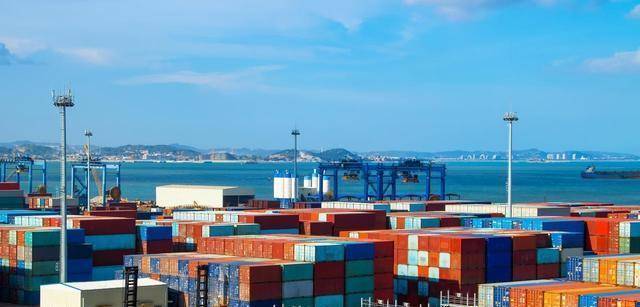
数读2025经济答卷 透过数据看外贸:今年凭啥逆势而上
Ren Min Wang· 2025-12-28 01:38
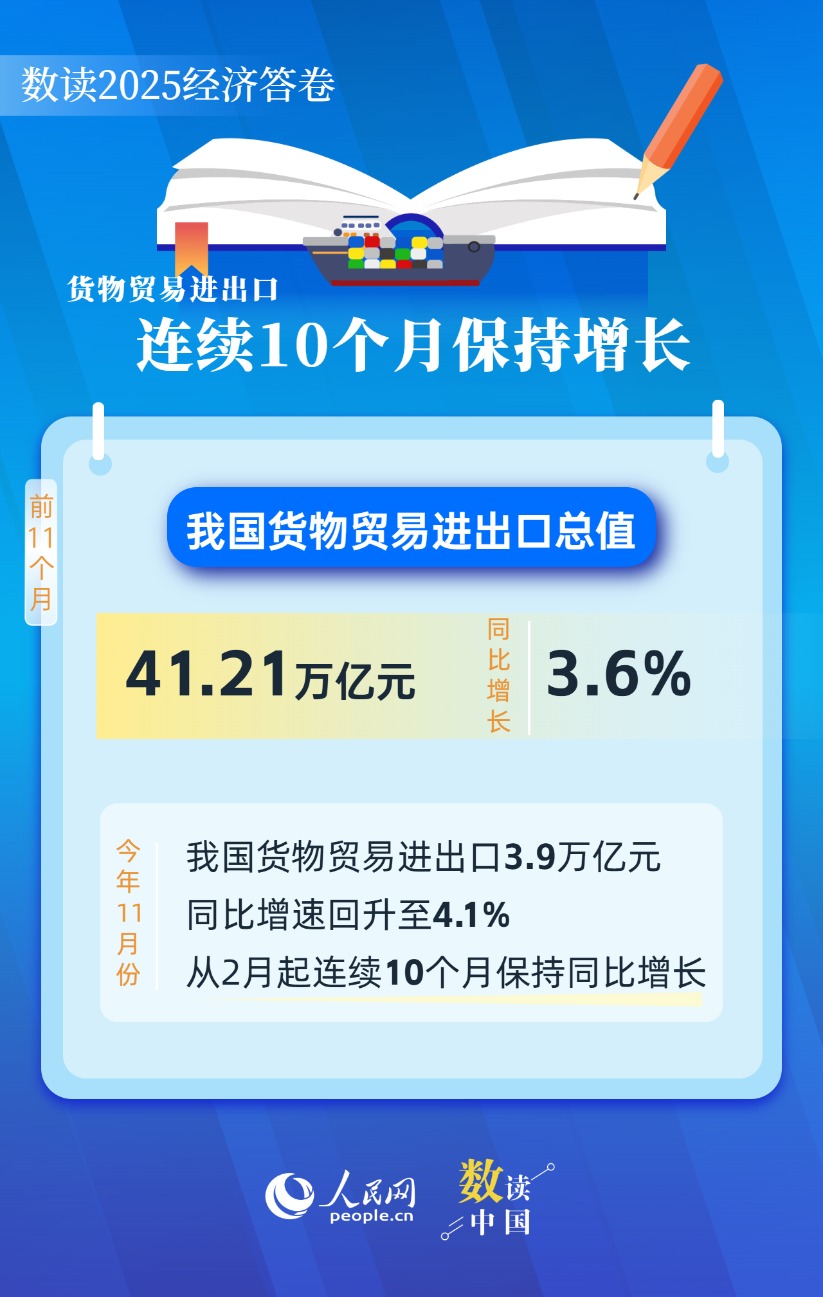
Core Insights - The article highlights the resilience and vitality of China's foreign trade in the face of a complex external environment, showcasing strong performance in the first 11 months of the year [1]. Trade Structure Optimization - The export of electromechanical products, including "new three items" such as ships, is a major contributor, with a year-on-year growth of 60.9% [3]. - These products account for a significant portion of China's total export value during the same period [3]. Private Enterprises in Foreign Trade - Private enterprises have become the main force in China's foreign trade, with imports and exports reaching 23.52 trillion yuan, reflecting a year-on-year increase of 7.1% [5]. - The number of enterprises with import and export records has increased by 66,000 [7]. Foreign Investment Enterprises - Foreign investment enterprises have also seen growth, with imports and exports totaling 12.07 trillion yuan, marking a year-on-year increase of 3.5% [11][12]. Market Expansion - In the first month, trade with ASEAN, China's largest trading partner, reached 6.82 trillion yuan, showing an increase of 8.5% [15]. - Trade with Africa, Latin America, and the European Union has also seen significant growth, with increases of 18.7%, 5.6%, and 5.4% respectively [15]. Diversification of Foreign Trade - China's foreign trade has shown significant diversification, with simultaneous growth in exports and imports with over 110 countries and regions [16].
数读2025经济答卷 | 民营经济打开发展新空间
Sou Hu Cai Jing· 2025-12-27 19:53
Group 1 - The core focus of the news is on the robust development of China's economy, particularly highlighting the role of private enterprises in various sectors, including investment, technology innovation, and foreign trade [1] - As of September this year, the scale of China's core artificial intelligence industry has exceeded 900 billion yuan, with over 5,300 AI companies, accounting for 15% of the global market [3] - In the first eleven months, private enterprises' import and export volume reached 23.52 trillion yuan, reflecting a year-on-year growth of 7.1% [4] Group 2 - The share of private enterprises in China's foreign trade has reached 57.3%, with significant developments in logistics for high-value products, such as the first mixed transport train for consumer lithium batteries from Yiwu [5] - In the first three quarters, exports of holiday goods, toys, and animal-shaped toys exceeded 50 billion yuan, reaching over 200 countries and regions globally [6] - Infrastructure investment from the private sector has seen a year-on-year increase of 3.5%, now accounting for 21.8% of total infrastructure investment [7] Group 3 - The top 500 private enterprises in China hold 721,600 valid patents and employ a total of 1.1517 million R&D personnel [9] - A significant milestone was achieved with the establishment of a joint fund by the National Natural Science Foundation and private enterprises, marking a key step in private sector participation in national basic research [12] - As of the end of May this year, there are 185 million private economic organizations in China, representing 96.76% of all business entities [12]
时隔15个月,人民币破7引发资产重估!普通人如何抓住升值红利?专家揭秘三大受益领域
Sou Hu Cai Jing· 2025-12-27 13:49
Group 1 - The offshore RMB exchange rate against the US dollar returned to the "6" range for the first time in 15 months, closing at 6.9973 on December 25, 2025, defying market expectations that it would remain above "7" [1] - The direct driver of RMB appreciation is the decline of the US dollar, particularly after the Federal Reserve announced interest rate cuts, leading to a drop in the dollar index below 100 [3] - The appreciation of the RMB is positively impacting import enterprises, reducing procurement costs for commodities like oil and agricultural products, which translates into improved profit margins [3] Group 2 - Export enterprises are facing challenges due to the RMB appreciation, with a Zhejiang small commodity trader noting that a $100,000 order now yields only 700,000 RMB compared to 730,000 RMB earlier in the year, squeezing profit margins [5] - The capital market's response is mixed; while RMB appreciation has attracted foreign capital into Chinese assets, investors in Hong Kong are experiencing currency exchange losses [5] - The improvement in China's economic fundamentals, with a 5.3% year-on-year increase in export value in USD terms for the first ten months of 2025, is enhancing foreign investment interest in RMB assets [7] Group 3 - Companies are adopting divergent strategies in response to currency fluctuations; some export firms are using forward foreign exchange tools to lock in rates, while import firms are adjusting their procurement schedules [8] - The central bank is maintaining vigilance, emphasizing the need to keep the RMB exchange rate stable and preventing excessive fluctuations, as indicated by the setting of the mid-price at 7.0392 despite market rates breaching 7.0 [8] - The RMB's performance against a basket of currencies shows significant appreciation against the US dollar but remains weak against non-USD currencies like the euro and yen, suggesting limited impact on export competitiveness in those markets [10]
汇率升值利好三大群体,你的钱袋子变了吗?
Sou Hu Cai Jing· 2025-12-27 10:46
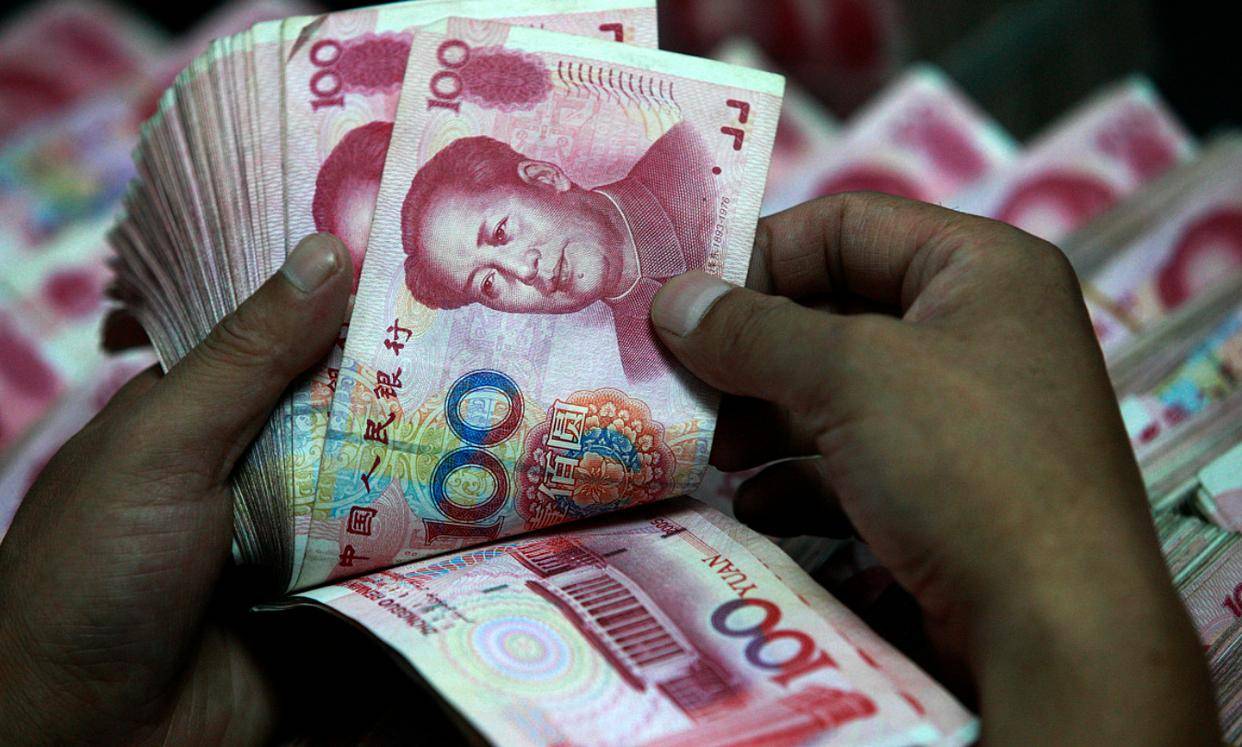
文 |无言 12月25日,离岸人民币兑美元升破7的整数关口。 这事儿说通俗点,就是咱们手里的人民币,在国际市场上购买力提升了。 以前换1万美元要花7.27万人民币,现在7万就够,直接省下2700块。 本来想这只是个普通的汇率波动,后来发现,这波动背后,有人欢喜有人愁。 受益群体:这些人先享升值红利 最先感受到好处的,得是有跨境消费或资金需求的群体。 准备送孩子出国留学的家长,怕是最有体会。 一年学费4万美元,单看汇率变化,就能省下1万多人民币,这笔钱够买好几台平板电脑了。 海淘爱好者的福利也来了。以前500块的进口护肤品,现在470块就能拿下。 航空公司、造纸厂、化工厂这类企业,常年需要进口原材料或借入美元贷款。 人民币每升值一点,它们的成本就会下降一截。 南方航空因汇率变动,每股收益增加了0.05元,中国国航则减少了2.3亿的汇兑损失。 进口100万美元的航油,现在能省下11万人民币。 这些成本的节省,直接体现在了企业的利润表上。 一台2万的进口手表,价格能便宜1000多。 计划出境游的人更不用说,购物成本直接降低了不少,相当于变相省出了部分机票钱。 企业层面,那些背负美元债务或依赖进口的主体,也吃到了红利 ...
美元大跌10%,人民币破7背后,这是美国谋划的金融迷局?
Sou Hu Cai Jing· 2025-12-26 17:58
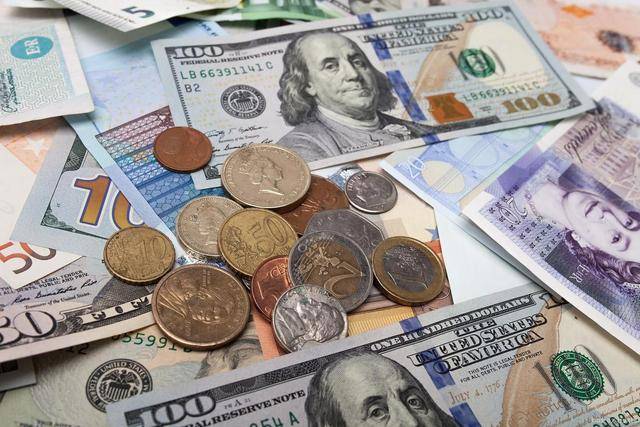
Group 1 - The recent appreciation of the Renminbi (RMB) against the US dollar is largely attributed to the weakening of the dollar due to the Federal Reserve's interest rate cuts, rather than a strong performance of the RMB itself [1][4] - The RMB has appreciated approximately 4.5% to 6% since the beginning of the year, while the US dollar index has declined nearly 10%, indicating a relative weakness of the dollar [1][4] - The appreciation of the RMB has mixed implications for different sectors; it benefits importers and students studying abroad by reducing costs, while it poses challenges for export-oriented businesses facing reduced competitiveness [6][9] Group 2 - Export-oriented companies are experiencing pressure as the appreciation of the RMB makes their products more expensive in international markets, potentially leading to a loss of orders and profit margins [6][10] - The end-of-year "settlement tide" drives demand for RMB as export companies convert their dollar earnings into RMB for year-end payments, contributing to the RMB's appreciation [12][10] - Despite the RMB's appreciation against the dollar, it has depreciated against a basket of other currencies, which helps maintain price competitiveness for exports to regions like Europe and Japan [14][10] Group 3 - Market sentiment can amplify the RMB's appreciation, leading to self-reinforcing cycles of investment based on expectations of further appreciation, which could create volatility [15][16] - Financial authorities emphasize the importance of stability in the RMB exchange rate, implementing measures to prevent excessive fluctuations that could disrupt business operations and personal financial plans [15][16] - Experts recommend that businesses and individuals focus on their core operations and manage currency risk through financial instruments, rather than speculating on currency movements [18][19]
前11个月云南进出口2504.6亿元 同比增长10.5%
Sou Hu Cai Jing· 2025-12-26 15:01
Group 1 - The core viewpoint of the articles highlights the growth of Yunnan's foreign trade, with a total import and export value of 250.46 billion yuan in the first 11 months of 2025, representing a year-on-year increase of 10.5% [1] - Exports reached 86.04 billion yuan, growing by 2.1%, while imports amounted to 164.42 billion yuan, increasing by 15.5% [1] - Yunnan's trade with countries involved in the Belt and Road Initiative has strengthened, with imports and exports to these countries totaling 216.27 billion yuan, a growth of 16.3% [1] Group 2 - The Yunnan Free Trade Zone, established in August 2019, has contributed significantly to foreign trade, with cumulative imports and exports reaching 377.75 billion yuan, accounting for 21.9% of Yunnan's total foreign trade during the same period [2] - From December 1, 2024, China will implement a 100% zero-tariff preferential tax rate for the least developed countries, which is expected to further enhance trade dynamics [2] - In the past year, Yunnan imported 55.29 billion yuan from the least developed countries, marking an increase of 8.9% [2]
国家统计局:2024年长三角区域发展指数稳步提升
Ren Min Wang· 2025-12-26 09:19
Core Insights - The development index of the Yangtze River Delta region for 2024 is projected to be 135.0, reflecting a 2.6 increase from 2023, with an average annual increase of 3.3 since 2018 [1] Economic Growth - The regional GDP reached 33.17 trillion yuan in 2024, 1.5 times that of 2018, accounting for 24.7% of the national total, an increase of 0.1 percentage points from 2023 [2] - The digital economy is thriving, with the value added from information transmission, software, and IT services reaching 1.88 trillion yuan, 2.3 times that of 2018, representing nearly 30% of the national total [2] Innovation and R&D - The innovation co-construction index rose to 160.6 in 2024, an increase of 8.2 from 2023, with an average annual increase of 6.4 since 2018 [3] - R&D investment reached 1.12 trillion yuan, a 10.5% increase from 2023, accounting for 30.9% of the national total [3] - The region saw nearly 300,000 new invention patents, with a per capita rate exceeding 12 patents, 1.6 times that of 2018 [3] Infrastructure and Coordination - The coordination index remained stable at 131.0 in 2024, with an average annual increase of 4.4 since 2018 [4] - The railway operating mileage exceeded 15,000 kilometers, a 43.6% increase since 2018, with high-speed rail accounting for over half of the total [4] - The income disparity among residents across provinces narrowed from 2.68:1 in 2018 to 2.40:1 in 2024 [4] Environmental Quality - The green co-protection index reached 163.8 in 2024, a 6.3 increase from 2023, with an average annual increase of 5.6 since 2018 [5] - The average proportion of good air quality days in 41 cities was 84.5%, an increase of 0.8 percentage points from 2023 [5] - The proportion of good water quality in national monitoring sections reached 94.3%, up 0.9 percentage points year-on-year [5] Trade and Investment - The open and win-win index was 106.6 in 2024, with total goods import and export exceeding 16 trillion yuan, accounting for 36.5% of the national total [7] - The actual use of foreign capital decreased by 23.3%, but its national share increased from 43.9% in 2023 to 46.3% in 2024 [7] - The seventh China International Import Expo attracted 3,496 exhibitors from 129 countries, with intended transactions exceeding 80 billion USD, of which the Yangtze River Delta accounted for 34% [7] Public Services and Welfare - The shared welfare index grew to 130.4 in 2024, a 0.9 increase from 2023, with an average annual increase of 3.1 since 2018 [8] - The per capita disposable income reached 57,137 yuan, a nominal increase of 5.2% year-on-year [8] - The number of medical institution beds reached 1.6525 million, an increase of 361,800 since 2018, with nearly 7 beds per thousand people [8]
海南自贸港全岛封关首周:政策红利喷涌,产业活力迸发
Sou Hu Cai Jing· 2025-12-26 07:21
Core Insights - The launch of the Hainan Free Trade Port on December 18, 2025, marks a new phase in China's opening-up strategy, showcasing the country's commitment to high-level openness and the immediate benefits of policy implementation [1] Group 1: Policy Implementation and Economic Impact - In the first week of the closure, the value of "zero-tariff" goods imported under the "first line" policy exceeded 400 million yuan, covering various sectors including high-end equipment and consumer goods [3] - The "zero-tariff" policy has been upgraded, increasing the proportion of taxable items from 21% to 74%, covering over 6,600 items, which significantly reduces operational costs for companies [3] - The first week saw over 20 million yuan in "value-added processing" goods under the "second line" policy, with expectations of over 10 billion yuan in local industry value added for the year [3] Group 2: Customs and Regulatory Efficiency - Hainan has implemented a "first line open, second line controlled" strategy, utilizing smart port technology for efficient customs clearance, achieving an average daily vehicle flow of 2,000 without congestion [4] - A risk warning and intelligent identification system has been established, detailing 23 categories and 89 regulatory risk scenarios, enhancing both safety and efficiency in customs operations [4] Group 3: Consumer Behavior and Market Growth - The first week of duty-free shopping in Hainan reached 1.1 billion yuan, a year-on-year increase of 54.9%, with 165,000 shoppers, reflecting a surge in consumer demand driven by policy benefits [4] - The expansion of the duty-free market is not only boosting consumption but also driving industrial upgrades, with new business models emerging in the duty-free sector [4] Group 4: Business Confidence and Foreign Trade - In the first week, 1,972 new foreign trade registered companies were established, a 2.3-fold increase year-on-year, indicating strong business confidence in the Hainan Free Trade Port [5] - The "processing value-added zero-tariff" policy has led to a reduction in production costs by over 15% for some companies, enhancing their competitive edge [5] Group 5: Broader Economic Developments - The duty-free policy has been expanded to include more product categories, increasing from 38 to 47, thus catering to diverse consumer needs [6] - Hainan is positioning itself as a strategic hub for trade and economic cooperation with ASEAN, leveraging both RCEP and free trade policies [6]