茶饮

Search documents
与喜茶一起去种地:追着水果跑全国,定制化种植的风味更纯净
Cai Jing Wang· 2025-06-07 08:55
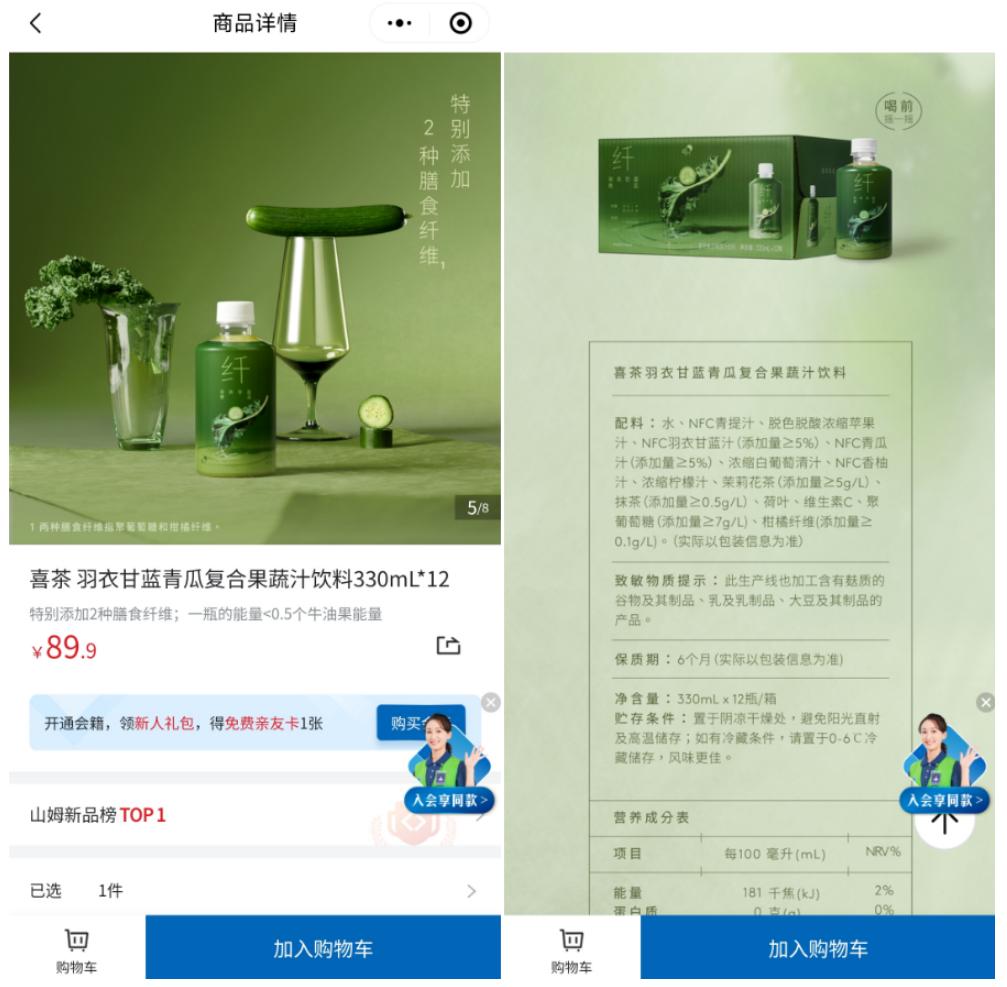
Group 1 - The core idea of the articles revolves around Heytea's strategic shift towards upstream agricultural practices, including establishing over 10,000 acres of order agriculture cooperative orchards across various fruit production areas in China, from Liaoning to Hainan [1][11] - Heytea is focusing on customized planting to ensure a stable supply of seasonal fruits, emphasizing zero pesticide residue cultivation methods to enhance the nutritional quality and flavor of their fruit teas [1][10] - The popularity of kale as a cross-category beverage has surged, with Heytea's kale drinks becoming a phenomenon, leading to significant sales figures and expansion into international markets [2][4][7] Group 2 - The supply chain for kale involves meticulous processes, including daily harvesting, rapid cooling, and strict quality control measures to ensure freshness and minimize waste [8][10] - Heytea's collaboration with farmers aims to stabilize their economic returns while ensuring high-quality produce, with a focus on maintaining a balance between agricultural practices and market demands [11][12][13] - The company has also ventured into dairy innovation, launching a product that meets strict health standards, furthering its commitment to natural and healthy offerings [14]

网点累计达258座,浙江石油大力拓展咖啡业务
Guan Cha Zhe Wang· 2025-06-06 13:38
Group 1: Coffee Business Expansion - Zhejiang Petroleum has established a total of 258 coffee business outlets, significantly expanding its coffee service network across highways, urban areas, and counties [1] - The company launched its own brand TIKI COFFEE at 68 gas stations in Taizhou, Huzhou, and Lishui in May, enhancing its coffee service offerings [1] - Marketing activities such as free coffee with fuel purchases are designed to create a synergistic "fuel + coffee" ecosystem [1] Group 2: Health Beverage Innovations - Good Want You has introduced a new series of health drinks featuring red dates, including products like red date eight-treasure tea and red date ginger water [2] - The company is open to consumer suggestions for new products, indicating a commitment to innovation in health-focused food offerings [2] Group 3: Tea Industry Trends - The McKinsey report suggests that the tea industry should focus on "essential quality of life" products, emphasizing the health benefits and inherent value of tea [3] - New tea brands are successfully implementing a "rural encirclement of cities" strategy, targeting lower-tier cities to capture market opportunities [3] - There is potential for developing quality, affordable tea products and creating relaxing tea spaces to cater to health-conscious consumers [3] Group 4: Sustainable Sourcing in Beverage Industry - Heytea has achieved zero pesticide residue in the cultivation of kale, which will be used in its products nationwide [4] - The company has undergone extensive third-party testing, confirming the absence of chemical pesticides and fertilizers in its kale supply [4] - The successful launch of the kale-based beverage has led to a broader application of kale in the new tea drink sector [4] Group 5: Market Outlook for Tea Brands - Everbright Securities has initiated a buy rating for the tea brand Guming, which plans to open 2,000 new stores this year, focusing on provinces like Anhui [5] - The projected net profits for Guming from 2025 to 2027 are estimated at 1.961 billion, 2.356 billion, and 2.761 billion RMB, with corresponding earnings per share of 0.82, 0.99, and 1.16 RMB [5] - The introduction of coffee products is expected to positively impact same-store sales and overall revenue [5]

又一茶饮品牌大规模闭店!广州首店曾日销2000杯
Nan Fang Nong Cun Bao· 2025-06-06 12:03
Core Insights - SEVENBUS, a tea beverage brand, is undergoing a significant downsizing, with fewer than 20 stores remaining nationwide, a drastic reduction from nearly 400 at its peak [2][17][18] - The brand, which originated in Xiamen and gained popularity for its unique soy milk tea, has struggled to maintain its market position due to high pricing strategies and failure to adapt to consumer preferences [5][10][22][30] Company Overview - SEVENBUS was established in April 2015 and quickly expanded beyond Fujian province, reaching over 400 stores across more than 20 provinces by 2021 [10][12] - The brand's peak popularity was marked by long queues and high sales, such as 120 million yuan in the first month of a new store opening in Chongqing [13][14] Current Situation - As of now, SEVENBUS has closed many locations, with only two stores operating in its home city of Xiamen [17][20] - The brand's pricing strategy has been a significant factor in its decline, with average product prices remaining above 20 yuan, despite a market trend towards lower prices [22][30][32] Market Analysis - The tea beverage market is increasingly competitive, with leading brands like Heytea and Nayuki lowering prices to attract cost-sensitive consumers [30][31] - SEVENBUS's inability to keep up with market trends and consumer demands has led to a loss of loyal customers and market share [35][36] Future Outlook - The future of SEVENBUS remains uncertain as it faces challenges in finding a new direction for growth amidst a competitive landscape [38][39]

一周上新!趁热集合、泸溪河、读酥世家...海内外新品资讯抢先看|全球职人情报站
东京烘焙职业人· 2025-06-06 10:07
东京烘焙职业人每周准时摘取烘焙行业最重要的、最有价值的新品信息、品牌资讯,行业热文和海 外信息,一切你想知道的,都在这里。 在这里不需要恰饭,只需要更新鲜的资讯! 大家好~ 6月10日我们将会和斯顿一起 在视频号为大家开启一场直播, 关于烘焙届的"变形金刚"—— 卡仕达预拌粉的创意应用 做馅料、做挞液、做蛋糕、做甜点... 新手一秒变大师! 直播现场还有精彩互动与抽奖活动, 快点击下方二维码预约~ 1、 红跑车蛋糕hpcbakery【椰奶大砖】 2、趁热集合 HOT CRUSH【七种口味冰蛋挞】 3、米旗【冰面包/冰泡芙】 4、面包工坊【黑金黄芝士布里奥斯】 5、欢牛【牛奶布丁】 6、意诺Uknow【冰面包】 7、全家FamilyMart【心太软软面包】 8、 85度C 【冰镇西瓜超级杯】 9、读酥世家新烘焙【提拉米酥】 10、 泸溪河【牛乳绿豆冰糕】 11、詹记【冰淇淋脆皮泡芙】 12、B&C【法式雪山奶油蛋糕】 13、 廣蓮申 【光明奶油小方】 14、崎本的店【椰风吐司】 15、甜星star【杨梅吐气】 16、石头先生的烤炉【冰面包】 17、 叮咚买菜 【爆馅蛋糕(西番莲芒果+牛乳芭乐)】 1、I Fan ...

什么是“新消费”?年轻人想要的“情绪价值”到底是什么?
Guan Cha Zhe Wang· 2025-06-06 09:46
Core Viewpoint - The concept of "new consumption" is not merely defined by rapid growth but involves deeper underlying logic, including industry penetration rates and brand influence [1][3][4] Group 1: Indicators of New Consumption - New consumption has three objective indicators: industry penetration rate, Baidu search index, and a growth rate of at least 25% [3] - Subjective factors include tradability, which refers to the ability of stocks to be traded or second-hand products to be exchanged, and the ease of creating memes that facilitate brand spread [3][10] Group 2: Causes of New Consumption - The formation of new consumption habits and the breaking of new brands are the main causes of new consumption [4] - Examples of new consumption habits include collectible toys, pet food, and new tea drinks, while brands like Pop Mart and Xiaomi exemplify the breaking of new brands [4] Group 3: Characteristics of New Consumption - A key characteristic of new consumption is "word of mouth," where users become brand advocates rather than relying on traditional advertising [6][9] - The pet industry serves as a prime example of new consumption, showcasing strong user-driven brand recommendations [8] Group 4: Brand Development Stages - Brand development consists of four stages: initial recognition, preference, category association, and identity representation [15] - The emergence of a secondary market for products indicates a brand's ability to maintain or increase value over time, signifying strong market presence [17]

霸王茶姬一季报:净收入增35.4%,用户数突破1.9亿
Chang Jiang Shang Bao· 2025-06-06 02:40
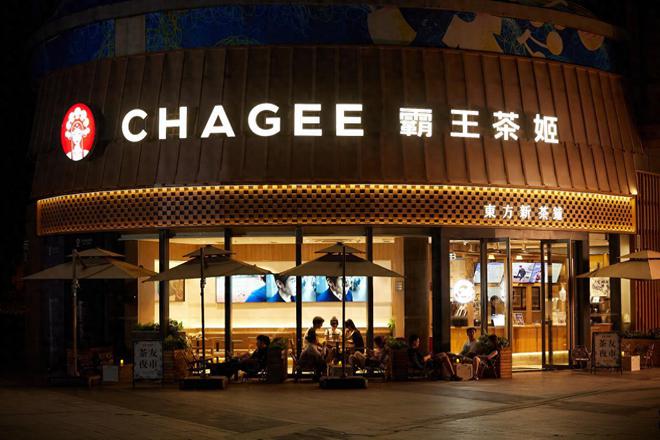
Core Insights - Bawang Chaji (NASDAQ: CHA) reported strong financial performance in its first quarterly earnings post-IPO, with total net revenue of 3.39 billion yuan, a year-on-year increase of 35.4%, and a net profit of 677 million yuan, up 13.8% [1][2][5] Financial Performance - The company's total GMV (Gross Merchandise Volume) reached 8.23 billion yuan, reflecting a year-on-year growth of 38% [2] - The net profit margin for the first quarter was 20%, consistent with the previous year's margin of 20.3%, indicating a strong position relative to industry averages [2][5] Store Expansion - As of the end of the first quarter, Bawang Chaji had a total of 6,681 stores globally, with an increase of 241 stores in the quarter and a year-on-year increase of 2,598 stores [4] - The majority of stores (6,512) are located in China, with 169 stores overseas [4][6] User Growth - The company added approximately 15 million new members in the first quarter, bringing the total registered members to 192.4 million, a year-on-year increase of 109.6% [4] - The number of active users for the quarter was reported at 44.9 million [4] Strategic Transition - Bawang Chaji is transitioning from a rapid penetration growth strategy to a same-store sales growth strategy, focusing on new product development and enhancing customer experience [5][9] - The company emphasizes three strategic pillars: global expansion, differentiated product innovation, and a healthy user ecosystem [5][9] Global Expansion - The overseas GMV for the first quarter reached 178 million yuan, marking an 85.3% year-on-year increase, with 13 new overseas stores opened [5][6] - The company has established a presence in Malaysia, Singapore, and Thailand, with plans for further expansion in Indonesia [6] Product Innovation - Bawang Chaji launched the "Light Cause" product series in March 2025, catering to consumer preferences and enhancing product differentiation [6][7] - The company is actively engaging with consumers through initiatives like the "Listening to Consumer" project and seasonal product offerings [9]
对话商社:新消费的黄金纪元:新场景+新客群+新产品+新渠道
2025-06-06 02:37
Summary of Conference Call Records Industry Overview - The conference call discusses the "New Consumption" sector, which differs from traditional consumption by focusing on emotional value, cost advantages, and innovative pricing strategies. Traditional consumption relies on economic growth and income increases, while new consumption is driven by consumer emotions and utility [1][2]. Key Insights - **New Consumption Growth**: Guotou Securities is optimistic about the continuous growth of the new consumption sector in 2025, despite potential volatility. Factors such as tax policies and domestic demand are expected to drive the development of emerging companies like Laopu Gold and Pop Mart [1][5]. - **Investment Performance**: The New Consumption 50 portfolio launched by Guotou Securities in early 2025 has shown good excess returns, indicating the investment potential in this sector [4]. - **Market Dynamics**: The current new consumption trend is not solely about new product cycles but is driven by changes in channels, scenarios, and customer groups. The market is characterized by a diverse range of offerings, supported by actual performance rather than speculative narratives [9]. Industry Trends - **Pet Food Sector**: There is a clear trend of domestic brands replacing imported pet food, with companies like Zhongchong and Guai Bao gaining traction. The focus is on higher-margin staple food products and reaching younger consumers through innovative marketing strategies [17][18]. - **Cosmetics and Medical Beauty**: The cosmetics market remains vibrant, while the medical beauty sector shows signs of weakness. Domestic brands are increasingly favored, with a notable shift towards cost-effective local products [14][15][13]. - **Tea Beverage Market**: The tea beverage industry is experiencing a shift towards low-cost, high-volume models, with brands like Mixue Ice City leading the way. The competitive landscape is evolving, with a focus on product differentiation and market expansion [20][24]. Investment Opportunities - **Emerging Brands**: Companies that align with the emotional consumption model, cost-effectiveness, and innovative pricing strategies are seen as potential investment opportunities. The ability to cultivate and leverage intellectual property (IP) is crucial for valuation [12][11]. - **Market Expansion**: New consumption brands are exploring international markets, particularly in Southeast Asia, where cultural similarities and geographical proximity provide a favorable environment for expansion [26][25]. Risks and Considerations - **Market Volatility**: The new consumption sector may experience fluctuations due to changing market sentiments and the potential for capital to shift between new technology and new consumption sectors [5]. - **Consumer Behavior**: The success of high-end brands like Nayue and Xicha is under pressure due to changing consumer income expectations and high operational costs, necessitating strategic adjustments [22]. Conclusion - The new consumption sector presents a dynamic landscape with significant growth potential across various industries, including pet food, cosmetics, and tea beverages. Continuous monitoring and strategic investment in emerging brands that can adapt to changing consumer preferences and market conditions are essential for capitalizing on these opportunities [27].

经济周刊·焦点|差异化创新 新消费黑马异军突起
Guang Zhou Ri Bao· 2025-06-05 16:27
Core Viewpoint - A new wave of consumer brands is emerging, achieving significant growth and market presence, while traditional brands are struggling. Notable companies like Pop Mart, Mixue Group, and Laopu Gold have seen their market values exceed HKD 100 billion, with stock prices rising over 100% annually, leading trends in IP toys, affordable tea drinks, and traditional gold products [1][6]. Group 1: Market Performance - New consumer brands are experiencing unprecedented demand, with products often selling out quickly, exemplified by the popularity of Pop Mart's LABUBU toys and long queues at Laopu Gold stores [3][5]. - Mixue Ice City has rapidly expanded, boasting over 40,000 global stores and achieving retail sales of CNY 58.3 billion in a year, highlighting its success in the beverage market [5][11]. Group 2: Differentiation and Value Proposition - The success of these new brands is attributed to differentiation, emotional value, and high cost-performance ratios, allowing them to stand out in a competitive market [2][7]. - Laopu Gold has successfully positioned itself as a luxury brand through unique designs and craftsmanship, contrasting with traditional gold retailers that rely on real-time pricing [7][9]. Group 3: Consumer Behavior and Trends - Consumers are increasingly purchasing products for their emotional value and identity connection rather than just functionality, as seen with Pop Mart's LABUBU toys [9][11]. - The traditional liquor market is facing stagnation, with only a few brands like Kweichow Moutai and Gujing Gongjiu showing double-digit growth, indicating a shift in consumer preferences towards new brands [8][14]. Group 4: Future Outlook and Challenges - The traditional consumer market is losing its growth advantages, while new consumer brands are gaining value premiums through innovation and brand differentiation [14][15]. - New consumer brands must navigate challenges to avoid being short-lived, focusing on sustainable growth and deep consumer insights to maintain relevance in a rapidly changing market [15][16].

茶咖日报|茶颜悦色将江苏两城连开,河南多地蜜雪冰城乡镇门店推出“麦田配送”
Guan Cha Zhe Wang· 2025-06-05 12:28
Group 1: New Store Openings and Market Expansion - The new tea brand Cha Yan Yue Se has opened multiple stores in Jiangsu, with over 80 locations now established, marking it as a key market after Hunan and Hubei [1] - The new tea brand Tian La La has opened 10 new stores in North Sumatra, Indonesia, bringing the total to 127 stores in the country, indicating rapid market expansion in Southeast Asia [2] - Tully's Coffee plans to increase its store count in Japan to 1,000 by 2029, aiming for a growth of approximately 20% to compete with Starbucks [3] Group 2: Innovative Marketing Strategies - Cha Yan Yue Se combines traditional tea culture with modern aesthetics, appealing to young consumers with unique products [1] - Tian La La's brand manager emphasized the importance of innovation in products and services to enhance the brand's influence in Southeast Asia and beyond [2] - Honey Snow Ice City has introduced a delivery service to rural areas in Henan, promoting their products directly to consumers in the fields during the harvest season [4] Group 3: Corporate Developments - Hainan Baolingbao has established a new biotechnology subsidiary with a registered capital of 100 million yuan, focusing on import/export and food sales [5] - Jiahe Food announced that a shareholder plans to reduce their stake by up to 520,800 shares, representing 1.15% of the company's total equity [6]
科技股,领涨!
Zhong Guo Ji Jin Bao· 2025-06-05 12:14
Market Performance - The Hong Kong stock market continued its upward trend, with the Hang Seng Index rising by 1.07% to close at 23,906.97 points, the Hang Seng Tech Index increasing by 1.93% to 5,319.96 points, and the Hang Seng China Enterprises Index up by 1.26% to 8,684.73 points [2][4] Sector Performance - The technology sector led the gains, with notable increases in stocks such as Kuaishou (+5%), Alibaba (+over 3%), Meituan (+2.6%), Xiaomi and JD.com (+1.5%), and Baidu and NetEase (+1%) [2][4] - Financial stocks remained active, with significant gains in Citic Securities (+2.68%), China Galaxy (+2.53%), New China Life Insurance (+4.35%), and China Pacific Insurance (+3.5%) [4][5] - Semiconductor and mobile supply chain stocks also saw substantial increases, with Hongguang Semiconductor rising nearly 11% and SMIC up over 4% [4] Consumer Sector - The tea beverage sector experienced a pullback, with stocks such as Guming, Mixue Group, and Chabaidao declining by 7.97%, 7.72%, and 7.72% respectively [6] - Other consumer stocks like Laoputang, Pop Mart, and Maogeping also faced declines of 9.05%, 1.22%, and 6.67% respectively [8] - Analysts noted that the recent surge in new consumer stocks was driven by multiple favorable factors, including southbound capital inflows, policy support, and strong performance, but valuations may have already priced in future growth [8] Individual Stock Movements - Dongfeng Motor Group saw a significant drop of 14.45%, closing at HKD 3.61 per share, attributed to market concerns over the company's controlling shareholder's restructuring plans [8] - Conversely, Jinli Permanent Magnet surged over 12%, supported by rising overseas rare earth prices, which are expected to transmit to domestic markets [8][9] Regulatory Changes - The Ministry of Commerce and the General Administration of Customs announced new export licensing management for medium and heavy rare earth materials, requiring approval for exports, which may lead to a significant price increase due to supply shortages [9]