
制造业

Search documents
河南省“十五五”规划建议发布
Sou Hu Cai Jing· 2025-12-07 23:21
12月8日,中共河南省委关于制定河南省国民经济和社会发展第十五个五年规划的建议公布。 健全地方金融监管体系。 完善并购、破产、置换、资产证券化等政策。 提升新一代移动通信网络基础设施建设水平,建设全国重要的信息通信枢纽和信息集散中心,推进河南 区块链枢纽建设,争创国家数据基础设施区域功能节点。 支持商业航天数据开发利用。 坚持通算、智算、超算联动发展,深度融入全国一体化算力网络,打造面向中部、辐射全国的算力调度 核心枢纽和算力高地。 支持郑州商品交易所优势再造,实施大宗商品集疏储运能力提升行动,推进大宗商品储运基地、国际大 宗商品交易中心建设,积极申建大宗商品资源配置枢纽。 依托骨干农产品批发市场和区域性专业农产品市场,打造具有国际国内影响力的综合供应商,建设全国 重要的农产品交易中心,构建农产品"大市场、大贸易、大流通"格局。 其中提到,做优做强金融体系,推进地方法人金融机构立足地方、专注主业、完善治理、错位发展,支 持在豫金融机构提供多元化服务。 用好多层次资本市场,稳步扩大债券发行规模,完善企业上市培育体系,提升中原股权交易中心功能作 用,积极推进资金入豫,引育长期资本、耐心资本。 大力发展科技、绿色、 ...
工信部:加快推进新型工业化
Zheng Quan Shi Bao· 2025-12-07 18:34
Core Viewpoint - The meeting chaired by the Minister of Industry and Information Technology, Li Lecheng, emphasizes the importance of the "14th Five-Year Plan" as a guiding document for China's economic and social development, focusing on achieving modernization and addressing new challenges in the industrial and information sectors [1][2]. Group 1: Key Points on "14th Five-Year Plan" - The "14th Five-Year Plan" is described as a crucial period for solidifying the foundation of socialist modernization and is aimed at comprehensive development [1]. - The plan outlines a grand blueprint for China's development over the next five years, emphasizing the need to adapt to new technological revolutions and industrial transformations [1]. - The meeting highlights the importance of modernizing industry governance and accelerating new industrialization to build a strong material and technological foundation for Chinese-style modernization [1]. Group 2: Focus on Industrial Development - The concept of "solidifying the foundation" includes addressing weaknesses, enhancing strengths, and seizing opportunities to maintain a reasonable proportion of manufacturing, optimize traditional industries, and foster emerging industries [1][2]. - The goal is to enhance the resilience and security of industrial and supply chains, ensuring a stable foundation for achieving new industrialization [1]. - The emphasis is placed on promoting technological and industrial innovation, integrating smart, green, and collaborative development to create a modern industrial system centered on advanced manufacturing [2]. Group 3: Strategic Goals and Implementation - The year 2026 marks the beginning of the "14th Five-Year Plan," with a focus on strengthening core capabilities and creating value to ensure stable growth in the industrial economy [2]. - The meeting calls for comprehensive reforms to address "involution" competition, enhance industry self-discipline, and resolve prominent issues faced by industries and enterprises [2]. - There is a strong emphasis on balancing development and safety, with a focus on risk management and enhancing security capabilities in key areas such as networks, data, and artificial intelligence [2].
今年我国国际收支口径 跨境直接投资逆势向好
Sou Hu Cai Jing· 2025-12-07 16:53
Core Viewpoint - China's industrial enterprises' profits increased by 1.9% year-on-year in the first ten months of this year, reversing the negative growth seen in the first seven months, but still lagging behind the five-year compound average growth rate by 3.0 percentage points [1] Group 1: Foreign Direct Investment Trends - China has experienced significant fluctuations in foreign direct investment (FDI) in recent years, with net inflows decreasing and net outflows increasing since 2022, raising concerns about "de-Chinaization" in global supply chains [1][2] - From 2021 to 2024, China's cross-border direct investment shifted from a surplus to a deficit, with a total increase in deficit of $319 billion, primarily due to a sharp decline in net inflows of foreign direct investment [3][4] - The net inflow of foreign direct investment dropped from $344.1 billion to $18.6 billion between 2021 and 2024, contributing significantly to the overall increase in direct investment deficit [3][5] Group 2: Capital Flow Dynamics - The reversal in capital flows is attributed to a drastic shift in equity investments and inter-company debt relations, with equity investments changing from a net inflow of $148.2 billion to a net outflow of $57.2 billion from 2021 to 2024 [4] - The decline in foreign direct investment net inflows is primarily due to a significant drop in equity investment net inflows, which decreased by 75.8% [5][6] - In 2023, the net inflow of equity investment was $86.9 billion, with a capital increase of $120 billion, indicating a negative gap of $33.1 billion [6][10] Group 3: Government Response and Economic Outlook - The Chinese government has emphasized the need to prevent and mitigate external shocks, focusing on deepening reforms and expanding high-level opening-up [7][8] - Despite external pressures, key economic indicators have performed well, with foreign direct investment net outflows decreasing by 50.8% year-on-year in the first three quarters of this year [8][9] - The improvement in cross-border direct investment is attributed to a reduction in net outflows from inter-company debt and an increase in net inflows from equity investments [9][10] Group 4: Industry Performance - In the first ten months of this year, profits of large-scale industrial enterprises in China grew by 1.9%, although this growth is lower than the five-year compound average growth rate [12][13] - The non-financial outward direct investment from the Ministry of Commerce reached $110.7 billion in the first three quarters, reflecting a year-on-year growth of 4.0%, which is lower than the previous year's growth rate [13]
11月份全球制造业PMI为49.6% 亚洲制造业保持温和扩张
Zheng Quan Ri Bao· 2025-12-07 15:35
Core Insights - The global manufacturing PMI for November 2025 is at 49.6%, a slight decrease of 0.1 percentage points from October, indicating a continued but weakening recovery in the manufacturing sector [1] - Analysts suggest that countries are adjusting their development strategies in response to a complex external environment, focusing on expanding domestic demand and fostering stable regional cooperation [1] Regional Analysis - Asian manufacturing PMI remains stable at 50.7%, indicating moderate expansion, with China showing an increase in PMI while India experiences a decline [2] - The manufacturing PMIs in ASEAN countries vary, with Thailand, Indonesia, and Vietnam above 53%, while the Philippines is below 50%, reflecting diverse economic conditions across the region [2] - European manufacturing PMI remains below 50, indicating ongoing uncertainty in economic recovery, while African manufacturing has entered a contraction phase [3] - The Americas continue to show weakness in manufacturing, with PMIs below 49, reflecting sluggish demand and investment delays due to economic uncertainties [3]
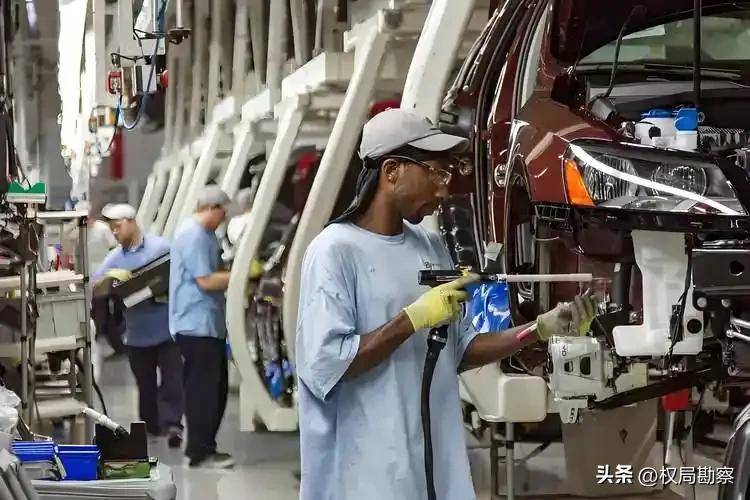
美国制造业创新低,特朗普的“救命方案”曝光,反而坑了自己
Sou Hu Cai Jing· 2025-12-07 13:43
Core Viewpoint - The continuous decline in the U.S. manufacturing sector, as indicated by the PMI, reflects deeper contradictions in its industrial policy amidst a sluggish global economic recovery [1][4][31] Group 1: Manufacturing Sector Performance - The November manufacturing PMI fell from 48.7 in October to 48.2, below the market expectation of 49, indicating a significant acceleration in contraction [5] - The PMI has remained below the critical threshold of 50 for nine consecutive months, suggesting that the weakness in U.S. manufacturing is not a short-term fluctuation [5] - Among the five sub-indices that make up the PMI, four key indicators—new orders, employment, and inventory—are in contraction territory, indicating pressure across the entire manufacturing chain [7] Group 2: Industry Challenges - Only four out of numerous surveyed industries reported growth, while eleven industries are in contraction, highlighting a general decline in industry sentiment [9] - High-value-added sectors like chips, aircraft, engines, and automobiles, which traditionally have strong resilience, are facing erosion of their advantages due to declining orders and rising raw material prices [11] - The uncertainty stemming from current tariff policies is seen as a significant factor affecting market confidence, more so than the tariffs themselves [14] Group 3: Tariff Policy Implications - The ongoing tariff pressures, initiated by the Trump administration, are viewed as a core factor in the manufacturing sector's struggles [12] - Tariff measures have led to increased raw material costs and have disrupted global supply chains, which are critical for U.S. high-end manufacturing [18] - The U.S. government is reportedly preparing alternative tariff strategies, which may still face legal challenges, indicating ongoing instability in trade policy [23][25] Group 4: Future Outlook - The manufacturing sector's revival is contingent upon moving away from protectionist policies and re-engaging with a multilateral trade system to create a stable trade environment [31] - The potential consequences of failing to address tariff-related issues could lead to significant financial losses and further complications in international trade agreements [27]

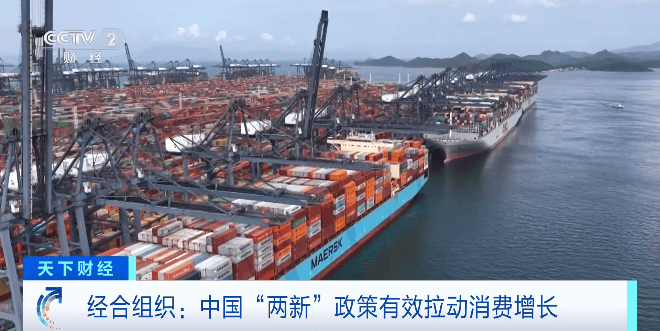
年内第三次上调!经合组织预测2025年中国经济增速达5%
Sou Hu Cai Jing· 2025-12-07 11:42
Group 1 - The OECD has raised its economic growth forecast for China in 2025 to 5%, marking the third upward revision this year [1] - The implementation of large-scale equipment upgrades and a trade-in policy for consumer goods has effectively stimulated consumption growth in China [3] - Key descriptors for China's economy in 2025 include "resilience," "transformation," and "vitality," highlighting strong performance despite external uncertainties [5] Group 2 - Technological innovation is driving transformative changes across various industries, leading to new vitality in the economy [7] - The strong performance of Chinese exports, which grew nearly 7% in the third quarter, has exceeded expectations, showcasing resilience in the face of external uncertainties [11] - The adaptability of enterprises and supply chains is crucial, with a continued diversification of export destinations and an increase in high-quality product exports [13]
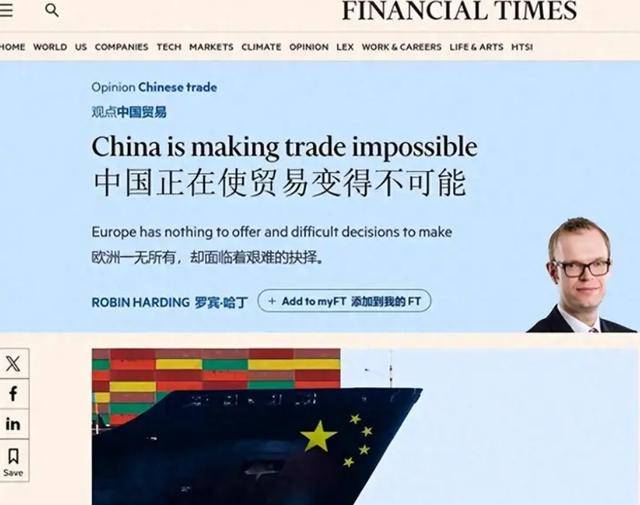
欧洲急了:中国什么都想自己造,欧洲快被逼得没活路了!
Sou Hu Cai Jing· 2025-12-07 09:48
Core Perspective - The article highlights a significant shift in China's role in the global economy, transitioning from a major consumer of foreign goods to a self-sufficient manufacturing powerhouse, raising concerns in Europe about the future of trade dynamics [1][10][20]. Group 1: China's Economic Transition - China is no longer reliant on external markets for goods, focusing instead on self-manufacturing and innovation, which has led to a decrease in imports from Europe [1][3][20]. - The demand for traditional imports like soybeans and iron ore remains, but the competitive advantage of European products is diminishing due to supply chain shifts towards countries like Australia and Brazil [3][5]. - The rise of domestic high-end brands in China indicates a shift in consumer preferences towards value and local aesthetics, reducing the market for European luxury goods [5][15]. Group 2: European Concerns - European analysts express anxiety over China's reduced purchasing power, fearing that the traditional balance of trade, where China manufactured products for Europe to sell, is being disrupted [10][12]. - The article suggests that Europe faces two choices: undertake comprehensive reforms to enhance competitiveness or resort to protectionist measures, both of which carry significant risks [14][22]. - The expectation from Europe that China will stimulate its consumer market to support European exports reflects a misunderstanding of China's current strategic priorities [14][22]. Group 3: Strategic Autonomy - China's strategy emphasizes self-sufficiency in critical technologies and manufacturing capabilities, driven by past experiences with supply chain disruptions [9][18]. - The shift towards a self-reliant economic model is not a retreat but a proactive approach to redefine global trade dynamics, where China will dictate terms rather than merely respond to external demands [20][22]. - The article posits that the future of global trade will favor those who actively shape their market presence rather than those who passively wait for orders [22].
A股策略周报20251207:新的变化正在到来-20251207
SINOLINK SECURITIES· 2025-12-07 09:24
Group 1: A-shares and Commodity Markets - The A-share market is experiencing a significant reduction in trading volume, with the average turnover rate dropping to the lowest level since July 2023, indicating a cooling in market activity [3][15] - In contrast, commodity markets, particularly metals like silver and copper, are witnessing strong price increases due to historically low inventory levels, which reflect the industry's adaptation to a relatively stable policy environment [3][18] - The recent surge in commodity prices is attributed to the low inventory situation and the potential for new demand driven by emerging industries and policy changes, challenging traditional static supply-demand pricing perspectives [3][18] Group 2: Financial Market Changes - Recent changes in the financial market include a reduction in risk factors for insurance companies and discussions about expanding capital space and leverage limits for brokerages, which may lead to increased market liquidity [4][32] - Historical data suggests that past relaxations of risk factors and leverage policies have resulted in positive market performance, with non-bank financial institutions outperforming the overall A-share market [4][32] Group 3: Domestic Economic Fundamentals - There are positive signs in the domestic economy, particularly in exports, with the November manufacturing PMI showing significant improvement in new export orders, indicating a potential rebound in China's export growth [5][33] - The recovery in external demand is supported by rising export growth rates in South Korea and increased container throughput at major Chinese ports, suggesting a broader recovery in global trade [5][33] Group 4: Global Economic Outlook - The expectation of a shift to a looser global liquidity environment as the Federal Reserve enters a rate-cutting cycle is anticipated to boost foreign direct investment (FDI) and global trade demand [6][36] - Emerging markets, particularly in Africa and ASEAN, are beginning to see increased FDI inflows, which are expected to contribute to China's export growth [5][36][37] Group 5: Interest Rate Expectations - Recent dovish comments from Federal Reserve officials have led to a rise in December rate cut expectations, although the employment market remains a critical concern, with recent data showing a decline in job numbers [6][52][60] - The market is currently pricing in a higher likelihood of rate cuts in 2026 compared to previous forecasts, indicating a more optimistic outlook for monetary policy adjustments [6][57]
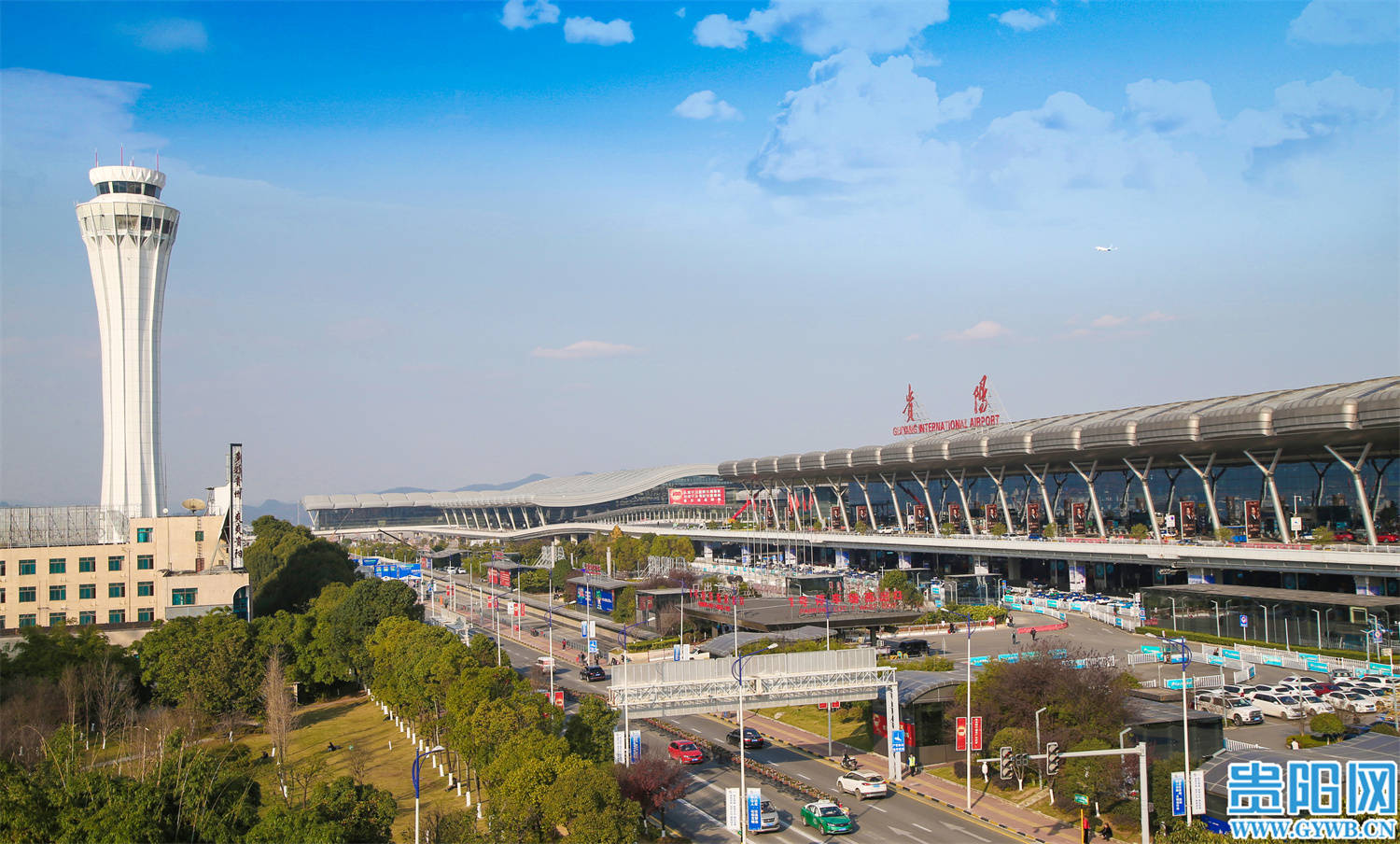
贵阳经贸伙伴遍布全球200余个国家和地区
Sou Hu Cai Jing· 2025-12-07 06:52
Core Viewpoint - Guiyang has successfully implemented its "14th Five-Year Plan" by focusing on building an inland open economy, enhancing trade and economic cooperation, and promoting high-quality development through a robust open economy strategy [1] Group 1: Economic Expansion - Over the past five years, Guiyang has expanded its overseas markets, establishing trade partnerships with over 200 countries and regions globally [2] - The city has achieved an average annual trade growth of 37.3% with Belt and Road and RCEP member countries, and 27.1%, 21.2%, and 49.4% with Southeast Asia, South Asia, and Central Asia respectively [2] Group 2: Infrastructure Development - Guiyang has extended cross-border transport channels, becoming a key link between Southwest China and Southeast Asia [3] - The city has established a "road-rail-air" trade transport system, with the international land port completed by the end of 2022, and has transported 33,900 TEUs of goods to date [3] Group 3: Platform and Industry Growth - The city has enhanced its open innovation platforms, with the foreign trade import-export volume from the "1+5" national-level platforms increasing from 43.4% in 2021 to 68.8% in 2024 [4] - Guiyang has developed a comprehensive port system and established the first comprehensive bonded international land port in the country, achieving significant growth in the export of used cars [4] Group 4: Market and Business Development - Guiyang has seen a significant increase in market entities, with 809 new foreign trade enterprises established, including 143 with over 100 million yuan in performance [6] - The city has also attracted 424 new foreign investment enterprises, with a notable increase in advanced manufacturing and high-tech industries [6] Group 5: Trade and Service Innovation - Guiyang has diversified its trade models, leading in cross-border e-commerce and achieving a "Bonded+" business import-export volume of 17.57 billion yuan in 2024 [7] - The city has actively engaged in service trade, particularly in digital technology and cultural sectors, and has been recognized as a national pilot for service trade innovation [7]
↑5%,韧性、活力!经合组织今年内第三次上调对中国经济预测
Yang Shi Wang· 2025-12-07 06:30
央视网消息:日前,经济合作与发展组织发布了最新的经济展望报告,其中,对2025年中国经济增速预测继续上调到5%,这是 经合组织今年内第三次上调对中国的经济预测。对于2025年中国经济呈现出的特点,多位国际机构的驻华负责人都表示,中国经济呈 现出了韧性、转型和活力,中国仍然是全球增长的关键贡献者。 中国"两新"政策有效拉动消费增长 经合组织驻华代表海博表示,今年中国加力扩围实施大规模设备更新和消费品以旧换新政策,这有效拉动了消费增长,出口和支 撑出口的制造业也表现强劲。 经济合作与发展组织驻华代表 海博:如果我要用三个关键词来描述2025年的中国经济,我肯定会说"韧性"、"转型"和"活力",不 管外部环境如何,中国经济表现良好,工业和产业结构加速转型,技术升级快速推进。 技术创新驱动产业变革迸发新活力 他表示,2025年,受技术创新的驱动,不少产业经历了颠覆性的变革,迸发出新的活力。低空经济等新兴领域的最新成果让他印 象深刻。 经济合作与发展组织驻华代表 海博:在武汉的汽车展览会上,我看到了电动飞行器。我觉得这真的很酷,它展示了技术的未 来,但它不仅仅是存在于纸面的技术,它实际上可能很快就会进入商业运营。 超四 ...
