宠物

Search documents
助力杭州宠物经济更好发展
Mei Ri Shang Bao· 2026-01-11 22:30
Group 1 - The establishment of the Hangzhou Zheli Pet Economy Research Institute marks a significant step in the exploration of the pet economy in Hangzhou, which is set to become a key player in the industry by 2025 [1] - Zhejiang Province has prioritized the development of the pet economy since 2024, with the provincial agricultural and rural affairs department leading the formulation of relevant promotion opinions [1] - Hangzhou has over 20,000 pet-related businesses, including several listed companies like Tianyuan Pet and Petty Animal Nutrition, creating a robust industrial ecosystem [1] Group 2 - The research institute aims to provide intellectual support for government decision-making, facilitate innovation for enterprises, and promote civilized pet ownership [2] - A pet service professional committee was established in collaboration with the Zhejiang Service Industry Association to enhance resource integration [2] - The institute plans to invest 50 million yuan to develop pet super products and provide digital empowerment services for pet enterprises, addressing key concerns such as traffic, branding, and digital transformation [2]
当Aesop也推出宠物沐浴露
FBeauty未来迹· 2026-01-10 11:04
Core Insights - The pet beauty market is evolving, driven by the emotional connection between pets and their owners, leading to a significant market size of over 100 billion [3] - By 2024, the pet care market in China is projected to reach $13.2 billion, with the cleaning and beauty segment holding a major share [5] - The market is characterized by high repurchase rates and resilience against economic cycles, as evidenced by double-digit growth in financial reports from companies like Zhongchong Co. and Guai Bao Pet [3] Market Dynamics - The pet beauty sector is witnessing a competitive landscape with participation from international beauty giants and local biotech firms, each leveraging their unique strengths [4] - The convergence of two consumer trends is fueling the rise of pet beauty products: the migration of beauty standards from human to pet products and the shift in pet ownership from functional to emotional companionship [5] Key Players and Strategies - International beauty brands like Kiehl's and Aesop are extending their product lines to include pet care, focusing on high-end consumers and emotional connections [6][8] - Fast-moving consumer goods (FMCG) companies like Unilever and Lion are treating pet care as a new growth category, emphasizing professional and scalable operations [11] - Local companies are repurposing existing technologies for pet products, with brands like Huaxi Biotech and Chaoyun Group launching innovative offerings [14] Product Innovation Trends - The evolution of pet beauty products mirrors that of human beauty, transitioning from basic cleaning to functional and emotional value [19] - Innovations are focusing on systemic solutions for specific pet care challenges, such as odor elimination and allergen management, reflecting a deeper understanding of consumer needs [21] - The introduction of high-end pet grooming products, such as those incorporating hyaluronic acid, showcases the trend towards premiumization in the pet beauty market [25] Emotional Value and Consumer Engagement - The emotional value of pet products is becoming increasingly important, with brands like Dolce & Gabbana and Paw Scent creating products that resonate with consumers on a deeper level [25][28] - Brands are also engaging in community-building initiatives, such as charity projects and experiential marketing, to foster emotional connections with consumers [30][32] - The future of the pet beauty market will depend on brands' ability to understand and address the nuanced emotional needs of pet owners [33]


整个社会都在喊没钱了,为什么这些公司反而年赚百亿?
创业家· 2026-01-10 10:18
Core Insights - The article emphasizes that despite the prevailing narrative of economic hardship, certain industries are thriving and generating substantial profits, particularly in Japan and China [3][4]. - It identifies eight key sectors that are capitalizing on changing consumer behaviors and preferences, suggesting that a low-desire society does not equate to a lack of opportunities [4][5]. Group 1: Key Industries - **Second-Hand Economy**: The second-hand luxury market in Japan, exemplified by companies like Daikokuya, has seen significant revenue growth. In China, platforms like Hongbulin and Panghu are experiencing similar success [6][7][8]. - **Pet Economy**: With a decline in birth rates, spending on pets has surged. Companies like Inaba in Japan and Guobao in China are benefiting from this trend, with various pet brands seeing continuous sales growth [12][13][14][15][16]. - **Adult Care**: The adult diaper market in Japan has surpassed $10 billion, indicating that aging populations can create substantial economic opportunities rather than being a burden [17][18][19]. - **Health Food and Beverages**: The rise in health consciousness has led to increased demand for products like sugar-free tea and functional beverages in both Japan and China, reflecting a broader trend in post-pandemic consumer behavior [21][22]. Group 2: Emerging Consumer Trends - **Beauty Economy**: Despite economic constraints, spending on beauty products like collagen supplements remains high, with brands like Weimei and U like achieving significant sales [23][24][25][26]. - **Outdoor Recreation**: Companies in the outdoor equipment sector, such as Snow Peak in Japan and various Chinese brands, are thriving as consumers seek outdoor experiences [29][30][31][32]. - **Convenience Economy**: The demand for convenience products, such as frozen foods and smart home appliances, is rising as younger generations prioritize time-saving solutions [39][40][42]. - **Lazy Economy**: The trend towards convenience is evident in the growth of products that save time, indicating that in a low-desire economy, time-saving may be more valuable than cost-saving [42][43][44].

年货经济暖透新年:年轻人“即时悦己”、宠物吃上年夜饭
Bei Ke Cai Jing· 2026-01-10 06:25
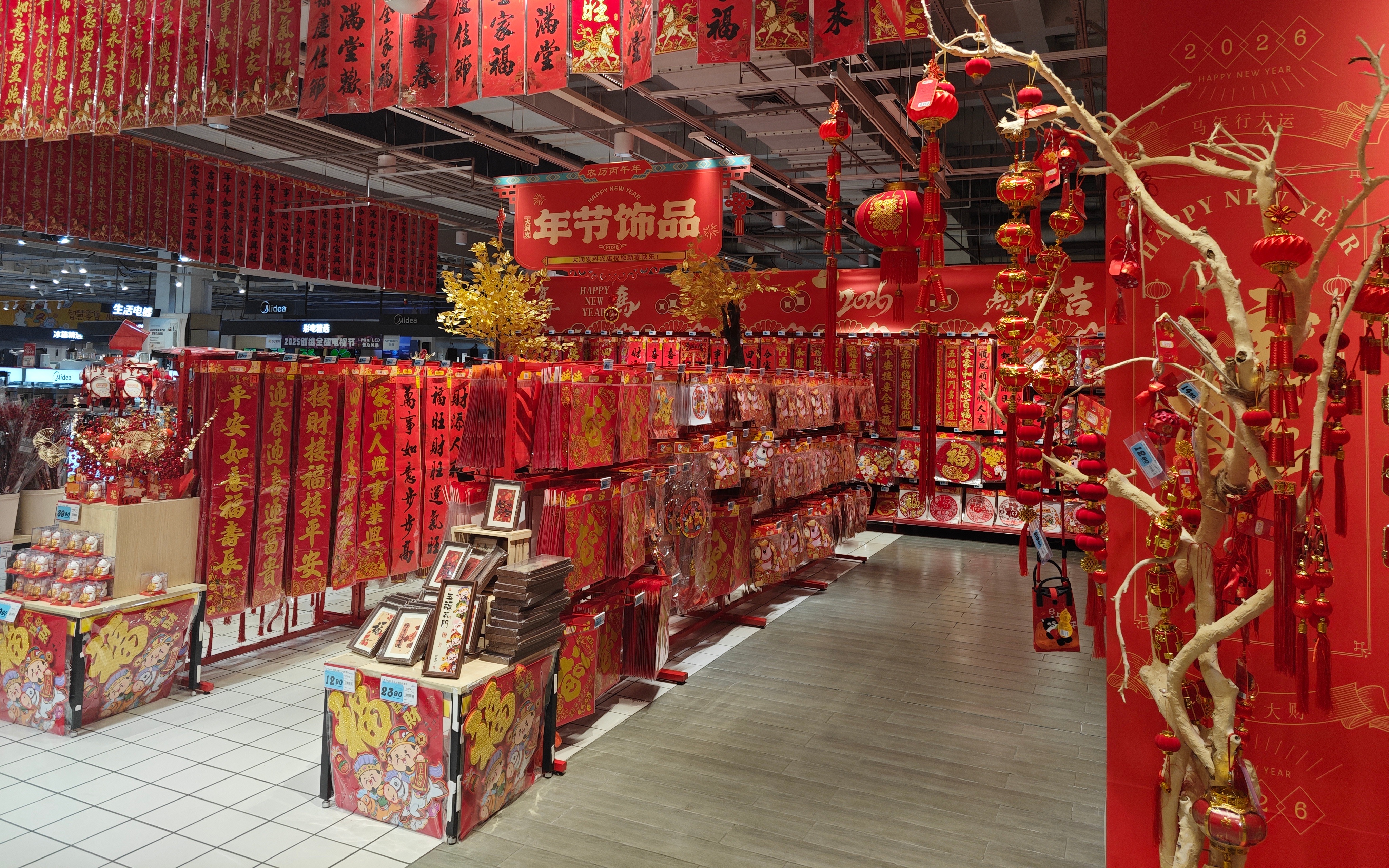
Group 1 - The Ministry of Commerce is implementing a special action to boost consumption, organizing various activities such as the Spring Festival Consumption Season and online New Year goods festivals to drive consumption through a combination of policies and events [1] - The New Year goods market is showing new characteristics this year, with younger consumers becoming the main force, shifting from bulk purchasing for families to more personalized and immediate satisfaction [2][4] - The concept of "inventory goods" has evolved into everyday choices, with the pet economy emerging as a new consumption hotspot, and upgraded instant delivery services making it possible to shop for New Year goods anytime and anywhere [3] Group 2 - The Taobao Flash Sale New Year Festival data reflects this trend, with over 75 million imported cherries sold and over 10 million Dandong strawberries sold, indicating a shift in New Year consumption logic from material reserves to emotional satisfaction and social investment [5] - Offline supermarkets are adapting to this trend, with retailers like RT-Mart launching New Year goods promotions and creating festive atmospheres in stores to enhance customer experience [9][21] - The pet economy is becoming an essential part of New Year consumption, with products like pet New Year dinners and smart feeders gaining popularity, reflecting the growing status of pets in families [10][14] Group 3 - Instant delivery services are a core driver of the shift from bulk purchasing to immediate satisfaction, with platforms enhancing logistics capabilities to offer same-day and even hourly delivery options [16][19] - JD Logistics has introduced the industry's first "AI New Year Map" to predict demand accurately, ensuring efficient distribution and timely delivery of New Year goods [19] - The introduction of government subsidies for replacing old consumer goods has stimulated consumer enthusiasm, with significant financial incentives for purchasing new digital and home appliances [20][21]
市场规模达3126亿 宠物经济跨界融合掀热潮
Xin Lang Cai Jing· 2026-01-09 20:47
Core Insights - The pet industry in China is experiencing rapid growth and structural upgrades, with key themes including "human-pet friendliness," "full integration," and "value deepening" [1][3] - The pet exhibition market is booming, with events like the Asia Pet Expo and the Great Wall Pet Expo becoming significant industry indicators [2][3] - The pet consumption market is projected to reach 312.6 billion yuan in 2025, with a growth rate of 4.1% compared to 2024, and is expected to reach 405 billion yuan by 2028 [1] Industry Trends - The pet industry is undergoing a profound transformation characterized by boundary-breaking and elevation, with technology as a core driver and policy support providing unprecedented strategic opportunities [3] - The 2025 Asia Pet Expo highlights trends such as the integration of smart technology, refined feeding practices, and a new phase of brand building driven by emotional and value-based connections [2][3] - The industry is witnessing a new wave of expansion, with companies like Biedan Pet and Zhongchong Co. ramping up production, and external capital entering the market [4][5] Market Dynamics - The competition in the pet industry is intensifying, leading to a decline in the number of pet stores and their revenue, indicating a correction phase within the pet economy [6] - The pet consumption landscape is evolving, with a shift from basic feeding to fulfilling emotional and high-quality living needs for pets, leading to new service offerings and retail experiences [7][8] - The concept of "human-pet friendliness" is becoming a commercial infrastructure, influencing travel, hospitality, and social spaces, thereby enhancing consumer experiences [8] Future Outlook - The pet industry is expected to see breakthroughs in 2026, focusing on specialized consumer needs, professional nutrition, and continuous innovation in consumption scenarios [9]
2026年第一波消费潮:“爱你老己”引爆悦己消费
Sou Hu Cai Jing· 2026-01-07 12:36
Group 1 - The core concept of the article is the rapid growth of China's emotional consumption market, which is shifting consumer focus from basic needs to high-quality, emotionally fulfilling purchases, termed "self-love consumption" [2][4] - The emotional consumption market in China is projected to grow from 16.3 trillion yuan in 2022 to 23.1 trillion yuan in 2024, reaching 27.2 trillion yuan by 2025, and is expected to exceed 45 trillion yuan by 2029 [2] - The pet economy is highlighted as a significant segment of the emotional consumption market, with a projected market size of 300 billion yuan in 2024, expected to surpass 811.4 billion yuan by 2025, where pet food accounts for 52.8% and pet medical services for 28% [5][6] Group 2 - The rise of emotional consumption is evident in various sectors, including fitness and travel, where consumers are increasingly seeking experiences that provide emotional satisfaction rather than just material goods [4][6] - Traditional consumer goods, such as liquor, are undergoing transformation to align with the "self-love economy," focusing on personal taste and emotional value rather than just price and brand [7][8] - The market is shifting from mass consumption to fragmented and diversified demands, necessitating brands to cater to specific niche markets rather than a one-size-fits-all approach [8][9]
2025消费IPO真相:熬够16.5年,才配敲钟
Sou Hu Cai Jing· 2026-01-07 10:54
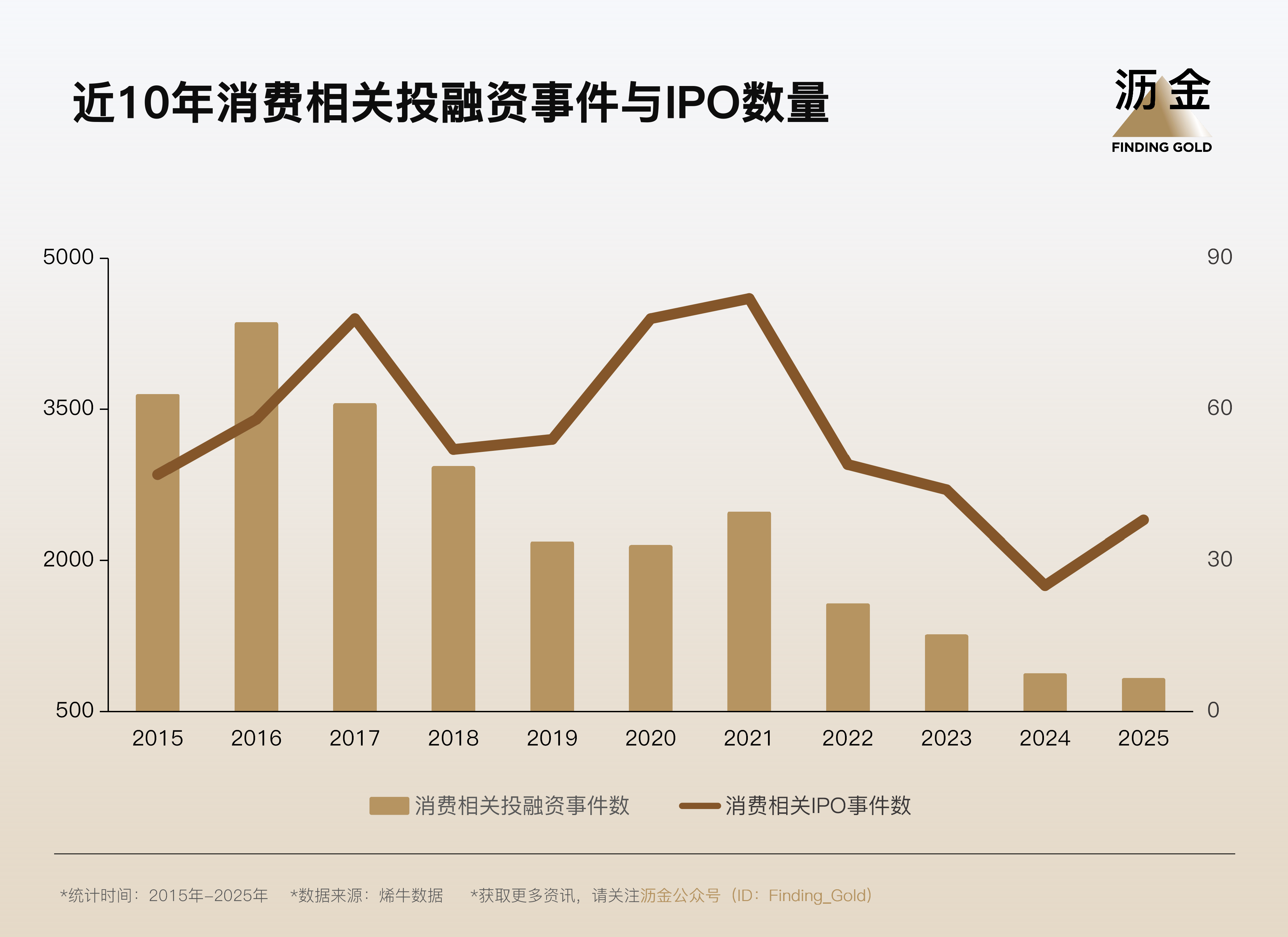
Group 1 - The consumer investment landscape in China has drastically changed, with the number of financing events dropping from 4,345 in 2016 to just 812 in 2025, indicating a cleansing of over 80% of false demands and PPT projects [4] - The number of IPOs is rebounding, increasing from 25 in 2024 to 38 in 2025, signaling a shift where the primary market is purging excess while the secondary market is identifying valuable opportunities [4] - The average age of companies going public in 2025 is 16.5 years, highlighting that only those with extensive industry experience and stable supply chains are able to secure IPOs [4][5] Group 2 - Investment is increasingly directed towards companies with high barriers to entry and essential needs, such as hard-tech consumer products, rather than purely marketing-driven DTC brands [5] - The pet industry is emerging as a significant sector, attracting investment in areas like pet CT and vaccine development, indicating a shift in consumer spending patterns [5] - Global expansion is a key trend, with 20% of funded projects having international attributes, emphasizing the importance of leveraging China's supply chain advantages in global markets [5][6] Group 3 - The current market environment favors companies with factories, technology, and overseas channels, which are considered scarce assets [6] - The era of relying on capital to sustain operations is over, and a focus on profitability from day one is essential for survival [5][6] - The lengthy wait for IPOs has filtered out truly valuable companies, marking a transition to an era that rewards craftsmanship, scientific innovation, and long-term thinking [7]
南农晨读 | 粉了
Nan Fang Nong Cun Bao· 2026-01-07 01:31
Group 1 - The article discusses the rise of grassroots football in China, highlighting the achievements of a local team in Yongzhou, which emphasizes that the true rewards are friendship and passion rather than material gains [3][4][5] - The article reflects on the importance of community and emotional connections in sports, suggesting that these elements are more valuable than resources or calculations [4][5] Group 2 - The Guangdong Seed Industry Expo is set to take place, focusing on high-value cherry tomato varieties and aiming to boost the local agricultural sector [8][10][12] - The event will feature a competition for cherry tomatoes, aligning with market demands and promoting sustainable agricultural practices in the region [11][12] Group 3 - The Chinese pet industry is projected to reach a market size of 811.4 billion yuan by 2025, with a year-on-year growth of 15.7%, indicating a significant shift towards high-quality development [15][30] - The report highlights advancements in policy, capital investment, and technology that are driving the pet industry towards a more robust growth trajectory [16][30] Group 4 - The "Chao Tian Jiao 6" pepper variety has been recognized as a key recommended variety at the Guangdong Seed Industry Expo, showcasing the collaborative innovation in agricultural research [34][36][37] - This recognition underscores the strength of the "industry-university-research" collaboration in advancing agricultural breeding in the region [36][37] Group 5 - The article mentions the successful inclusion of "Xingning Green Tea" in the national list of quality agricultural products, marking a significant milestone for the brand and its market expansion [50][52][53] - This achievement reflects the growing recognition of local agricultural products and their potential in broader markets [52][53]

“它经济”业态多元化 深圳去年零售市场供应亮点纷呈
Zheng Quan Shi Bao Wang· 2026-01-06 12:00
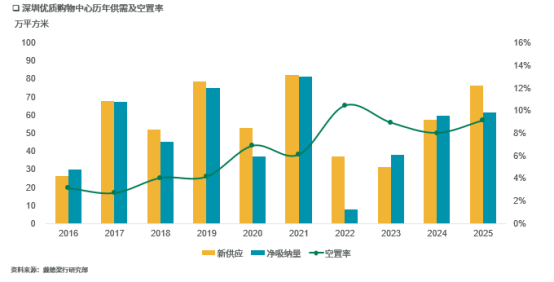
Group 1 - The "pet economy" is rapidly growing, with increasing consumer spending and diversification of pet-related services in shopping centers [1][2] - In 2025, Shenzhen will see the opening of several high-quality shopping centers, contributing to a total supply of 793.7 million square meters, with a net absorption of 61.3 million square meters [2][3] - The retail landscape in Shenzhen is evolving, with a notable increase in the proportion of dining and lifestyle services, while the pet economy is expanding into new product categories [2][3] Group 2 - The competitive environment is driving shopping center owners to introduce flagship stores to differentiate themselves, supported by policies and the growth of the tech industry [3] - The inbound tourism market in Shenzhen is growing, benefiting from an increase in visa-free countries, which is expected to boost high-end retail and tourism-related consumption [3] - The average rent for premium office buildings in Shenzhen has decreased by 10.7% to 697.1 yuan per square meter, reflecting market pressures [3][8] Group 3 - The office market is facing challenges due to economic uncertainties, with a net absorption of 26.4 million square meters in Shenzhen, which is less than half of the new supply [6][8] - The demand for office space is being driven by the TMT sector, particularly in AI and emerging consumer electronics, which are becoming significant sources of leasing demand [8][9] - Future supply of premium office buildings in Shenzhen is projected to exceed 500 million square meters over the next four years, indicating a competitive landscape [9]
宠物坐月子、拍写真:年轻人养宠,是真爱吗?
3 6 Ke· 2026-01-06 08:08
Core Viewpoint - The pet industry in China is experiencing significant growth, driven by changing consumer attitudes among younger generations who prioritize high-quality care and luxury products for their pets [19][32][37]. Group 1: Demographics and Spending Trends - The primary pet owners in China are predominantly from the "80s" and "90s" generations, with 90s owners making up 46.6% in 2023 [1]. - Young pet owners are willing to spend significantly on their pets, with monthly expenses for food and care reaching thousands of yuan [1][3]. - The pet food market is the largest expenditure category, followed by health care, with premium ingredients like shrimp and salmon being common in pet diets [9][10]. Group 2: Market Growth and Economic Factors - The pet economy in China reached a scale of 592.8 billion yuan in 2023, growing by 20.1% year-on-year [32]. - The pet medical market is also expanding, with a compound annual growth rate of 29.5% from 2017 to 2022, reaching 46.7 billion yuan in 2022 [35]. - The number of pet hospitals in China has surpassed 30,000, indicating a robust infrastructure supporting the pet care industry [36]. Group 3: Consumer Behavior and Psychological Factors - Young pet owners often exhibit emotional spending behaviors, seeking to provide the best for their pets as a reflection of their own values and experiences [19][25][28]. - The rise of social media has led to pets becoming social status symbols, influencing spending on luxury items and services [26][28]. - Economic factors, such as rising GDP, correlate with increased spending on pet care, as seen in the growth of the pet industry following China's GDP surpassing 8,000 USD [29][31]. Group 4: Future Trends and Market Potential - The pet ownership rate in China has increased from 11% in 2010 to 32% in 2023, indicating significant market potential for further growth [32][38]. - The aging population and increasing number of single-person households are expected to drive demand for pet ownership and related services [48][53]. - The trend of "pet humanization" is becoming more pronounced, with pets increasingly viewed as family members, which is likely to sustain market growth [46][54].