农业

Search documents
农产品早报-20251021
Yong An Qi Huo· 2025-10-21 00:45
| 玉米/淀粉 | | 玉米 | | | | | 淀粉 | | | --- | --- | --- | --- | --- | --- | --- | --- | --- | | 日期 长春 | 锦州 潍坊 | 蛇口 | 基差 | 贸易利润 | 进口盈亏 黑龙江 | 潍坊 | 基差 | 加工利润 | | 2025/10/14 1970 | 2080 2120 | 2310 | -13 | 90 216 | 2750 | 2800 | 270 | 120 | | 2025/10/15 1970 | 2080 2120 | 2310 | -21 | 90 247 | 2700 | 2800 | 254 | 120 | | 2025/10/16 1970 | 2080 2120 | 2310 | -31 | 90 202 | 2700 | 2800 | 279 | 110 | | 2025/10/17 1970 | 2080 2120 | 2310 | -37 | 90 203 | 2700 | 2800 | 281 | - | | 2025/10/20 2020 | 2100 2140 | 2310 | -38 ...
中信期货晨报:国内商品期货涨多跌少,贵金属板块调整-20251021
Zhong Xin Qi Huo· 2025-10-21 00:34
1. Report Industry Investment Rating There is no information provided in the report regarding the industry investment rating. 2. Core Viewpoints of the Report - In the overseas macro - aspect, the current volatility level is in a low - lying stage, and the "bad news is good news" logic may be nearing its end. The internal fluctuation energy in the US is being accumulated and may rise periodically. In the domestic macro - aspect, the September economic and financial data showed relative resilience, and policy expectations were further strengthened, which may support low - valued domestic assets in the fourth quarter. - Next week, there is a risk of increased volatility in global major assets. Overseas, the catalytic elasticity of government shutdown and data vacuum on interest - rate cut expectations has decreased, and the marginal support for risk assets may decline. In China, policy changes may lead to a rebound in low - valued domestic commodity assets [7]. 3. Summary According to Relevant Catalogs 3.1 Financial Market - **Stock Index Futures**: The CSI 300 futures closed at 4506.8 with a daily increase of 0.48%, the SSE 50 futures at 2970.4 with a daily increase of 0.25%, the CSI 500 futures at 6909.2 with a daily increase of 0.67%, and the CSI 1000 futures at 7059.2 with a daily increase of 1.15%. - **Treasury Bond Futures**: The 2 - year treasury bond futures closed at 102.334 with a daily decrease of 0.04%, the 5 - year at 105.655 with a daily decrease of 0.12%, the 10 - year at 108.11 with a daily decrease of 0.07%, and the 30 - year at 115.3 with a daily decrease of 0.49%. - **Foreign Exchange**: The central parity rate of the US dollar was 7.0973, up 24 pips. - **Interest Rates**: The 10Y Chinese treasury bond yield was 1.82%, down 1.6 bp, and the 10Y US treasury bond yield was 4.02%, up 3 bp [4]. 3.2 Popular Industry - **Electronics**: The index was 11821, with a daily increase of 2.01% and an annual increase of 51.00%. - **Power Equipment and New Energy**: The index was 11404, with a daily increase of 2.68% and an annual increase of 35.68%. - **Consumer Services**: The index was 6859, with a daily increase of 0.08% and an annual increase of 7.30% [4]. 3.3 Overseas Commodities - **Energy**: NYMEX WTI crude oil closed at 57.25, up 0.53% daily; ICE Brent crude oil at 61.34, up 0.52% daily. - **Precious Metals**: COMEX gold closed at 4267.9, down 1.76% daily; COMEX silver at 50.625, down 5.25% daily. - **Non - ferrous Metals**: LME copper closed at 2778.5, down 0.63% daily; LME zinc at 2942.5, down 0.86% daily [4]. 3.4 Domestic Main Commodities - **Gold**: The price was 970.32, down 2.95% daily and up 57.11% annually. - **Silver**: The price was 11742, up 7.55% daily and up 15.74% annually. - **Coke**: The price was 2.03% higher daily and 5.36% higher weekly [5]. 3.5 Viewpoint Highlights - **Finance**: Stock index futures are expected to rise in a volatile manner due to technology - event - catalyzed active growth styles; stock index options are expected to fluctuate; treasury bond futures are expected to fluctuate [8]. - **Precious Metals**: Gold and silver are expected to rise in a volatile manner due to the restart of the US interest - rate cut cycle in September [8]. - **Shipping**: The container shipping route to Europe is expected to fluctuate as the peak season fades in the third quarter [8]. - **Black Building Materials**: Steel products, iron ore, coke, and other varieties are expected to fluctuate, with different influencing factors for each [8]. - **Non - ferrous Metals and New Materials**: Most base metals are expected to fluctuate, waiting for the clarity of macro - policies [8]. - **Energy and Chemicals**: Most energy and chemical products are expected to decline or fluctuate, affected by factors such as supply and demand, cost, and macro - policies [10]. - **Agriculture**: Agricultural products show a differentiated trend, with most expected to fluctuate, and some like sugar and pulp expected to decline in a volatile manner [10].
回望“十四五”| 数说“十四五” ESG笔墨绘就企业发展新底色
Zhong Guo Zheng Quan Bao· 2025-10-21 00:27
Group 1: ESG Reporting and Development - The disclosure rate of ESG reports among A-share listed companies has increased significantly, with 2,521 companies publishing reports for the 2024 fiscal year, representing 46.83% of all listed companies, marking a 71% increase from 2021 [2] - The quality of ESG development has improved, with 342 companies in the Shanghai Stock Exchange included in MSCI ESG ratings, and 100 companies receiving upgrades in their ratings [2] - ESG has evolved from a conceptual framework to a key dimension for measuring corporate competitiveness, aligning with national development goals for green growth and harmony with nature [2][4] Group 2: Green Energy and Low-Carbon Initiatives - The share of renewable energy in power generation capacity has risen from 40% to approximately 60% during the "14th Five-Year Plan" period, with nearly 60% of new power generation coming from non-fossil energy sources [6] - A zero-carbon intelligent manufacturing base in Jiangsu has been established, generating over 600 million kWh of clean electricity annually and achieving net-zero emissions [5] - Significant reductions in energy consumption per unit of GDP have been achieved, with an 11.6% decrease over four years, equating to a reduction of 1.1 billion tons of CO2 emissions [6] Group 3: Corporate Social Responsibility and Community Engagement - A majority of listed companies are actively engaging in community services and educational support, with 67.16% involved in community service and 66.67% providing educational assistance [8] - The third industry has seen an increase in employment capacity, with 35.866 million people employed by the end of 2024, marking a 1.1 percentage point increase in its share of total employment [8] - Significant progress has been made in housing projects, with over 240,000 urban old residential areas renovated, benefiting over 40 million households [9] Group 4: Agricultural and Rural Development - Companies are integrating ESG practices with rural revitalization strategies, with over 6,000 enterprises supporting poverty alleviation efforts [12] - The contribution rate of agricultural technology has reached 63.2%, with over 75% of crop farming being mechanized by the end of 2024 [12] - Initiatives like the "MAP modern agricultural assistance model" have helped increase agricultural output and income for farmers [12]

数字游民“链”上乡村,无锡鸿山以产业链党建激活农文旅融合新动能
Xin Hua Ri Bao· 2025-10-20 23:42
Core Viewpoint - The Wuxi Hongshan Tourism Resort is implementing the "Hongshan Warm Village Digital Nomad Village" project as a pilot to integrate party building with the agricultural, cultural, and tourism industry chain, providing a replicable model for rural revitalization in the new era [1] Group 1: Organizational Development - The Hongshan Tourism Resort has established a comprehensive party building network by incorporating party organizations from various units along the agricultural, cultural, and tourism industry chain [2] - The project emphasizes a collaborative community involving street party committees, branch interactions, and active participation from party members and the public [2] - A "Red Chain Think Tank" has been formed, and partnerships with four universities have been established to promote industry-academia-research collaboration [2] Group 2: Digital Empowerment - The project aims to create a "digital + rural" industrial ecosystem, integrating ecological, factor, and service chains [3] - Modern service infrastructure projects, such as drone delivery networks and zero-carbon village technologies, are being implemented to digitize public services in rural areas [3] - A platform for talent, projects, and capital has attracted over 30 creative leaders and young talents, focusing on e-commerce, intangible cultural heritage digitization, and smart agriculture [3] Group 3: Talent and Industry Synergy - The initiative promotes a model of "party building to attract talent, using talent to boost industry, and leveraging industry for rural development" [4] - A "Digital Nomad Circle" has been established to create a livable and workable environment, attracting talents from digital industries and cultural tourism [4] - The project has facilitated five industry-academia-research cooperation projects and incubated three rural specialty brands, enhancing innovation and entrepreneurship in rural areas [4]
韩公布新一批创新经济先导项目
Ke Ji Ri Bao· 2025-10-20 23:42
Group 1 - The South Korean government has announced new innovation economy pilot projects, focusing on smart agriculture, smart fisheries, ultra-high-resolution satellite utilization, AI bio-ecosystem establishment, and K-beauty integrated cluster creation [1][2] - In smart agriculture, the government aims to increase the adoption rate from 16% in 2024 to 35% by 2030, with an investment of 70.5 billion KRW in the national agricultural module platform and an additional 50 billion KRW for a smart farm comprehensive fund [1] - For smart fisheries, the government plans to raise the penetration rate from 2.7% this year to 10% by 2030, designating one smart fisheries innovation pilot area and establishing a testing platform [1] Group 2 - In the satellite sector, the government is promoting the development of core technologies for ultra-high-resolution optical satellites and creating AI-based climate prediction models [1] - In the bio sector, the government plans to create an ecosystem that connects AI biotechnology accumulation, talent cultivation, and industrial expansion to better utilize existing medical data and biotechnological research capabilities [2] - The government also plans to allocate 3 billion KRW by 2026 to develop a K-beauty integrated cluster that combines experience, tourism, and industry [3]
引导宅基地在县域范围内优化配置
Xin Hua Ri Bao· 2025-10-20 21:49
Core Viewpoint - The reform of the homestead system is aimed at optimizing the allocation of urban and rural factors, supporting comprehensive rural revitalization, and promoting urbanization centered around county towns [1] Group 1: Homestead Rights and Management - The confirmation of homestead rights solidifies the foundation for urban-rural factor allocation by granting farmers exclusive rights to occupy, use, and benefit from their homesteads, enhancing the liquidity and financing potential of these assets [1] - A comprehensive management information system for rural homesteads has been established, achieving a 100% certification rate for "one household, one homestead" in Wujin District [1] Group 2: Compensation and Urban-Rural Integration - The voluntary and compensated homestead exit mechanism breaks down the dual land system barriers, facilitating the transition from inefficient land use to more intensive and efficient utilization [2] - Diverse compensation mechanisms support the urbanization of agricultural migrants, creating pathways for population concentration and land savings within counties [2] Group 3: Activation of Homestead Assets - Utilizing idle rural houses through leasing, equity participation, and cooperation enhances the value of homestead assets, increasing farmers' income and asset appreciation expectations [3] - The integration of ecological agriculture and tourism in Wujin District demonstrates the potential for increased income, with participating farmers earning between 13,000 to 26,000 yuan annually from dividends [3] Group 4: Rural Development and Infrastructure - The reform of the homestead system is a cornerstone for building beautiful villages and promoting the integration of urban and rural resources [4] - Initiatives in Liyang City focus on optimizing village layouts and improving infrastructure, which supports the development of local industries such as tea production and rural tourism, thereby attracting talent back to rural areas [4]
大兴全域发展新质生产力
Bei Jing Ri Bao Ke Hu Duan· 2025-10-20 21:07
Core Insights - Daxing District is focusing on developing six major industries, including air transport economy, biomedicine, future energy, digital economy, commercial aerospace, and agricultural technology [1][2] - The district has established a comprehensive industrial development blueprint, referred to as "6+5+3," which includes six industrial functional zones, five industry clusters, and three new development areas [2] - Daxing has successfully launched over 1,000 high-quality projects this year, leading the city in the number of enterprises migrating from outside and significant projects worth over 100 million [2] Industrial Development - The six industrial functional zones include Daxing Airport Economic Zone, Daxing Biomedicine Industrial Base, Beijing Digital Economy Demonstration Zone, International Hydrogen Energy Demonstration Zone, Beijing-Japan Innovation Cooperation Demonstration Zone, and Beijing Commercial Aerospace Industrial Base [2] - The five industry clusters consist of Huiju Business Technology Cluster, National New Media Industrial Base, Niantan International Financial Business District, Southern Beijing Logistics Base, and Southern Beijing Agricultural and Forestry Technology Park [2] - The three new development areas are Garden City Yongding Bay, Daxing International Tourism Resort, and Industrial Collaborative Development Demonstration Zone [2] Economic Impact - Daxing Airport has facilitated nearly 200 million passengers and over 1.5 million flights in six years, with the economic zone attracting 8,401 market entities, including 375 foreign enterprises [2][3] - The International Exhibition Consumption Hub, covering 7.8 square kilometers, is expected to attract over 100 billion yuan in total investment, linking Daxing Airport with the Daxing International Cultural Tourism Resort [3] Agricultural and Technological Integration - Daxing is known for its agricultural output, with the establishment of the Caiyu Digital Fashion Town aimed at integrating digital technology with the fashion industry [3] - The district is also developing the Panggezhuang Watermelon Town, focusing on modern agricultural technology and the pet economy, with 85 partnerships already established [3] Urban Development - The Garden City Yongding Bay will feature a diverse transportation network, with plans for rapid access to Daxing Airport and the central city [5] - The area will have a green space per capita of 22 square meters, with multiple parks enhancing urban greenery [5] - Educational and medical resources are being enhanced, with new schools and hospitals planned to support the growing population [5]


美国资本收割是真,中美对抗是假,中国是唯一打破美国收割的国家
Sou Hu Cai Jing· 2025-10-20 16:20
中美这事儿,很多人一上来就觉得是两个大国在掰手腕,国家之间你死我活的较量。可这表面上的对抗,真的就那么简单吗?其实藏在背后的,是美国那些 大资本家们在玩收割的把戏。中国正好成了他们眼里的钉子,因为中国不光没被收割干净,还反过来打破了他们的老套路,成为全球唯一一个真正顶住这种 压力的国家。 这事说到底,国家对抗是幌子,资本收割是核心。中国不光防住了,还反过来影响全球格局。美元霸权不是铁板一块,中国举措让更多国家看到出路。未 来,美国资本还会试新招,但中国已不是当年那个容易被套的国家。 中国加入世界贸易组织签字仪 SIGNING CEREMONY ON CHINA'S ACCESSION TO THE 美国资本收割全球的手段,早不是什么新鲜事儿。从二战后开始,美国靠着美元霸权,成了世界老大。美元是国际贸易的通用货币,美国印钞就能买全球的 东西,其他国家得辛辛苦苦出口换美元。这套体系,让美国资本家们坐享其成,通过美联储操控利率,制造经济周期,高点卖出,低点买入,收割别国的财 富。东南亚金融危机、俄罗斯解体后那阵子,都是活生生的例子。美国资本放贷出去,等到经济泡沫破裂,就低价抄底资产。 现在轮到中国了,中美贸易额20 ...
美媒急眼:别惹中国!稀土之后医药原料再成王牌,直击美国命门!
Sou Hu Cai Jing· 2025-10-20 15:11
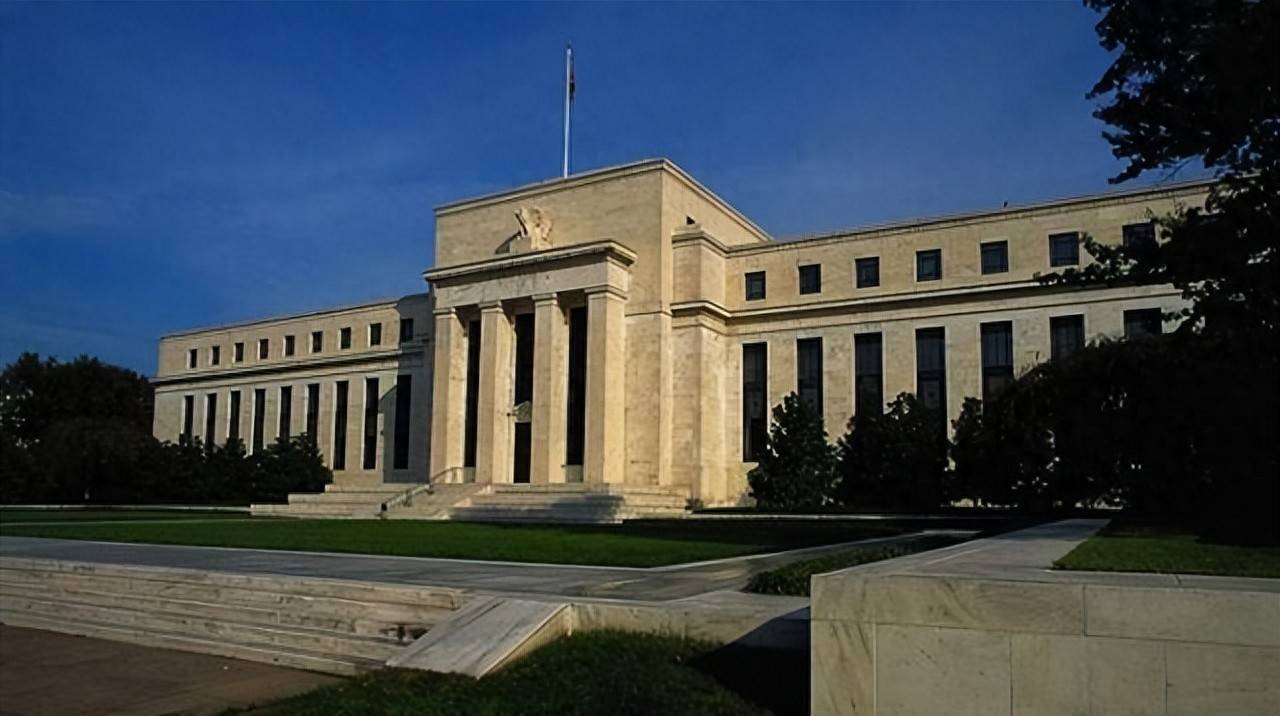
Group 1 - The article discusses the impact of U.S. tariffs on China, highlighting that these measures are increasingly ineffective and may harm the U.S. itself [1] - China has tightened its export controls on rare earth elements, which are crucial for various industries, including high-tech and military, putting pressure on the U.S. [3] - Following Trump's announcement of new tariffs, the U.S. stock market reacted negatively, indicating the potential economic repercussions of such policies [5] Group 2 - A report from The New York Times reveals that nearly half of the raw materials for over 700 imported drugs in the U.S. come from China, emphasizing the dependency of the U.S. pharmaceutical industry on Chinese supplies [7] - If China were to impose similar restrictions on pharmaceutical raw materials as it did with rare earths, it could severely disrupt the U.S. drug industry [9] - The U.S. pharmaceutical sector has largely outsourced raw material production to countries like China due to high domestic production costs, which are significantly higher than those in China [11] Group 3 - The instability of Indian pharmaceutical products makes U.S. companies prefer sourcing from China, despite the potential for increased costs due to tariffs [13] - The U.S. government has previously delayed imposing tariffs on pharmaceuticals due to backlash from domestic drug companies concerned about rising drug prices [15] - The article highlights the critical nature of certain drugs, such as "cisplatin," which are essential for cancer treatment, underscoring the potential health risks associated with supply disruptions [15] Group 4 - The ongoing trade tensions have led to a situation where U.S. companies face significant challenges, as China's countermeasures target key sectors like technology and agriculture [17] - The article suggests that the U.S. government's attempts to impose tariffs have resulted in a complex situation where both sides experience pain, but the impact on U.S. consumers and businesses is more immediate [19] - Ultimately, the article argues that the trade conflict may necessitate a return to negotiations, as tariffs alone cannot resolve the underlying issues [19]
特朗普对印度下“关税通牒”:再买俄油,等着交50%的高额关税!印度482亿出口要凉?
Sou Hu Cai Jing· 2025-10-20 14:26
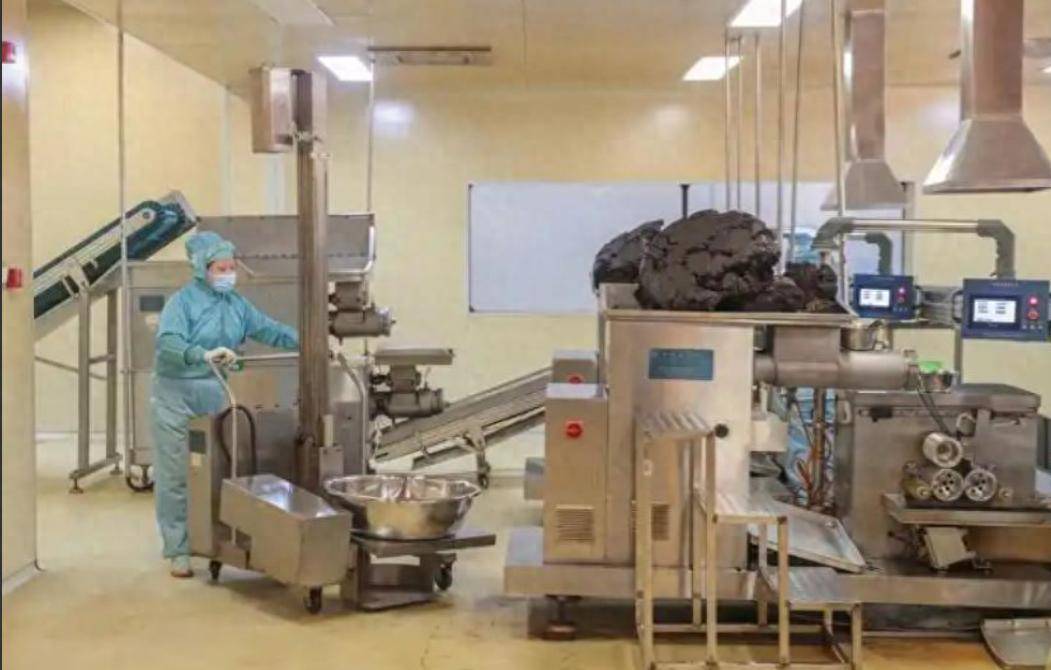
Core Viewpoint - Trump has issued a "tariff ultimatum" to India, threatening hefty fines if India continues to purchase Russian oil, which could escalate tensions between the US and India and disrupt global trade [1][8]. Group 1: Tariff Actions - Trump has already imposed tariffs on India three times, starting with a 25% tariff on goods exported to the US in late July, followed by an additional 25% tariff due to India's oil purchases from Russia, raising the total tariff rate to 50% [3]. - The tariffs could impact India's $48.2 billion export revenue, especially considering the projected $128.8 billion total trade volume between India and the US for 2024 [3]. Group 2: Geopolitical Implications - The situation reflects a larger geopolitical struggle, where the US seeks market access while India aims to protect its agricultural sector, which supports 60% of its population [5]. - The US is pressuring India to choose sides, as India benefits from purchasing Russian oil at lower prices while also wanting to enhance its international standing through relations with the US [5]. Group 3: Future Outlook - The likely outcome of this conflict is a "fight without breaking," where India may publicly resist US pressure while quietly seeking negotiation space by reducing tariffs on US products like bourbon whiskey [6]. - The US may not fully sever ties with India, as losing India would weaken its "Indo-Pacific strategy," suggesting that the situation may result in targeted industry actions rather than a complete fallout [6].