
能源

Search documents
马年春节假日盘点·生产篇丨赶订单、保供应、抓安全——春节假期企业持续生产扫描
Xin Lang Cai Jing· 2026-02-23 16:33
Group 1 - Many companies across China continued production during the Spring Festival, with over 260 enterprises in Ningbo and more than 280 industrial companies in Luoyang maintaining operations, reflecting a commitment to supply and order fulfillment [1][2] - Sichuan Zhou Hei Ya Food Co., Ltd. implemented a shift system to ensure continuous production of over 50,000 vacuum-packed products daily, supporting supply to various regions [2] - Zhejiang Hengcheng Hard Alloy Co., Ltd. reported a 230% year-on-year increase in production value in January, with over 100 employees working during the holiday to meet high demand from overseas clients [3] Group 2 - Safety measures were emphasized during the holiday period, with companies like Guangxi Sun Paper Industry Co., Ltd. conducting thorough safety inspections and requiring strict approval for hazardous operations [4] - The State Council's Work Safety Committee issued guidelines to enhance safety production efforts, focusing on risk prevention in industries such as fireworks and chemicals [4] - In Gansu, the Lanzhou New District Project Construction Center coordinated support for companies, ensuring 24-hour service for raw material transport and workforce needs [5]
美国关税被判违法,有利A股开门红?美伊局势才是A股关键胜负手
Sou Hu Cai Jing· 2026-02-23 05:10
Group 1 - The core focus of the capital market post-Spring Festival is whether A-shares will be influenced by changes in US tariff policies, with a conclusion that such impacts can be largely ignored [1][3] - The Trump administration's tariffs on Chinese goods, including a 20% additional tariff, were recently affected by a Supreme Court ruling that deemed them invalid, leading to a temporary 15% tariff being imposed instead, resulting in a net reduction of 5% in actual tariff rates [3][5] - The initiation of the Section 301 investigation by the US Trade Representative aims to solidify tariff outcomes through a legal process, indicating a strategic approach to counteract the Supreme Court's ruling [5] Group 2 - Chinese enterprises have developed robust risk-hedging mechanisms over years of trade friction, reducing reliance on the US market and enhancing their resilience against minor tariff fluctuations [7] - The capital market's response to the tariff changes is expected to be stable, as the "information vacuum" during the Spring Festival allowed investors to assess the situation, minimizing the likelihood of significant market volatility [7] - The geopolitical situation in the Middle East poses a greater risk to A-shares than tariff fluctuations, with potential military conflicts affecting global oil prices and consequently impacting China's energy costs and related industries [9][11] Group 3 - Investors are faced with two strategic choices: to reduce holdings in anticipation of inevitable conflict or to hold onto stocks, believing in diplomatic resolutions to benefit from market gains [11] - The decision-making logic of the Trump administration regarding military deployments in the Middle East suggests a complex interplay of costs and expected strategic benefits, adding uncertainty to the geopolitical landscape [11] - Overall, the A-share market is expected to exhibit characteristics of "no disturbance from tariffs, dominated by geopolitical factors," with a need for investors to closely monitor Middle Eastern developments [13]

开市必读|2026年春节假期行情综述及节后行情展望
Xin Lang Cai Jing· 2026-02-23 04:33
Group 1: Financial Derivatives - The overall macro environment is optimistic, with low inflation data stimulating interest rate cut expectations, leading to increased liquidity and risk appetite in the markets [1][2] - U.S. and Iran negotiations are ongoing, with tensions remaining due to unresolved nuclear issues, while U.S.-Russia-Ukraine talks are gradually cooling down [1] - Recommendations include a cautious approach post-holiday, suggesting to observe market movements before making significant investments [1] Group 2: Precious Metals - During the Spring Festival, precious metals experienced significant volatility, initially declining before rebounding due to U.S. GDP growth data falling short of expectations [2][3] - The announcement of new tariffs by Trump on global imports has raised concerns about trade conflicts and economic downturns, increasing demand for safe-haven assets like gold and silver [2] - Silver saw a notable increase of nearly 8% in a single day, indicating strong market reactions to geopolitical developments [2] Group 3: Shipping Index (European Route) - Shipping rates on the European route remained stable during the holiday, with no new positions taken by major shipping companies [3] - The overall sentiment in the market is positive due to a rise in commodity prices, although the shipping rates are expected to face downward pressure in the coming months due to seasonal demand fluctuations [3] Group 4: Non-Ferrous Metals - Copper prices fluctuated between $12,500 and $13,100 per ton during the holiday, influenced by weak domestic demand and rising inventories [4] - Aluminum prices increased by approximately 1.34% during the holiday, with inventory levels in China expected to reach a five-year high post-holiday, potentially pressuring prices [5] - Zinc prices remained stable, with expectations of a slight rebound in processing fees as domestic mines resume production [6] Group 5: Energy and Chemicals - Oil prices rose over 5% during the holiday due to geopolitical tensions, with U.S. crude oil inventories decreasing unexpectedly [16] - PX prices increased by $25 per ton, driven by higher oil prices and strong demand from the polyester sector, although overall supply and demand are expected to weaken in the first quarter [17][18] - Ethylene glycol prices are anticipated to face downward pressure due to high port inventories, despite expectations of improved demand in the second quarter [19] Group 6: Agricultural Products - U.S. soybean prices fluctuated, influenced by trade expectations and supply concerns from Argentina, with a slight overall increase of about 1.67% [35] - Palm oil prices rose by approximately 1.89% during the holiday, but are expected to face downward pressure as the traditional demand season approaches [36] - Corn prices are expected to remain stable post-holiday, with supply pressures from increased market activity and demand from deep processing enterprises [37]

哪些板块会成为马年的资产配置“黑马”? | 策马点金
Qi Huo Ri Bao· 2026-02-23 00:04
Group 1 - The core viewpoint is that the domestic market has entered a re-inflation trading phase since 2024, driven by macroeconomic policies and changes in the Federal Reserve's monetary policy, leading to a re-evaluation of asset values in the Greater China region [3] - The market is expected to see a strong performance in the stock market, particularly in the technology sector, while the commodity market is experiencing a strong performance in the metals sector [3] - Two clear directions for the market in the upcoming year include the continued positive environment for domestic assets due to the appreciation of the RMB and a likely rebalancing process in the market as financial assets see significant price increases [3] Group 2 - The energy sector is identified as a potential "dark horse" for asset allocation in the upcoming year, with the possibility of a market shift driven by geopolitical developments [5] - The agricultural products sector is also highlighted, as its low valuation and correlation with the energy sector may provide opportunities for growth, especially in light of potential geopolitical tensions affecting food prices [6] - The black metal sector may see a breakthrough if domestic economic policies shift towards expanding domestic demand, potentially revitalizing the real estate and construction industries [6] Group 3 - Recommendations for high-net-worth traders include diversifying their asset allocation to manage risk while capitalizing on market trends, while ordinary traders are advised to avoid high-risk positions and focus on assets with a safety margin [7]
春节期间的关注点:国内高频数据消费有所回暖,美国国内博弈更加关税不确定性,全球资本市场股市多数上涨,油价攀升金银修复
Sou Hu Cai Jing· 2026-02-22 23:49
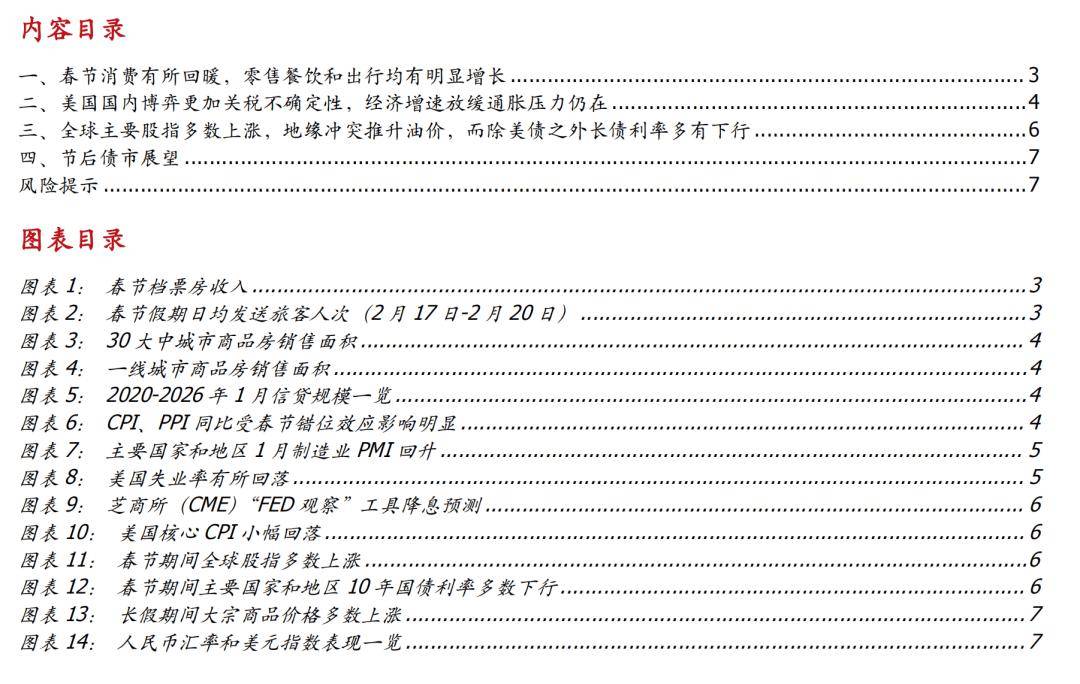
Group 1: Domestic High-Frequency Data - Retail and catering sales showed a significant increase, with average daily sales during the first four days of the Spring Festival rising by 8.6% compared to the same period in 2025, up from a 5.4% increase in the previous year [2][10] - Travel activity also increased, with an average daily passenger volume of 30.99 million during the Spring Festival, representing a 10.9% increase from 2025. Railway travel increased by 13.3% to 11.44 million, while civil aviation travel rose by 8.9% to 2.46 million [2][10] - Box office revenue for the Spring Festival was low, with an estimated total of around 6 billion yuan, which is below the levels of the past three years and similar to 2022 [2][10] - Real estate transactions were low during the Spring Festival, with average daily sales in 30 major cities at seasonal lows, making the data less relevant for broader analysis [2][10] Group 2: Overseas Macro Environment - The U.S. is experiencing increased uncertainty regarding tariffs due to internal conflicts between judicial and executive branches, with a recent Supreme Court ruling declaring many tariffs imposed by the previous administration as legally invalid [3][25] - Economic growth in the U.S. has slowed, with Q4 GDP rising by only 1.4%, significantly lower than the 4.4% growth in Q3, influenced by government shutdowns and reduced consumer spending [4][25] - Inflation pressures remain, with the core PCE price index rising to 3.0% year-on-year in December 2025, up from 2.8%, which may complicate future interest rate decisions by the Federal Reserve [4][25] Group 3: Global Capital Markets - Most global stock indices rose during the Spring Festival, with the South Korean market leading with a 3.09% increase. The U.S. stock market also saw slight gains, with the Nasdaq up 1.51% and the S&P 500 up 1.07% [5][34] - Oil prices increased by 5.7% due to geopolitical tensions, while gold and silver prices recovered, with silver rising by 5.6% and gold by 0.7% during the same period [5][40] - Bond yields in major economies mostly declined, with the 10-year U.S. Treasury yield slightly rising to 4.08%, while other regions like Germany and France saw decreases in long-term bond yields [5][38] Group 4: Post-Festival Bond Market Outlook - The bond market is expected to continue strengthening post-festival, supported by a weak economic backdrop and low financing demand, which provides overall protection for the bond market [6][43] - Seasonal declines in funding demand and limited impact from central bank liquidity withdrawal are anticipated, maintaining a loose monetary environment [6][43] - The low positions of trading institutions and the continued allocation by investment institutions driven by lower costs and declining yields from other assets are expected to stabilize the market [6][43]
特朗普遭背刺,向全球宣布一件与中国有关大事,中方:日本没资格
Sou Hu Cai Jing· 2026-02-22 15:37
Group 1: U.S. Trade Policy and Economic Impact - The U.S. Supreme Court ruled on February 20 that tariffs imposed by the President under the Emergency Economic Powers Act exceeded his authority, with a 6-3 vote against these measures, necessitating a shift in trade strategy from the White House [1] - Following the ruling, the White House signed a new executive order to impose additional tariffs on global imports, referencing the Trade Act of 1974, with initial rates later mentioned at higher levels to maintain trade balance [1] - The U.S. Department of Commerce reported that economic growth for Q4 2025 was below previous expectations, with significant job losses in manufacturing, indicating pressure from trade policy adjustments and rising corporate costs [3] Group 2: Japan's Defense and Economic Strategy - Japan's government approved a record-high defense budget for FY2026, focusing on missile development and modernization of military capabilities to address regional security challenges [3][6] - As part of a trade agreement, Japan committed to injecting substantial funds into strategic industries in the U.S. by 2029, with initial projects selected in energy infrastructure and critical minerals [5] - The agreement was a result of negotiations where Japan agreed to lower automotive tariffs in exchange for investment opportunities, although Japan now faces risks of tariff reinstatement following the U.S. court ruling [5] Group 3: U.S.-China Agricultural Trade Relations - The White House announced a state visit to China from March 31 to April 2, aimed at discussing agricultural trade cooperation, particularly for U.S. exports like soybeans and corn, in response to domestic agricultural product inventory issues [3][5] - The visit is expected to focus on collaboration opportunities to avoid escalating trade tensions, emphasizing dialogue to resolve differences and promote mutually beneficial trade [5]
俄媒:美国最高法院驳回美高层的全面关税政策,但这并不能改变既有的关税讹诈
Sou Hu Cai Jing· 2026-02-21 06:41
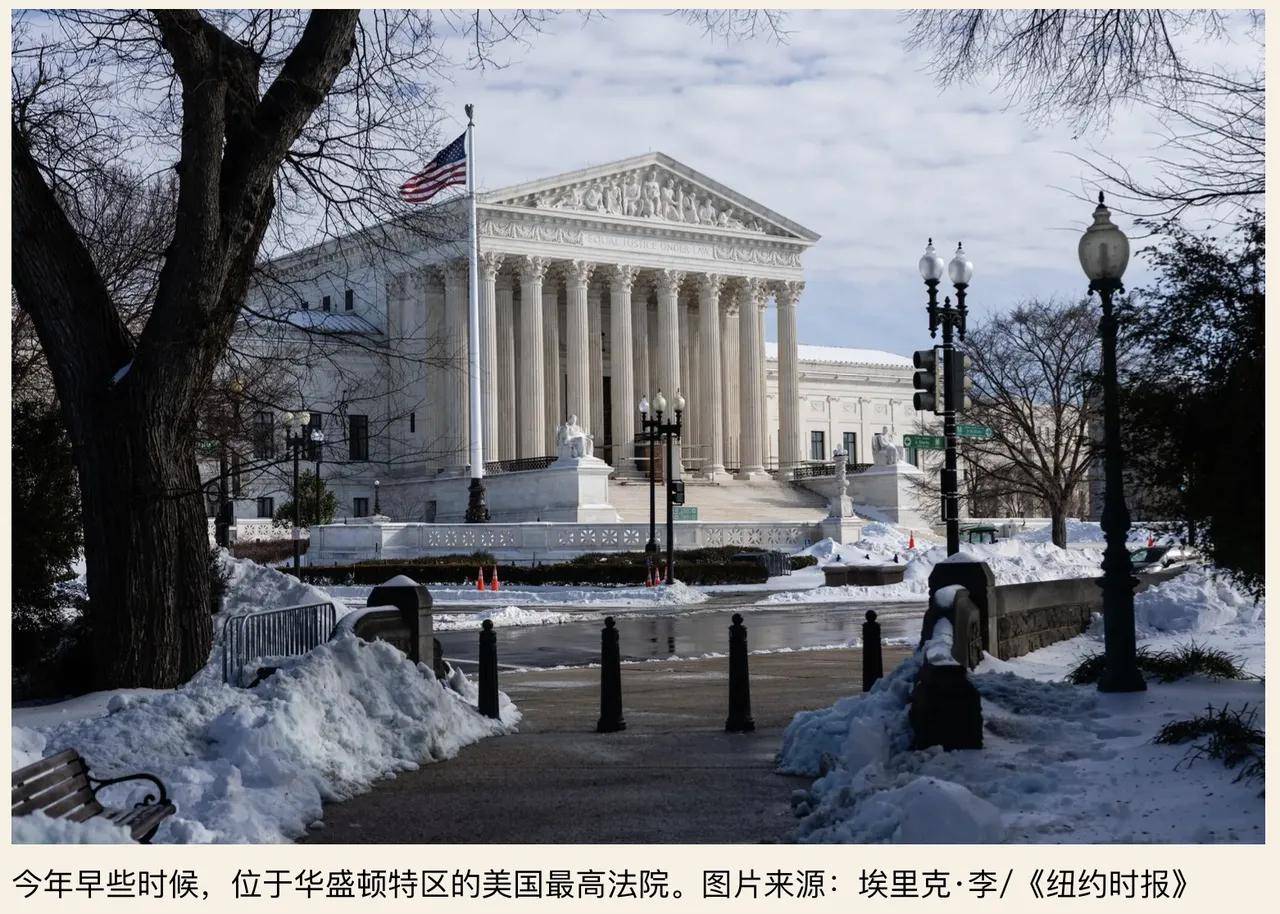
Core Viewpoint - The U.S. Supreme Court recently rejected the comprehensive tariff policy of the U.S. administration with a 6-3 vote, which limits its trade dominance but does not completely eliminate its ability to exert pressure through other means [1] Group 1: Legal and Trade Implications - The ruling does not resolve the core conflicts surrounding tariff disputes, as the U.S. administration can still utilize tools like the Trade Act Amendment 301 and national security clauses for "coercive" negotiations with trade partners [1] - The decision reflects a power imbalance, where the U.S. administration's attempts to reshape global trade order face strong resistance from the judicial system and specific interest groups [3] Group 2: Potential Retaliatory Actions - Following the judicial setback, the U.S. administration is predicted to retaliate against the EU by increasing tariffs on key sectors such as automobiles and agricultural products, or using energy supply as leverage [5] - There are warnings from EU member states regarding the energy crisis and inflation pressures, indicating that extreme measures from the U.S. could lead to a new economic shock in Europe, with some countries potentially facing recession risks [5] Group 3: Broader Context of Trade Relations - The ongoing trade power struggle highlights structural contradictions within Western governance models, where judicial independence becomes a tool in political conflicts and alliances are reduced to mere calculations of interest [10] - The typical characteristics of U.S. internal conflicts may signal a period of turbulence and adjustment for the transatlantic alliance [10]
黄金、白银,大涨!美三大股指全线收涨
Xin Lang Cai Jing· 2026-02-21 04:30
Group 1: Economic Impact - The U.S. Supreme Court ruled that the International Emergency Economic Powers Act does not authorize the president to impose large-scale tariffs, significantly impacting the Trump administration's tariff policy [1] - The U.S. Department of Commerce reported a preliminary economic growth rate of 1.4% for Q4 2025, well below the market expectation of 2.8%, and a growth rate of 2.2% for 2025, down from 2.8% in 2024 [1] Group 2: Stock Market Performance - Despite negative economic data, investors are optimistic about the potential removal of tariff barriers boosting U.S. corporate profits, leading to a collective rise in the three major U.S. stock indices [1] - The Dow Jones increased by 0.47%, the S&P 500 rose by 0.69%, and the Nasdaq gained 0.90% by the end of trading [1] - This week, U.S. stocks rebounded from a previous sell-off in AI and software stocks, with the Dow up 0.25%, the S&P 500 up 1.07%, and the Nasdaq up 1.51% [1] Group 3: Precious Metals Market - The U.S. Supreme Court's ruling may lead to increased federal borrowing, raising concerns about U.S. debt credit and prompting investors to buy gold as a hedge against risk [2] - The latest data showed a 3.0% year-over-year increase in the core Personal Consumption Expenditures (PCE) price index for December, exceeding market expectations, which has raised concerns about stagflation [2] - Gold prices rose significantly, with April delivery gold futures closing at $5,080.90 per ounce, up 1.67%, while silver prices also increased, with March delivery silver futures closing at $82.343 per ounce, up 6.07% [2] Group 4: Technology Sector - Major tech stocks and memory chip stocks rebounded, with Alphabet (Google's parent company) shares rising by 4.01%, driven by optimism regarding its self-developed AI chips and ecosystem [3] - Amazon shares increased by 2.56%, with Morgan Stanley maintaining an "overweight" rating, citing underestimation of AI's impact on its cloud services and retail business [3] - Memory chip manufacturers saw a general rebound, with SanDisk up 4.65% and Micron Technology up 2.59%, as investors bet on increased demand for storage chips due to AI data center construction [3] Group 5: European Market Performance - Recent data showed that Germany and the Eurozone's manufacturing Purchasing Managers' Index (PMI) for February exceeded market expectations, indicating expansion [4] - This improvement in data has enhanced investor risk appetite, leading to a rise in non-essential consumer goods, retail, and technology stocks, resulting in collective gains for European indices [4] - The UK stock market rose by 0.56%, France's market increased by 1.39%, and Germany's market gained 0.87% by the end of trading [4] Group 6: Oil Market Trends - Oil prices showed mixed results, with New York oil prices slightly declining while Brent oil prices experienced a small increase, influenced by geopolitical tensions and economic growth concerns [5] - New York light crude oil futures closed at $66.39 per barrel, down 0.06%, while Brent crude oil futures closed at $71.76 per barrel, up 0.14% [5] - This week, international oil prices rose significantly, with New York oil prices up 5.57% and Brent oil prices up 5.92%, supported by ongoing Middle Eastern geopolitical conflicts and a significant decrease in U.S. commercial crude oil inventories [5]
美国与印尼达成贸易协议 将对印尼征收19%关税
Yang Shi Xin Wen Ke Hu Duan· 2026-02-21 01:03
Core Points - The Trump administration has finalized a reciprocal trade agreement with Indonesia aimed at expanding U.S. market access for goods in manufacturing, agriculture, and the digital economy [1] - Indonesia will eliminate tariffs on over 99% of U.S. export products, while the U.S. will maintain a 19% reciprocal tariff rate on Indonesia, with zero tariffs on certain specific products [1] - The agreement includes approximately $33 billion in commercial cooperation, comprising about $15 billion in U.S. energy procurement, around $13.5 billion in aviation and related products, and over $4.5 billion in U.S. agricultural products [1] - The U.S. trade deficit with Indonesia is projected to be $23.7 billion by 2025, and the agreement is expected to be formally effective after both parties complete their domestic procedures in the coming weeks [1]
印尼 — 美国贸易协定要点一览
Xin Lang Cai Jing· 2026-02-20 11:36
Core Points - Indonesia and the United States have finalized a trade agreement that reduces U.S. tariffs on Indonesian exports from 32% to 19% [1][15] - The agreement aims to address non-tariff barriers that have disadvantaged U.S. exports [1][15] Tariff Reductions and Exemptions - Over 1,800 Indonesian products, including palm oil, coffee, and cocoa, will receive tariff exemptions [2][16] - Indonesia will eliminate tariffs on over 99% of U.S. products entering Indonesia, and both countries have agreed to remove non-tariff barriers [3][17] Key Minerals - Indonesia will lift restrictions on exports of industrial goods, including critical minerals, and enhance cooperation with U.S. companies in mining and processing [4][18] - The agreement ensures that foreign investment facilities will not face capacity overproduction and will be treated equally in terms of taxes and regulations [4][18] Procurement and Investment - Indonesia plans to import goods and services from the U.S. with a total value of up to $38.4 billion, including approximately $15 billion in energy products and $4.5 billion in agricultural products [5][19] - Indonesia is required to import specific agricultural products annually, including beef, certain fruits, rice, and ethanol [6][20] - Indonesia aims to attract at least $10 billion in direct investment from the U.S. for projects in engineering, procurement, construction, and energy development [7][21] Investment Facilitation - The agreement prohibits Indonesia from imposing restrictions on U.S. investors' equity in local companies through mining divestment requirements [8][22] - U.S. investors will be exempt from a regulation requiring natural resource exporters to retain earnings in Indonesia for a certain period, which will be reviewed within 12 months of the agreement's effectiveness [8][22] Digital Trade - Indonesia must communicate with the U.S. before signing any new digital trade agreements that could harm U.S. interests [9][24] - Indonesia is prohibited from imposing discriminatory digital service taxes on U.S. companies and cannot require U.S. digital service providers to support local news agencies through paid licensing or data sharing [10][24] - The country cannot mandate data localization for U.S. digital service providers, although regulatory authorities may access information stored abroad for oversight purposes [11][24] Bioethanol Usage - Indonesia is required to ensure that by 2028, the blending ratio of bioethanol in transportation fuels reaches a maximum of 5% [12][25] - The blending ratio is expected to increase to 10% by 2030, with a goal of reaching up to 20% when conditions allow [23][25] - Indonesia must not implement measures that obstruct U.S. bioethanol imports [25] National Security Coordination - The U.S. must notify Indonesia of any trade restrictions imposed on third countries for economic or national security reasons, and Indonesia will take equivalent measures to align with U.S. policies [13][25] - Indonesia agrees to take action against third-country companies operating within its territory that harm U.S. trade interests [13][25] - Indonesia will establish rules to combat transshipment activities aimed at evading U.S. tariffs [14][25]