外卖

Search documents
外卖平台“三国杀”硝烟四起
Bei Jing Wan Bao· 2025-07-19 05:46
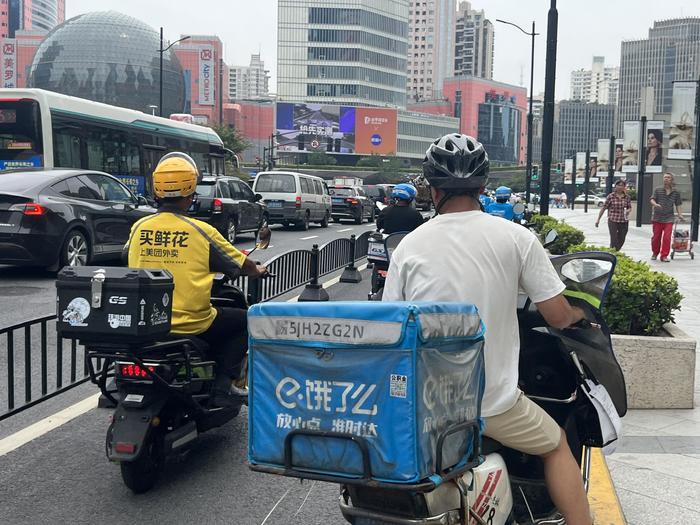
昨天,市场监管总局约谈饿了么、美团、京东三家平台企业,要求进一步规范促销行为,理性参与竞 争。 市场监管总局约谈三家平台企业,要求相关平台企业严格遵守《中华人民共和国电子商务法》《中华人 民共和国反不正当竞争法》《中华人民共和国食品安全法》等法律法规规定,严格落实主体责任,进一 步规范促销行为,理性参与竞争,共同构建消费者、商家、外卖骑手和平台企业等多方共赢的良好生 态,促进餐饮服务行业规范健康持续发展。 最近几个周末,点外卖仿佛成了周末"全民运动"。 据三家平台披露的周末数据,美团单日订单量突破1.5亿单,淘宝闪购达到8000万单,而京东外卖在近 期未公布相关数据,但在"618"活动时透露外卖日订单量突破2500万。这意味着,中国外卖行业的单日 总单量已经从年初的1亿单增长至约2.5亿单。一场围绕中国人餐桌的外卖"三国杀"正硝烟四起。 ■解析 外卖进入 "百亿对决"时代 "战况"升级的节点,可追溯至今年6月30日。当天,阿里确立发起淘宝闪购的百日增长计划,核心策略 是在每周六冲单。 在更早的2月,京东官宣进军外卖市场,0佣金招募商家,就连刘强东都下场送外卖。如今,美团推出0 元券、0.1秒杀等大量补贴活动, ...


市场监管总局要求外卖平台“理性参与竞争”,此前美团多次呼吁拒绝非理性“内卷”
Zhong Guo Jin Rong Xin Xi Wang· 2025-07-19 03:20
Core Viewpoint - The Chinese market regulatory authority has urged major platforms like Ele.me, Meituan, and JD.com to adhere strictly to e-commerce laws and promote rational competition to foster a healthy ecosystem in the food delivery industry [1][2]. Group 1: Regulatory Actions - On July 18, the State Administration for Market Regulation held discussions with Ele.me, Meituan, and JD.com, emphasizing compliance with laws such as the E-commerce Law and the Food Safety Law [1]. - The regulatory body called for these platforms to take responsibility and regulate promotional activities to ensure a win-win situation for consumers, merchants, delivery riders, and platform companies [1]. Group 2: Industry Responses - Meituan's CEO Wang Xing has publicly stated the company's opposition to "involution" in the industry, highlighting that unhealthy competition is unsustainable and detrimental to both platforms and merchants [1]. - Meituan has initiated various measures to combat "involution," including the introduction of a fatigue prevention mechanism for delivery riders and the launch of pension insurance subsidies [2]. Group 3: Market Dynamics - Since April, major players like JD.com and Ele.me have engaged in aggressive subsidy campaigns, with an estimated total of 80 billion yuan in subsidies flooding the food delivery market, leading to peak daily orders of 250 million [2]. - The People's Daily has commented that the ongoing "food delivery war" is essentially a disguised price war, reflecting a struggle for market share in instant retail and e-commerce [2].

监管出手,戳破千亿外卖大战的泡沫
3 6 Ke· 2025-07-19 01:21
Core Insights - The takeaway from the article is that the food delivery industry is experiencing unprecedented growth driven by a massive subsidy war among major players like Alibaba, JD.com, and Meituan, but this growth is largely seen as unsustainable and potentially harmful to the industry in the long run [2][4][6]. Group 1: Market Dynamics - The instant retail market's daily order volume has doubled from 100 million to 250 million since the beginning of the year due to aggressive subsidies [2][3]. - Alibaba and JD.com have announced a combined investment of 80 billion yuan in subsidies, forcing Meituan to participate in the competition [3][4]. - Despite the surge in order volume, Meituan's CEO has indicated that most of this growth is illusory, as it primarily consists of low-value orders driven by subsidies rather than genuine consumer demand [4][16]. Group 2: Regulatory Environment - The State Administration for Market Regulation has called for stricter compliance with e-commerce laws and rational competition among platforms, indicating a shift towards more regulated market practices [4][5][33]. - Recent regulatory discussions have highlighted the need for platforms to focus on fair competition and sustainable practices rather than engaging in destructive price wars [5][34]. Group 3: Financial Implications - The 80 billion yuan investment in subsidies represents 12.5% of the total investment in China's primary market for the year, raising questions about the rationality of such spending in a mature market [8][9][11]. - The food delivery sector has low profit margins, with Meituan's net profit margin hovering around 4%, indicating that the current subsidy-driven growth model is not financially sustainable [12][29]. Group 4: Industry Challenges - The article suggests that the current subsidy war is leading to a zero-sum game where platforms are incurring significant costs without achieving meaningful market share gains [6][20]. - The competition is resulting in unstable customer bases, as users attracted by low prices are less likely to remain loyal to any platform [19][30]. - The ongoing price wars are distorting market prices and negatively impacting the operational stability of restaurants and delivery services [27][28]. Group 5: Future Outlook - The food delivery industry is calling for a return to rational competition, emphasizing the need for improved service quality and a stable ecosystem for all stakeholders involved [25][34]. - As the market matures, the focus is shifting towards enhancing customer experience and ensuring fair compensation for delivery personnel, rather than merely competing on price [26][31].


“外卖大战”已烧掉250亿,谁赚到钱了?
Hu Xiu· 2025-07-19 01:17
Group 1 - The core point of the article is the ongoing fierce competition among major food delivery platforms, particularly highlighted by JD's "Super Takeout Day" on July 18, which involved significant subsidies and promotional activities to attract consumers [2][4][54] - JD launched over 10 billion yuan in subsidies during the "Super Takeout Day," offering limited-time deals such as 16.18 yuan for small crayfish, while other platforms like Meituan and Taobao Flash Sale also provided substantial discounts [7][60] - The competition has led to a dramatic increase in order volumes, with some tea and coffee brands seeing their order share rise from 10%-15% to 25%-50% on major platforms [14][60] Group 2 - The subsidy war has resulted in a significant boost for delivery riders, with some reporting daily earnings exceeding 800 yuan due to the surge in orders, which have increased by 2-3 times compared to normal [9][50] - However, the intense competition has created disparities among merchants, with chain stores benefiting from increased online orders while smaller, offline-focused businesses struggle to maintain profitability [40][41] - The article notes that the ongoing subsidy battle has led to a collective rise in stock prices for upstream supply chain companies, with some experiencing multiple consecutive days of stock price increases [11][36] Group 3 - The article discusses the potential unsustainability of the subsidy war, as platforms are burning through substantial amounts of cash, with a reported total expenditure of 250 billion yuan in July alone [54][57] - Despite the short-term gains in order volume, there are concerns about the long-term viability of such aggressive promotional strategies, as they may not be sustainable for the platforms involved [57][59] - The article concludes with a note on the evolving consumer behavior, as many users who previously rarely ordered takeout are now doing so more frequently due to the attractive subsidies [61][62]
法拉第未来MPV新车首秀,网友实锤抄袭;抖音否认做外卖;宇树科技开启上市辅导;白象多半袋多半桶方便面仍然在售丨邦早报
创业邦· 2025-07-19 00:59
Regulatory Actions - The State Administration for Market Regulation conducted administrative talks with major food delivery platforms, including Ele.me, Meituan, and JD, urging them to comply with relevant laws and regulations to foster a healthy competitive environment in the food service industry [3]. Automotive Industry Developments - Faraday Future launched its first pure electric MPV, the Super One, which is positioned as a high-end model with a target price below $80,000 (approximately 575,000 RMB) [3]. - Li Auto confirmed the launch event for the Li i8 on July 29, 2023, at the Capital International Conference Center, indicating a competitive spirit with Xiaomi [6][7]. - XPeng Motors' CEO, He Xiaopeng, projected a 100-fold growth in AI vehicles over the next decade, emphasizing the shift towards software and AI in the automotive sector [14]. Food and Beverage Sector - Cloudy Seafood was fined 7,000 Singapore dollars (approximately 39,000 RMB) due to a food poisoning incident at ByteDance's Singapore office, leading to the permanent closure of its corporate catering services [8]. E-commerce and Delivery Services - Taobao Flash Sale denied reports of excessive subsidy amounts, clarifying that their promotional activities are structured and do not involve zero-cost purchases [11]. - Recent reports indicated that Meituan and Taobao Flash Sale engaged in a fierce subsidy war, with Meituan offering 300 to 400 million RMB in subsidies and Taobao exceeding 1.2 billion RMB in a single day [17]. Technology and AI Startups - AI startup Anthropic is reportedly planning a new funding round that could value the company at over $100 billion [20]. - The AI chip company Sunrise announced the completion of nearly 1 billion RMB in financing, with participation from several notable investment firms [20]. Market Trends - The China Automobile Manufacturers Association reported that the top ten automotive companies sold a total of 13.159 million vehicles in the first half of 2023, accounting for 84.1% of total sales [28].



外卖大战下的餐饮哀歌
Hu Xiu· 2025-07-18 23:10
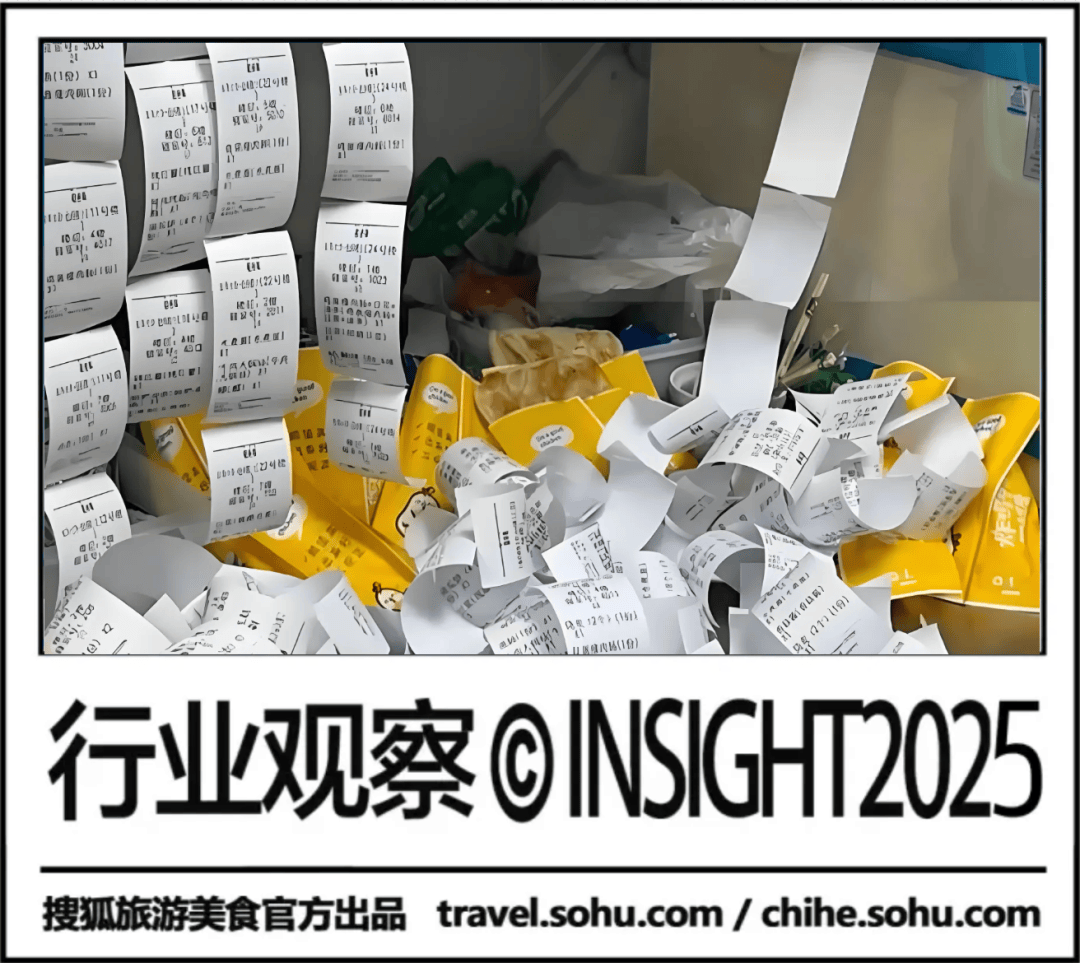
Core Viewpoint - The current critical issue in the restaurant industry is the phenomenon of "increased revenue without increased profit," primarily driven by the recent food delivery wars initiated by internet platforms [1][14][20]. Group 1: Impact on Restaurant Operations - Many restaurant owners are now strictly controlling the proportion of delivery orders, with some setting a threshold of 28% for delivery orders to maintain profitability [1]. - A restaurant founder noted that prior to the delivery wars, their average daily order volume was over 120, with delivery orders accounting for 18%-22%. However, during the peak of the delivery wars, this volume surged to over 200, with delivery and self-pickup orders exceeding 40%, leading to a profit decline of over 12% [1][21]. - The increase in delivery orders has resulted in a significant drop in dine-in customers, which traditionally contribute more to profit margins due to higher average spending [1][14]. Group 2: Cost Pressures - Increased costs are attributed to three main areas: delivery costs, promotional costs, and the need for additional materials and labor due to the surge in orders [2][21]. - The introduction of aggressive promotional activities, such as "0 yuan purchase" campaigns, has severely squeezed the profit margins of many brands, leading to double-digit profit declines despite double-digit revenue growth [2][14]. Group 3: Challenges for Small Businesses - Small and individual restaurants, which heavily rely on dine-in customers, face greater challenges as they are often not equipped to handle the surge in delivery orders and may experience significant customer flow declines [3][19]. - Many small businesses lack the resources and capabilities to participate effectively in platform-driven promotional activities, leading to potential closures if the delivery wars persist [3][19]. - The disparity in operational capabilities means that larger chains can better absorb the pressures of increased order volumes, while smaller establishments struggle to keep up [18][19]. Group 4: Market Dynamics and Future Outlook - The competition among delivery platforms is intensifying, with companies like Ele.me gaining significant market share, particularly in first-tier cities [20]. - The ongoing delivery wars are expected to accelerate the elimination of weaker players in the market, particularly small and medium-sized businesses that cannot adapt quickly to the changing landscape [19][23]. - There is a growing concern that if the delivery wars continue, the overall health of the restaurant industry could be compromised, leading to a higher rate of business failures, particularly among smaller operators [20][21].
华尔街见闻早餐FM-Radio | 2025年7月19日
Hua Er Jie Jian Wen· 2025-07-18 23:01
Market Overview - Trump is pushing for higher tariffs on EU goods, with a potential minimum tariff of 15%-20% on all EU products, affecting up to 70% of imports from certain countries [3][10] - The U.S. consumer inflation expectations have improved, contributing to mixed performance in the stock market, with tech stocks supporting a slight rise in the Nasdaq [2] - The Federal Reserve's Waller supports a rate cut in July, indicating a potential shift in monetary policy [11] Economic Policy and Regulation - The National Committee of the Chinese People's Political Consultative Conference held a meeting to analyze macroeconomic trends and strategize for the "14th Five-Year Plan" [9] - The Ministry of Industry and Information Technology (MIIT) is focusing on phasing out outdated production capacity and promoting digital transformation in key industries [9] - The Chinese government is expected to introduce new policies to stimulate consumption and expand domestic demand [14] Cryptocurrency and Financial Markets - The global cryptocurrency market has surpassed $4 trillion for the first time, with stablecoins being viewed as a tool to enhance the strength of the U.S. dollar [3][13] - Ethereum's spot ETF has seen record inflows, attracting over $7 billion in a single day, indicating strong market interest [21] Company Developments - Nvidia's stock has shown signs of overheating, with analysts cautioning about potential corrections following significant price increases [12] - Barclays has compared Futu to a combination of Robinhood, Coinbase, and Fidelity, highlighting its growth potential in the Asian market [17] - Saab's Q2 earnings exceeded expectations, leading to an upward revision of its annual sales guidance, driven by increased military spending in Europe [23]


克制的淘宝和不能输的美团 外卖大战无赢家
Zhong Guo Jing Ying Bao· 2025-07-18 20:17
中经记者 李立 上海报道 过去两个周末,在大额红包、"0元外卖券"轮番轰炸下,百万骑手、爆单商家,"免费奶茶"快要喝不动 的消费者,有意无意间都参与了史上最激烈的外卖大战。 同时,淘宝闪购尝试开辟"第二战场"。记者独家获悉,淘宝闪购开始在重庆、杭州等区域市场测试"特 价酒店"频道,背后是此前刚整合进淘宝的飞猪团队,但究竟何时全力参战,还要看测试结果、等安 排。 美团、淘宝闪购分别再次刷新单量。截至7月12日,美团即时零售订单量达1.5亿单;淘宝闪购则称"又 火又稳定",日订单再破8000万单,日活用户周环比增长15%。 单量不断冲高背后,形势却在发生变化:爆单商家、借着外卖大战乘风破浪的奶咖品牌都开始显示出不 同程度的焦虑;"烧钱"的平台都在屏息凝视对方的动作。"友商不停,美团也没法停。"一位美团内部人 士对《中国经营报》记者表示。另外一边,"我们这周(7月7日—7月13日)打算休息。"一位淘宝人士 向记者透露。只是谁也不敢真正停下来,就怕对方突然奇袭。 多位业内人士认为,大战还没有看到结束的迹象。"从7月开始,至少打完第三季度(9月)"。据一位接 近阿里巴巴的人士透露。这场战争最有意思的变化在于,美团从当年 ...
规范促销行为!市场监管总局约谈三大平台,促进行业规范健康持续发展
Xin Hua Cai Jing· 2025-07-18 15:49
Group 1 - The market regulator has summoned Ele.me, Meituan, and JD.com to ensure compliance with relevant laws and regulations, aiming for a healthier and more sustainable development in the food delivery industry [1] - Recent social controversies arose from the "0 yuan purchase" promotions by some delivery platforms, highlighting the need for high-quality and healthy industry development [2] - All three platforms have expressed a desire to reduce irrational competition, with Taobao emphasizing merchant profitability, Meituan advocating for rational competition, and JD.com stating it has never engaged in extreme subsidy behaviors like "0 yuan purchase" [3] Group 2 - JD.com reported a significant increase in daily active users from 120-130 million to 169 million after launching its food delivery service, indicating a positive impact on its overall business [3] - The irrational subsidies from delivery platforms are seen as disruptive to the market order, necessitating timely regulatory intervention to promote orderly and rational industry development [3]
外卖大战下,餐饮商家从内卷中觉醒
Sou Hu Cai Jing· 2025-07-18 15:16
Core Viewpoint - The ongoing "takeout war" in China's food delivery industry, characterized by unprecedented subsidy levels, is significantly impacting restaurant operators, leading to unsustainable business practices and financial strain [1][8]. Group 1: Subsidy Impact - Goldman Sachs estimates that Meituan, JD, and Alibaba may spend 25 billion RMB in a single month on subsidies, resulting in extremely low prices for consumers, such as 6.9 RMB for a cup of milk tea and 15 RMB for a meal [1]. - The cost structure for restaurants has become increasingly complex, with merchants often receiving less than 8 RMB from a 14 RMB order, while platforms provide only 3 RMB in subsidies [3][4]. Group 2: Business Operations - Many restaurants are experiencing a significant increase in order volume due to promotional activities, but the profitability of these orders is questionable, with some merchants reporting that they only cover basic ingredient costs [5][6]. - The disparity in order subsidies leads to unpredictable revenue for merchants, complicating cost management and financial forecasting [4][5]. Group 3: Market Dynamics - Platforms like Meituan and JD are using aggressive promotional strategies to attract customers, but this often results in higher costs for merchants, who feel pressured to participate in these activities to maintain visibility [5][6]. - Some merchants are opting out of platform activities altogether, focusing instead on in-store dining to achieve more sustainable business practices [6][7]. Group 4: Industry Reflection - Industry leaders are calling for a reevaluation of the current competitive landscape, emphasizing that the ongoing price war is unsustainable and detrimental to all parties involved [7][8]. - The expectation of low prices among consumers, driven by heavy subsidies, is creating a challenging environment for restaurants, which struggle to maintain profitability while competing with artificially low prices [8].