
休闲零食

Search documents
行业周报:进入业绩披露期,关注绩优股表现-20250817
KAIYUAN SECURITIES· 2025-08-17 11:44
Investment Rating - The investment rating for the food and beverage industry is "Positive" (maintained) [1] Core Insights - The food and beverage index increased by 0.5% from August 11 to August 15, ranking 18th among 28 sectors, underperforming the CSI 300 by approximately 1.9 percentage points. The sub-sectors of seasoning and fermented products (+2.2%), baked goods (+1.5%), and health products (+1.3%) performed relatively well [10][12] - The report highlights that the liquor industry remains a core component of the food and beverage sector, with varying performances among companies. Kweichow Moutai showed stable mid-year results, maintaining its strong brand and market position. Other companies like Zhenjiu Lidu experienced a decline but are focusing on product innovation and channel optimization for future recovery [10][11] - The overall liquor industry is in an adjustment phase, with expectations for a fundamental low point to appear in the second half of the year. Some quality liquor companies are seen to have a high safety margin from a valuation perspective, suggesting opportunities for low-position investments in the second half [10][11] - The beer sector is facing pressure due to intensified market competition and product downgrading, although companies like Zhujiang Beer and Yanjing U8 are performing well in their respective regions. China Resources Beer, as a leading player, is expected to benefit from industry recovery in the long term [11] - The snack food sector is showing strong growth potential, with new consumption-related companies likely to become market leaders again in the second half of the year. Recommended companies for investment include Salted Fish Pulp, Ximai Food, Dongpeng Beverage, and Wancheng Group, with notable beneficiaries being Weilong Delicious [10][11] Summary by Sections Market Performance - The food and beverage index increased by 0.5%, ranking 18th out of 28 sectors, and underperformed the CSI 300 by about 1.9 percentage points. The leading sub-sectors were seasoning and fermented products (+2.2%), baked goods (+1.5%), and health products (+1.3%) [10][12] Upstream Data - On August 5, the GDT auction price for whole milk powder was $4,012 per ton, a year-on-year increase of 23.1%. However, domestic fresh milk prices were 3.0 yuan per kilogram, down 5.9% year-on-year [14][16] Liquor Industry News - Kweichow Moutai announced an investment of approximately 774 million yuan for infrastructure improvements. Additionally, Shede Liquor is set to launch a new low-alcohol product, "Shede Zizai," on August 30, focusing on high flavor and low alcohol content [37][38] Recommended Companies - Recommended companies for investment include Kweichow Moutai, Shanxi Fenjiu, Ximai Food, Wancheng Group, and Bai Run Co. [4]

10亿诉讼升级,良品铺子再“换主”?
3 6 Ke· 2025-08-17 03:34
Core Viewpoint - The control of the high-end snack brand "Liangpin Shop" is in dispute, with a lawsuit involving its major shareholder, Ningbo Hanyi, and Guangzhou Light Industry Group, leading to uncertainties regarding ownership transfer and company operations [1][2][3]. Group 1: Control and Ownership Changes - Ningbo Hanyi, the former controlling shareholder of Liangpin Shop, holds 29.84% of the shares as of Q1 2025 and has been seeking a buyer to alleviate operational challenges [2][3]. - On July 17, 2023, Liangpin Shop announced the introduction of Wuhan Yangtze International Trade Group as a strategic investor, which would reduce Ningbo Hanyi's shareholding from 38.22% to 17.22% and grant Wuhan Yangtze a 21% stake [2][3]. - Following the announcement, Guangzhou Light Industry filed a lawsuit against Ningbo Hanyi on July 21, claiming breach of contract regarding share transfer agreements, leading to the freezing of 79.76 million shares held by Ningbo Hanyi [2][3]. Group 2: Financial Performance and Market Challenges - Liangpin Shop projected a net loss of between 75 million to 105 million yuan for the first half of 2025, with a significant decline in net profit compared to the previous year [6]. - The company attributes its financial struggles to ongoing adjustments in product and store structures, rising online channel costs, and decreased income from interest and government subsidies [6][8]. - The snack industry is undergoing structural changes, with shrinking consumption and evolving consumer preferences, particularly among the Z generation, who prioritize health and value for money [6][7]. Group 3: Competitive Landscape and Strategic Positioning - Liangpin Shop's health transformation efforts have not been systematic, leading to confusion in market positioning, especially compared to competitors like Baicaowei, which has successfully focused on health-oriented products [7]. - The company is facing challenges in both offline and online channels, with traditional retail traffic declining and high online customer acquisition costs squeezing profit margins [8]. - The need for stable control is emphasized as a prerequisite for business recovery, highlighting the importance of resolving the ongoing ownership dispute [9].

劲仔食品很赚钱 副总丰文姬去年薪酬比董事长周文峰高多了
Sou Hu Cai Jing· 2025-08-16 08:36
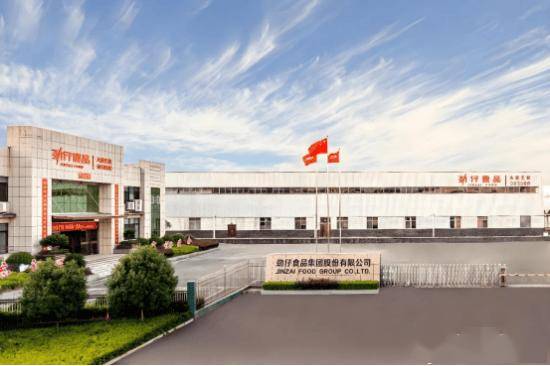
Core Insights - The company has launched new products and demonstrated strong growth, achieving a revenue of 2.412 billion yuan in 2024, a year-on-year increase of 16.79%, and a net profit of 291 million yuan, up 39.01% [3] - Despite the overall growth, the company faced a decline in net profit in the first quarter of 2024, with a revenue of 595 million yuan, a 10.27% increase, but a net profit decrease of 8.21% [3] - The company plans to repurchase shares worth 50 million to 100 million yuan for employee stock ownership plans, marking its third buyback since 2023 [3] Company Performance - The company has maintained a growth trend for two consecutive years, with significant revenue and profit increases in 2024 [3] - The first quarter of 2024 showed a contrasting trend with increased revenue but decreased net profit, attributed to rising sales and financial expenses [3] Executive Compensation - The vice president, Feng Wenji, received a salary increase to 970,800 yuan in 2024, the largest among the three vice presidents, while the chairman's salary decreased to 670,000 yuan [3] - Feng Wenji, the youngest vice president at 37 years old, has seen a continuous rise in salary since joining the company in 2014 [3] Industry Context - Both Jinzhai Foods and Yanjinpuzi are showing positive growth in the snack food industry, but Jinzhai Foods appears more confident in its future compared to Yanjinpuzi, which has seen frequent executive share reductions [4]

研报掘金丨民生证券:维持甘源食品“推荐”评级,短期业绩承压,关注新品表现
Ge Long Hui A P P· 2025-08-15 06:52
Core Viewpoint - Minsheng Securities report indicates that Ganyuan Foods' Q2 revenue decline has narrowed sequentially, and the company is expected to see further year-on-year revenue improvement in the second half of the year [1] Group 1: Business Strategy - The company adheres to a "full-channel + multi-category" business strategy, enhancing core competitiveness through multi-dimensional strategic upgrades in quality control, products, branding, and management [1] - Ganyuan Foods aims to create a diversified, new-flavor, high-quality snack brand [1] Group 2: Short-term and Long-term Outlook - In the short term, the company's performance is impacted by channel adjustments, increased expenditure, and rising costs [1] - In the medium to long term, focus is on the sales performance of new products and the expansion of overseas channels [1] Group 3: Financial Projections - The firm projects Ganyuan Foods' net profit attributable to shareholders for 2025-2027 to be 240 million, 280 million, and 330 million respectively, reflecting year-on-year changes of -35.8%, 17.3%, and 16.8% [1] - Corresponding price-to-earnings ratios are expected to be 22, 19, and 16 times for the respective years [1] - The report maintains a "recommend" rating for the company [1]

甘源食品(002991):短期业绩承压 关注新品表现
Xin Lang Cai Jing· 2025-08-14 10:44
Core Viewpoint - The company reported a decline in revenue and net profit for the first half of 2025, with expectations for improvement in the second half due to adjustments in sales channels and product offerings [1][2][4]. Financial Performance - In H1 2025, the company achieved revenue of 950 million, a year-on-year decrease of 9.3%, and a net profit attributable to shareholders of 75 million, down 55.2% year-on-year [1]. - Q2 2025 revenue was 440 million, a decline of 3.4% year-on-year, with a net profit of 22 million, down 71.0% year-on-year [1]. - The company’s gross margin in Q2 was 32.8%, a decrease of 1.6 percentage points year-on-year, primarily due to rising raw material costs [3]. Product and Channel Strategy - The company is undergoing product upgrades, introducing new flavors of nuts and snacks, which have shown positive sales trends in e-commerce and international markets [2]. - Revenue from traditional distribution channels has declined due to adjustments in direct sales strategies, while e-commerce and other channels have seen growth [2]. Cost and Marketing Efforts - Increased promotional expenses and rising costs have led to a decline in net profit margins, with the sales expense ratio rising to 20.0%, an increase of 6.4 percentage points year-on-year [3]. - The company is actively participating in trade shows and marketing campaigns to enhance brand visibility and engage younger consumers [3]. Investment Outlook - The company aims to strengthen its core competitiveness through a multi-channel and multi-category strategy, focusing on product quality and brand management [4]. - Projections for net profit from 2025 to 2027 are 240 million, 280 million, and 330 million, reflecting a year-on-year decline of 35.8% in 2025, followed by growth in subsequent years [4].
甘源食品(002991):2025年半年报点评:短期业绩承压,关注新品表现
Minsheng Securities· 2025-08-14 09:11
Investment Rating - The report maintains a "Recommended" rating for the company [6]. Core Views - The company is experiencing short-term performance pressure due to channel adjustments, increased promotional expenses, and rising costs. However, there is a focus on the performance of new products and the expansion of overseas channels in the medium to long term [4]. - The company aims to enhance its core competitiveness through a multi-dimensional strategic upgrade involving product quality, variety, branding, and management [4]. Financial Performance Summary - In H1 2025, the company achieved revenue of 950 million yuan, a year-on-year decrease of 9.3%. The net profit attributable to the parent company was 75 million yuan, down 55.2% year-on-year [1]. - For Q2 2025, the company reported revenue of 440 million yuan, a decline of 3.4% year-on-year, with a net profit of 22 million yuan, down 71.0% year-on-year [1]. - The company's gross profit margin in Q2 2025 was 32.8%, a decrease of 1.6 percentage points year-on-year, primarily due to rising raw material costs [3]. Product and Channel Analysis - The company is undergoing product upgrades, with new flavors of nuts leading the trend in the snack market. Revenue from various product categories showed mixed results, with some categories experiencing declines while others, like certain nut products, saw growth [2]. - The revenue breakdown by channel in H1 2025 showed a decline in traditional distribution channels, while e-commerce and other models experienced growth [2]. Profit Forecast and Valuation - The forecast for net profit attributable to the parent company for 2025-2027 is 240 million, 280 million, and 330 million yuan, respectively, with corresponding PE ratios of 22, 19, and 16 times [4][5].
休闲零食专题系列报告(一):量贩模式发展:渠道渗透与品类拓展机遇,行业双超对比思考
Hua Yuan Zheng Quan· 2025-08-14 06:29
Investment Rating - The report maintains a "Positive" investment rating for the leisure snack industry [1]. Core Insights - The bulk discount snack channel is fundamentally a business driven by traffic growth, benefiting from the "good, fast, and economical" model, which has allowed leading players to capitalize on the upgrading of lower-tier markets and improved channel efficiency. The total number of stores in the industry has rapidly expanded from 13,000 in January 2022 to over 40,000 currently, contributing to an increase in the share of specialty store channels from 7.6% in 2019 to 11.2% in 2024, with the market size of the leisure food and beverage sector expected to reach 3.7 trillion yuan by 2024 [4][13][8]. Summary by Sections 1. Review of Bulk Snack Channel Development and Future Opportunities - The leisure food and beverage market in China is projected to grow at a CAGR of approximately 5.5% from 2019 to 2024, reaching around 3.7 trillion yuan by 2024. The traditional supply chain is undergoing efficiency transformations due to urbanization, information equality, and logistics and digitalization improvements [8][13]. - The bulk snack channel, characterized as a hard discount model, has thrived by maximizing efficiency and price competitiveness, successfully capturing market share during the rise of value-conscious consumption and the new retail transformation [9][13]. - The number of bulk snack stores has surged from 13,000 in early 2022 to over 40,000, with leading companies like Mingming Hen Mang and Wancheng Group projected to achieve GMV of approximately 55 billion yuan and 43.5 billion yuan, respectively, in 2024 [13][8]. 2. Bulk Channel: Mingming Hen Mang vs. Wancheng - The competitive landscape is becoming clearer as the leading players transition from rapid expansion to mergers and acquisitions. The report highlights the distinct advantages of Mingming Hen Mang and Wancheng in terms of store distribution and operational efficiency [65][66]. - By the end of 2024, both Mingming Hen Mang and Wancheng are expected to operate over 14,000 stores each, with a combined market share of approximately 68%, reflecting a 20 percentage point increase from 2023 [65][73]. 3. Future Profitability and Valuation Considerations for Bulk Channels - The report emphasizes that the profitability of leading players is expected to improve as the competitive landscape stabilizes, with a focus on self-owned brand strategies to enhance scale and profitability. The self-owned brand strategy of Mingming Hen Mang aims to provide differentiated products and higher added value, aligning with future consumer demands [4][13][65]. - The report draws parallels with international discount retail leaders, indicating that similar strategies could lead to sustained growth and valuation improvements, with potential PE ratios exceeding 30x for successful brands [4][13].
多品类收入下滑 甘源食品上半年净利腰斩
Bei Jing Shang Bao· 2025-08-13 16:31
Core Viewpoint - Ganyuan Foods reported a decline in both revenue and profit for the first half of 2025, attributing the downturn to rising raw material costs, increased sales expenses, and ineffective marketing strategies [1][2]. Financial Performance - The company achieved a revenue of 945 million yuan, a year-on-year decrease of 9.34% [1]. - The net profit attributable to shareholders was 74.61 million yuan, down 55.2% year-on-year [1]. - Sales expenses increased to 175 million yuan, a rise of 26.59% compared to the previous year [1]. Marketing and Brand Strategy - Ganyuan Foods engaged actor Ding Yuxi as a brand ambassador and launched various marketing campaigns across multiple cities [2]. - Despite significant marketing investments, the company did not see a corresponding increase in sales, indicating a potential misalignment with target audiences [2]. Product Performance - Revenue from the five major product categories declined, with the comprehensive nut and bean series down 19.92% to 273 million yuan [3]. - The only category to see growth was the broad bean series, which increased by 2.11% to 125 million yuan, although sales volume fell by 4.62% [3]. International Expansion - Ganyuan Foods reported significant growth in overseas markets, achieving revenue of 44.13 million yuan, a year-on-year increase of 162.92% [3]. - The proportion of overseas revenue rose from 1.61% to 4.67%, with the number of overseas distributors increasing to 38 [3]. Industry Insights - Analysts suggest that many domestic companies are reaching growth limits in local markets, making international expansion a promising avenue for growth [4].
多个品类收入下滑,甘源食品上半年净利润腰斩
Bei Jing Shang Bao· 2025-08-13 12:28
Core Insights - Ganyuan Foods reported a decline in both revenue and profit for the first half of 2025, with revenue at 945 million yuan, down 9.34% year-on-year, and net profit at 74.61 million yuan, down 55.2% [2] - The company attributed the decline to rising raw material costs, particularly palm oil, and increased sales expenses due to marketing efforts that have not yet yielded short-term results [2][3] - Despite the overall revenue decline, Ganyuan Foods saw significant growth in overseas markets, with revenue from international sales reaching 44.13 million yuan, up 162.92% year-on-year, now accounting for 4.67% of total revenue [4] Revenue Breakdown - The revenue from the mixed nuts and bean products series was 273 million yuan, down 19.92% year-on-year [4] - The green pea series generated 234 million yuan, down 1.56% year-on-year [4] - The sunflower seed series brought in 125 million yuan, down 9.51% year-on-year [4] - Other products, including rice cakes and potato chips, achieved revenue of 175 million yuan, down 11.50% year-on-year [4] - The broad bean series saw a slight increase in revenue to 125 million yuan, up 2.11% year-on-year, although sales volume decreased by 4.62% [4] Marketing and Brand Strategy - Ganyuan Foods has invested heavily in marketing, including appointing popular celebrity Ding Yuxi as a brand ambassador and launching various promotional activities across multiple cities [3] - The company increased its sales expenses to 175 million yuan, a rise of 26.59% year-on-year, with promotional costs increasing by 49.47% [2][3] - Despite these efforts, experts suggest that the marketing strategy may not effectively reach target consumers, leading to insufficient conversion of marketing efforts into sales [3] Market Trends and Challenges - The company is facing challenges as consumer preferences shift towards innovative, healthy, and personalized snacks, which traditional bean snacks may not meet [4] - Ganyuan Foods is undergoing a transitional phase as it expands its product range beyond its traditional offerings, which has led to a period of adjustment and declining sales across most product categories [3][4]
被年轻人遗忘的国民零食,为何在拼多多突然翻红?
Xin Jing Bao· 2025-08-13 02:44
Group 1 - The article discusses the evolution of traditional snack brands in Fujian, highlighting their historical significance and initial success in the market [1][4] - It notes that these brands faced challenges due to their reliance on traditional distribution channels and missed early e-commerce opportunities, leading to stagnation [2][5] - The emergence of new e-commerce platforms like Pinduoduo provided these brands with a chance to revitalize their sales and connect directly with consumers [3][6] Group 2 - Since 2020, brands like Jin Guan and You Chen have successfully leveraged Pinduoduo's platform to adapt their products and marketing strategies, resulting in significant sales growth [8][9] - The article emphasizes the importance of cost-effective strategies and the ability to respond to consumer demands, which have been facilitated by Pinduoduo's supportive policies [10][12] - Brands have reported impressive returns on investment (ROI) on Pinduoduo, with some achieving ratios as high as 1:10, compared to traditional e-commerce channels [9]
