
科技硬件

Search documents
高盛喊出“新口号”:中国“民营十巨头”,直接对标“美股七姐妹”
华尔街见闻· 2025-06-16 09:59
Core Viewpoint - Goldman Sachs has introduced the concept of "Chinese Prominent 10," which includes ten major private enterprises in China, aiming to identify core assets with long-term dominance potential in the Chinese stock market, similar to the "Magnificent 7" in the US [2][3]. Group 1: Overview of the "Chinese Prominent 10" - The "Chinese Prominent 10" includes Tencent (market cap $601 billion), Alibaba ($289 billion), Xiaomi ($146 billion), BYD ($121 billion), Meituan ($102 billion), NetEase ($86 billion), Midea ($78 billion), Hengrui Medicine ($51 billion), Trip.com ($43 billion), and Anta ($35 billion) [4]. - These companies span various sectors such as technology, consumer goods, and automotive, representing new economic drivers in China, including AI, self-sufficiency, globalization, and service consumption upgrades [2][5]. Group 2: Financial Performance and Valuation - The expected compound annual growth rate (CAGR) for the earnings of these companies over the next two years is projected to be 13%, with a median of 12% [6]. - The average price-to-earnings (P/E) ratio for these stocks is 16 times, with a forward price-to-earnings growth (fPEG) ratio of 1.1, making them more attractive compared to the US "Magnificent 7," which has a P/E of 28.5 and an fPEG of 1.8 [6]. Group 3: Market Trends and Recovery - Since the low point at the end of 2022, the average increase in these ten stocks has been 54%, with a year-to-date rise of 24%, outperforming the MSCI China Index by 33 and 8 percentage points, respectively [7]. - Private enterprises in China are showing strong recovery signs after a significant market value loss of nearly $4 trillion since the end of 2020 [8]. Group 4: Policy and Technological Drivers - The Chinese government has increased its focus on private enterprises, with significant policy events boosting confidence among private business owners [10]. - Rapid advancements in AI technology, particularly with the emergence of models like DeepSeek-R1, have enhanced market optimism towards technology-driven private enterprises [11]. Group 5: Market Concentration and Growth Potential - The concentration of the Chinese stock market is relatively low, with the top ten companies accounting for only 17% of the total market value, compared to 33% in the US [13]. - As leading companies expand their dominance, market concentration is expected to increase in the coming years [14]. Group 6: Global Expansion and Profitability - Private enterprises are leading the "going out" strategy, with overseas sales increasing from 10% in 2017 to an estimated 17% in 2024 [19]. - Companies with strong balance sheets and cash flows are better positioned to benefit from overseas expansion, with some, like BYD, achieving significantly higher gross margins abroad [19]. Group 7: Valuation and Investment Opportunities - Despite improving fundamentals, the valuation of the "Chinese Prominent 10" remains at historical lows, with an average trading valuation of 13.9 times the expected P/E ratio, only 22% higher than the MSCI China Index [20]. - If these private enterprises achieve similar valuation premiums as their US counterparts, their market concentration could increase, adding $313 billion in market value [21].







杭州“六小龙”背后是“耐心政府”
Jing Ji Wang· 2025-06-16 09:19
Core Insights - The rise of the "Six Little Dragons" in Hangzhou signifies a new phase in China's technological innovation, moving beyond reliance on major cities and large enterprises to a broader engagement with smaller, innovative companies [1][3] - Hangzhou's government has adopted a supportive approach towards small and medium enterprises (SMEs), fostering an environment conducive to innovation and growth [3][4] - The concept of "patience" is emphasized as crucial for both government and policy in nurturing technological innovation [4] Government Support and Investment - Hangzhou's government is willing to invest in early-stage projects that other cities may avoid, helping companies navigate the challenges of initial growth phases [6][7] - The government has established various funds that support small enterprises, demonstrating a commitment to investing in their development rather than solely focusing on larger, established companies [6][8] - Examples include the investment in gaming company Game Science, which received support from local government funds even before achieving significant market validation [7] Innovation and Market Engagement - The city has created opportunities for SMEs to participate in significant events, such as the 2023 Asian Games, allowing them to gain visibility and showcase their innovations [5][6] - Hangzhou's approach includes opening up various sectors for experimentation by smaller companies, thus providing a fertile ground for innovation to take root [5][8] Comparative Analysis of Investment Models - Hangzhou's investment strategy contrasts with other cities like Shenzhen and Hefei, focusing more on future potential and smaller enterprises rather than just established players [8] - The article suggests that local governments should innovate in their approaches to support businesses, moving away from short-term metrics like immediate tax revenue [8]
高盛唱多中国“民营企业十巨头”
Xin Lang Cai Jing· 2025-06-16 05:58
Group 1 - The core viewpoint of the report is that the mid-term investment outlook for Chinese private enterprises is improving due to various macro, policy, and micro factors [1] - Goldman Sachs has identified a list of "Ten Giants" among Chinese private companies, which includes Tencent, Alibaba, Xiaomi, BYD, Meituan, NetEase, Midea, Hengrui Medicine, Ctrip, and Anta, covering multiple sub-industries [1] - These "Ten Giants" represent five major investment trends: AI/technology development, self-sufficiency, globalization, service consumption, and improved shareholder returns in China [1] Group 2 - The "Ten Giants" are expected to have a compound annual growth rate (CAGR) of 13% over the next two years, with an average price-to-earnings (P/E) ratio of 16 times, making them more attractive compared to the U.S. "Seven Sisters" [2] - The average trading valuation of the "Ten Giants" is 13.9 times the expected 12-month P/E ratio, which is only a 22% premium over the MSCI China Index, significantly lower than the historical average and the 43% premium of the U.S. tech giants [2] - If Chinese private enterprises achieve a valuation premium similar to that of the U.S., their market concentration could increase from 11% to 13%, adding $313 billion in market value [2] Group 3 - AI technology is expected to drive a 2.5% annual profit growth for Chinese companies over the next decade, with private enterprises accounting for 72% of the defined AI-tech universe [3] - Private enterprises in the technology sector show significantly higher attention to AI compared to their peers, as analyzed from over 1,300 earnings call reports [3] - Companies that have a large customer base and data, and are embracing new AI technologies, are more likely to become long-term winners [3]
高盛发明“新口号”:中国“民营十巨头”,直接对标“美股七姐妹”
Hua Er Jie Jian Wen· 2025-06-16 03:38
Group 1 - Goldman Sachs has introduced the concept of "Chinese Prominent 10," which includes major private companies like Tencent, Alibaba, and Xiaomi, aiming to identify core assets in the Chinese stock market with long-term dominance potential [1][2] - The total market capitalization of these ten companies is approximately $1.6 trillion, representing 42% of the MSCI China Index, with an expected compound annual growth rate (CAGR) of 13% in earnings over the next two years [1][2] - The "Chinese Prominent 10" spans various high-growth sectors, including technology, consumer goods, and automotive, reflecting new economic drivers such as AI, self-sufficiency, globalization, and service consumption upgrades [1][2] Group 2 - The selected "Chinese Prominent 10" companies include Tencent ($601 billion), Alibaba ($289 billion), Xiaomi ($146 billion), BYD ($121 billion), Meituan ($102 billion), NetEase ($86 billion), Midea ($78 billion), Hengrui Medicine ($51 billion), Trip.com ($43 billion), and Anta ($35 billion) [2] - These companies collectively account for a daily trading volume of $11 billion, indicating significant market influence and investment appeal [2] - The average price-to-earnings (P/E) ratio for these companies is 16 times, with a forward price-to-earnings growth (fPEG) ratio of 1.1, making them more attractive compared to the U.S. "Magnificent 7" with a P/E of 28.5 and fPEG of 1.8 [2] Group 3 - Since the low point at the end of 2022, the average increase in stock prices for these ten companies has been 54%, with a year-to-date rise of 24%, outperforming the MSCI China Index by 33 and 8 percentage points, respectively [3] Group 4 - Following a significant market value loss of nearly $4 trillion since late 2020, private enterprises in China are showing signs of strong recovery, with profits and return on equity (ROE) rebounding by 22% and 1.2 percentage points, respectively, since 2022 [4] - Recent policies have increased the focus on private enterprises, boosting confidence among entrepreneurs, as evidenced by the private enterprise symposium in February and the introduction of the first Private Economy Promotion Law in April [4] - The rapid advancements in AI technology, particularly with the emergence of models like DeepSeek-R1, have enhanced market optimism towards technology-driven private enterprises [4] Group 5 - The concentration of the Chinese stock market is relatively low, with the top ten companies accounting for only 17% of the total market capitalization, compared to 33% in the U.S. and 30% in other emerging markets [6] - As leading companies expand their dominance, market concentration is expected to increase in the coming years [6] Group 6 - The investment interest from private enterprises is anticipated to support organic growth and acquisitions, aided by a more transparent and relaxed merger and acquisition framework [7] Group 7 - The average turnover rate of the top ten companies in China over the past decade has been only 12%, indicating strong competitive advantages and market "stickiness" among leading firms [8] - Factors such as capital expenditure, R&D investment, and market concentration are positively correlated with subsequent stock returns and market share representation [8] Group 8 - AI technology is reshaping the competitive landscape, with large private enterprises leveraging their customer base, data accumulation, and investment capabilities to excel in AI development and commercialization [9][10] - Private enterprises are leading the "going global" strategy, with overseas sales increasing from 10% in 2017 to an estimated 17% in 2024 [10] - Companies with strong balance sheets and cash flows are better positioned to capitalize on overseas market opportunities, where profit margins can be significantly higher than in domestic markets [10] Group 9 - Despite ongoing improvements in fundamentals, the valuations of the "Chinese Prominent 10" remain at historical lows, with an average trading valuation of 13.9 times the expected P/E ratio, only 22% higher than the MSCI China Index [11] - If these private enterprises achieve similar valuation premiums as their U.S. counterparts, their market concentration could increase from 11% to 13%, adding approximately $313 billion in market value [11]
中金研究 | 本周精选:宏观、策略、房地产
中金点睛· 2025-06-14 00:28
Real Estate Industry - The real estate market is expected to stabilize gradually, divided into three phases: housing transaction volume, housing prices, and real estate investment [3] - The core point for entering a positive cycle is the upward shift in housing price expectations due to changes in supply and demand structure, which should be a key signal for market observation [3] - Policy measures need to be more decisive to facilitate stabilization, focusing on adjusting supply and demand structures and mitigating risks from enterprises [3] - The probability of a "medium policy" scenario for the real estate fundamentals in 2025 is high, with sales performance potentially exceeding expectations due to the prolonged effects of the 926 policy [3] - A recovery in total housing sales to historically reasonable levels could lead to significant upward potential, with new housing transaction volumes likely to see greater recovery [3] Strategy - The A-share market has shown signs of improvement in early 2025, but external uncertainties are rising, impacting market dynamics [8] - The expected market rhythm for the second half of 2025 is "steady first, then rise," with upward potential dependent on comprehensive policy support [9] - Investment focus should be on certainty in uncertain environments, including opportunities from capacity cycles, high-growth sectors with low correlation to economic cycles, and dividend-paying sectors [9] Macroeconomy - The GDP growth rate has improved while prices remain weak, indicating a widening demand gap due to restrained policy measures [18] - The real estate sector's drag on the economy is expected to continue narrowing, contributing to a "quasi-balance" recovery [18] - The core CPI inflation is anticipated to improve slightly in the second half of the year, but overall inflation is expected to remain weak [18] New Consumption Trends - Despite overall consumption being insufficient, new consumption trends are emerging, characterized by a shift towards quality and rational spending [23] - The Z generation is becoming a key driver of the new consumption wave, indicating a shift in consumer behavior [23] - The potential for consumption in lower-tier cities is increasing as the drag from real estate weakens [23]

消费主义的魔法
Hu Xiu· 2025-06-13 16:01
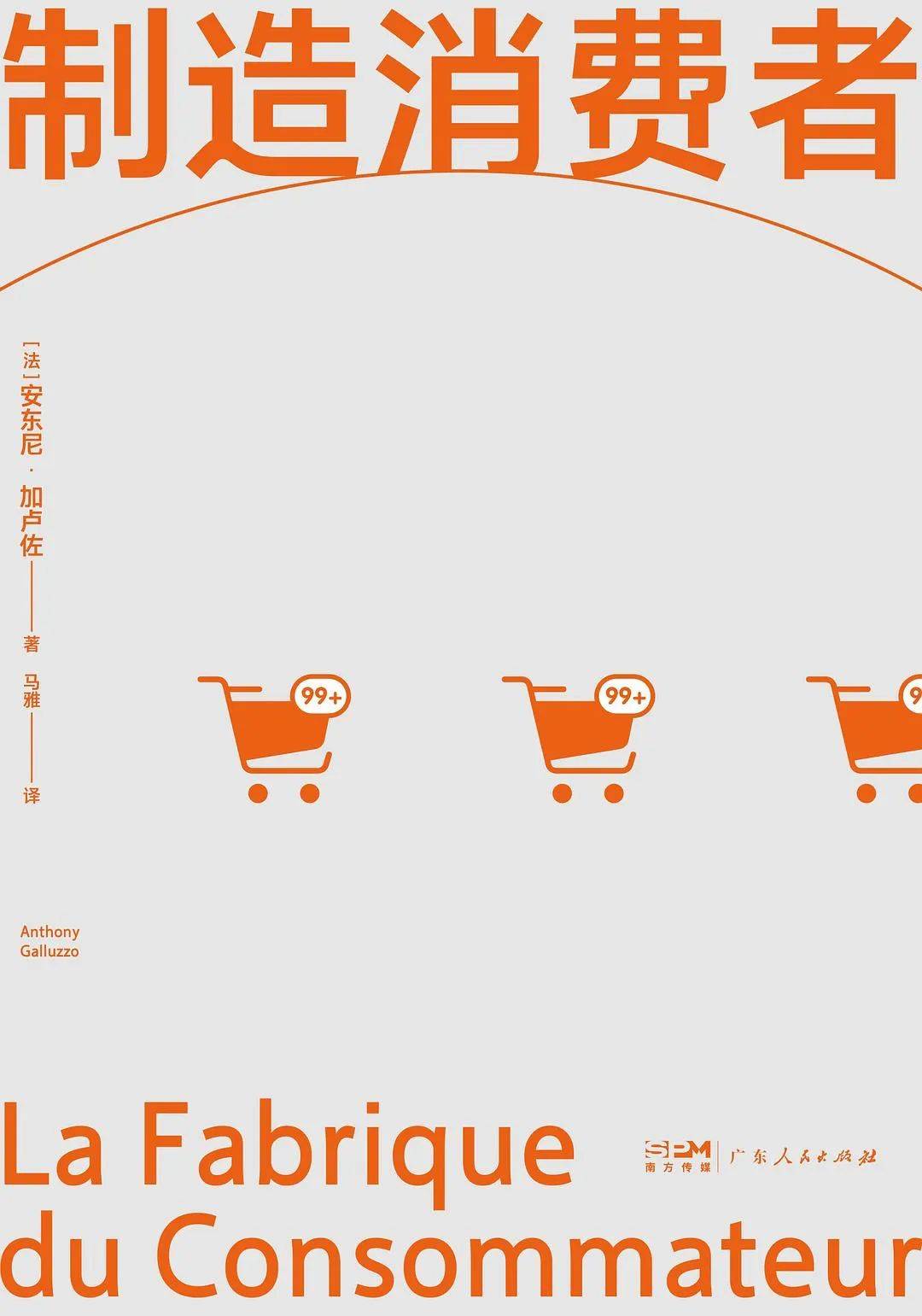
Core Perspective - The article discusses the evolution of consumerism over the past 200 years, highlighting how capitalism has transformed individuals into consumers through various means such as department stores, branding, advertising, and consumer psychology [1]. Group 1: Historical Context of Consumerism - Until 1800, walking was the most common mode of transportation, and society was predominantly agricultural. The introduction of the steam locomotive in 1814 revolutionized transportation, enabling faster and more reliable movement of goods [3]. - The relationship between people and products has changed significantly due to industrialization and commodification, leading to a sense of alienation from the production process [3]. Group 2: The Role of Branding - In the pre-market era, consumers relied on local knowledge and trust in specific shops. The rise of large food manufacturing and distribution companies created a need for branding to establish trust in products that consumers could no longer see or touch [4]. - Branding has become a hallmark of consumer society, allowing consumers to identify product quality and positioning without direct sensory experience. Brands evoke associations and values, transforming products into symbols of status and identity [4][5]. Group 3: The Impact of Imagery - The history of consumer society can be understood as the proliferation of images in people's lives. The evolution of printing technology in the 19th century allowed for widespread distribution of images, which became powerful tools for advertising and consumer engagement [6][7]. - Magazines emerged as a significant medium for advertising, blending product promotion with visual storytelling to capture consumer attention and drive sales [7][8]. Group 4: The Transformation of Self-Identity - The concept of self has been reshaped by capitalism, where individuals are encouraged to construct their identities through consumption. This new cultural narrative emphasizes personal expression and autonomy through the acquisition of goods [10][11]. - Advertising strategies have shifted to focus on individualism and authenticity, encouraging consumers to "be themselves" and view products as tools for self-liberation [11]. Group 5: Gender and Consumerism - Women have been particularly affected by the consumerism revolution, with societal expectations linking their identity and value to their appearance. The 1920s marked a shift where women's bodies became ongoing "consumer projects" [12]. - The modern consumer landscape often perpetuates anxiety among women, as they navigate various pressures related to beauty, identity, and societal expectations [12].
安信基金:“价值共赢”开启认购,基金经理4只在管产品近1年跑输业绩基准
Sou Hu Cai Jing· 2025-06-09 07:13
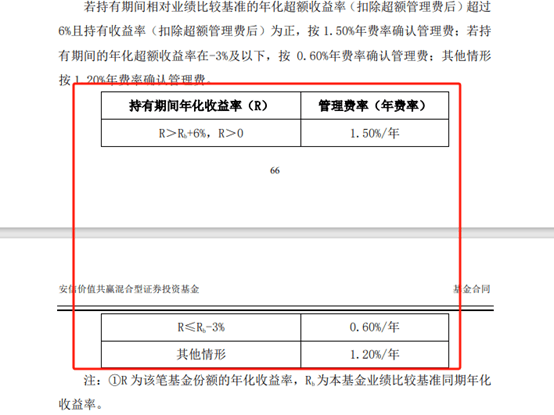
Core Viewpoint - Anxin Fund has launched the Anxin Value Win-Win Fund, a mixed equity fund managed by Yuan Wei, with a floating management fee structure based on performance benchmarks [1][3]. Fund Details - The Anxin Value Win-Win Fund is a contract-based open-end securities investment fund, publicly offered from June 9 to June 26, 2025, with a minimum total fundraising target of 200 million shares [3]. - The fund aims to invest in stocks that are significantly undervalued relative to their intrinsic value, focusing on safety margins to achieve long-term stable returns for investors [3]. - The performance benchmark for the fund is composed of 70% CSI 300 Index return, 10% CSI Hong Kong Stock Connect Composite Index (RMB) return, and 20% China Bond Composite Index return [3]. Fee Structure - The fund employs a floating fee rate system, with management fees set at 1.20% for holdings less than 365 days, 1.50% for annualized excess returns exceeding 6% with positive returns, and 0.60% for annualized excess returns of -3% or lower [4]. Manager Background - Yuan Wei, the proposed fund manager, holds a PhD in science and has extensive experience in investment management, having previously served in various roles at Anxin Securities and Anxin Fund Management [5][6]. - Under Yuan Wei's management, four funds have underperformed their benchmarks over the past year [2][9]. Performance Metrics - As of June 6, 2025, Yuan Wei's managed funds have shown varying performance, with the Anxin New Normal Hong Kong-Shenzhen Selected A fund achieving a return of 129.36% since Yuan took over, but only a 4.63% increase in the past year, lagging behind its benchmark by over 10 percentage points [8][9].
非农出炉前美股震荡收低,特斯拉暴跌逾14%
Di Yi Cai Jing Zi Xun· 2025-06-06 00:08
*特斯拉重挫逾14%,大盘承压收跌 *美国上周初请失业金人数连续第二周上升 中概股表现分化。纳斯达克中国金龙指数收涨0.54%。个股中,金山云涨超7%,百度涨超1%,蔚来则 跌超3%。 经济数据方面,美国劳工部当日公布的数据显示,截至5月31日当周,首次申领失业救济人数达24.7万 人,连续第二周上升,显著高于市场预期的23.6万人。尽管持续申领人数略有下降,但四周移动平均值 已升至2021年11月以来高位,显示短期就业动能趋缓。 与此同时,美国第一季度单位劳动力成本被上修至6.6%,显著高于初值及预期(5.7%)。同期劳动生 产率下降1.5%,降幅亦超出市场预估(-0.8%)。人力成本上升叠加效率下降,反映企业盈利空间受 压,也强化了就业放缓的结构性风险。 堪萨斯城联储主席施密德表示,关税可能在未来几个月对物价形成上行压力,短期内可能影响通胀路 径。 其他个股方面,宝洁公司宣布将在未来两年裁员7000人,约占员工总数6%,股价下跌1.9%。 *热门中概股涨跌不一 美股三大股指周四收跌,特斯拉股价重挫拖累大盘。投资者关注即将出炉的非农就业数据,以及由关税 与财政政策引发的中期通胀预期。 截至收盘,道琼斯工业平 ...

6.4犀牛财经早报:多家公募自购新发浮动费率基金 手回集团较招股价跌近三成
Xi Niu Cai Jing· 2025-06-04 01:37
Group 1: Fund Industry Developments - Multiple public funds are actively purchasing newly issued floating-rate funds, indicating strong market interest and support from fund companies [1] - The new floating-rate funds are designed to anchor performance benchmarks, incentivizing fund managers to enhance investment capabilities and research systems [1] - As of June 3, 440 A-share listed companies have announced share buybacks, with 78 companies initiating new buyback plans in May alone [1] Group 2: Wealth Management and Financial Services - The wealth management industry is experiencing a "fee reduction wave," with some products offering management fees as low as 0.01% per year, translating to just 1 yuan for a 10,000 yuan investment [2] - Major banks are adjusting their car loan commission structures, reducing high rebate rates to enhance service quality and market competitiveness [2] Group 3: Pharmaceutical and Biotechnology - Bayer's prostate cancer drug Nubeqa has received FDA approval based on positive results from a Phase 3 trial, showing a 46% reduction in the risk of disease progression or death [3] Group 4: IPO and Market Activity - There has been a significant increase in foreign capital participation in Hong Kong IPOs, with 15 out of 27 companies this year attracting foreign cornerstone investors, compared to only 3 last year [5] - Shenzhen Handback Technology Group's IPO faced challenges, with its stock price dropping nearly 30% from the initial offering price shortly after listing [6][7] Group 5: Corporate Financing and Strategic Moves - China Ping An plans to issue zero-coupon convertible bonds totaling 11.765 billion HKD to support its business development and capital needs [10] - United Optoelectronics intends to acquire 100% of Changyi Optoelectronics through a share issuance, with the final transaction details pending [8] Group 6: Market Performance - The US stock market saw all three major indices rise, with the Dow Jones increasing by 0.51% and Nvidia leading the gains in the tech sector [11]


股指期货震荡整理,黄金、白银、原油、燃料油期货将震荡偏强,工业硅、螺纹钢、铁矿石、玻璃、纯碱期货将偏弱震荡,天然橡胶、20号胶期货将震荡偏弱
Guo Tai Jun An Qi Huo· 2025-06-03 09:51
Report Industry Investment Rating There is no information about the report industry investment rating in the provided content. Core Viewpoints of the Report - Through macro - fundamental and technical analysis, the report predicts the trends of various futures on June 3, 2025. For example, stock index futures will fluctuate and consolidate; gold, silver, copper, zinc, nickel, crude oil, fuel oil, PTA, PVC, soybean oil, and palm oil futures will fluctuate strongly; industrial silicon, lithium carbonate, rebar, hot - rolled coils, iron ore, coking coal, glass, soda ash, and soybean meal futures will fluctuate weakly; natural rubber and 20 - number rubber futures will fluctuate weakly; ten - year and thirty - year Treasury bond futures will fluctuate strongly; and tin and methanol futures will have wide - range fluctuations [2][3][4]. - The report also provides macro - economic information, including China's May PMI data, US tariff policies, inflation data, and statements from Federal Reserve officials, which have an impact on the futures market [9][14][18]. Summary by Relevant Catalogs Futures Market Forecast Stock Index Futures - On June 3, 2025, stock index futures will fluctuate and consolidate. IF2506 has resistance levels at 3833 and 3850 points and support levels at 3798 and 3775 points; IH2506 has resistance levels at 2681 and 2689 points and support levels at 2644 and 2633 points; IC2506 has resistance levels at 5669 and 5700 points and support levels at 5585 and 5560 points; IM2506 has resistance levels at 6031 and 6075 points and support levels at 5905 and 5861 points [2]. - In June 2025, IF, IH, IC, and IM main contracts are expected to have wide - range fluctuations, with corresponding resistance and support levels provided [36][37]. Treasury Bond Futures - On June 3, 2025, the ten - year Treasury bond futures main contract T2509 will likely fluctuate strongly, with resistance levels at 108.80 and 108.90 yuan and support levels at 108.62 and 108.45 yuan [2]. - On June 3, 2025, the thirty - year Treasury bond futures main contract TL2509 will likely fluctuate strongly, with resistance levels at 119.6 and 120.0 yuan and support levels at 119.2 and 118.5 yuan [2]. Precious Metal Futures - On June 3, 2025, the gold futures main contract AU2508 will likely fluctuate strongly and attack resistance levels at 790.0 and 797.4 yuan/gram, with support levels at 777.3 and 772.6 yuan/gram. In June 2025, the main continuous contract of gold futures will likely have a strong wide - range fluctuation [65]. - On June 3, 2025, the silver futures main contract AG2508 will likely fluctuate strongly and attack resistance levels at 8563 and 8600 yuan/kilogram, with support levels at 8249 and 8220 yuan/kilogram. In June 2025, the main continuous contract of silver futures will likely have a strong wide - range fluctuation [73]. Base Metal Futures - On June 3, 2025, the copper futures main contract CU2507 will likely fluctuate strongly and attack resistance levels at 79000 and 79500 yuan/ton, with support levels at 77900 and 77600 yuan/ton. In June 2025, the main continuous contract of copper futures will likely have a wide - range fluctuation [77]. - On June 3, 2025, the aluminum futures main contract AL2507 will likely fluctuate and consolidate, with support levels at 20000 and 19950 yuan/ton and resistance levels at 20160 and 20200 yuan/ton. In June 2025, the main continuous contract of aluminum futures will likely have a wide - range fluctuation [83]. - On June 3, 2025, the zinc futures main contract ZN2507 will likely fluctuate strongly and attack resistance levels at 22510 and 22700 yuan/ton, with support levels at 22060 and 22010 yuan/ton. In June 2025, the main continuous contract of zinc futures will likely fluctuate weakly [91]. - On June 3, 2025, the lead futures main contract PB2507 will likely fluctuate and consolidate, with support levels at 16540 and 16500 yuan/ton and resistance levels at 16740 and 16800 yuan/ton. In June 2025, the main continuous contract of lead futures will likely have a weak wide - range fluctuation [93]. - On June 3, 2025, the nickel futures main contract NI2507 will likely fluctuate strongly and attack resistance levels at 122000 and 122600 yuan/ton, with support levels at 120500 and 120000 yuan/ton. In June 2025, the main continuous contract of nickel futures will likely have a weak wide - range fluctuation [98]. - On June 3, 2025, the tin futures main contract SN2507 will likely have a wide - range fluctuation, with support levels at 248500 and 246600 yuan/ton and resistance levels at 252300 and 254000 yuan/ton. In June 2025, the main continuous contract of tin futures will likely have a weak wide - range fluctuation [102]. Energy and Chemical Futures - On June 3, 2025, the industrial silicon futures main contract SI2507 will likely fluctuate weakly, break through support levels at 7050 and 6900 yuan/ton, and set a new low since listing [108]. - On June 3, 2025, the lithium carbonate futures main contract LC2507 will likely fluctuate weakly, with support levels at 58700 and 57400 yuan/ton and resistance levels at 60400 and 61200 yuan/ton [108]. - On June 3, 2025, the rebar futures main contract RB2510 will likely fluctuate weakly, break through support levels at 2920 and 2900 yuan/ton, with resistance levels at 2961 and 2981 yuan/ton. In June 2025, the main continuous contract of rebar futures will likely have a weak wide - range fluctuation [110]. - On June 3, 2025, the hot - rolled coils futures main contract HC2510 will likely fluctuate weakly, break through support levels at 3050 and 3022 yuan/ton, with resistance levels at 3076 and 3100 yuan/ton [117]. - On June 3, 2025, the iron ore futures main contract I2509 will likely fluctuate weakly, break through support levels at 691 and 685 yuan/ton, with resistance levels at 705 and 710 yuan/ton. In June 2025, the main continuous contract of iron ore futures will likely have a wide - range fluctuation [119]. - On June 3, 2025, the coking coal futures main contract JM2509 will likely fluctuate weakly, break through support levels at 700 and 680 yuan/ton, with resistance levels at 726 and 740 yuan/ton [126]. - On June 3, 2025, the glass futures main contract FG509 will likely fluctuate weakly, break through support levels at 970 and 950 yuan/ton, with resistance levels at 985 and 997 yuan/ton [127]. - On June 3, 2025, the soda ash futures main contract SA509 will likely fluctuate weakly, break through support levels at 1170 and 1160 yuan/ton, with resistance levels at 1203 and 1217 yuan/ton, and set a new low since listing [129]. - On June 3, 2025, the crude oil futures main contract SC2507 will likely fluctuate strongly and attack resistance levels at 463 and 470 yuan/barrel, with support levels at 451 and 448 yuan/barrel. In June 2025, the main continuous contract of crude oil futures will likely have a weak wide - range fluctuation [132]. - On June 3, 2025, the fuel oil futures main contract FU2507 will likely fluctuate strongly and attack resistance levels at 3037 and 3058 yuan/ton, with support levels at 2929 and 2910 yuan/ton [7]. - On June 3, 2025, the PTA futures main contract TA509 will likely fluctuate strongly and attack resistance levels at 4790 and 4840 yuan/ton, with support levels at 4700 and 4690 yuan/ton [7]. - On June 3, 2025, the PVC futures main contract V2509 will likely fluctuate strongly and attack resistance levels at 4806 and 4836 yuan/ton, with support levels at 4715 and 4700 yuan/ton [7]. - On June 3, 2025, the methanol futures main contract MA509 will likely have a wide - range fluctuation, with support levels at 2195 and 2176 yuan/ton and resistance levels at 2221 and 2238 yuan/ton [7]. Agricultural Futures - On June 3, 2025, the soybean meal futures main contract M2509 will likely fluctuate weakly, break through support levels at 2932 and 2919 yuan/ton, with resistance levels at 2978 and 2996 yuan/ton [7]. - On June 3, 2025, the soybean oil futures main contract Y2509 will likely fluctuate strongly and attack resistance levels at 7716 and 7776 yuan/ton, with support levels at 7638 and 7616 yuan/ton [7]. - On June 3, 2025, the palm oil futures main contract P2509 will likely fluctuate strongly and attack resistance levels at 8206 and 8260 yuan/ton, with support levels at 8054 and 8036 yuan/ton [8]. - On June 3, 2025, the natural rubber futures main contract RU2509 will likely fluctuate weakly, break through support levels at 13200 and 13000 yuan/ton, with resistance levels at 13400 and 13550 yuan/ton [8]. - On June 3, 2025, the 20 - number rubber futures main contract NR2507 will likely fluctuate weakly, break through support levels at 11500 and 11370 yuan/ton, with resistance levels at 11870 and 12000 yuan/ton [8]. Macro - economic Information - China's May manufacturing PMI was 49.5%, up 0.5 percentage points from the previous month; non - manufacturing PMI was 50.3%, down 0.1 percentage points from the previous month; composite PMI was 50.4%, up 0.2 percentage points from the previous month. The new export order index and import index increased by 2.8 and 3.7 percentage points respectively [9]. - The US plans to raise the import steel tariff from 25% to 50% starting from June 4, 2025, which has an impact on the global economy and the futures market [14]. - The US 4 - month core PCE price index increased by 2.5% year - on - year, in line with expectations and slower than the previous value. The "super core inflation index" decreased for the first time since April 2020. Traders still bet that the Federal Reserve will cut interest rates in September [18]. - Federal Reserve officials' statements indicate that if the US tariff measures are not as radical as initially announced, the policy interest rate may be significantly reduced in the next 15 months [19].