
航空

Search documents
节后错峰出游迎黄金窗口
Xin Lang Cai Jing· 2026-02-28 03:43
Core Insights - The domestic aviation market has shifted from a "difficult to book" phase during the Spring Festival to a "high cost-performance off-peak travel" mode after the holiday [2] Group 1: Flight Price Trends - Domestic flight ticket prices have significantly dropped post-Spring Festival, with average prices around 950 yuan, a decrease of 13% compared to the holiday period [2] - Major cities like Beijing, Shanghai, and Guangzhou saw average ticket prices fall by over 30%, with Shanghai experiencing a 35% drop [2] - Specific routes, such as Beijing to Xi'an and Shanghai to Sanya, are offering tickets around 300 yuan, marking substantial price reductions [2] - Some routes have seen dramatic price cuts, with tickets from Shanghai to Sanya dropping from an average of 1,054 yuan during the holiday to as low as 200 yuan, a decrease of 81% [2][3] Group 2: Hotel Price Trends - Hotel prices in popular tourist destinations have also decreased post-holiday, with Sanya's average hotel price dropping by approximately 400 yuan [4] - In Changsha, hotel prices fell from 442.3 yuan to 305.9 yuan, a decline of 31% [4] - The price of hotels in the Chaoshan area, which surged during the holiday, has seen reductions of up to 95% post-holiday [4] Group 3: Tourist Attractions and Demand - Several tourist attractions are offering free admission until the end of March, including Lushan Scenic Area and various sites in Zhejiang and Anhui provinces [5] - The demand for off-peak travel is notably higher this year, with over 18.4 million domestic flight bookings recorded post-holiday, showing a slight year-on-year increase [6] - Popular international destinations include Bangkok, Hong Kong, Seoul, and Singapore, indicating a rise in outbound travel interest [6]

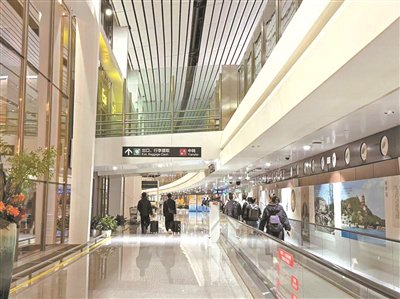
土耳其航空公司:飞往伊朗的日间航班正常运营
Yang Shi Xin Wen· 2026-02-27 23:31
土航公关部门的一名负责人叶海亚·乌斯通在社交媒体上发文,就此前涉及土航航班调整的消息作出澄 清。他说,社交媒体上流传的有关土航取消飞往伊朗航班的消息并不属实,该航司日间航班均按计划正 常运营。 27日晚稍早时候,土耳其伊斯坦布尔机场航班信息显示,土航和两家伊朗航空公司当晚自该机场飞往伊 朗首都德黑兰的航班被取消。 (文章来源:央视新闻) 土耳其航空公司公关部门27日晚说,该航空公司飞往伊朗机场的日间航班仍按计划运营。 ...
人民币升至6.8,年内有望冲6.5,老百姓留学、出游更划算
Sou Hu Cai Jing· 2026-02-27 23:18
Group 1 - The offshore and onshore RMB exchange rates against the US dollar have both surpassed the 6.84 mark, marking the entry of the RMB into the "6.8 era" with a midpoint rate of 6.9228, the highest in 34 months since April 2023 [1] - The strong appreciation of the RMB is influenced by a dramatic factor involving the investigation of Federal Reserve Chairman Jerome Powell, which has raised doubts about the independence of the Fed and subsequently affected investor confidence in the US dollar [3][4] - In 2025, China's trade surplus reached $1.189 trillion, making it the first economy to exceed a $1 trillion trade surplus in a single year, contributing approximately 5.5% to China's GDP [8] Group 2 - The appreciation of the RMB has direct effects on ordinary Chinese citizens, with significant savings on expenses for studying abroad and traveling, as the cost of education and travel has decreased due to the stronger currency [7] - The strong RMB has led to increased demand for currency exchange as export companies accumulate substantial dollar positions, with a notable surplus in currency exchange transactions in January 2026 [10] - Different industries are experiencing varied impacts from the RMB appreciation; for instance, airlines benefit from reduced costs in dollar-denominated fuel purchases, while textile manufacturers face squeezed profit margins due to lower returns from exports [10][11] Group 3 - The People's Bank of China is focusing on counter-cyclical adjustments in its exchange rate mechanism, aiming to manage market expectations and prevent excessive fluctuations, rather than pursuing a significant appreciation of the RMB [13] - The strengthening of the RMB indicates a reset in the attractiveness of Chinese assets in global asset allocation, with the stability and potential appreciation of the RMB becoming a key factor in attracting international capital [14]


7.4到6.84,升值幅度较大,国内通胀及资产价格或将受到影响
Sou Hu Cai Jing· 2026-02-27 14:52
Group 1 - The offshore RMB to USD exchange rate reached a high of 6.8267, marking a significant appreciation of over 2% within two months, leading to a depreciation of USD holdings by approximately 6% for those who held USD last year [1][3] - The appreciation of the RMB is attributed to the weakening of the USD, driven by the Federal Reserve's interest rate cuts and a criminal investigation into its chairman, which has impacted the dollar's strength [3][4] - China's economic resilience, with a trade surplus of approximately $1.2 trillion in 2025, has contributed to the demand for RMB as companies convert their USD earnings into RMB for operational needs [3][4] Group 2 - Importing companies are benefiting from the RMB appreciation, as it reduces costs for products priced in USD, leading to increased net profits for firms like Shanghai Laishi and others in the paper industry [6] - Conversely, traditional export-oriented industries, such as textiles and toys, face increased pressure as their products become more expensive in international markets, potentially losing orders to competitors in Southeast Asia [7] - The real estate market is experiencing a nuanced impact, with core assets in major cities seeing increased foreign investment, while smaller cities struggle with high inventory and weak demand [8] Group 3 - The People's Bank of China has responded to the rapid appreciation of the RMB by lowering the foreign exchange risk reserve requirement for forward foreign exchange transactions from 20% to 0%, aiming to stabilize the currency [10] - Companies are encouraged to manage exchange rate risks through forward contracts, which have become more accessible due to reduced costs for banks following the policy change [10] - Investors are advised to focus on high-quality assets that benefit from cost reductions and asset revaluation rather than engaging in speculative trading [10]

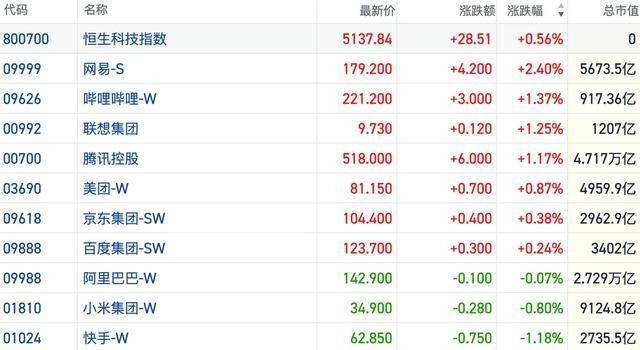
港股风向标|科技权重止跌恒指放量反弹 机构看好顺周期涨价机会
Sou Hu Cai Jing· 2026-02-27 14:36
Market Overview - The Hong Kong stock market showed signs of recovery, with the Hang Seng Index rising by 0.95% to close at 26,630 points, while the Hang Seng China Enterprises Index and the Hang Seng Tech Index increased by 0.51% and 0.56% respectively [1][2]. Technology Sector Performance - Major tech stocks led the market rebound, with Tencent's stock price reaching 530 HKD during the day. Other tech companies such as NetEase, Meituan, JD.com, and Baidu also saw positive performance [2][3]. Stock Performance Data - Notable stock performances included: - Tencent Holdings (00700) at 518.00 HKD, up by 6.00 HKD (+1.17%), with a total market capitalization of 4.717 trillion HKD - NetEase (09999) at 179.20 HKD, up by 4.20 HKD (+2.40%), with a market cap of 567.35 billion HKD - Meituan (03690) at 81.15 HKD, up by 0.70 HKD (+0.87%), with a market cap of 495.99 billion HKD [3]. Sector Movements - Other sectors such as banking, real estate, and coal also showed strength, while power, steel, and oil stocks were active [4]. - Conversely, sectors like aviation, consumer electronics, and building materials experienced declines [4]. Market Dynamics - The overall trading volume in the Hong Kong market was 288.42 billion HKD, indicating increased liquidity. Short selling amounted to 36.55 billion HKD, representing 12.67% of the total trading volume, highlighting ongoing market divergence [4]. - The market is experiencing rapid rotation of hot and cold sectors, with cyclical stocks like steel and rare earths gaining strength, while AI-related sectors such as storage and chips faced declines [5][7]. Policy Implications - Recent meetings by the Central Political Bureau emphasized the need for more proactive macro policies to expand domestic demand and optimize supply, which may provide further support for the market [7]. A-Share Market Correlation - The A-share market mirrored the performance of the Hong Kong market, with a total trading volume of approximately 24,880.24 billion HKD, showing a decrease of about 504.22 billion HKD from the previous trading day. Over 3,200 stocks rose, particularly in the cyclical sector [8].

云南复工复产按下“加速键”
Xin Hua Wang· 2026-02-27 13:05
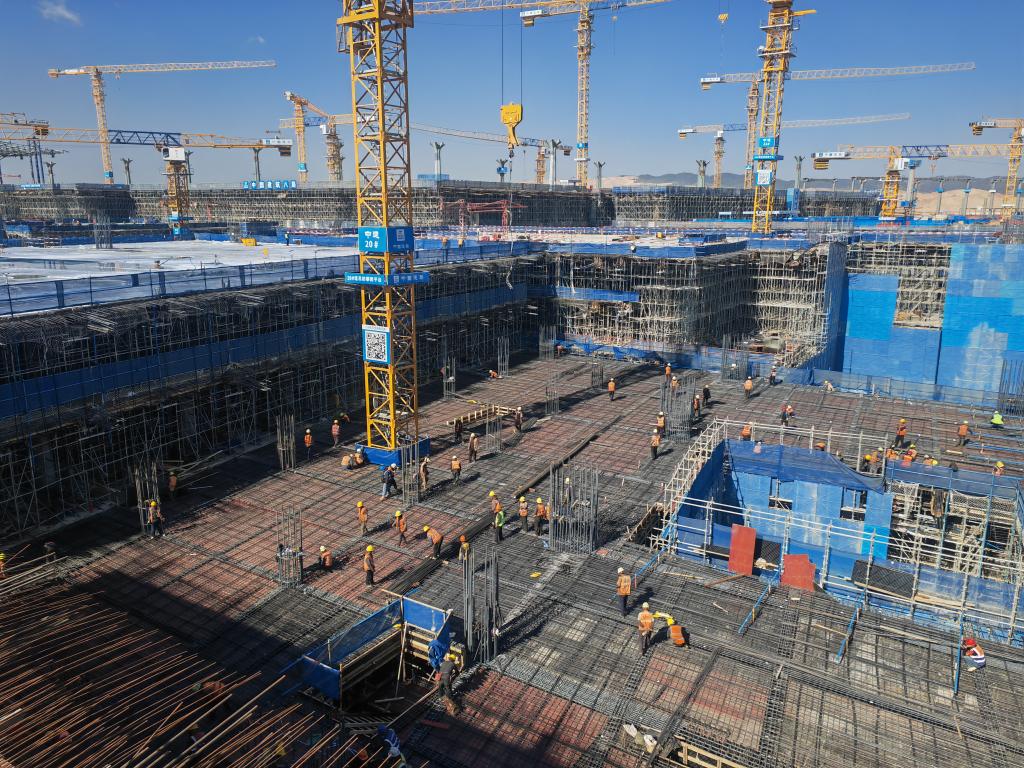
Group 1: Economic Development Initiatives - Yunnan Province is prioritizing major industrial project construction to achieve a strong economic start in Q1 2026, with a plan to ensure 37 key projects commence construction [1] - The construction site of Kunming Changshui International Airport is bustling, with over 300 workers currently engaged in the project, which aims to complete concrete structure work by May and steel structure work by September [1][3] Group 2: Infrastructure Projects - The Kunming Changshui International Airport expansion includes the construction of two new runways, a 730,000 square meter T2 terminal, and 189 parking positions, with 83% of the terminal's concrete structure already completed [3] - The construction of the Yukun High-speed Railway station adjacent to the airport is also progressing rapidly, with hundreds of workers working overtime during the holiday to meet project deadlines [3] Group 3: Aluminum Industry - The Yunnan Green Aluminum Innovation Industrial Park has over 10 companies fully operational, with Yunnan Hongtai New Materials Co., Ltd. having an annual production capacity of 2.03 million tons of electrolytic aluminum [5] - The Chu Xiong Dianzhong Nonferrous Metals Co., Ltd. has upgraded its electrolytic production area, increasing its annual capacity of cathode copper to 200,000 tons, currently operating at full capacity [6] Group 4: Mining Sector - Yiliang Chihong Mining Co., Ltd. is utilizing advanced non-explosive continuous mining technology, having invested over 160 million yuan in technological innovation to enhance mining efficiency and safety [8]
科技指数创逾两年最大单月跌幅 光通信与人工智能逆势突围
Xin Lang Cai Jing· 2026-02-27 08:40
Market Overview - The Hong Kong stock market experienced overall fluctuations and adjustments in February, with the Hang Seng Index oscillating around the 27,000-point mark and the Hang Seng Tech Index showing a significant decline of over 10% [1][2] - By the end of the month, the Hang Seng Index fell by 2.76% to 26,630.54 points, the Hang Seng Tech Index dropped by 10.15% to 5,137.84 points, and the Hang Seng China Enterprises Index decreased by 4.91% to 8,859.49 points [1] Market Sentiment - The current market adjustment reflects a re-evaluation of valuation levels and profit expectations, with investors adopting a more cautious risk appetite and overall asset allocation strategies becoming more prudent [3] Structural Opportunities - According to Everbright Securities, the Hong Kong market is in a phase of "moderate fundamental recovery, liquidity resonance, and neutral to warm sentiment," indicating a shift from a liquidity-driven market to one driven by performance, with a structural rebound expected in the first quarter [4] - CITIC Securities suggests focusing on three main lines: the "14th Five-Year Plan" policy line (biomanufacturing, embodied intelligence, 6G), sectors with reversed policy catalyst expectations (food delivery platforms, real estate), and sectors benefiting from seasonal movements (non-bank financials) [5] Stock Performance Leading Stocks - The top-performing stocks this month included: - Multi-Think Cloud (06696.HK) up 270.45% - Southern Communications (01617.HK) up 260% - Mobi Development (00947.HK) up 155.17% - Zhiyuan (02513.HK) up 154.20% - Changfei Optical Fiber (06869.HK) up 77.78% [6] Declining Stocks - The stocks that faced the most significant declines included: - Meitu (01357.HK) down 26.68% - Hua Hong Semiconductor (01347.HK) down 16.95% - Zhou Li Fu (06168.HK) down 13.81% - Meituan-W (03690.HK) down 16.51% - Alibaba-W (09988.HK) down 15.54% - Tencent Holdings (00700.HK) down 14.52% [12][13] Sector Highlights - Coal stocks showed strong performance, with China Qinfa (00866.HK) rising over 8% due to favorable market conditions and policy expectations in the coal sector [18] - Pharmaceutical stocks also rebounded, with notable gains from Zhaoyan New Drug (06127.HK) up 5.94% and WuXi Biologics (02269.HK) up 5.07%, supported by positive sentiment around AI's impact on contract manufacturing organizations (CDMOs) [20] - AI application stocks generally performed well, with Xunfei (02026.HK) up 10.03% and Kingsoft Cloud (03896.HK) up 7.69%, reflecting a surge in demand for AI technologies [22] Industry Trends - The semiconductor sector faced downward pressure, with stocks like Zhaoyi Innovation (03986.HK) dropping nearly 8% due to cautious sentiment in the global chip industry following a decline in Nvidia's stock [26][28] - The airline sector saw significant declines, with China Southern Airlines (01055.HK) down over 5% as ticket prices for popular routes plummeted following the end of the holiday season [30]

陈美宝:金融联动航运 吸引更多航运企业落户香港
智通财经网· 2026-02-27 06:57
Core Viewpoint - The Hong Kong Transport and Logistics Bureau aims to enhance Hong Kong's role as a global shipping hub and financial center, aligning with national development strategies and focusing on infrastructure development to drive growth [1][2]. Group 1: Shipping and Logistics Initiatives - The government will support the green transformation of the shipping industry, leveraging Hong Kong's dual advantages as an international financial and shipping center to facilitate decarbonization efforts [2]. - The CargoX project, in collaboration with the Hong Kong Transport and Logistics Bureau, aims to enhance trade financing through the Port Community System (PCS) and the Hong Kong International Airport Cargo data platform, with over 4,000 companies already registered [2]. - Plans to optimize tax incentives for the shipping service industry and introduce a dual-flag system for ship registration are underway to strengthen Hong Kong's position in high-value shipping services [2]. Group 2: Airport and Low-altitude Economy Development - The Hong Kong Airport Authority will continue to attract investment for the development of a leading "Airport City," with the automated transport system expected to be operational within the year [3]. - The low-altitude economy is identified as a new growth driver, with over 20 projects expected to enter regular operation, including drone applications for various inspections and maintenance tasks [3]. - The Transport and Logistics Bureau will formulate a "Low-altitude Economy Development Action Plan" to enhance infrastructure and establish an intelligent low-altitude traffic management system [3]. Group 3: Traffic Management and Technological Integration - The Transport and Logistics Bureau is actively researching a "Traffic Management Platform" that will utilize big data and artificial intelligence to enhance traffic management and predict congestion [4]. - The initial trial of the platform will take place in Aberdeen, with plans for broader implementation to improve urban traffic flow, especially during extreme weather conditions [4]. - The Bureau aims to accelerate transportation development through innovation and financial empowerment, enhancing the overall transportation network for citizens [4].
全球制造四分天下:美国、欧盟各占17%,日韩占8%,中国呢?
Sou Hu Cai Jing· 2026-02-27 04:33
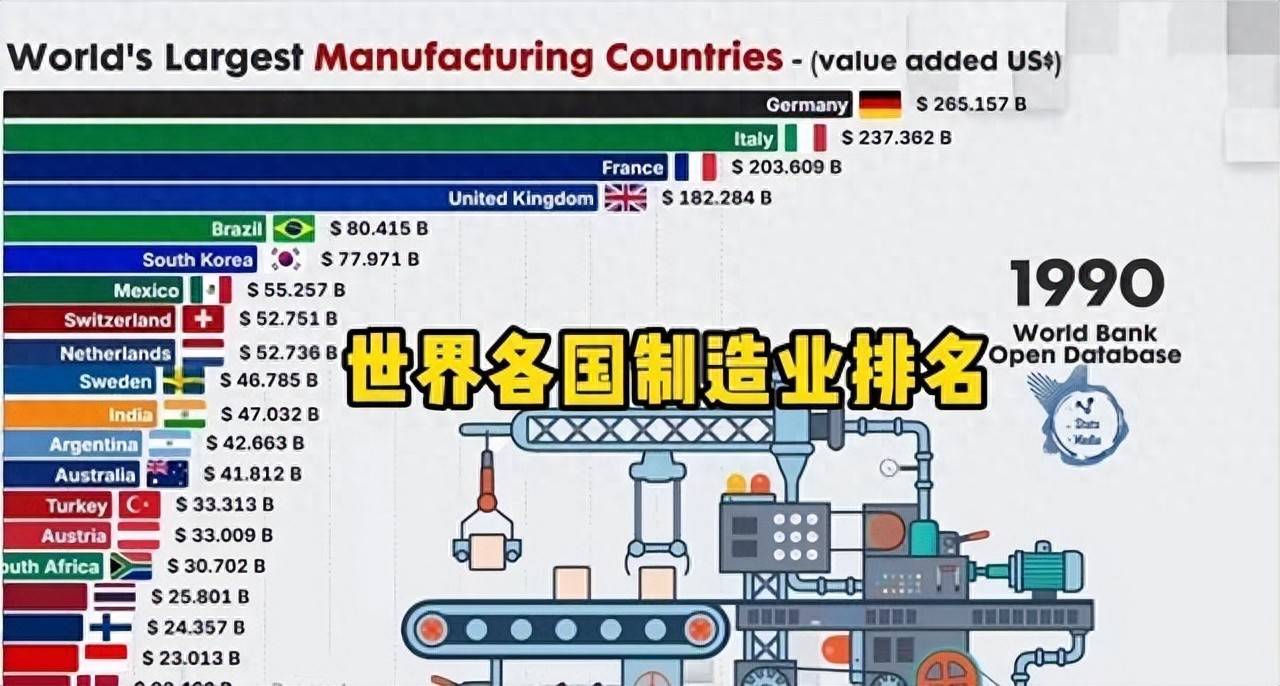
Group 1: Historical Context of Manufacturing - Europe, once the center of global economy due to its industrial revolution, has seen a decline in its manufacturing contributions due to rising labor costs, aging population, and a shift in workforce preferences [1] - Japan's manufacturing sector faced significant challenges after the 1985 agreement led to a strong yen, resulting in a loss of export competitiveness and a prolonged economic downturn [3] - The global manufacturing landscape has shifted eastward, with emerging markets rising and developed countries' shares declining, indicating a new normal in global economic dynamics [5] Group 2: Current Manufacturing Landscape - In 2024, global manufacturing output shows China leading with 27.7%, followed by the US at 17.3%, Japan at 5.15%, and Korea at 2.47%, while the EU collectively holds about 17% [5] - North America maintains stability in manufacturing, with the US contributing approximately $2.91 trillion, over 15% of global output, particularly excelling in high-end sectors like medical devices and semiconductors [6] - The EU's manufacturing output totals $2.8 trillion, with Germany as the leader, but the average contribution per member state is only 0.6%, highlighting challenges in competitiveness [8] Group 3: Competitive Strengths of Japan and Korea - Japan, despite its smaller scale, retains competitiveness in niche markets, with companies like Toyota and Fanuc leading in production models and robotics [10] - Korea has established a strong presence in semiconductors, automotive, and shipbuilding, with companies like Samsung and Hyundai ranking among the top globally [10] Group 4: China's Manufacturing Dominance - China's manufacturing output reached $4.66 trillion in 2024, surpassing the combined totals of the US, Japan, and Germany, showcasing its extensive industrial capabilities across all sectors [13] - China leads in over 220 industrial products, with significant advancements in high-tech areas such as electric vehicles, solar components, and lithium batteries, indicating a robust manufacturing ecosystem [13] - The country's manufacturing sector is characterized by resilience and comprehensive coverage, making it a pivotal player in global trade and supply chains [15]
港股午评:恒指涨0.75%,科技股回暖助力,半导体存储概念股走低
Ge Long Hui· 2026-02-27 04:04
Market Performance - The Hong Kong stock market showed signs of recovery in the morning session, with the Hang Seng Technology Index rebounding after hitting a low of 5100, closing up by 1.03% [1] - The Hang Seng Index and the China Enterprises Index also saw increases of 0.75% and 0.4% respectively, indicating a positive market sentiment [1] Sector Performance - Major technology stocks, which serve as market indicators, experienced a rebound, with Tencent rising by 3.6% [1] - Rare metal stocks showed strong performance, while AI application concept stocks generally rebounded, with Kingsoft Cloud leading the gains [1] - Other sectors such as steel, coal, and insurance stocks also saw upward movement [1] Airline and Semiconductor Stocks - Following the Spring Festival, several airline routes offered significantly reduced ticket prices, leading to a decline in airline stocks [1] - Semiconductor storage concept stocks faced widespread declines, with notable drops in stocks like Zhaoyi Innovation and Changjiang Storage [1]