
证券业

Search documents
1.26犀牛财经晚报:全球首次人形机器人直连低轨高通量卫星试验成功
Xi Niu Cai Jing· 2026-01-26 10:28
Group 1 - Multiple heavyweight stocks experienced significant sell orders at the close, with Zijin Mining's sell order amount exceeding 4 billion yuan [1] - The head of broad-based ETFs has seen a continuous reduction in shares, with the average share reduction of 27.24% for six large-scale ETFs over the past seven trading days [1] - The CSI 1000 ETFs have seen a dramatic decline, with an average share reduction of 47.9% over the same period, and two products experiencing a drop of over 50% [1] Group 2 - The Dalian Commodity Exchange announced the listing parameters for soybean meal and corn options, set to begin trading on February 2 [2] - The international gold price has reached a new high, with spot gold surpassing 5,100 USD per ounce, leading to a rise in gold jewelry prices in Shenzhen [3] - The global laptop shipment is expected to decrease by 14.8% in Q1 2026 due to rising prices of CPUs and memory [4] Group 3 - The global production of lithium iron phosphate is projected to reach 70,000 tons by 2026, up from 28,500 tons in 2025, driven by demand in electric vehicles and consumer electronics [4] - SoftBank has terminated negotiations to acquire data center operator Switch, impacting its AI infrastructure ambitions [5] - Porsche plans to reduce its dealer network by 30% this year, with no current plans for local production in China [5] Group 4 - Hunan Gold plans to integrate gold mines, expecting to add approximately 4 tons of gold reserves upon reaching production capacity [7] - The stock of *ST Tianshan may face delisting due to projected losses of 16 million to 23 million yuan for 2025 [9] - Jiangzhong Pharmaceutical will change its stock name to "China Resources Jiangzhong" to enhance brand recognition [10] Group 5 - Changyuan Donggu received a notice of being selected as a supplier for a well-known domestic passenger car project, with an estimated sales amount of 2.2 billion to 3 billion yuan [11] - Shankai Intelligent won a project for developing a smart water service platform, with a bid amount of 12.11 million yuan [12] - Several companies, including Koli Yuan and Shenling Environment, forecast significant profit increases for 2025, with expected growth rates ranging from 49.69% to 420% [13][14][15][17][19]

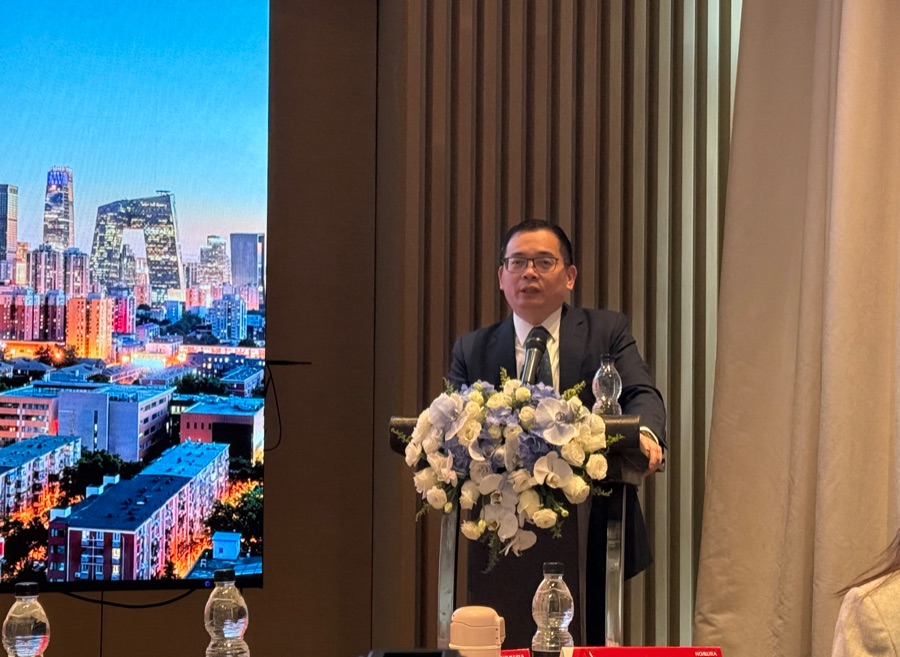
中国人民银行副行长邹澜:深化互联互通 坚定支持离岸人民币市场建设
Shang Hai Zheng Quan Bao· 2026-01-26 08:05
Core Viewpoint - The People's Bank of China (PBOC) emphasizes the rapid development and global influence of China's financial markets, highlighting the ongoing efforts to enhance the connectivity between mainland China and Hong Kong's financial markets [1][2]. Group 1: Bond Market Developments - The "Bond Connect" has significantly enhanced Hong Kong's role as a global financial hub, with over 800 foreign institutions investing in mainland China's bond market through the "Northbound" channel, holding a total of 810 billion RMB, which accounts for 25% of foreign holdings in Chinese bonds [1] - The total trading volume for 2025 is projected to reach 9.7 trillion RMB, representing over 60% of the market [1] - The "Southbound" channel has facilitated mainland investors in acquiring Hong Kong dollar, US dollar, and RMB-denominated bonds, with current holdings nearing 1.2 trillion RMB [1] Group 2: Stock Market Developments - The Shanghai-Hong Kong Stock Connect mechanism continues to expand, with mainland investors holding over 60 billion HKD in Hong Kong stocks through the "Hong Kong Stock Connect," while global investors hold over 2.5 trillion RMB in mainland stocks via the "Shanghai-Hong Kong Stock Connect" [1] Group 3: Currency and Liquidity Management - In February and October 2025, the PBOC and the Hong Kong Monetary Authority launched offshore and cross-border RMB repurchase agreements, with 34 foreign institutions engaging in offshore repurchase transactions totaling 119.1 billion RMB, and 46 new institutions participating in cross-border repurchase agreements amounting to 150.3 billion RMB, enhancing liquidity in the Hong Kong RMB market [2] - The "Swap Connect" has seen 87 foreign investors accessing the mainland derivatives market through Hong Kong, with a cumulative nominal principal of over 9.9 trillion RMB in interest rate swap transactions [2] Group 4: Gold Market Developments - The Shanghai Gold Exchange has established a delivery warehouse in Hong Kong and listed related contracts, enriching the offshore RMB asset allocation tools [2] - The PBOC supports the construction of Hong Kong's gold market, aiming to strengthen its role as an international gold trading center [4] Group 5: Future Initiatives - The PBOC plans to increase the RMB business funding arrangement scale for Hong Kong's offshore market from 100 billion to 200 billion RMB to enhance liquidity [3] - Continued efforts will be made to improve financial market connectivity and expand liquidity management and risk hedging tools for foreign investors [3] - The PBOC will also increase the annual issuance of offshore RMB government bonds to meet the demand for quality RMB asset allocation from foreign investors [3]
野村陆挺:2026年扩内需要做好房地产化债
2 1 Shi Ji Jing Ji Bao Dao· 2026-01-26 07:21
Core Viewpoint - The report highlights the expectations for China's macroeconomic policies in 2026, emphasizing increased government spending and monetary easing to support economic stability and growth [1][9]. Economic Outlook - In 2025, China's economy is projected to exceed 140 trillion yuan, achieving a year-on-year growth of 5%, with a quarterly trend showing a decline from 5.4% in Q1 to 4.5% in Q4 [2][3]. - Domestic demand remains under pressure, with retail sales growing by 3.7% to 50.12 trillion yuan, while fixed asset investment decreased by 3.8% to 48.52 trillion yuan [2][3]. - Exports are resilient, with a growth of 6.1% to 26.99 trillion yuan, supported by China's strong industrial base and competitive pricing [2]. Stock Market Performance - The stock market showed significant activity in 2025, with the Shanghai Composite Index rising nearly 22% from 3,262 at the beginning of the year to 3,968 by year-end [4][7]. - Government policies have successfully fostered a bullish market environment, with a cautious approach to prevent excessive volatility [7][8]. Policy Recommendations - For 2026, it is crucial to implement stronger measures to address real estate debt issues and enhance the pension system to support sustainable consumption [1][10]. - The focus should be on stabilizing the real estate market and improving the social security system to increase household consumption rates [11]. - A proposed increase in pension levels for 1.8 billion retirees could significantly boost consumer spending, with an estimated fiscal impact of over 200 billion yuan for a 100 yuan monthly increase [11].

外资看多2026中国经济,长线资金抢筹核心资产
Huan Qiu Wang· 2026-01-26 07:18
Group 1 - The core viewpoint of the articles highlights the optimistic outlook for China's economy in 2026, driven by structural upgrades in exports and recovery in domestic consumption, which are expected to provide significant certainty for global economic growth [1][3]. - International financial institutions are increasingly confident in China's economic resilience, with reports indicating a fundamental shift in export drivers from cost advantages to technology and supply chain efficiency [1][3]. - The competitiveness of Chinese exports is being enhanced through product upgrades and innovation, particularly in high-value and high-tech sectors such as automobiles, batteries, solar energy, and grid equipment [1][3]. Group 2 - The recovery and upgrade of domestic consumption are seen as key drivers of economic growth, with evidence of structural transformation in demand patterns [3]. - The stability of China's industrial and supply chains is a significant advantage for multinational companies, making China an attractive market for foreign investments [3]. - Foreign institutions are actively reallocating assets towards Chinese markets, with a shift in focus from short-term valuation benefits to long-term growth potential driven by industrial transformation [3][4]. Group 3 - Long-term capital is increasingly securing cornerstone investments in high-quality Chinese assets, indicating a shift from short-term holdings to long-term allocations [4][5]. - The average subscription rate for cornerstone investors in Hong Kong IPOs has reached 39.15%, the highest in two years, reflecting growing international capital interest in China's industrial upgrades [4]. - The focus of international long-term capital is shifting from price-driven strategies to value-driven approaches, emphasizing the importance of companies' positions in the supply chain, technological barriers, and future profitability [5].

外资“超配、高配”中国资产 对中国优质企业从“价格驱动”转向“价值驱动”
Yang Shi Wang· 2026-01-26 04:52
Economic Outlook - China's economy is showing resilience and vitality, with expectations for increased certainty in global development in 2026, particularly in exports and consumption [1] - Multiple international financial institutions have expressed optimism about the structural upgrade of China's exports, shifting from cost-driven advantages to technology and supply chain efficiency [3] Export and Consumption Trends - Chinese enterprises are actively innovating through product upgrades and optimizing service exports, particularly in sectors like automotive, batteries, solar energy, and grid equipment [5] - The recovery and upgrade of domestic consumption are becoming significant supports for China's economic growth, with positive assessments from various institutions regarding the consumption market [7] - The competitiveness of China's exports remains strong, with ongoing optimization and upgrading of export product structures, particularly in high-value and high-tech industries [8] Foreign Investment Sentiment - Foreign institutions are increasingly viewing China as a preferred market for investment due to its stable industrial and supply chains, which are seen as irreplaceable [12] - International investors are shifting their focus from merely chasing valuation gains to recognizing the long-term growth potential brought by industrial transformation and upgrades in China [15] - The average subscription ratio for cornerstone investors in Hong Kong's IPOs has risen to 39.15%, indicating a strategic lock-in of core assets related to China's industrial upgrades [21] Long-term Investment Strategies - Long-term capital is increasingly seeking cornerstone positions in Chinese assets, reflecting a preference for medium to long-term certainty over short-term volatility [23] - The focus of international long-term capital is shifting towards the position of companies within the supply chain, technological barriers, and future profitability, indicating a change in perception from price-driven to value-driven investment [23] - The participation of international long-term capital in IPOs and refinancing projects is primarily from new economy sectors, providing opportunities for global investors to engage with China's innovation and growth [23]
广发基金管理有限公司关于以通讯方式召开广发集享债券型证券投资基金基金份额持有人大会的公告
Zhong Guo Zheng Quan Bao - Zhong Zheng Wang· 2026-01-25 23:15
Core Viewpoint - The announcement details the convening of a communication-based meeting for the holders of the Guangfa Ji Xiang Bond Fund to discuss amendments to the fund contract termination clause, aiming to adapt to market changes and protect the interests of fund holders [1][29]. Group 1: Meeting Details - The fund was approved for registration on March 8, 2024, and officially commenced operations on June 14, 2024 [1]. - The meeting will be held via communication methods, with voting starting from January 27, 2026, to March 3, 2026, at 15:00 [1]. - The record date for rights is January 26, 2026, allowing all registered fund holders to participate in the meeting [4]. Group 2: Voting Procedures - Fund holders can vote through various methods, including paper voting, telephone voting, SMS voting, and online voting, with specific instructions provided for each method [5][9][11][12]. - Paper voting requires submission of a completed ballot and relevant documents to the designated recipient during the voting period [2][8]. - The voting process will be supervised and certified by authorized personnel and a notary [21]. Group 3: Proposal for Amendment - The main agenda item is to review the proposal to amend the fund contract termination clause, which includes changes to the conditions under which the fund may be terminated [3][29]. - The proposed amendment modifies the conditions for termination, extending the period for notifying the regulatory authority and requiring a meeting of fund holders if certain conditions are met [34][36]. Group 4: Authorization and Representation - Fund holders may authorize others to vote on their behalf, with specific requirements for both individual and institutional holders [15][16][17]. - The authorization must be submitted in a specified format and include necessary identification documents [16][18]. Group 5: Decision-Making and Effectiveness - The meeting requires participation from fund holders representing at least 50% of the total fund shares to be valid, and the proposal must be approved by at least two-thirds of the voting rights present [25][32]. - If the meeting does not meet the required conditions, the fund management may reconvene the meeting within a specified timeframe [26].

港股早报| 黄仁勋新年来华首站落地上海 光大证券去年营收和净利同比增超10%
Xin Lang Cai Jing· 2026-01-25 23:08
Company News - China Merchants Bank (03968.HK) reported a revenue of 337.53 billion yuan for 2025, with a year-on-year growth of 0.01%; net profit reached 150.18 billion yuan, an increase of 1.21% year-on-year [6] - Everbright Securities (06178.HK) achieved a revenue of 10.863 billion yuan in 2025, reflecting a year-on-year growth of 13.18%; net profit was 3.729 billion yuan, up 21.92% year-on-year [7] - Shanghai Fudan (01385.HK) expects a revenue of approximately 3.93 billion to 4.03 billion yuan for 2025, representing a year-on-year increase of 9.46% to 12.25%; net profit is projected to be between 190 million to 283 million yuan, a decrease of about 66.82% to 50.58% year-on-year [7] - China Power International Development (01071.HK) reported a total power generation of 26.2 billion megawatt-hours for 2025, a year-on-year decline of approximately 6.99% [7] - China Life Insurance (02628.HK) plans to invest 4 billion yuan to establish a partnership focused on "technology innovation and industrial upgrading" in the Yangtze River Delta region; it also intends to contribute 8.492 billion yuan to establish a partnership with its subsidiary, focusing on investments in the elderly care industry [7] - Road King Infrastructure (01098.HK) intends to sell several property rights in the Road King New World commercial project in Ningbo for 100.3 million yuan [7] - China Metallurgical Group (01618.HK) forecasts a net profit of 1.3 billion to 1.6 billion yuan for 2025, a decrease of 76.28% to 80.73% year-on-year [8] Industry Trends - The toy, commercial aerospace, photovoltaic, and intelligent driving sectors are showing strong performance, while insurance and banking sectors continue to exhibit weakness [5]





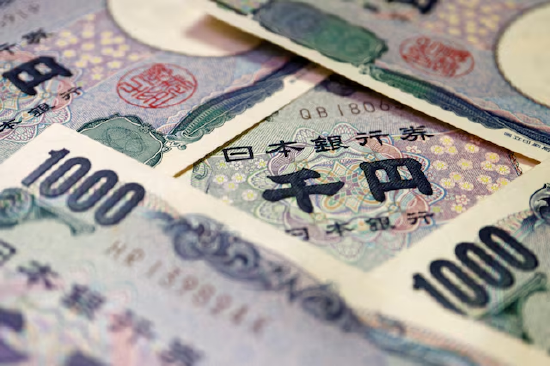
外汇市场警惕日本央行出手干预日元汇率
Xin Lang Cai Jing· 2026-01-25 22:59
Group 1 - The Japanese yen experienced a significant surge last Friday, prompting Prime Minister Kishi Sanae to commit to combating market speculation, indicating a potential for official intervention to support the yen [2][8] - As of Greenwich Mean Time 20:45, the USD/JPY exchange rate fell approximately 0.8% to 154.56, marking the lowest level since December 17, while the dollar index decreased by 0.4% to 97.085 [3][8] - The yen's exchange rate against the dollar had previously surged to 155.73, representing the largest single-day increase in nearly six months, which has caused short-sellers to reconsider their positions [9][11] Group 2 - The yen has been in a prolonged period of depreciation, currently near multi-decade lows against the dollar, which has raised concerns among Japanese officials about its negative impact on the economy [4][11] - Analysts suggest that the USD/JPY exchange rate may have peaked, with projections indicating a potential recovery to the 140.00-145.00 range based on interest rate differentials [4][10] - The Japanese government is increasingly concerned about the yen's weakness, which has led to rising import costs and overall inflation, thereby diminishing household purchasing power [5][11] Group 3 - There are speculations about a possible joint intervention by the US and Japan to stabilize the yen, which would be the first coordinated action since the 2011 earthquake, aimed at curbing excessive yen depreciation [9][12] - The Japanese Finance Minister has expressed concerns regarding the recent unilateral depreciation of the yen, indicating discussions with US Treasury Secretary Scott Bessen about the issue [11][12] - Market analysts believe that if intervention measures are implemented, their effectiveness could be significantly enhanced, especially if coordinated with other Asian partners [12]
每日债市速递 | 银行间市场资金面仍显紧平衡
Wind万得· 2026-01-25 22:43
Group 1: Open Market Operations - The central bank conducted a 7-day reverse repurchase operation of 125 billion yuan at a fixed rate of 1.40% on January 23, with a total bid and awarded amount of 125 billion yuan, resulting in a net injection of 38.3 billion yuan for the day after accounting for 86.7 billion yuan in reverse repos maturing [3] - For the week, the net injection reached 229.5 billion yuan, with 1.181 trillion yuan in reverse repos maturing from January 26 to 30, along with 200 billion yuan in MLF maturing on January 26 [3] Group 2: Funding Conditions - The interbank market remains tight due to lingering tax payment impacts, with the weighted average rate of DR001 decreasing by about 2 basis points to around 1.39% [5] - Overnight rates in the anonymous click (X-repo) system are around 1.42%, indicating unstable supply, while non-bank institutions' overnight borrowing rates for pledged certificates and credit bonds are between 1.52% and 1.55% [5] - The latest overnight financing rate in the U.S. is 3.63% [5] Group 3: Interbank Certificates of Deposit - The latest transaction rate for one-year interbank certificates of deposit among major banks is approximately 1.59%, down over 1 basis point from the previous day [6] Group 4: Government Bond Futures - The closing prices for government bond futures show a slight increase, with the 30-year main contract rising by 0.07%, the 10-year by 0.03%, the 5-year by 0.04%, and the 2-year by 0.01% [12] Group 5: Regulatory Developments - The China Securities Regulatory Commission (CSRC) is intensifying scrutiny of illegal fundraising and other violations in the private equity fund sector, with over 1,750 institutions undergoing self-assessment and problem rectification, and approximately 30 cases being investigated [13]

策略周报:行稳致远,市场节奏如何把握?-20260125
HWABAO SECURITIES· 2026-01-25 13:26
Group 1 - The report indicates that the bond market remains buoyant with ample liquidity, supported by a recent 900 billion yuan MLF operation by the central bank, signaling a commitment to maintain liquidity levels [11][15][16] - The 10-year government bond yield is stabilizing in the range of 1.8%-1.9%, suggesting a decrease in the attractiveness of chasing higher yields as rates approach the lower end of this range [15][16] - The stock market is expected to maintain a steady and healthy slow bull pattern, with structural opportunities remaining abundant despite potential pressure from mid-to-long-term fund position adjustments [3][11][16] Group 2 - The report highlights that the A-share market is experiencing a shift towards high-dividend, low-volatility sectors, such as banks and state-owned enterprises, as investors adjust their strategies ahead of the Spring Festival [3][16] - The report notes that the overall market sentiment remains high, with significant capital inflows into mid-cap stocks, particularly the CSI 500 and CSI 1000 indices, which have outperformed during the week [11][16] - The report emphasizes the importance of monitoring macroeconomic indicators and corporate earnings as key drivers for market performance in the upcoming weeks [11][16]