新能源汽车制造

Search documents
富士康新能源汽车研发中心在郑州投用
Zheng Zhou Ri Bao· 2026-02-04 21:18
依托数字化研发平台与智能工厂的深度协同,该研发中心已形成覆盖全谱系产品的开发能力,同时通过 与河南本地供应链的深度整合,构建起"研发—制造—配套"一体的高效产业生态圈,在成本控制与响应 速度上形成显著优势。 此次合作也是郑州航空港区与富士康深化协同的重要成果。"从2024年研发中心落地到如今投用,富士 康新能源汽车正加速实现从研发到量产的全面推进。"据了解,2025年郑州航空港区新能源汽车产量已 达55.8万辆,千亿级产业集群动能强劲。 本报讯(记者 刘凌智)昨日,富士康新能源汽车产业发展(河南)有限公司EV研发中心在郑州航空港 区正式投用。这座承载着"智能化、自动化、高品质、高效率"四大核心目标的创新基地,不仅标志着富 士康在新能源汽车领域的战略布局迈入全新阶段,更成为河南打造万亿级新能源汽车产业集群的关键支 撑,为"豫车出海"增添强劲动能。 作为富士康"3+3+3"战略的核心落子,该研发中心的投用被赋予多重意义。富士康新能源汽车产业发展 (河南)有限公司总经理李光曜在投用仪式上表示,研发中心的落成意味着企业已构建起从产品规划、 平台开发到整车制造的全价值链硬核实力,正式完成新能源汽车产业的全链条布局。 据 ...
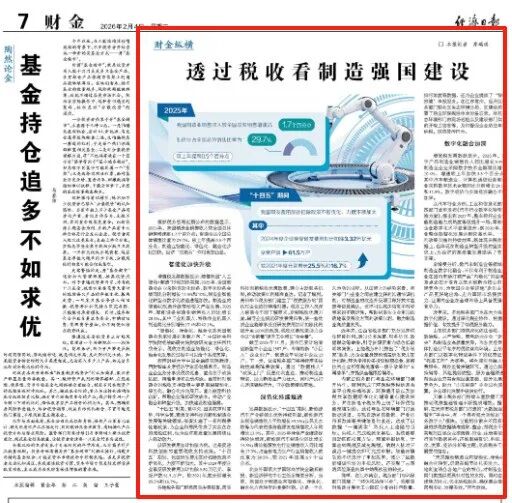
经济日报:透过税收看制造强国建设
Xin Lang Cai Jing· 2026-02-04 12:20
Core Insights - The manufacturing sector in China is projected to grow faster than the overall national sales growth by 1.7 percentage points by 2025, with its share of total sales reaching 29.7%, an increase of 0.5 percentage points from the previous year, highlighting its role as an economic stabilizer [2][14]. Intelligent Upgrading - By 2025, the procurement of automation and digital equipment by manufacturing enterprises is expected to increase by 11.3% and 10% year-on-year, respectively, indicating a rapid transformation towards intelligent manufacturing [4][16]. - The sales revenue of the intelligent equipment manufacturing sector is anticipated to grow by 28.1% year-on-year, with industrial robots and special operation robots seeing increases of 17.4% and 42.1%, respectively [4][16]. - Tax policies are being tailored to support the intelligent, green, and integrated development of the manufacturing sector, encouraging technological innovation and reducing R&D costs [4][16]. Green Development - The sales revenue of the new energy vehicle manufacturing sector is expected to grow by 14.3% year-on-year by 2025, while the clean energy generation sector is projected to see a 17.3% increase, with its share of total electricity production revenue rising to 38.5%, up 6.9 percentage points from 2021 [7][19]. - The government is focusing on establishing effective communication mechanisms between departments and enterprises to facilitate the accurate enjoyment of tax benefits related to green development [7][19]. Digital Integration - The sales revenue of the digital product manufacturing sector is projected to grow by 9.4% year-on-year by 2025, with manufacturing enterprises' procurement of digital technologies increasing by 10.4%, reflecting a deepening integration of the digital economy with the real economy [10][22]. - The automotive industry is set to enhance its digital transformation capabilities significantly by 2027, with a goal of achieving a high level of digital development by 2030 [10][22]. - Local tax authorities are enhancing their digital capabilities to improve tax services and compliance, thereby supporting the manufacturing sector's transition towards intelligent, green, and integrated development [10][22]. Tax Incentives and Support - During the "14th Five-Year Plan" period, tax incentives have been implemented to support technological innovation and manufacturing development, resulting in significant tax reductions for businesses [5][17]. - The R&D expense deduction policy has been optimized, with an expected deduction of 3.32 trillion yuan for 2024, benefiting 615,000 enterprises, marking increases of 25.5% and 16.7% from 2021 [5][17]. - Local tax departments are actively engaging with enterprises to ensure they can access these tax benefits effectively, including personalized support for R&D expense deductions [5][17][18].

美联储-美元与黄金
2026-02-03 02:05
Summary of Key Points from Conference Call Records Industry Overview - **Industry**: Precious Metals and Commodities - **Key Focus**: Gold prices, U.S. monetary policy, geopolitical risks, and commodity market dynamics Core Insights and Arguments 1. **Gold Price Surge**: Gold prices surpassed $5,500, reflecting heightened global concerns over U.S. economic and political uncertainties, prompting some countries to consider increasing gold allocations, which undermines the dollar's reserve status [1][10][11] 2. **Federal Reserve's Policy Impact**: New Fed Chair Kevin Warsh's potential policies may lead to interest rate cuts, but his hawkish stance on balance sheet reduction adds market uncertainty. This could trigger liquidity crises or market shocks, increasing risks [1][6][11] 3. **Investor Behavior**: The significant influx of ETF funds indicates strong retail and individual investor participation in gold, making it a liquidity and sentiment-driven asset [2][3] 4. **Geopolitical Factors**: Increased geopolitical uncertainties have driven demand for safe-haven assets like gold, although the timing of these impacts remains unpredictable [3][6] 5. **Decoupling of Fundamentals**: Traditional factors influencing gold prices, such as real interest rates, have decoupled from gold price movements, suggesting that market expectations and speculative behavior are now more significant drivers [4][5] 6. **U.S. Debt Concerns**: U.S. debt faces challenges such as high interest payment pressures and low foreign ownership, leading investors to diversify into gold. The perception of U.S. debt as a safe asset is being reevaluated [8][9] 7. **De-dollarization Process**: The de-dollarization process is gradual, with some countries selling U.S. debt and buying gold, but others continue to increase their U.S. debt holdings, indicating a complex and slow transition [9][11] 8. **Commodity Market Dynamics**: The commodity market is experiencing structural supply-side shortages, influenced by macro narratives and policy changes. The nomination of Warsh may lead to a broad market downturn, but fundamental differentiation could lead to rebounds [15][16] 9. **Energy Market Opportunities**: There are marginal recovery opportunities in the energy market due to OPEC's production delays and geopolitical risks, despite current oversupply conditions [22] 10. **Copper Market Outlook**: The copper market is expected to see price increases, with projections for 2026 placing prices between $11,000 and $12,000, driven by limited new capacity and demand dynamics [19] Additional Important Insights 1. **Historical Context**: The current situation mirrors past instances of inflation and economic turmoil, where aggressive monetary policy was required to restore confidence in the dollar and U.S. debt [12] 2. **Long-term Economic Balance**: The U.S. faces challenges in balancing low inflation, low interest rates, and maintaining dollar hegemony, with historical precedents suggesting that aggressive rate hikes may be necessary but politically challenging [13] 3. **Investment Risks**: Investors in commodities should be cautious of consensus expectations, which can lead to limited trading opportunities and increased risks if market narratives shift [23] 4. **Real Estate Market Changes**: Recent policy changes in the real estate market have positively impacted transaction volumes, but the overall market remains sensitive to inventory issues and economic conditions [24][25][26] This summary encapsulates the critical insights and arguments presented in the conference call records, focusing on the implications for the gold market, U.S. monetary policy, and broader commodity market dynamics.
五年跃升41.4% 全市电力消费“量质齐升”
Hang Zhou Ri Bao· 2026-02-02 03:27
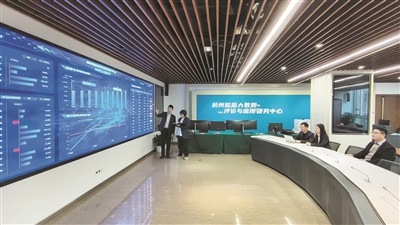
Core Insights - Hangzhou's total electricity consumption is projected to reach 114.25 billion kWh by 2025, marking a 6.5% year-on-year increase and a 41.4% increase compared to 2020, positioning it as the second provincial capital city in China to exceed 100 billion kWh in electricity consumption [3][4] Group 1: Electricity Consumption Trends - The electricity consumption structure in Hangzhou is undergoing significant transformation during the 14th Five-Year Plan period, with emerging manufacturing and service industries becoming the main growth drivers [3] - By 2025, the electricity consumption shares of the primary, secondary, and tertiary industries, as well as residential use, are expected to be 0.5%, 42.7%, 35.8%, and 21% respectively, with the tertiary industry's share increasing by 7.8 percentage points since 2020 [3][4] - The secondary industry's electricity consumption remains the highest, but its growth is shifting from high energy consumption to high-tech driven [3] Group 2: Manufacturing and Service Sector Developments - The high-end, intelligent, and green transformation in the manufacturing sector is particularly notable, with manufacturing electricity consumption expected to account for 36.7% of total electricity by 2025, reflecting a 3.1% year-on-year increase [4] - High-end manufacturing sectors such as computer communication, pharmaceutical manufacturing, and aerospace are experiencing double-digit growth in electricity consumption, while the electric vehicle manufacturing sector is projected to grow by 17.1% [4] - The productive service sector's electricity consumption is expected to account for 18.6% of total consumption, with a year-on-year growth of 10.4% and a 78.6% increase since 2020 [4] Group 3: Emerging Sectors and Innovations - The internet data service sector, driven by artificial intelligence, is witnessing explosive growth, with electricity consumption increasing by 159.6% year-on-year and 25.5 times since 2020 [4] - The consumption of electricity in the consumer service sector is projected to account for 17% of total consumption, with a year-on-year increase of 9.8% and an 84.2% increase since 2020 [4] - The charging and swapping service sector for electric vehicles is expected to see a 41.5% year-on-year increase in electricity consumption by 2025, with a staggering 650% increase since 2020 [5] Group 4: Infrastructure and Future Outlook - By 2025, Hangzhou is expected to have built 5,011 charging stations, with total charging volume reaching 2.077 billion kWh, a 49.7% year-on-year increase [5] - The changes in electricity consumption patterns will provide robust data support and practical guidance for Hangzhou's new energy system construction and the development of advanced manufacturing clusters during the 15th Five-Year Plan period [5]
锂价冲上每吨18万!铜铝及DRAM都涨价!新能源汽车利润堪忧?
Zhong Guo Qi Che Bao Wang· 2026-01-29 04:03
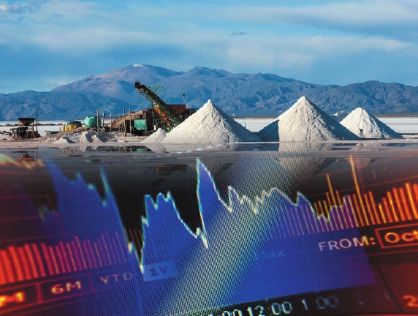
Core Viewpoint - The significant rise in prices of raw materials such as lithium, copper, and aluminum, along with DRAM storage chips, is expected to impact the electric vehicle (EV) industry, leading to increased production costs and potential profit erosion for manufacturers [2][3][4]. Group 1: Raw Material Price Increases - Lithium carbonate prices have surged, with futures reaching 182,000 yuan/ton, marking a two-year high, and spot prices increasing from 75,700 yuan/ton to 175,000 yuan/ton over a year [2]. - The cost of aluminum for a typical mid-sized electric vehicle has increased by 600 yuan, while copper costs have risen by 1,200 yuan in the last three months [3]. - The price of automotive DRAM storage chips has skyrocketed by 180% in three months, with costs per vehicle rising from approximately $100 to 2,000 yuan, an increase of 1,300 yuan [3][5]. Group 2: Impact on Electric Vehicle Costs - For a pure electric vehicle with an 80 kWh battery, the increase in lithium costs alone could add approximately 3,800 yuan to the vehicle's production cost [3]. - Range-extended electric vehicles and plug-in hybrids are also facing cost increases, with lithium costs rising by about 1,900 yuan and 1,000 yuan respectively [4]. - The overall cost pressures from rising prices of lithium, copper, and aluminum are significant for all types of electric vehicles [4]. Group 3: Challenges for Automotive Manufacturers - Major automotive manufacturers may struggle to pass on increased costs to consumers due to intense market competition, potentially leading to profit margins approaching zero [6][7]. - Smaller manufacturers, already at a disadvantage, face heightened cash flow pressures and may be forced out of the market due to their inability to absorb rising costs [7]. - The competitive landscape is forcing all manufacturers, regardless of size, to confront unprecedented challenges due to the rising costs of raw materials [7]. Group 4: Strategic Responses - Companies are focusing on enhancing product value through advanced features like high-level intelligent driving and smart cockpit systems to offset rising costs [9]. - The shift towards value enhancement rather than mere scale expansion is becoming a new industry trend, emphasizing technological innovation and quality improvement [10]. - Many companies are exploring overseas markets to mitigate risks associated with rising costs, taking advantage of favorable trade policies in regions like Canada [9][10].
曝均瑶集团决定退出造车业务,亏损高达40亿元
Ju Chao Zi Xun· 2026-01-29 02:35
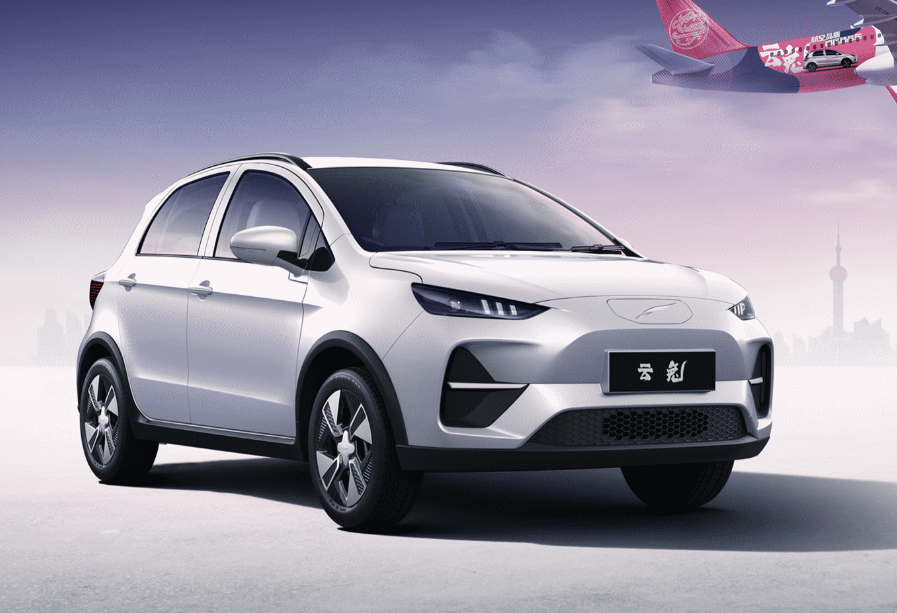
目前,均瑶集团尚未对退出传闻作出公开回应。不过企业信息变更显示,均瑶集团对云度汽车中的持股比例已从85.31%降至 15.55%,实质上失去了控制权。莆田国投旗下莆田市国有资产投资集团有限责任公司以49.4444%的持股比例位列第一大股东, 福建创新投持有余下35%股权。 2023年2月,均瑶集团入主云度汽车,其董事长王均金曾公开阐述"吉祥大出行"战略,并发布了"吉祥汽车"品牌,意图整合旗下 吉祥航空与新能源汽车业务,从硬件、软件和服务三方面打造"天上有吉祥,地上有云度"的一体化出行体验。王均金强调,该 战略并非简单追随造车新势力,而是旨在打造"新能源汽车2.0模式",探索独特商业路径。 作为战略关键一环,云度汽车原计划于当年2月28日推出首款新能源车型云兔,云度汽车用户中心总监史湧哲此前透露,其莆田 工厂规划年产能可达8万台。 然而,所接盘的云度汽车发展一直伴随挑战。公开资料显示,云度汽车成立于2015年,2022年初曾被曝资金链断裂、工厂停 产。截至2022年3月底,公司净资产已为负值。同年4月,股东海源复材以2200万元转让所持11%股权,被市场视为止损之举。 随后,均瑶集团于2022年8月通过注资实现 ...

能源早新闻丨“十四五”时期新能源车制造销售收入年均增长49.5%
中国能源报· 2026-01-28 22:32
新闻聚焦 ◐ "十四五"时期我国建成全球规模最大清洁电力供应体系。 1月28日,生态环境部召开新闻发布会。"十四五"时期,我国建成全 球规模最大的清洁电力供应体系和清洁钢铁生产体系,新能源汽车市场渗透率超过50%,重点区域、重点行业清洁运输比例达到 78%,建成全球规模最大的碳排放权交易市场,各地区、各行业协同推进减污降碳,绿色低碳转型步伐不断加快。 ◐国家能源局:截至2025年底全国累计发电装机容量38.9亿千瓦,同比增长16.1%。 1月28日,国家能源局发布2025年全国电力统 计数据。截至2025年底,全国累计发电装机容量38.9亿千瓦,同比增长16.1%。其中,太阳能发电装机容量12.0亿千瓦,同比增长 35.4%;风电装机容量6.4亿千瓦,同比增长22.9%。2025年,全国6000千瓦及以上电厂发电设备累计平均利用3119小时,比上年 同期减少312小时。 国内新闻 企业新闻 ◐"十四五"时期新能源车制造销售收入年均增长49.5%。 据新华社报道,1月28日从国家税务总局获悉,"十四五"时期税收数据分 析显示,我国经济加快向新向优发展,高质量发展取得新成效。绿色转型持续深化。发票数据显示,"十四 ...
【新能源周报】新能源汽车行业信息周报(2026年1月19日-1月25日)
乘联分会· 2026-01-27 09:00
Industry Information - The National Bureau of Statistics projects that by 2025, the production of new energy vehicles (NEVs) will increase by 25.1%, driving a 41.7% growth in lithium-ion power batteries [8][9] - The China Association of Automobile Manufacturers aims to develop high-level group standards for vehicles and key components within 1-2 years [9][11] - Shanghai's 14th Five-Year Plan emphasizes the development of smart connected NEVs through soft and hard collaboration and digital intelligence [11] - By the end of 2025, the total number of electric vehicle charging infrastructure in China is expected to exceed 20 million, marking the largest electric vehicle charging network globally [12][13] - The Ministry of Finance has introduced a loan interest subsidy policy focusing on 14 key industries, including new energy and automotive sectors [14] - By 2025, Guangxi Nanning plans to establish 30,199 public charging piles for NEVs [12] - The Ministry of Commerce anticipates that by the end of 2025, 60% of passenger cars sold will be NEVs [12] Corporate Information - Xpeng Motors reported that 57.2% of X9 Super Range owners are born in the 1990s, with a total of 5,424 units delivered by December 2025, marking a 289.1% year-on-year increase [40] - The Wuling Bingo Pro offers two battery options with a maximum range of 403 kilometers [40] - Ideal Auto's subsidiary has increased its registered capital to 300 million RMB, a 67% increase [11] - NIO has doubled its battery investment, with over 7,309 new batteries added, achieving over 90% progress in battery doubling [40] - The first sample of Hongqi's all-solid-state battery has successfully rolled off the production line [40]



问界从容应对极寒挑战 赛力斯超级增程彰显领先技术实力
Quan Jing Wang· 2026-01-27 06:28
Core Insights - The "2026 Wanjie Automobile Media Test Drive" showcased the Wanjie models' performance in extreme winter conditions, highlighting the leading capabilities of Seres in range-extending technology [1] - Despite the rapid growth of the range-extended vehicle market, challenges such as reduced range, increased energy consumption, and unstable power output in extreme cold remain prevalent [1] - The new generation Seres Super Range Extender System features an innovative architecture and intelligent energy management, achieving significant improvements in fuel efficiency and noise reduction [1] Company Performance - Wanjie has achieved cumulative deliveries exceeding 1 million units, with the Wanjie M9 leading the luxury car market for 21 consecutive months and the Wanjie M8 becoming the top-selling SUV in its category for 2025 [2] - The Wanjie M7 has also seen rapid success, with over 70,000 units delivered within just 104 days of its launch [2] - Seres has transitioned from "self-research and self-use" to becoming a technology leader, establishing partnerships with 25 industry companies for its range extender business [2] Future Outlook - The winter testing event served as a demonstration of the advanced capabilities of the new generation Seres Super Range Extender technology [2] - Seres aims to continue focusing on high-end intelligent electric vehicles, driving ongoing innovation in range extender systems to enhance user experience [2]


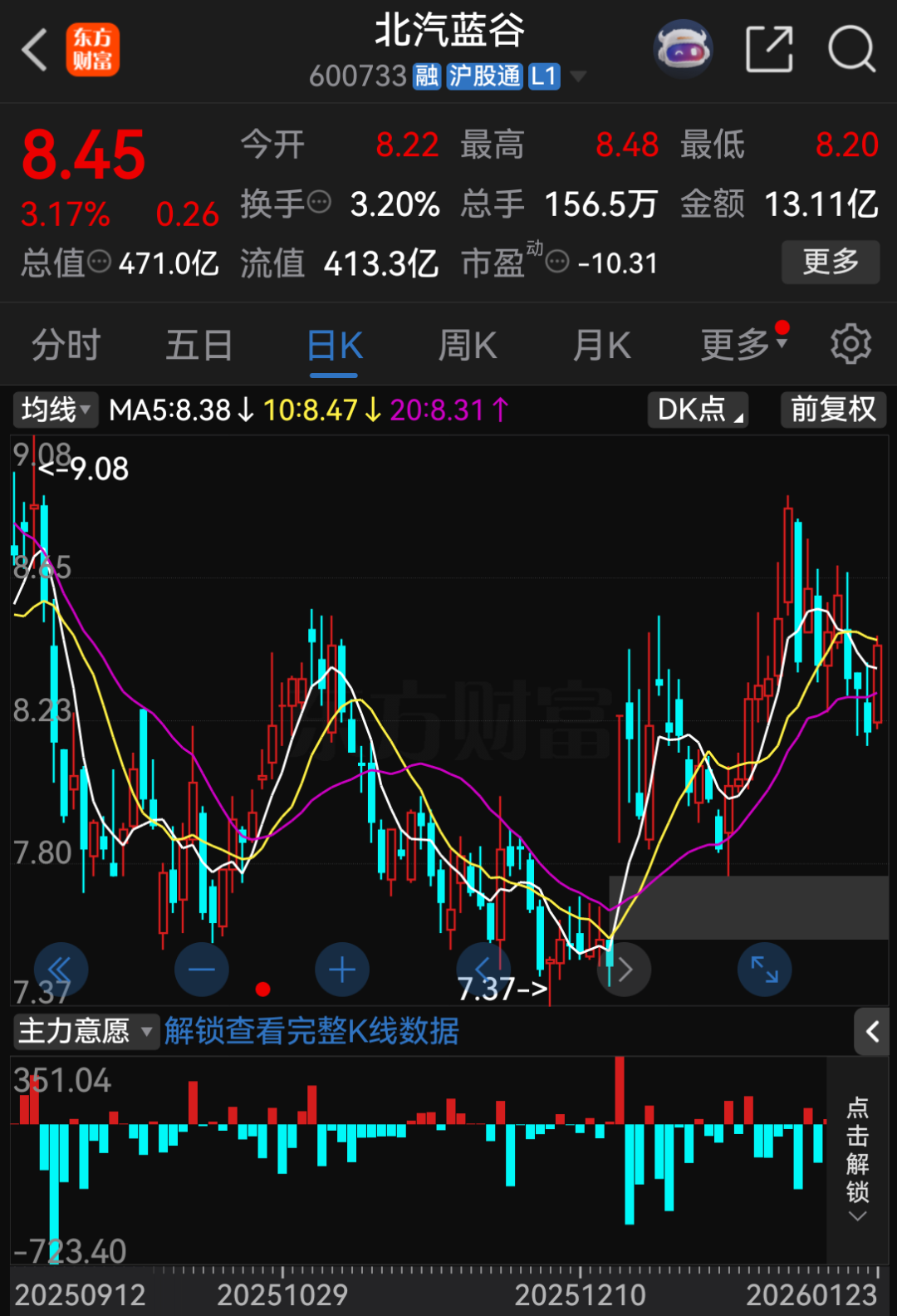
拥抱华为!600733,加码
Zhong Guo Ji Jin Bao· 2026-01-24 14:59
作为华为智选车业务的"五界"之一,享界由北汽蓝谷与华为联合打造,主打30万元以上的新能源轿车市场。北汽蓝谷公告称,公司计划通过此次投资,巩 固并提升享界的高端形象与市场地位。 1月23日晚间,北汽蓝谷(600733)发布公告称,公司子公司北京新能源汽车股份有限公司(以下简称北汽新能源)拟出资19.91亿元,投建享界超级工厂高 端平台车型产业化及产线数智化提升项目(以下简称享界高端项目)。 面向2026年竞争更为激烈的汽车市场,多家车企选择进一步拥抱华为。除了北汽新能源拟提升生产优势,岚图汽车还与华为旗下公司签订深化合作协议。 截至1月23日收盘,北汽蓝谷股价报8.45元/股,涨幅达3.17%,总市值为471亿元。 【导读】多家车企进一步拥抱华为,北汽蓝谷拟近20亿元升级享界超级工厂 享界高端项目助力三款高端车型落地生产 北汽新能源拟投建享界高端项目,是为了深化与华为终端有限公司的智选车业务合作。 2023年,北汽新能源在与华为技术有限公司进行战略合作的基础上,为了与华为终端有限公司开展智选车业务合作,打造了享界超级工厂,用于生产升级 后的BE22平台产品,并导入生产了享界S9、享界S9T等车型。 如今,北汽新 ...