奢侈品

Search documents
【环球财经】伦敦股市15日上涨
Xin Lang Cai Jing· 2026-01-15 22:30
Core Viewpoint - The London stock market showed a positive trend with the FTSE 100 index closing at 10,238.94 points, an increase of 54.59 points or 0.54% from the previous trading day [1] Group 1: Stock Performance - The top five gainers in the London stock market included 3i Group with a rise of 10.08%, Schroders with an increase of 9.82%, Smiths Group up by 4.15%, Persimmon up by 4.07%, and London Metric Property rising by 3.68% [1] - The top five losers were Burberry down by 3.16%, AstraZeneca decreasing by 2.23%, GlaxoSmithKline down by 1.73%, Compass Group falling by 1.72%, and BT Group declining by 1.50% [1] Group 2: European Market Indices - The CAC 40 index in Paris closed at 8,313.12 points, down by 17.85 points or 0.21% from the previous trading day [1] - The DAX index in Frankfurt closed at 25,352.39 points, up by 66.15 points or 0.26% from the previous trading day [1]


中国时尚寄望“后浪推前浪”
Bei Jing Shang Bao· 2026-01-15 12:14
Core Insights - LVMH Group emphasizes that retail spaces have evolved from mere sales points to platforms for brand culture and emotional value delivery [1][2] - The integration of local culture and international trends is a key aspect of Beijing's fashion consumption evolution, driven by the younger generation's discerning tastes [1][5] - The shift from product transactions to experiential consumption is central to luxury brands' strategies, focusing on creating memorable experiences for consumers [1][7] Group 1: Retail Evolution - The retail industry's progress is attributed to long-term consumer interactions, with emotional value continuously evolving through brand-consumer growth [2][7] - The high-end retail market has transitioned from a "gift attribute" to a "consumption attribute," centering on consumer needs [5][8] - Despite rapid online retail growth, quality offline retail maintains an irreplaceable market position due to its unique experiential advantages [5] Group 2: Cultural Integration - Beijing's fashion ecosystem is distinct from other cities, characterized by unique commercial center distributions and consumer behavior patterns [6] - The interaction between local cultural elements and international fashion trends has created a mutually beneficial dynamic in Beijing's fashion landscape [4][6] - The ongoing integration of international and local fashion is seen as a natural trend, with the younger generation embracing diverse fashion influences [8] Group 3: Future Outlook - The importance of the Chinese market in the international fashion landscape is expected to grow, driven by the continuous development of young consumers [2][8] - International high-end brands adopt a long-term strategy, confident in the sustained growth of Chinese consumers, which will propel the global fashion industry forward [8]


时尚风向标转向“日常远行”,2026春夏配饰主打实用与个性
Xin Lang Cai Jing· 2026-01-14 14:28
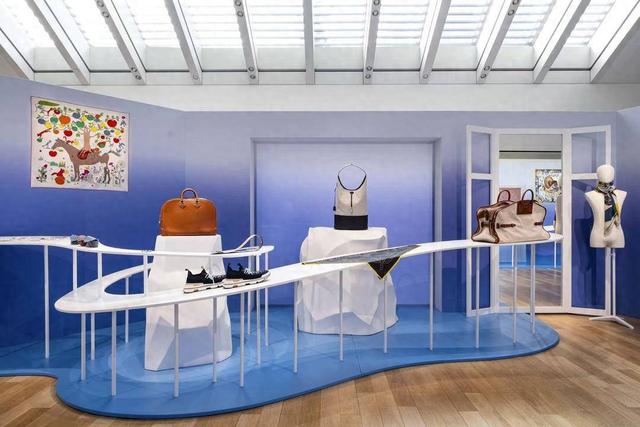
Core Theme - The luxury fashion industry is shifting its focus from visual extravagance to incorporating relaxation and exploration into everyday life, with accessories becoming essential tools for urban commuting and weekend outings [1] Group 1: Hermes Spring/Summer 2026 Collection - Hermes unveiled its Spring/Summer 2026 collection in Shanghai, themed "Heart Towards the Vast," combining equestrian heritage with outdoor exploration [1] - The collection features several bags that redefine the spirit of travel, including the new Chéri Kelly Hobo bag, which has a relaxed silhouette and adjustable shoulder strap for versatile use [3] - The Petit Bel-il bag, inspired by sailor bags, uses H canvas and Swift calfskin, showcasing a blend of practicality and elegance [5] - The Bride de jour bag draws inspiration from the equestrian world, with design elements that pay homage to the brand's roots [5] - The iconic Birkin bag is reimagined in vibrant Doblis suede, adding a relaxed feel, while the Haut à Courroies bag features a print that captures the essence of equestrian life [7] Group 2: Expansion into Home Products - Hermes has expanded its preview to include home living spaces, showcasing items like Italian glassware, portable leather speakers, and vintage-style turntables, indicating a deeper connection with consumers' daily lives [12] Group 3: Industry Trends - The exploration spirit emphasized by Hermes resonates with a broader industry trend towards "holiday" and "vacation" styles for Spring/Summer 2026 [14] - Practical bags that free hands and adapt to various scenarios are gaining popularity, as seen in Prada's new drawstring bag and Louis Vuitton's foldable motorcycle bag [15] - Personalization in accessories is deepening, with brands like Dior and Chanel introducing bold designs that reflect individual attitudes and emotional connections [17]
2025年第53周:服装行业周度市场观察
艾瑞咨询· 2026-01-14 00:06
Industry Environment - The domestic mid-to-high-end women's clothing market is witnessing the emergence of new brands that attract high-net-worth customers through differentiated positioning and high-quality materials [2] - Brands like AWPROJECT and CHICJOC are expanding rapidly, with AWPROJECT focusing on urban women and CHICJOC implementing a "luxury alternative" strategy to achieve high repurchase rates [2] - International brands such as AnnAndelman are accelerating their presence in the Chinese market, leveraging unique designs and online-offline integration to drive market reshuffling [2] Outdoor Lifestyle Migration - Over 500 million participants are engaged in outdoor sports in China, with a shift in consumer logic towards multi-scenario adaptability, sustainability, and emotional value [3] - The outdoor apparel market is growing at an annual rate of 49%, with consumers prioritizing durability, environmental friendliness, and multifunctionality [3] - Future trends include the proliferation of smart equipment, community integration, and the "no-trace outdoor" concept, driving professional development in the industry [3] Fast Fashion Trends - The fast fashion industry is undergoing significant changes by 2025, characterized by three main trends: premiumization, acceleration, and technology-driven innovation [5] - International brands like Uniqlo and H&M are entering the high-end market through price increases and collaborations, while local brands are expanding overseas [5] - The integration of online and offline channels is deepening, with brands utilizing AI technology in design, warehousing, and marketing to enhance efficiency [5] Luxury Goods Market - The luxury goods sector is experiencing a "store opening wave," with brands like CHANEL and Louis Vuitton opening new stores in China, indicating signs of recovery [7] - The Asia-Pacific market, particularly China, is a key growth driver, while the Japanese market shows mixed performance due to currency and tourism impacts [7] - Brands are focusing on core markets and accelerating localization marketing to strengthen cultural resonance [7] Consumer Behavior Shifts - Consumers are increasingly prioritizing functionality and brand trust over mere trends, as evidenced by the popularity of high-value down jackets [4] - The success of Sam's Club's down jackets reflects a new rational consumption trend where consumers value core needs like warmth and cost-effectiveness [4] - The shift in women's shopping behavior towards men's and children's clothing highlights a growing demand for quality and practicality over traditional fashion norms [13] Jewelry Market Trends - The jewelry market is witnessing a resurgence of retro styles, with a focus on emotional resonance and personalized design appealing to younger consumers [14] - The global jewelry market is expected to grow, with the U.S. and U.K. projected annual growth rates of 1.78% and 3.35%, respectively [14] - The industry is transitioning from "material consumption" to "spiritual consumption," emphasizing the balance between craftsmanship and emotional needs [15] Brand Dynamics - The luxury e-commerce platform Mile has acquired the bankrupt fashion retailer Matches, aiming to reshape luxury retail with a new business model [24] - Scottish luxury cashmere brand Begg x Co is expanding into the Chinese market through a strategic partnership with Meizui, launching its official Tmall flagship store [25] - Sequoia China has acquired a controlling stake in the fashion brand Golden Goose, aiming to support its global expansion and strengthen its market position [26]


百年老洋房开出LV“限时酒店”
Xin Lang Cai Jing· 2026-01-13 07:26
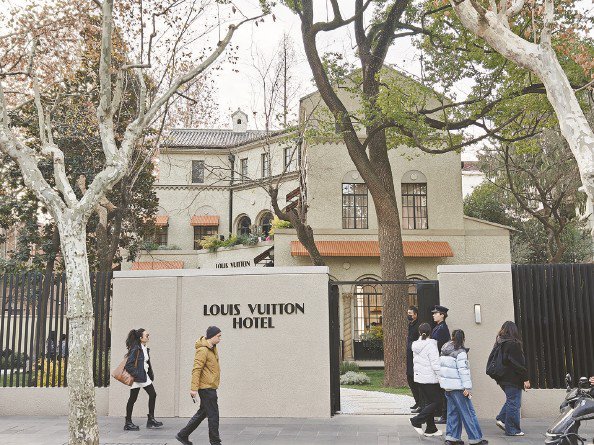
Core Viewpoint - The article highlights the reopening of a historic Spanish-style building on Wukang Road in Shanghai, which has been transformed into a temporary "pop-up hotel" by Louis Vuitton for an 18-day immersive experience, showcasing the local culture and fashion trends [2] Group 1: Renovation and Experience - The historic Spanish building at No. 1, Lane 40, Wukang Road has undergone extensive renovations over the past six months [2] - Louis Vuitton is hosting a limited-time hotel experience to engage visitors with the unique atmosphere of the Wutong district [2] Group 2: Urban Development and Branding - The Hengfu Historical Preservation Area is advancing commercial revitalization efforts through cultural, tourism, and commercial integration [2] - The initiative aims to create a high-energy brand center within the historical district, contributing unique value to Shanghai's development as an international consumption hub [2]
200亿抄底奢侈品牌!中国资本买下“小脏鞋”,9个月营收超42亿元
Sou Hu Cai Jing· 2026-01-13 05:43
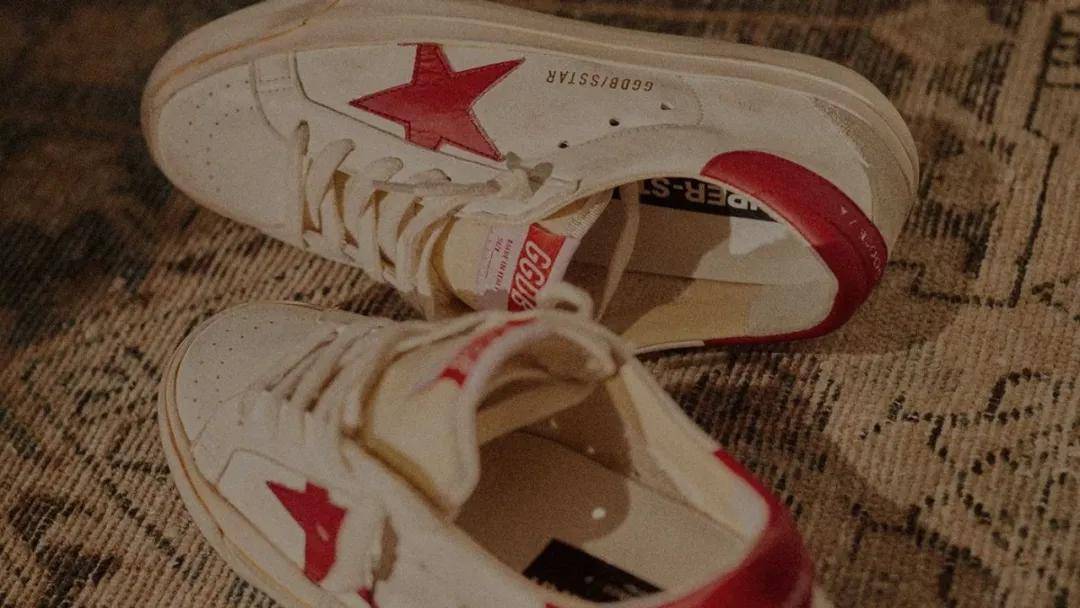
Core Viewpoint - Sequoia China is set to acquire a controlling stake in the Italian fashion brand Golden Goose Group for €2.5 billion (approximately ¥20.3 billion), marking one of the largest transactions involving Chinese capital in European consumer brands in 2025 [1][3]. Group 1: Acquisition Details - The acquisition involves Sequoia China, Temasek, and Permira, with the latter retaining a minority stake [1]. - The transaction is part of a broader trend where Chinese capital is actively pursuing international consumer brands amid a turbulent global market [3][4]. - Sequoia China's acquisition of Golden Goose is seen as a strategic "bottom-fishing" move, capitalizing on the brand's current financial challenges [5][6]. Group 2: Market Context - In 2025, several notable acquisitions by Chinese firms include Starbucks selling 60% of its China business for $4 billion to Boyu Capital and CPE investing $350 million for an 83% stake in Burger King China [3]. - The luxury goods market is experiencing a downturn, yet Golden Goose reported a 13% year-on-year revenue increase to €517 million (approximately ¥4.2 billion) in the first nine months of 2025, with a 21% growth in its direct-to-consumer channel [9][10]. Group 3: Brand Positioning - Golden Goose, founded in 2000, is known for its unique "distressed" sneakers, which have become a symbol of high fashion and individuality, appealing to younger consumers [10][12]. - The brand's pricing strategy ranges from ¥4,000 to ¥6,000 per pair, with special editions exceeding ¥8,000, indicating strong consumer demand despite high prices [12]. Group 4: Future Prospects - Sequoia China aims to leverage its extensive network and operational capabilities to enhance Golden Goose's growth, potentially integrating advanced technologies like AI and digital supply chain tools [14]. - The acquisition is expected to not only maintain the brand's core identity but also expand its product lines, including ready-to-wear, leather goods, and accessories, creating a comprehensive luxury lifestyle narrative [14].
中信建投:看好26年高端消费复苏投资机会 中前期刚需性强品类率先复苏
智通财经网· 2026-01-13 03:13
Core Viewpoint - The report from CITIC Securities indicates a gradual recovery in high-end consumption in China since Q3 2025, driven by the wealth effect from rising stock markets, with positive signs from international luxury brands and high-end retail properties [1] Group 1: Recovery Indicators - International luxury brands have shown signs of recovery since Q2 2025, with revenue growth returning in the Asia-Pacific region by Q3 2025 [2] - High-end retail properties in China began to recover at the end of 2024 and early 2025, with improved occupancy rates and sales, particularly in top luxury malls [2] - The global luxury market also entered a recovery phase starting Q3 2025 [2] Group 2: Investment Opportunities in High-End Consumption - The recovery of high-end consumption is influenced by factors such as the proportion of VIC (Very Important Customer) groups, the sequence of consumption based on wealth increase, the elasticity of supply, and consumption trends [3] - Categories with strong initial demand, driven by social status and identity needs, are expected to recover first, while categories with a high proportion of VIC customers and good supply conditions will show more sustained growth [3] - The fastest-growing segments in the luxury market from 2019 to 2025 include luxury cruises, private jets, high-end dining, personal luxury goods, luxury hotels, and high-end home goods [3] Group 3: Recommended Investment Targets - The report recommends focusing on luxury jewelry and leather goods, high-end domestic beauty products, and high-end outdoor sports [4] - Specific companies to watch include gold and jewelry brands like Lao Pu Gold and Chow Tai Fook, beauty brands like Mao Ge Ping, and sportswear brands like Anta Sports [4] - Other areas of interest include high-end commercial real estate, high-end residential real estate, gaming, private aviation, high-end tourism and dining, and premium liquor [4]




中信建投:高端消费复苏,买什么?
Xin Lang Cai Jing· 2026-01-13 01:42
Core Viewpoint - The high-end consumption sector in China is gradually recovering since Q3 2025, driven by the wealth effect from the stock market, with significant investment opportunities anticipated in 2026 [3][4][6]. Group 1: Recovery of High-End Consumption - The recovery of high-end consumption is validated by three key points: international luxury brands in the Asia-Pacific region have shown revenue growth since Q2 2025, high-end retail properties in China are entering a recovery phase, and the global luxury market has also begun to recover since Q3 2025 [4][16][19]. - The stock market's wealth effect has significantly contributed to the recovery of high-end consumption, with the total market capitalization of A-shares and Hong Kong stocks reaching 123 trillion yuan and 48 trillion HKD respectively by the end of 2025, an increase of 24.5 trillion yuan and 12.7 trillion HKD [12][14]. Group 2: Investment Opportunities in High-End Consumption - The recovery timing and intensity of different high-end consumption categories are influenced by four dimensions: the proportion of VIC (Very Important Customer) groups, the order of consumption following wealth increase, the elasticity of supply, and consumption trends [3][5][35]. - High-net-worth individuals are a primary source supporting high-end consumption, with approximately 300 million global high-end luxury consumers in 2024, where 2%-3% of core VIC users contribute over 40% of sales, a proportion that is continuously increasing [9][24]. - The luxury goods market is expected to see the fastest growth in categories such as luxury cruises, private jets, high-end dining, and personal luxury goods, with jewelry projected to perform best in 2025, growing by 4%-6% [5][28][29]. Group 3: Market Trends and Consumer Behavior - The luxury experience segment is expected to increase its share to 20% by 2025, with a compound annual growth rate of 4%, continuing to outperform the overall market [33]. - The recovery of high-end consumption is characterized by a shift from essential needs to optional purchases, with categories that have strong social and status-related demands recovering first, while those with high VIC customer proportions and favorable supply conditions are expected to sustain longer [39].
中信建投:高端消费复苏 买什么?
智通财经网· 2026-01-13 00:01
Group 1 - The core viewpoint is that the wealth effect from the stock market is significantly contributing to the recovery of high-end consumption in China, with a gradual revival observed since Q3 2025 [1][2] - High net worth individuals are a major source supporting high-end consumption, with the stock market's wealth effect being more pronounced than the real estate market in recent years [2] - The total market capitalization of A-shares and Hong Kong stocks is projected to reach 123 trillion yuan and 48 trillion HKD by the end of 2025, reflecting a net increase of 24.5 trillion yuan and 12.7 trillion HKD from the end of 2024 [2] Group 2 - Three validation points for the ongoing recovery of high-end consumption include: 1) International luxury brands showing recovery in Q2 2025, with positive revenue growth in the Asia-Pacific region by Q3 2025 [2] 2) High-end retail properties in China beginning to recover from late 2024 into 2025, with improved occupancy rates and sales [2] 3) The global luxury market entering a recovery phase starting Q3 2025 [2] - The fastest-growing segments in the luxury market from 2019 to 2025E include luxury cruises, private jets, high-end dining, personal luxury goods, luxury hotels, and high-end home goods, with jewelry expected to perform best in 2025 [3] - The recovery timing and strength of different high-end consumption categories are influenced by factors such as the proportion of VIC customers, the order of consumption based on wealth increase, supply elasticity, and consumption trends [3]
经济寒冬下,新的攀比又出现了。
Sou Hu Cai Jing· 2026-01-12 11:04
Core Viewpoint - The article discusses a shift in consumer behavior during economic downturns, where individuals are prioritizing practicality and cost-effectiveness over luxury and status symbols [3][4][5]. Group 1: Changes in Consumer Behavior - Friends and families are no longer comparing luxury items like cars and houses, but are focusing on practical needs such as housing, electric vehicles, and public education [3]. - A personal anecdote illustrates a family in Chengdu that switched from an expensive private school to a more affordable one, highlighting a trend towards cost-saving measures [3]. - The demand for luxury goods has decreased, with fewer people purchasing high-priced items, as evidenced by empty clothing stores and crowded budget food outlets [3][4]. Group 2: Social Dynamics and Spending Habits - Conversations in social settings have shifted from discussing expensive brands to sharing discounts and savings, indicating a new form of social currency based on frugality [4][5]. - The workplace culture has adapted to celebrate small savings, with employees sharing tips on how to save money rather than showcasing luxury purchases [5]. - The trend of "saving" has become a new form of competition, with individuals taking pride in finding the best deals and discounts [5][6]. Group 3: Psychological Impact of Economic Pressures - The article suggests that the current focus on saving money is a response to economic pressures, leading to a sense of security and self-acceptance [5][6]. - The narrative emphasizes that the goal of saving should be to improve quality of life rather than to engage in competition over frugality [6].