
家装

Search documents
端午假期陕西消费市场货丰价稳
Shan Xi Ri Bao· 2025-06-02 23:14
Group 1 - The consumption market in Shaanxi province remained stable during the Dragon Boat Festival, with a total sales revenue of 6.87 billion yuan from 570 sample enterprises, representing a year-on-year growth of 18.28% [1] - Retail enterprises reported a commodity retail revenue of 6.49 billion yuan, showing a year-on-year increase of 18.99%, with 15 out of 20 major categories experiencing positive growth [1] - Significant growth was observed in various categories, including automobiles (63.4%), cultural and entertainment products (28.03%), tobacco and alcohol (22.09%), communications (19.47%), clothing (18.36%), and home appliances (18.28%) [1] Group 2 - The restaurant sector generated revenue of 37.1 million yuan, with a year-on-year increase of 7.07%, and both takeout and dine-in services saw growth of 6.42% and 21.7% respectively [1] - Five cities, including Xianyang, Shangluo, Hanzhong, Ankang, and Weinan, reported double-digit growth in restaurant revenue [1] - The market for essential goods showed sufficient supply and stable prices, with retail prices for eight categories of essential goods experiencing three increases, three stable prices, and two decreases [1] Group 3 - The "old-for-new" consumption policy proved effective during the holiday, with a total of 1.36 billion yuan in subsidy applications leading to a consumption boost of 9.16 billion yuan [2] - Specific contributions included 776 scrapped vehicles generating 5.85 million yuan, 1,072 replaced vehicles contributing 21.53 million yuan, and 80,000 home appliances exchanged leading to 27.31 million yuan in consumption [2] - Other categories such as 3C digital products, home renovation, and electric bicycles also saw significant consumption boosts, with 91,200 new digital products leading to 26.96 million yuan and 4.18 million home renovation items contributing 9.37 million yuan [2]
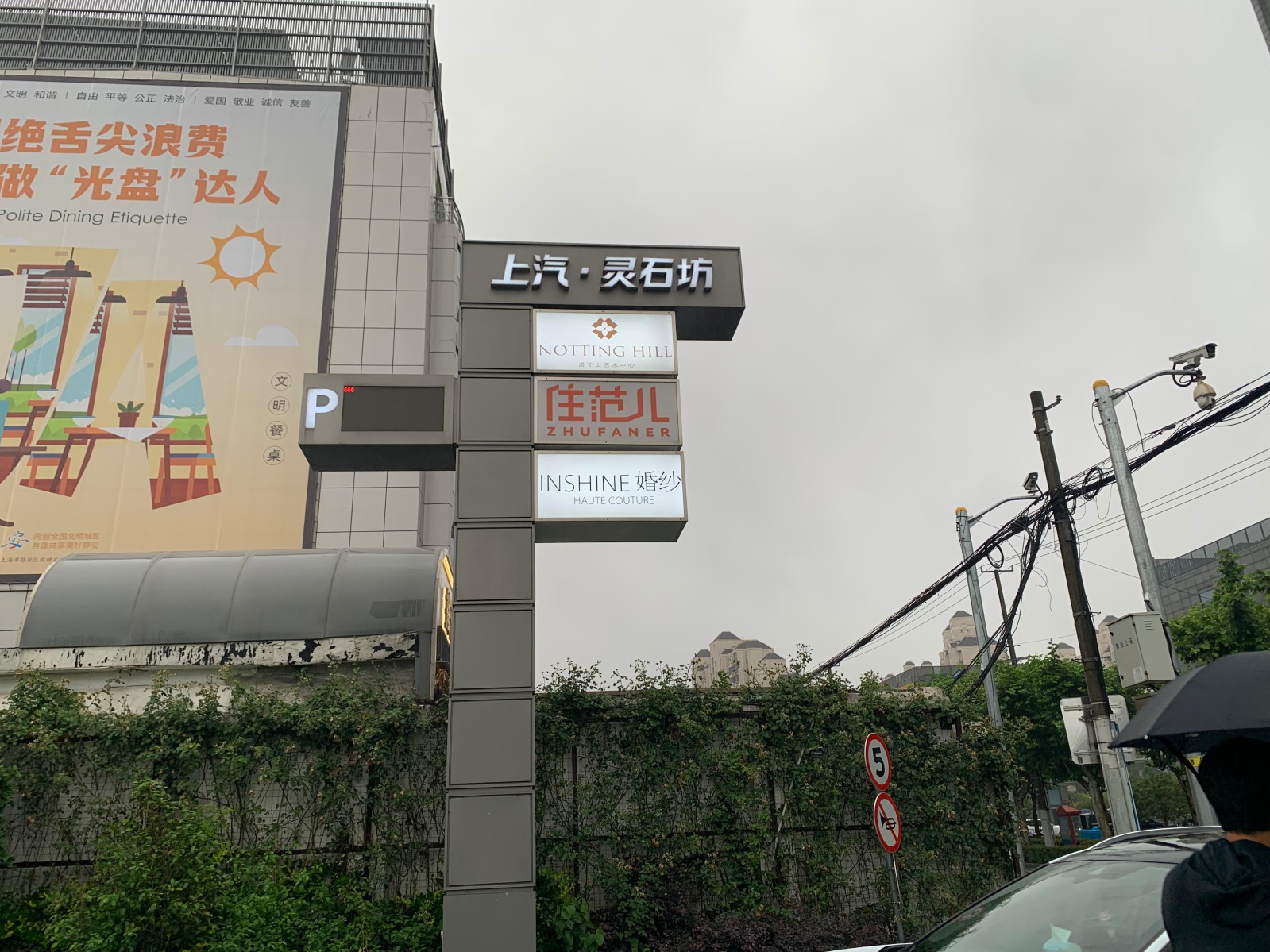
每经实探 | 网红家装企业“住范儿”上海总部人去楼空,放假前每天上百人讨债,有供应商被欠几百万元
Mei Ri Jing Ji Xin Wen· 2025-06-01 23:07
Core Viewpoint - The company "Zhu Fan Er," a home decoration service provider, is facing significant operational issues, leading to its flagship store in Shanghai being closed and numerous complaints from customers and suppliers regarding unpaid debts [1][4][5]. Company Overview - Zhu Fan Er, established in October 2015 and headquartered in Beijing, is a new retail service provider in the home decoration and building materials sector, with operations across China and branches in Shanghai and Chengdu [1]. - The company has received investments from notable institutions such as Jinsha River Venture Capital and Innovation Works [1]. Operational Issues - The flagship store in Shanghai has been closed for several days, with security indicating that many customers and suppliers have been seeking assistance due to outstanding debts [4][5]. - Reports indicate that suppliers are owed significant amounts, with some claims reaching several million yuan [4][5]. Financial Performance - Zhu Fan Er had ambitious sales targets, aiming for 10 billion yuan in sales by 2025, but has encountered severe financial difficulties before reaching these goals [7][9]. - The company has undergone five rounds of financing, totaling over 300 million yuan, but has not achieved its projected sales growth [9]. Market Context - The home decoration market is characterized by high competition, where companies must rely on either reputation or pricing strategies to scale, both of which can lead to thin profit margins [12]. - The industry is highly personalized, making it challenging to maintain consistent quality and service across projects, which can impact profitability [12]. Legal and Recovery Options - Affected parties, including homeowners and suppliers, may pursue legal action to recover losses, depending on the company's remaining assets and debt structure [15]. - Legal experts suggest various strategies for affected parties, including collective lawsuits and asset preservation measures [15].

超八百万种!消费品上新速度加快
Ren Min Ri Bao· 2025-05-27 22:11
Group 1 - The core viewpoint of the articles highlights the significant growth in the variety of consumer goods in China, with a notable increase in home decoration products, particularly in the smart home sector, indicating a shift towards consumption upgrades [1][2][3] - In the first four months of this year, 8.098 million new consumer goods were added, representing a year-on-year growth of 40.4%, with home decoration products alone contributing 1.332 million new items, a staggering increase of 560.8% [1] - The smart home category has emerged as the fastest-growing segment, with specific products like smart toilets and smart locks seeing year-on-year growth rates of 793.3% and 620.0%, respectively, showcasing the rapid integration of technology into daily life [2] Group 2 - The distribution of new home decoration products is concentrated in five provinces, with Guangdong leading at 503,000 new items, accounting for 37.8% of the total, followed by Zhejiang and Jiangsu, indicating regional strengths in driving home decoration consumption upgrades [2] - The retail sales of home appliances have shown robust growth, with a year-on-year increase of 23.9% in the first four months, significantly outpacing the overall retail sales growth, reflecting strong consumer demand [3] - The implementation of the old-for-new appliance policy has engaged over 34 million consumers, resulting in the purchase of over 51 million appliances, which has driven sales of 174.5 billion yuan, demonstrating the effectiveness of government initiatives in stimulating consumption [3]
河南沁阳:政策“搭台”优惠“唱戏” 点燃夏日消费新引擎
Sou Hu Cai Jing· 2025-05-26 16:37
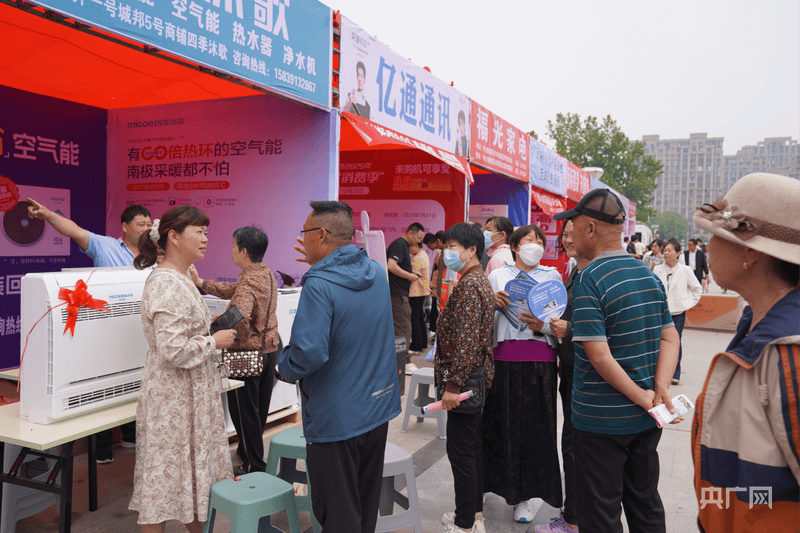
Group 1 - The "Enjoy Life with Heart" consumer promotion event in Qinyang City successfully concluded, integrating resources from various industries such as real estate, new energy vehicles, home decoration, finance, and home appliances to create a consumer promotion platform [1] - Over 30 merchants participated in the event, offering significant discounts such as "direct manufacturer subsidies" and "home decoration gift packages," benefiting consumers [1][2] - The event led to a continuous increase in order volume for merchants, with consumer participation in the "old for new" policy reaching 232 businesses and generating 34,655 orders, driving consumption of 110 million yuan and subsidies of 19.22 million yuan from mid-January to May [2] Group 2 - The total retail sales of consumer goods in Qinyang City reached 4.55 billion yuan from January to April, with a year-on-year growth of 9.1% [2] - Future plans include optimizing the consumption environment and cultivating new consumption hotspots to inject new momentum into the city's high-quality economic development [2]
高盛最新研判:新房下行不可逆转,存量房流通效率成关键
Sou Hu Cai Jing· 2025-05-25 22:33
Core Insights - The report by Goldman Sachs highlights the transition of China's real estate market from new development to existing property management, driven by policy and housing upgrade demands, predicting a total addressable market (TAM) of 5.7 trillion RMB by 2035, a 70% increase from 2024 [1] Group 1: Key Conclusions for the Real Estate Industry by 2035 - Housing demand is expected to reach 60% of the peak level in 2017, with necessity, improvement, and renewal demands contributing equally. The share of demand from first and second-tier cities will rise from 60% in 2024 to approximately 70% [4] - Government and developers will adjust land supply based on demand, leading to further consolidation in the developer industry. The top ten developers are projected to capture about 50% of the national market share by sales by 2035, with new housing market size significantly shrinking, averaging 40% lower than 2024 levels [5] - The second-hand housing market will account for 66% of total sales volume and 64% of total value due to reduced new housing supply, aligning with levels seen in developed markets [6] - Renovation will emerge as a key driver, with an expected renovation rate of about 1% by 2035, leading to a total building area of over 110 billion square meters, with renovated areas nearly doubling to represent about 60% of total building area [7] Group 2: Four Core Trends Reshaping the Industry Landscape - A structural shift in housing demand is anticipated, with total demand expected to fall to 60% of the 2017 peak, but with a significant change in demand structure, where improvement and old housing renewal demands will rise, contributing to 70% of the demand from first-tier and new first-tier cities [8] - Both land supply and developer concentration are expected to increase, with government land supply favoring high-demand areas and leading developers accelerating expansion into T-1/2 cities. The market share of the top ten developers is projected to rise from 21% in 2024 to 50% by 2035 [10] - The rise of the second-hand housing market will counterbalance the decline in new housing, with second-hand transactions expected to account for 66% of total transactions and 64% of total transaction value by 2035, aligning with developed market standards [11] - Renovation will become a core driver, with an annual renovation rate increasing to 1%, leading to a demand for the renovation of over 20 billion square meters by 2035, driven by policies promoting upgrades and quality of living [12] Group 3: Opportunities and Challenges in the Industry Chain - Demand for construction products will diversify, with strong cyclical categories like glass and ceramics facing short-term pressure, while demand for energy-saving materials and aging-friendly renovations will partially offset declines, with market size expected to decrease by 10%-15% by 2035 [14] - The renovation market is projected to experience explosive growth, driven by existing property renovations and second-hand transactions, with the home decoration industry expected to exceed 3 trillion RMB, accounting for 32% of the total industry chain [14] - The expansion of property management and brokerage services is anticipated, with active second-hand transactions and asset preservation needs leading to an expected revenue scale of 2.7 trillion RMB in property management and brokerage, representing 30% of the industry chain [14]
消费品以旧换新的山东样本
Jing Ji Guan Cha Wang· 2025-05-24 04:35
Core Insights - The article highlights the significant impact of China's "old for new" consumption policy, which has led to increased sales in various sectors, particularly in home appliances and electric vehicles [2][4][5] Group 1: Policy Implementation - The Chinese government is actively promoting the "old for new" policy, with a focus on large-scale equipment updates and consumer goods replacement, aiming to expand support until 2025 [2][6] - As of April 27, 2025, Shandong province has received subsidy applications totaling 64 billion yuan, resulting in the sale of 544.3 million units of various products [2][5] - The policy has led to substantial growth in retail sales, with electric vehicles, smart home appliances, and smartphones seeing increases of 29.2%, 50.2%, and 54.8% respectively in the first quarter [2] Group 2: Retail Performance - JD Electronics in Jinan achieved over 1 billion yuan in sales during its first month of operation, with 90% of products participating in the national subsidy program [4] - The store's sales during the "May Day" holiday reached 9.6 million yuan, ranking first among 130 flagship stores nationwide [4] - The store has adapted its product offerings based on consumer feedback, focusing on cleaning products and televisions, and has updated about 20% of its inventory [4] Group 3: Regulatory Measures - Shandong has established a cross-departmental regulatory mechanism to prevent fraud related to subsidies, ensuring compliance and timely sharing of information [3][9] - The province has implemented strict measures against businesses that violate pricing commitments or engage in fraudulent activities, including immediate disqualification from the subsidy program [3] Group 4: Financial Support Mechanisms - The Shandong government has introduced a pre-allocation funding system to alleviate the financial burden on retailers participating in the "old for new" program, allowing for immediate subsidy access for consumers [8] - The province has also integrated various resources, including financial institutions and retailers, to maximize consumer benefits and reduce costs [7][8] Group 5: Future Outlook - In 2025, the national government plans to allocate 300 billion yuan in long-term special bonds to further support the "old for new" policy [6] - The policy will expand to include additional categories of appliances and digital products, enhancing consumer incentives [7]

100.28万亿元、809.8万种、65.5%……“数”读消费提速 经济潜力释放
Yang Shi Wang· 2025-05-24 03:11
Group 1: Foreign Exchange Market - In April, China's foreign exchange market had a total transaction volume of 29.04 trillion yuan, with a cumulative transaction volume of 100.28 trillion yuan from January to April, indicating active market operations and stable performance [1] Group 2: Consumer Goods Market - From January to April 2025, 8.098 million new consumer goods were added, representing a year-on-year growth of 40.4%, involving 189,000 enterprises [2] - The home decoration category showed significant growth, with five major categories of consumer goods adding 1.332 million new products, a year-on-year increase of 560.8%, involving 12,000 enterprises [2] Group 3: Home Decoration Products - Among the five categories of subsidized home decoration products, smart home products added 30,000 new types, a year-on-year increase of 1985.5%; furniture and lighting added 935,000 new types, a year-on-year increase of 1016.4%; elderly-friendly renovation added 10,000 new types, a year-on-year increase of 498.2%; sanitary ware added 51,000 new types, a year-on-year increase of 358.1%; and renovation materials added 307,000 new types, a year-on-year increase of 195.8% [4] Group 4: Smart Home and Elderly Economy - Smart home products are the fastest-growing sector, increasingly integrating into daily life and driving consumption upgrades, with major distributions in Guangdong, Zhejiang, and Jiangsu provinces [6] - The elderly economy is showing significant potential, with a 65.5% year-on-year increase in sales revenue from elderly care services and a 23.9% increase in elderly care institution services in the first quarter of 2025 [7] - Health monitoring devices, such as smart wristbands and blood pressure monitors, saw a 41.6% year-on-year increase in sales revenue in the first quarter [7]
1—4月我国新增消费品809.8万种 家装类产品表现突出
news flash· 2025-05-23 11:07
Group 1 - The core viewpoint of the article highlights the significant growth in the number of new consumer goods in China, with a total of 8.098 million new products added from January to April, representing a year-on-year increase of 40.4% [1] - The home decoration category stands out, with 1.332 million new products added, showing a remarkable year-on-year growth of 560.8%, involving 12,000 enterprises [1] - The use of product barcodes is emphasized as a key factor in facilitating the rapid transformation of old and new driving forces and the continuous release of high-quality production capacity [1]
【环球财经】纽约股市三大股指20日下跌 科技股普遍疲软
Xin Hua Cai Jing· 2025-05-20 23:03
Market Overview - The U.S. stock market opened lower on May 20, with the three major indices experiencing a decline due to skepticism about easing trade tensions and slowing inflation [1][2] - The Dow Jones Industrial Average fell by 114.83 points, a decrease of 0.27%, closing at 42,677.24 points. The S&P 500 index dropped by 23.14 points, down 0.39%, ending at 5,940.46 points, breaking a six-day winning streak. The Nasdaq Composite Index decreased by 72.75 points, a decline of 0.38%, closing at 19,142.71 points [1] Sector Performance - Among the 11 major sectors of the S&P 500, 8 sectors closed lower, with the energy and communication services sectors experiencing the largest declines of 0.99% and 0.77%, respectively. The utilities and healthcare sectors were the strongest performers, with slight increases of 0.29% and 0.27% [1] Company-Specific Insights - Home Depot reported mixed financial results, with a quarterly revenue increase of 9.4% year-over-year, reaching $39.86 billion, slightly above market expectations. However, earnings per share fell by 3% to $3.56, below the expected $3.59, reflecting consumer caution amid tariff uncertainties [3] - Major tech stocks that previously drove market rebounds, such as Nvidia, Apple, Amazon, and Alphabet, showed weak performance. Microsoft and Meta also failed to maintain their upward momentum. In contrast, Tesla's stock rose by 0.51% following CEO Elon Musk's announcement of his leadership plans for the next five years, continuing its upward trend [3]
建行广西区分行:“贷”动消费新活力
Zhong Guo Jin Rong Xin Xi Wang· 2025-05-17 08:53
Group 1: Consumer Promotion Initiatives - The company is actively responding to national policies aimed at expanding domestic demand and boosting consumption by launching diverse credit card promotional activities to invigorate the consumption engine in Guangxi [1] - The "CMB Consumption Season" brand has been extended to auto shows, featuring partnerships with well-known brands like BYD, Li Auto, BMW, and Audi, offering attractive financial incentives such as a maximum installment limit of 1 million yuan with 0 down payment [2] - The company has reported that the total installment transaction amount for car purchases has exceeded 600 million yuan, with a significant year-on-year growth of nearly 60% in transactions for new energy vehicles [2][4] Group 2: Home Renovation and Consumer Support - The company is capitalizing on the home renovation season by enhancing the influence of the "CMB Home Renovation Festival" and organizing various themed consumption activities, including partnerships with over 100 home decoration brands [3] - The total transaction amount for home renovation installments has approached 500 million yuan, with a month-on-month growth rate of nearly 40% [4] - Consumers can benefit from government subsidies for home appliance upgrades while enjoying additional discounts from the company, making home renovation more affordable [3] Group 3: Emerging Consumption Markets - The company is expanding into emerging consumption areas, such as the pet economy, by participating in the second China Nanning Pet Expo as the only financial institution [5] - The event featured interactive activities and special credit card offerings tailored for pet owners, enhancing the financial services embedded in the pet consumption scene [5] - This initiative aims to meet the personalized needs of pet lovers while demonstrating the financial sector's role in catalyzing new economic forms [5]
