石油

Search documents
金融期货早评-20260323
Nan Hua Qi Huo· 2026-03-23 07:15
I. Overall Investment Rating The report does not provide an overall industry investment rating. II. Core Viewpoints - The current global market's core pricing line is affected by the geopolitical situation between the US and Iran, leading to a "Mutually Assured Destruction (MAD)" situation overseas, while in China, assets have a triple - safety premium. The core investment strategy in 2026 is defensive counter - attack, and blindly following the 2025 investment ideas will face significant risks [2]. - Various industries are influenced by the US - Iran conflict, Fed policies, and seasonal factors, with different trends and investment opportunities [2][5][7]. III. Summary by Industry 1. Financial Futures Macro - The US - Iran deadlock may enter a critical change period. The central bank will maintain liquidity, and the situation in Iran involves multiple measures and responses, including the threat to close the Strait of Hormuz [1]. - The global market is influenced by the US - Iran conflict, with the risk of secondary inflation from oil price shocks reversing global liquidity expectations. The Fed's policy path is changing, and A - shares are in a risk - release stage [2]. RMB Exchange Rate - After the global central bank meetings, the market's hawkish expectations have risen. The US dollar index may remain strong in the short - term, but its upward space is limited. The RMB exchange rate may fluctuate within a range [3]. - Short - term strategies suggest that export enterprises lock in forward exchange settlement at around 6.93, and import enterprises adopt a rolling purchase strategy at the 6.85 level [3]. Stock Index - The stock index was affected by external disturbances last week, with a decline in major indices. The short - term is expected to continue to adjust, but the long - term basis is strong [5]. Treasury Bonds - Last week, treasury bonds showed a bottom - hunting and rebounding trend, but weakened on Friday. The short - term strategy is grid operation, and low - position long positions can be sold at high prices [6]. 2. Commodities New Energy - **Carbonate Lithium**: The price of carbonate lithium futures decreased last week. It is expected to fluctuate widely between 120,000 - 150,000 yuan/ton in the short - term, with long - term demand support [13][14]. - **Industrial Silicon & Polysilicon**: The futures prices of industrial silicon and polysilicon decreased this week. The current market has a supply - demand imbalance, but the long - term development logic is clear [15][16]. Non - ferrous Metals - **Aluminum Industry Chain**: The price of aluminum is affected by geopolitics and concerns about economic recession and liquidity. It is expected to fluctuate and consolidate. Alumina has a mixed fundamental situation, and casting aluminum alloy follows the trend of aluminum [19][20]. - **Copper**: The copper price fell last week. In the short - term, it will continue to be weak, and long - term opportunities can be considered. Industrial customers can focus on low - price restocking, and speculative customers can use short - selling and long - buying strategies [21][24]. - **Zinc**: The zinc price has support at the lower end of the price range, but is affected by inventory and the macro - environment, and is expected to be weak in the short - term [26]. - **Nickel - Stainless Steel**: The prices of nickel and stainless steel fluctuated this week, following the macro - guidance. The fundamentals are in a game state, and the short - term trend is uncertain [27][28]. - **Tin**: The tin price is under pressure from both the macro - environment and fundamentals, with a short - term weak trend and a long - term upward trend [28][29]. - **Lead**: The lead price is expected to fluctuate and adjust [30]. 3. Oils and Fats, and Feeds Oilseeds - The external market of oilseeds fell, and the domestic market followed. The supply of imported soybeans is expected to increase, and the domestic soybean meal inventory is decreasing. The rapeseed meal has a demand recovery expectation, but also faces supply pressure [31]. - The strategy is to exit the positive spread between monthly contracts [31]. Oils - The supply pressure of Malaysian palm oil has eased, and the market is waiting for the progress of bio - fuel policies. The domestic oil inventory is different, and the short - term is expected to fluctuate [32]. 4. Energy and Oil and Gas SC - The oil price is oscillating at a high level, with upward driving factors due to the continuous escalation of the US - Iran conflict and the risk of the Strait of Hormuz [34][36]. Fuel Oil - The Asian fuel oil market has a short - term correction, but the supply gap will support the spot premium and refinery profits in the short - term [37]. Asphalt - The asphalt price is affected by geopolitical disturbances, with supply reduction and weak demand. The short - term is difficult to reverse, and investors should control positions and consider hedging strategies [38]. 5. Precious Metals Platinum & Palladium - The prices of platinum and palladium fell last week. The core drivers include Fed policies, geopolitical situations, and supply - side factors. The strategy is to be bullish in the long - term and pay attention to position control [40][44]. Gold & Silver - The prices of gold and silver fell due to the reversal of interest - rate hike expectations. The strategy is to be bullish in the long - term, and pay attention to support levels and risk factors [46][48]. 6. Chemicals Pulp - Offset Paper - The pulp spot price followed the futures price to rise. The short - term market is expected to be neutral. The offset paper futures are affected by pulp prices and are expected to fluctuate in a range [50][52]. Pure Benzene - Styrene - The prices of pure benzene and styrene follow the cost - end and are expected to be strong in the short - term, but the geopolitical situation is uncertain, and risks should be noted [53][54]. LPG - The LPG futures price rose, showing an internal - strong and external - weak, futures - strong and spot - weak pattern. The short - term is expected to be in a high - level shock, and the risk of price correction should be vigilant [55][57]. Methanol - The methanol futures price soared. The supply is affected by the Iranian situation, and the strategy is to consider the 5 - 6 reverse spread and 9 - 1 positive spread [58][59]. PP & Propylene - The prices of PP and propylene are expected to be strong in the short - term, with supply support and demand pressure [60][63]. Plastic - The plastic market has a supply - demand imbalance. The supply is expected to decrease, but the spot pressure is increasing. The short - term is expected to be strong if the conflict continues [64][65]. Rubber - The synthetic rubber price rose, and the natural rubber was boosted. The short - term is affected by geopolitical and macro - factors, with a long - term stable trend. Strategies include long - buying at low prices and arbitrage [67][69]. Glass & Soda Ash - Soda ash has high production and stable demand, with limited price space. Glass has a cold - repair expectation and high inventory, and the demand needs to be verified [70][72]. 7. Black Metals Rebar & Hot - Rolled Coil - The steel price is supported by raw material costs, but is affected by inventory and demand. The short - term is expected to rebound, but the height is limited [73][74]. Iron Ore - The iron ore price is supported by cost and tight spot supply, with a near - strong and far - weak pattern. The strategy is to be long in the near - term and short in the far - term [77][79]. Ferrosilicon & Silicomanganese - The prices of ferrosilicon and silicomanganese are supported by costs, and the impact of the Australian hurricane on manganese ore needs to be noted [80][81]. 8. Agricultural and Soft Commodities Live Pigs - The live pig futures price fell. The current supply - demand pattern remains unchanged, and the strategy is to sell call options on the main contract [83]. Cotton - The cotton price is affected by geopolitical conflicts and import policies. The short - term has support, and the long - term demand is resilient [83][85]. Sugar - The sugar price is expected to be in a shock pattern in the short - term due to the geopolitical situation and cautious capital sentiment [86][87]. Eggs - The egg price rebounded. The short - term is expected to be stable with a narrow adjustment, and the strategy is to sell call options on the main contract [87]. Apples - The apple futures price is strong, driven by fundamentals and delivery logic. The 05 contract is expected to be strong in the short - term [91]. Peanuts - The peanut market is in a supply - demand weak situation. The price is affected by the macro - situation of the oils and fats and oilseeds sector [92][94]. Red Dates - The red date price is in a narrow - range shock, with limited driving factors and pressure on the upside [95].
——海外周报第132期:【每周经济观察】从微观交易结构看油交易到什么程度了?-20260323
Huachuang Securities· 2026-03-23 06:56
Trading Volume and Positioning - Domestic crude oil futures trading volume has surged to over the 70th percentile historically, reaching 73.1%[7] - The trading amount of domestic crude oil futures accounted for approximately 10.9% of total trading volume in the past 20 days, slightly lower than during the Russia-Ukraine conflict[8] - The year-on-year growth rate of domestic crude oil futures positions reached 122.5%, marking a new high since 2022[12] International Market Insights - International crude oil futures trading volume is nearing historical highs last seen in March 2020[17] - Non-commercial net positions for WTI and Brent crude oil are at the 72.3% and 88.3% percentiles, respectively, indicating strong bullish sentiment[20] - Brent crude oil's net long position has surpassed levels seen in 2022, while WTI's net long position is about 70% of its peak from 2022[20] Concentration and ETF Flows - Brent crude oil's net long position concentration is low, suggesting a broad bullish outlook among market participants, with the top four holders accounting for only 5.7%[24] - WTI crude oil's net long position concentration is moderate, with the top four holders accounting for 7.9%[24] - Brent crude oil ETF saw a net inflow of $400 million, the highest since January 2011, while WTI crude oil ETF experienced a recent net outflow of $500 million[28]
原油周报(SC):美伊局势反复无常,油价高位宽幅波动-20260323
Guo Mao Qi Huo· 2026-03-23 05:57
1. Report Industry Investment Rating - The investment view is bullish on crude oil [3] 2. Core Views of the Report - The Middle - East geopolitical situation remains tense, the transportation through the Strait of Hormuz is interrupted, and concerns about supply disruptions are the main drivers for short - term oil price increases. Although countries are releasing strategic oil reserves, the impact is limited [3] 3. Summary by Relevant Catalogs 3.1 Main Views and Strategy Overview - **Supply (Medium - to - long - term)**: EIA predicts a 1.5657 million barrels per day increase in crude oil supply in 2026, mainly from non - OPEC+ regions. OPEC expects a supply of 106.70 million barrels per day in 2026, and if OPEC+ maintains the December 2025 production level, the 2026 production will be 170,000 barrels per day lower than demand. IEA predicts an 1.1 million barrels per day increase in oil supply in 2026, a significant downward revision from the previous forecast due to the Middle - East war [3] - **Demand (Medium - to - long - term)**: EIA expects global crude oil demand in 2026 to be 104.79 million barrels per day, an increase of 1.202 million barrels per day compared to 2025 and a 29,300 barrels per day downward revision from the previous month's forecast. OPEC expects global oil demand in 2026 to be 106.52 million barrels per day, an increase of 1.3805 million barrels per day compared to 2025, and a 1.34 million barrels per day increase in 2027. IEA expects global oil consumption in 2026 to be 104.77 million barrels per day, an increase of 849,400 barrels per day compared to 2025 but a 109,000 barrels per day downward revision from the previous month's forecast [3] - **Inventory (Short - term)**: As of the week ending March 13, U.S. commercial crude oil inventories (excluding strategic reserves) increased by 6.156 million barrels, with an expected increase of 383,000 barrels and a previous increase of 3.824 million barrels. Cushing crude oil inventories in Oklahoma increased by 944,000 barrels, with a previous increase of 117,000 barrels. Refined oil inventories decreased by 2.527 million barrels, with an expected decrease of 1.525 million barrels and a previous decrease of 1.349 million barrels. Gasoline inventories decreased by 5.436 million barrels, with an expected decrease of 1.607 million barrels and a previous decrease of 3.64 million barrels [3] - **Oil - producing Country Policies (Medium - to - long - term)**: Abu Dhabi National Oil Company (ADNOC) in the UAE has been forced to implement large - scale production shutdowns, with its daily crude oil production more than halved. The International Energy Agency announced that Japan, Canada, and South Korea will be the main contributors to the large - scale emergency oil reserve release operation in response to the supply disruption caused by the Iran war, and member countries have contributed 426 million barrels of oil, with 172 million barrels from the United States [3] - **Geopolitics (Short - term)**: The U.S. Treasury Secretary said that the U.S. has not attacked Iran's energy infrastructure, has allowed Iranian oil to continue to be transported through the Gulf, and may lift sanctions on Iranian oil at sea in the coming days. The U.S. may also release strategic oil reserves again to suppress oil prices. Iran's Islamic Revolutionary Guard Corps launched the "True Commitment - 4" 69th wave of operations, targeting Israel. Trump said that the U.S. is considering gradually downgrading military operations against Iran and will no longer be responsible for the guard and patrol of the Strait of Hormuz [3] - **Macro - finance (Short - term)**: According to CME's "FedWatch", the probability of the Fed cutting interest rates by 25 basis points in April is 0%, and the probability of keeping interest rates unchanged is 100%. The probability of a cumulative 25 - basis - point rate cut in June is 11.2%, and the probability of keeping interest rates unchanged is 88.8%. The probability of keeping interest rates unchanged in July is 77.4%, and the probability of a cumulative 25 - basis - point rate cut is 22.6%. As of the week ending March 7, the initial jobless claims were 213,000, a decrease of 1,000 from the previous week and lower than the market expectation of 215,000. The continued jobless claims were 1.85 million, a decrease of 20,000 from the previous week [3] - **Trading Strategy**: For single - sided trading, it is recommended to wait and see. For arbitrage, it is also recommended to wait and see [3] 3.2 Main Weekly Data Changes Review - **Price Changes**: SC crude oil increased by 3.04% to 773.6 yuan per barrel, Brent crude oil increased by 0.50% to 104.41 dollars per barrel, and WTI crude oil decreased by 1.23% to 98.09 dollars per barrel. Gasoline prices increased by 8.14%, ICE diesel prices increased by 3.25%, high - sulfur fuel oil prices increased by 0.55%, and low - sulfur fuel oil prices increased by 0.18% [5] - **Inventory Changes**: U.S., European, and Singaporean oil product inventories showed different changes. For example, diesel inventories decreased by 2.29%, fuel oil inventories increased by 3.26%, and aviation kerosene inventories increased by 4.08%. Chinese oil inventories also had various changes, such as gasoline commercial inventories increasing by 0.24% and diesel commercial inventories increasing by 0.95% [5] - **Refinery Operating Rates**: The operating rate of Chinese state - owned refineries decreased by 6.13% to 75.22%, the operating rate of Chinese independent refineries increased by 0.82% to 43.99%, the U.S. refinery operating rate increased by 0.60% to 91.4%, and the Japanese refinery operating rate decreased by 8.40% to 72.5% [5] - **Production**: U.S. crude oil production decreased by 0.07% to 13.668 million barrels per day [5] 3.3 Futures Market Data - **Market Review**: The U.S. - Iran situation is volatile, and oil prices fluctuate widely at high levels. Geopolitical risks dominate the international crude oil market. As of March 20, the closing price of the WTI crude oil main contract was 98.09 dollars per barrel, a weekly decrease of 1.22 dollars per barrel (-1.03%); the closing price of the Brent crude oil main contract was 104.41 dollars per barrel, a weekly increase of 0.52 dollars per barrel (+0.50%); the closing price of the SC crude oil main contract was 773.6 yuan per barrel, a weekly increase of 22.8 yuan per barrel (+3.04%) [7] - **Month - to - Month Spreads and Internal - External Spreads**: Near - month spreads weakened, and internal - external spreads continued to widen [10] - **Forward Curves**: Month - to - month spreads strengthened significantly [21] - **Crack Spreads**: Gasoline and diesel crack spreads remained at high levels [24] 3.4 Crude Oil Supply - Demand Fundamental Data - **Production** - **Global Production**: In January 2026, EIA data shows that global crude oil and related liquid production was 106.33 million barrels per day, a decrease of 1.741 million barrels per day compared to December 2025. OPEC data shows that OPEC countries' crude oil production was 28.453 million barrels per day, a decrease of 135,000 barrels per day compared to December 2025, and non - OPEC DoC countries' crude oil production was 13.996 million barrels per day, a decrease of 304,000 barrels per day compared to December 2025. IEA data shows that OPEC countries' crude oil production was 29.28 million barrels per day, an increase of 410,000 barrels per day compared to December 2025, and non - OPEC DoC countries' crude oil production was 14 million barrels per day, a decrease of 580,000 barrels per day compared to December 2025 [45] - **U.S. Production**: As of the week ending March 13, U.S. domestic crude oil production decreased by 10,000 barrels to 13.67 million barrels per day; crude oil exports increased by 1.464 million barrels per day to 4.898 million barrels per day, and imports increased by 772,000 barrels per day to 7.194 million barrels per day; the strategic petroleum reserve (SPR) inventory remained unchanged at 415.4 million barrels, and the four - week average supply of crude oil products reached 21.041 million barrels per day, a 2.14% increase compared to the same period last year. As of the week ending March 20, the total number of active drilling rigs in the U.S. was 552, with a previous value of 553 [67] - **Inventory** - **U.S. Inventory**: U.S. commercial crude oil inventories increased by 6.156 million barrels, and Cushing inventories increased by 944,000 barrels [68] - **International Inventory**: Northwest European crude oil inventories decreased, and Singaporean fuel oil inventories decreased [74] - **Demand** - **U.S. Demand**: Refinery operating rates increased by 0.60% to 91.40%, and crude oil processing volume increased by 90,000 barrels per day to 15.96 million barrels per day. Gasoline implied demand was 9.6766 million barrels per day, a decrease of 443,800 barrels per day compared to the previous week; distillate implied demand was 5.451 million barrels per day, an increase of 135,300 barrels per day compared to the previous week [98] - **Chinese Demand**: In the 12th week of 2026 (March 13 - 19), the capacity utilization rate of Chinese independent refineries for refined oil products was 57.49%, a 1.5 - percentage - point decrease compared to the previous week. The capacity utilization rates of independent refineries in regions such as South China, Shandong, and East China decreased significantly. In the week of March 13 - 19, 2026, the average weekly capacity utilization rate of Shandong local refineries was 54.29%, a 0.52% decrease compared to the previous week and an 8.17% increase compared to the same period last year [100][101] - **Macro - finance**: U.S. Treasury yields increased, and the U.S. dollar index strengthened [122] - **CFTC Positions**: The speculative net long positions in WTI crude oil increased [125]
全球市场再次开启无差别抛售模式
第一财经· 2026-03-23 05:47
2026.03. 23 本文字数:2425,阅读时长大约4分钟 作者 | 第一 财经 后歆桐 周一(23日)亚太交易时段,随着中东局势进一步压制投资者情绪,从亚太主要股指到加密货币再 到黄金,再次进入"跌跌不休"模式。布伦特原油期货继续下跌,至111.97美元/桶。WTI原油期货下 跌0.6%,至97.64美元/桶。两者价差超过14美元/桶,这是多年来两者准价格之间最大的价差。 Strategas Research首席市场策略师维罗内(Chris Verrone)表示,不断扩大的价差可能预示 着"此次石油危机已达顶峰"。他还补充,布伦特原油期货价格高企可能会促使交易员将这场冲突持续 时间延长纳入考量。 富达全球宏观总监蒂默(Jurrien Timmer)在社交平台发帖称:"这一切到底意味着什么?为什么风险 资产下跌、美元受追捧,而债券收益率和比特币价格却在上涨?问题太多了。" 日韩股市跌超5% Asymmetric Advisors日本股票策略师阿瓦达斯(Amir Anvarzadeh)在报告中写道,无论接下来 发生什么,短期通胀前景已经非常明朗。美国总统特朗普向伊朗发出48小时最后通牒,要求其重新 开放霍尔 ...


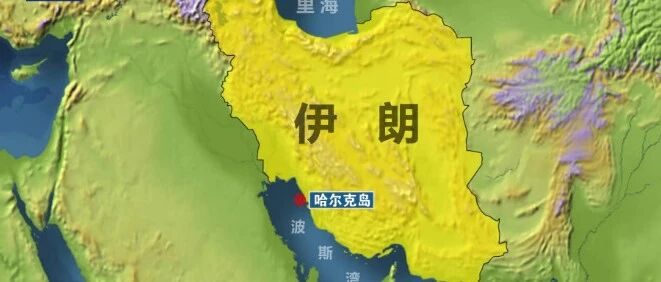
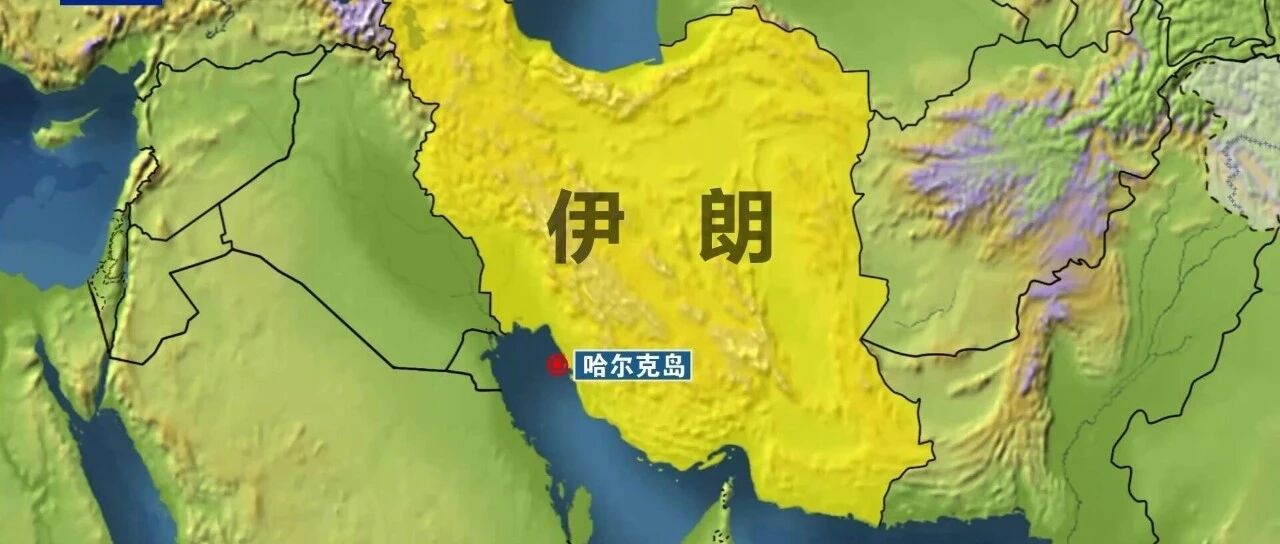
美国考虑地面行动,夺取伊朗哈尔克岛
21世纪经济报道· 2026-03-23 05:32
据伊朗塔斯尼姆通讯社21日援引伊朗军方消息人士的话报道,如果美国对哈尔克岛发动"军事 侵略",那么必将面临美以袭击伊朗以来"前所未有的反击"。 哈尔克岛位于波斯湾西北部,距离伊朗海岸大约25公里,长约6公里、宽约3公里,是伊朗最大 原油出口基地,伊朗90%的原油都从这里出口。 来源丨新华社 编辑|金珊 伊朗阐述霍尔木兹海峡通行原则 伊朗提出停战六项条件 SFC 21君荐读 据新华社消息, 以色列《耶路撒冷邮报》23日披露 , 美国高级官员近日向以色列和其他国家 通报称美方"可能别无选择",只能对伊朗哈尔克岛发动地面军事行动 。 报道援引两名知情人士的话称, 美军正加快将数千名海军陆战队员和海军人员部署到中东地 区 。此次部署包括"拳师"号两栖攻击舰、"波特兰"号两栖船坞运输舰、"康斯托克"号船坞登陆 舰,共搭载约4500名海军陆战队员和其他作战人员。 美国总统特朗普15日威胁称,美国已准备好对哈尔克岛发动新的打击,并可能进一步针对伊朗 石油基础设施采取行动。 ...

美考虑地面行动夺取伊朗哈尔克岛
第一财经· 2026-03-23 05:16
哈尔克岛位于波斯湾西北部,距离伊朗海岸大约25公里,长约6公里、宽约3公里,是伊朗最大原油出 口基地,伊朗90%的原油都从这里出口。 来源|新华社 据以色列《耶路撒冷邮报》23日披露,美国高级官员近日向以色列和其他国家通报称美方"可能别无选 择",只能对伊朗哈尔克岛发动地面军事行动。 报道援引两名知情人士的话称,美军正加快将数千名海军陆战队员和海军人员部署到中东地区。此次部 署包括"拳师"号两栖攻击舰、"波特兰"号两栖船坞运输舰、"康斯托克"号船坞登陆舰,共搭载约4500 名海军陆战队员和其他作战人员。 美国总统特朗普15日威胁称,美国已准备好对哈尔克岛发动新的打击,并可能进一步针对伊朗石油基 础设施采取行动。 据伊朗塔斯尼姆通讯社21日援引伊朗军方消息人士的话报道,如果美国对哈尔克岛发动"军事侵略", 那么必将面临美以袭击伊朗以来"前所未有的反击"。 编辑 |瑜见 (图片来自央视新闻) ...
战争形势复杂,建议谨慎观望
Dong Zheng Qi Huo· 2026-03-23 05:14
Report Industry Investment Rating No relevant content provided. Core Viewpoints of the Report - This week, the macro - logic continued to dominate the market. With the war escalating and the Fed remaining hawkish, most commodities except a few energy - chemical products declined. Next week, the war situation will still significantly impact the market. The performance of commodities is expected to be energy and chemicals > agricultural products > ferrous metals > precious metals and non - ferrous metals. Given the high volatility of commodities, it is recommended to wait and see until the situation becomes clear [2][18][19]. Summary According to the Directory 1. One - Week Review and Views 1.1 One - Week Review: Commodity Trends Diverged, Only Some Energy - Chemical Products Performed Strongly - From March 16th to 22nd, commodity trends diverged. Only some energy - chemical products were strong. In terms of sectors: coal chemical industry > energy > oil chemical industry > ferrous metals > agricultural products > non - ferrous metals > precious metals. In the first half of the week, the market fluctuated narrowly. In the second half, the Fed remained unchanged, and Powell's hawkish statement led to a downward revision of interest - rate cut expectations. The attack on Iranian oil and gas facilities by Israel on Thursday caused oil and chemical prices to rise, but they slightly declined on Friday [1][11]. 1.2 Next - Week Outlook: The War Situation is Complex, It is Recommended to Wait and See Cautiously - The war shows an escalating trend, with the Fed remaining hawkish. Most commodities except energy - chemical products declined. Next week, the arrival of the US amphibious landing force in the Middle East may lead to further war escalation, but there are also signs of "peace talks". As long as the strait is not unsealed, there will be a supply - demand gap in the energy market, and energy - chemical products have a basis for price increase. However, due to high volatility, it is recommended to wait and see [2][18][19]. 2. Exchange Rate and Interest Rate Data Tracking - The US dollar index weakened, and the 10 - year US Treasury yield rose. As of March 20th, the US dollar index fell 0.99% to 99.5100, and the 10 - year US Treasury yield rose 11BP to 4.39%. The attack on Iranian oil and gas facilities and high US PPI have raised inflation concerns. The Fed remained unchanged, with some hawkish statements. The weakening of the US dollar index may be due to concerns about the US getting into a war quagmire and future stagflation [26][27]. 3. Upstream Raw Material Prices - The Iran - US war continues, and with the attack on Iranian energy facilities, the shipping in the Strait of Hormuz has not been substantially restored, causing oil prices to rise. The increase in oil prices and downstream restocking demand are positive for coking coal, but due to loose domestic supply and weak terminal demand, coking coal prices are generally fluctuating [30]. 4. High - Frequency Production - End Data - Most commodity production - end data improved this week, except for the slight decline in PE capacity utilization, and production indicators of glass and soda ash. The year - on - year growth rate of industrial added value from January to February was 6.3%, exceeding market expectations [33]. 5. High - Frequency Inventory - End Data - Gold and silver inventories continued to decline slightly. Most industrial product inventories decreased, but the inventories of copper, aluminum, PTA, etc. continued to accumulate, and the inventory pressure of live pigs was relatively high [53]. 6. High - Frequency Demand - End Data - Most real - estate high - frequency indicators improved this week, such as the increase in the sales area of second - hand houses in 16 cities and the sales area of commercial housing in 30 large and medium - sized cities. The government bond issuance and net financing scale increased significantly. Terminal demand, including subway passenger volume, flight execution rate, apparent consumption of rebar, and power consumption of 25 provinces' power plants, is improving [75][76]. 7. Key Commodity Basis - The report provides data on the basis of key commodities such as gold, copper, aluminum, rebar, etc., but specific analysis is not detailed in the provided text [90]. 8. Commodity Price Ratios - The report presents various commodity price ratios, including the gold - silver ratio, gold - copper ratio, etc., but no in - depth analysis is provided [101]. 9. Summary and Outlook - The performance of commodities is expected to be energy and chemicals > agricultural products > ferrous metals > non - ferrous metals and precious metals. Due to the unpredictable war situation, it is recommended to wait and see [3][110].
每日市场观察-20260323
Caida Securities· 2026-03-23 05:13
Market Overview - On March 20, the market indices closed lower with a trading volume of 2.29 trillion, an increase of approximately 160 billion from the previous trading day[1] - The Shanghai Composite Index fell by 1.24%, while the Shenzhen Component decreased by 0.25%, and the ChiNext Index rose by 1.3%[4] Industry Performance - Most industries experienced declines, particularly in computer, military, media, chemical, and oil sectors, while only a few, such as power equipment and communication, showed gains[1] - The market sentiment remains unstable, with significant fluctuations observed in various sectors, despite some temporary rebounds[1] Monetary Policy - The People's Bank of China emphasized maintaining stability in financial markets, including stocks, bonds, and foreign exchange, indicating a potential liquidity support mechanism for non-bank financial institutions[1] Fund Flows - On March 20, net outflow from the Shanghai Stock Exchange was 14.153 billion, while the Shenzhen Stock Exchange saw a net inflow of 12.275 billion[5] - The top three sectors for capital inflow were photovoltaic equipment, batteries, and communication devices, while IT services, software development, and communication services saw the most outflows[5] Economic Indicators - The March Loan Prime Rate (LPR) remained unchanged, with the 5-year LPR at 3.5% and the 1-year LPR at 3%[8] Employment Initiatives - The Ministry of Human Resources and Social Security and the Ministry of Finance announced measures to enhance youth employment, particularly focusing on private enterprises and advanced manufacturing sectors[9]
美考虑地面行动,夺取伊朗哈尔克岛
财联社· 2026-03-23 05:08
下载财联社APP获取更多资讯 准确 快速 权威 专业 7x24h电报 头条新闻 VIP资讯 实时盯盘 哈尔克岛位于波斯湾西北部,距离伊朗海岸大约25公里,长约6公里、宽约3公里,是伊朗最大原油出口基地,伊朗90%的原油都从这里出 口。 据新华社援引以色列《耶路撒冷邮报》23日披露, 美国高级官员近日向以色列和其他国家通报称美方"可能别无选择",只能对伊朗哈尔克岛发动地 面军事行动。 报道援引两名知情人士的话称,美军正加快将数千名海军陆战队员和海军人员部署到中东地区。此次部署包括"拳师"号两栖攻击舰、"波特 兰"号两栖船坞运输舰、"康斯托克"号船坞登陆舰,共搭载约4500名海军陆战队员和其他作战人员。美国总统特朗普15日威胁称,美国已 准备好对哈尔克岛发动新的打击,并可能进一步针对伊朗石油基础设施采取行动。据伊朗塔斯尼姆通讯社21日援引伊朗军方消息人士的话报 道,如果美国对哈尔克岛发动"军事侵略",那么必将面临美以袭击伊朗以来"前所未有的反击"。 ...
李嘉诚家族被大大低估,李泽钜又凡尔赛,长和日产石油近百万桶
Sou Hu Cai Jing· 2026-03-23 04:52
Core Insights - The Li Ka-shing family is significantly undervalued, with Li Zeju revealing that the group currently produces nearly 1 million barrels of oil per day [1] - The family's oil business has generated substantial profits over the years, with the current production level surpassing that of many small oil-producing countries [5] Group 1: Investment Background - Li Ka-shing acquired a stake in Husky Energy in 1985 during a period of economic downturn and oil crisis, eventually becoming the majority shareholder [1] - This investment is considered one of Li Ka-shing's most successful, contributing at least $10 billion in returns [3] Group 2: Recent Developments - In 2020, the Li family merged Husky Energy with another Canadian energy giant, maintaining a 29.4% stake in the newly formed company, which became Canada's third-largest energy company [3] - The new company increased its oil production from over 800,000 barrels to 1 million barrels per day after acquiring MEG Energy for approximately HKD 40 billion [3] Group 3: Financial Performance - The daily production of 1 million barrels corresponds to annual revenues exceeding $30 billion, indicating significant earnings for the Li family from oil [5] - The family's holdings in oil companies are primarily privately owned, meaning dividends go directly into the family's pockets rather than through publicly listed entities [5] Group 4: Overall Wealth - The Li family’s total holdings are valued at over HKD 120 billion, with cumulative dividends from Husky Energy amounting to approximately HKD 50 billion, representing about 20 times their initial investment [7] - Total profits from oil investments are estimated to be around HKD 200 billion, primarily benefiting the family's private wealth [7] Group 5: Strategic Positioning - Li Zeju expressed confidence in the group's diversified business model, which allows for risk mitigation across different sectors, ensuring stability even during crises [8] - The family's long-term strategy positions them as a leading force in Asia, contrasting with the volatility seen among some American billionaires [8]