
可再生能源

Search documents
38吨可再生柴油运抵香港 用于机场地勤设备
Xin Lang Cai Jing· 2025-12-25 22:29
Core Viewpoint - The successful delivery of 38 tons of hydrogenated vegetable oil fuel by China Resources Recycling Group's subsidiary marks the first business operation of this renewable diesel supply in Hong Kong, aimed at supporting the airport's commitment to becoming the world's most environmentally friendly airport [1] Group 1: Company Operations - China Resources Recycling Group's subsidiary, China Resources International Development Co., Ltd., has successfully supplied hydrogenated vegetable oil fuel to Hong Kong International Airport for ground handling equipment [1] - The company has ensured a comprehensive supply chain management, coordinating upstream raw material supply, midstream production, and downstream delivery to meet compliance and timely supply requirements [1] Group 2: Environmental Impact - Hydrogenated vegetable oil, also known as renewable diesel, is produced from waste animal and plant oils through advanced hydrogenation technology and is compatible with diesel engines without requiring modifications [1] - This renewable diesel can reduce greenhouse gas emissions by 87% compared to petroleum-based diesel [1] - The Hong Kong Airport Authority plans to launch a renewable diesel pilot program in 2024, utilizing hydrogenated vegetable oil fuel to fulfill its commitment to achieving net-zero carbon emissions [1] Group 3: Strategic Goals - The company aims to leverage the advantages of the Guangdong-Hong Kong-Macao Greater Bay Area to facilitate a low-carbon energy green supply chain [1] - The initiative contributes to the global transition towards green and low-carbon solutions, aligning with the airport's mid-term carbon reduction goals [1]
外交部:绿色发展是中国式现代化的鲜明底
Xin Hua She· 2025-12-25 13:57
Core Viewpoint - Green development is a prominent characteristic of Chinese-style modernization, and China will continue to adopt a responsible attitude to promote global sustainable development in the context of a global climate governance "action deficit" [1][2]. Group 1: China's Role in Renewable Energy - China leads the global renewable energy growth, particularly in solar panels, wind turbines, and lithium battery storage, as highlighted by the recent ranking of the top scientific breakthroughs for 2025 by the journal "Science" [1]. - China has established the most comprehensive carbon reduction policy system and the largest renewable energy system globally, with new energy storage installations exceeding 100 million kilowatts, accounting for over 40% of the global total [1]. - During the "14th Five-Year Plan" period, China's exports of wind and solar products have helped reduce carbon emissions by approximately 4.1 billion tons in other countries [1]. Group 2: International Cooperation and Support - China actively shares the results of green development and provides support to developing countries, having signed 55 climate change memorandums with 43 developing nations and implemented over 300 capacity-building projects [1]. - More than 10,000 training sessions have been provided to over 120 developing countries, demonstrating China's commitment to global cooperation in addressing climate change [1].
外交部:绿色发展是中国式现代化的鲜明底色
Xin Lang Cai Jing· 2025-12-25 07:40
Core Viewpoint - The article highlights China's leading role in global renewable energy growth, particularly in solar panels, wind turbines, and lithium battery storage, as recognized by the American journal "Science" in its list of top scientific breakthroughs for 2025 [1] Group 1: China's Contributions to Renewable Energy - China has established the world's most comprehensive carbon reduction policy system and the largest renewable energy system [1] - The scale of new energy storage installations in China has surpassed 100 million kilowatts, accounting for over 40% of the global total [1] - During the 14th Five-Year Plan period, China's exports of wind and solar products have helped reduce carbon emissions by approximately 4.1 billion tons in other countries [1] Group 2: International Cooperation and Support - China actively shares its green development achievements and provides support to developing countries [1] - As of October this year, China has signed 55 climate change memorandums of understanding with 43 developing countries and implemented over 300 capacity-building projects [1] - More than 10,000 training sessions have been provided to over 120 developing countries [1] Group 3: Commitment to Global Climate Governance - In the context of a global climate governance action deficit, China emphasizes its responsible attitude and commitment to working with other countries to address challenges and promote sustainable development [1]
从“西电东送”到“西电西用”:协同破局西北绿色转型
Huan Qiu Wang· 2025-12-25 03:38
Core Viewpoint - The article emphasizes the need for coordinated efforts in the energy transition of Shaanxi and Gansu provinces, highlighting the importance of regional collaboration, policy support, and market mechanisms to achieve efficient resource utilization and low-carbon industrial upgrades under the "dual carbon" goals [1][2]. Group 1: Renewable Energy Development - Shaanxi and Gansu provinces have significant wind and solar resources, with a combined renewable energy installed capacity expected to exceed 100 million kilowatts by the end of 2024 [2] - By 2060, the share of renewable energy installed capacity in Shaanxi and Gansu is projected to surpass 88% and 92%, respectively, with wind and solar power becoming the dominant energy sources [2] - The current industrial ecosystem in Northwest China has formed a collaborative system that includes core manufacturing, power generation operations, and supporting services, showcasing a "complementary competition" dynamic between the two provinces [2] Group 2: Strategic Energy Transition - The "West-to-East Power Transmission" strategy is undergoing a green transformation, shifting from coal-based power to a higher proportion of renewable energy [3] - Differentiated development strategies are recommended for the two provinces: Shaanxi should focus on becoming a self-sufficient power adjustment base, while Gansu should prioritize becoming a major hub for renewable energy exports [3] - Gansu's electricity export volume is expected to reach 400 billion kilowatt-hours by 2060, accounting for 38% of the province's total power generation, with a green electricity share of 95% [3] Group 3: Regional Coordination and Infrastructure - Enhancing the transmission capacity between Shaanxi and the Northwest main grid from 9 million kilowatts to 15 million kilowatts could add 20 billion kilowatt-hours of green electricity consumption during the 14th Five-Year Plan, representing 7.7% of the province's total electricity consumption [4] - The establishment of a new "West-to-East Power Transmission" system is crucial to avoid issues such as "power generation without transmission" and to promote a virtuous cycle of green electricity supply, industrial development, and energy consumption [4][5] - The integration of hydrogen energy, particularly green hydrogen, is identified as a key pathway for low-carbon transformation in Shaanxi's chemical industry, with a focus on developing a comprehensive hydrogen energy manufacturing system [5] Group 4: Market Mechanisms and Policy Recommendations - To achieve a successful green transition in Northwest China, it is essential to strengthen regional coordination and improve market mechanisms, including pilot projects for smart microgrids and flexible resource utilization [6] - Recommendations include balancing the pace of renewable energy development with consumption capacity and establishing a three-tier electricity market mechanism to highlight the value of flexible resources [6] - The article suggests promoting employment transition tools and innovative green financial products to attract more social capital into renewable energy projects and infrastructure development [6]
非洲媒体:中国为非洲发展提供重要机遇
人民网-国际频道 原创稿· 2025-12-25 01:20
Group 1 - The core viewpoint of the articles highlights China's significant achievements during the "14th Five-Year Plan" and the strategic blueprint provided by the "15th Five-Year Plan" for future development, which offers valuable opportunities and experiences for Africa [1][2][3] Group 2 - During the first four years of the "14th Five-Year Plan," China's average economic growth rate reached 5.5%, contributing approximately 30% to global economic growth [2] - By 2025, China's GDP is projected to reach 140 trillion RMB, indicating robust economic performance [2] - The share of renewable energy generation capacity in China increased from 40% to around 60%, establishing China as the world's largest and most dynamic renewable energy producer [2] Group 3 - The "15th Five-Year Plan" emphasizes advanced technology development in areas such as artificial intelligence, renewable energy, biotechnology, and electric vehicles, creating opportunities for industrial transformation and local capacity building in countries like the Republic of Congo [3] - The plan promotes open cooperation and mutual benefit, enhancing financing channels for countries like the Republic of Congo to integrate more deeply into the global economic network [3] Group 4 - The long-term and systematic nature of China's five-year plans can enhance resilience against external shocks, particularly during global economic turbulence, inflation, or supply chain crises [2] - African leaders are encouraged to draw lessons from China's strategic determination and patience to explore their own modernization paths and achieve continental integration and industrialization [2]
盐南高新区:打造高质量发展“近悦远来”新样本
Xin Hua Ri Bao· 2025-12-24 23:49
Core Insights - The article highlights the remarkable development journey of Yannan High-tech Zone during the "14th Five-Year Plan" period, emphasizing urban expansion, industrial strength, innovation, and improved living standards [1][2]. Economic Development - Yannan High-tech Zone aims for a GDP of 29.299 billion yuan in 2024, maintaining a strong position among provincial high-tech zones in Jiangsu [2] - The area has established 21 innovation brands, including national-level integration demonstration zones and green energy demonstration zones [2] - Industrial transformation focuses on a dual-driven model of advanced manufacturing and modern services, fostering new productive forces in big data, renewable energy, robotics, and new displays [2][3] Innovation and Infrastructure - Over 180,000 square meters of innovation carriers have been built or are under construction, with 260 national high-tech enterprises and 46 provincial specialized enterprises [3] - The establishment of offshore innovation centers in major cities aims to facilitate the transformation of innovative ideas into practical applications [3] - The region has seen over 5,000 new legal entities and more than 10,000 new business entities in five years, indicating vibrant economic activity [3] Environmental and Social Responsibility - Yannan High-tech Zone emphasizes ecological priority and green development, integrating renewable energy and low-carbon industries into daily life [4] - The area has achieved a doubling of foreign trade import and export volume compared to the end of 2020, with significant annual growth in foreign investment [4] Urban Development and Quality of Life - The urban landscape is being optimized with new projects like Nanhai Future City and the "Eye of Chuan River," enhancing the city's appeal [6] - The region has invested over 34 billion yuan in education, resulting in the construction of 20 new or renovated schools [8] - Healthcare improvements include the establishment of 30 new medical institutions, covering a comprehensive healthcare system [8] Community and Cultural Engagement - The area has developed a robust social security network, adding over 26,000 new insured individuals since the beginning of the "14th Five-Year Plan" [9] - Cultural events and community activities, such as the "Night Life Festival," have enriched the social fabric and enhanced community engagement [10] - The integration of digital technology in agriculture and community services has improved local livelihoods and strengthened rural economies [10]
2025年科尔尼行业系列回顾|制造业与能源化工
科尔尼管理咨询· 2025-12-24 10:07
Core Viewpoint - In 2025, the manufacturing and energy-chemical industries will enter a rebalancing phase under multiple structural pressures, with geopolitical changes and trade rules reshaping global layouts. The focus will shift from "betting on growth" to "realizing value" as companies seek sustainable returns through asset optimization, capability restructuring, and operational upgrades [1]. Group 1: Manufacturing "15th Five-Year" Layout - The "15th Five-Year" plan (2026-2030) is a critical period for China's modernization by 2035, emphasizing the need for manufacturing enterprises to anticipate socio-economic and technological trends, plan high-quality development paths, and enhance international competitiveness amid geopolitical tensions [4]. Group 2: Asset Operation Restructuring - Energy and chemical companies must optimize asset layouts through normative analysis to enhance long-term decision-making certainty and return rates, particularly in the context of geopolitical and demand structure changes [7]. Group 3: Digital Transformation - Oil and gas companies face limitations in AI potential due to data quality and system fragmentation. Establishing a high-quality data foundation and governance mechanisms is essential to unlock the value of AI and digitalization in supply chain and operational transformations [9]. Group 4: Chemical M&A Recovery - The chemical industry is witnessing a gradual recovery in M&A activities, driven by overcapacity, weak demand, and tariff uncertainties. Companies and private equity are seeking growth paths through portfolio restructuring and regional diversification [11]. Group 5: Accelerated Power M&A - The demand for large data centers is driving a new wave of M&A in the U.S. power sector, compelling power companies to enhance scale, delivery capabilities, and clean energy supply to compete for core customers [13]. Group 6: Electrification Investment Decisions - The electrification trend brings substantial capital investments, but profitability is not guaranteed. Investment returns depend on asset utilization rates, contract structures, and service models, necessitating a careful balance between infrastructure and digital platforms [15]. Group 7: Renewable Value Realignment - The renewable energy sector is transitioning from a narrative of rapid growth to one focused on capability and return realization. Factors such as subsidy reductions, grid constraints, and rising capital costs are pushing companies to reshape their competitive edge through market-oriented capabilities [17]. Group 8: CCUS Commercial Breakthrough - Carbon capture, utilization, and storage (CCUS) is emerging as a viable decarbonization pathway in high-emission industries, but its adoption is constrained by economic viability and carbon pricing mechanisms. Innovative business models and policy collaboration are crucial for large-scale implementation [19]. Group 9: Industrial Aftermarket Opportunities - The industrial aftermarket is becoming a significant profit engine for OEMs, with growth rates of 7.8% in China and 6.5% globally. Companies can achieve steady and high-quality growth through network expansion, complexity management, and pricing capability upgrades [21]. Group 10: CBAM Cost Restructuring - The EU's Carbon Border Adjustment Mechanism (CBAM) is reshaping competitive rules in high-carbon industries like steel. Importers need to proactively manage emissions accounting, supply chain adjustments, and cost transfer mechanisms to mitigate the impacts of visible carbon costs [23]. Group 11: Infrastructure Innovation - Modern construction methods (MMC) are significantly enhancing efficiency, sustainability, and resilience in the global construction industry. Despite higher initial investments, the long-term value of MMC is becoming evident in global capital projects [25].

产品出海,枢纽联通:摩洛哥投资与出口的双轮驱动
Sou Hu Cai Jing· 2025-12-24 07:58
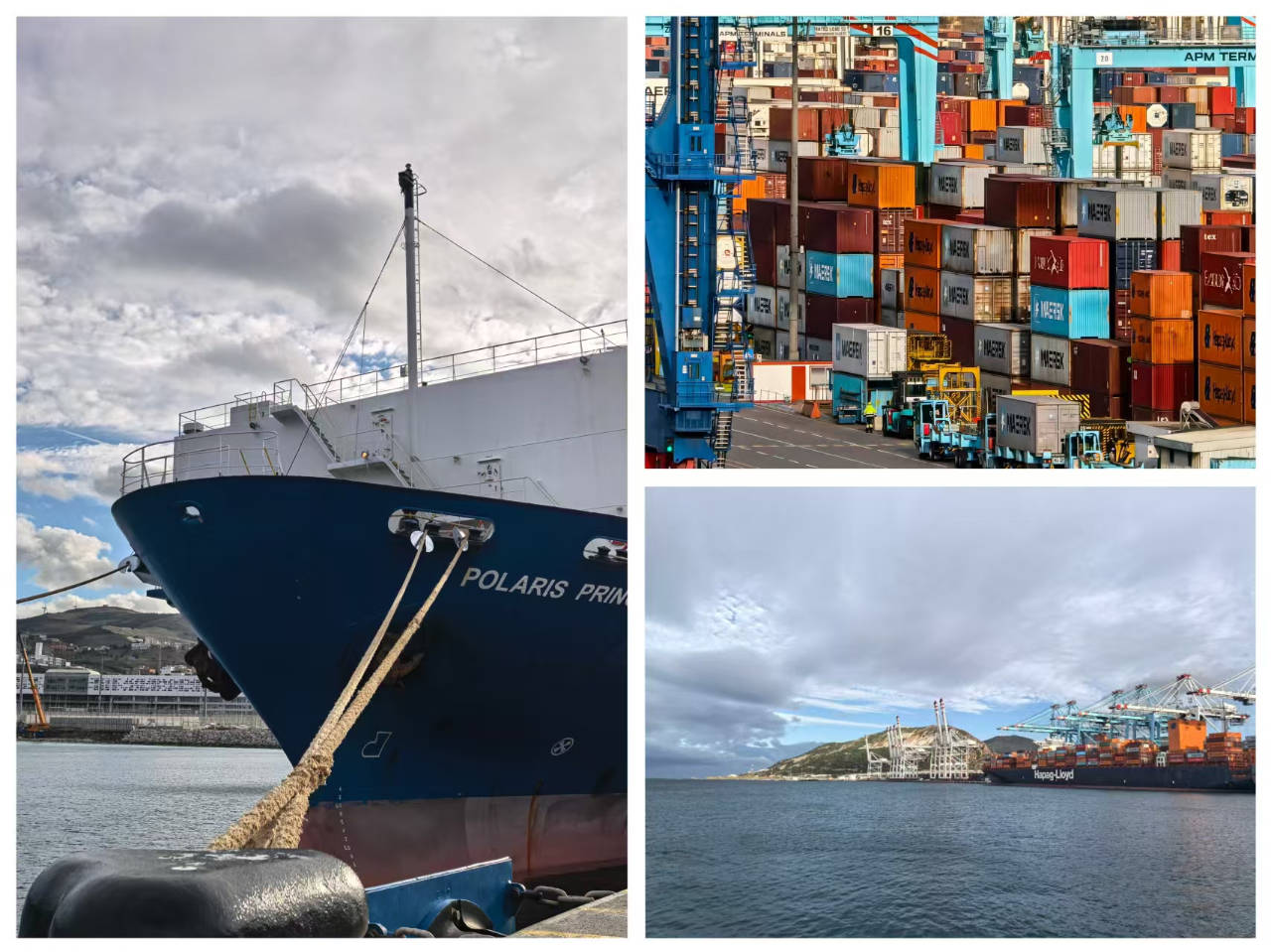
Core Insights - Morocco is transforming into a pivotal point for intercontinental supply chains, leveraging its unique agricultural exports and the operation of world-class ports like the Tangier Mediterranean Port [1][4] - The country is increasingly attracting international investments through systematic policies, establishing a development pattern that connects product exports with logistics hubs, thereby enhancing its role in the global economic system [1][4] Agricultural Exports - Morocco has evolved from a traditional supplier to a significant exporter of high-value agricultural products, ranking among the top suppliers of tomatoes and citrus fruits globally [4] - Over the past 20 years, Morocco's total fruit and vegetable production has increased by 25%, with fruit production rising by 33% from under 4 million tons to over 5 million tons, and vegetable production growing by 17% [4] - The agricultural export value has surged nearly 500% over the past two decades, with tomato exports to Europe projected to reach €1 billion in 2024 [4] - For the 2024-2025 season, Morocco's fruit and vegetable exports are expected to reach 1.6 million tons, marking an 18% year-on-year increase [4] Market Expansion - The Asian market is emerging as a new growth area for Moroccan agricultural exports, with significant increases in the export of fruits and vegetables, particularly blueberries and citrus products [5] - Modern processing centers have been established to cater specifically to the Asian market, showcasing the potential for further growth in this region [5] Logistics and Infrastructure - Morocco has developed a dual logistics network of air and sea transport to ensure the freshness of its agricultural products, with direct cargo routes to Hong Kong and Singapore for high-value items [8] - The Tangier Mediterranean Port plays a crucial role in supporting Morocco's agricultural exports, ranking 17th among the world's major container ports, with a throughput of 141.2 million tons in 2024, accounting for nearly 59% of the country's total port throughput [11][15] - The port's infrastructure has seen significant growth, with a 15.2% increase in total throughput in 2024, driven by simultaneous growth in imports, exports, and transshipment [11] Investment and Economic Strategy - Morocco is implementing a dual-engine strategy focused on investment and export, attracting investors from various sectors including automotive, battery, aviation, textiles, and digital industries [16][18] - The Moroccan Investment and Export Development Agency is actively supporting local businesses and SMEs in expanding their global market presence, aiming to establish "Made in Morocco" as a credible international brand [18] - In 2024, Morocco's goods trade export value reached $45.49 billion, a 5.8% increase, with key exports including automobiles ($15.76 billion), phosphates ($8.67 billion), and agricultural products ($8.58 billion) [20]
霍尼韦尔孙建能称规模效应不足推高可持续航空燃料成本
Zhong Guo Jing Ying Bao· 2025-12-24 00:17
Core Insights - The high cost of Sustainable Aviation Fuel (SAF) is primarily due to insufficient economies of scale in the industry, limited raw material supply, and high initial investment requirements for advanced production technologies [1][3]. Group 1: Market Demand and Supply - There is a high demand for SAF in the international market, while the supply of used cooking oil, a key raw material for SAF production, is insufficient [1]. - The price of SAF has exceeded $2000 per ton (approximately 14,000 RMB per ton), with the price of used cooking oil rising from over 1000 RMB per ton two years ago to over 6000 RMB per ton currently [1]. Group 2: Production Capacity and Technology - Honeywell's Ecofining™ technology has achieved commercial production of SAF in China, with a large production facility in Lianyungang capable of converting 10,000 barrels of kitchen waste oil into SAF daily, equating to an annual capacity of approximately 500,000 tons [2]. - Another SAF production base in Suining, Sichuan, is expected to have an annual output of 500,000 tons, potentially becoming the largest sustainable aviation fuel project in Western China [2]. Group 3: Cost Challenges and Solutions - The high cost of SAF is attributed to the early stage of the industry, limited production scale, and high raw material costs, alongside the need for clear and long-term policy support to stabilize market demand [3]. - Honeywell is focused on continuous technological innovation and industry collaboration to reduce SAF costs, including the development of the FT Unicracking™ technology, which can lower carbon emissions by 90% and reduce costs by up to 20% [4]. - The company is also expanding the range of raw materials used for SAF production, such as utilizing corn-based, cellulose-based, or sugar-based ethanol, to diversify sources and meet growing aviation market demand [4]. Group 4: Environmental Impact and Future Outlook - SAF has a significant carbon reduction potential, with the ability to reduce greenhouse gas emissions by over 80% throughout its lifecycle [4]. - The International Air Transport Association predicts that by 2050, SAF will contribute to 65% of the aviation industry's carbon reduction efforts, making it a key pathway for achieving net-zero emissions in aviation [4].

欧盟经济整体温和增长
Jing Ji Ri Bao· 2025-12-23 22:49
在经济增长方面,2025年欧盟GDP预计将实现1.4%的温和扩张,高于2024年的1%。这一增长主要由私 人消费和投资驱动。受益于工资上涨和通胀放缓,欧盟居民实际可支配收入增加,推动了零售和服务业 复苏。但值得注意的是,成员国经济预测差异显著:波兰得益于基础设施投资和欧盟资金注入,预计 2025年GDP将增长3.2%;西班牙由于旅游业和房地产逐步复苏,预计将增长2.9%。相较之下,德国作 为欧盟最大经济体,预计增长0.2%,其中,制造业下滑是主要拖累因素。整体而言,今年欧盟经济总 量预计将达19.99万亿美元(名义值),约占全球经济的六分之一。 通货膨胀得到控制是2025年欧盟经济的一大亮点。11月欧元区消费者通胀年率稳定在2.1%,与10月持 平,接近欧洲央行的中期目标水平,这主要得益于能源价格回落和供应链恢复。今年年初,能源通胀曾 因中东地缘政治紧张而短暂上升,但欧洲央行通过多次降息有效抑制了价格压力。在成员国中,爱沙尼 亚的年通胀率最高,为4.7%,其次是克罗地亚(4.3%)和奥地利(4%)。与2024年相比,2025年欧盟 通胀更趋稳定,为货币政策转向刺激增长提供了空间。 总体而言,2025年欧盟经济 ...