咖啡

Search documents
可以吃的咖啡杯火爆!到底哪个创意鬼才想到把曲奇做成咖啡杯的......
东京烘焙职业人· 2025-12-25 08:39
这个形态已经反复出现在不同城市、不同类型的门店,特别是临近圣诞,有颜值又有话题,精品咖 啡店、酒店餐厅乃至街头快闪中,各种美丽曲奇咖啡杯快速上新,甚至还有用新疆馕的——算...算 你们厉害! 能吃的咖啡杯不只是"社交媒体刷屏产品",背后也是咖啡卷到极致后的"别出心裁"。 环保只是表层,真正的压力来自成本与情绪。 一开始,这类创意容易被冠以"环保",似乎是为了减少一次性杯具浪费。但真正推动它的,恰恰是 成本与情绪的双重压力:对于咖啡杯质感与设计的要求的不断提升,同时还有消费者对于咖啡创意 度的心理阈值不断提升。杯子卖的不是咖啡,也不是环保理念,而是"被拍下的那一刻"带来的情绪 与社交认同。 曲奇、脆筒等做成咖啡杯——最近这股风真的有点大。这个创意堪称咖啡版"冰淇淋化文艺复兴"。 它不是咖啡噱头型创意第一次出现,但正在打开烘焙行业关于边界拓展的想象力:当杯子可以吃, 当容器本身也能成为内容,咖啡不再只是液体,而是整个消费场景的载体。 其次是咖啡卷到"内容不足",需要新的叙事。 精品咖啡市场的竞争已经从"味道"走向"内容",甚至"体验"。一杯咖啡好不好喝固然重要,但今天 的消费者更希望获得可视化、可分享的记忆点—— ...


门店破万!跻身咖啡“四大天王”,前饿了么高管和瑞幸掰手腕
东京烘焙职业人· 2025-12-25 08:39
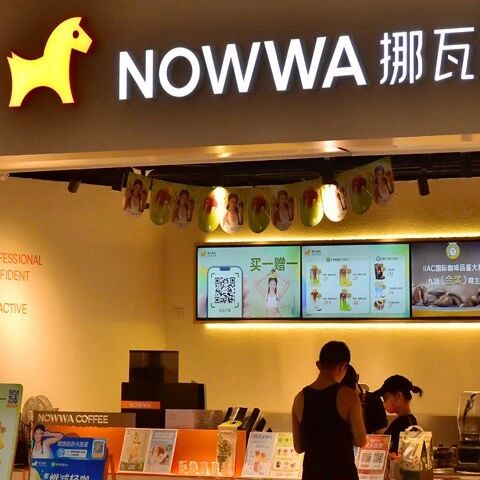
Core Viewpoint - The article discusses the rapid expansion of coffee brands in China, particularly focusing on NOWWA Coffee, which has recently surpassed 10,000 stores globally, joining the ranks of other major players like Luckin Coffee, Kudi, and Lucky Coffee in a competitive landscape [4][11]. Group 1: Market Overview - NOWWA Coffee has achieved over 10,000 stores, covering more than 300 cities in China and expanding into Southeast Asia and Australia [4]. - The current store counts for major competitors are: Luckin Coffee at 29,000, Kudi at 15,000, and Lucky Coffee at 10,000 [4]. - The average consumer spending for these brands is as follows: Luckin at 14.28 yuan, Kudi at 10.48 yuan, Lucky Coffee at 8.14 yuan, and NOWWA at 16.99 yuan, indicating a focus on affordable coffee [4]. Group 2: Business Model and Strategy - NOWWA Coffee was founded by Guo Xingjun, who identified a growing demand for coffee in the breakfast market while working at Ele.me, leading to the establishment of a coffee shop in Shanghai in 2019 [6][9]. - The brand adopted a "store-in-store" model, partnering with existing businesses like restaurants and bakeries to minimize costs and validate the market potential for affordable coffee [10]. - During the pandemic, NOWWA pivoted to online sales and takeaway services, leveraging its team's experience from Ele.me to sustain growth [10]. Group 3: Expansion and Future Goals - NOWWA Coffee's rapid growth is attributed to its "store-in-store" strategy, with 7,235 of its stores (91.9%) operating under this model as of November 2025 [11]. - The brand aims to reach 30,000 stores by 2030, focusing on high-quality locations while maintaining profitability per store [16]. - The initial investment for opening a NOWWA Coffee outlet in a convenience store is approximately 16,000 yuan, significantly lower than traditional standalone coffee shops [16]. Group 4: Competitive Landscape - The article highlights the competitive dynamics among the "Big Four" coffee brands in China, noting that each has distinct strategies: Luckin focuses on digital operations, Kudi on aggressive expansion, and Lucky Coffee on cost efficiency [18]. - NOWWA Coffee emphasizes flexibility in market penetration but lacks a standout product that could dominate the market, which may hinder its brand recognition [18]. - The article raises concerns about the sustainability of the "store-in-store" model, as it may lead to lower sales volumes compared to independent stores and potential brand dilution [17].

再去美国上市,瑞幸还能讲什么故事? | 「钛度号」作品月榜第133期
Tai Mei Ti A P P· 2025-12-25 05:53
Core Insights - The article discusses the "Titanium Praise" ranking, which evaluates outstanding works on the Titanium Media APP based on various metrics such as popularity, content quality, and editorial recommendations. This ranking will be published across multiple channels and will serve as a reference for the annual "Titanium Media Author" awards [2]. Group 1: Rankings and Highlights - The top-ranked article discusses Luckin Coffee's potential for overseas expansion, emphasizing the need for the company to prove its ability to replicate its business model beyond the Chinese community [2]. - The second-ranked piece analyzes Google's energy efficiency in data centers, suggesting that the real issue for AI is not a lack of electricity but rather a lack of time [3]. - The third-ranked article examines the challenges faced by Seris on its first day of trading in Hong Kong, highlighting the difficulties of entering the high-end market amid intense domestic competition [4]. - The fourth-ranked work reflects on the impact of leaving New Oriental, likening it to graduating from a prestigious institution and emphasizing the need for adaptability in the current landscape [5]. - The fifth-ranked article discusses the competitive landscape for China's "four small dragons" in the GPU sector, indicating that successful IPOs will mark the beginning of a more challenging competition [6]. - The sixth-ranked piece delves into Lei Jun's struggles with Xiaomi, pointing out the risks associated with rapid growth and the pressures of maintaining a leading position [7]. - The seventh-ranked article critiques the capital market's hesitance towards trendy toys, suggesting that fleeting popularity and a thin consumer base hinder long-term success [8]. - The eighth-ranked work explores the competitive dynamics in the food delivery market, emphasizing the need for instant supply to redefine retail [9]. - The ninth-ranked article highlights the potential of short drama e-commerce as a new growth area, while reiterating that trust, efficiency, and supply chain remain foundational to e-commerce [10]. - The tenth-ranked piece discusses the evolution of venture capital into high-interest lending, reflecting on the narrowing paths for investment and the need for innovative funding solutions [11].

门店破万,跻身咖啡「四大天王」,前饿了么高管和瑞幸掰手腕
36氪· 2025-12-25 00:26
Core Viewpoint - The article discusses the rapid expansion of coffee brands in China, particularly focusing on the emergence of four major players: Luckin Coffee, Kudi Coffee, Lucky Coffee, and Nova Coffee, which have collectively reached over 10,000 stores, marking a significant milestone in the coffee industry [4][15]. Group 1: Market Dynamics - Nova Coffee has recently surpassed 10,000 stores globally, joining the ranks of other major coffee brands, with Luckin Coffee leading at 29,000 stores, Kudi at 15,000, and Lucky Coffee at 10,000 [4]. - The average consumer spending for these brands varies, with Luckin at 14.28 yuan, Kudi at 10.48 yuan, Lucky Coffee at 8.14 yuan, and Nova Coffee at 16.99 yuan, indicating a focus on affordable coffee options [4]. Group 2: Business Model and Strategy - Nova Coffee's unique approach involves a "store-in-store" model, allowing it to expand rapidly with minimal investment, leveraging existing foot traffic from partner establishments like restaurants and convenience stores [12][20]. - The initial investment to open a Nova Coffee outlet in a convenience store is approximately 1.6 million yuan, significantly lower than traditional standalone coffee shops, which can cost between 180,000 to 230,000 yuan [22][23]. Group 3: Competitive Landscape - The article highlights the competitive strategies of the four major coffee brands, noting that Kudi Coffee has achieved rapid expansion in just two years, while Nova Coffee has focused on a more gradual approach with a strong emphasis on online sales and partnerships [16][28]. - Nova Coffee's growth strategy includes a shift back to the "store-in-store" model after experimenting with independent stores, indicating a flexible approach to market demands [19][24]. Group 4: Future Outlook - Nova Coffee aims to reach over 30,000 stores by 2030, with a focus on maintaining profitability and brand integrity amidst rapid expansion [26]. - The article emphasizes the importance of sustainable growth models and the need for brands to differentiate themselves in a saturated market, questioning how they will maintain consumer loyalty as coffee becomes ubiquitous [29][30].

美媒:西方品牌需要更多了解中国
Xin Lang Cai Jing· 2025-12-24 22:54
Core Insights - China has maintained an open attitude towards Western consumer brands, but these brands still have much to learn about Chinese consumers [1][2] - Multinational brands previously viewed China as a growth engine requiring only time and scale, but this assumption is now being challenged [1] Group 1: Market Dynamics - Global companies in retail, food, and consumer services are struggling to keep pace with the evolving preferences of Chinese consumers, who are becoming more price-sensitive and favoring localized tastes [1] - The success of local competitors is attributed to operational agility rather than brand building, with efficient supply chains and rapid store deployment tailored to local demands [1] Group 2: Competitive Landscape - Unlike in the past, local Chinese competitors are not solely relying on low prices; they are more data-driven and can implement changes quickly, such as launching new products or offering short-term discounts [2] - Foreign brands are often hindered by global decision-making processes, which delay product changes and pricing adjustments, allowing local competitors to seize market opportunities [2] Group 3: Strategic Adjustments - There is a growing trend among multinational companies to reassess their operations in China, with many considering local partnerships or investments to enhance their market understanding and operational speed [2] - The importance of adapting to local consumer preferences is becoming evident across various sectors, from fast food to sports retail and medical devices, as global companies face challenges in a rapidly evolving market [2]
新消费派|咖啡行业“万店之战” 的下半场,从“拼规模扩张”转向“拼综合能力”
Xin Hua Cai Jing· 2025-12-24 12:29
Core Insights - The coffee industry in China is experiencing significant expansion in 2025, with brands like Luckin, Kudi, Lucky Coffee, and Nova Coffee surpassing 10,000 stores, indicating accelerated competition [1] - The market is shifting from extensive expansion to layered competition, focusing on quality upgrades, efficiency optimization, and resource integration by 2026 [1][2] - The coffee market is projected to reach approximately 130 billion yuan in 2025, providing a prime opportunity for established brands to capture market share [2] Market Dynamics - Nova Coffee's rapid expansion is noteworthy, with its store count increasing from 3,258 in July 2025 to over 10,000 by December, showcasing a growth rate that outpaces industry averages [2][3] - The "parasitic" model employed by Nova Coffee, embedding coffee services within existing commercial entities, has allowed for efficient market penetration and reduced operational costs [3][4] - The coffee industry is undergoing a transformation where brands must either increase prices for premium positioning or expand to dilute fixed costs, with many opting for the latter [4] Competitive Landscape - The coffee sector is entering a structural reshuffle, with volume-driven brands like Luckin and Lucky Coffee focusing on lower-tier cities, while high-end brands may face contraction due to unclear positioning [6] - Starbucks leads globally with 40,990 stores, followed by Luckin with 29,214 and Kudi with 18,000, indicating a competitive hierarchy in the market [6] - Brands are increasingly recognizing the limitations of continuous expansion, with the "10,000 store" mark potentially serving as a ceiling for growth [7] Financial Performance - Luckin's third-quarter report for 2025 shows a net profit decline of 2% despite revenue growth, highlighting the challenges of maintaining profitability amid aggressive expansion [8] - Grid Coffee, focusing on high-quality offerings without engaging in price wars, has successfully expanded its store count to over 100, emphasizing a stable pricing strategy [9] Future Outlook - The coffee industry is evolving towards a focus on brand value and long-term sustainability, with companies needing to balance expansion efficiency with maintaining brand integrity [10] - Key competitive capabilities will include global supply chain management, digital operations, and the ability to adapt to market changes, particularly in overseas markets [11] - The future of competition will center on creating user value and addressing broader societal impacts, moving beyond mere scale and efficiency [11]

一杯咖啡只卖6元,到底能不能赚钱?
3 6 Ke· 2025-12-24 03:19
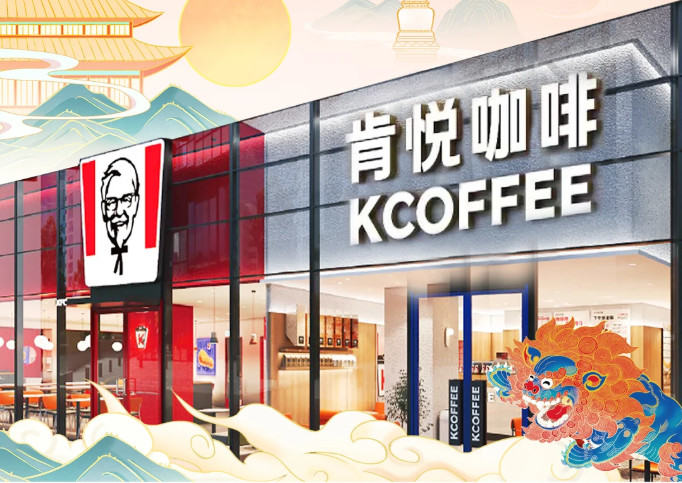
Core Insights - Yum China CEO Qu Cui Rong stated that the 6 yuan KFC coffee can still be profitable, which has drawn industry attention [1] - The low price strategy is supported by extreme cost control and a unique store opening strategy called "shoulder-to-shoulder" [1][2] Group 1: Business Strategy - The "shoulder-to-shoulder" strategy involves renting out idle space in existing KFC locations to reduce labor and rental costs while managing both chicken and coffee operations [1] - This strategy has been identified as a key factor in KFC coffee's profitability [1] Group 2: Store Expansion - KFC coffee has accelerated its store expansion, adding approximately 300 new stores in the first two quarters of 2023, with plans to exceed 1,500 stores by year-end [2] - The target for store growth was raised to 1,700 in Q2, and by Q3, the number of stores surpassed 1,800, with expectations to exceed 5,000 by 2029 [2] Group 3: Pricing Strategy - KFC coffee continues to implement a low-price strategy, offering coffee at 6 yuan with monthly cards and various promotional activities [2] - CEO Qu Cui Rong emphasized the importance of maintaining a balance between resilience, growth, and a competitive edge without resorting to excessive spending [2] Group 4: Industry Trends - Other coffee brands are also engaging in aggressive pricing strategies, with some offering coffee for as low as 3.9 yuan [4] - The increasing prevalence of low-priced coffee has led to a price war in the industry, raising concerns about quality degradation and market sustainability [7] Group 5: Market Dynamics - Some brands, like Luckin Coffee, have started to increase prices, indicating a shift towards establishing a higher price point to differentiate from competitors [8] - Analysts suggest that a cautious consumer trend is emerging, where customers prefer better quality products at acceptable price points, necessitating a focus on quality alongside price increases [8]

门店破万,跻身咖啡“四大天王”,前饿了么高管和瑞幸掰手腕
3 6 Ke· 2025-12-23 23:36
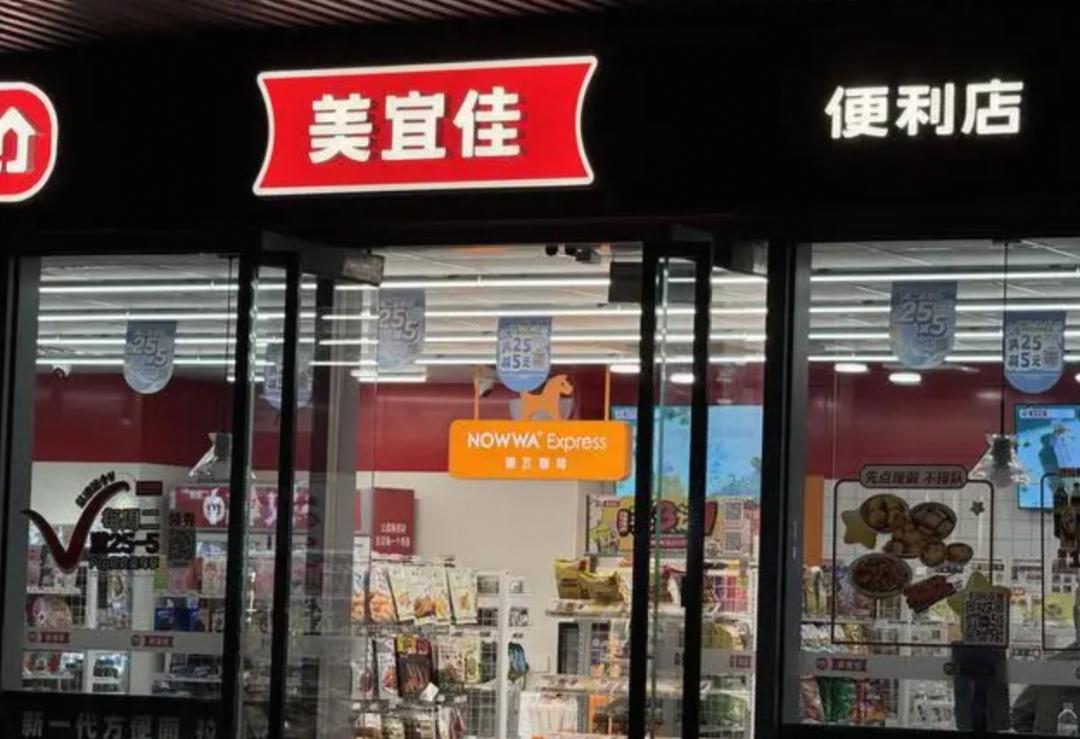
Core Insights - The article discusses the rapid expansion of coffee chains in China, particularly focusing on NOWWA Coffee, which has recently surpassed 10,000 stores globally, joining the ranks of major competitors like Luckin Coffee, Kudi, and Lucky Coffee [1][7] Group 1: Market Overview - The coffee market in China is witnessing a significant transformation, with four major players: Luckin Coffee (29,000 stores), Kudi (15,000 stores), Lucky Coffee (10,000 stores), and NOWWA Coffee (10,000 stores) [1] - NOWWA Coffee has achieved a remarkable growth rate, with a year-on-year increase of over 400% in store numbers, peaking at 1,800 new stores in a single month [8][12] Group 2: Business Model and Strategy - NOWWA Coffee employs a "store-in-store" model, partnering with existing businesses like restaurants and convenience stores to minimize costs and maximize reach, with 91.9% of its stores being this type [8][12] - The initial investment for opening a NOWWA Coffee outlet in a convenience store is approximately 16,000 yuan, significantly lower than traditional standalone coffee shop investments [12] Group 3: Competitive Landscape - The competitive dynamics among the four major coffee brands highlight different strategies: Luckin focuses on digital operations, Kudi on aggressive expansion, and Lucky Coffee on cost leadership, while NOWWA emphasizes flexibility and market penetration [15][17] - The article notes that while NOWWA has a strong presence, it still lacks a standout product that can dominate the market, which may hinder its brand recognition [15] Group 4: Future Outlook - NOWWA Coffee aims to expand to over 30,000 high-quality stores by 2030, with a focus on maintaining profitability and operational efficiency [13] - The coffee market's evolution raises questions about brand loyalty and consumer choice as coffee becomes ubiquitous, emphasizing the need for brands to differentiate themselves [17]
祝贺!瑞幸咖啡董事长黎辉入选“2025年度茶饮咖啡十大杰出董事长”
Sou Hu Cai Jing· 2025-12-23 07:46
Group 1 - The core viewpoint of the article highlights the recognition of Luckin Coffee's Chairman, Li Hui, as one of the "Top Ten Outstanding Chairmen in Tea and Beverage for 2025" by a prominent financial media outlet [1] Group 2 - The domestic coffee market is experiencing intense competition characterized by ongoing price wars, yet Luckin Coffee has managed to achieve steady growth [3] - In Q3 2025, Luckin Coffee reported a revenue of 15.29 billion yuan, representing a year-on-year increase of 50.2%, with a GMV of 17.32 billion yuan and a monthly average of 112 million active customers, marking a 40.6% increase year-on-year [3] Group 3 - Luckin Coffee opened 3,008 new stores in a single quarter, bringing the total number of stores to 29,214, with franchise stores exceeding 10,000, reaching 10,332, making it the leader in the domestic coffee market [4] - Li Hui, as one of the earliest investors in Luckin Coffee, played a crucial role in the company's rapid expansion, and since he became Chairman in April, the company's performance has continued to improve significantly [4]

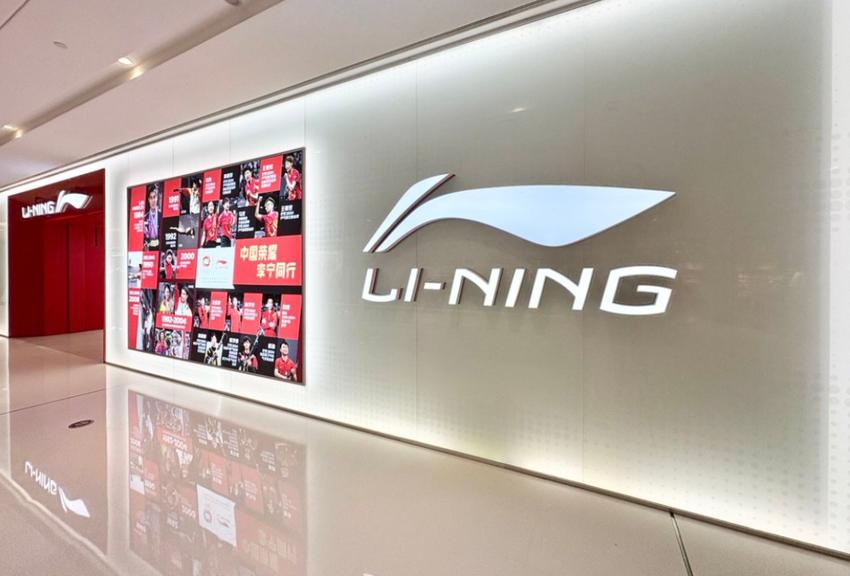
李宁,这次真的要把咖啡当生意了
3 6 Ke· 2025-12-23 07:33
Core Viewpoint - The opening of the new WellTown Super Outlet store in Beijing marks a significant shift for Li Ning's coffee brand, Ning Coffee, transitioning from a supplementary service to a standalone business model in a competitive market environment [2][4][12]. Group 1: Business Model Evolution - Ning Coffee has evolved from being an auxiliary service within Li Ning stores to an independent entity with its own storefront and seating area, indicating a strategic shift towards a more commercial approach [2][4][8]. - Initially, Ning Coffee was introduced in 2022 as part of a retail experience, focusing on enhancing customer comfort rather than generating sales, often using promotional strategies like "free drinks with purchase" [3][12]. - The new store's location in a public shopping space allows Ning Coffee to attract a broader customer base, not limited to Li Ning consumers, and requires it to compete with established coffee brands [7][12]. Group 2: Product Strategy and Market Positioning - The menu of Ning Coffee incorporates Li Ning's sports branding, with creatively named drinks that reflect the company's identity, such as "Red Rabbit Latte" and "Wade's Way Sparkling Drink" [8][11]. - The introduction of health-oriented products, such as drinks with kombucha or protein powder, aligns with current consumer trends towards wellness [11]. - Ning Coffee is also experimenting with localized products in different regions, showcasing adaptability to local tastes and preferences [11][12]. Group 3: Future Outlook - The company aims to scale Ning Coffee into a more independent operation by 2025, reflecting a commitment to exploring the coffee market as a potential growth avenue [12]. - This strategic move is seen as part of a broader trend where brands leverage high-frequency consumer products like coffee to strengthen customer connections and enhance the retail experience [12].