新茶饮

Search documents
这几个河南人,掀翻了中国消费市场
Sou Hu Cai Jing· 2025-07-09 04:51
Group 1 - The article highlights the remarkable success of companies like Pop Mart, Mixue Ice Cream, and Pang Donglai, which have emerged from Henan, a province not typically known for economic prosperity [3][4][11] - Pop Mart's market value surged to 250 billion HKD, increasing 8.2 times in less than a year, showcasing the potential for high-value consumer products in the region [3][4] - Mixue Ice Cream has expanded to over 46,000 stores globally, becoming the fifth-largest chain restaurant worldwide, indicating rapid growth and market penetration [6][10] Group 2 - The success of these companies is attributed to their ability to provide exceptional service and meet consumer needs effectively, rather than relying on unique products or high-tech innovations [4][5] - Pang Donglai has established itself as a benchmark in the retail sector by focusing on transparency and trust, addressing consumer concerns in a market often plagued by fraud [6][8] - The article emphasizes that Henan's unique social and cultural context fosters a pragmatic approach to business, allowing entrepreneurs to adapt and thrive in competitive environments [9][10] Group 3 - The article suggests that Henan's lower consumption levels make successful businesses more relatable and their business models more applicable across China [11] - The region's historical context, including its agricultural roots and the migration of its population for better opportunities, has shaped a resilient entrepreneurial spirit [8][9] - Despite existing challenges such as market irregularities and limited access to financing, Henan's evolving business landscape reflects broader trends in the Chinese market [11]




探寻蜜雪集团供应链密码:构建从田间到门店的竞争优势
Zheng Quan Ri Bao· 2025-07-07 16:46
Core Insights - The article highlights the success of Mixue Group in the competitive new tea beverage market, achieving over 1.1 billion cups sold in the past year and a market capitalization exceeding HKD 200 billion [1] - The company has built a robust supply chain system that supports its "high quality and low price" strategy, which is crucial for its rapid expansion [1][2] Supply Chain Development - Mixue Group operates a large supply chain factory, Daka International Food Co., Ltd., which provides stable and high-quality raw materials for over 46,000 stores [2] - The factory spans approximately 342,000 square meters with an annual production capacity of 1.21 million tons, supporting both Mixue and its subsidiary brand, Lucky Coffee [2] - The company has implemented a self-production model to control product quality and reduce costs, achieving a 49% reduction in procurement costs through strategic changes in packaging production [3][4] Raw Material Sourcing - Mixue Group has optimized its procurement and production processes, with over 60% of beverage ingredients sourced in-house and 100% of core ingredients produced internally [4] - The company employs a direct sourcing model, establishing close relationships with farmers to ensure stable income and high-quality raw materials [6][7] - As the largest lemon purchaser in China, Mixue's procurement costs for lemons are 20% lower than the industry average [7] Global Expansion - Mixue Group has rapidly expanded its overseas presence, with approximately 4,900 international stores by the end of 2024, focusing on Southeast Asia and entering markets like Japan and Australia [8] - The company utilizes a localized procurement and centralized distribution model to enhance logistics efficiency and responsiveness to local markets [8] - Plans are in place to establish a multifunctional supply chain center in Southeast Asia to optimize cost management and improve ingredient delivery to its store network [8][9]
外卖平台对轰“钞能力”:商家1亿个订单,有平台补贴2亿
阿尔法工场研究院· 2025-07-07 15:04
Core Viewpoint - The article discusses the intense competition in the Chinese tea beverage market, particularly during the recent delivery wars among major platforms like JD, Meituan, and Ele.me, highlighting the impact of subsidies on consumer behavior and brand dynamics [2][3][12]. Group 1: Market Dynamics - During the recent delivery wars, JD's tea drink orders reached nearly 50% of its total orders, while Taobao's tea drink orders accounted for 25% [6]. - The competition has led to a significant increase in sales for brands like Kudi, which achieved 100 million orders with 200 million yuan in subsidies from platforms [12]. - The tea beverage industry is experiencing a rapid elimination process, with over 160,000 tea shops closing in the past year [8][40]. Group 2: Consumer Behavior - Consumers are benefiting from the price wars, with many enjoying low-cost tea drinks, leading to a surge in consumption [11][12]. - The article notes that consumers are becoming accustomed to lower prices, which may affect their willingness to pay normal prices once the subsidies end [19][20]. - The perception of tea drink prices has shifted, with consumers now viewing previous prices as inflated, leading to a potential decline in sales for higher-priced products [20][21]. Group 3: Brand Positioning - New brands like Jasmine Milk White are leveraging platform resources to gain visibility and sales, achieving significant order growth during the subsidy period [13][16]. - Jasmine Milk White's unique positioning and product development strategies have allowed it to stand out in a crowded market [32][35]. - However, the brand faces challenges in maintaining price integrity and brand strength amidst intense competition and consumer price sensitivity [25][38]. Group 4: Industry Challenges - The tea beverage market is increasingly saturated, with a net decrease of 54,000 tea shops in the past year, indicating a tough competitive landscape [40]. - The article highlights the difficulty of differentiating products in a market where many brands offer similar items, leading to a homogenization of offerings [43]. - Jasmine Milk White's limited number of stores (1,300) compared to competitors like Mixue Ice City (over 33,000) poses a significant challenge for scaling and market presence [45]. Group 5: International Expansion - To seek growth, Jasmine Milk White is expanding into overseas markets, with plans to open stores in the U.S. and Thailand, having already established 19 overseas locations [46]. - The brand is adopting a "cross-border + local" supply chain model to ensure quality and compliance in its international operations [47]. - However, the brand faces challenges related to food safety and customer service, as evidenced by complaints and operational issues in its stores [48][49].
五天四板,强势爆发
Feng Huang Wang Cai Jing· 2025-07-07 12:28
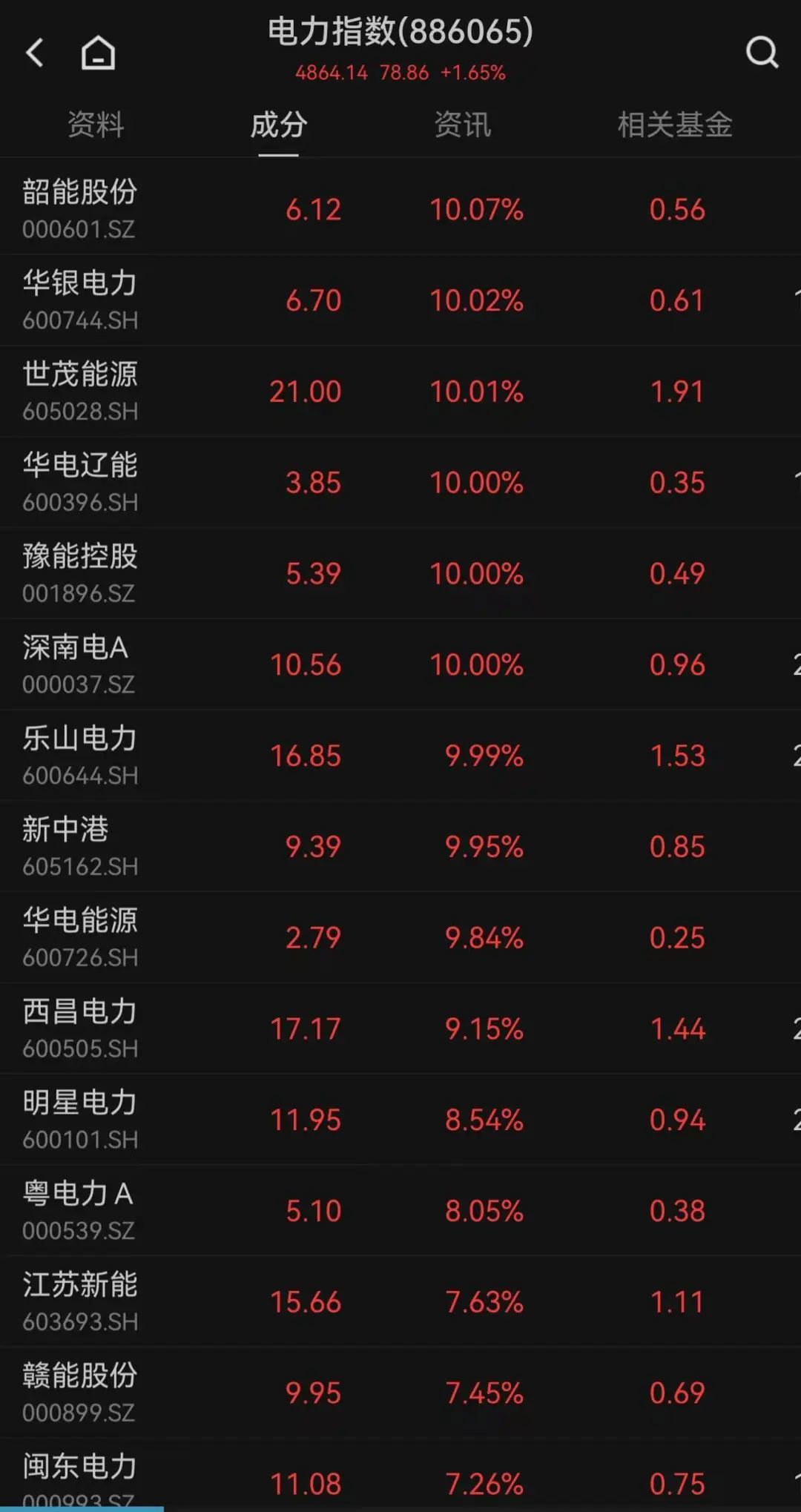
Core Viewpoint - The implementation of new quantitative regulations has led to a noticeable decrease in trading volume in the A-share market, with a total turnover of 1.23 trillion yuan today compared to 1.45 trillion yuan on the previous trading day, yet the market remains stable with limited selling pressure and some sectors, particularly the power sector, showing strong performance [1]. Group 1: Market Performance - A-shares experienced a significant reduction in trading volume, with the Shanghai Composite Index closing in the green despite the overall market's cautious sentiment [1]. - The power sector saw a remarkable surge, with over ten stocks, including Shaoneng Co., Huayin Power, and Shimao Energy, hitting the daily limit [1][2]. Group 2: Power Sector Dynamics - The power index rose by 1.65%, with notable gains from companies such as Shaoneng Co. (10.07%), Huayin Power (10.02%), and Shimao Energy (10.01%) [2][3]. - The ongoing high temperatures have led to increased electricity demand, particularly for air conditioning, benefiting power companies' generation and revenue [7]. Group 3: Factors Driving Power Sector Growth - High temperatures have prompted the Central Meteorological Observatory to issue yellow heat warnings, leading to sustained high electricity loads and improved power supply-demand dynamics [6]. - The commissioning of the largest thermal power plant in China, the No. 8 unit of the Zhejiang Beilun Power Plant, has further bolstered electricity supply during peak demand periods [6]. - Positive earnings forecasts, such as Huayin Power's projected net profit increase of 3600.7% to 4423.07% for the first half of 2025, have attracted short-term speculative interest in the power sector [6]. Group 4: Broader Sector Impacts - The high temperatures have also positively impacted other sectors, including home appliances, beverages, and environmental services, with increased sales of cooling devices and beverages [10]. - The logistics sector is experiencing mixed effects, with cold chain logistics benefiting while general freight is under pressure due to decreased transportation efficiency in extreme heat [10].

2025年新消费投融资半年报:从半年破百亿到不足30亿,谁还在投“新”消费?
3 6 Ke· 2025-07-07 08:22
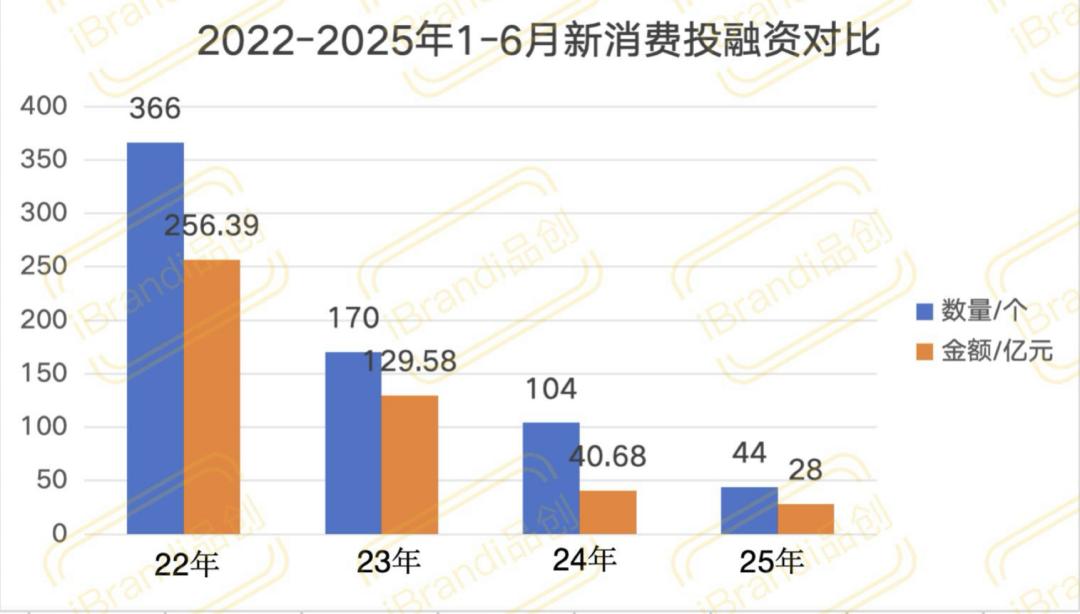
Core Insights - The investment logic in the consumer sector has fundamentally shifted from focusing on functional needs to addressing higher-level needs such as safety and self-actualization, with emotional value playing a crucial role [1][2][3] - The new consumption trend has seen a decline in the number of projects and disclosed financing amounts, indicating a cooling off in the market [2][4] - In 2025, the total disclosed financing for new consumption projects was approximately 2.8 billion RMB, a significant drop from previous years [4][6] Investment Trends - The focus has shifted towards long-term value, emphasizing brand repurchase rates, supply chain efficiency, and sustainable business models, moving away from "pseudo-innovation" reliant on capital infusion [1][2] - Projects that are likely to attract capital in 2024 and beyond will need to demonstrate technological innovation, sustainability, supply chain resilience, and adaptability to policies [1][2] Financing Overview - In the first half of 2025, 44 new consumption-related projects disclosed financing, totaling nearly 2.8 billion RMB, with a notable decrease in both project numbers and financing amounts compared to previous years [2][4] - The highest disclosed financing in this period was a 6.65 billion RMB acquisition by Qingdao Beer [6] Sector Analysis - The food and beverage sector remains dominant, with 16 projects disclosing financing of approximately 6.83 billion RMB, half of which are related to supply chain or innovative food [7] - The beverage sector saw limited financing activity, with only five projects disclosing funding, indicating a shift in investor interest [8] Emerging Trends - The pet economy is evolving, with a focus on enhancing the quality of life for pets rather than just meeting basic needs, as evidenced by significant investments in pet health and AI-enabled products [12][14] - The new tea beverage market is experiencing a wave of IPOs, indicating a transition from rapid expansion to a focus on supply chain efficiency and brand differentiation [16][17] Key Characteristics of Successful Brands - Successful new consumption brands in 2025 are characterized by technological innovation, sustainability, resilient supply chains, and a focus on emotional value [18][19] - The investment landscape emphasizes certainty in growth rather than short-term explosive potential, reflecting a deeper evolution in consumer demand [21][22]

千军万马闯港股
Bei Jing Shang Bao· 2025-07-07 03:41
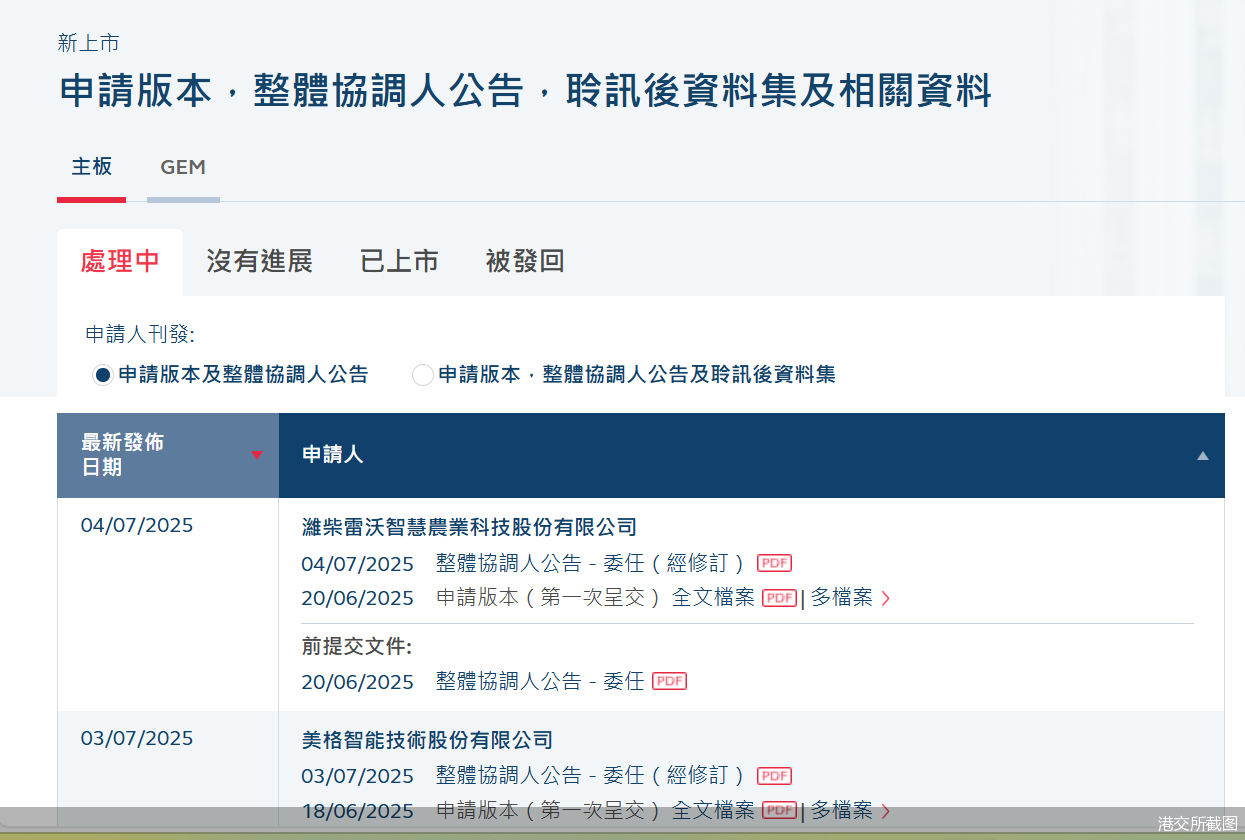
Group 1 - The core viewpoint of the article highlights a significant surge in IPO activities in Hong Kong, with 43 companies successfully listing in the first half of the year, compared to 30 in the same period last year, and total fundraising reaching 1,067.14 billion HKD, surpassing last year's total of 876.77 billion HKD, making it the largest globally [1] - The IPO wave is characterized by a diverse range of companies, particularly in new consumption and hard technology sectors, indicating a shift in the Hong Kong stock market ecosystem [1][10] - The Hong Kong Stock Exchange (HKEX) is preparing for over 100 IPOs, with more than 160 companies currently in the queue, reflecting a robust market interest [5][6] Group 2 - The article notes that the IPO landscape is evolving, with companies adopting various listing strategies, including direct listings and A+H share structures, to access capital markets [6][18] - Notable companies like Midea Group and SF Express have successfully listed, reigniting investor interest in the Hong Kong market [6][15] - The influx of A-share companies seeking to list in Hong Kong, including well-known firms like Seres and Zhaoyi Innovation, indicates a growing trend of companies looking to capitalize on the favorable market conditions [7][26] Group 3 - The article emphasizes the dual focus on new consumption and hard technology as the main drivers of the current IPO boom, with companies in these sectors receiving increased market acceptance and valuation [10][12] - The performance of newly listed companies, such as Mixue Group and Gu Ming, demonstrates strong market enthusiasm, with significant stock price increases post-IPO [10][11] - The article also highlights the improved liquidity in the Hong Kong market, which has attracted international long-term funds and sovereign wealth funds to participate in IPOs [13][30] Group 4 - The article predicts that the total fundraising for the year could reach 2,000 billion HKD, with expectations of 80 new listings, primarily from technology, media, telecommunications, and consumer sectors [26][28] - The trend of companies shifting from US listings to Hong Kong is noted, driven by a more favorable market environment and improved liquidity in Hong Kong [29][30] - The article concludes that the current IPO climate in Hong Kong is a result of supportive policies, market demand, and the internationalization of the Hong Kong stock market [21][25]




排队3000杯,这个去茶山非喝不可么
Ge Long Hui· 2025-07-04 13:10
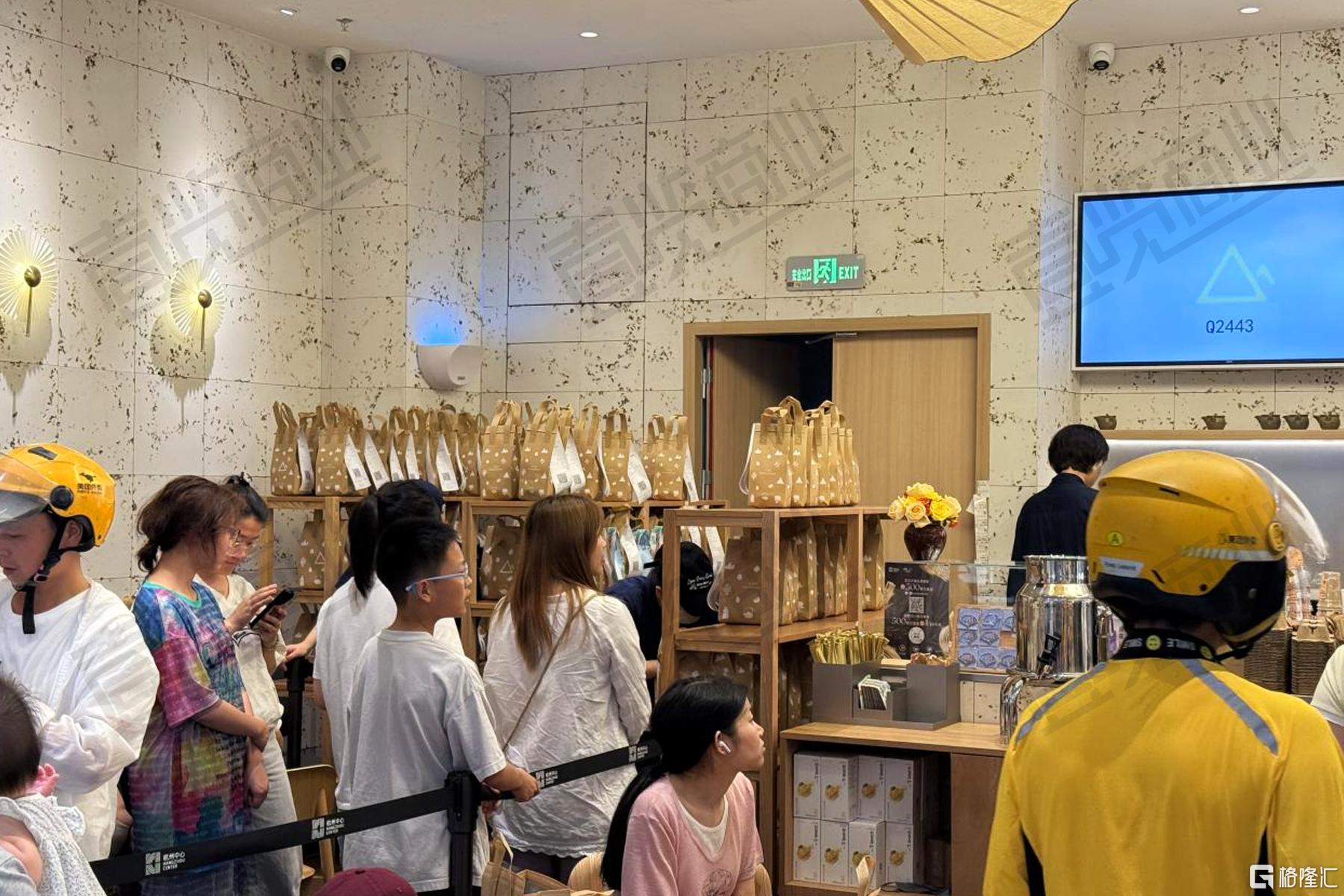
Group 1 - The core point of the article is the successful opening of the tea brand "去茶山" in Hangzhou, which attracted significant attention and long queues, indicating strong consumer interest and effective marketing strategies [2][3] - The brand focuses on local ingredients from Guizhou, offering unique products such as Guizhou Tongren matcha and prickly pear sparkling water, with prices ranging from 20 to 30 yuan [2][5] - The store's location in a high-traffic commercial area enhances its visibility and customer flow, contributing to its initial success [5][10] Group 2 - The brand's operational efficiency is noteworthy, achieving a cup output of 400 per hour, which is higher than the industry average of 200-300 cups per hour [10][11] - The high output is supported by a large staff presence and a streamlined product offering that reduces preparation complexity, allowing for quick service [11][13] - The brand employs a pre-order system that avoids on-site queuing, enhancing the customer experience despite the potential inconvenience of delayed pick-up times [13][15] Group 3 - The initial success of "去茶山" may not be sustainable in the long term, as similar brands often experience a decline in customer interest after the initial opening phase [14][15] - The brand's strategy includes selling local Guizhou snacks alongside tea, aiming to create a unique consumer experience and increase average transaction value [14] - The overall tea beverage industry is facing challenges such as rational consumer spending and declining average transaction values, which may impact the brand's future growth [15]
14年全球化征程,CoCo都可坚守长期主义赋能合作伙伴
Bei Ke Cai Jing· 2025-07-02 07:47
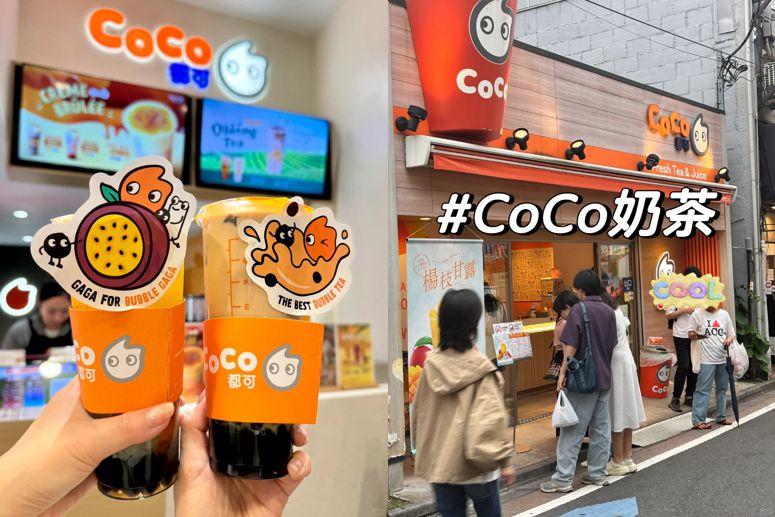
Core Insights - CoCo is expanding its international presence, having established a significant footprint across five continents, including Asia, Europe, America, Oceania, and Africa, and aims to become a century-old brand in the milk tea industry [3][26] - The company emphasizes a long-term partnership approach with local operators, focusing on mutual growth and adapting to local market needs [5][26] - CoCo has successfully integrated into various cultural contexts, utilizing localized marketing strategies and product offerings to resonate with consumers in different regions [8][19] Group 1: International Expansion - CoCo began its international journey in 2011, opening its first overseas store in the United States, and has since expanded to multiple countries, including Canada, Australia, and the Philippines [1][12] - The brand has opened 120 stores in Canada over 12 years, becoming a recognizable name in the Toronto milk tea market [12][9] - CoCo's expansion strategy includes entering new markets such as Europe and Africa, with plans to open stores in countries like Italy and Germany [12][14] Group 2: Local Adaptation and Market Strategy - CoCo has developed a systematic approach to market expansion, focusing on local cultural integration and consumer preferences, which has allowed it to thrive in diverse markets [8][19] - The company has successfully launched localized marketing campaigns, such as engaging with local influencers and participating in community events to build brand awareness [12][24] - CoCo's product innovation includes adapting popular flavors and introducing new items that cater to local tastes, such as the introduction of unique drinks in Japan and the Philippines [14][15] Group 3: Brand Identity and Consumer Engagement - CoCo has established a strong brand identity associated with pearl milk tea, becoming synonymous with the product in international markets [17][19] - The company actively engages with consumers through social media and community events, fostering a sense of connection and loyalty among customers [21][24] - CoCo's marketing strategies include collaborations with popular IPs and cultural themes, enhancing its appeal to younger demographics [23][24]
霸王茶姬“无声门店”入选信息无障碍优秀案例 成唯一入选新茶饮品牌
Guan Cha Zhe Wang· 2025-07-02 03:43
Group 1 - The 2025 Technology Accessibility Development Conference (2025TADC) was held in Beijing, recognizing outstanding cases in the field of accessibility, including the "Bawang Chaji" project for its inclusive initiatives [1] - Bawang Chaji's "silent store" project aims to create inclusive employment opportunities for the hearing-impaired, with the first store opening in Hangzhou in January 2024 and expanding to multiple cities [2] - The company has opened over 10 silent stores in mainland China and plans to launch its first Southeast Asian silent store in Singapore [2] Group 2 - The conference coincided with the second anniversary of the "Barrier-Free Environment Construction Law" in China, which guides the development of accessible environments [3] - Bawang Chaji is setting a practical example in the new tea beverage industry by implementing both physical and virtual accessibility measures, such as sign language indicators and an upgraded online ordering system [3] - The company is enhancing its online platforms to improve accessibility for disabled and elderly users, with upgrades expected to be completed within the year [2][3]
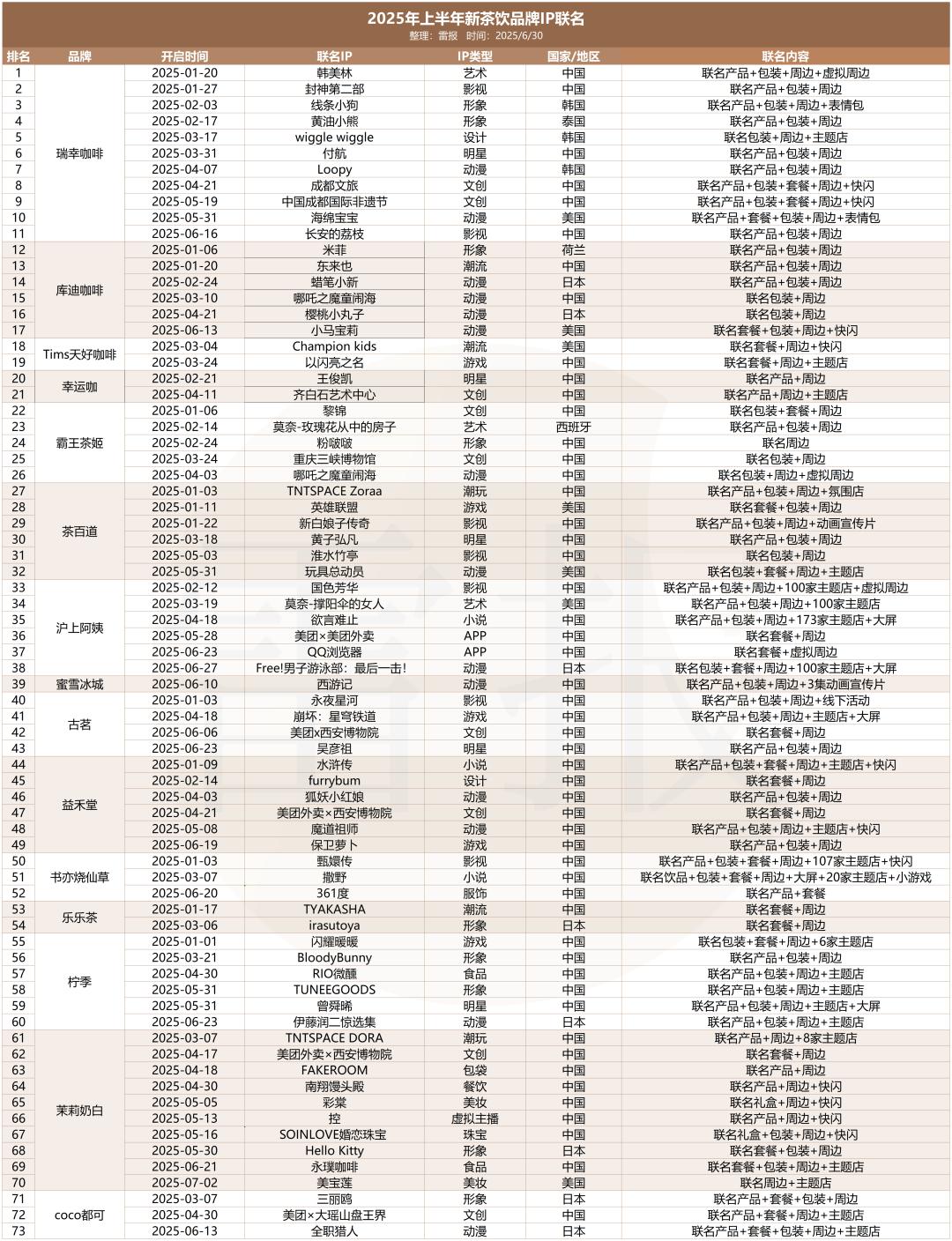
72起IP联名,半年烧钱上亿,新茶饮营销为何“高投入低热度”?
3 6 Ke· 2025-07-02 03:09
Core Insights - The rise of IP collaborations in the new tea beverage sector has transformed from a simple marketing tactic to a core battleground for brand traffic acquisition [1][20] - Despite the apparent excitement, many collaborations are becoming financially unviable, with increasing marketing expenditures and insufficient product innovation leading to a "loss-making" scenario [1][20] - In the first half of 2025, there were 72 IP collaboration events in the new tea beverage industry, showcasing a mix of successful and failed partnerships [1][3] Industry Trends - The new tea beverage market is experiencing a significant increase in IP collaborations, with brands like Luckin Coffee and Heytea adopting different strategies, leading to a clear industry differentiation [1][12] - The majority of collaborations are driven by anime, game, and character IPs, which account for nearly 40% of the total collaborations [3][4] - The trend of using celebrity IPs is evolving, with brands moving towards emotional asset management rather than just image licensing, as seen in collaborations with stars like Wang Junkai [6][20] Marketing Dynamics - Marketing expenditures for new tea brands have surged, with companies like Luckin Coffee spending up to 1.92 billion yuan in Q1 2025, reflecting a 49.3% year-on-year increase [12][13] - The effectiveness of these marketing strategies is showing diminishing returns, with brands experiencing a decline in search volume despite initial spikes in sales [14][20] - The reliance on IP collaborations is leading to a cycle where brands may prioritize marketing costs over product innovation, risking long-term brand health [16][20] Strategic Shifts - Some brands are reevaluating their approach to IP collaborations, with Heytea notably adopting a "no collaboration" strategy in the first half of 2025 to focus on high-end market positioning [1][18] - The industry is witnessing a shift towards more sustainable and meaningful partnerships, as brands seek to align with IPs that resonate with their core values and customer demographics [20] - Future success in IP collaborations will depend on brands' ability to balance short-term traffic gains with long-term brand equity, emphasizing the need for strategic selection and value co-creation [20]